Compreendendo a Cirurgia de Fusão Espinhal na Índia: Um Guia Abrangente para Pacientes Internacionais – 2026
A cirurgia de fusão espinhal oferece um caminho profundo para o alívio da dor lombar debilitante e da instabilidade espinhal, restaurando a mobilidade e melhorando a qualidade de vida. A Índia emergiu como líder global em cuidados avançados da coluna, atraindo pacientes de todo o mundo com sua combinação de expertise médica de classe mundial, tecnologia de ponta e opções de tratamento significativamente mais acessíveis. Este guia visa desmistificar a jornada para pacientes internacionais e suas famílias, fornecendo um roteiro claro desde a consulta inicial até a recuperação completa. Descubra como os principais hospitais da Índia e cirurgiões altamente qualificados estão transformando vidas através de procedimentos bem-sucedidos de fusão espinhal, garantindo tranquilidade em cada etapa do processo.
O Que é a Cirurgia de Fusão Espinhal?
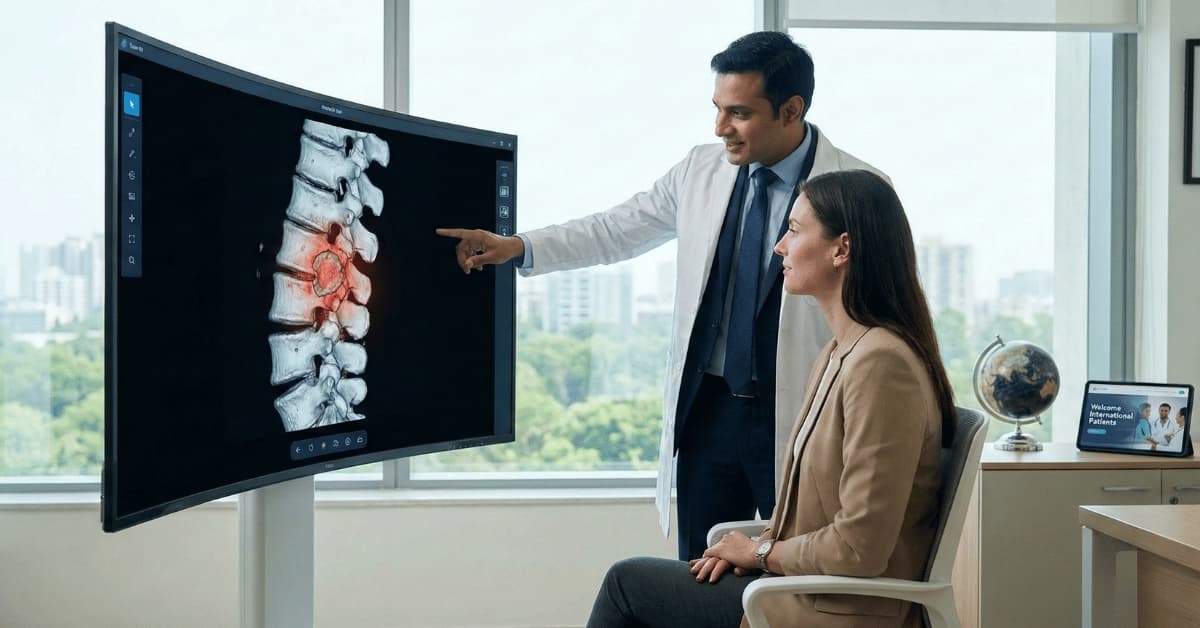
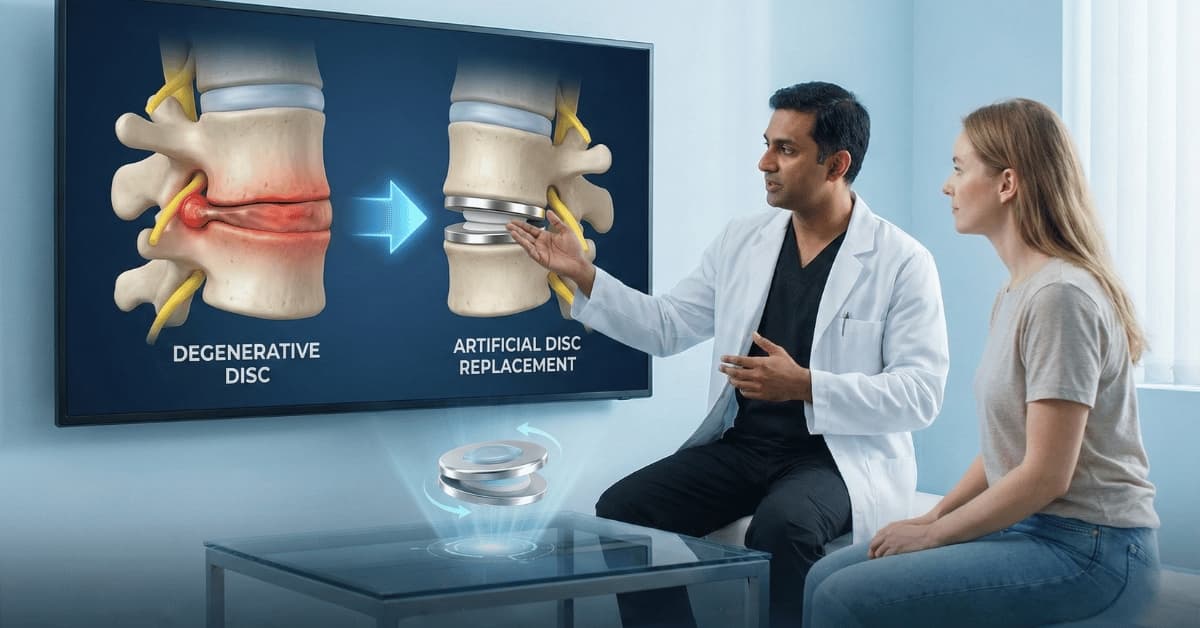
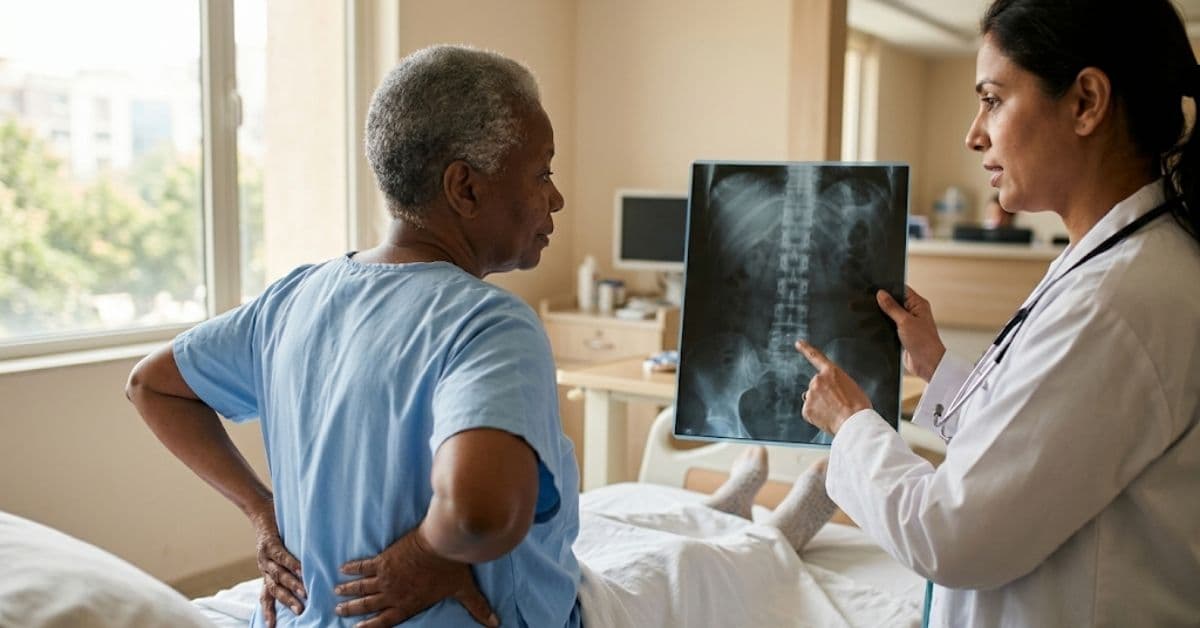
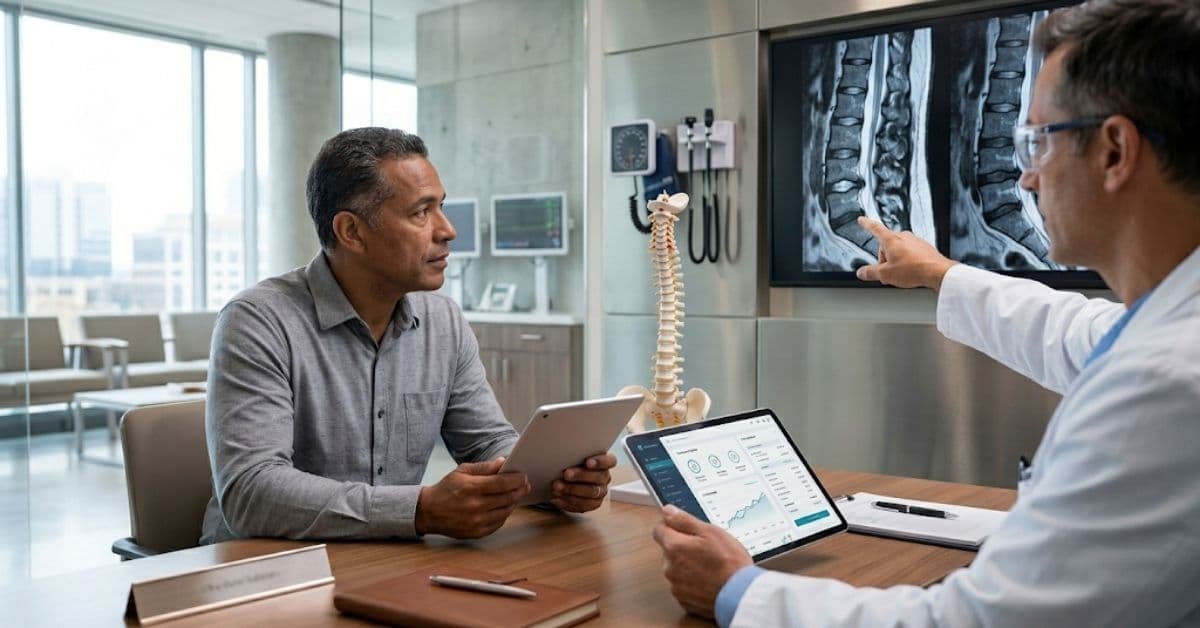
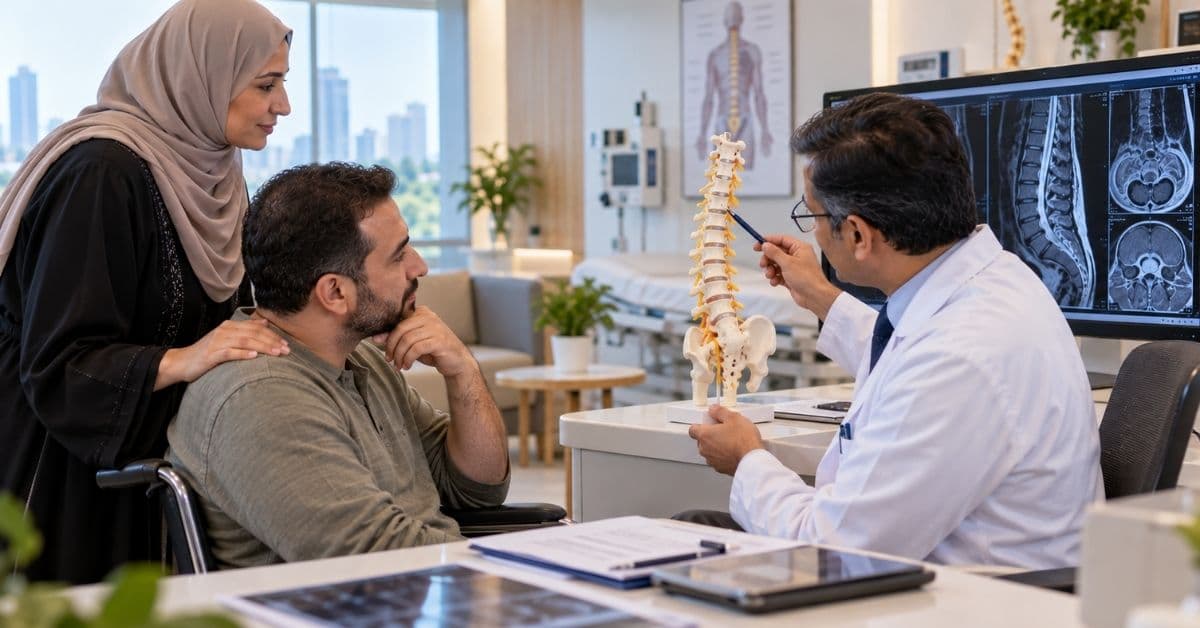
A cirurgia de fusão espinhal é um procedimento projetado para conectar permanentemente duas ou mais vértebras na sua coluna, essencialmente 'soldando-as' juntas. O objetivo é eliminar o movimento entre essas vértebras, reduzindo assim a dor, estabilizando a coluna e corrigindo deformidades. Imagine como fundir dois ossos do seu braço para formar um osso sólido após uma fratura – o princípio é semelhante para a coluna. Este procedimento é tipicamente recomendado quando tratamentos conservadores como medicação, fisioterapia ou injeções falharam em aliviar a dor persistente nas costas ou no pescoço causada por instabilidade ou degeneração espinhal. Ao criar uma massa óssea sólida, a fusão espinhal pode aliviar a pressão sobre os nervos, corrigir a curvatura da coluna e prevenir danos adicionais, permitindo que os pacientes recuperem uma vida mais ativa e sem dor.
Tipos de Procedimentos de Fusão Espinhal
A fusão espinhal pode ser abordada de diferentes ângulos e utilizando várias técnicas, cada uma adaptada à condição específica do paciente e à localização do problema espinhal. A escolha do procedimento depende de fatores como o segmento espinhal envolvido, a condição subjacente e a expertise do cirurgião.
Fusão Intercorporal Lombar Posterior (PLIF)
Na PLIF, o cirurgião acessa a coluna pela parte de trás. Após remover o disco danificado, um enxerto ósseo ou uma gaiola preenchida com material de enxerto ósseo é inserida no espaço do disco, e parafusos e hastes são usados para estabilizar as vértebras por trás.
- Acesso direto ao canal espinhal para descompressão nervosa
- Adequado para doença degenerativa do disco e espondilolistese
- Altas taxas de fusão devido à estabilização robusta
Fusão Intercorporal Lombar Transforaminal (TLIF)
A TLIF é uma variação da PLIF, também realizada pela parte de trás, mas utiliza uma abordagem mais oblíqua e unilateral. Isso geralmente resulta em menos disrupção muscular e uma recuperação potencialmente mais rápida em comparação com a PLIF tradicional, enquanto ainda alcança uma excelente fusão.
- Potencial minimamente invasivo com menos danos aos tecidos
- Eficaz para condições degenerativas de nível único
- Dor pós-operatória reduzida e menor tempo de internação hospitalar
Fusão Intercorporal Lombar Anterior (ALIF)
A ALIF envolve o acesso à coluna pela frente (abdômen). Essa abordagem permite a remoção completa do disco e a colocação de um enxerto ósseo ou gaiola maior, muitas vezes sem perturbar os músculos das costas, o que pode levar a menos dor lombar pós-operatória.
- Excelente para corrigir o alinhamento espinhal e restaurar a altura do disco
- Evita a disrupção dos músculos e nervos espinhais posteriores
- Frequentemente combinada com instrumentação posterior para maior estabilidade
Fusão Intercorporal Lombar Lateral (LLIF/XLIF/DLIF)
Essas técnicas minimamente invasivas envolvem o acesso à coluna pela lateral, através de pequenas incisões. São particularmente úteis para tratar múltiplos níveis da coluna lombar e podem reduzir significativamente o tempo de recuperação e a perda de sangue.
- Abordagem minimamente invasiva, preservando a integridade muscular
- Ideal para condições degenerativas de múltiplos níveis
- Recuperação mais rápida e menor tempo de internação hospitalar
Condições Tratadas pela Fusão Espinhal
A fusão espinhal é um procedimento versátil usado para tratar uma série de condições espinhais dolorosas e debilitantes que não responderam a tratamentos conservadores. O objetivo é estabilizar a coluna e aliviar os sintomas, prevenindo o movimento no segmento afetado.
Preparando-se para a Cirurgia de Fusão Espinhal na Índia
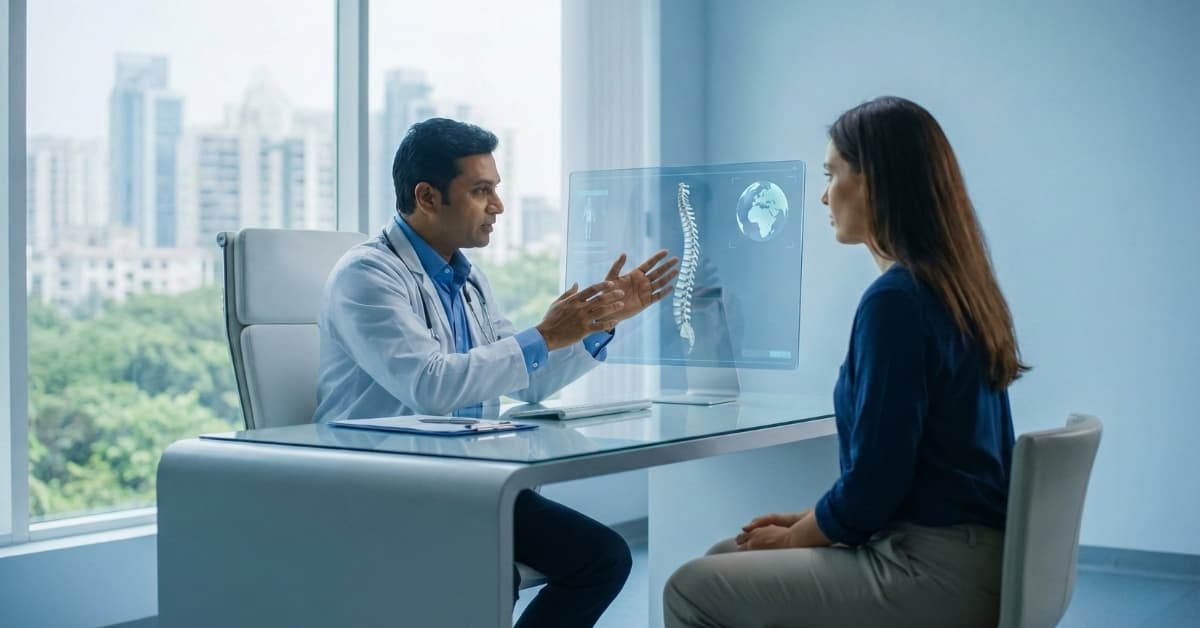
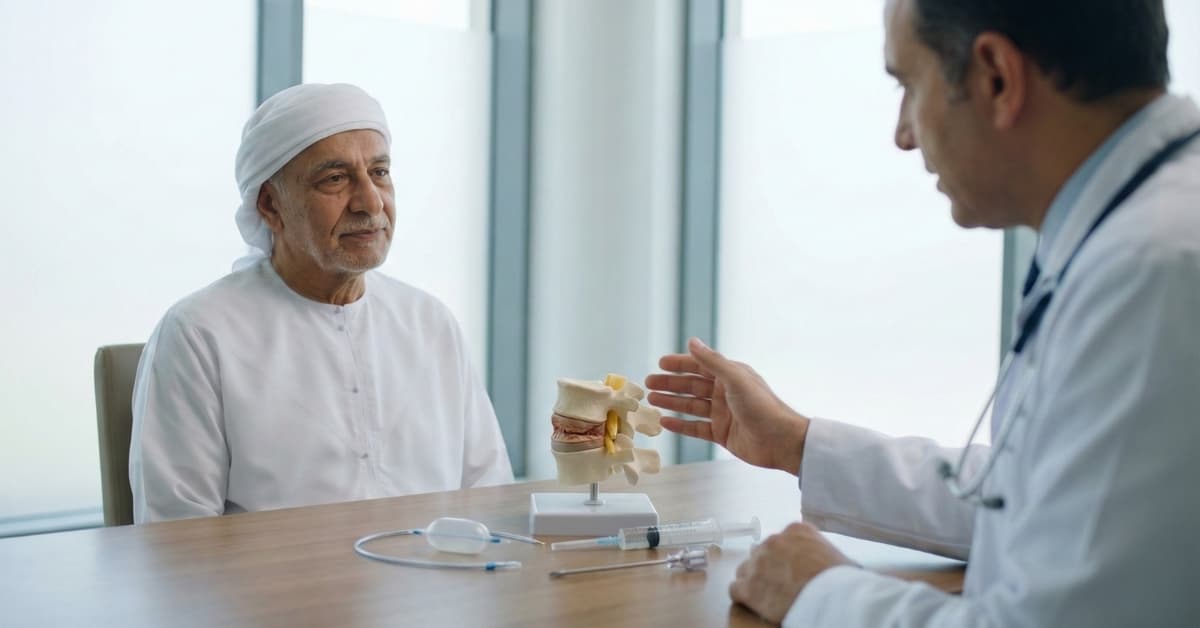
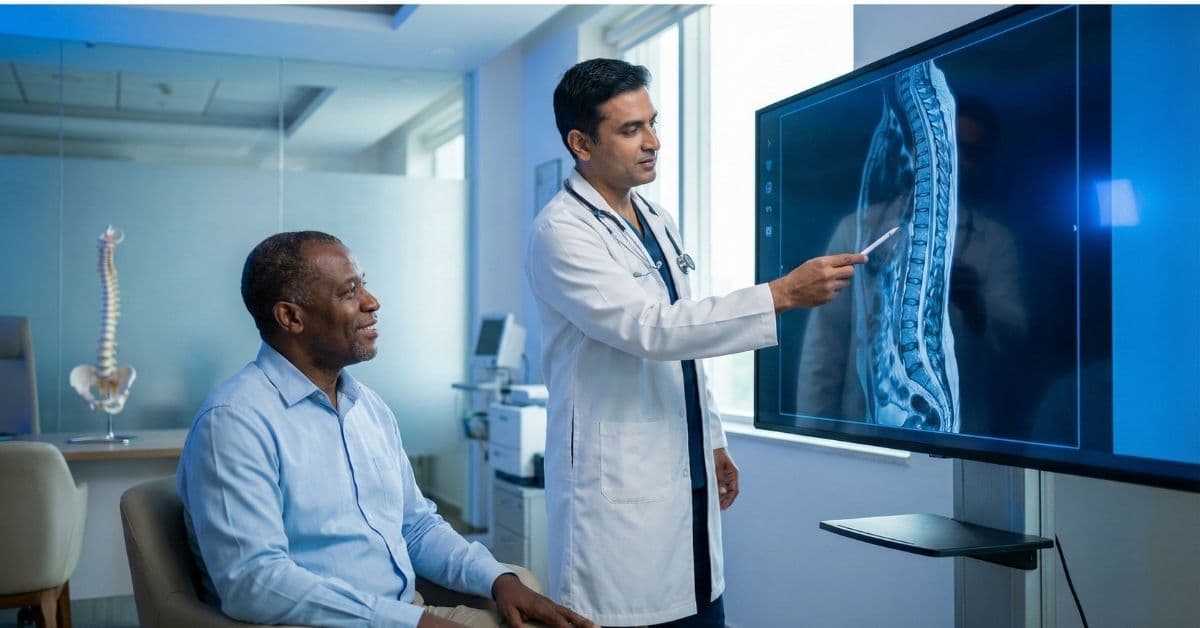
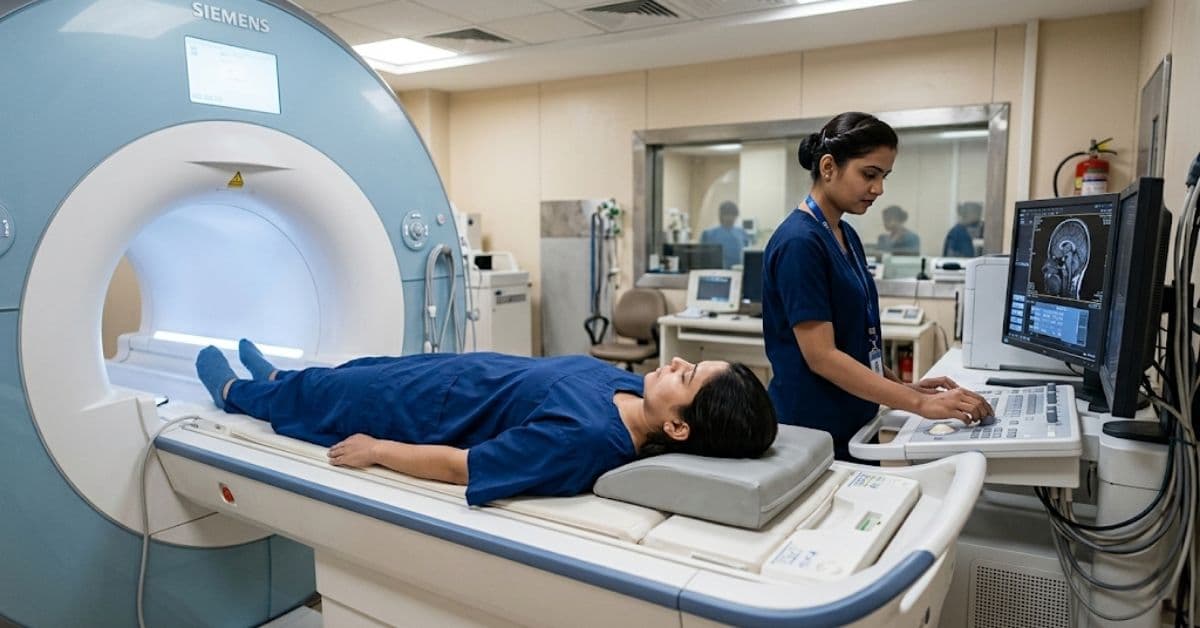
Embarcar em uma jornada médica no exterior exige preparação cuidadosa. Para pacientes internacionais que consideram a fusão espinhal na Índia, uma abordagem estruturada garante uma experiência tranquila e sem estresse, desde a consulta inicial até o cuidado pós-operatório. Sua equipe médica na Índia o guiará em cada etapa, mas compreender o processo geral pode ajudá-lo a se preparar mentalmente e praticamente.
Tecnologia e Técnicas Avançadas na Cirurgia da Coluna Indiana
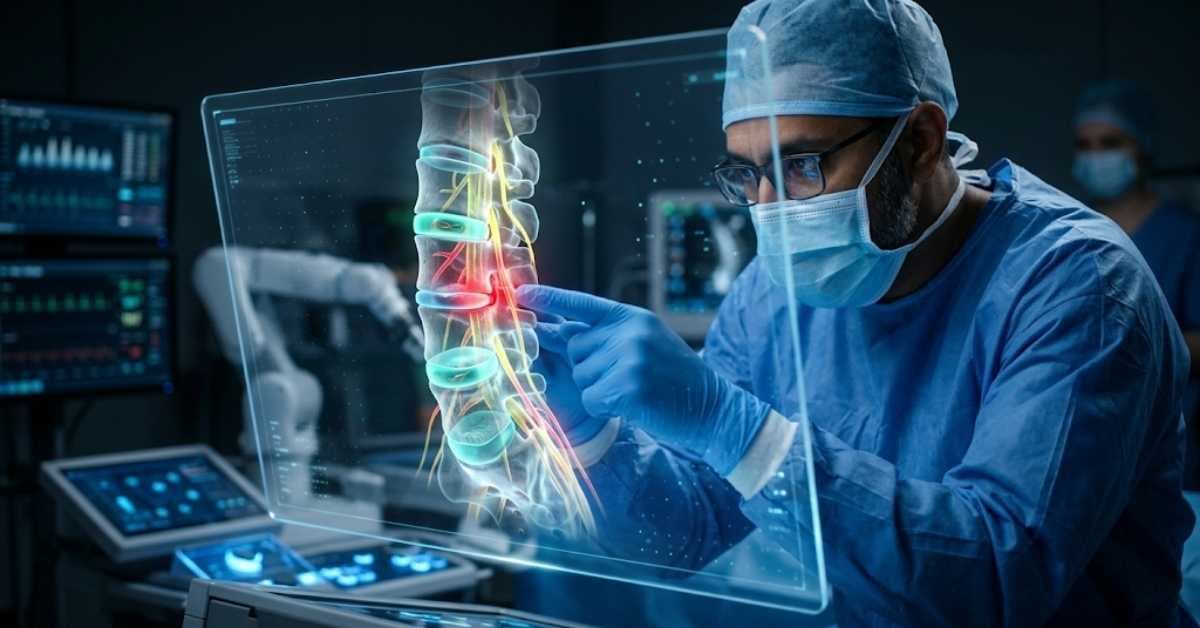
Os hospitais indianos estão na vanguarda da inovação médica, integrando tecnologia de ponta para aumentar a precisão, segurança e resultados para os pacientes na cirurgia de fusão espinhal. Esses avanços se traduzem em procedimentos menos invasivos, tempos de recuperação mais rápidos e resultados de longo prazo aprimorados para pacientes internacionais.
Cirurgia Minimamente Invasiva da Coluna (MISS)
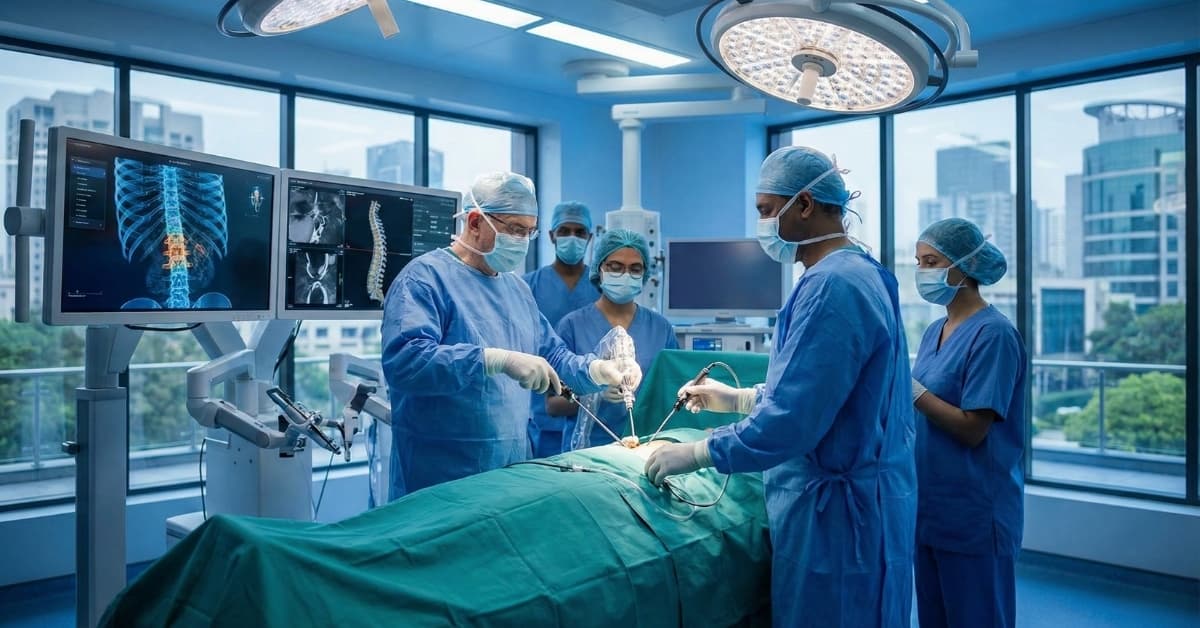
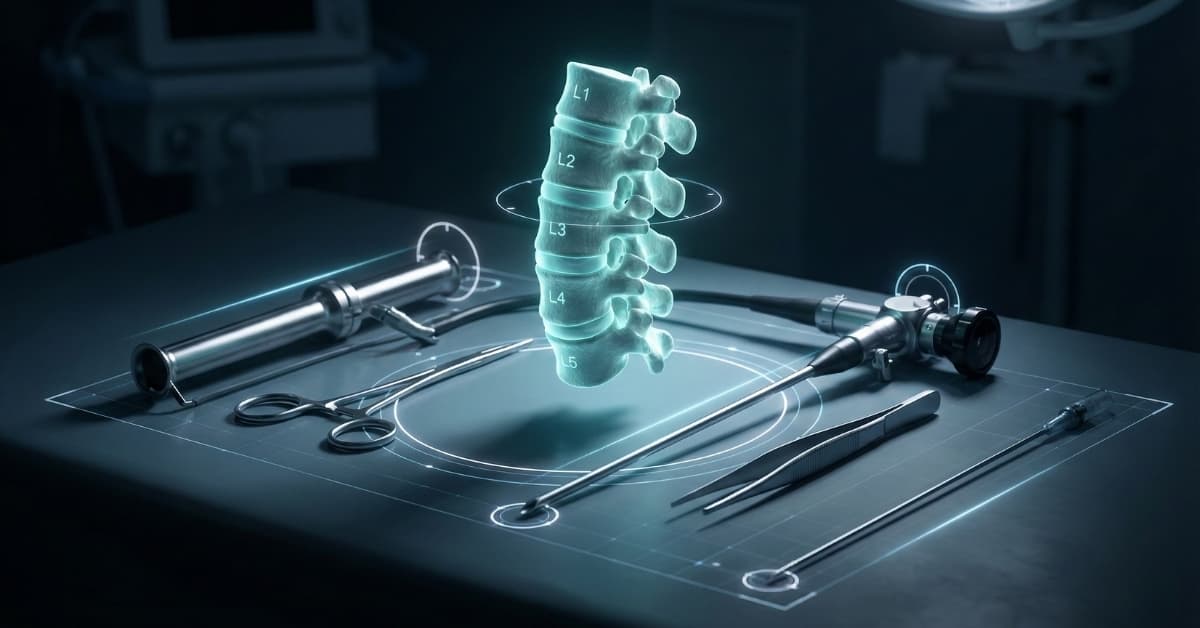
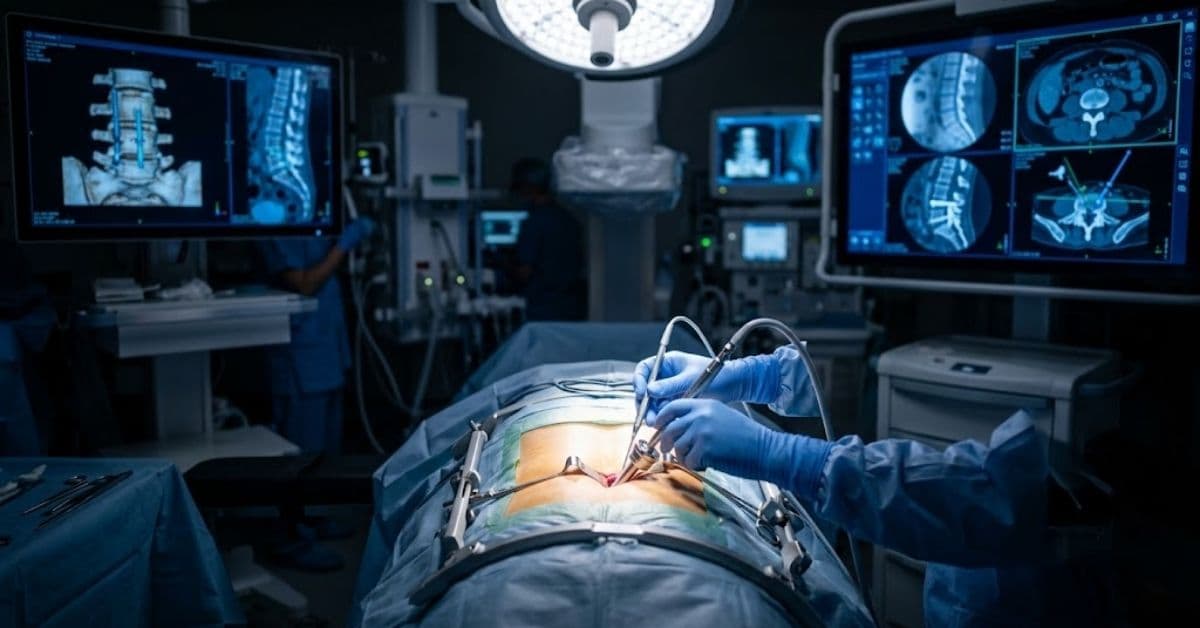
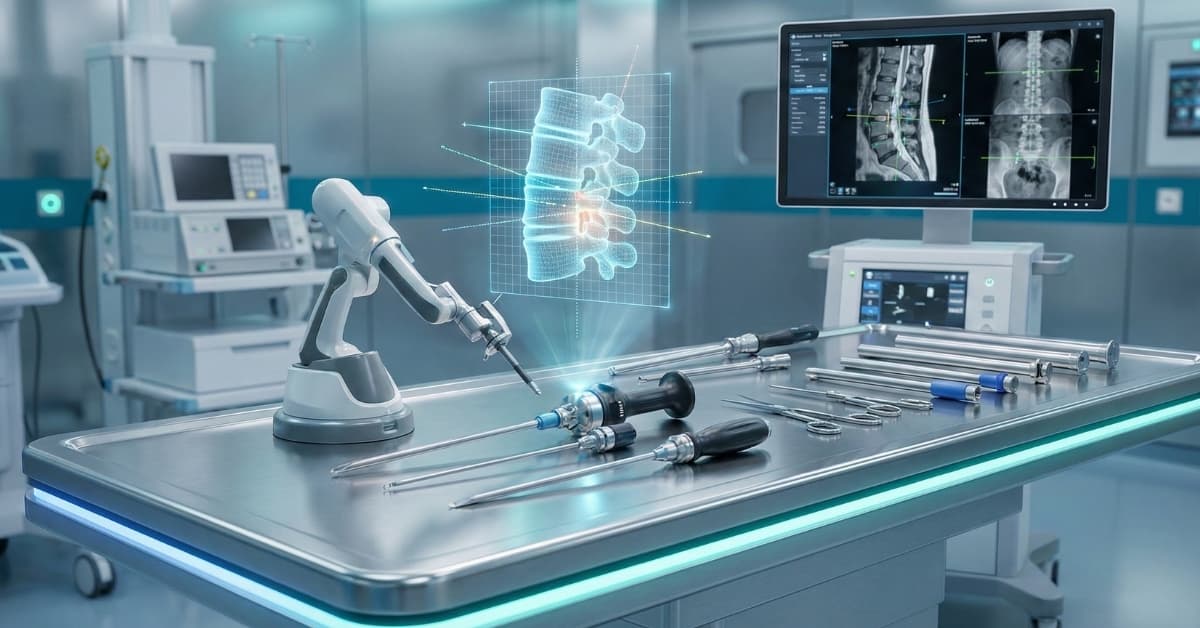
As técnicas MISS utilizam pequenas incisões, instrumentos especializados e câmeras microscópicas para realizar a fusão espinhal. Essa abordagem minimiza o dano muscular, a perda de sangue e a dor pós-operatória, levando a uma recuperação mais rápida e estadias hospitalares mais curtas. Os pacientes frequentemente experimentam menos cicatrizes e um retorno mais rápido às atividades diárias.
- Trauma muscular e perda de sangue reduzidos
- Menor tempo de internação hospitalar (frequentemente 2-3 dias)
- Recuperação mais rápida e retorno às atividades normais
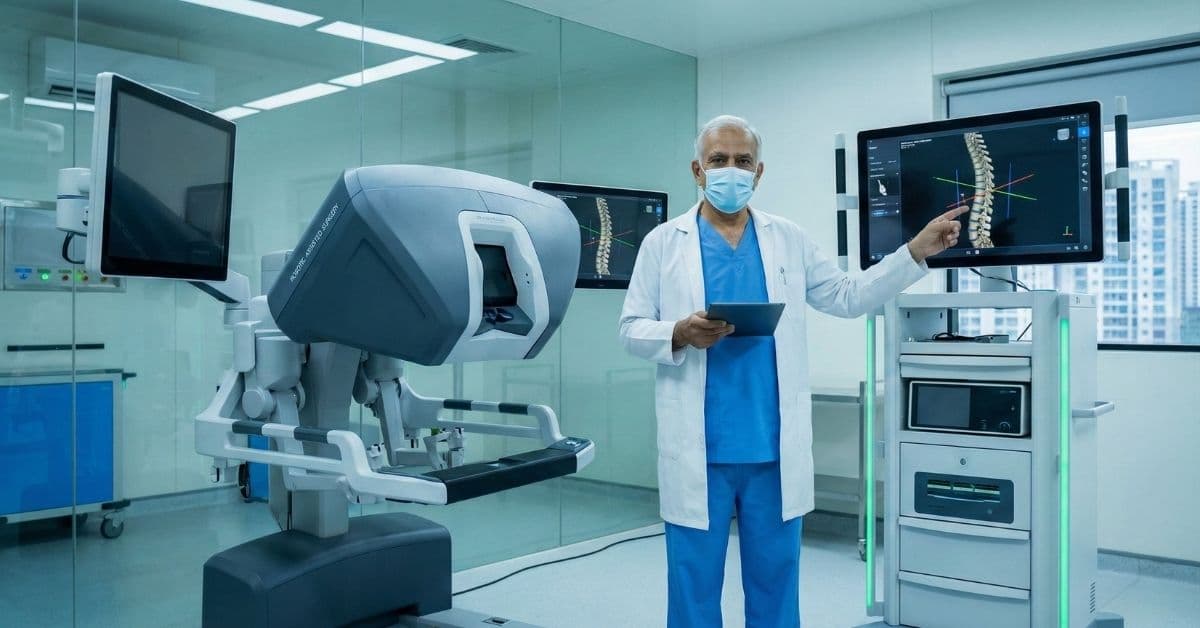
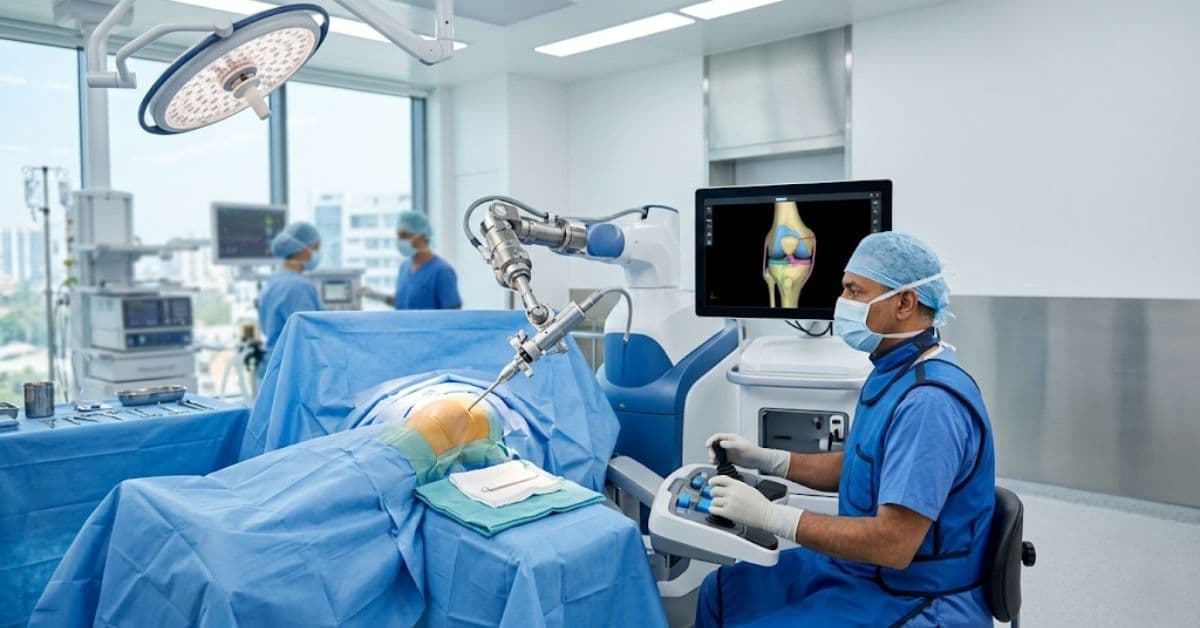
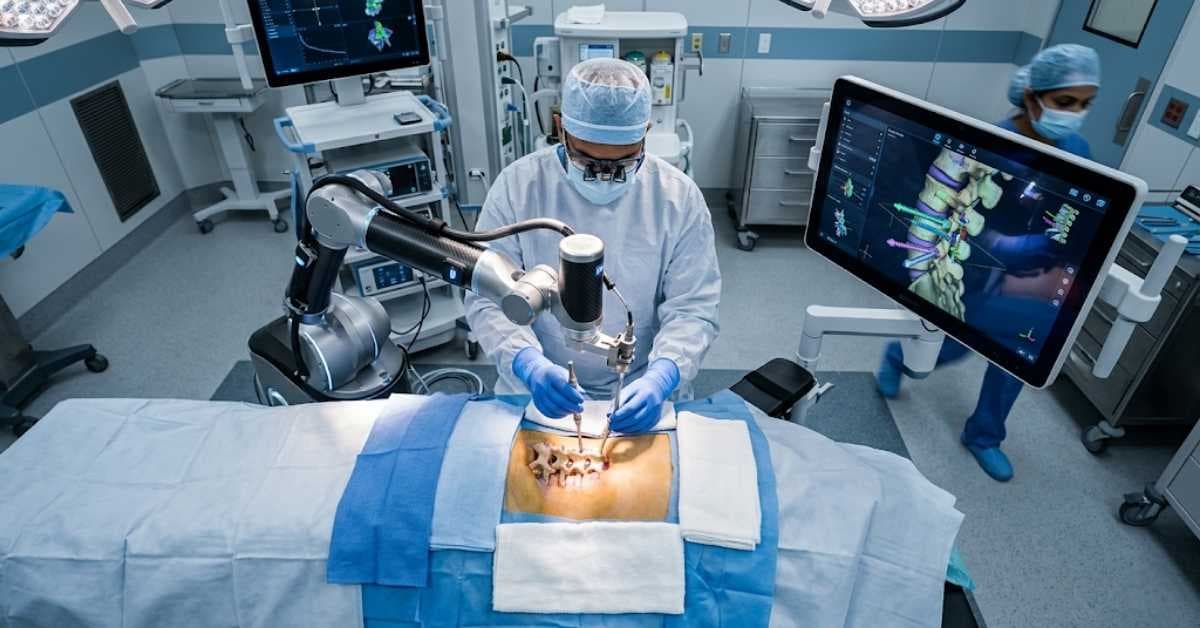
Cirurgia da Coluna Assistida por Robô
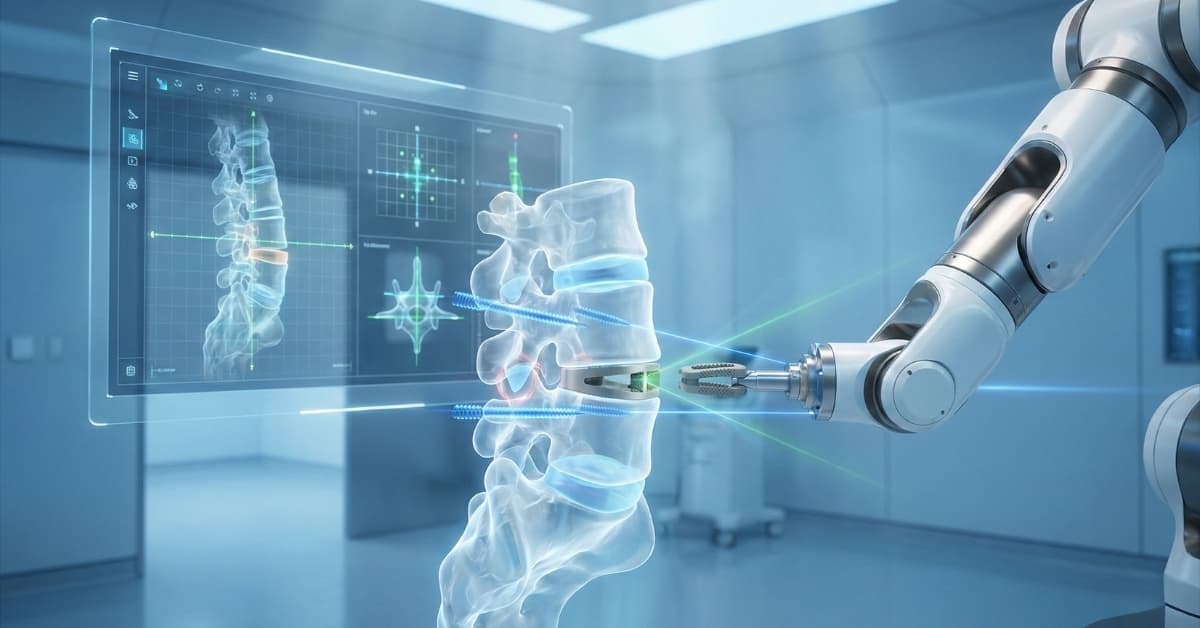
Sistemas robóticos, como o Mazor X Stealth Edition ou ExcelsiusGPS, proporcionam aos cirurgiões uma precisão incomparável na colocação de parafusos e implantes. O robô auxilia no planejamento da trajetória cirúrgica e guia os instrumentos, aumentando significativamente a precisão e reduzindo potenciais complicações.
- Precisão cirúrgica e exatidão aprimoradas (até 99% de precisão na colocação de parafusos)
- Exposição à radiação reduzida para o paciente e a equipe cirúrgica
- Segurança do paciente aprimorada e resultados previsíveis
Monitorização Neurofisiológica Intraoperatória (MNIO)
Durante cirurgias complexas da coluna, a MNIO monitora continuamente a função nervosa em tempo real. Essa tecnologia alerta a equipe cirúrgica para qualquer potencial irritação ou dano nervoso, permitindo ajustes imediatos e reduzindo significativamente o risco de complicações neurológicas.
- Protege a função nervosa durante a cirurgia
- Reduz o risco de déficits neurológicos pós-operatórios
- Fornece feedback em tempo real à equipe cirúrgica
Custo da Cirurgia de Fusão Espinhal na Índia
Uma das razões mais convincentes para pacientes internacionais escolherem a Índia para a fusão espinhal é a significativa economia de custos sem comprometer a qualidade. O custo da fusão espinhal na Índia é uma fração do que seria em muitos países ocidentais, tornando o tratamento de classe mundial acessível.
Confiança Global e Turismo Médico para Cuidados da Coluna na Índia
A Índia estabeleceu-se firmemente como um destino de primeira linha para o turismo médico, particularmente para procedimentos complexos como a fusão espinhal. A cada ano, centenas de milhares de pacientes de todo o mundo – incluindo o Oriente Médio, África, Sudeste Asiático e até mesmo países ocidentais – escolhem a Índia para suas necessidades médicas. Essa confiança global é construída sobre uma base de excelência, acessibilidade e suporte abrangente ao paciente.
Taxas de Sucesso e Resultados Clínicos da Fusão Espinhal na Índia
As taxas de sucesso para a cirurgia de fusão espinhal na Índia são altamente encorajadoras, refletindo a expertise de seus cirurgiões e as instalações avançadas disponíveis. Os pacientes podem esperar uma melhoria significativa em sua qualidade de vida e redução da dor.
Recuperação e Reabilitação Após a Fusão Espinhal
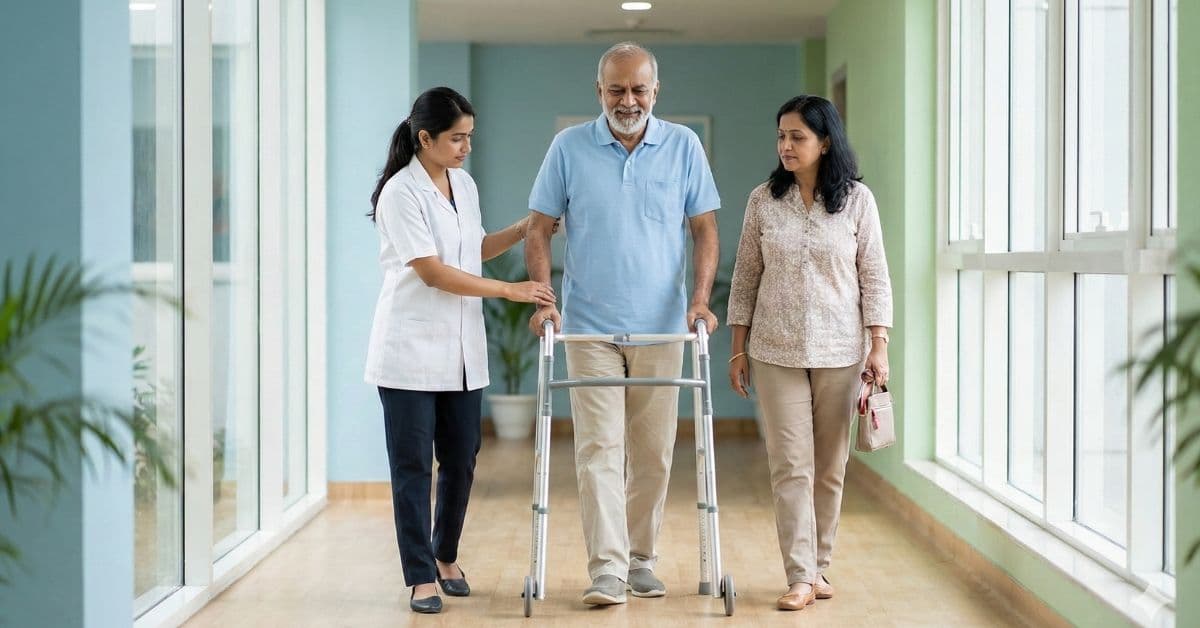
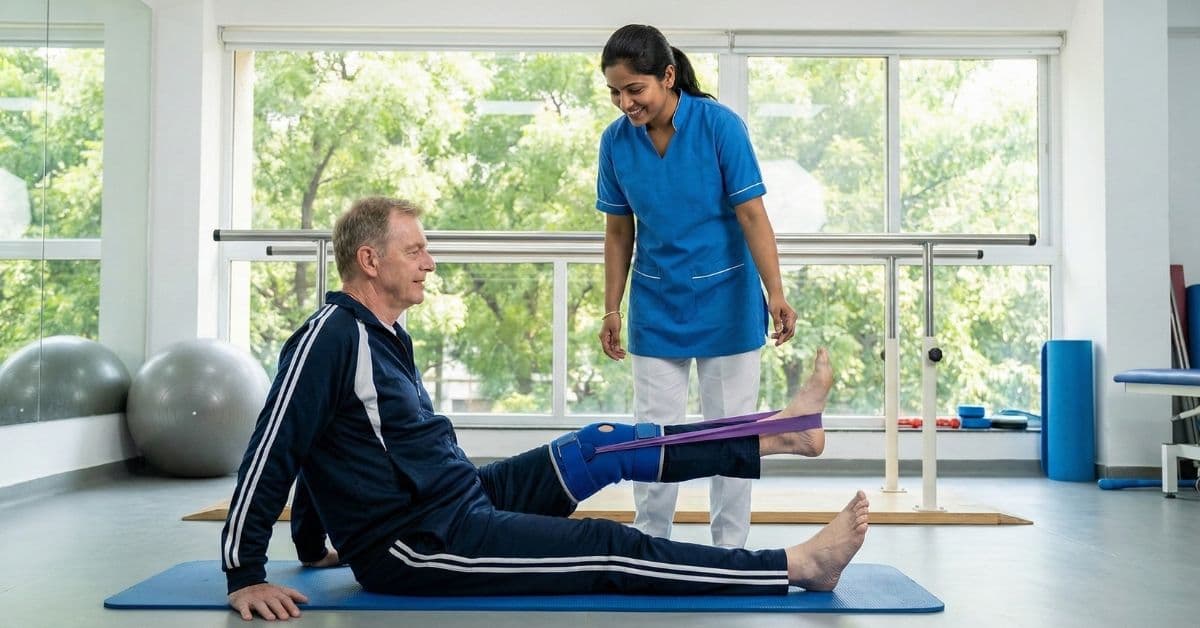
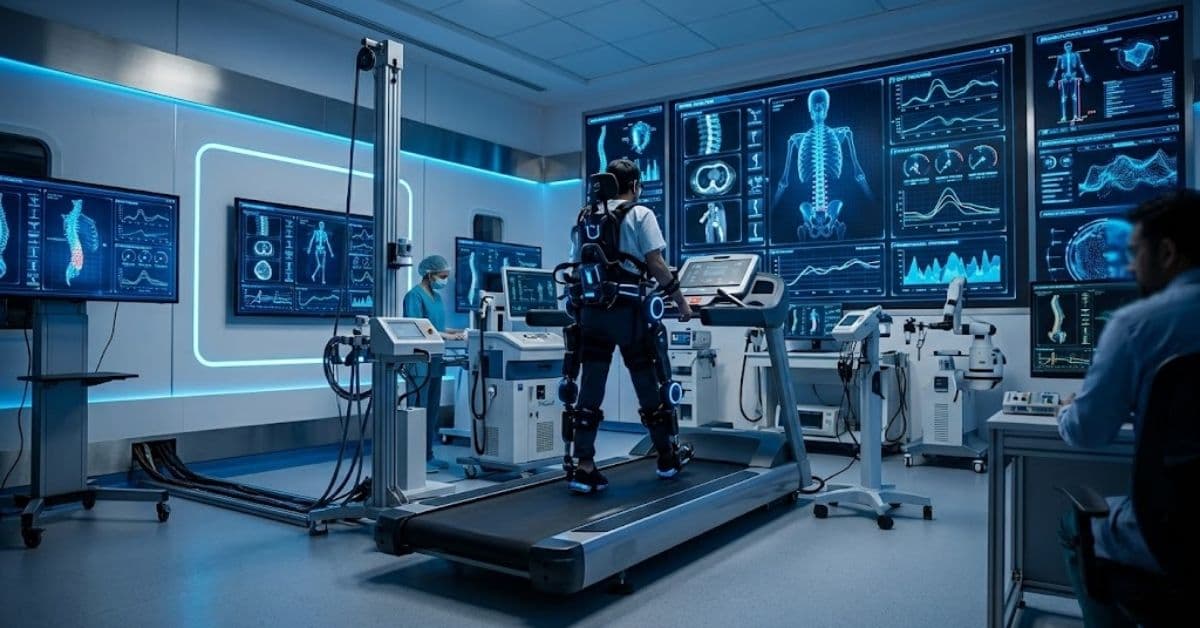
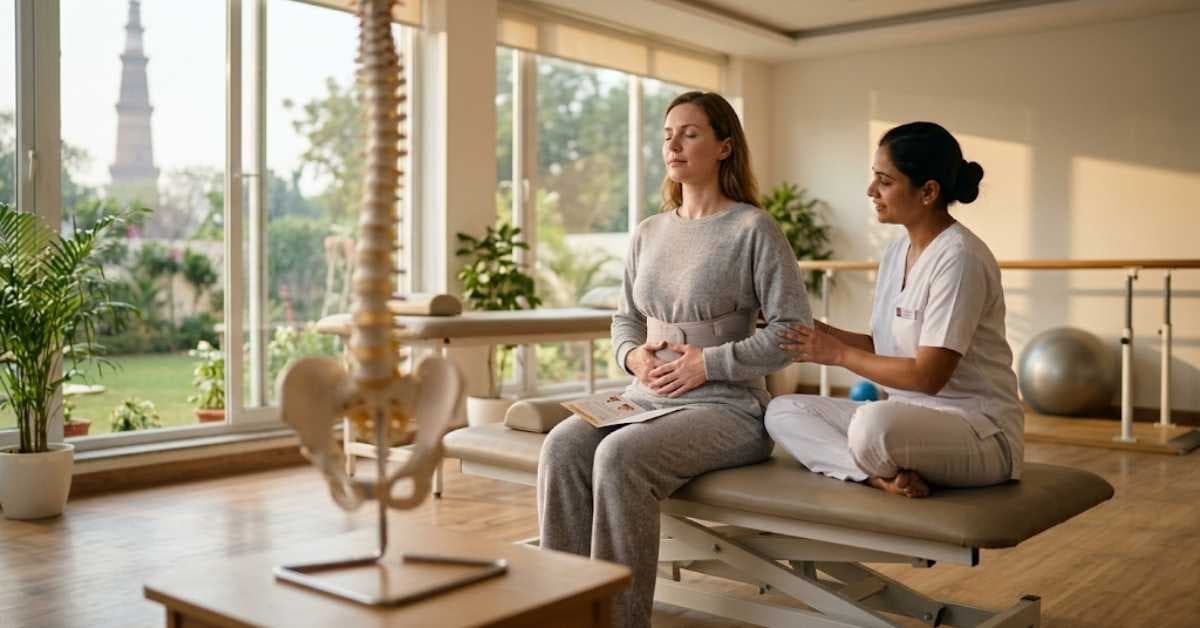
A recuperação da fusão espinhal é um processo gradual que exige paciência e compromisso com a reabilitação. Sua jornada será cuidadosamente gerenciada por uma equipe de especialistas para garantir uma cicatrização ótima e um retorno bem-sucedido a uma vida ativa.
Serviços de Apoio ao Turismo Médico
Para pacientes internacionais, navegar por uma jornada médica em um país estrangeiro pode parecer assustador. No entanto, o ecossistema de turismo médico da Índia é projetado para fornecer suporte abrangente, garantindo uma experiência tranquila e confortável desde a chegada até a partida. Organizações como a VRH Healthcare especializam-se em facilitar esta jornada.
Garantia de Qualidade e Padrões em Hospitais Indianos
Pacientes internacionais podem ter a certeza de que os hospitais indianos aderem a rigorosos padrões de qualidade e segurança, comparáveis aos melhores do mundo. Este compromisso com a excelência garante que cada paciente receba cuidados médicos de alta qualidade, éticos e seguros.
Conclusão
Escolher a cirurgia de fusão espinhal é uma decisão significativa, e optar pelo tratamento no exterior exige consideração cuidadosa. A Índia se destaca como um farol de esperança para pacientes internacionais que buscam cuidados de coluna de classe mundial. Com sua combinação de cirurgiões altamente qualificados, tecnologia avançada, cuidados compassivos e acessibilidade incomparável, a Índia oferece uma solução abrangente para aqueles que lutam contra condições espinhais debilitantes. Sua jornada para uma vida ativa e sem dor não é apenas um procedimento médico; é uma experiência apoiada e empática projetada para restaurar seu bem-estar.
Pronto para explorar suas opções para cirurgia de fusão espinhal na Índia? Entre em contato conosco hoje para uma consulta personalizada e comece sua jornada em direção à recuperação e saúde renovada.