Integrating Mental Health Support into Spine Surgery Recovery Plans in India: A Holistic Guide for International Patients – 2026
Embarking on a journey for spine surgery can be a life-changing decision, offering relief from chronic pain and restoring mobility. India has emerged as a global leader in advanced spine care, combining world-class medical expertise with state-of-the-art technology. For international patients, the prospect of receiving high-quality treatment at a fraction of the cost compared to Western countries is incredibly appealing. This guide aims to provide a comprehensive overview, not just of the surgical procedures, but also the crucial role of mental health in achieving a truly holistic and successful recovery.
What is Spine Surgery?
Spine surgery encompasses a range of procedures designed to treat various conditions affecting the spinal column, nerves, and discs. From debilitating back pain and numbness to severe deformities, these interventions aim to alleviate symptoms, restore function, and improve overall quality of life. Common conditions requiring spine surgery include herniated discs, spinal stenosis, scoliosis, spondylolisthesis, and spinal fractures. The goal is often to decompress nerves, stabilize the spine, or correct deformities, allowing patients to return to a more active and pain-free existence.
Types of Spine Surgery Procedures Available in India
Indian hospitals offer a comprehensive spectrum of spine surgeries, utilizing advanced techniques to ensure optimal outcomes for international patients.
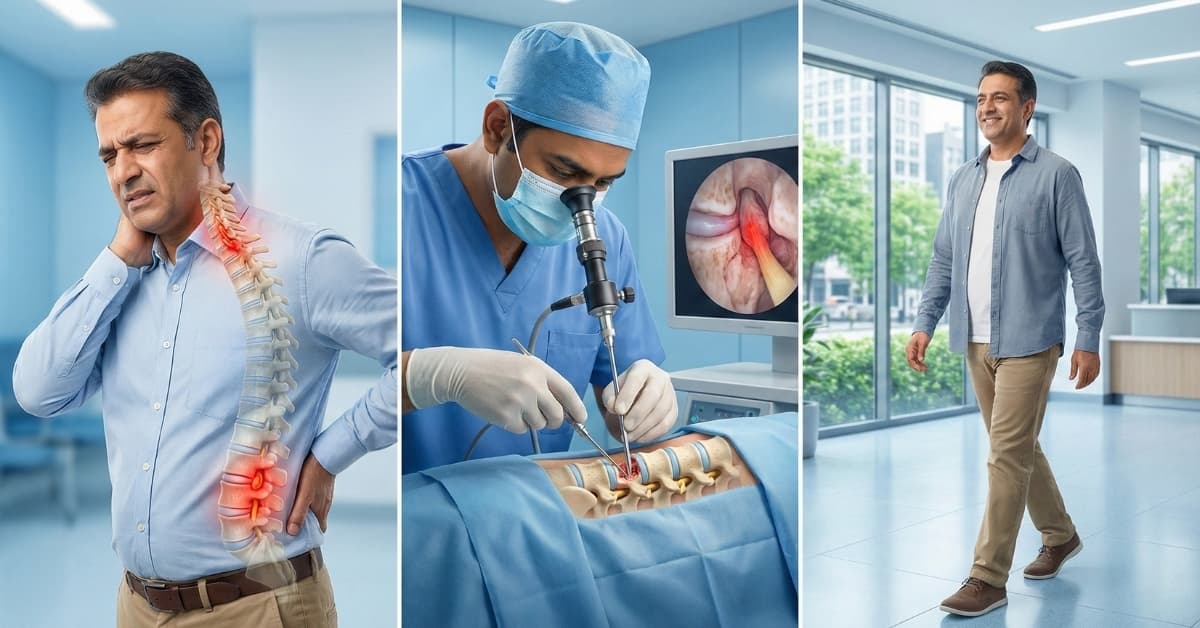
Minimally Invasive Spine Surgery (MISS)
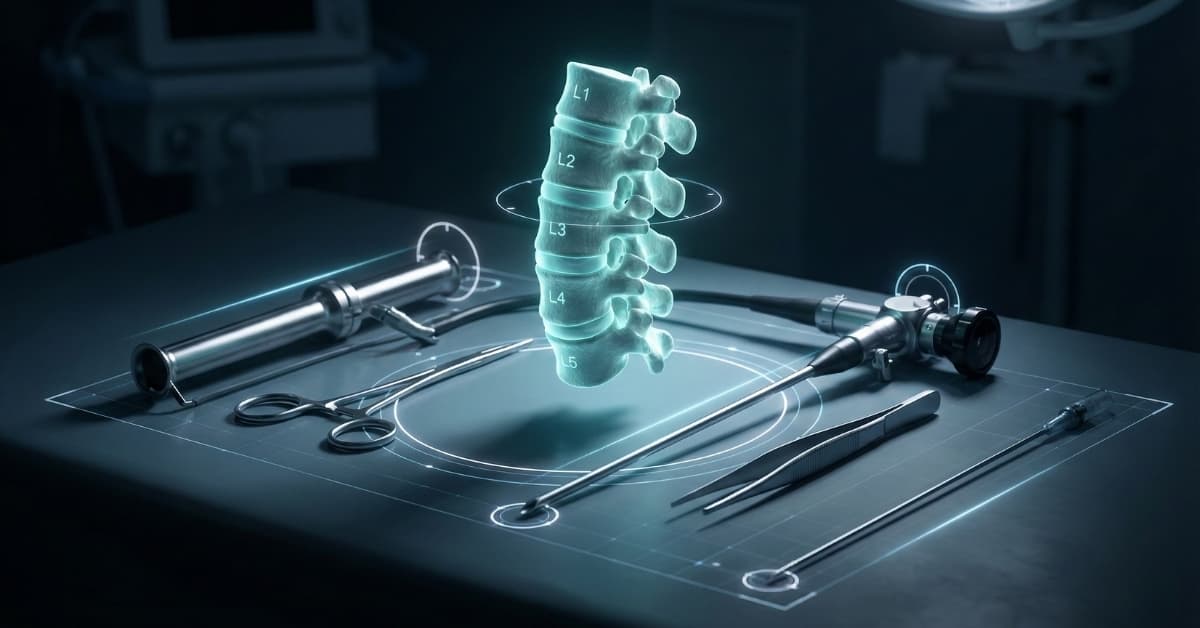
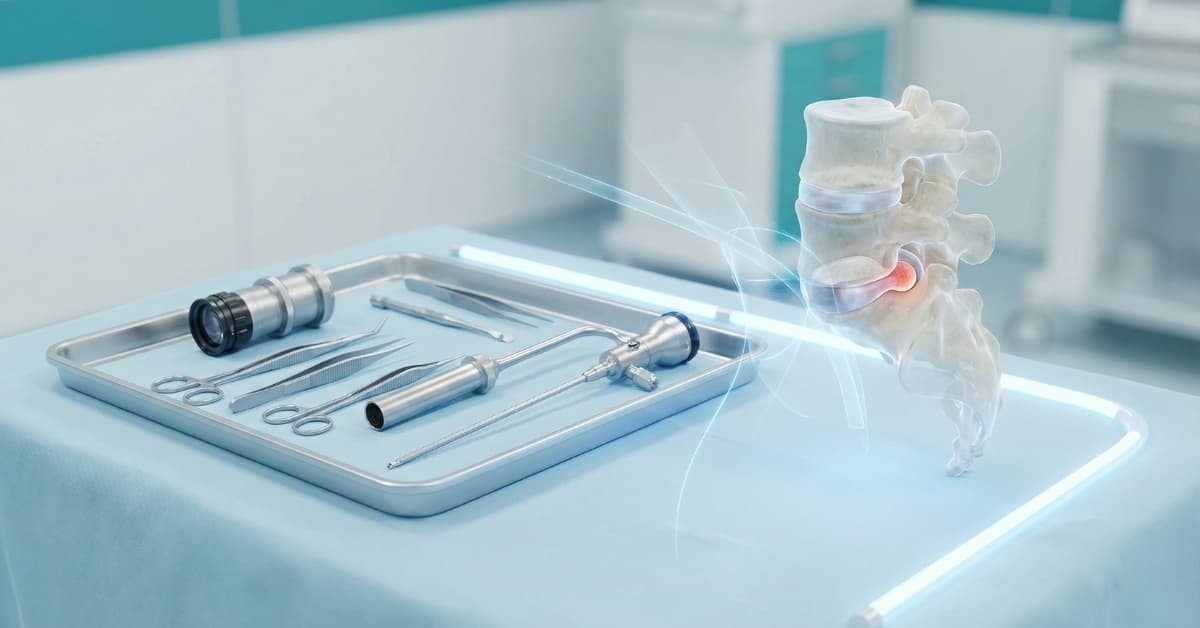
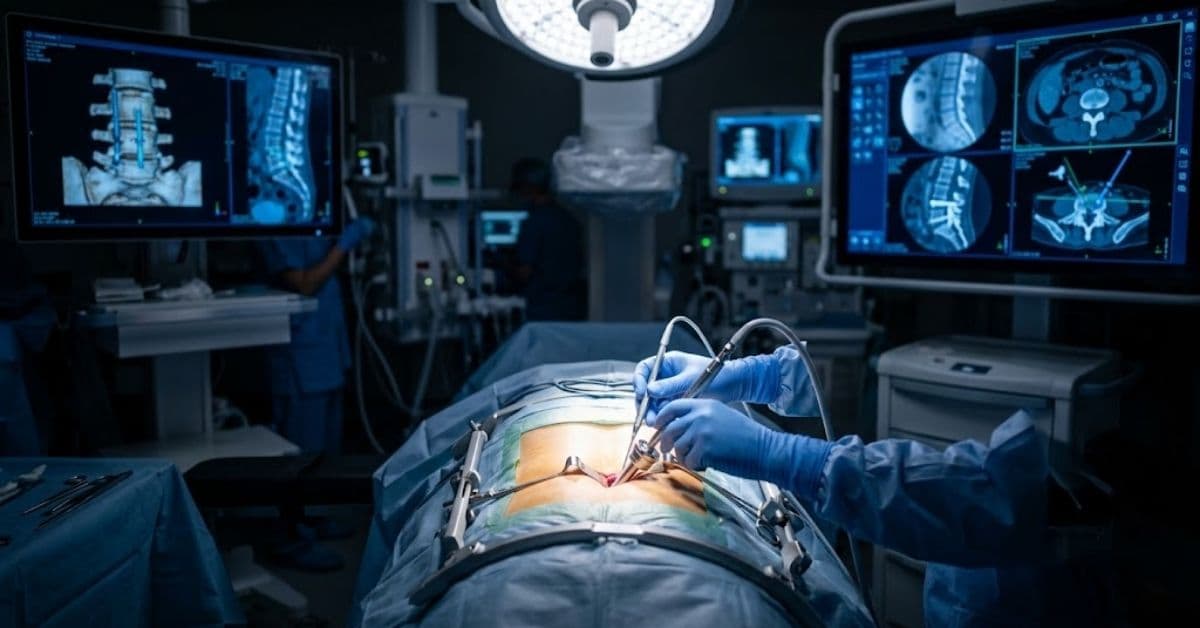
MISS techniques involve smaller incisions, leading to less muscle damage, reduced blood loss, shorter hospital stays, and faster recovery times. Procedures like microdiscectomy and endoscopic spine surgery fall under this category.
- Reduced post-operative pain
- Faster return to daily activities
- Lower risk of infection compared to open surgery
Spinal Fusion
This procedure permanently connects two or more vertebrae, eliminating motion between them. It's often used to treat spinal instability, severe arthritis, or deformities like scoliosis. Fusion can be performed using various approaches (anterior, posterior, lateral) and instrumentation.
- Provides long-term stability
- Effective for severe spinal instability
- Modern techniques enhance fusion rates
Decompression Surgeries (Laminectomy, Discectomy)
These procedures aim to relieve pressure on the spinal cord or nerve roots caused by herniated discs, bone spurs, or thickened ligaments. A laminectomy removes part of the vertebral bone, while a discectomy removes a portion of a damaged disc.
- Effective for radiating pain (sciatica)
- Immediate relief from nerve compression
- Often combined with fusion for stability
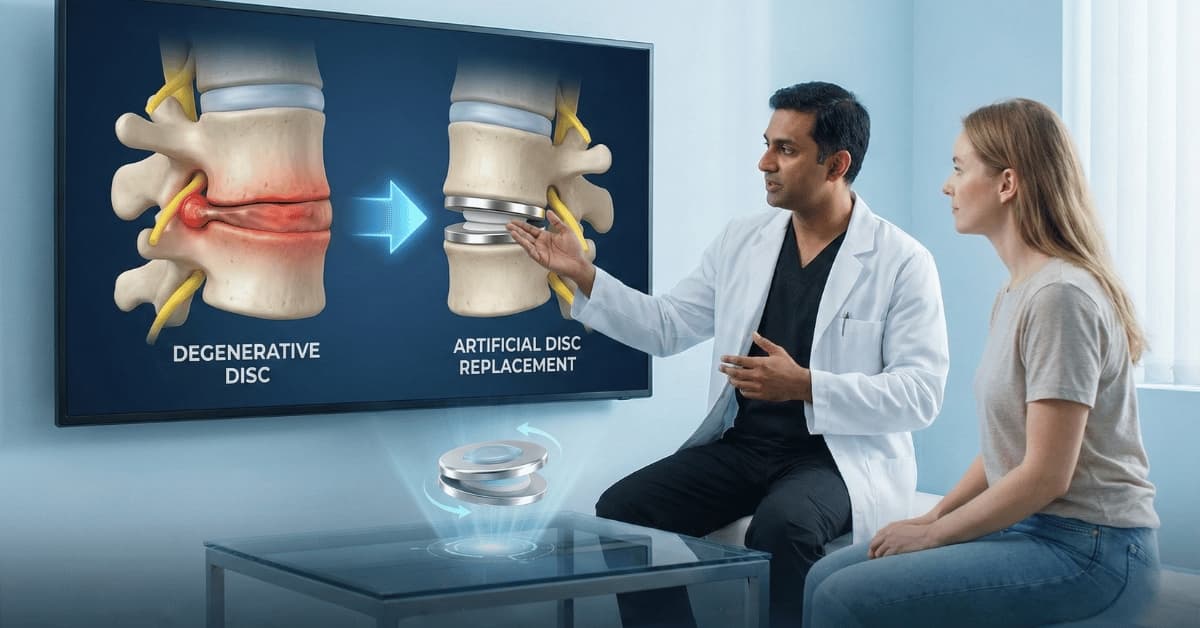
Artificial Disc Replacement (ADR)
An alternative to spinal fusion, ADR involves replacing a damaged disc with an artificial one, preserving motion at the treated segment. It's suitable for select patients with degenerative disc disease.
- Maintains spinal flexibility
- Potentially reduces stress on adjacent discs
- Faster recovery compared to fusion for some patients
Integrating Mental Health Support into Spine Surgery Recovery Plans
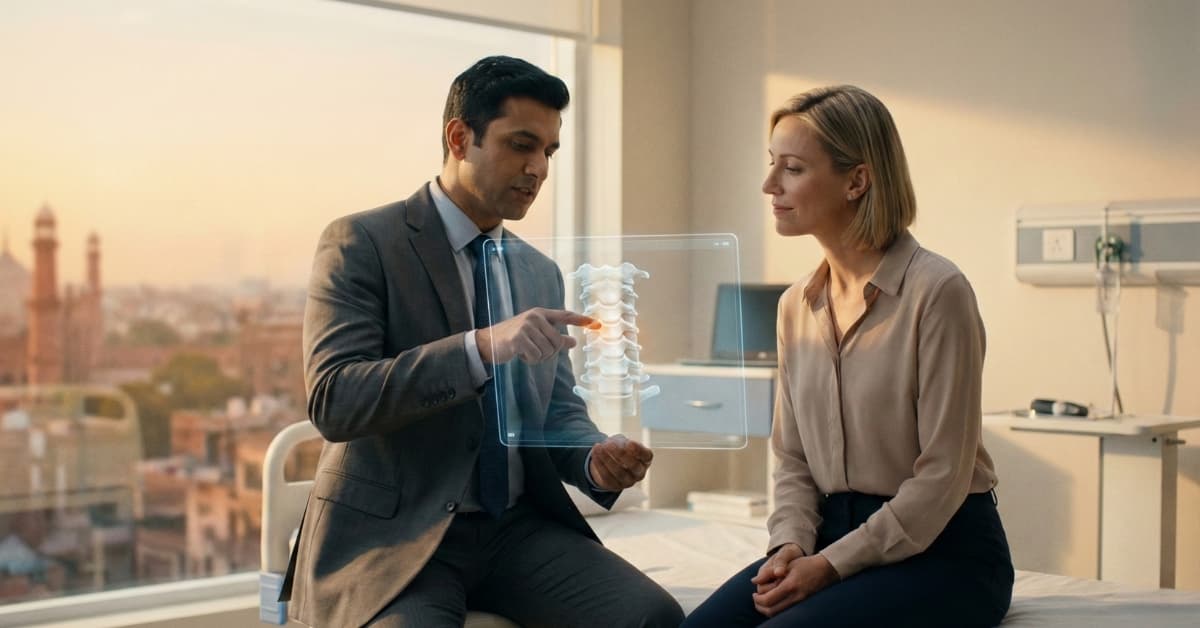
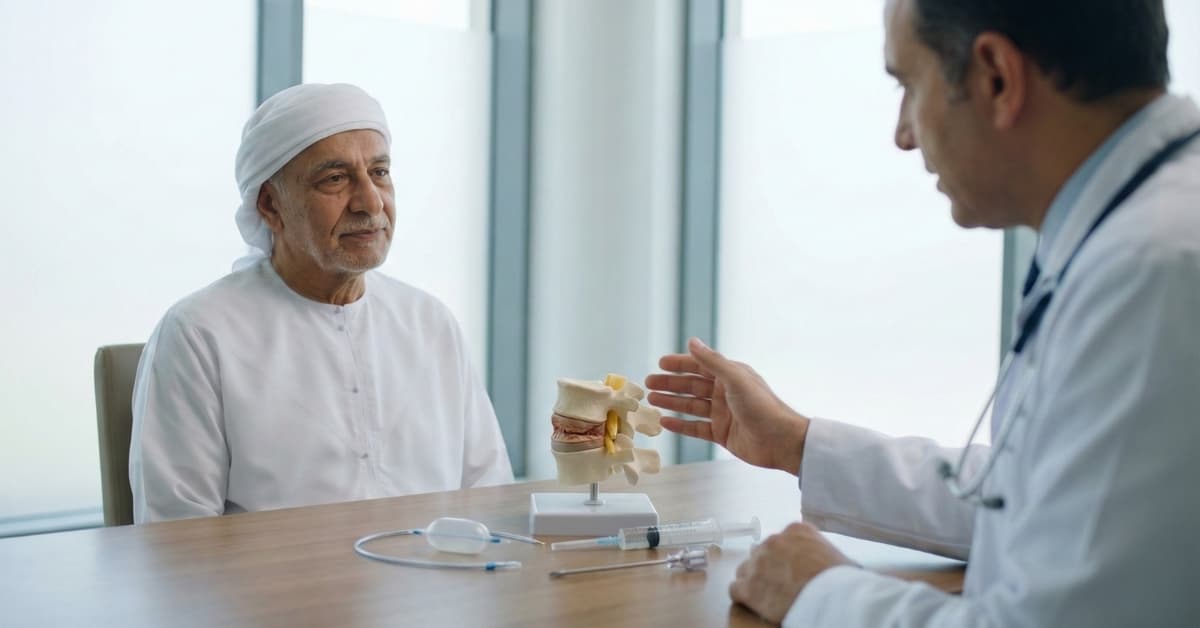
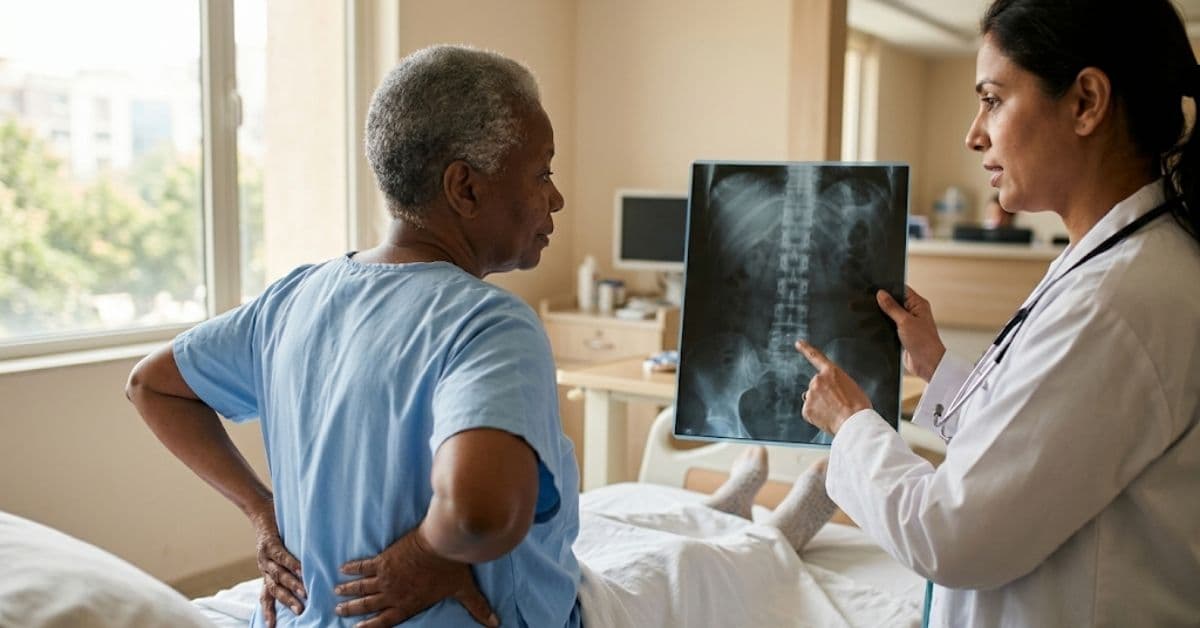
The journey through spine surgery is not just physical; it's deeply emotional and psychological. Chronic pain itself can lead to anxiety, depression, and feelings of helplessness. The anticipation of surgery, fear of the unknown, and concerns about recovery can significantly impact a patient's mental well-being. Integrating mental health support from pre-operative planning through post-operative rehabilitation is paramount for a truly holistic and successful recovery. This approach acknowledges that a healthy mind is as crucial as a healthy body in overcoming surgical challenges.
The Mind-Body Connection in Spine Health and Recovery
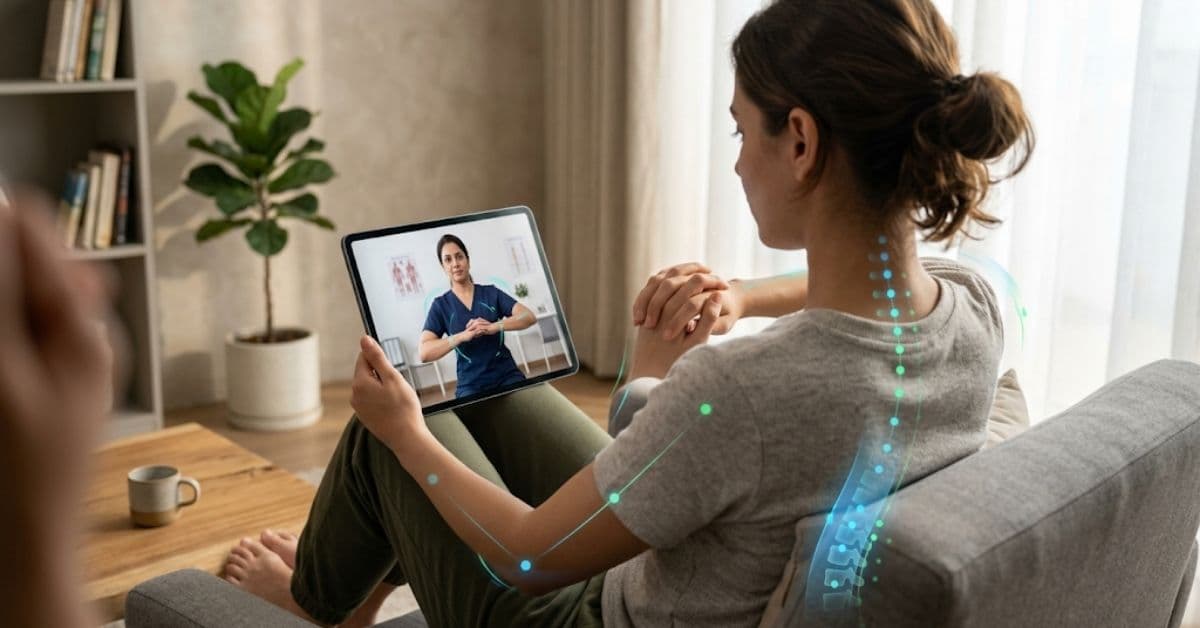
The intricate connection between our mind and body is particularly evident in spine health. Chronic pain can lead to a vicious cycle where psychological distress amplifies physical sensations, and vice versa. Stress, anxiety, and depression can increase muscle tension, reduce pain thresholds, and even impede the healing process. Conversely, a positive mindset, effective coping strategies, and strong emotional support can significantly enhance recovery, improve pain management, and accelerate rehabilitation. Recognizing and nurturing this connection is a cornerstone of holistic spine care, ensuring that patients heal not just physically, but emotionally and mentally too.
Advanced Technology and Techniques in Indian Spine Care
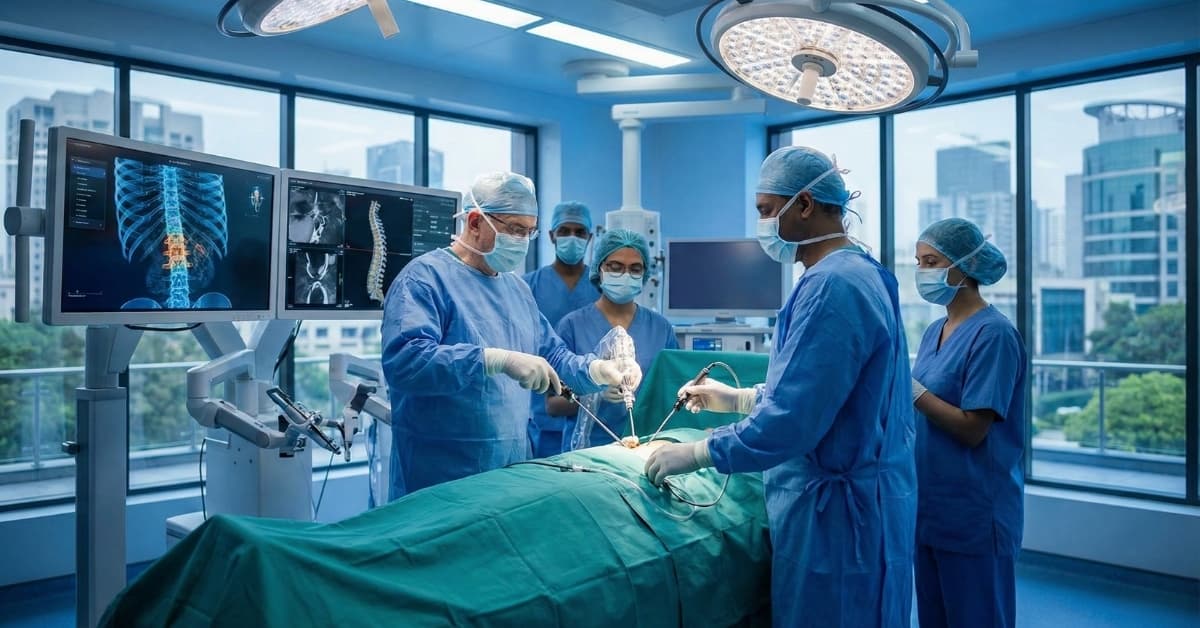
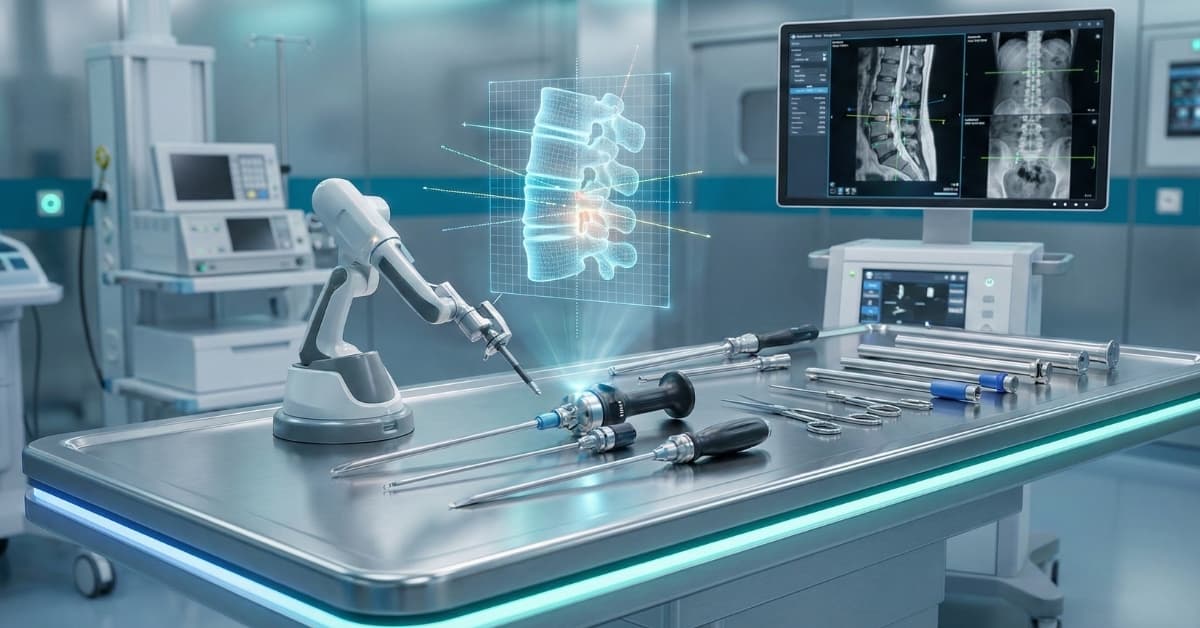
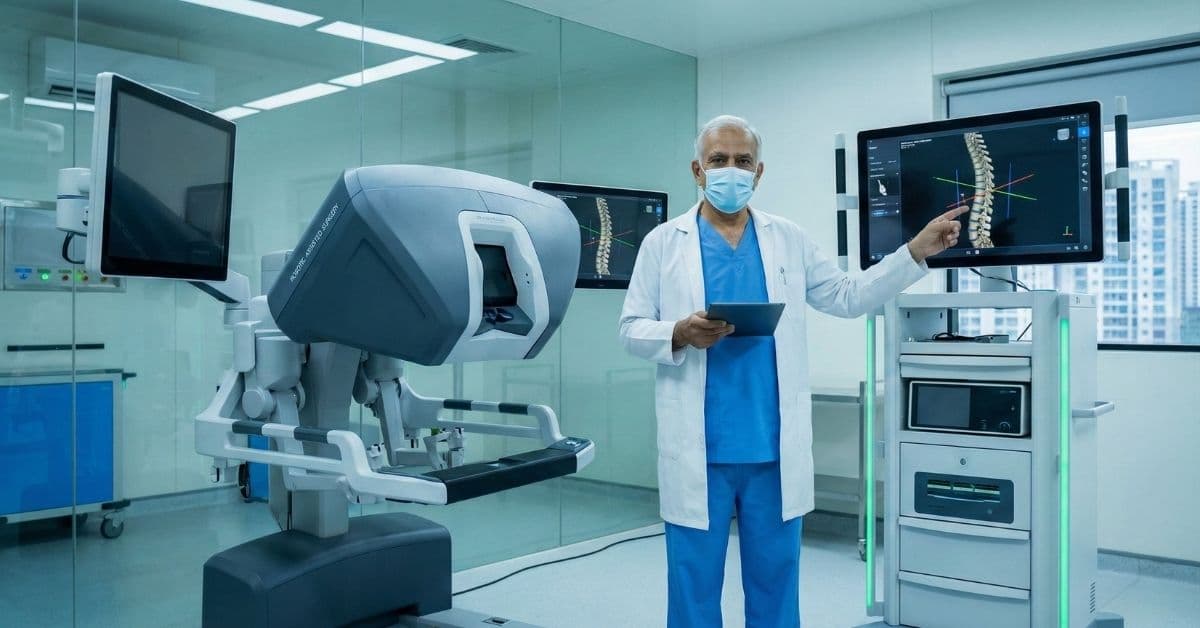
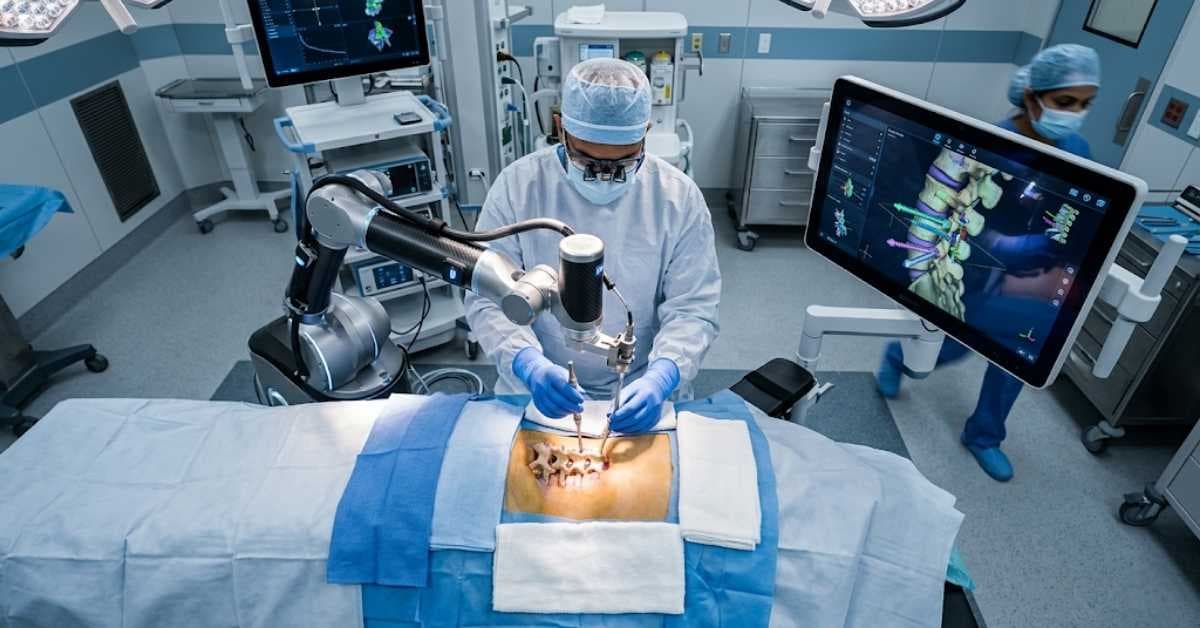
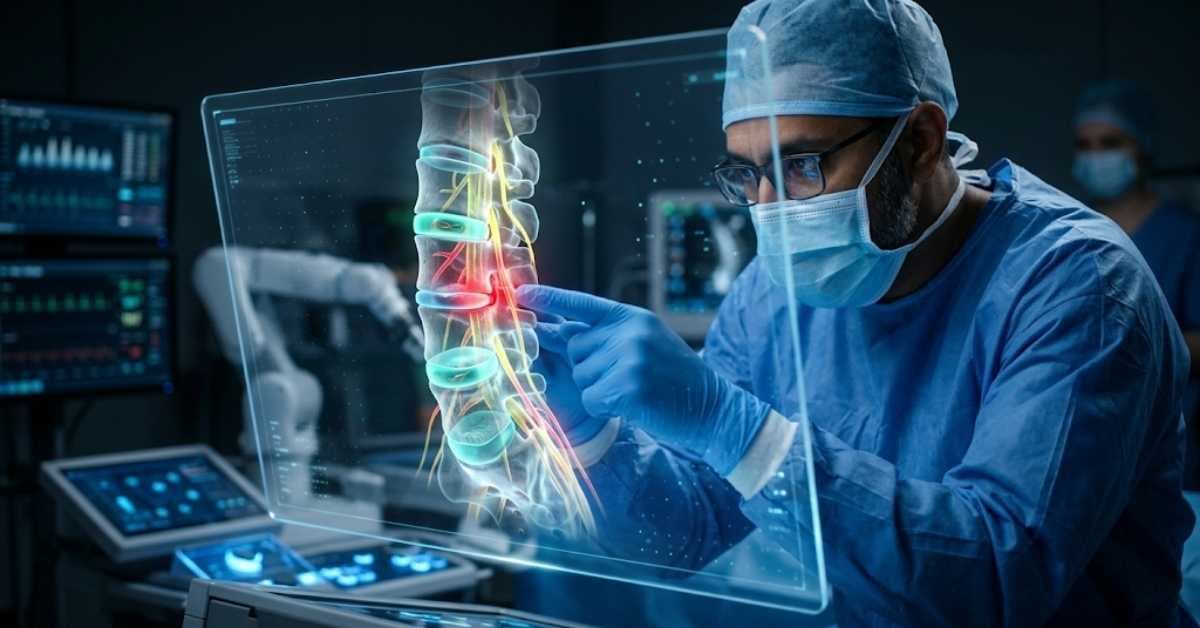
India's leading hospitals are equipped with cutting-edge technology that rivals the best in the world, ensuring precision, safety, and superior outcomes in spine surgery. These advancements contribute significantly to the high success rates and faster recovery times experienced by international patients. For instance, robotic-assisted spine surgery systems, like the Mazor X or ExcelsiusGPS, allow surgeons to plan procedures with unparalleled accuracy and execute them with robotic precision, minimizing human error. Intraoperative O-arm imaging provides real-time, 3D views of the spine during surgery, enhancing safety and placement of implants. Computer-assisted navigation systems guide surgeons with pinpoint accuracy, especially in complex cases. Furthermore, high-definition endoscopes and microscopes are routinely used for minimally invasive procedures, offering magnified views and enabling delicate maneuvers through small incisions. These technologies not only improve surgical outcomes but also contribute to reduced post-operative pain and quicker rehabilitation.
Cost of Spine Surgery in India
One of the most compelling reasons international patients choose India for spine surgery is the significant cost advantage, without compromising on quality. The table below illustrates typical cost ranges compared to Western countries.
Comparative Cost Analysis (Approximate)
| Procedure | India (USD) | USA (USD) | UK (USD) |
|---|---|---|---|
| Lumbar Microdiscectomy | $4,000 - $8,000 | $20,000 - $40,000 | $15,000 - $30,000 |
| Spinal Fusion (1-level) | $7,000 - $15,000 | $50,000 - $100,000 | $30,000 - $60,000 |
| Artificial Disc Replacement | $8,000 - $18,000 | $40,000 - $80,000 | $25,000 - $50,000 |
| Scoliosis Correction | $12,000 - $25,000 | $70,000 - $150,000 | $40,000 - $80,000 |
Disclaimer: These are approximate costs and can vary significantly based on the hospital, surgeon's fees, type of implant used, patient's specific condition, length of hospital stay, and post-operative care requirements. It's always recommended to get a personalized quote.*
Global Trust and Medical Tourism for Spine Care in India
India has firmly established itself as a trusted hub for medical tourism, attracting hundreds of thousands of patients annually from across the globe, including the Middle East, Africa, Southeast Asia, and Western countries. The preference for India stems from a combination of factors: highly skilled and experienced spine surgeons, state-of-the-art infrastructure, advanced technology, and significantly lower costs. Beyond the medical excellence, India offers comprehensive logistical and cultural support. This includes assistance with medical visas, airport transfers, comfortable accommodation options (from budget-friendly to luxury), dedicated international patient coordinators, and professional language interpreters. Many hospitals also integrate wellness programs, offering yoga and meditation, which can be particularly beneficial for holistic spine recovery, allowing patients to experience India's rich cultural heritage while healing.
Success Rates and Clinical Outcomes in Indian Spine Surgery
Indian hospitals boast impressive success rates for various spine surgeries, often comparable to, or exceeding, global benchmarks. For common procedures like microdiscectomy for herniated discs, success rates for significant pain relief and functional improvement range from 90-95%. Spinal fusion surgeries, when indicated, show success rates of 85-90% in achieving solid fusion and reducing pain. Artificial disc replacement procedures also report high success rates, with over 80% of patients experiencing improved mobility and reduced pain. These outcomes are a testament to the expertise of Indian spine surgeons, advanced surgical techniques, and comprehensive post-operative care, including robust rehabilitation programs. Patients can expect not just pain relief, but a substantial improvement in their quality of life and ability to return to daily activities.
Recovery and Rehabilitation: A Holistic Approach
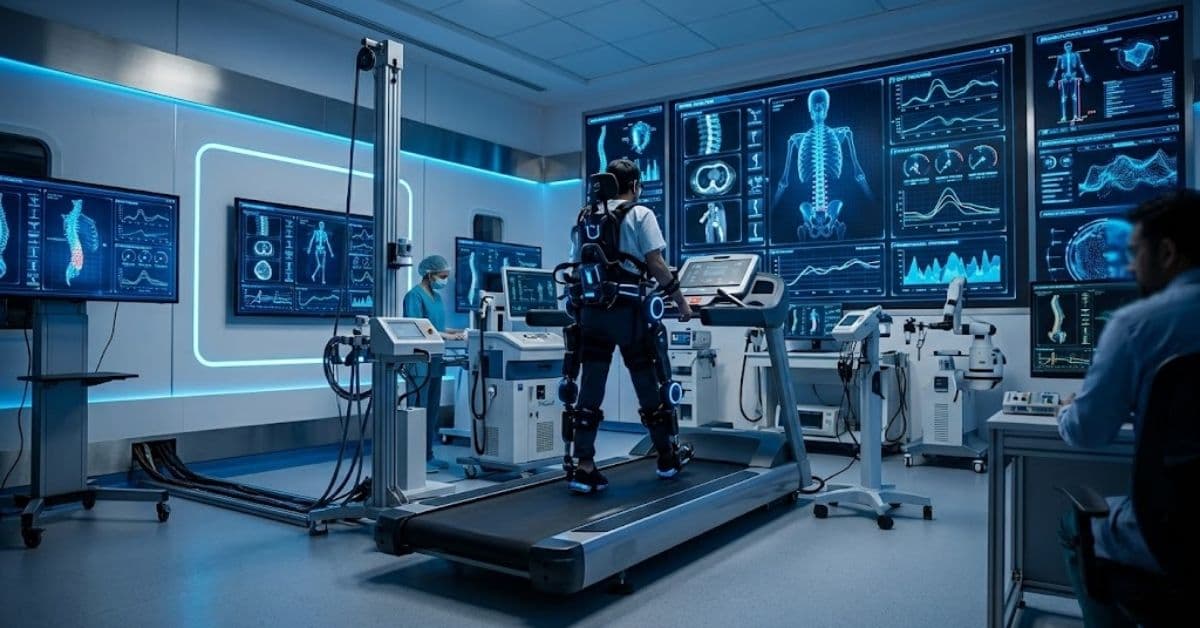
Recovery from spine surgery is a journey that requires patience, dedication, and a holistic approach, encompassing both physical and mental well-being. Indian medical facilities excel in providing comprehensive rehabilitation programs tailored for international patients.
Medical Tourism Support Services for Spine Patients
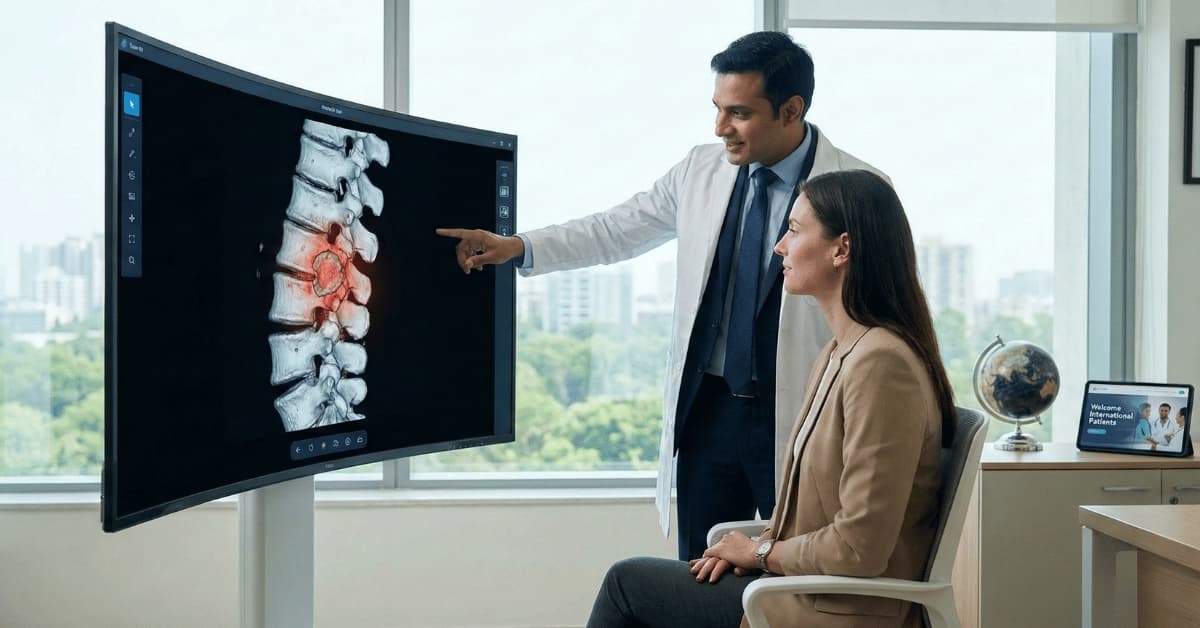
Understanding the unique needs of international patients, Indian healthcare providers offer a suite of dedicated support services to ensure a seamless and stress-free medical journey. These services are designed to handle all logistical aspects, allowing patients and their families to focus entirely on recovery. This includes comprehensive assistance with medical visa applications, ensuring all necessary documentation is in order. Upon arrival, patients are greeted with airport pickup and comfortable transportation to their accommodation and hospital. Dedicated international patient coordinators act as a single point of contact, guiding patients through every step, from appointments and admissions to discharge. Professional language interpreters are readily available to bridge communication gaps. Post-operative care extends beyond the hospital, with options for follow-up consultations via telemedicine, ensuring continued support even after returning home. Many facilities also assist with local accommodation for accompanying family members and provide cultural orientation to help patients feel more at ease in a new environment.
Quality Assurance and Standards in Indian Hospitals
India's leading hospitals adhere to stringent international quality and safety standards, ensuring that international patients receive world-class care. Many top hospitals are accredited by the Joint Commission International (JCI), a globally recognized benchmark for patient safety and quality of care. Additionally, the National Accreditation Board for Hospitals & Healthcare Providers (NABH) provides national accreditation, ensuring adherence to strict protocols, patient-centric care, and continuous quality improvement. These accreditations signify that hospitals maintain high standards in infection control, surgical safety, patient rights, and medical ethics. Indian medical professionals, including spine surgeons, anesthesiologists, and rehabilitation therapists, are highly qualified, often with international training and extensive experience, contributing to the exceptional quality of care provided.
Conclusion
Choosing India for spine surgery offers a unique blend of advanced medical care, cost-effectiveness, and a holistic approach to recovery that prioritizes both physical and mental well-being. With world-class surgeons, cutting-edge technology, and comprehensive support services, international patients can embark on their healing journey with confidence. By integrating mental health support into every stage of recovery, India's healthcare system ensures that patients not only heal physically but also regain their emotional strength and overall quality of life. Your path to a pain-free future, supported by compassionate and expert care, awaits.
Ready to explore your spine surgery options in India? Contact us for a personalized consultation and begin your journey to holistic recovery today.