فهم جراحة دمج الفقرات القطنية عبر الثقب (TLIF) في الهند: دليل شامل للمرضى الدوليين – 2026
بالنسبة للمرضى الدوليين الذين يعانون من آلام الظهر المزمنة وعدم استقرار العمود الفقري، تقدم جراحة دمج الفقرات القطنية عبر الثقب (TLIF) بصيص أمل. هذا الإجراء المتقدم للعمود الفقري، المصمم لتخفيف الألم واستعادة الاستقرار، أصبح مطلوبًا بشكل متزايد من قبل الأفراد في جميع أنحاء العالم. برزت الهند كقائد عالمي في رعاية العمود الفقري، حيث تجمع بين الخبرة الطبية ذات المستوى العالمي والتكنولوجيا المتطورة وتكاليف العلاج الأكثر بأسعار معقولة بشكل ملحوظ. سيجد المرضى الذين يفكرون في جراحة TLIF أن المشهد الصحي في الهند لا يقدم التميز الجراحي فحسب، بل يقدم أيضًا نظام دعم شامل لرحلتهم الطبية بأكملها.
ما هي جراحة TLIF؟
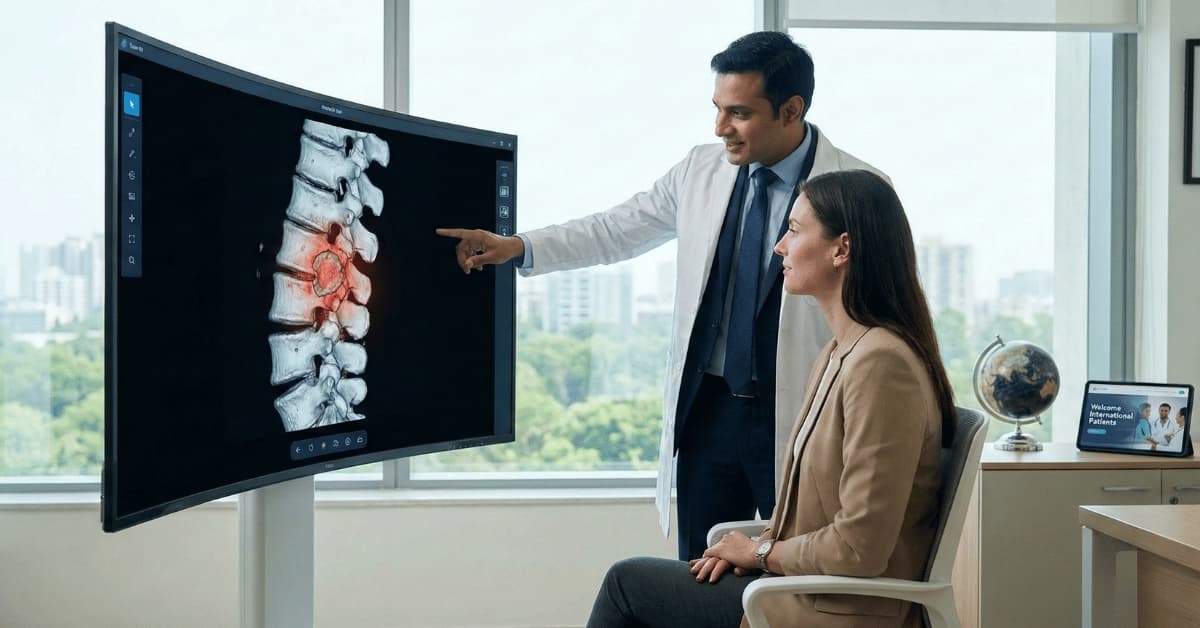
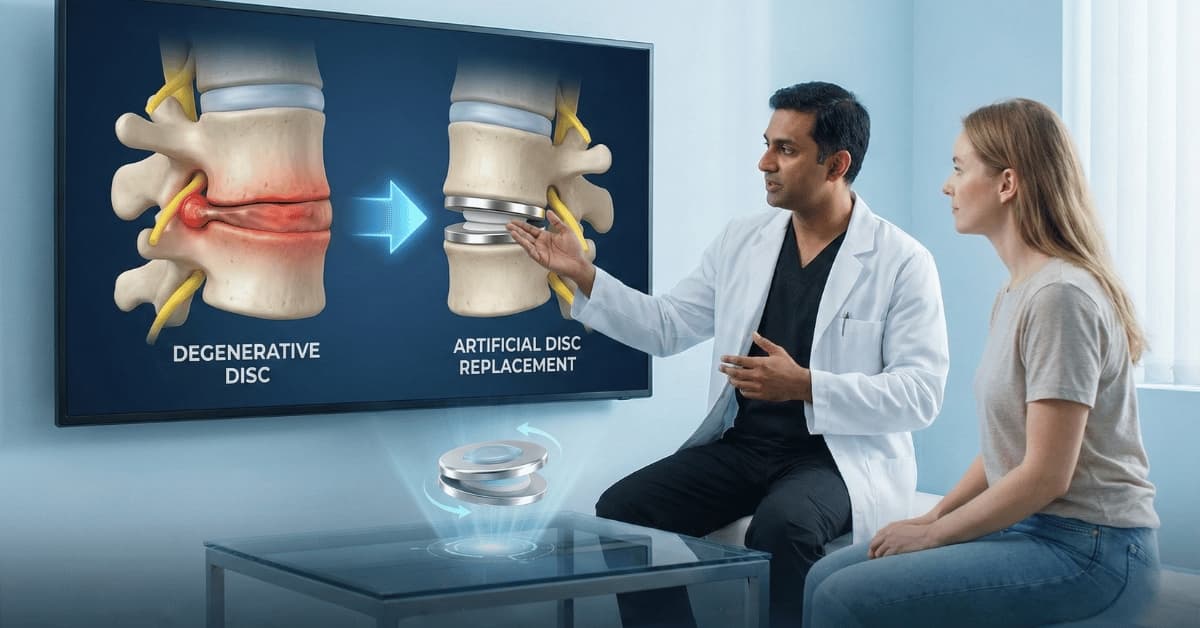
TLIF، أو دمج الفقرات القطنية عبر الثقب، هو إجراء جراحي فعال للغاية يتم إجراؤه لتثبيت العمود الفقري وتخفيف الضغط على الأعصاب الشوكية. تخيل عمودك الفقري ككومة من العظام (الفقرات) مع وسائد ناعمة (أقراص) بينها. عندما تتدهور هذه الأقراص أو تنزلق، يمكن أن تسبب ألمًا شديدًا وتنميلًا وضعفًا عن طريق الضغط على الأعصاب. تتضمن جراحة TLIF إزالة القرص التالف، وتخفيف الضغط عن الأعصاب المتأثرة، ثم دمج فقرتين أو أكثر معًا باستخدام طعم عظمي وقاعدة خاصة. تخلق عملية الدمج هذه جسرًا عظميًا صلبًا، يمنع المزيد من الحركة ويوفر استقرارًا طويل الأمد، مما يخفف في النهاية الألم المزمن ويحسن نوعية الحياة.
لماذا جراحة TLIF؟ الحالات التي تعالجها
يوصى بجراحة TLIF عادةً عندما تفشل العلاجات التحفظية مثل الأدوية والعلاج الطبيعي والحقن في توفير راحة كافية. إنه حل قوي للعديد من حالات العمود الفقري المنهكة التي تعرض الاستقرار ووظيفة الأعصاب للخطر.
إجراء TLIF: نظرة عامة خطوة بخطوة
يمكن أن يساعد فهم العملية الجراحية في تخفيف القلق. يتم إجراء جراحة TLIF تحت التخدير العام، مما يعني أنك ستكون نائمًا طوال الإجراء. يصل الجراح عادةً إلى العمود الفقري من الخلف (النهج الخلفي).
جراحة TLIF طفيفة التوغل (MIS-TLIF) مقابل جراحة TLIF المفتوحة
أدت التطورات في التقنيات الجراحية إلى طرق مختلفة لجراحة TLIF، لكل منها فوائد مميزة. يعتمد الاختيار بين النهج المفتوح أو طفيف التوغل على حالة المريض، وخبرة الجراح، والقدرات التكنولوجية للمستشفى.
جراحة TLIF المفتوحة
هذا هو النهج التقليدي، ويتضمن شقًا أكبر لتزويد الجراح برؤية مباشرة وواضحة لهياكل العمود الفقري. على الرغم من فعاليته، فإنه يتضمن عادةً المزيد من تشريح العضلات.
- رؤية مباشرة لموقع الجراحة
- مناسب للحالات المعقدة أو مستويات الدمج المتعددة
- وقت تعافٍ أطول بسبب المزيد من تمزق الأنسجة
جراحة TLIF طفيفة التوغل (MIS-TLIF)
تستخدم MIS-TLIF شقوقًا أصغر وأدوات متخصصة، وغالبًا ما يتم توجيهها بواسطة التصوير المتقدم. يقلل هذا النهج من تلف العضلات وفقدان الدم.
- شقوق أصغر، ندوب أقل
- فقدان دم أقل وألم ما بعد الجراحة
- تعافٍ أسرع وإقامة أقصر في المستشفى
- خطر أقل للإصابة بالعدوى مقارنة بالجراحة المفتوحة
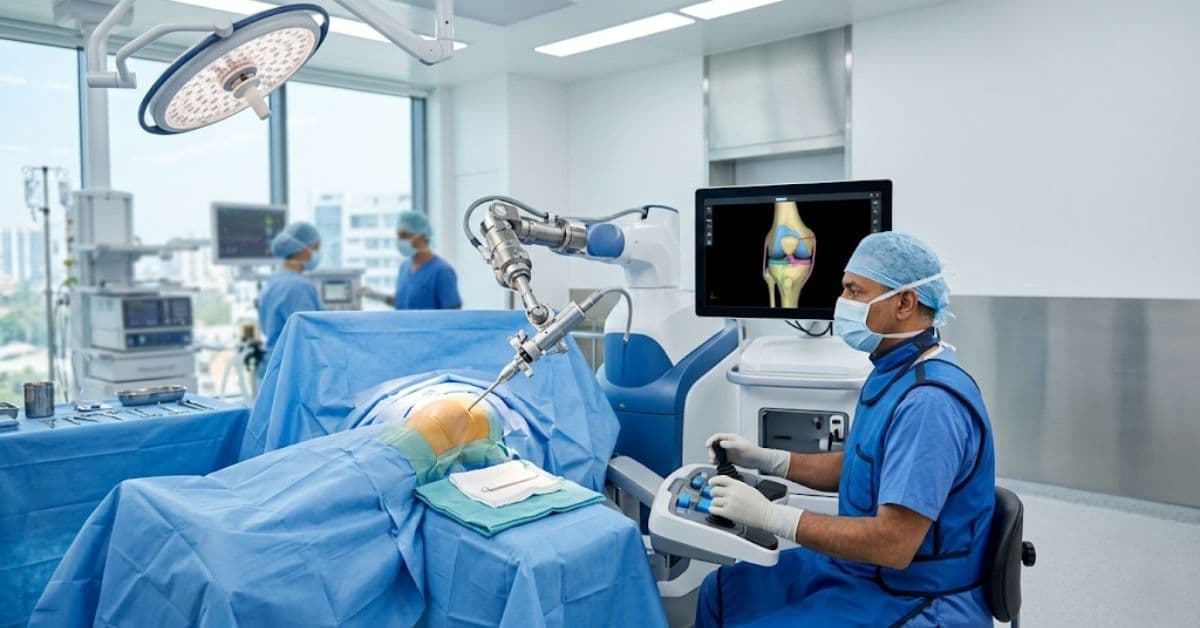
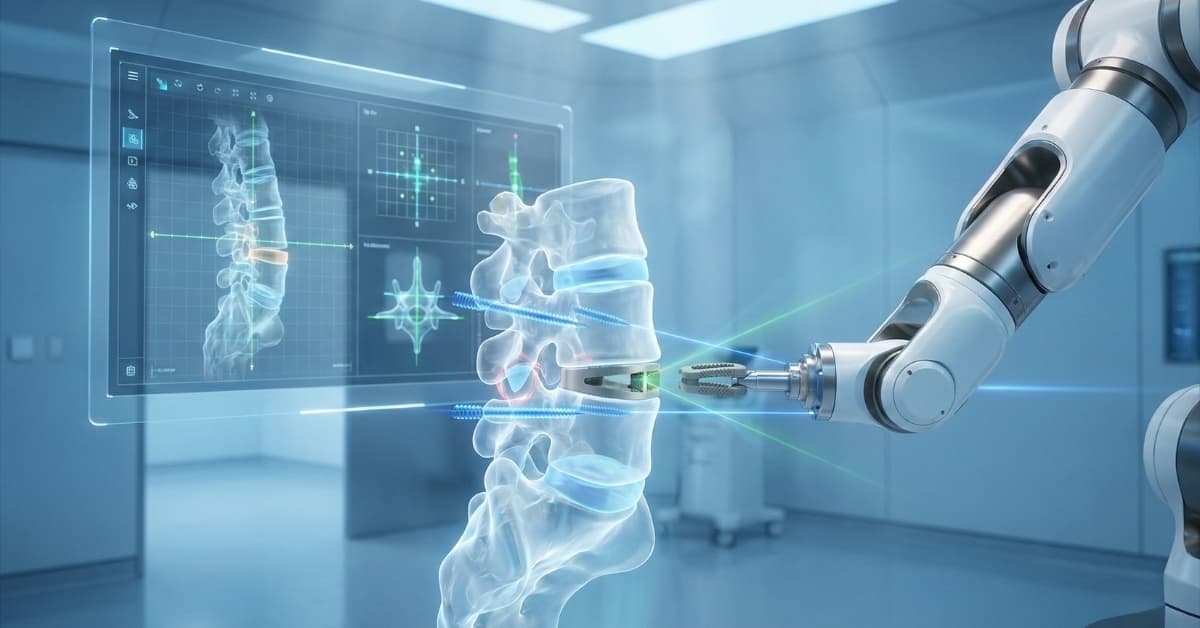
التكنولوجيا المتقدمة في جراحة العمود الفقري في الهند
تتصدر المستشفيات الهندية تبني أحدث التقنيات لجراحات العمود الفقري، مما يضمن الدقة والسلامة وتحسين نتائج المرضى. هذه الابتكارات مفيدة بشكل خاص للإجراءات المعقدة مثل TLIF.
تكلفة جراحة TLIF في الهند
أحد الأسباب الأكثر إقناعًا لاختيار المرضى الدوليين الهند لإجراء جراحة TLIF هو الميزة الكبيرة في التكلفة دون المساس بالجودة. يمكن أن تختلف التكلفة بناءً على المستشفى، وخبرة الجراح، ونوع الغرسة، ومدة الإقامة، ولكنها توفر عمومًا وفورات كبيرة.
ميزة الهند في رعاية العمود الفقري: الثقة العالمية والسياحة العلاجية
رسخت الهند مكانتها كوجهة رئيسية للسياحة العلاجية، خاصة للإجراءات المعقدة مثل جراحات العمود الفقري. يختار آلاف المرضى الدوليين من الشرق الأوسط وأفريقيا وجنوب شرق آسيا والدول الغربية الهند سنويًا. ينبع هذا التفضيل من مجموعة من العوامل:
معدلات النجاح والنتائج السريرية لجراحة TLIF في الهند
تحقق جراحة TLIF، عند إجرائها بواسطة جراحين ماهرين في مرافق مجهزة جيدًا، معدل نجاح مرتفعًا في تخفيف الألم وتحسين النتائج الوظيفية. في الهند، تتساوى معدلات نجاح جراحة TLIF، إن لم تتجاوز، تلك الموجودة في الدول الغربية الرائدة.
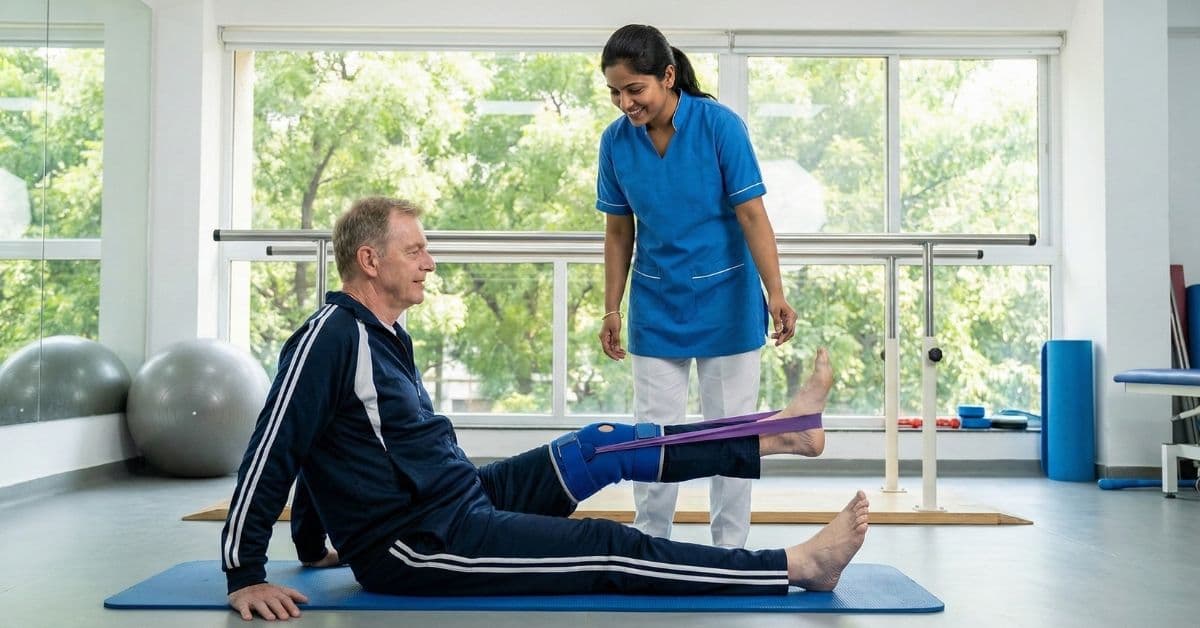
التعافي وإعادة التأهيل بعد جراحة TLIF
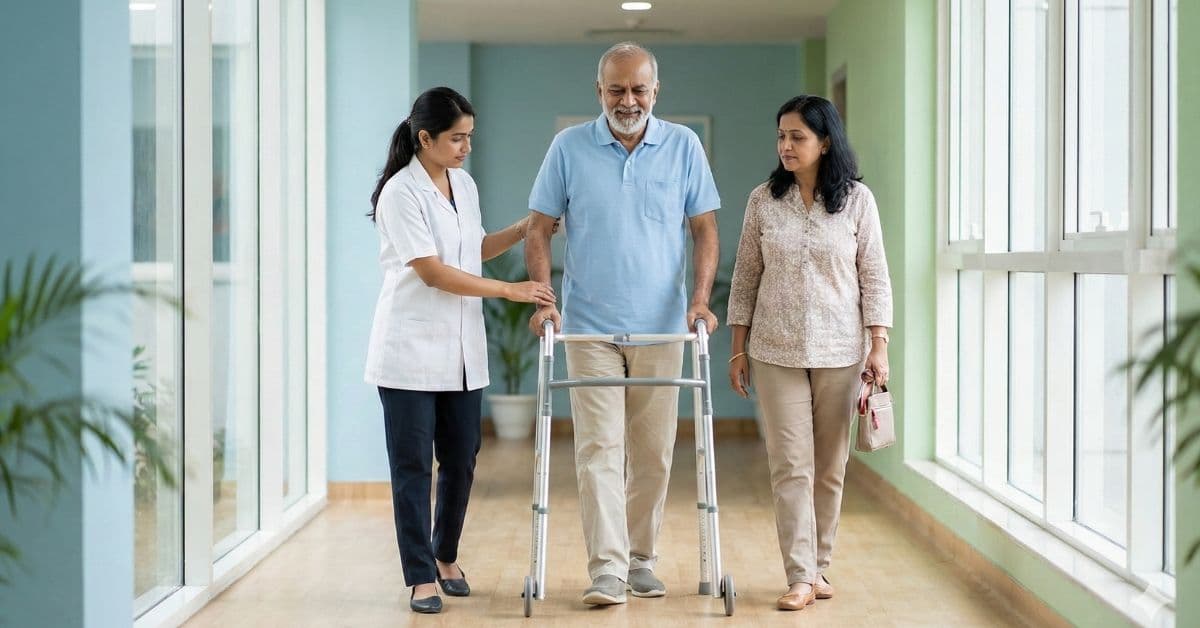
رحلة التعافي بعد جراحة TLIF هي عملية تدريجية تتطلب الصبر والالتزام بالنصائح الطبية. برنامج إعادة التأهيل المنظم هو المفتاح لتحقيق أفضل نتيجة ممكنة.
خدمات دعم السياحة العلاجية
قد يكون التنقل في العلاج الطبي في بلد أجنبي أمرًا شاقًا. يلعب ميسرو السياحة العلاجية ذوو السمعة الطيبة، مثل VRH Healthcare، دورًا حاسمًا في تبسيط هذه الرحلة للمرضى الدوليين وعائلاتهم. تضمن هذه الخدمات تجربة سلسة وخالية من التوتر من التخطيط إلى الرعاية بعد العلاج.
ضمان الجودة والمعايير في المستشفيات الهندية
الالتزام بالجودة وسلامة المرضى في الرعاية الصحية الهندية أمر بالغ الأهمية. تلتزم المستشفيات التي تخدم المرضى الدوليين بمعايير وطنية ودولية صارمة، مما يضمن رعاية عالمية المستوى.
الخلاصة
يعد اختيار جراحة TLIF قرارًا مهمًا، ويتطلب اختيار العلاج في الخارج دراسة متأنية. تقدم الهند مزيجًا لا مثيل له من التكنولوجيا الطبية المتقدمة، والجراحين ذوي المهارات العالية، والرعاية الرحيمة، والفعالية من حيث التكلفة، مما يجعلها وجهة مثالية للمرضى الدوليين الذين يبحثون عن تخفيف من حالات العمود الفقري. مع خدمات الدعم الشاملة المصممة لتلبية كل جانب من جوانب رحلتك، يمكنك الشروع في طريقك نحو التعافي بثقة وراحة بال.
هل أنت مستعد لاستكشاف خيارات جراحة TLIF في الهند؟ اتصل بنا اليوم للحصول على استشارة شخصية وابدأ رحلتك نحو حياة خالية من الألم.
الأسئلة الشائعة
ما هو معدل نجاح جراحة TLIF في الهند؟
تتميز جراحة TLIF في الهند بمعدل نجاح مرتفع، حيث يعاني 85-95% من المرضى من تخفيف كبير للألم وتحسن في النتائج الوظيفية. تتجاوز معدلات الاندماج عادة 90-95% في المستشفيات المعتمدة.
كم تستغرق فترة التعافي بعد جراحة TLIF؟
عادة ما تكون الإقامة الأولية في المستشفى من 3-7 أيام. يمكن استئناف الأنشطة الخفيفة في غضون 6-12 أسبوعًا، مع عودة تدريجية إلى الأنشطة العادية. قد يستغرق التعافي الكامل، بما في ذلك اندماج العظام، من 6-12 شهرًا، مدعومًا ببرنامج علاج طبيعي منظم.
ما هي تكاليف جراحة TLIF في الهند مقارنة بالدول الغربية؟
جراحة TLIF في الهند أكثر بأسعار معقولة بشكل ملحوظ، حيث تكلف عادة 60-80% أقل مما هي عليه في الولايات المتحدة أو المملكة المتحدة. على سبيل المثال، يمكن أن تتراوح تكلفة جراحة TLIF لمستوى واحد من 6,000 إلى 12,000 دولار أمريكي في الهند، مقارنة بـ 30,000 إلى 60,000 دولار أمريكي في الدول الغربية.
هل تتبع المستشفيات في الهند المعايير الدولية لجراحة العمود الفقري؟
نعم، العديد من المستشفيات الهندية الرائدة معتمدة من قبل هيئات دولية مثل JCI (اللجنة المشتركة الدولية) وهيئات وطنية مثل NABH، مما يضمن الالتزام بمعايير الجودة والسلامة ورعاية المرضى ذات المستوى العالمي.
ما هي خدمات الدعم المتاحة للمرضى الدوليين الذين يخضعون لجراحة TLIF في الهند؟
تشمل خدمات الدعم الشاملة المساعدة في الحصول على التأشيرة، وخدمات النقل من وإلى المطار، وترتيبات الإقامة، والمترجمين اللغويين المحترفين، ومنسقي المرضى المخصصين، والاستشارات قبل السفر، ومتابعات الطب عن بعد بعد الجراحة.
هل الغرسات المستخدمة في جراحة TLIF في الهند ذات جودة عالمية؟
نعم، تستخدم المستشفيات الهندية الرائدة غرسات وأجهزة عالية الجودة ومعتمدة دوليًا من مصنعين عالميين ذوي سمعة طيبة، مما يضمن السلامة والمتانة المماثلة لتلك المستخدمة في جميع أنحاء العالم.