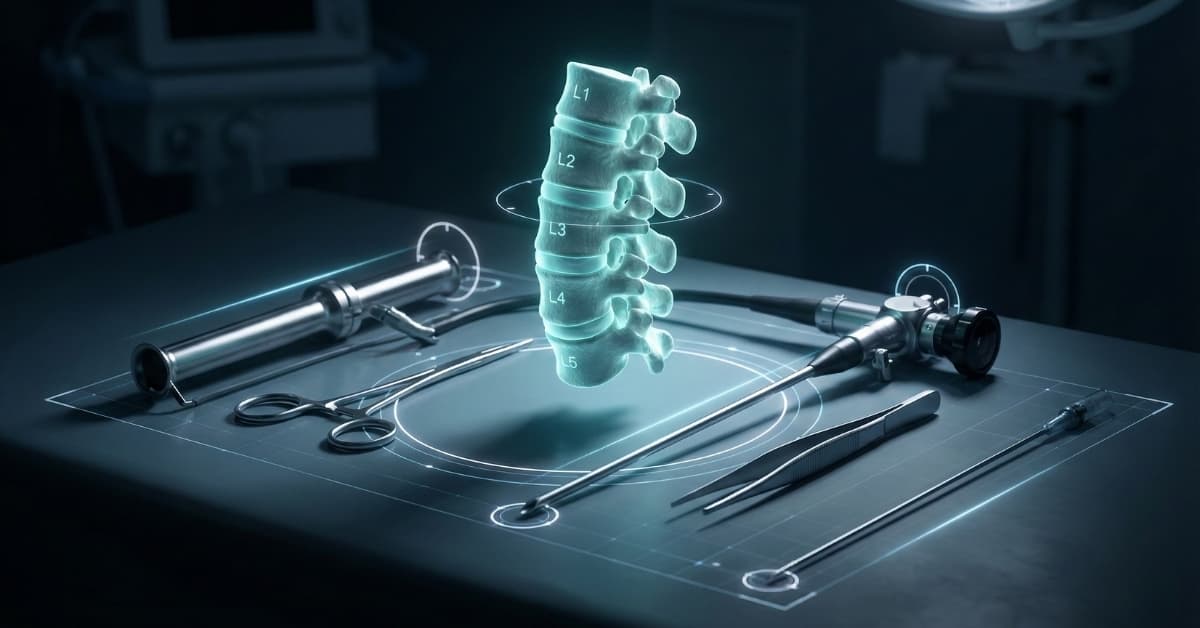
What Is Spinal Endoscopic Surgery? Minimally Invasive Spine Treatment in India: A Comprehensive Guide for International Patients – 2026
For international patients seeking advanced spinal care, understanding treatment options is paramount. Spinal endoscopic surgery represents a revolutionary approach to addressing various back conditions, offering a minimally invasive alternative to traditional open surgeries. India has emerged as a global leader in this specialized field, combining world-class medical expertise with state-of-the-art technology. Patients from across the globe are increasingly choosing India for its exceptional quality of care, significant cost-effectiveness, and high success rates in complex spinal procedures, ensuring a smoother journey towards recovery and improved quality of life.
What is Spinal Endoscopic Surgery?
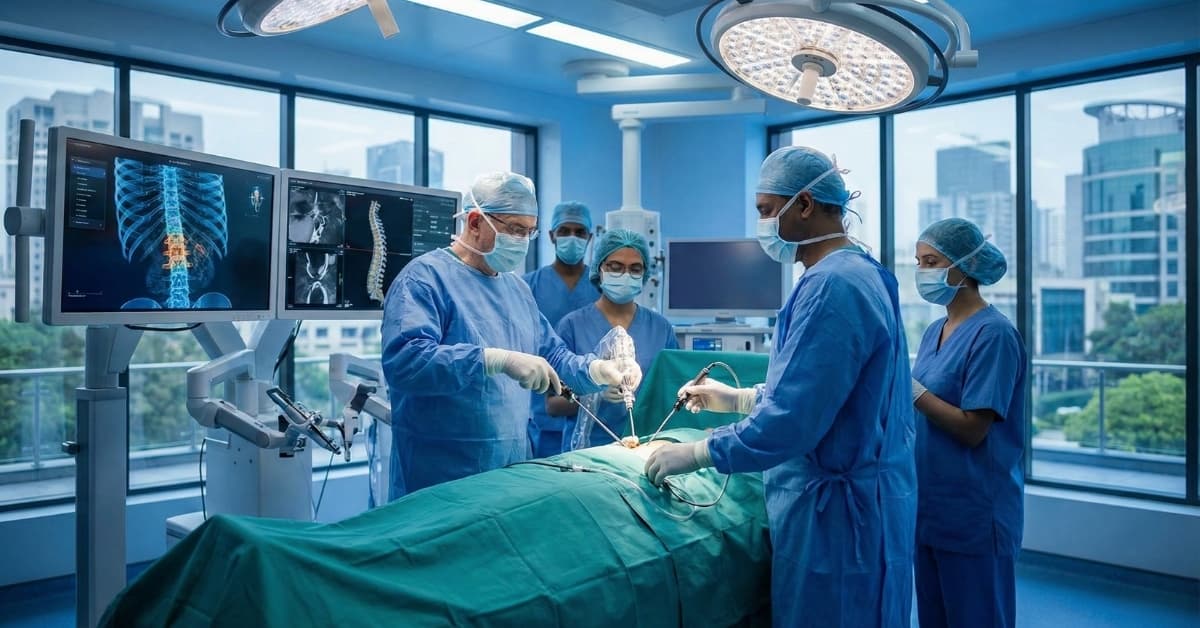
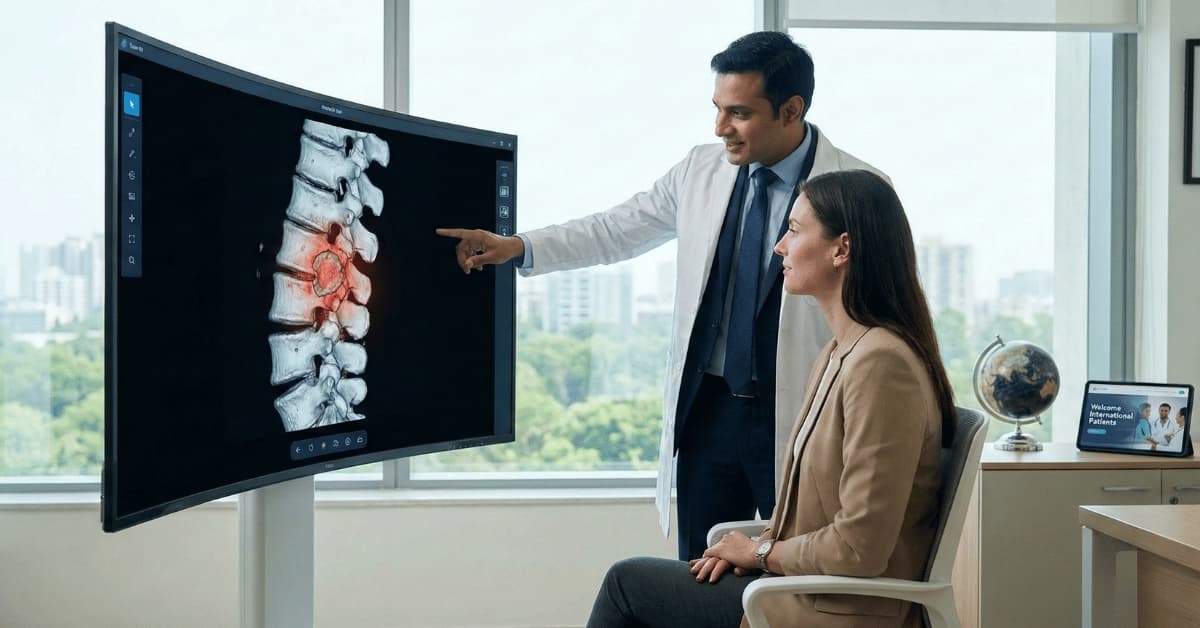
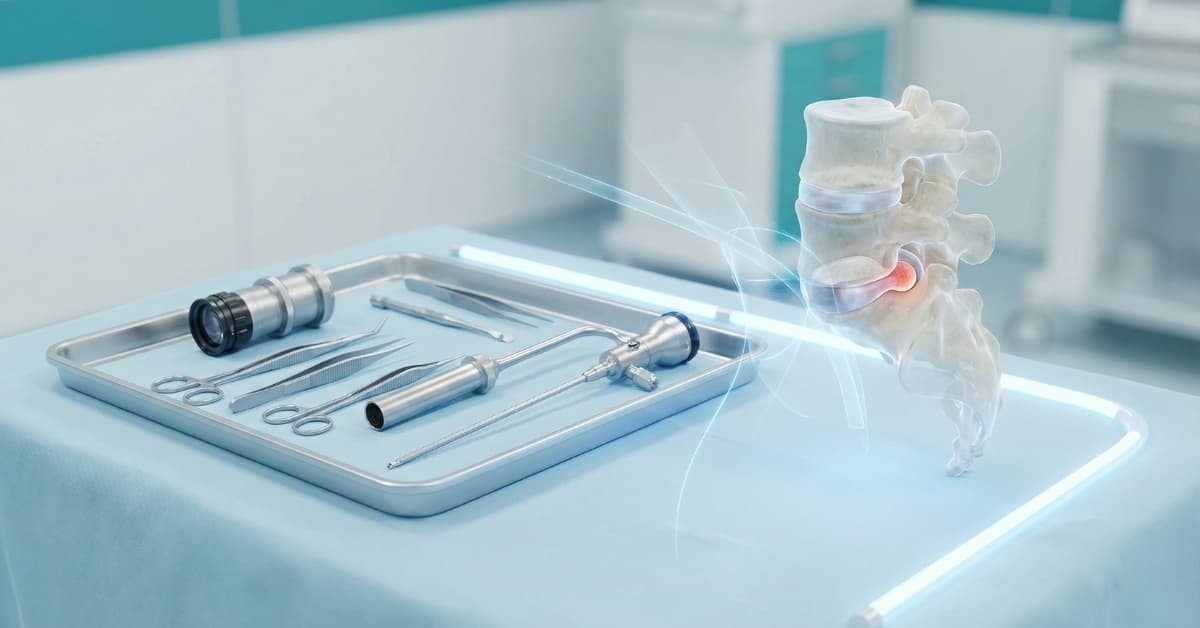
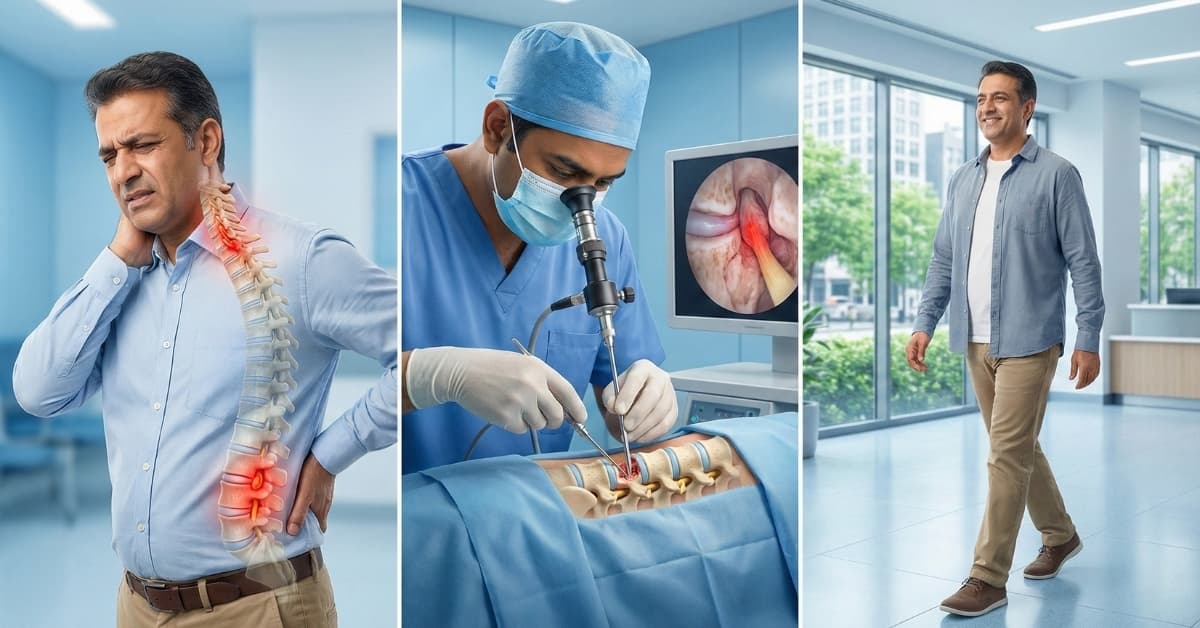
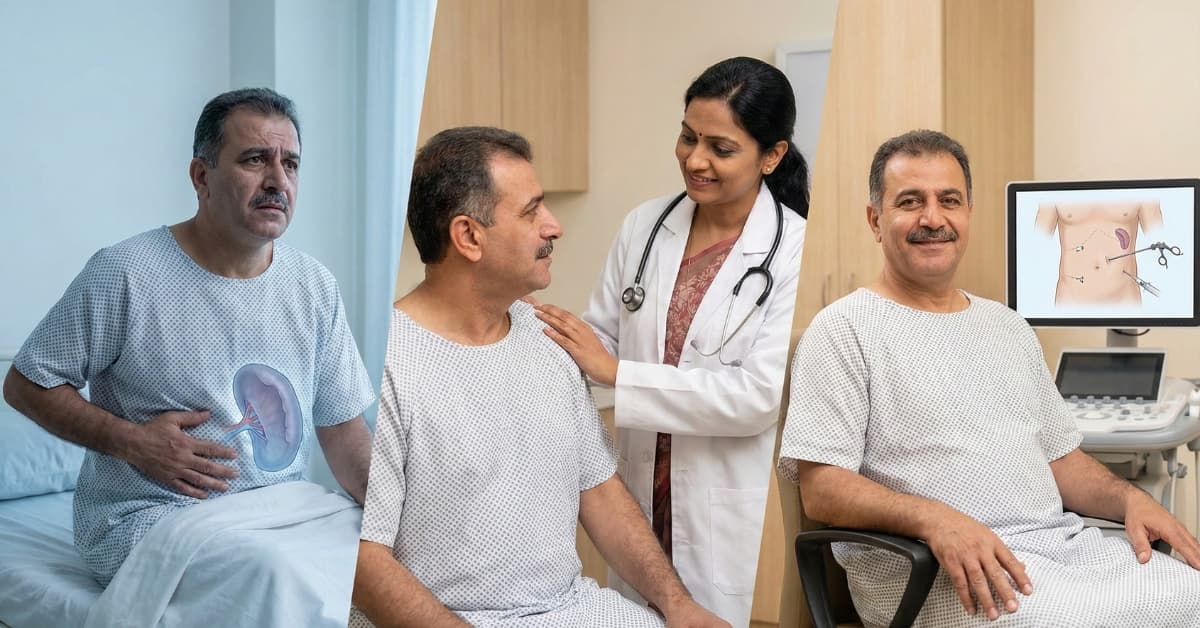
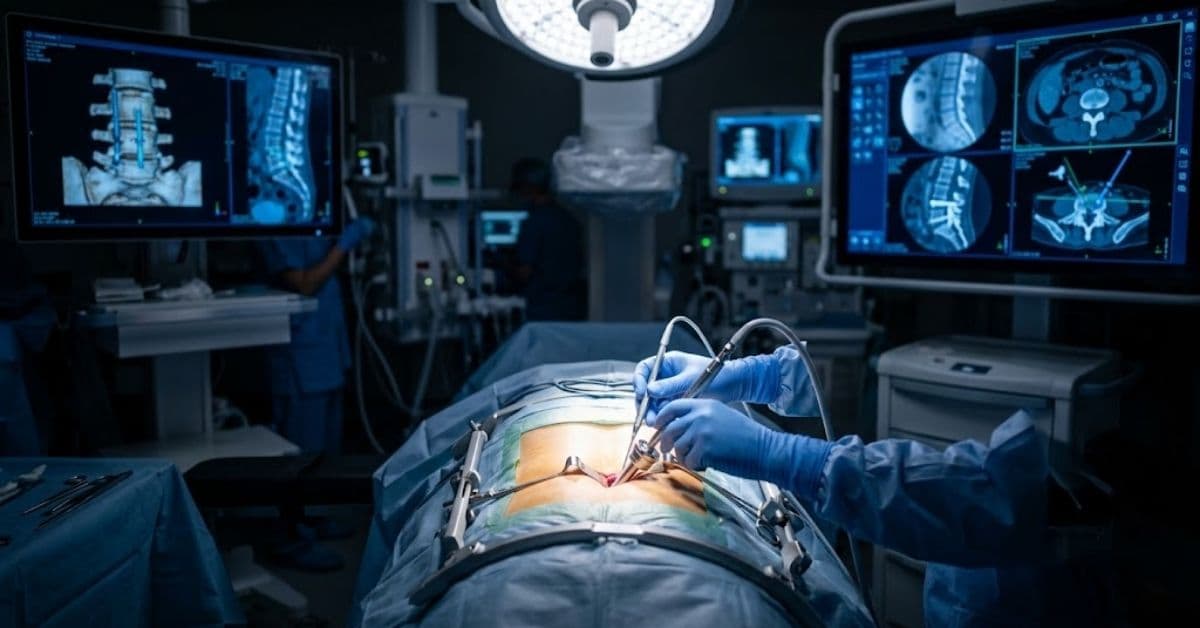
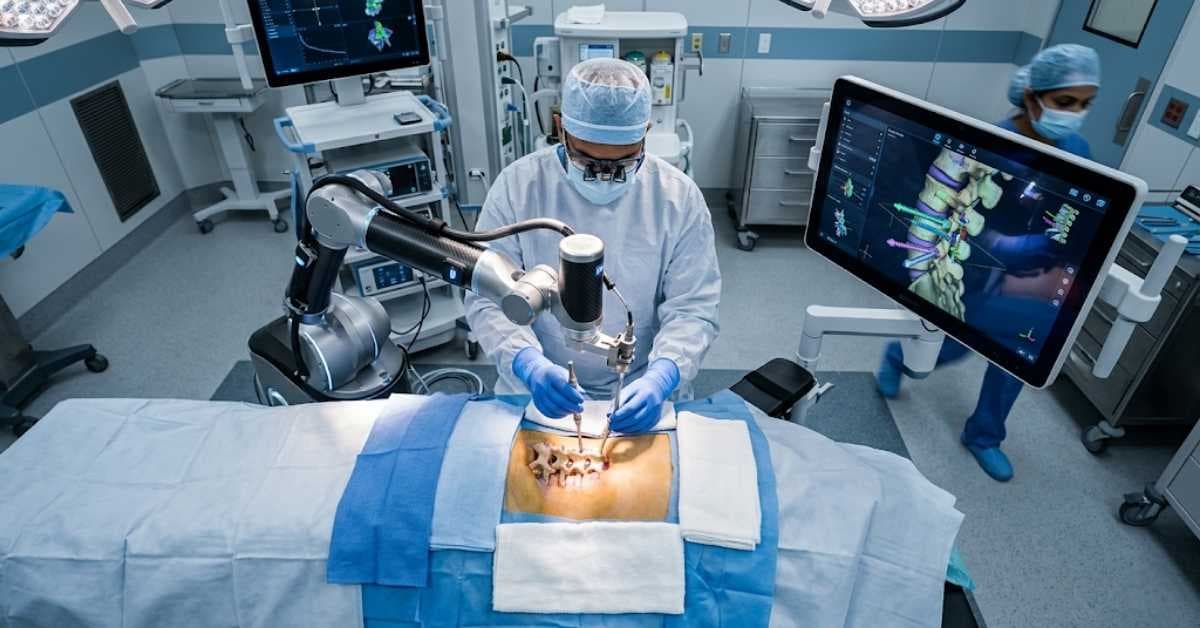
Imagine a surgical procedure that can alleviate your chronic back pain with just a tiny incision, allowing you to return to your daily life much faster. This is the promise of Spinal Endoscopic Surgery. It's a cutting-edge, minimally invasive technique used to treat a wide range of spinal conditions, from herniated discs to spinal stenosis. Unlike traditional open surgeries that require large incisions and significant muscle dissection, endoscopic surgery utilizes a small, tube-like instrument called an endoscope, equipped with a camera and light source. This allows the surgeon to visualize the spinal structures on a monitor and perform the necessary repairs with specialized micro-instruments, all through an incision often no larger than a pencil eraser. This precision minimizes trauma to surrounding tissues, leading to less pain, reduced blood loss, and a quicker recovery for the patient.
Types of Spinal Endoscopic Surgery Procedures
Spinal endoscopic surgery encompasses several approaches, each tailored to the specific location and nature of the spinal problem. These variations ensure that patients receive the most targeted and effective treatment possible, maximizing outcomes while minimizing invasiveness.
Transforaminal Endoscopic Discectomy (TFED)
This approach is commonly used for lumbar disc herniations. The endoscope is inserted through the 'foramen' – a natural opening in the spine – allowing direct access to the disc without disturbing the surrounding muscles or bones. It's highly effective for lateral and foraminal disc herniations.
- Minimally disruptive to spinal anatomy
- Ideal for contained and extruded disc herniations
- Often performed under local anesthesia, quick recovery
Interlaminar Endoscopic Discectomy (ILEDS)
When disc herniations are located centrally or in the upper lumbar spine, the interlaminar approach is often preferred. The endoscope enters through the 'interlaminar space' – the gap between two laminae (parts of the vertebral bone). This technique is excellent for central disc herniations and some cases of spinal stenosis.
- Effective for central and paracentral disc herniations
- Provides a wider working channel for certain pathologies
- Reduced risk of nerve root injury compared to open methods
Full-Endoscopic Spinal Decompression
This advanced technique allows for comprehensive decompression of nerve roots and the spinal canal, treating conditions like severe spinal stenosis or even removing bone spurs. It can be performed via both transforaminal and interlaminar routes, offering extensive relief through minimal access.
- Treats complex spinal stenosis and bone spurs
- Preserves spinal stability
- High success rates in alleviating nerve compression symptoms
Conditions Treated by Spinal Endoscopic Surgery
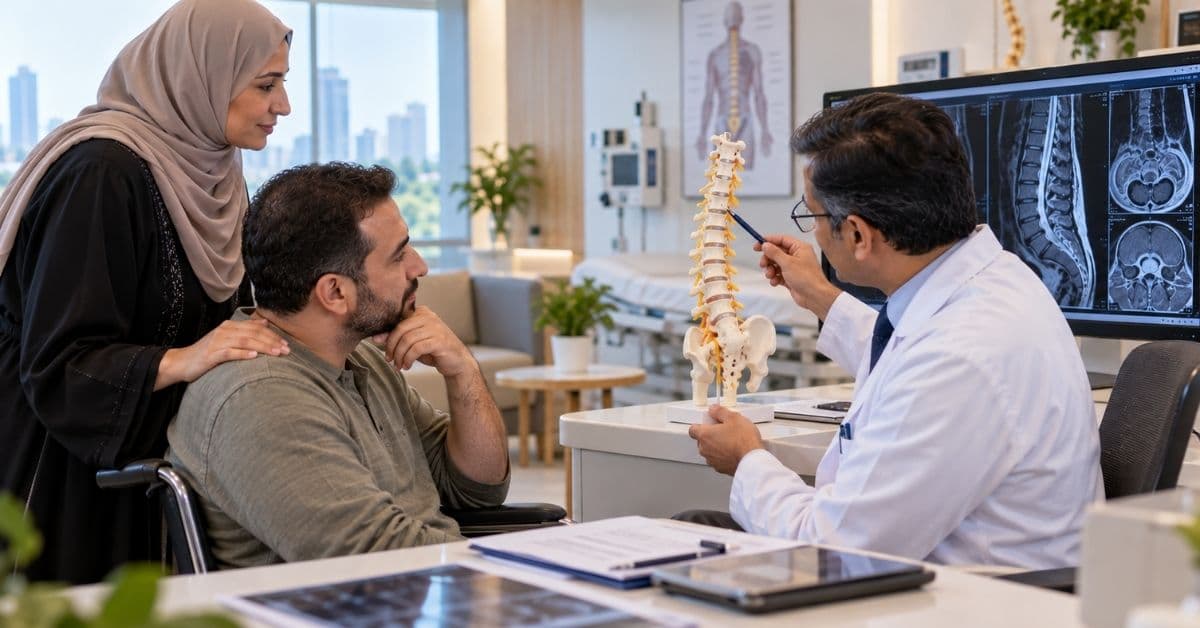
Spinal endoscopic surgery offers a precise solution for a variety of debilitating spinal conditions that often cause chronic pain and neurological symptoms. Its minimally invasive nature makes it an attractive option for patients seeking relief without the extensive recovery associated with traditional open surgeries.
Benefits of Minimally Invasive Spinal Endoscopic Surgery
Choosing spinal endoscopic surgery means opting for a path that prioritizes your comfort and swift return to health. The advantages over traditional open surgery are significant and directly impact a patient's experience and recovery trajectory.
Advanced Technology and Techniques in India
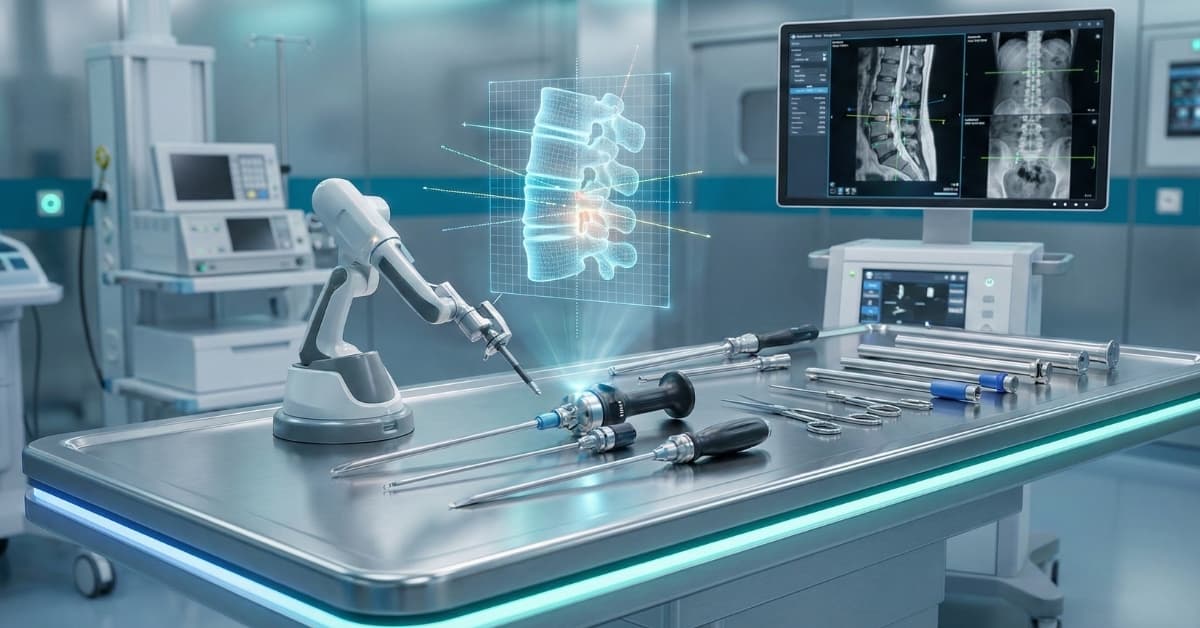
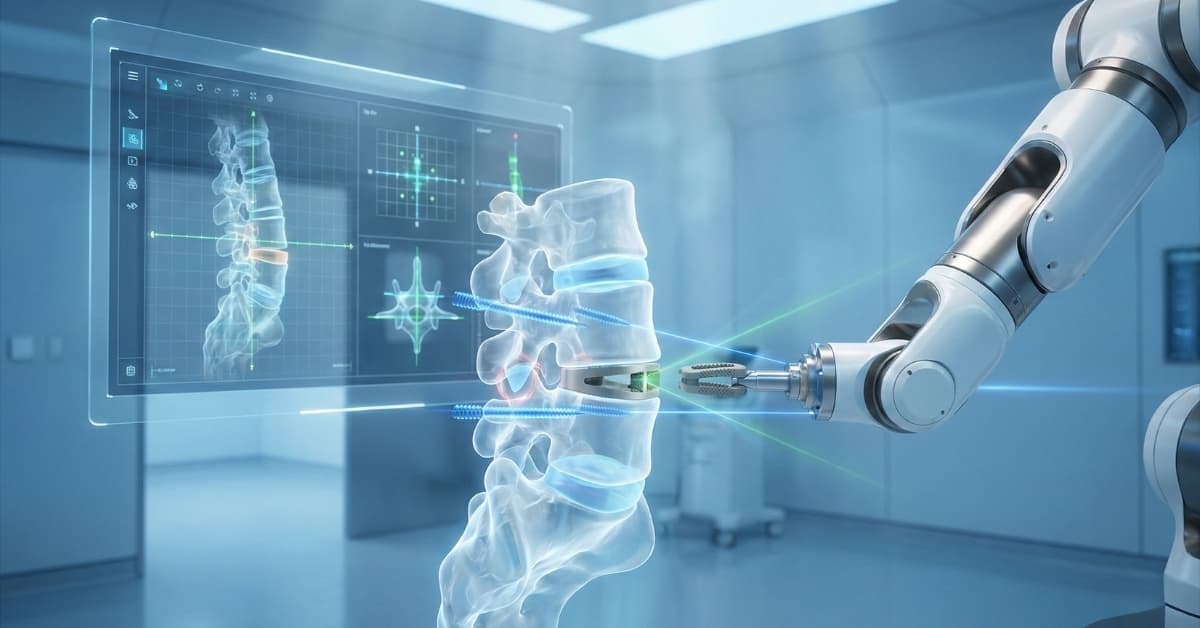
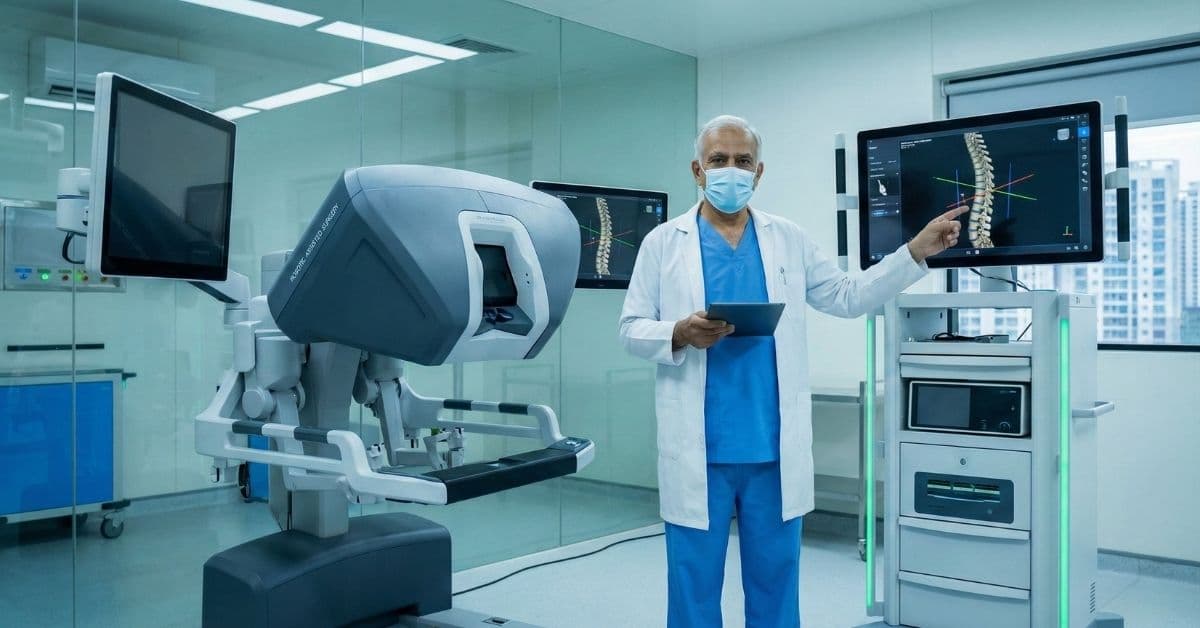
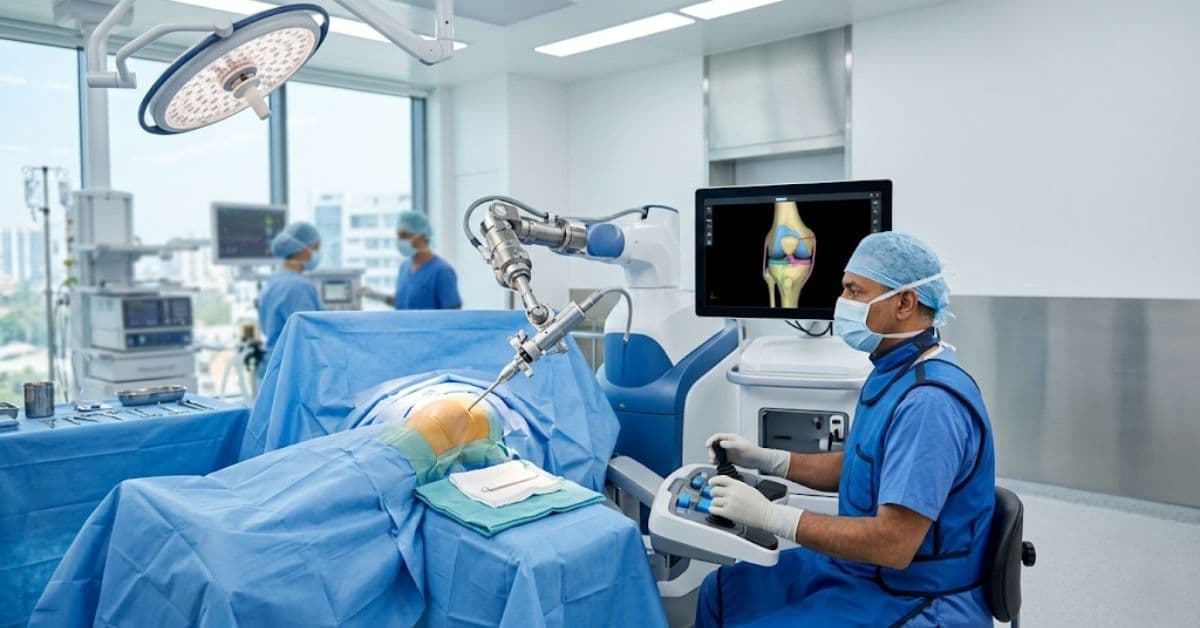
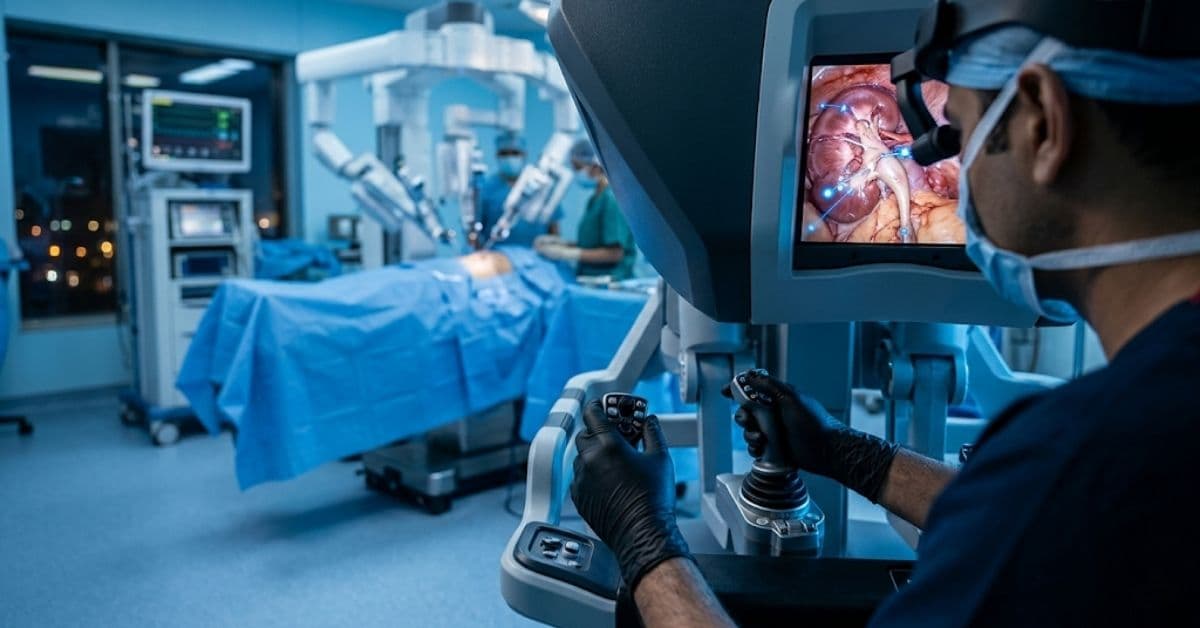
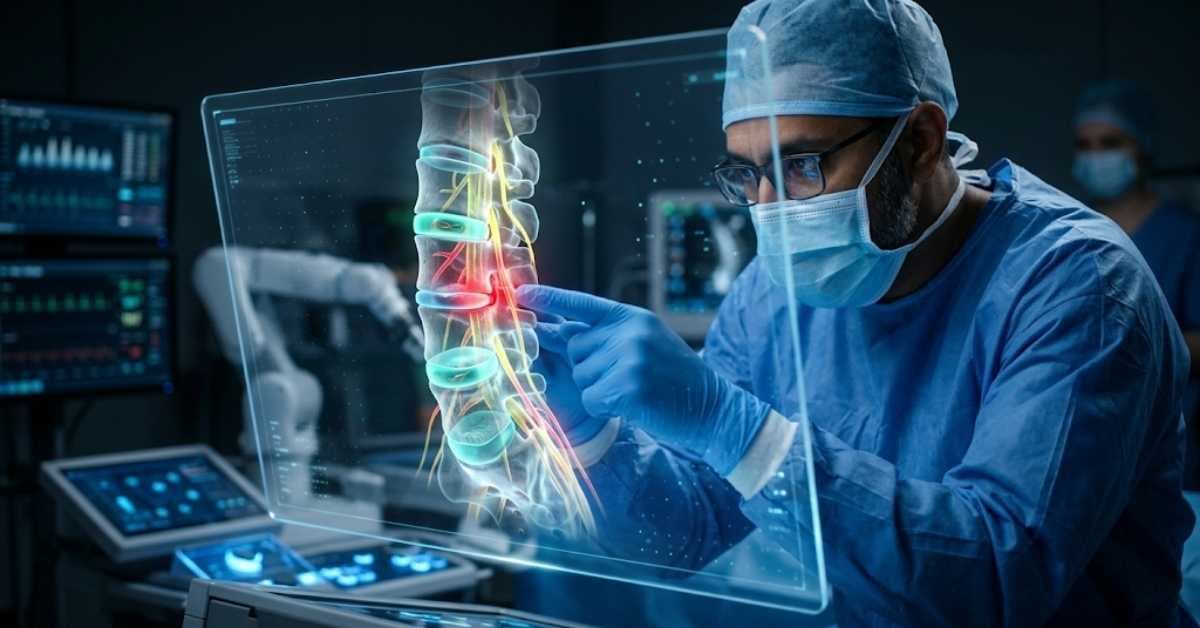
India's leading hospitals are at the forefront of adopting the latest advancements in spinal care. For spinal endoscopic surgery, this means utilizing high-definition endoscopes, specialized micro-instruments, and real-time imaging systems that provide surgeons with unparalleled visibility and precision. These technologies allow for highly accurate navigation within the delicate spinal structures, ensuring that only the affected tissue is targeted while preserving healthy surrounding areas. Many facilities also integrate intraoperative neuromonitoring to safeguard nerve function throughout the procedure, further enhancing patient safety and surgical outcomes. This commitment to technological excellence ensures that international patients receive care that is on par with, or even surpasses, global standards.
Cost of Spinal Endoscopic Surgery in India
One of the most compelling reasons international patients choose India for spinal endoscopic surgery is the remarkable cost-effectiveness without compromising on quality. The savings can be substantial, making world-class treatment accessible to a wider population.
| Procedure | Cost in India (INR) | Cost in India (USD) | Cost in US (USD) | Cost in UK (GBP) |
|---|---|---|---|---|
| Spinal Endoscopic Discectomy | ₹2,50,000 - ₹5,00,000 | $3,000 - $6,000 | $20,000 - $40,000 | £15,000 - £30,000 |
| Endoscopic Spinal Decompression | ₹3,00,000 - ₹6,50,000 | $3,600 - $7,800 | $25,000 - $50,000 | £18,000 - £38,000 |
Disclaimer: These costs are approximate and can vary significantly based on the specific hospital, the surgeon's fees, the complexity of the patient's condition, length of hospital stay, and additional services required. It is always advisable to obtain a personalized quote.*
Global Trust and Medical Tourism for Spine Care in India
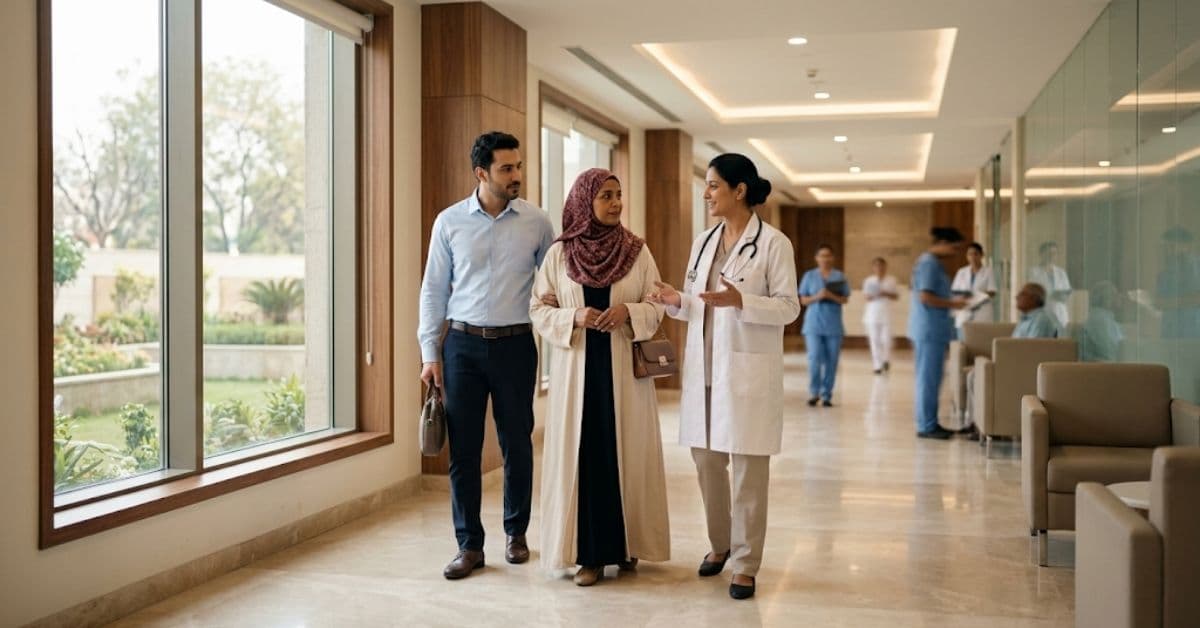
India has firmly established itself as a premier destination for medical tourism, particularly for complex procedures like spinal endoscopic surgery. Each year, hundreds of thousands of patients from countries across the Middle East, Africa, Southeast Asia, and even Western nations choose India for their medical needs. This preference stems from a combination of factors: highly skilled and internationally trained surgeons, state-of-the-art infrastructure, and significantly lower costs. Beyond the medical aspect, India offers comprehensive support for international patients, including assistance with medical visas, airport transfers, comfortable accommodation options, dedicated patient coordinators, and professional interpreters to bridge any language barriers. The blend of advanced medical care with warm hospitality and cultural richness creates a supportive environment for patients and their families throughout their healing journey.
Success Rates and Clinical Outcomes of Spinal Endoscopic Surgery in India
The success rates for spinal endoscopic surgery in India are highly encouraging, reflecting the expertise of its surgeons and the advanced facilities available. For conditions like herniated discs, studies and hospital data consistently report success rates ranging from 90% to 95% in terms of significant pain relief and functional improvement. Patients often experience a rapid reduction in symptoms, with many reporting immediate relief from nerve compression. Long-term outcomes also show sustained improvement, with a low recurrence rate when proper post-operative care and rehabilitation are followed. These statistics underscore India's capability to deliver world-class results in minimally invasive spine care, providing international patients with confidence and peace of mind.
Recovery and Rehabilitation After Spinal Endoscopic Surgery
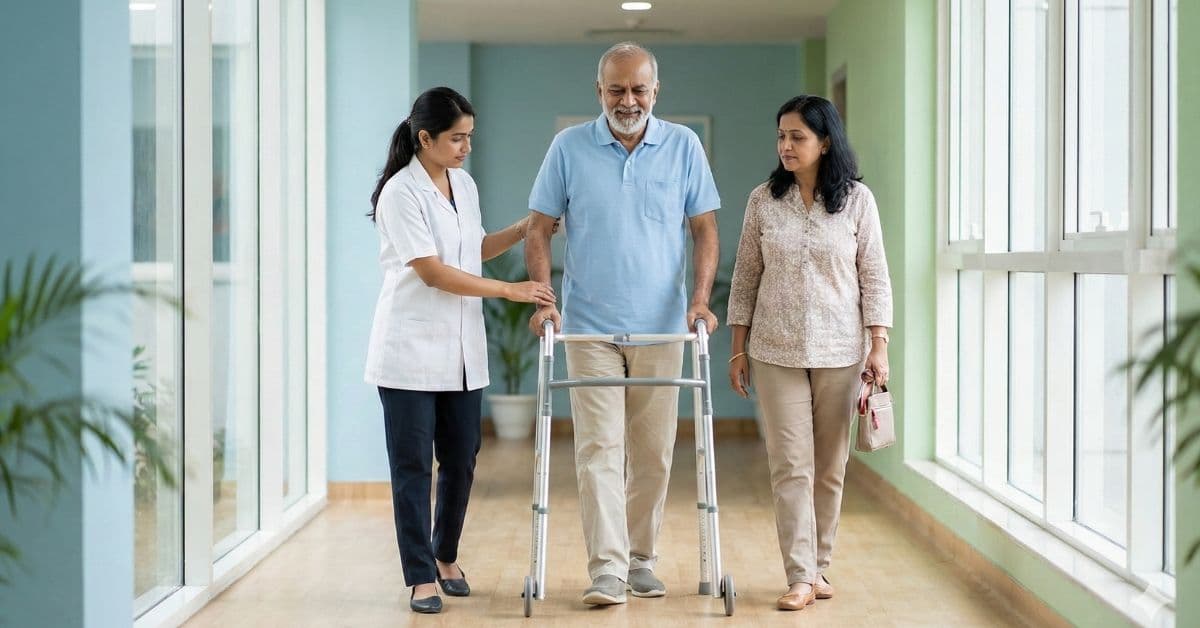
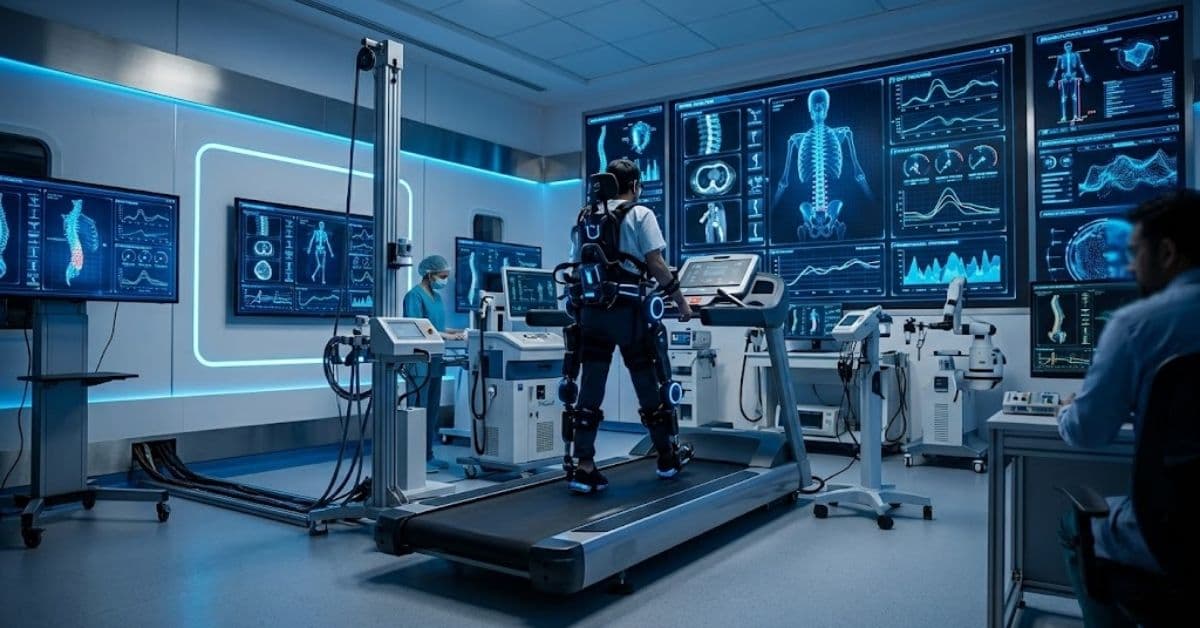
The journey to recovery after spinal endoscopic surgery is typically much faster and less arduous than with traditional open surgery. However, a structured rehabilitation plan is crucial for optimal long-term results and to prevent recurrence. Here’s a general timeline:
Medical Tourism Support Services
Navigating medical treatment in a foreign country can be daunting, but India's medical tourism ecosystem is designed to provide seamless support. Dedicated medical tourism facilitators, like organizations such as VRH Healthcare, act as a single point of contact, ensuring every aspect of your journey is handled with care and professionalism. These services typically include:
- Visa Assistance: Guidance and support for obtaining medical visas for patients and their accompanying family members.
- Travel Logistics: Arrangement of flights, airport pick-up and drop-off, and local transportation.
- Accommodation: Booking of hotels, guesthouses, or serviced apartments near the hospital, catering to various budgets.
- Hospital and Doctor Appointments: Scheduling consultations, surgeries, and follow-up appointments.
- Language Interpreters: Providing professional interpreters to ensure clear communication between patients, doctors, and hospital staff.
- Financial Coordination: Assistance with understanding treatment costs, payment options, and insurance coordination.
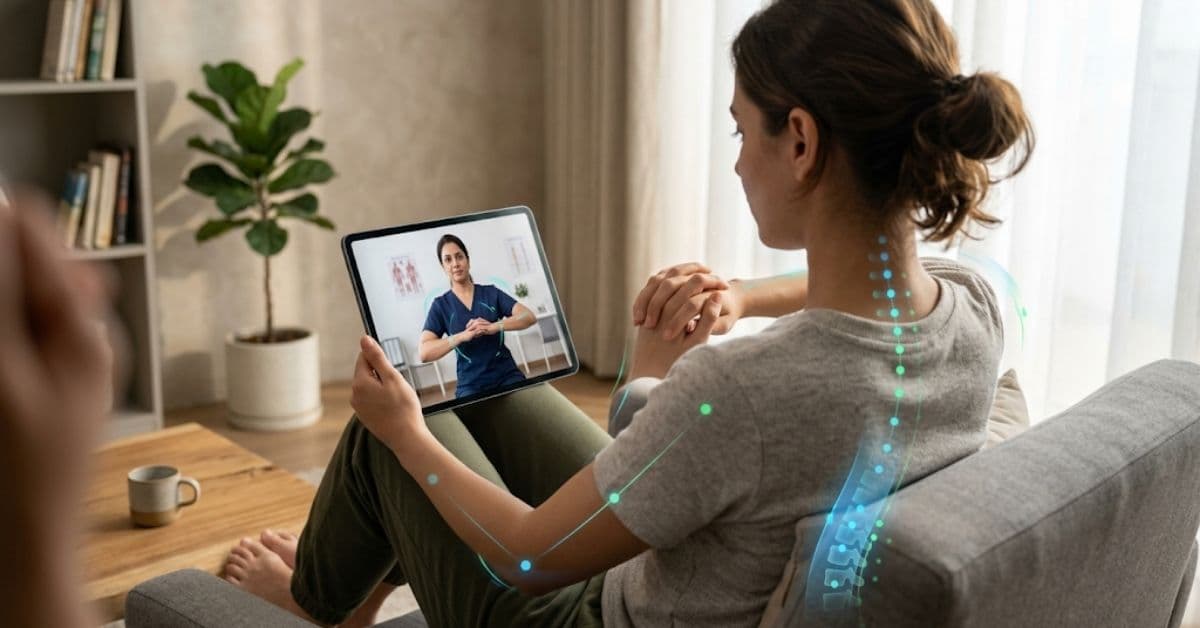
- Post-Treatment Follow-ups: Facilitating remote consultations or telemedicine services for ongoing care after returning home.
- Local Sightseeing and Cultural Experiences: Arranging tours for patients and families who wish to explore India's rich heritage during their stay.
Quality Assurance and Standards in Indian Spine Hospitals
International patients can rest assured that Indian hospitals offering spinal endoscopic surgery adhere to stringent quality and safety standards. Many leading hospitals are accredited by international bodies such as the Joint Commission International (JCI) and national bodies like the National Accreditation Board for Hospitals & Healthcare Providers (NABH). These accreditations signify a commitment to patient safety, quality of care, and continuous improvement, ensuring that facilities meet global benchmarks for medical excellence. Furthermore, Indian spine surgeons are often highly qualified, with many having received training and fellowships from renowned institutions worldwide, bringing a wealth of international experience and expertise to their practice. Regular audits, advanced infection control protocols, and patient-centric care models are standard practices, providing a safe and effective environment for complex spinal procedures.
Conclusion
Spinal endoscopic surgery in India offers a beacon of hope for international patients suffering from chronic back pain, providing a path to recovery that is both effective and accessible. With its blend of advanced medical technology, highly skilled surgeons, compassionate care, and significant cost advantages, India stands as a trusted global hub for minimally invasive spine treatment. Embrace the opportunity for a healthier, pain-free future, supported by a comprehensive medical tourism ecosystem designed to make your journey seamless and reassuring.
Ready to explore your options for spinal endoscopic surgery in India? Contact us today for a personalized consultation and begin your journey to recovery.