Minimally Invasive Orthopedics in India: A Guide to Enhanced Recovery for International Patients – 2026
Embarking on a medical journey abroad can feel daunting, but for those seeking orthopedic care, India stands out as a beacon of advanced treatment and compassionate support. The country has rapidly emerged as a global leader in minimally invasive orthopedic techniques, offering international patients access to cutting-edge procedures that promise faster recovery times and superior outcomes. With world-class specialists, state-of-the-art facilities, and significantly more affordable costs compared to Western nations, India provides a compelling option for high-quality orthopedic care.
What is Minimally Invasive Orthopedics (MIO)?
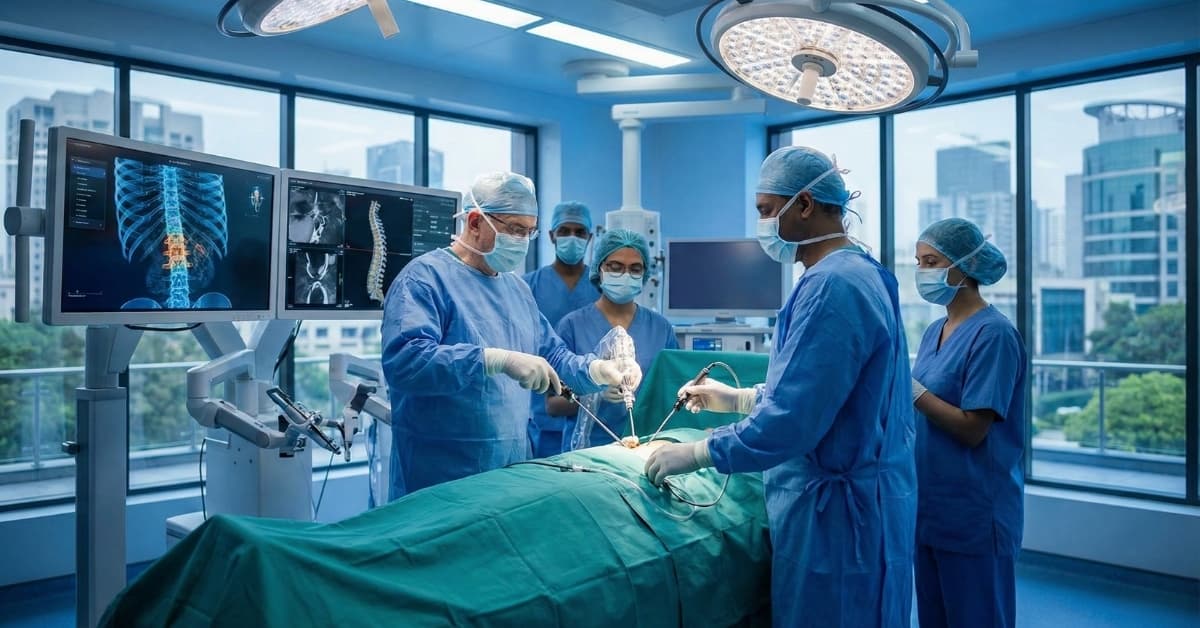
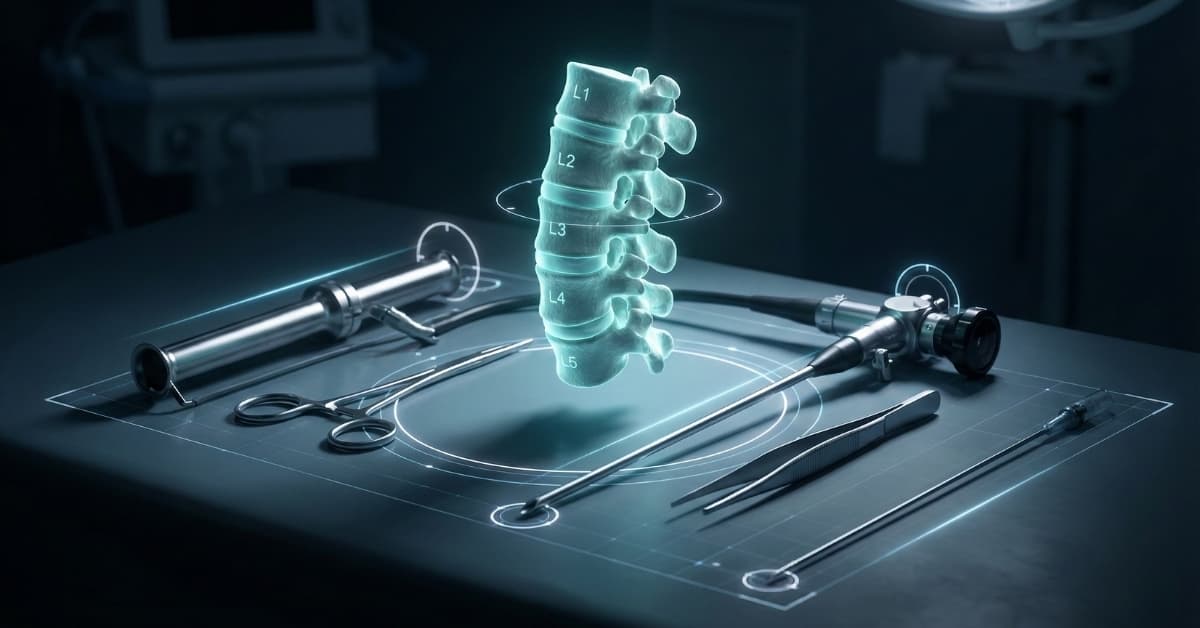
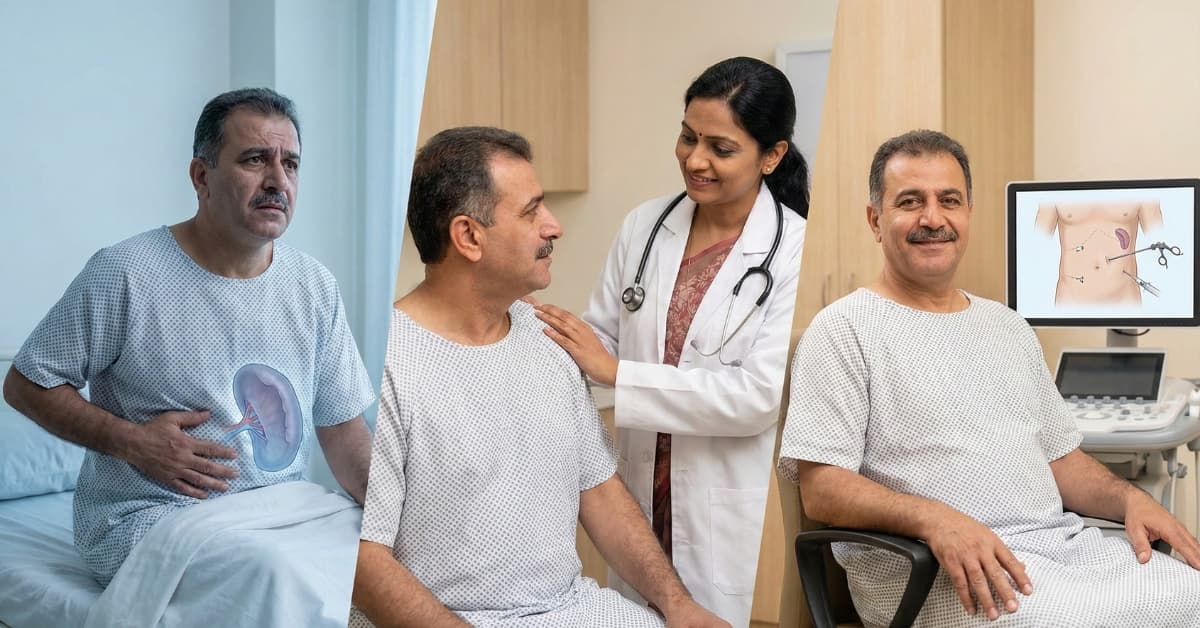
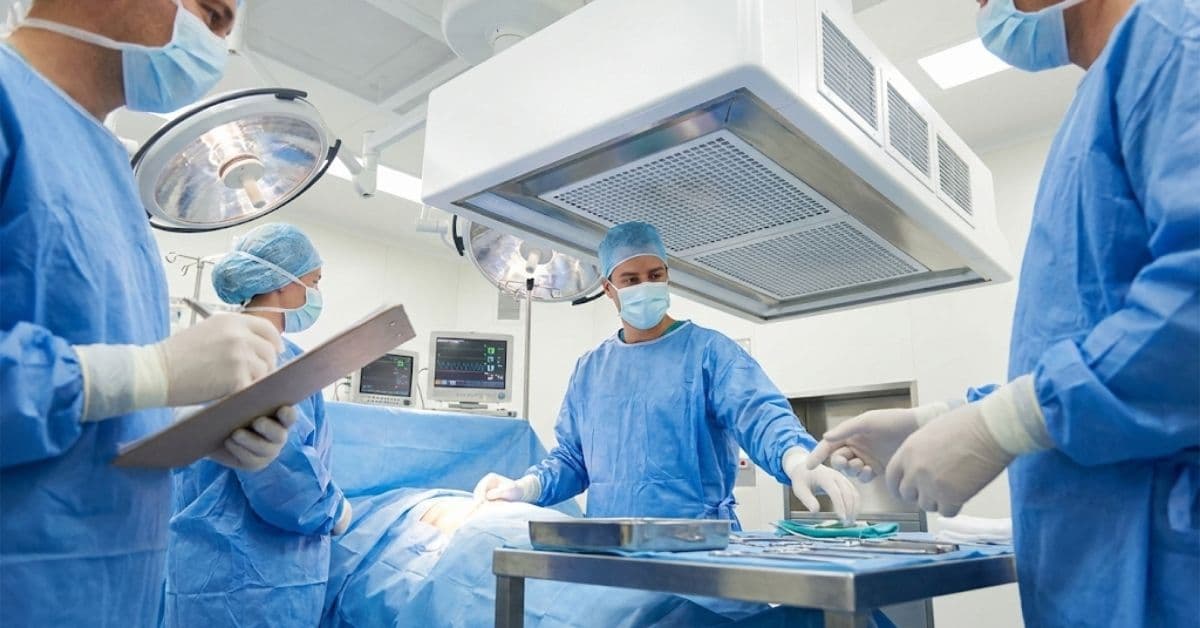
Minimally Invasive Orthopedics (MIO) refers to a range of surgical techniques designed to treat musculoskeletal conditions with smaller incisions, less tissue disruption, and reduced trauma to the body compared to traditional open surgery. Instead of large cuts, surgeons use specialized instruments and advanced imaging (like arthroscopes or fluoroscopes) to operate through tiny incisions, often just a few centimeters long. This approach is a game-changer for patients, leading to less pain, minimal scarring, and a significantly quicker return to daily activities. It's about achieving the same, if not better, surgical outcomes with a gentler touch on the body.
Types of Minimally Invasive Orthopedic Procedures in India
India's leading hospitals offer a comprehensive array of minimally invasive orthopedic procedures, catering to various joint and spinal conditions. These advanced techniques ensure precision and promote faster healing across a spectrum of treatments.
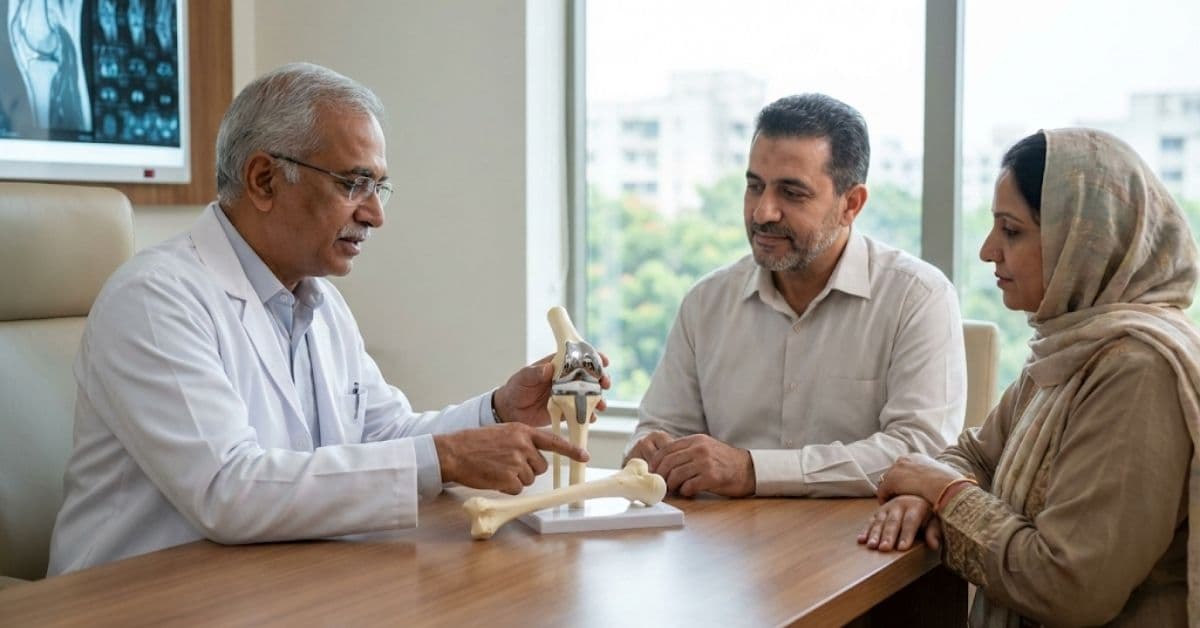
Minimally Invasive Joint Replacements (Knee, Hip, Shoulder)
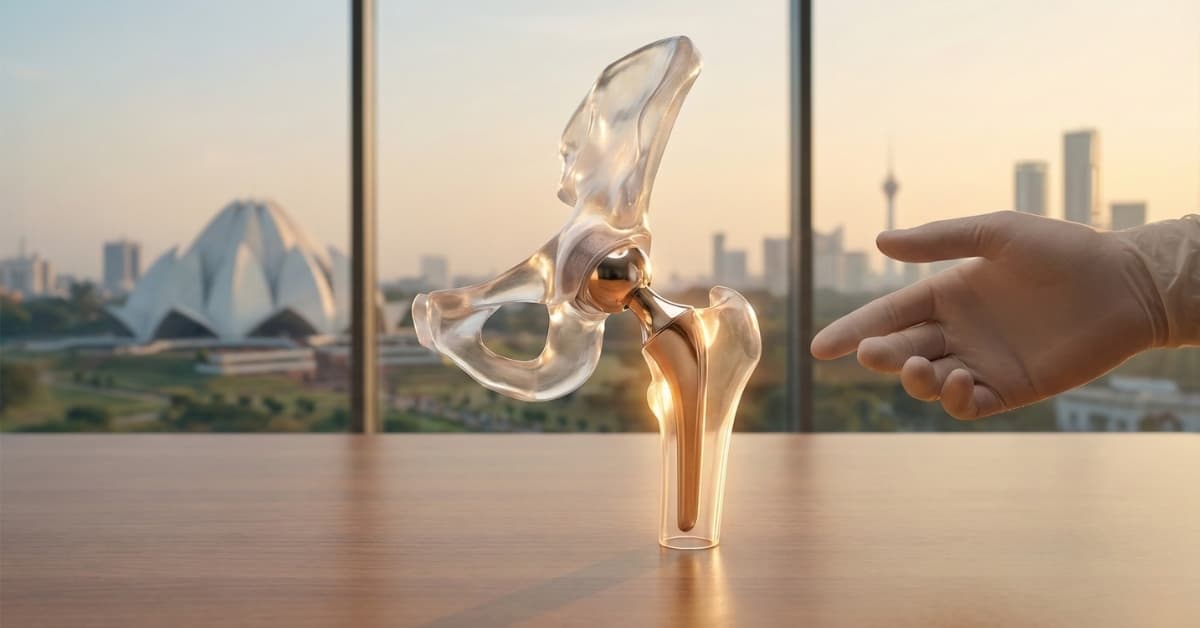
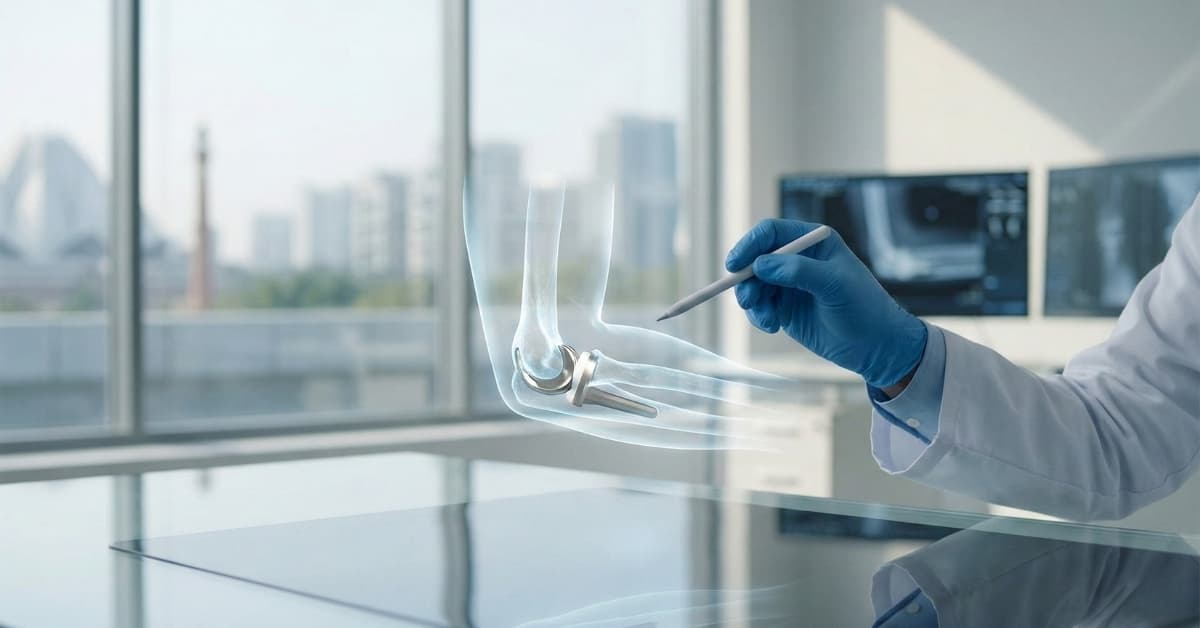
These procedures involve replacing damaged joint surfaces through smaller incisions, preserving more surrounding muscle and tissue. This leads to less blood loss and a quicker start to rehabilitation.
- Reduced post-operative pain
- Shorter hospital stays, often 3-5 days
- Faster return to mobility and daily activities
Arthroscopy (Knee, Shoulder, Ankle, Hip)
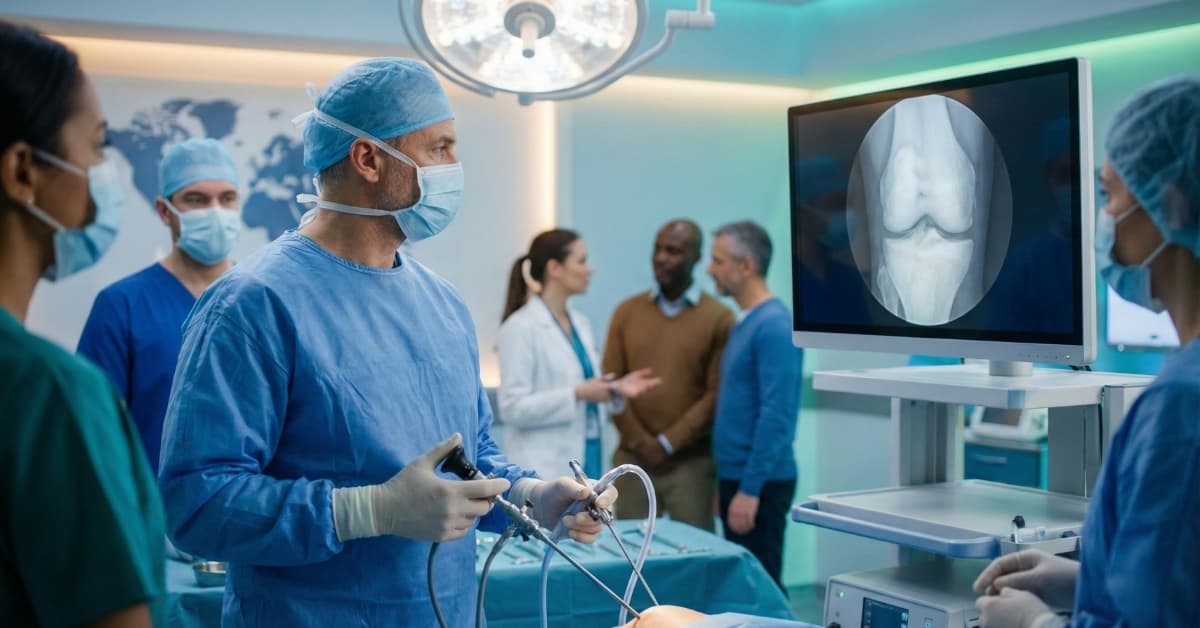
Arthroscopy uses a small camera (arthroscope) inserted through a tiny incision to visualize and repair joint damage. It's commonly used for meniscus tears, ligament repairs (like ACL), rotator cuff repairs, and cartilage issues.
- Highly precise diagnosis and treatment
- Minimal scarring and infection risk
- Outpatient or short-stay procedure for many cases
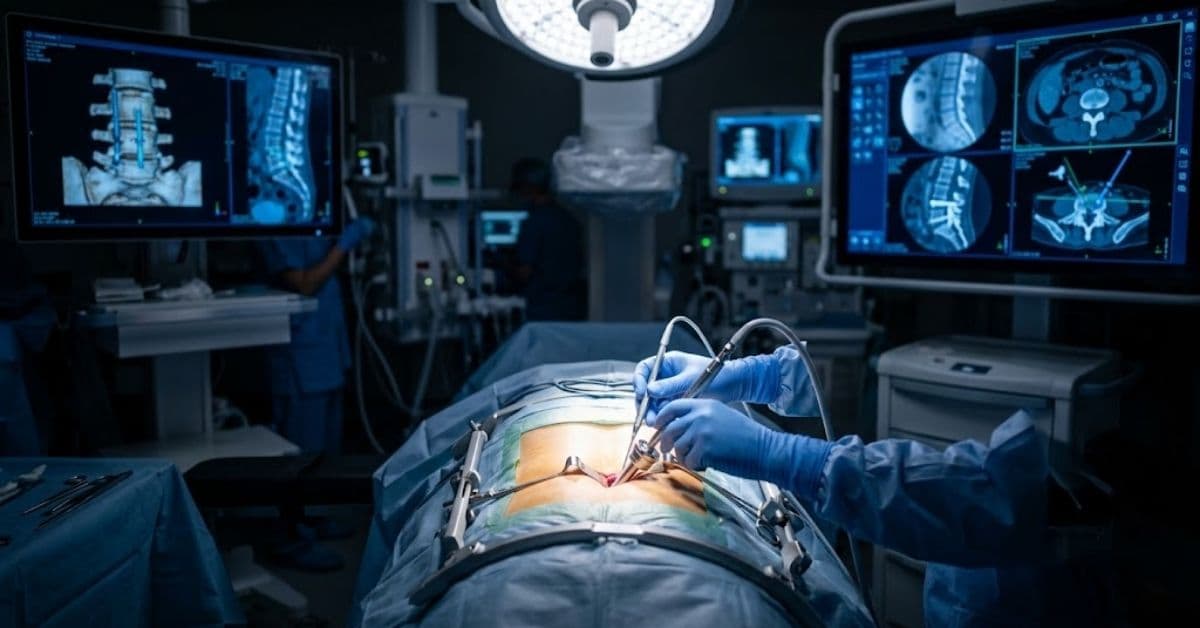
Minimally Invasive Spine Surgery (MISS)
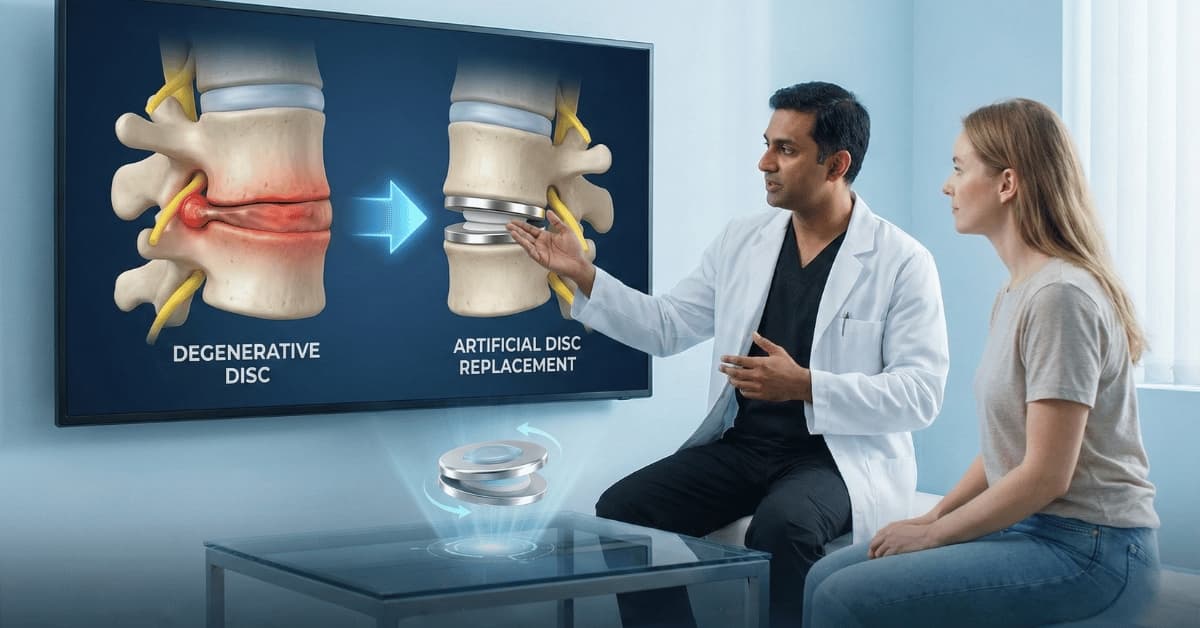
MISS techniques address conditions like herniated discs, spinal stenosis, and spinal deformities with smaller incisions, often using tubular retractors or endoscopes. This preserves spinal muscles and reduces recovery time.
- Significantly less muscle damage
- Lower risk of complications compared to open spine surgery
- Effective for various lumbar and cervical conditions
The Advantages of Minimally Invasive Orthopedics for International Patients
Choosing MIO in India offers distinct benefits that are particularly appealing to international patients seeking efficient and effective care:
Advanced Technology and Techniques in Indian Orthopedics
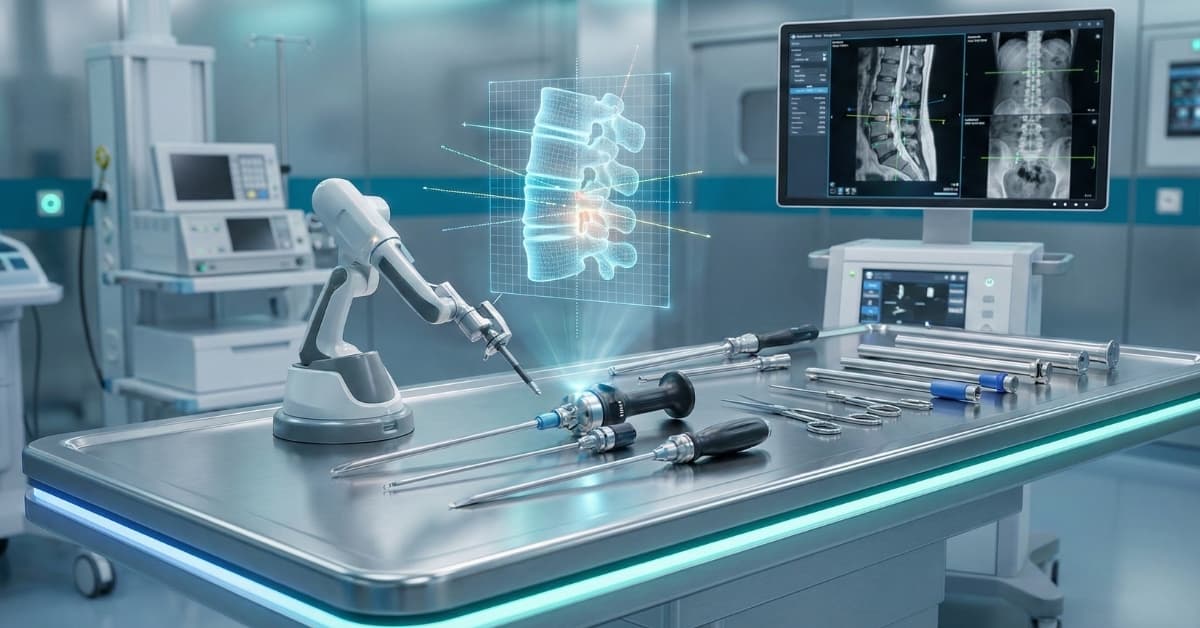
Indian hospitals are at the forefront of adopting advanced technologies that elevate the precision and safety of minimally invasive orthopedic procedures. These innovations are crucial in delivering world-class outcomes for international patients.
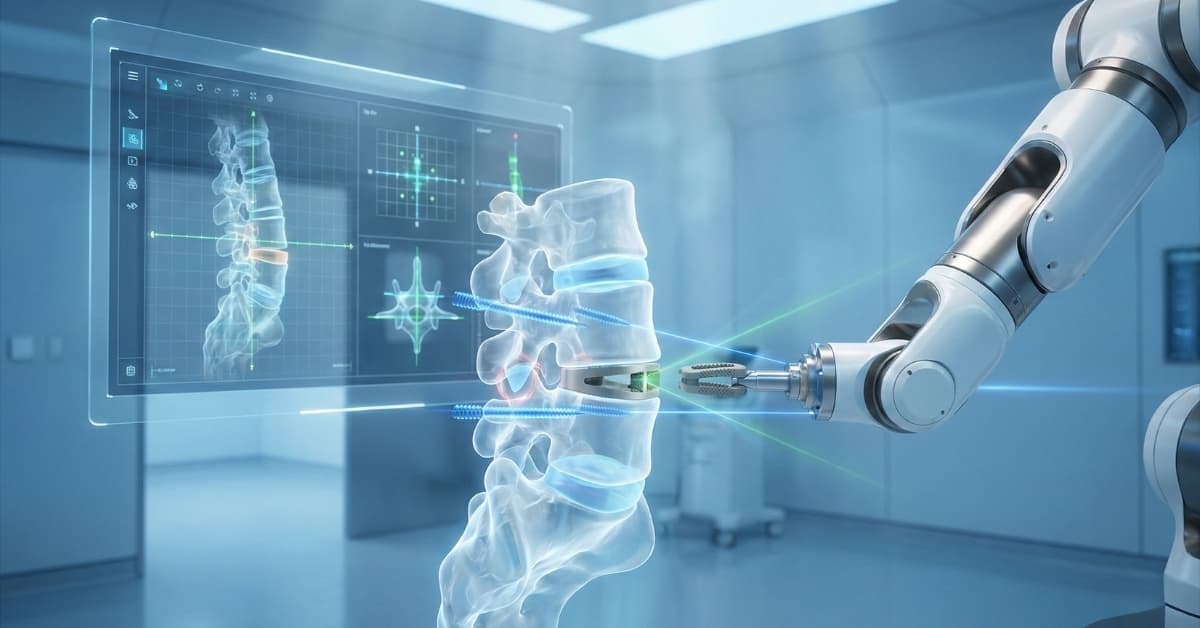
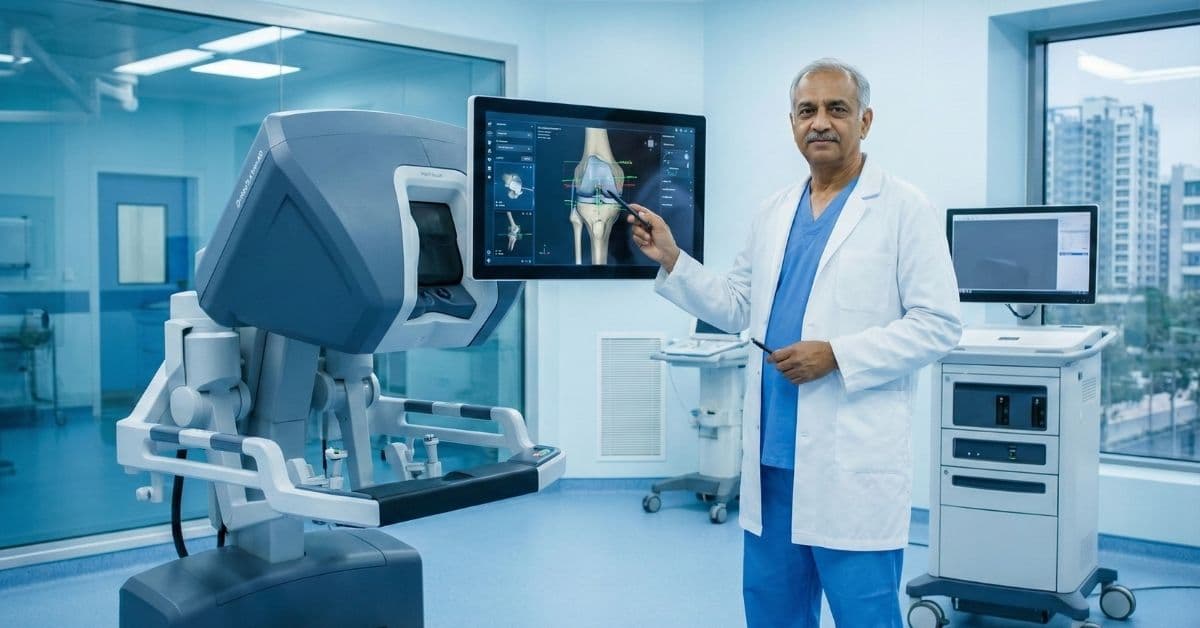
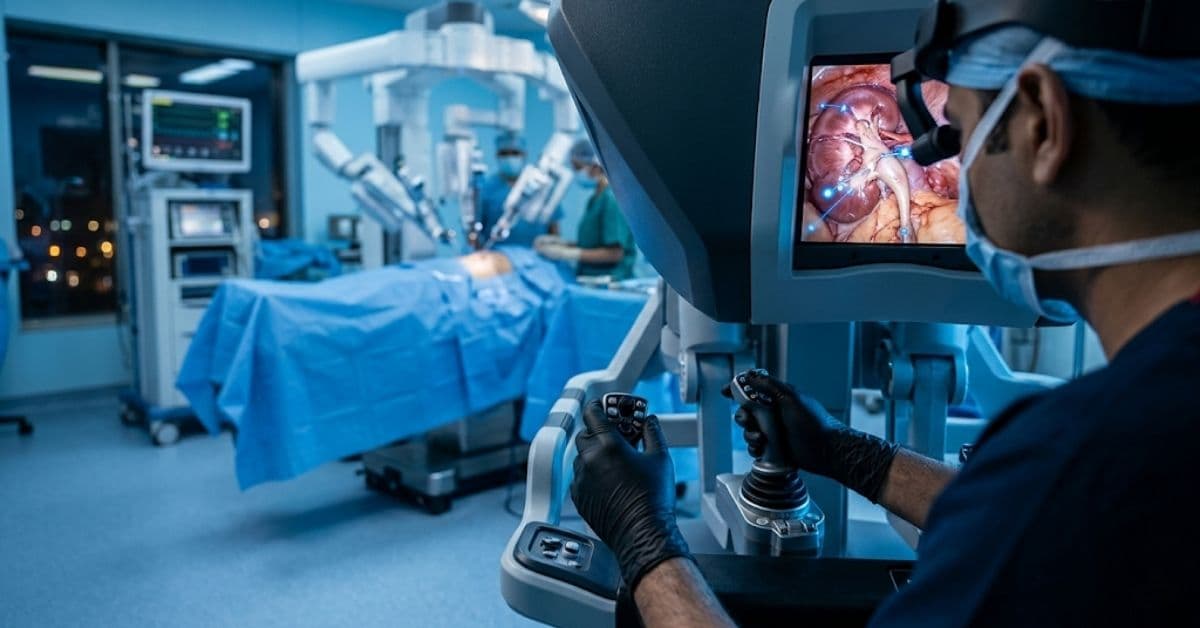
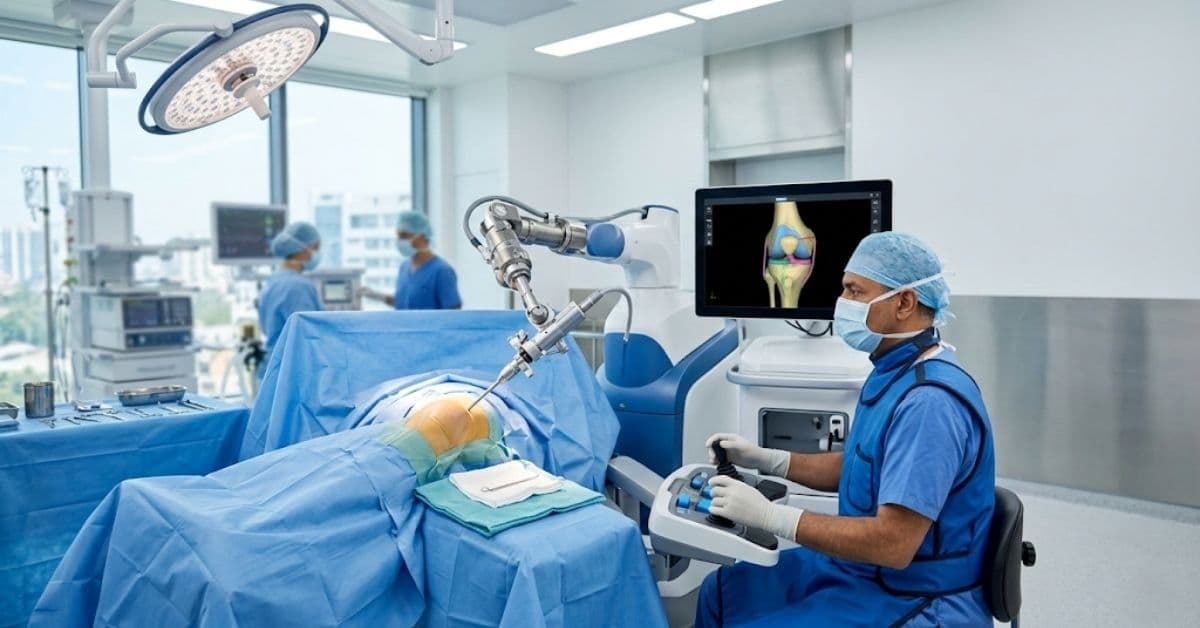
- Robotic-Assisted Surgery: Systems like MAKOplasty and ROSA Knee System allow surgeons to pre-plan surgeries with 3D models and execute bone cuts with unparalleled accuracy, leading to better implant positioning and longevity, especially in joint replacements.
- Computer Navigation Systems: These systems provide real-time, intra-operative guidance, helping surgeons navigate complex anatomy and ensure precise alignment during procedures, particularly in spine and joint surgeries.
- High-Definition Arthroscopy: Utilizing advanced optics and high-resolution cameras, surgeons gain crystal-clear views inside joints, enabling meticulous repairs through tiny incisions.
- Intraoperative Imaging (e.g., O-arm, C-arm): These portable imaging devices provide immediate, high-quality X-ray or CT scans during surgery, allowing surgeons to confirm implant placement and spinal alignment without delay.
Cost of Minimally Invasive Orthopedic Procedures in India
One of India's most significant appeals for international patients is the remarkable cost-effectiveness of its medical treatments, without compromising on quality. Here's a comparison of typical costs (estimates in USD, subject to change and variation by hospital/patient condition):
| Procedure Type | Cost in India (USD) | Cost in US (USD) | Cost in UK (USD) |
|---|---|---|---|
| Minimally Invasive Total Knee Replacement | $6,000 - $9,000 | $30,000 - $50,000 | $15,000 - $25,000 |
| Minimally Invasive Total Hip Replacement | $7,000 - $10,000 | $35,000 - $60,000 | $18,000 - $30,000 |
| Arthroscopic Knee Surgery (e.g., ACL Repair) | $3,000 - $6,000 | $10,000 - $25,000 | $8,000 - $15,000 |
| Minimally Invasive Lumbar Discectomy | $4,500 - $8,000 | $20,000 - $40,000 | $12,000 - $20,000 |
Disclaimer:** These figures are approximate and can vary significantly based on the specific hospital, surgeon's fees, type of implant used, length of hospital stay, and any additional services required. It is always recommended to obtain a personalized quote.
Global Trust and Medical Tourism in India
India has solidified its position as a global hub for medical tourism, attracting hundreds of thousands of patients annually from over 120 countries, including the Middle East, Africa, Southeast Asia, and Western nations. This trust is built on a foundation of clinical excellence, advanced infrastructure, and a patient-centric approach.
Patients choose India for its:
- Highly Skilled Surgeons: Many Indian orthopedic surgeons have international training and experience, performing a high volume of complex procedures.
- Accredited Hospitals: Numerous hospitals hold international accreditations like JCI (Joint Commission International) and national accreditations like NABH (National Accreditation Board for Hospitals & Healthcare Providers), ensuring adherence to global quality and safety standards.
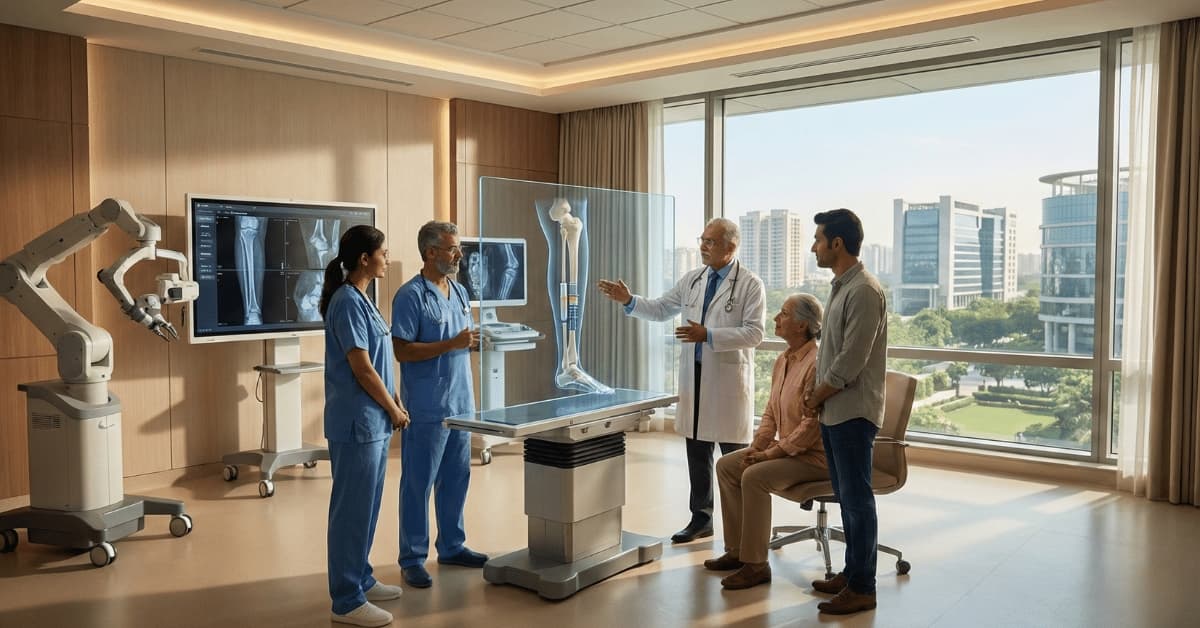
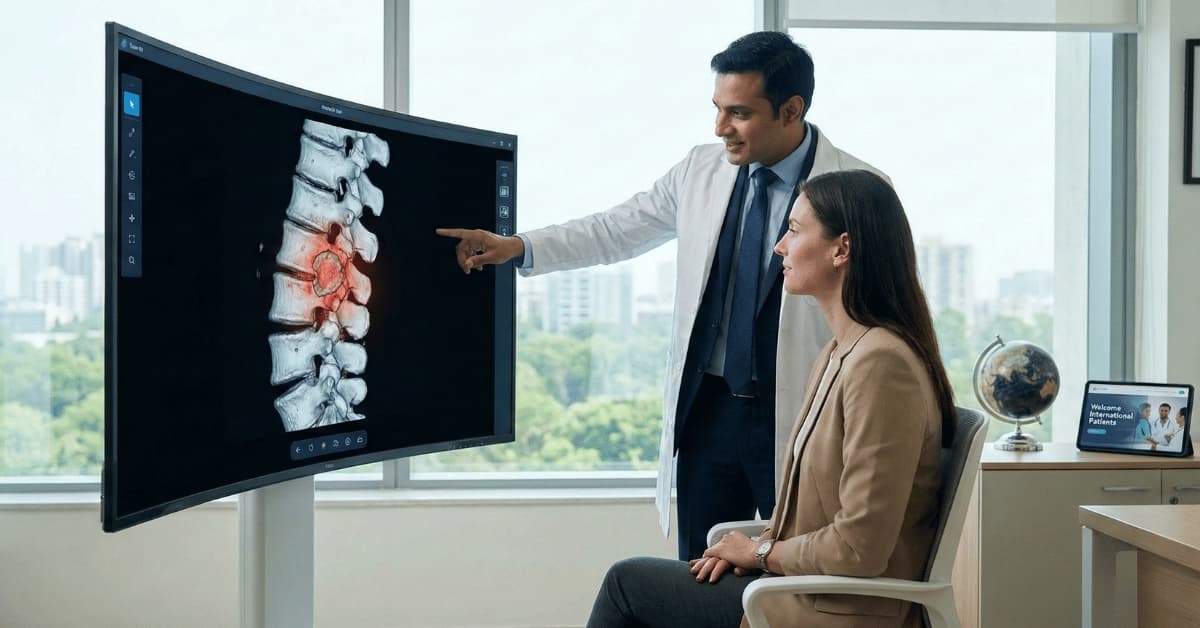
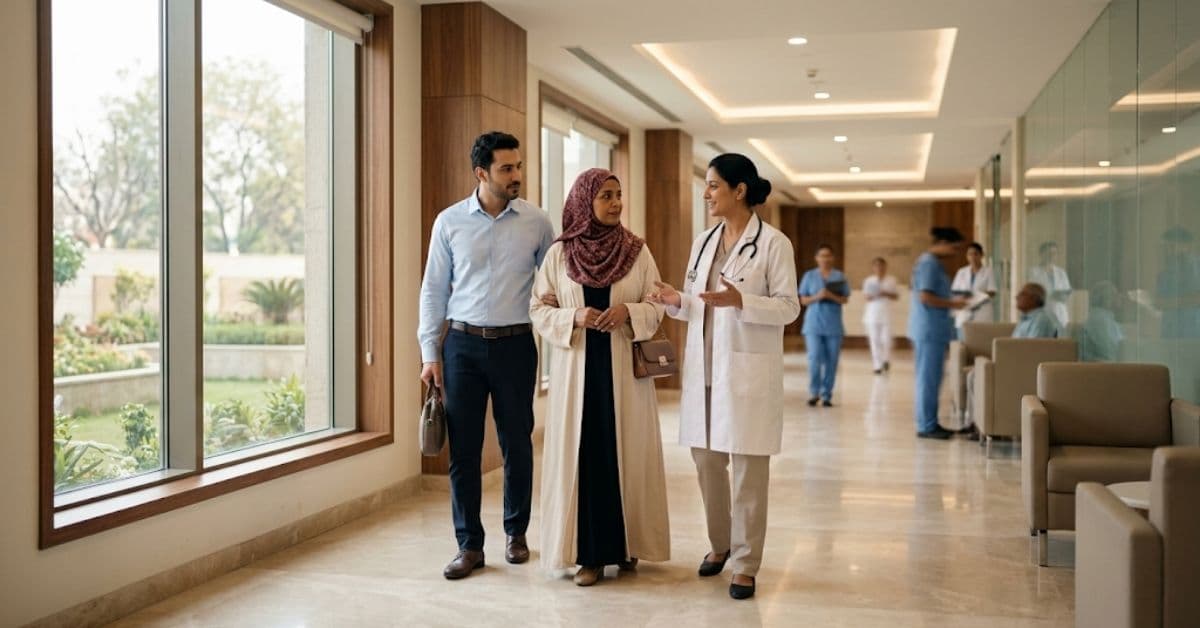
- Cultural and Logistical Support: India's medical tourism ecosystem is well-developed, offering comprehensive support services. This includes assistance with medical visas, airport transfers, dedicated international patient desks, language interpreters, diverse accommodation options, and even post-treatment wellness programs, making the entire journey seamless for patients and their families.
Success Rates and Clinical Outcomes in Minimally Invasive Orthopedics in India
The success rates for minimally invasive orthopedic procedures in India are highly competitive with global benchmarks, reflecting the expertise of its surgeons and the quality of its medical facilities. For instance, minimally invasive total knee and hip replacements often report success rates exceeding 95% in terms of pain relief and functional improvement, with implant longevity comparable to international standards. Arthroscopic procedures for ligament repairs or meniscal tears also boast high success rates, typically above 90%, leading to excellent return-to-sport or daily activity outcomes. These statistics are a testament to the rigorous training, advanced technology, and patient-focused care prevalent in India's top orthopedic centers, providing international patients with confidence in their treatment choices.
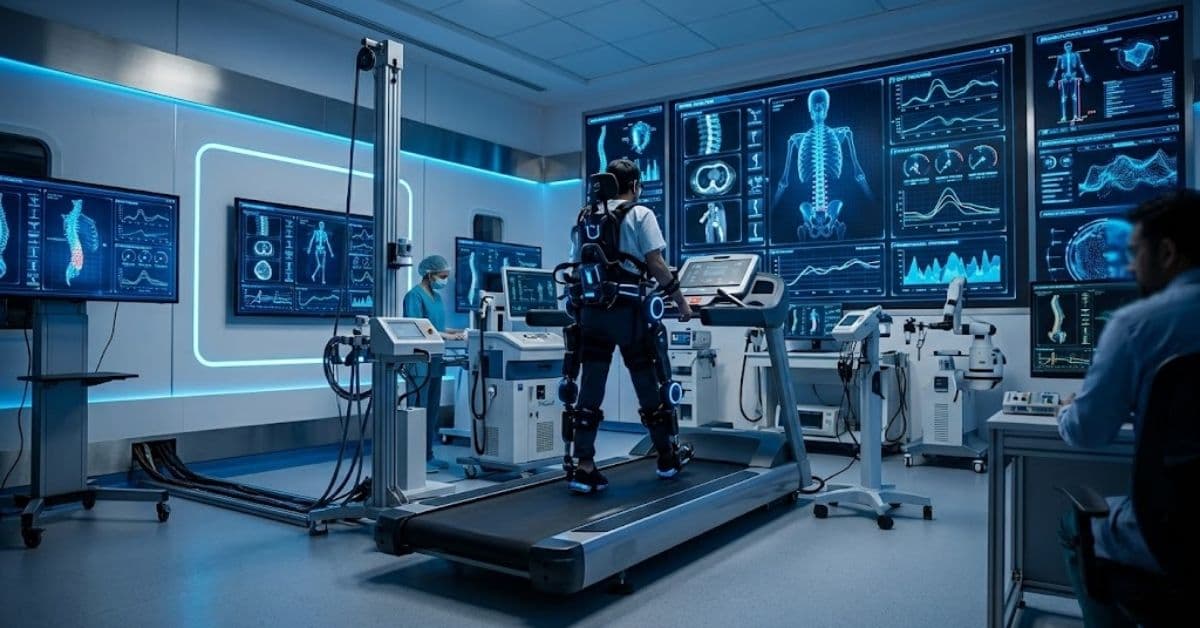
Enhanced Recovery and Rehabilitation Post-Minimally Invasive Surgery
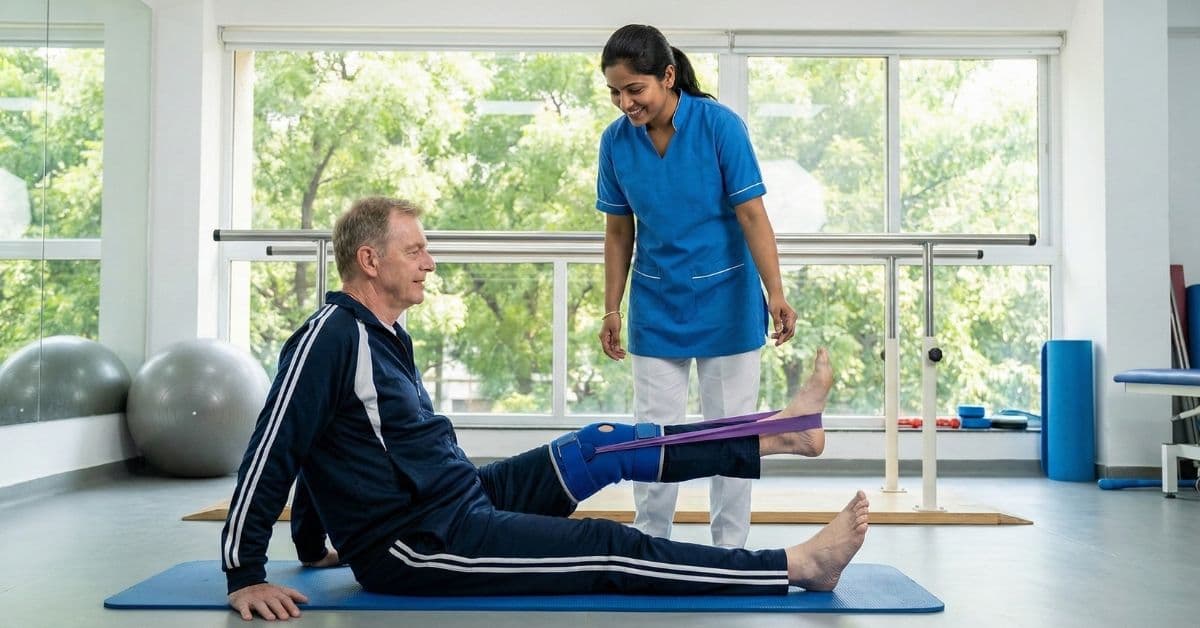
One of the most compelling benefits of minimally invasive orthopedics is the accelerated recovery pathway. The journey back to full function is carefully managed and typically follows a structured timeline:
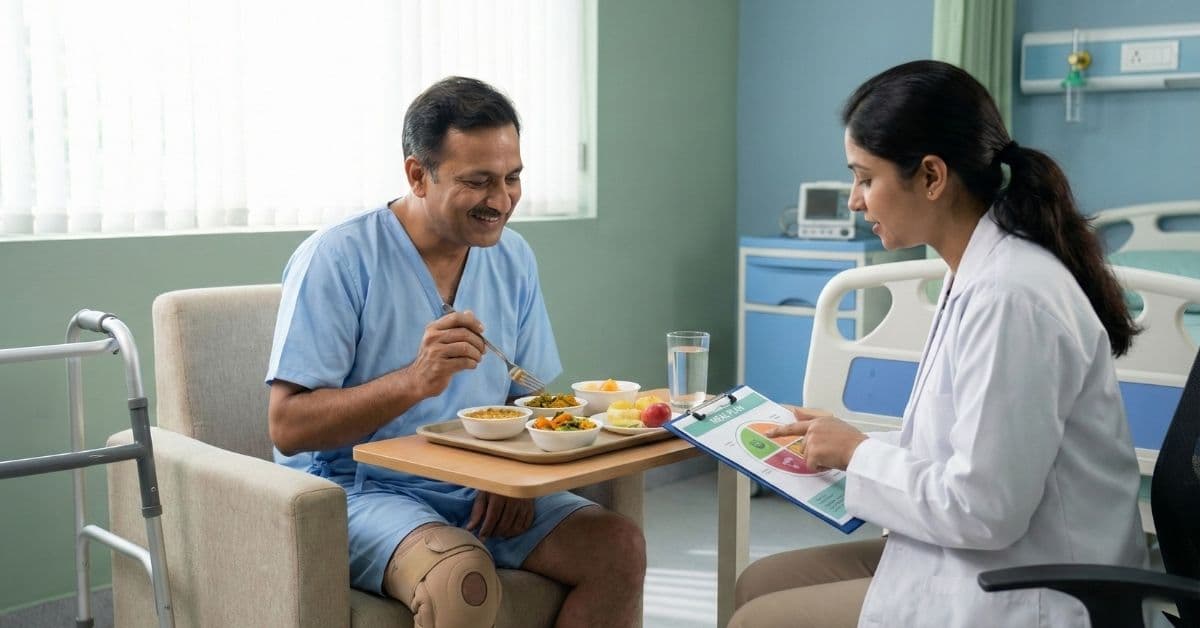
- Hospital Stay: Typically 2-5 days, significantly shorter than traditional open surgeries. Patients are encouraged to mobilize early, often within hours of surgery.
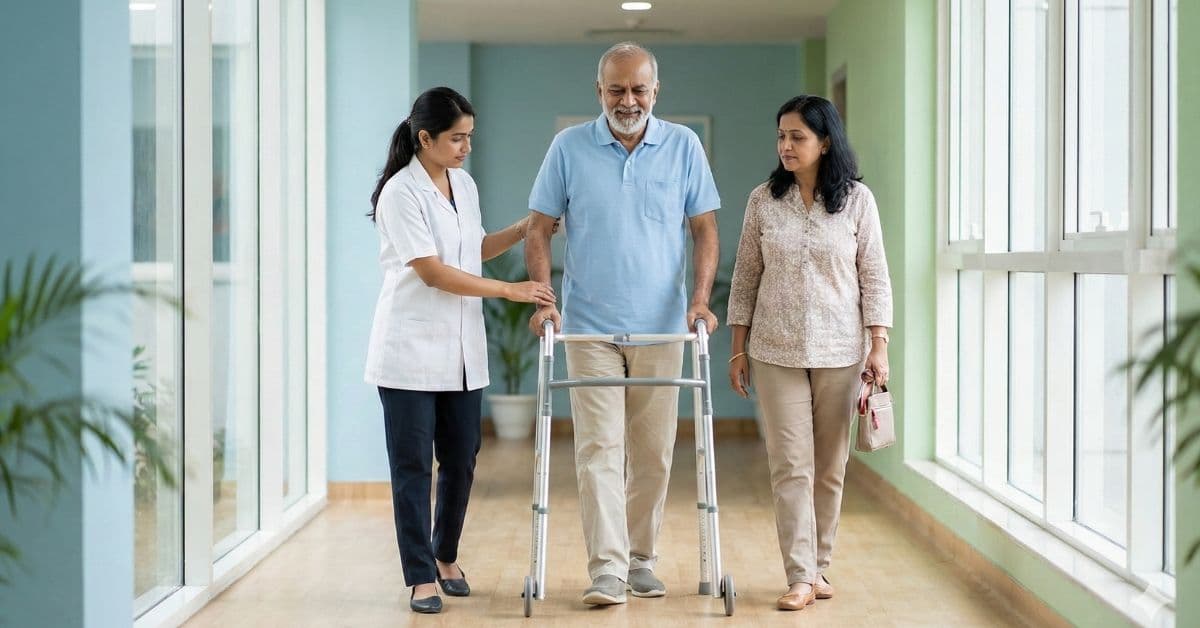
- Initial Physiotherapy (Days 1-7): In-hospital physiotherapy begins almost immediately, focusing on gentle range-of-motion exercises, pain management, and learning to walk with assistance (if applicable).
- Outpatient/Home Physiotherapy (Weeks 1-6): Upon discharge, patients continue a tailored physiotherapy program. This phase focuses on strengthening muscles, improving flexibility, and gradually increasing weight-bearing activities. Many international patients opt for a short stay in India to complete this crucial initial phase under expert guidance.
- Return to Daily Activities (Weeks 6-12): Most patients can resume light daily activities, including driving and office work, within 6-12 weeks, depending on the procedure and individual progress.
- Full Recovery (3-6 Months): Full recovery, including return to more strenuous activities or sports, can take 3 to 6 months. Continuous adherence to rehabilitation exercises is key to achieving optimal long-term outcomes.
Medical Tourism Support Services
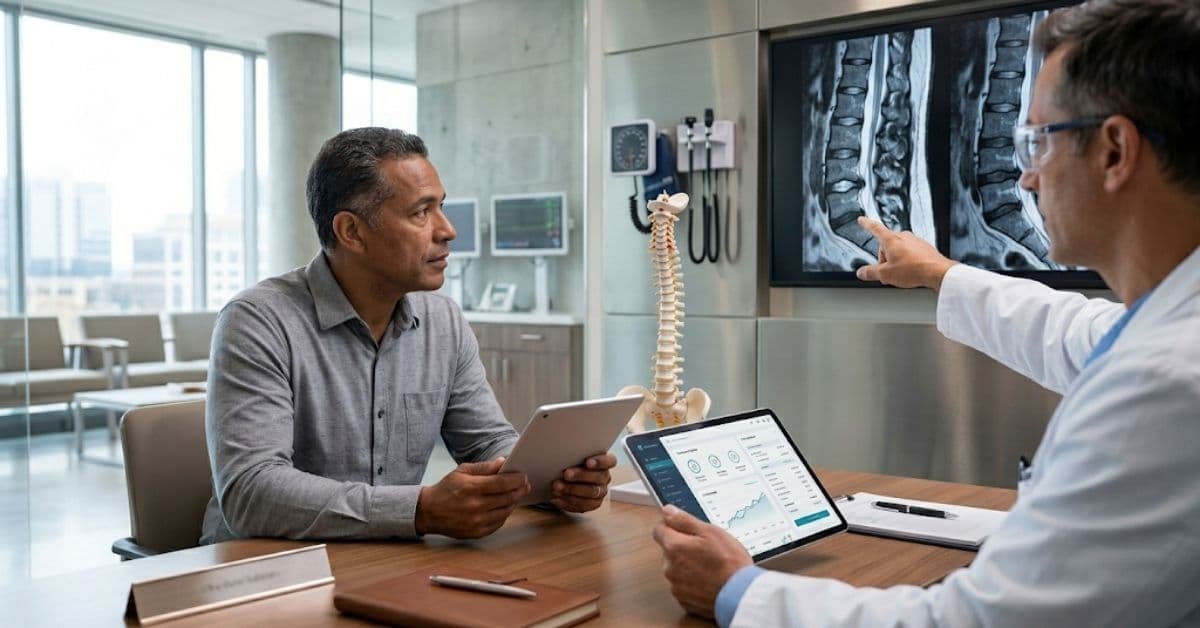
Navigating medical treatment in a foreign country can be complex, which is why dedicated medical tourism support services are invaluable. Organizations like VRH Healthcare specialize in providing end-to-end assistance, ensuring a smooth and stress-free experience for international patients and their families.
These services typically include:
- Visa Assistance: Guidance and support for obtaining medical visas.
- Travel Logistics: Arranging flights, airport pick-up and drop-off, and local transportation.
- Accommodation: Helping find suitable lodging options, from budget-friendly hotels to serviced apartments, for varying lengths of stay.
- Language Interpreters: Providing professional interpreters to facilitate clear communication between patients, doctors, and hospital staff.
- Dedicated Patient Coordinators: A single point of contact to manage appointments, hospital admissions, and all logistical needs.
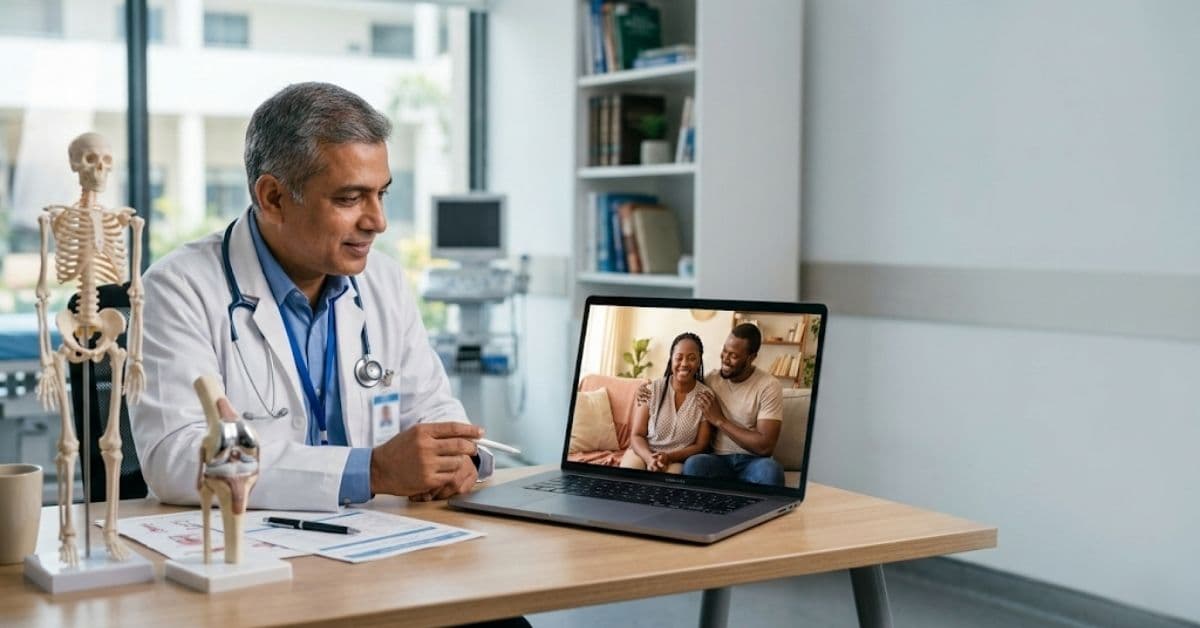
- Telemedicine and Follow-up: Arranging virtual consultations with doctors for pre-travel assessments and post-operative follow-ups once the patient returns home.
- Cultural Orientation: Offering insights into local customs and practices to help patients and caregivers feel more comfortable.
Quality Assurance and International Standards in Indian Hospitals
India's commitment to healthcare excellence is underscored by its robust quality assurance frameworks. Many leading hospitals are accredited by international bodies such as the Joint Commission International (JCI), which signifies adherence to the highest global standards in patient care and safety. Additionally, national accreditations like the National Accreditation Board for Hospitals & Healthcare Providers (NABH) further ensure quality benchmarks are met across various aspects of hospital operations, from infrastructure and patient rights to infection control and medical records management. These accreditations provide international patients with the assurance that they will receive care that is not only advanced but also safe, ethical, and of world-class quality.
Conclusion
Minimally invasive orthopedic techniques in India represent a significant leap forward in patient care, offering a pathway to faster recovery, reduced pain, and excellent long-term outcomes. For international patients, India combines this surgical innovation with affordability, world-class facilities, and comprehensive support services, making it an unparalleled destination for orthopedic treatment. By choosing India, you're not just opting for a procedure; you're choosing a holistic healing journey supported by expertise, empathy, and advanced technology.
Ready to explore your orthopedic treatment options? Contact us today for a personalized consultation and begin your journey to recovery in India.