Tele-rehabilitation for Spine Surgery Recovery in India: A Comprehensive Guide for International Patients – 2026
Recovering from spine surgery can be a challenging journey, often requiring dedicated and consistent rehabilitation. For international patients, the prospect of managing post-operative care after returning home can add an extra layer of complexity. India, a global leader in medical tourism, is increasingly leveraging digital health solutions like tele-rehabilitation to offer seamless, cost-effective, and expert-led recovery support, ensuring patients receive world-class care long after they leave the hospital. This innovative approach provides unparalleled convenience and continuity, making your healing process smoother and more accessible.
What is Tele-rehabilitation for Spine Surgery?
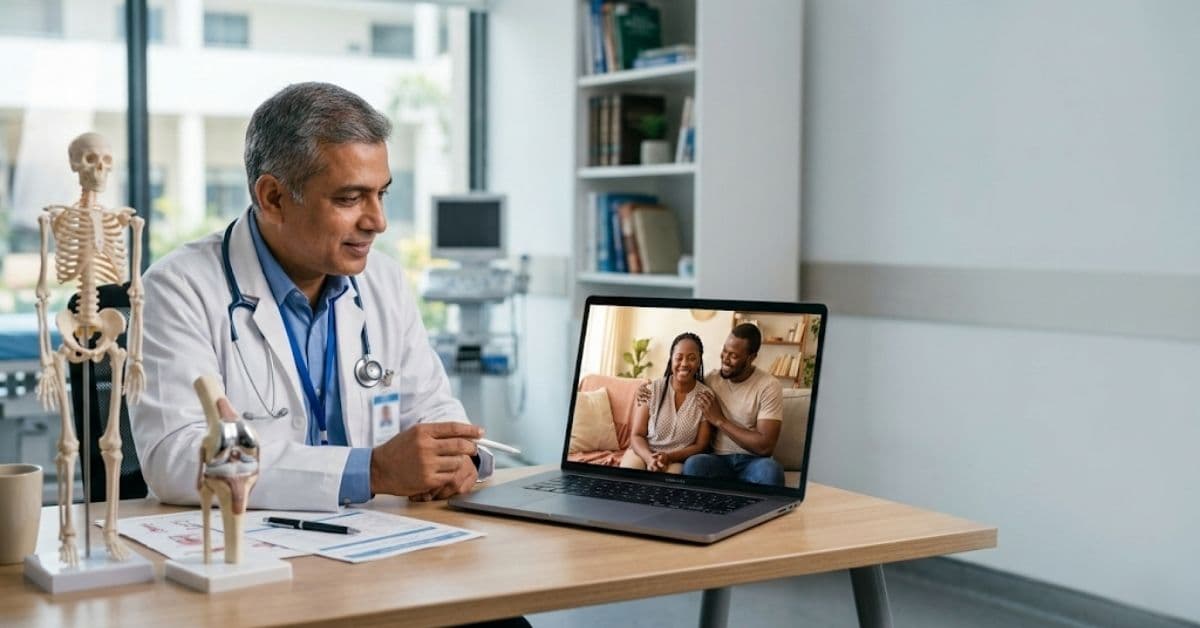
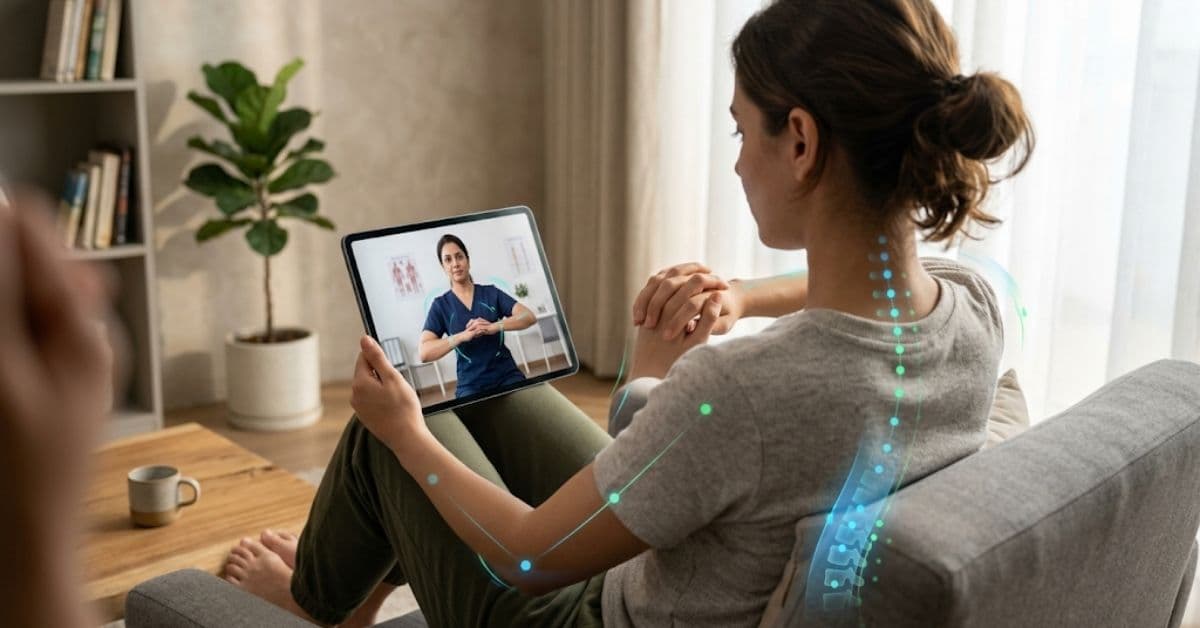
Tele-rehabilitation, often shortened to tele-rehab, is the delivery of rehabilitation services remotely using telecommunication technologies. For spine surgery patients, this means receiving expert physiotherapy, occupational therapy, and other rehabilitative care from the comfort of their home, guided by specialists through video calls, dedicated apps, and digital platforms. It's a modern solution designed to bridge geographical gaps, ensuring that your recovery journey remains on track, regardless of where you are in the world. This approach is particularly beneficial for maintaining the momentum of your recovery without the logistical challenges of frequent in-person clinic visits.
Why Tele-rehabilitation is Crucial for Spine Surgery Recovery
Spine surgery recovery is a marathon, not a sprint, demanding consistent and tailored rehabilitation to restore mobility, reduce pain, and prevent future complications. Tele-rehabilitation offers several critical advantages, especially for international patients who return to their home countries post-surgery. It ensures continuity of care, allowing you to follow a structured recovery plan developed by the same Indian specialists who oversaw your surgery, or by a team closely collaborating with them. This seamless transition is vital for optimal outcomes, preventing setbacks and empowering patients to take an active role in their healing.
The Tele-rehabilitation Process: What to Expect
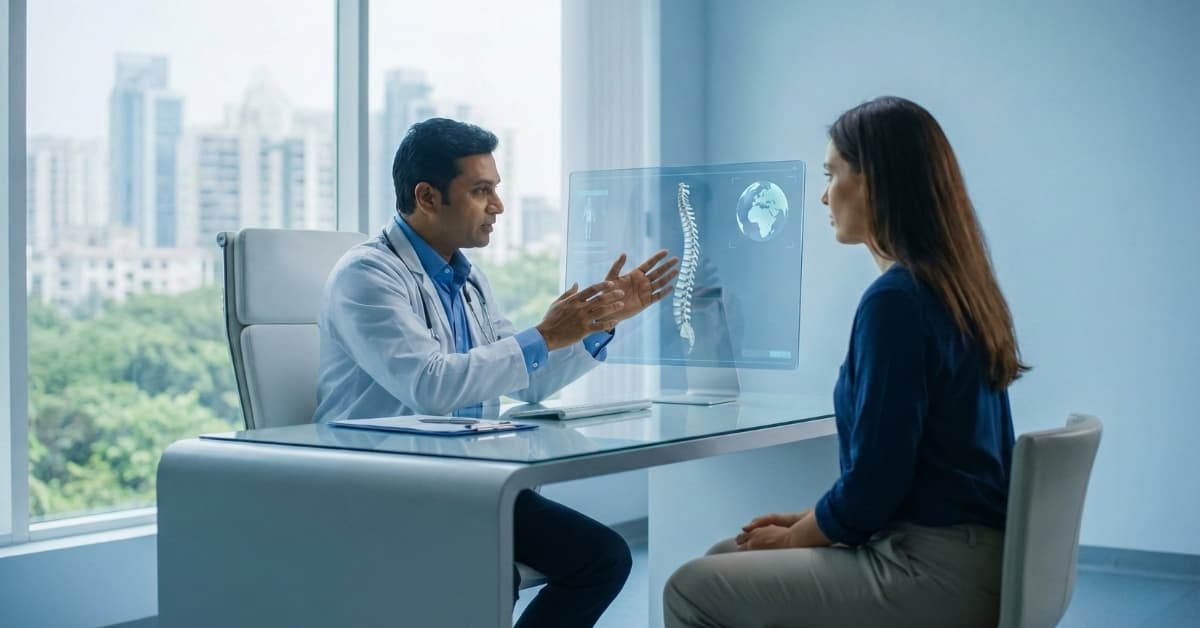
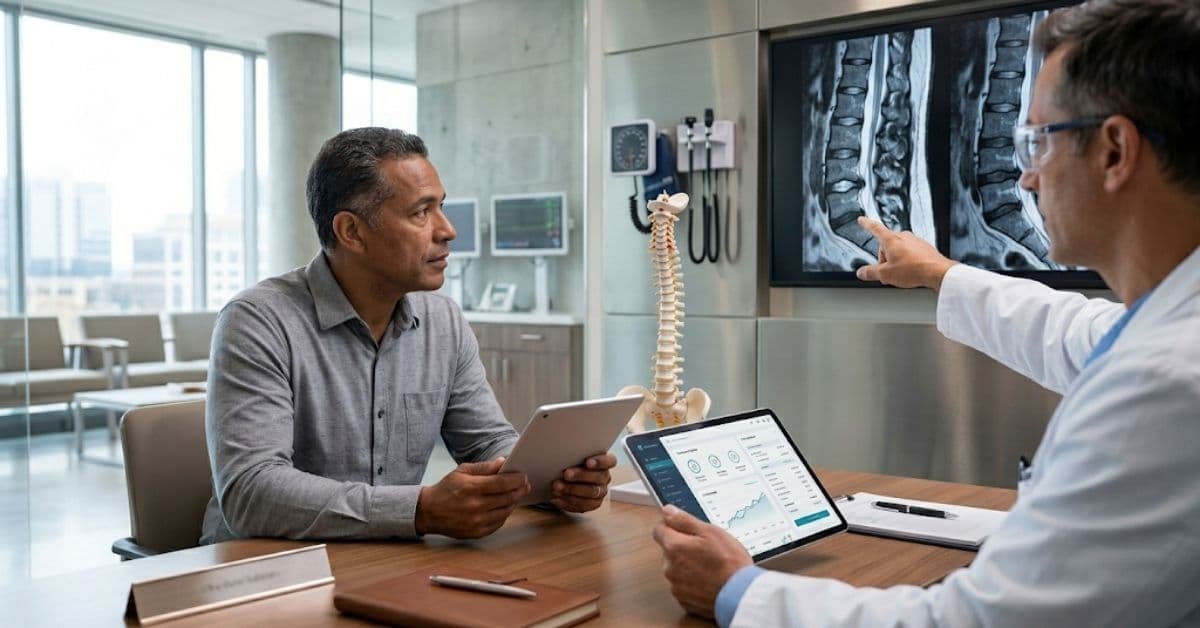
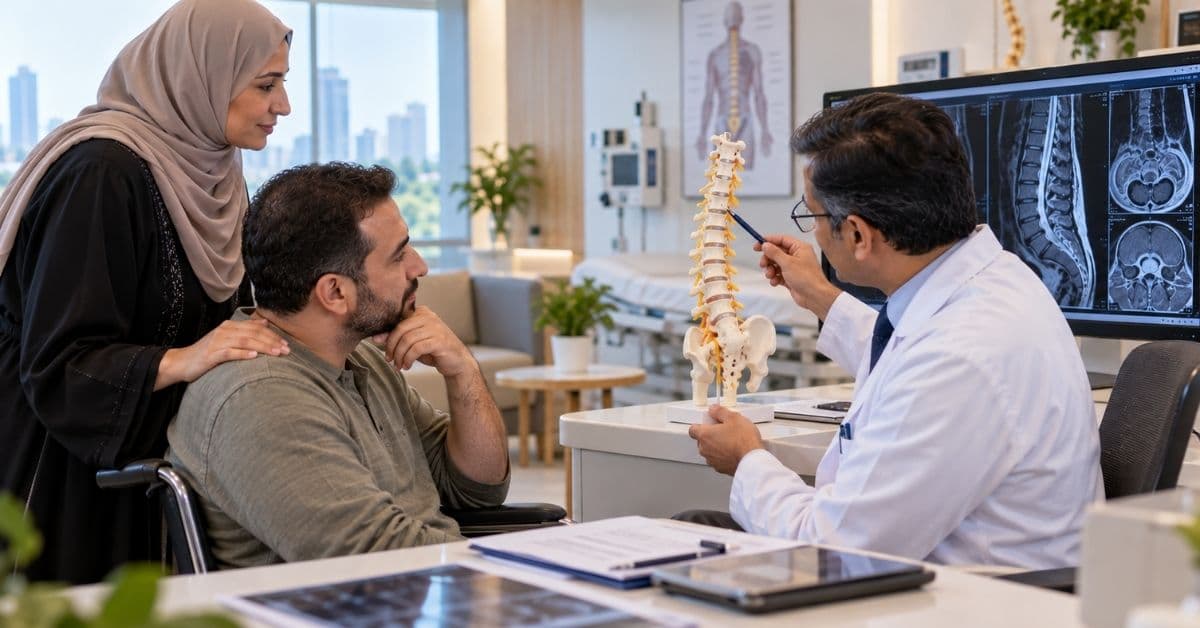
Embarking on a tele-rehabilitation journey after spine surgery in India is a structured and supportive process designed to maximize your recovery. It typically begins with an initial virtual assessment, where your therapist evaluates your post-operative condition, discusses your pain levels, mobility, and recovery goals. Based on this, a personalized rehabilitation plan is crafted, often incorporating a blend of exercises, stretches, and educational content. You'll then engage in scheduled virtual sessions, where your therapist demonstrates exercises, observes your technique, provides real-time feedback, and adjusts your program as you progress. Many platforms also offer tools for self-monitoring and progress tracking, ensuring you stay engaged and motivated.
Advanced Digital Tools and Technologies in Tele-rehab
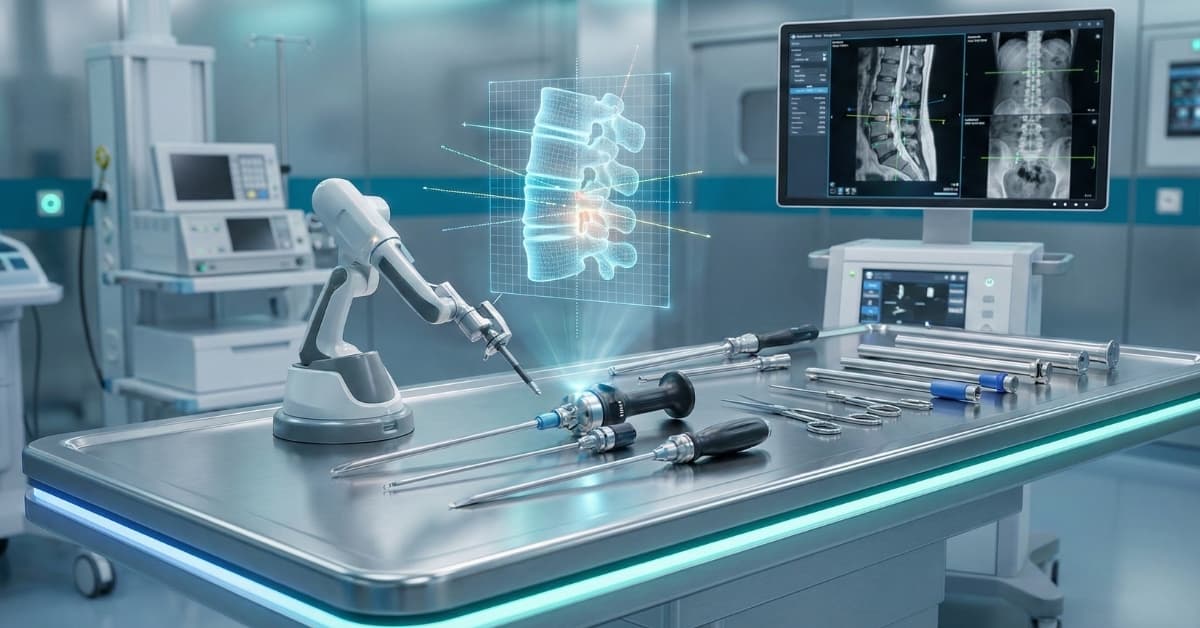
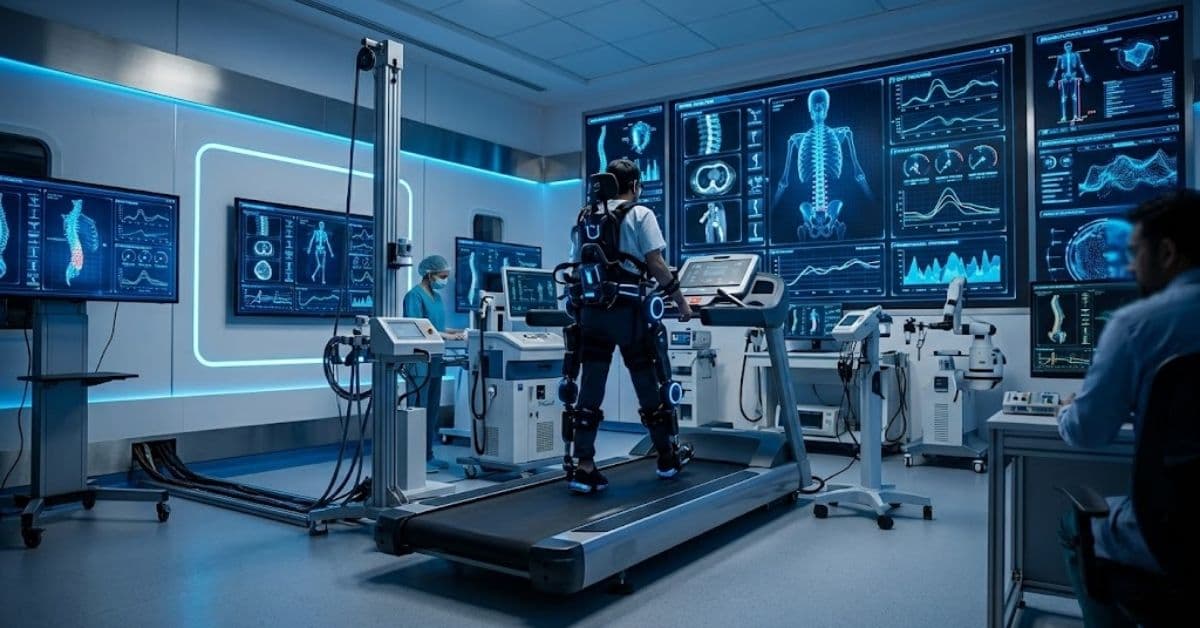
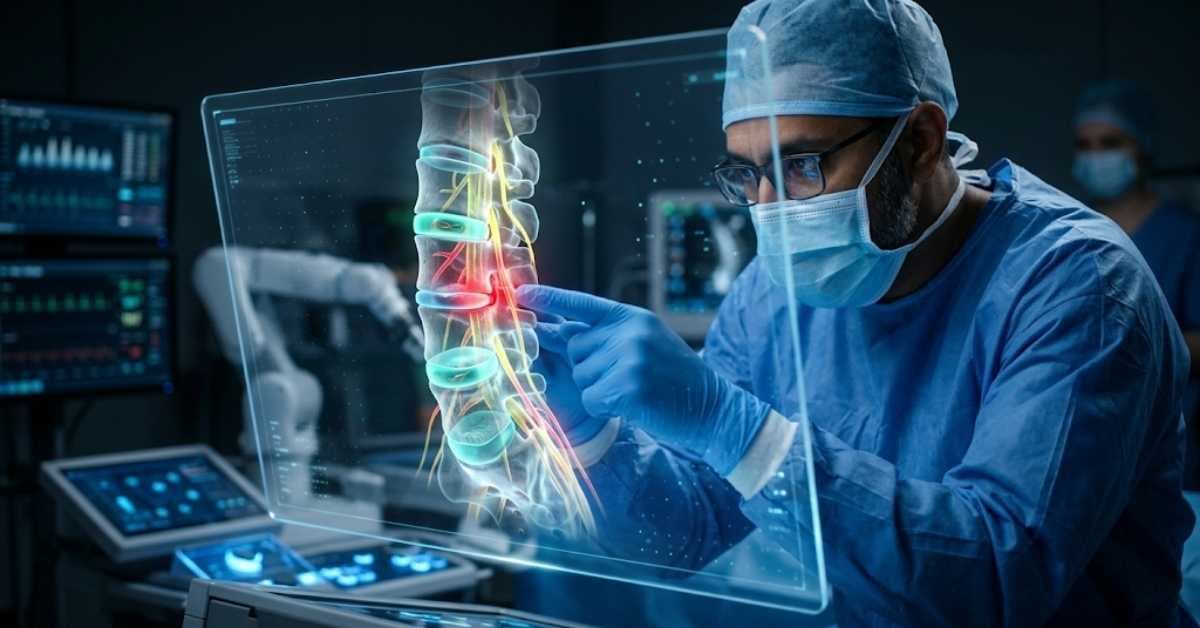
India's healthcare sector is rapidly adopting cutting-edge digital technologies to enhance tele-rehabilitation services. Patients can expect to interact with user-friendly platforms that offer high-definition video conferencing, secure messaging, and digital exercise libraries. Many programs integrate wearable sensors that track movement and provide objective data on your progress, allowing therapists to make data-driven adjustments to your plan. Some advanced centers are even exploring virtual reality (VR) and augmented reality (AR) applications to create immersive and engaging rehabilitation experiences, making exercises more enjoyable and effective. These technologies ensure that remote care is not just convenient, but also highly effective and engaging.
Benefits of Tele-rehabilitation for International Patients in India
For international patients, tele-rehabilitation offers a unique set of advantages that significantly enhance the overall medical tourism experience. After undergoing spine surgery in India, you can return to your home country with the confidence that your expert care continues seamlessly. This eliminates the need for extended stays in India solely for rehabilitation, saving substantial costs on accommodation and living expenses. It also ensures that you receive culturally sensitive care, as you can communicate with your Indian therapists who understand your medical history from the surgery, fostering a stronger patient-provider relationship. This continuity is crucial for achieving the best possible long-term outcomes and peace of mind.
Cost-Effectiveness of Tele-rehabilitation in India
One of India's most compelling advantages for international patients is its cost-effectiveness, and tele-rehabilitation extends this benefit to post-operative care. While specific costs vary, tele-rehabilitation sessions in India are typically a fraction of the price of comparable in-person or even remote services in Western countries like the US or UK. This translates into significant overall savings for your entire medical journey. For instance, a comprehensive tele-rehab program for spine surgery recovery in India might cost between INR 15,000 - 50,000 (approximately USD 180 - 600) for a multi-week package, whereas similar services in the US could range from USD 1,000 - 3,000+ per month. This substantial difference allows patients to access high-quality, consistent care without financial strain. Disclaimer: Costs are illustrative and can vary based on the specific program, duration, and individual patient needs.
Success Stories and Clinical Outcomes of Remote Spinal Care
The efficacy of tele-rehabilitation for spine surgery recovery is well-documented, with numerous studies highlighting its positive impact on patient outcomes. Patients engaging in remote spinal care programs often report high levels of satisfaction, improved functional mobility, and significant pain reduction. Clinical data from leading Indian hospitals and telehealth providers indicate that patient adherence to tele-rehab programs can be as high as 85-90%, leading to comparable or even superior functional recovery rates compared to traditional in-person therapy for many conditions. For example, studies have shown that patients undergoing tele-rehab after lumbar fusion surgery achieved similar improvements in Oswestry Disability Index scores (a measure of back pain and disability) as those in conventional therapy, often with greater convenience and lower costs. These outcomes underscore the reliability and effectiveness of remote care in achieving successful post-surgical recovery.
Integrating Tele-rehab with Your Medical Journey in India
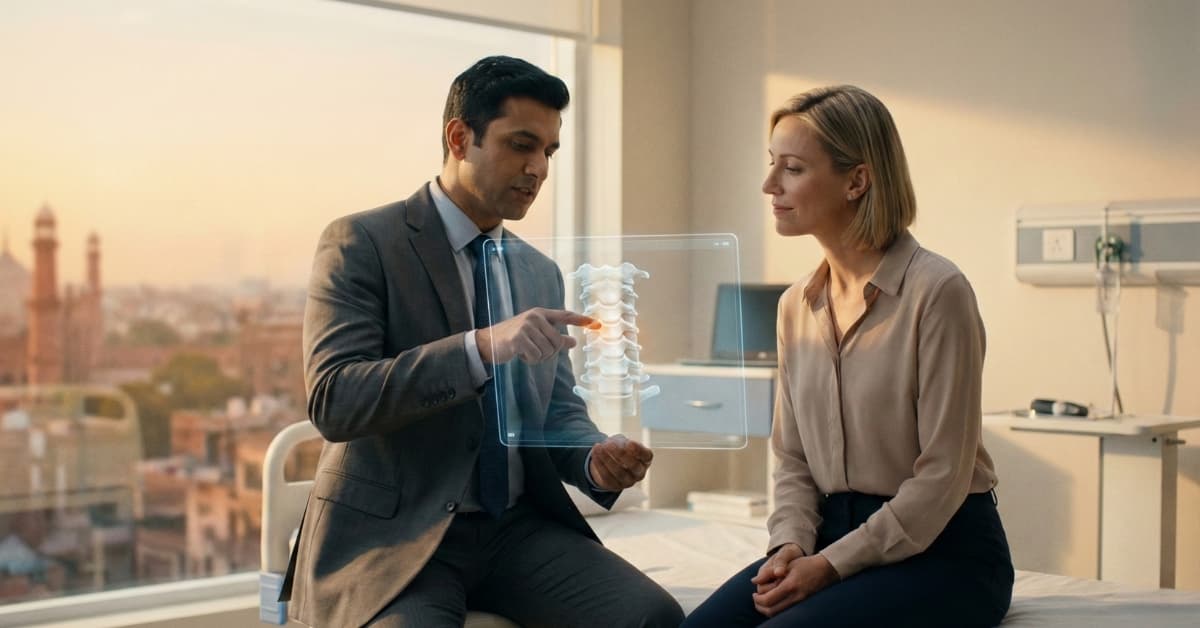
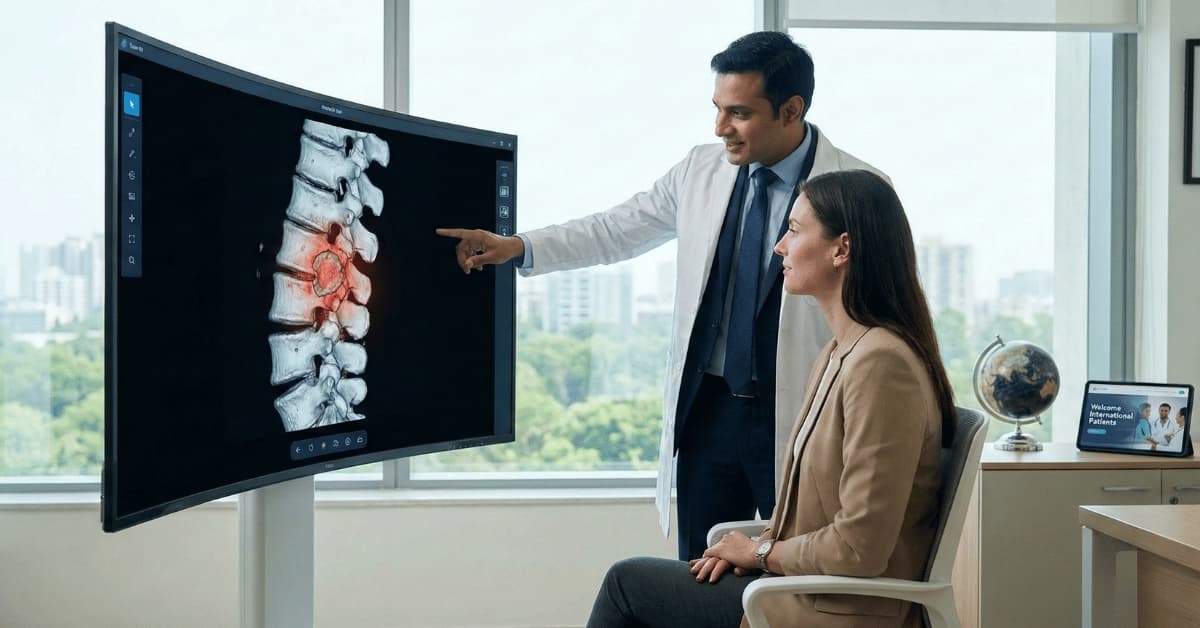
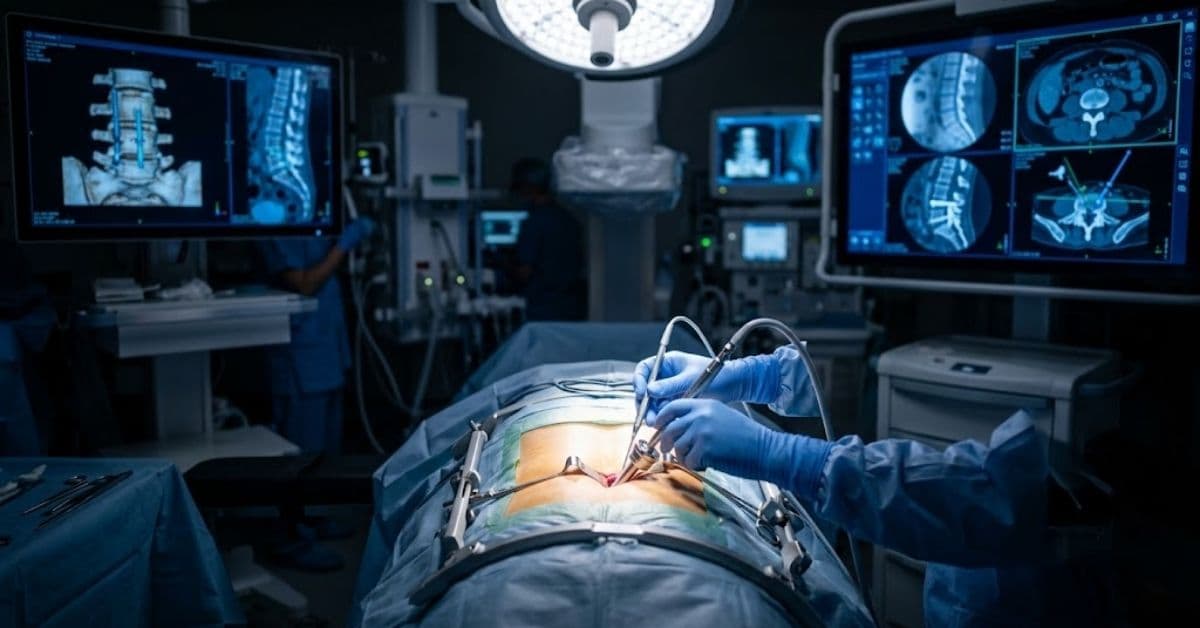
Integrating tele-rehabilitation into your spine surgery journey in India is a seamless process designed for your convenience. From your initial consultation, your medical team will discuss the potential for tele-rehab as part of your post-operative plan. Pre-operative education might even include familiarization with the tele-rehab platform. Post-surgery, once you are medically stable and discharged, your rehabilitation program will commence, often with a few initial in-person sessions to ensure proper technique. Before you return home, your tele-rehab schedule will be established, and you'll receive all necessary instructions and technical support to continue your recovery remotely. This integrated approach ensures a holistic and uninterrupted path to recovery, from the operating table to your living room.
Quality Assurance and Standards in Indian Tele-rehabilitation
India's commitment to high-quality healthcare extends to its digital health services. Tele-rehabilitation providers in India adhere to stringent quality standards, often guided by national telehealth guidelines and international best practices. This includes ensuring that all therapists are highly qualified, licensed professionals with specialized training in spine rehabilitation. Data security and patient privacy are paramount, with platforms employing robust encryption and compliance with global data protection regulations. Many leading hospitals and clinics offering tele-rehab are accredited by bodies like NABH (National Accreditation Board for Hospitals & Healthcare Providers) or JCI (Joint Commission International), ensuring world-class care delivery, whether in-person or remote.
Medical Tourism Support Services for Tele-rehab Patients
Navigating medical treatment abroad can be complex, but specialized medical tourism facilitators, such as VRH Healthcare, simplify every step, including your tele-rehabilitation setup. These services go beyond just arranging your surgery; they ensure a smooth transition to remote recovery. Support typically includes: assistance with visa applications, airport transfers, comfortable accommodation during your hospital stay, and dedicated patient managers. Crucially for tele-rehab, they help set up your digital platform, provide technical support, ensure reliable internet access, and facilitate communication between you and your remote therapy team. They also assist with follow-up appointments, medication management, and any other logistical needs, ensuring your focus remains solely on your recovery.
Conclusion
Tele-rehabilitation represents a transformative approach to post-spine surgery recovery, offering international patients in India an unparalleled blend of expert care, convenience, and cost-effectiveness. By embracing digital health, India ensures that your journey to recovery is not confined by geography, providing continuous, personalized support long after you've returned home. This innovative solution empowers you to achieve optimal outcomes, making your medical journey to India a truly holistic and reassuring experience.
Explore seamless spine surgery recovery with tele-rehabilitation in India today.