خيارات جراحة أورام العمود الفقري المتقدمة في الهند: دليل شامل للمرضى الدوليين – 2026
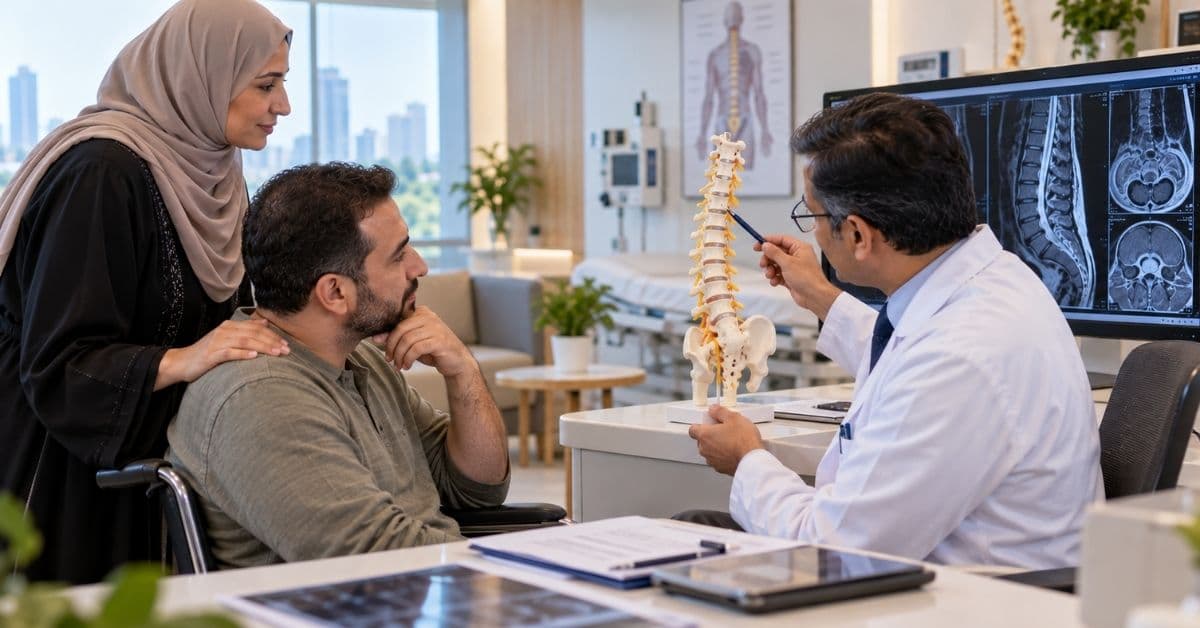
يمكن أن يكون تشخيص ورم في العمود الفقري تجربة مخيفة، حيث يجلب معه سلسلة من الأسئلة والمخاوف بشأن العلاج والتعافي والمستقبل. بالنسبة للمرضى الدوليين الذين يبحثون عن رعاية طبية عالمية المستوى، برزت الهند كوجهة رائدة لجراحة أورام العمود الفقري المتقدمة. تشتهر الهند بجراحي الأعصاب والأورام ذوي المهارات العالية، والتكنولوجيا المتطورة، وتكاليف العلاج الأكثر بأسعار معقولة بشكل كبير، وتقدم بصيص أمل. يهدف هذا الدليل إلى تقديم نظرة عامة شاملة، لا تتناول فقط التعقيدات الطبية ولكن أيضًا الدعم المتعلق بالسفر والثقافة والعواطف والدعم العملي الضروري لرحلة طبية سلسة وناجحة.
ما هي جراحة أورام العمود الفقري؟
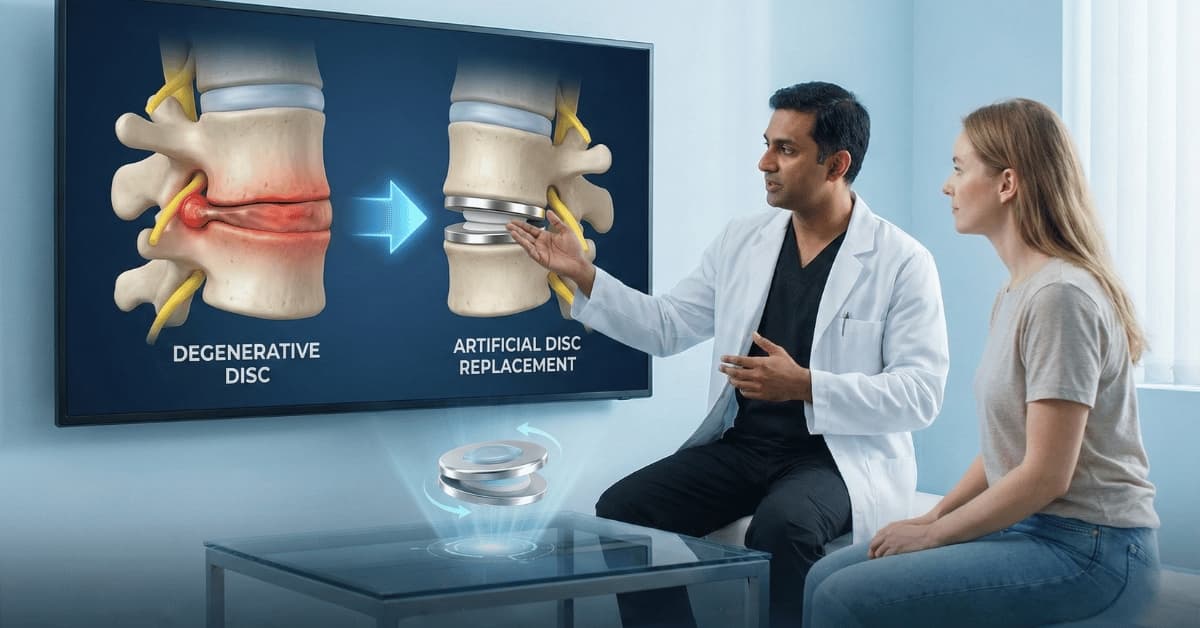
جراحة أورام العمود الفقري هي إجراء متخصص يتم إجراؤه لإزالة أو تقليل حجم الأورام غير الطبيعية التي تتطور داخل العمود الفقري أو حوله. يمكن أن تكون هذه الأورام حميدة (غير سرطانية) أو خبيثة (سرطانية) ويمكن أن تنشأ في العمود الفقري نفسه (أورام أولية) أو تنتشر من أجزاء أخرى من الجسم (أورام نقيلية). الهدف الأساسي من الجراحة هو تخفيف الضغط على الحبل الشوكي والأعصاب، وتخفيف الألم، واستعادة الوظيفة العصبية، وفي كثير من الحالات، تحقيق الشفاء التام أو تحسين نوعية حياة المريض بشكل كبير. غالبًا ما يكون التدخل المبكر حاسمًا لمنع تلف عصبي لا رجعة فيه وتحسين النتائج على المدى الطويل.
أنواع إجراءات جراحة أورام العمود الفقري
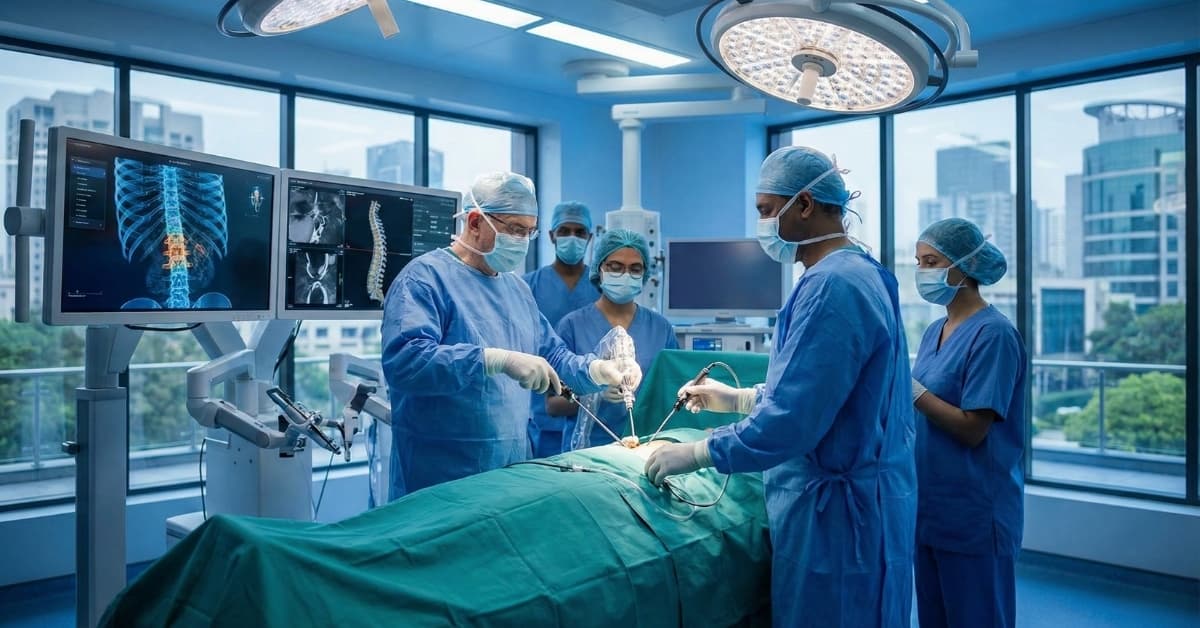
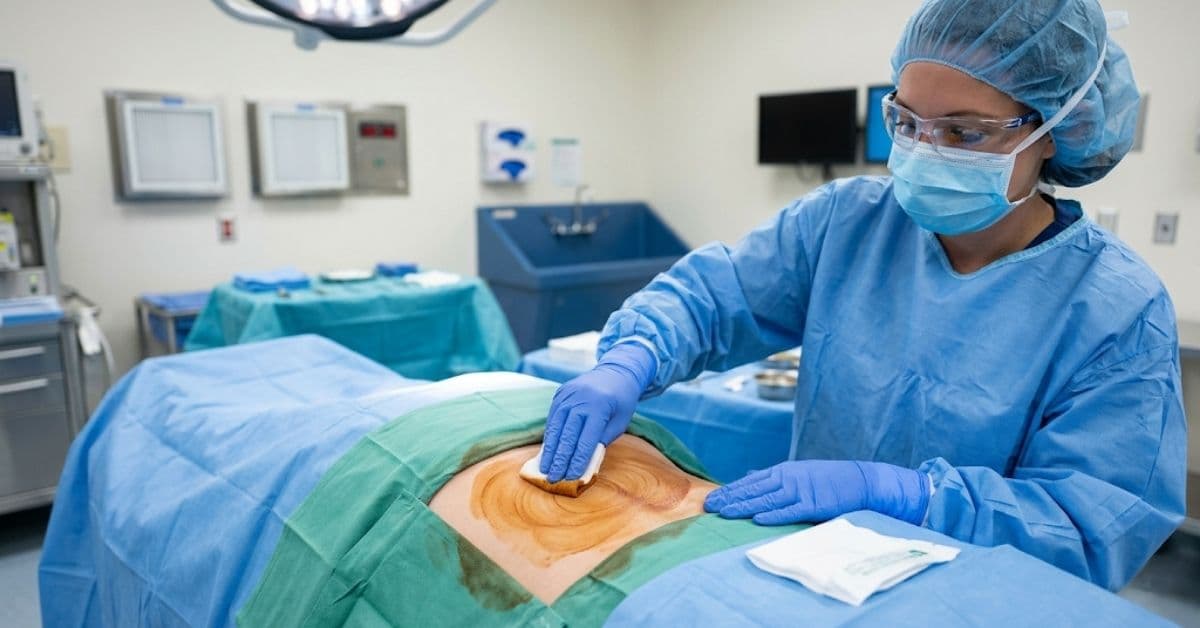
يعتمد نهج جراحة أورام العمود الفقري بشكل كبير على حالة كل مريض، وذلك بناءً على موقع الورم وحجمه ونوعه، بالإضافة إلى الصحة العامة للمريض. تقدم المستشفيات الهندية مجموعة واسعة من التقنيات الجراحية المتقدمة، بدءًا من العمليات الجراحية المفتوحة التقليدية وصولاً إلى الإجراءات طفيفة التوغل عالية الدقة.
استئصال الصفيحة الفقرية/رأب الصفيحة الفقرية
يتضمن هذا الإجراء إزالة جزء من عظم الفقرة (الصفيحة الفقرية) للوصول إلى الورم وتخفيف الضغط على الحبل الشوكي. وهو نهج شائع للأورام الموجودة في الجزء الخلفي من القناة الشوكية.
- فعال لتخفيف الضغط عن الحبل الشوكي.
- مناسب للأورام داخل الجافية وخارج النخاع وبعض الأورام خارج الجافية.
- غالبًا ما يتم دمجه مع استئصال الورم لإزالته بالكامل.
استئصال الفقرة
في الحالات التي يغزو فيها الورم جسم الفقرة، يتضمن استئصال الفقرة إزالة الفقرة المصابة بأكملها. هذا إجراء أكثر تعقيدًا، وغالبًا ما يتبعه إعادة بناء العمود الفقري باستخدام أقفاص أو طعوم عظمية ودمج فقري لتثبيت العمود الفقري.
- يستخدم للأورام العدوانية التي تغزو العظام.
- يتطلب إعادة بناء وتثبيت العمود الفقري.
- يوفر إزالة شاملة للورم في الحالات الشديدة.
جراحة العمود الفقري طفيفة التوغل (MISS)
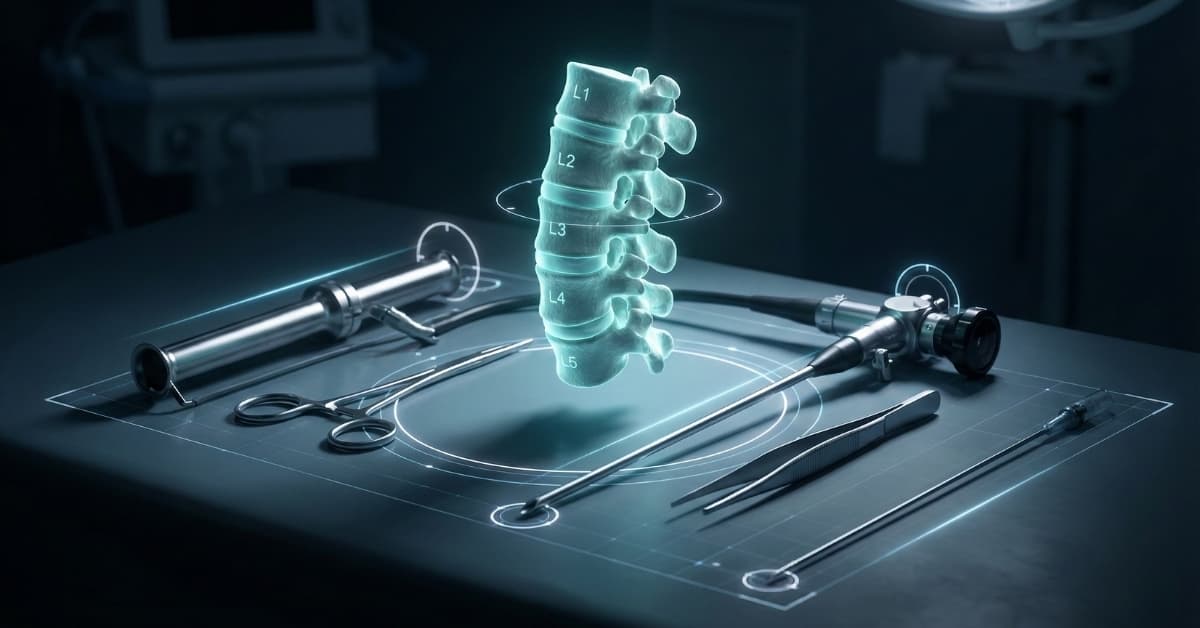
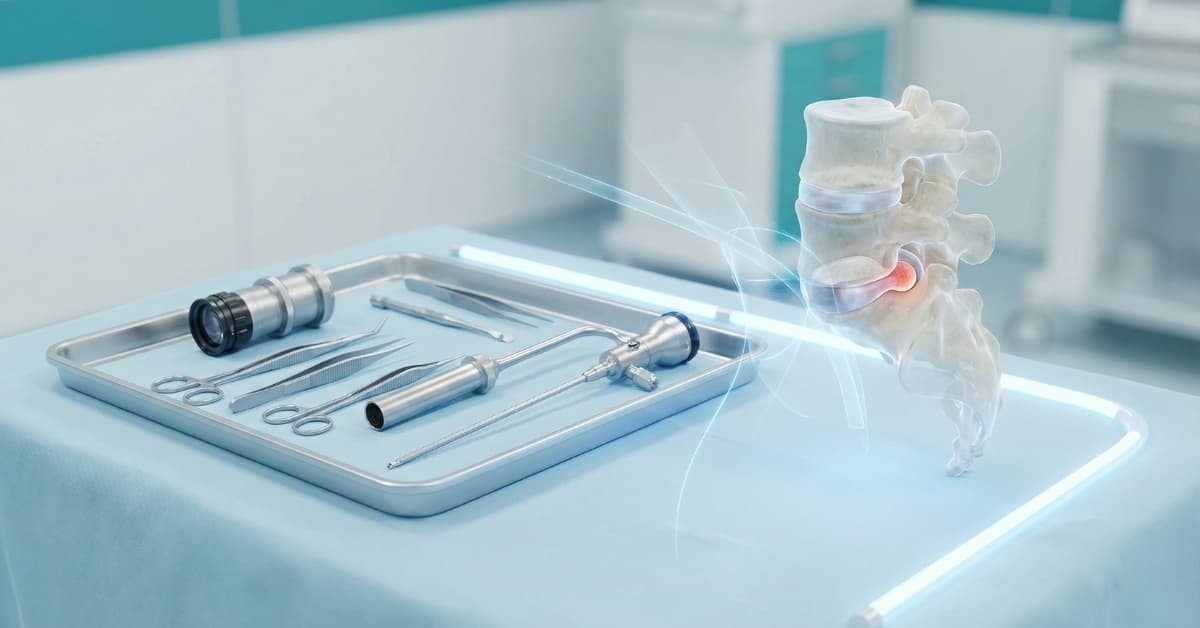
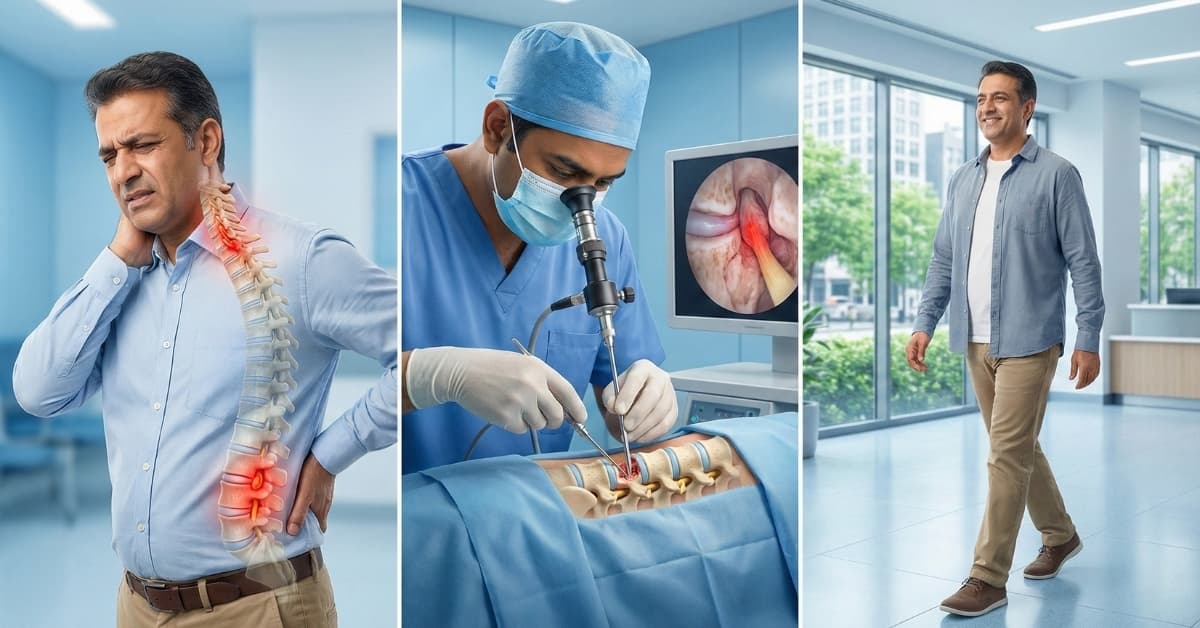
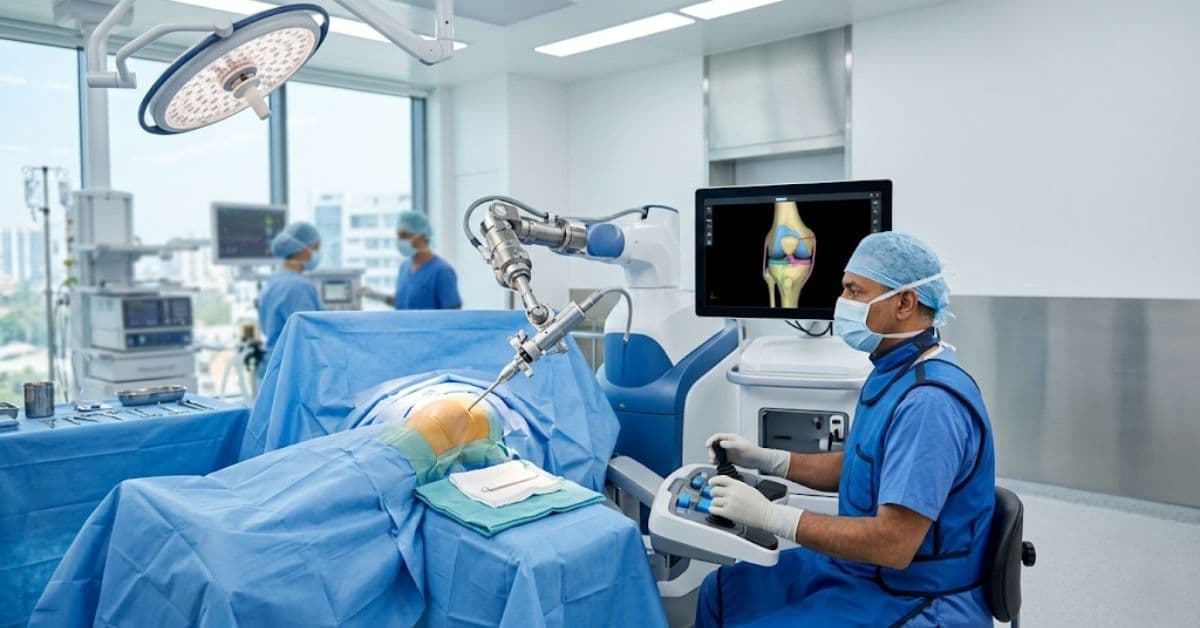
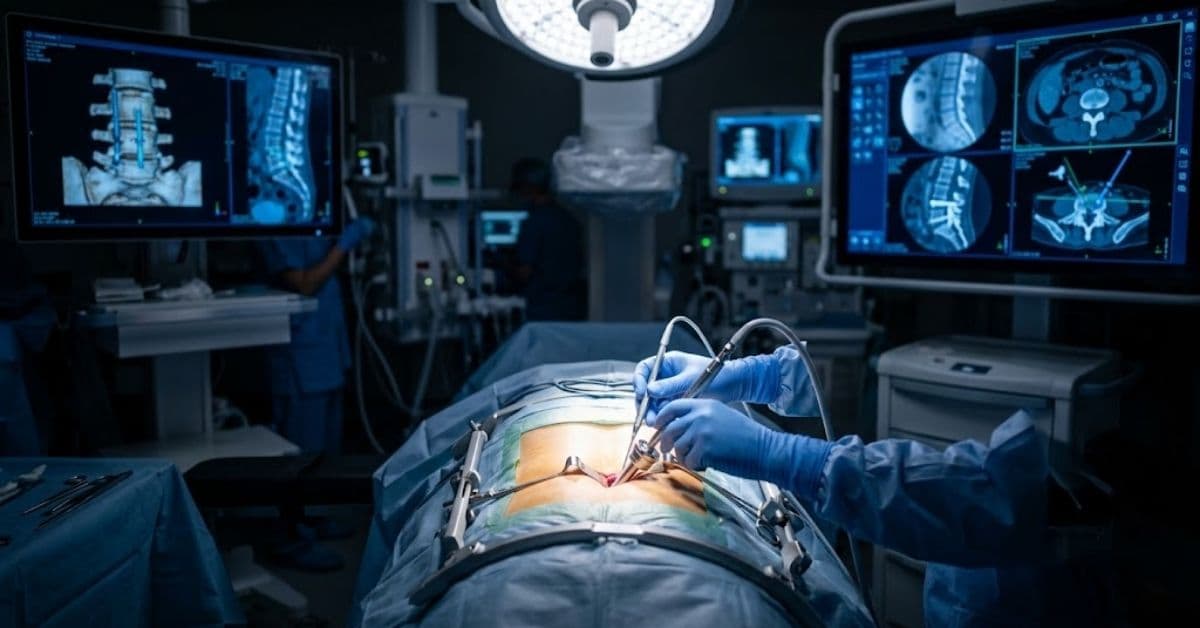
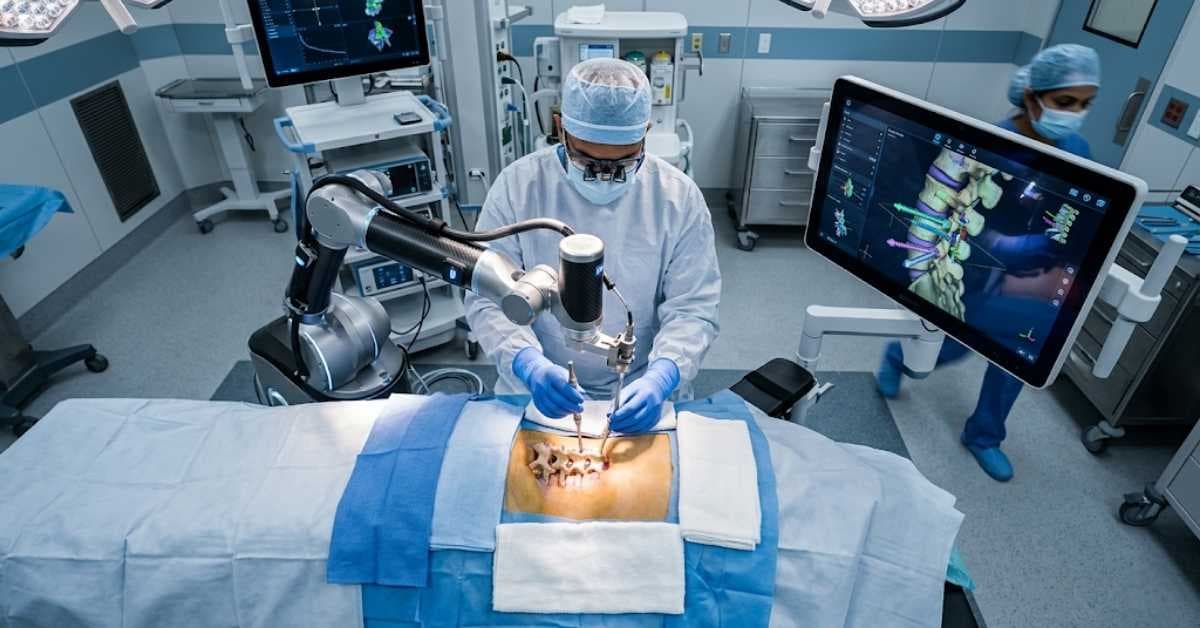
باستخدام شقوق صغيرة وأدوات متخصصة وتصوير متقدم، تقلل تقنيات جراحة العمود الفقري طفيفة التوغل من تلف العضلات وفقدان الدم ووقت التعافي. تسمح الأساليب بالمنظار أو المجهر للجراحين باستهداف الأورام وإزالتها بدقة مع الحد الأدنى من الإزعاج للأنسجة المحيطة.
- شقوق أصغر، ألم أقل، تعافٍ أسرع.
- تقليل خطر العدوى وفقدان الدم.
- مثالي لأورام مختارة، ويوفر دقة عالية.
دمج الفقرات
غالبًا ما يتم إجراء دمج الفقرات بعد إزالة الورم، خاصةً مع استئصال الفقرة أو استئصال الصفيحة الفقرية الواسع، حيث يعمل على تثبيت العمود الفقري عن طريق ربط فقرتين أو أكثر بشكل دائم. وهذا يمنع عدم الاستقرار والمضاعفات العصبية المحتملة.
- يثبت العمود الفقري بعد استئصال الورم.
- يمنع عدم الاستقرار والألم في المستقبل.
- يستخدم طعومًا عظمية وأدوات (قضبان، مسامير).
تشخيص أورام العمود الفقري: الخطوة الأولى نحو الشفاء
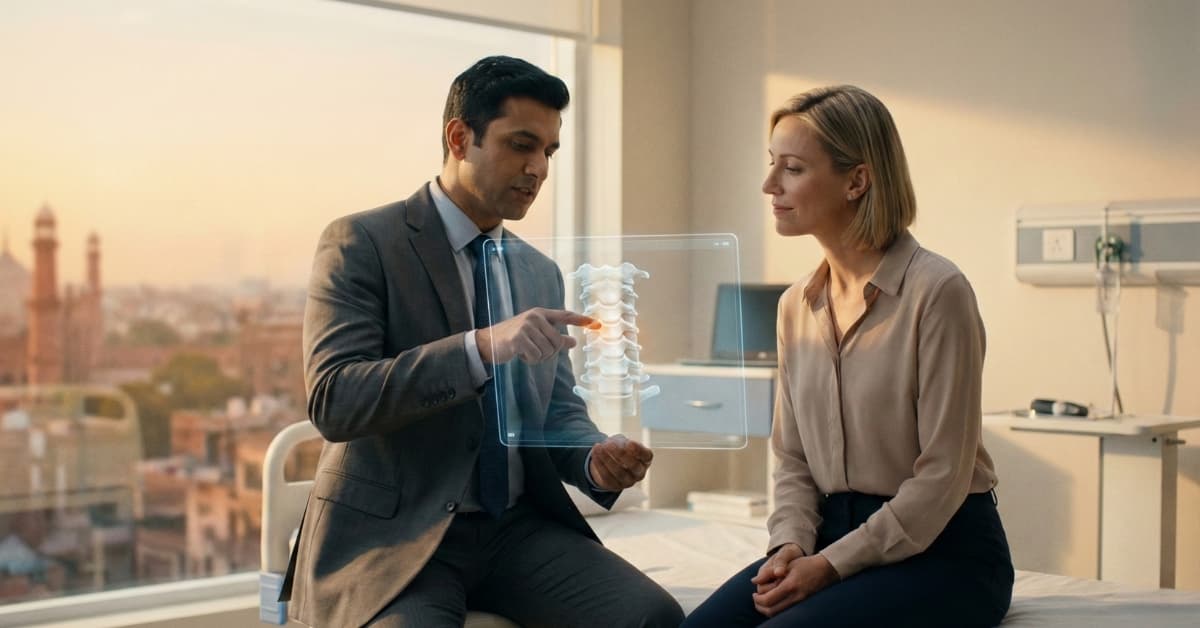
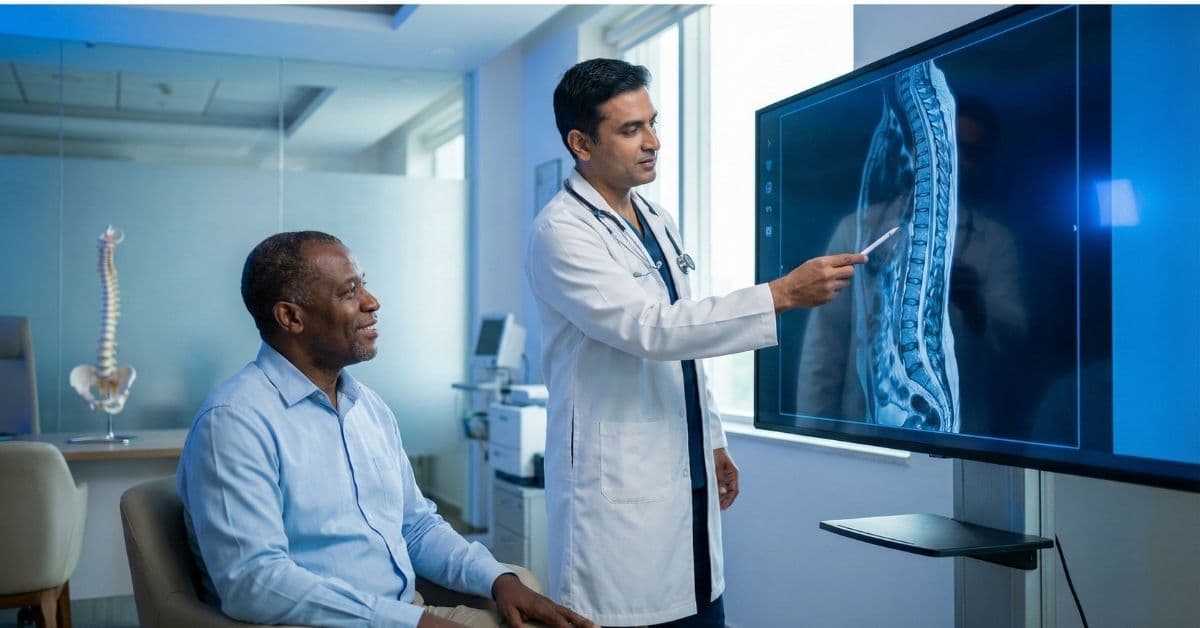
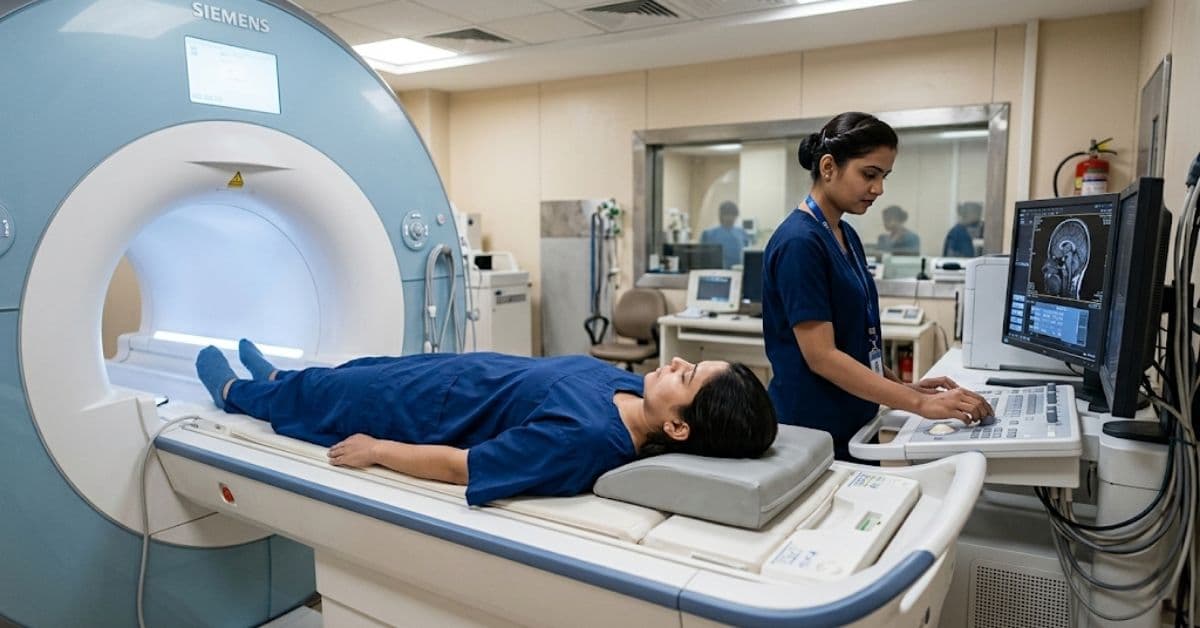
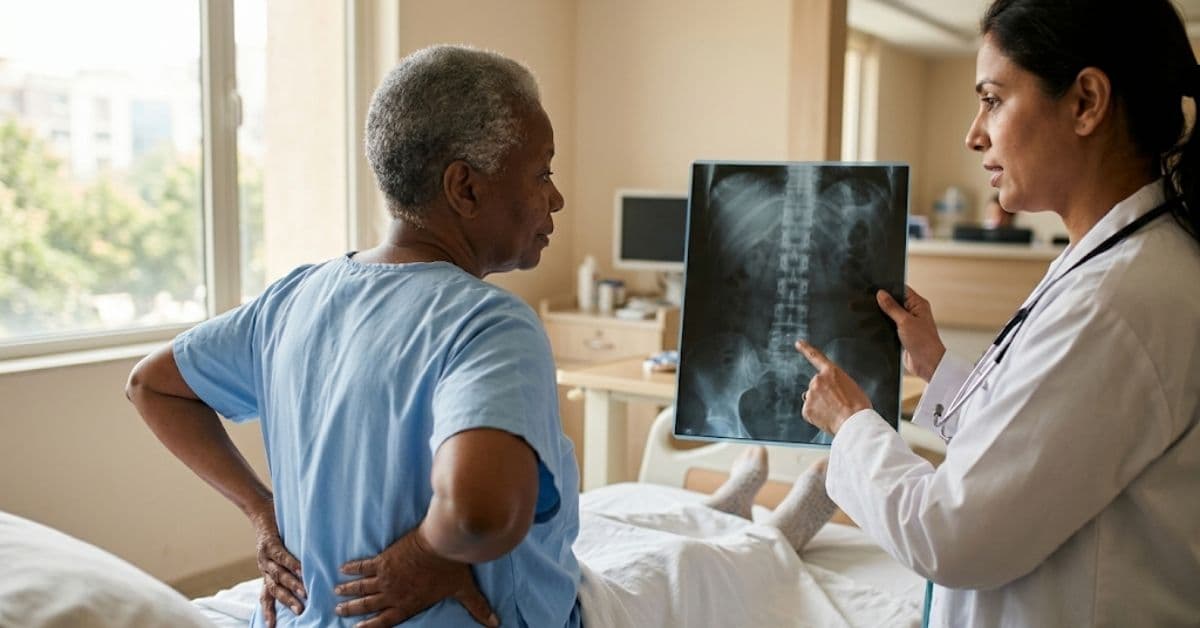
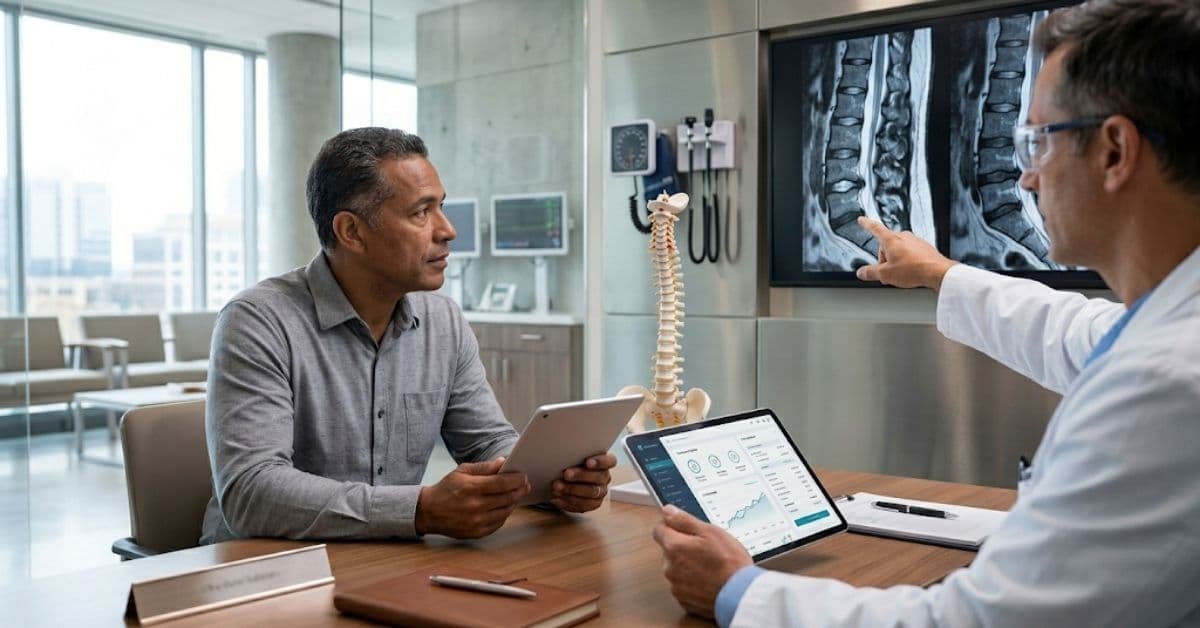
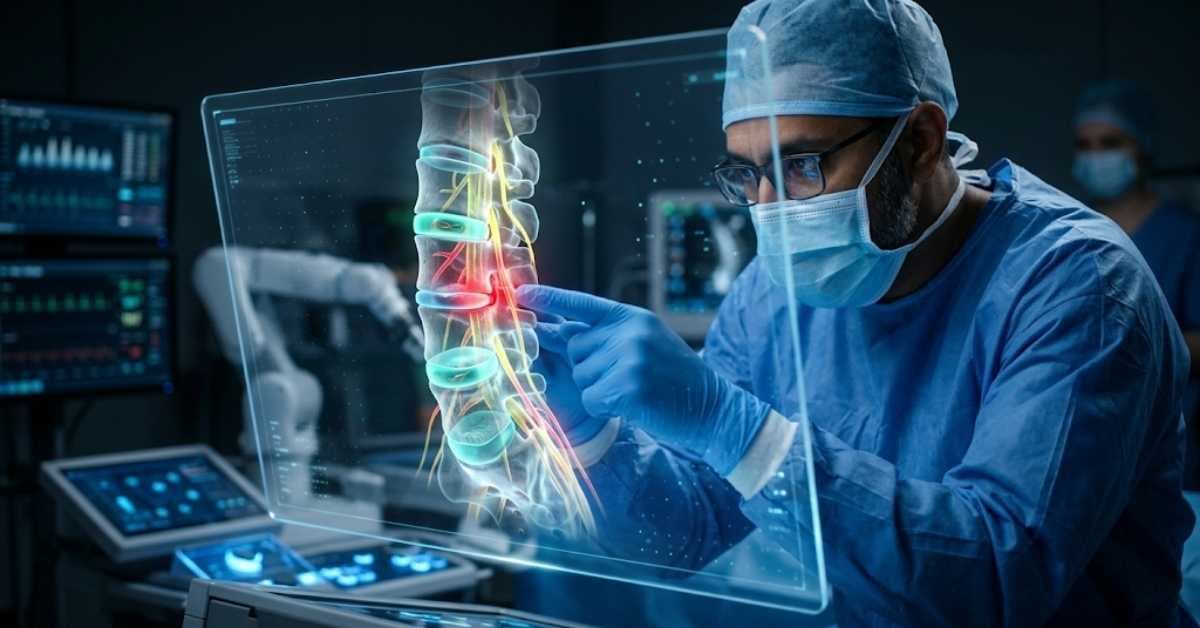
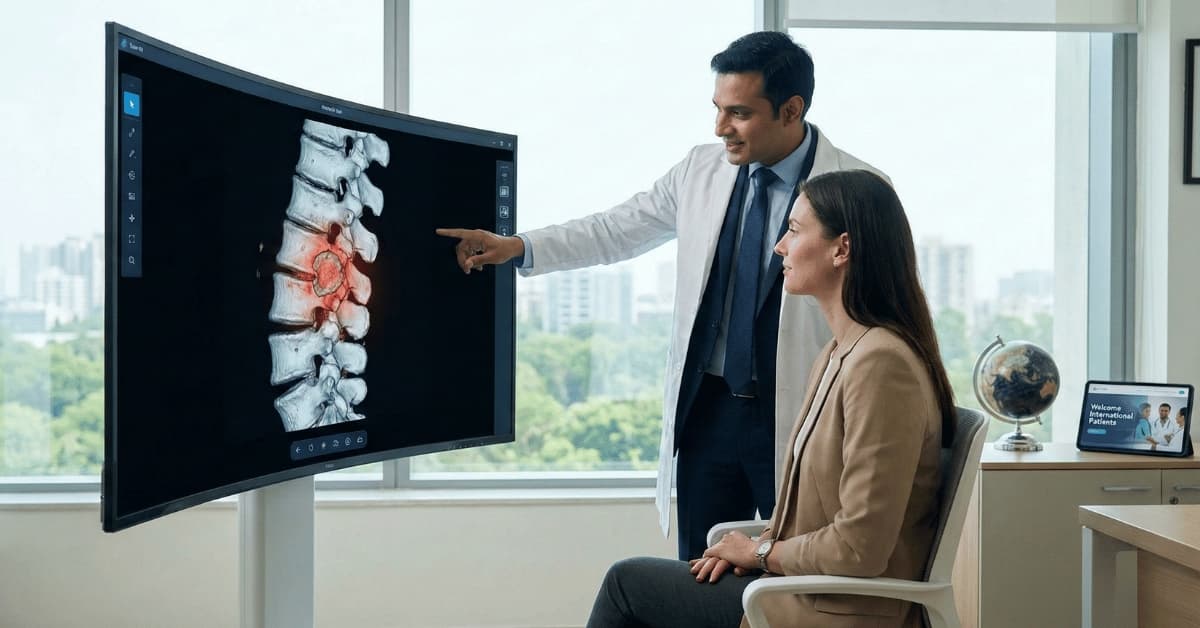
التشخيص الدقيق أمر بالغ الأهمية لعلاج أورام العمود الفقري بفعالية. تم تجهيز المرافق الطبية الهندية بأحدث أدوات التشخيص لتحديد خصائص الورم ومدى انتشاره بدقة. تتضمن عملية التشخيص عادةً مزيجًا من التصوير المتقدم وتحليل الأنسجة.
لماذا تختار الهند لجراحة أورام العمود الفقري؟
أصبحت الهند بسرعة مركزًا عالميًا للسياحة العلاجية، خاصةً للإجراءات المعقدة مثل جراحة أورام العمود الفقري. ينجذب المرضى الدوليون بمزيج مقنع من العوامل التي تضمن رعاية عالية الجودة وقيمة كبيرة.
التكنولوجيا والتقنيات المتقدمة في المستشفيات الهندية
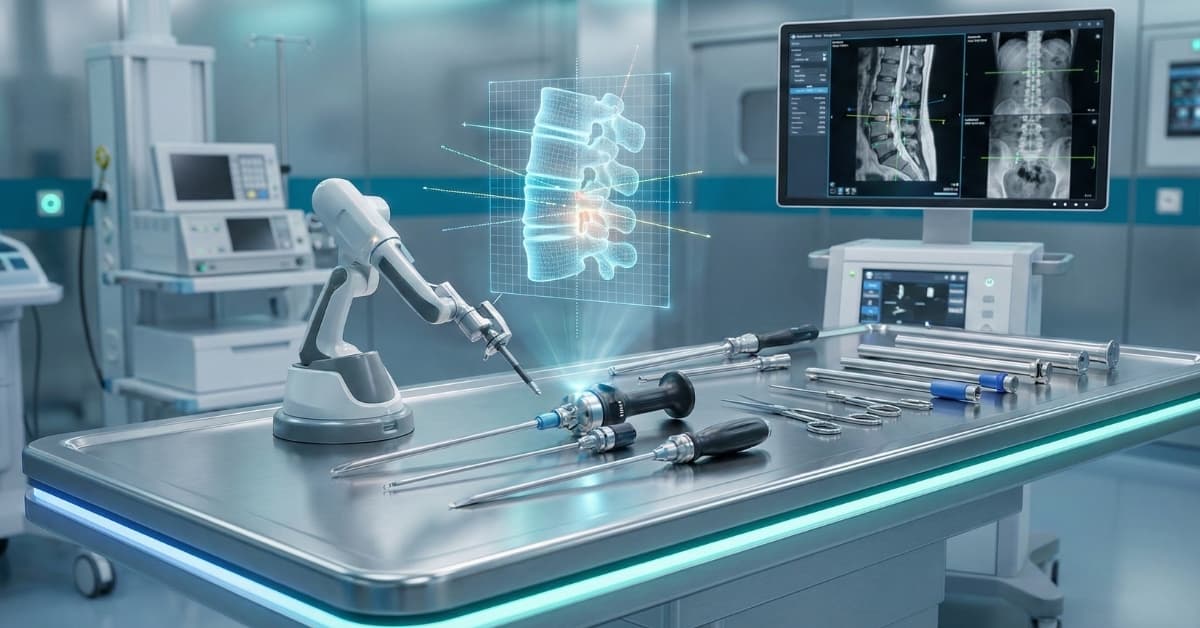
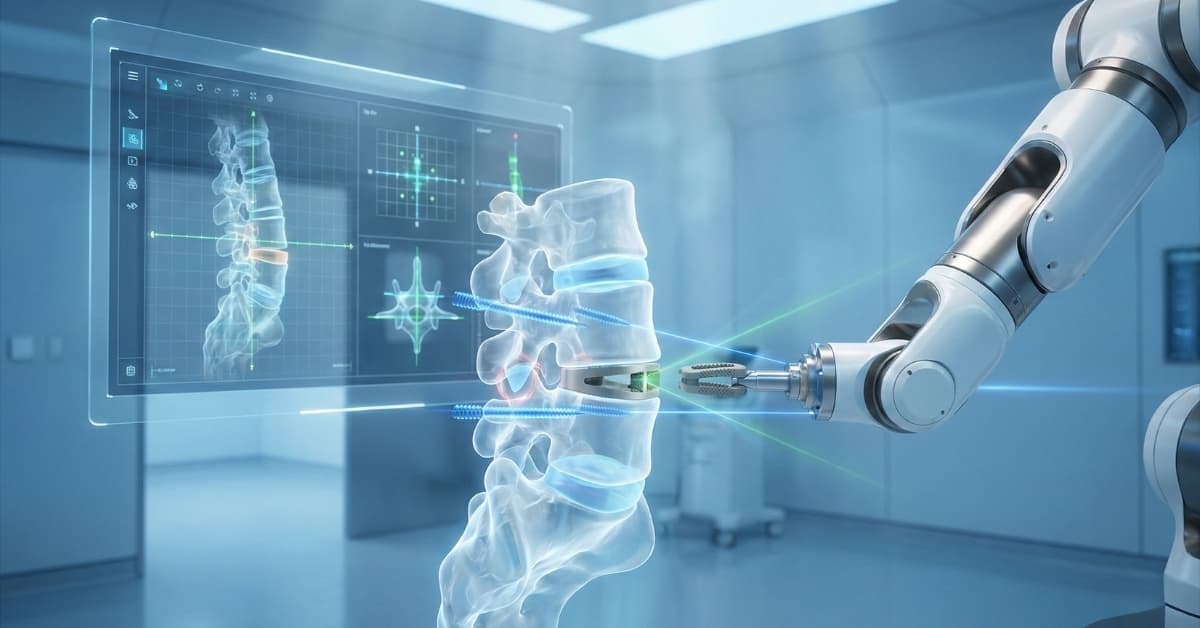
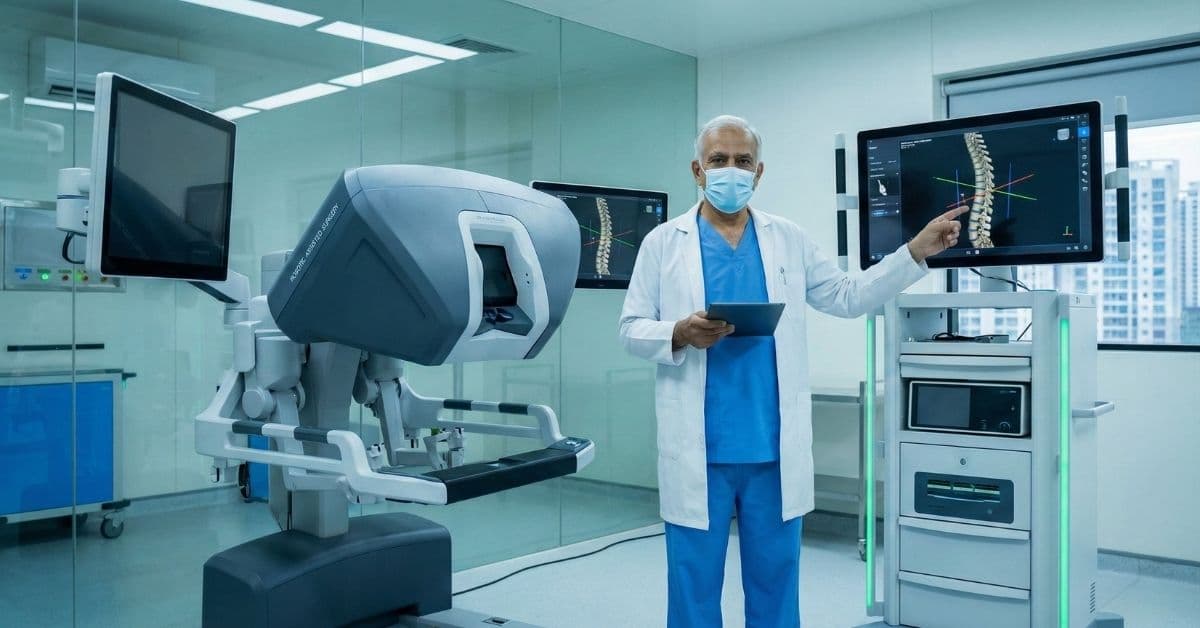
تتصدر المستشفيات الهندية طليعة تبني أحدث التقنيات لتعزيز دقة وسلامة وفعالية جراحات أورام العمود الفقري. تساهم هذه الابتكارات في تحقيق نتائج أفضل للمرضى وتعافٍ أسرع.
تكلفة جراحة أورام العمود الفقري في الهند
أحد الأسباب الأكثر إقناعًا لاختيار المرضى الدوليين الهند لجراحة أورام العمود الفقري هو الميزة الكبيرة في التكلفة، دون المساومة على الجودة. يمكن أن تختلف التكلفة بناءً على نوع الورم، وتعقيد الجراحة، واختيار المستشفى، ومدة الإقامة. فيما يلي مقارنة تقديرية:
| الإجراء | التكلفة في الهند (دولار أمريكي) | التكلفة في الهند (روبية هندية) | التكلفة في الولايات المتحدة (دولار أمريكي) | التكلفة في المملكة المتحدة (جنيه إسترليني) |
|---|---|---|---|---|
| **استئصال ورم العمود الفقري (أساسي)** | $8,000 - $15,000 | ₹6,50,000 - ₹12,00,000 | $50,000 - $100,000 | £40,000 - £80,000 |
| **استئصال ورم العمود الفقري المعقد مع الدمج** | $15,000 - $30,000 | ₹12,00,000 - ₹25,00,000 | $80,000 - $150,000 | £60,000 - £120,000 |
| **جراحة ورم العمود الفقري طفيفة التوغل** | $10,000 - $20,000 | ₹8,00,000 - ₹16,00,000 | $60,000 - $120,000 | £50,000 - £90,000 |
إخلاء مسؤولية: هذه تكاليف تقديرية ويمكن أن تختلف بشكل كبير بناءً على المستشفى المحدد، ورسوم الجراح، ونوع الورم، ومدى الجراحة، ومدة الإقامة في المستشفى، وأي علاجات أو مضاعفات إضافية. يُنصح دائمًا بالحصول على عرض أسعار مخصص.*
الثقة العالمية والسياحة العلاجية لرعاية العمود الفقري
تتزايد سمعة الهند كوجهة موثوقة للسياحة العلاجية لرعاية العمود الفقري بشكل كبير. ففي كل عام، يختار مئات الآلاف من المرضى من جميع أنحاء العالم، وخاصة من الشرق الأوسط وأفريقيا وجنوب شرق آسيا وحتى الدول الغربية، الهند لتلقي علاجهم. ويعد هذا التدفق شهادة على جودة الرعاية وأنظمة الدعم الشاملة المتوفرة. بالإضافة إلى التميز الطبي، تقدم الهند دعمًا لوجستيًا وثقافيًا قويًا. ويشمل ذلك المساعدة في الحصول على التأشيرات الطبية، وخدمات النقل من وإلى المطار، ومجموعة واسعة من خيارات الإقامة (من الفنادق الاقتصادية إلى الفاخرة)، ومكاتب مخصصة للمرضى الدوليين، ومترجمين محترفين يجيدون لغات متعددة. كما تدمج العديد من المستشفيات برامج العافية، وتقدم علاجات هندية تقليدية مثل الأيورفيدا واليوغا، والتي يمكن أن تساعد في التعافي بعد الجراحة والرفاهية العامة، مما يوفر تجربة شفاء شاملة للمرضى وعائلاتهم المرافقين.
معدلات النجاح والنتائج السريرية في الهند
تفيد المستشفيات الهندية التي تجري جراحات أورام العمود الفقري عن معدلات نجاح مشجعة للغاية، وغالبًا ما تكون قابلة للمقارنة مع المؤسسات العالمية الرائدة. يقاس نجاح جراحة أورام العمود الفقري بعدة عوامل، بما في ذلك مدى إزالة الورم، والحفاظ على الوظيفة العصبية أو تحسينها، وتخفيف الألم، وبقاء المريض بشكل عام.
- استئصال الورم: بالنسبة للأورام الحميدة، يمكن أن تصل معدلات الاستئصال الكامل إلى 90-95%، مما يؤدي غالبًا إلى الشفاء. أما بالنسبة للأورام الخبيثة، فيتم تحقيق تقليل كبير للحجم (إزالة جزء كبير) في أكثر من 80% من الحالات، مما يحسن فعالية العلاجات اللاحقة مثل الإشعاع أو العلاج الكيميائي.
- الحفاظ على الوظيفة العصبية/تحسينها: تظهر الدراسات أن أكثر من 70-80% من المرضى يعانون من وظيفة عصبية مستقرة أو محسنة بعد الجراحة، مع انخفاض كبير في الألم وتحسن في الحركة.
- جودة الحياة: أبلغت غالبية المرضى (أكثر من 75%) عن تحسن كبير في نوعية حياتهم، مما يمكنهم من العودة إلى الأنشطة اليومية باستقلالية أكبر.
تعكس هذه الإحصائيات خبرة الجراحين الهنود والتكنولوجيا المتقدمة المستخدمة، مما يضمن حصول المرضى على أفضل فرصة ممكنة لنتيجة إيجابية.
التعافي وإعادة التأهيل بعد جراحة أورام العمود الفقري
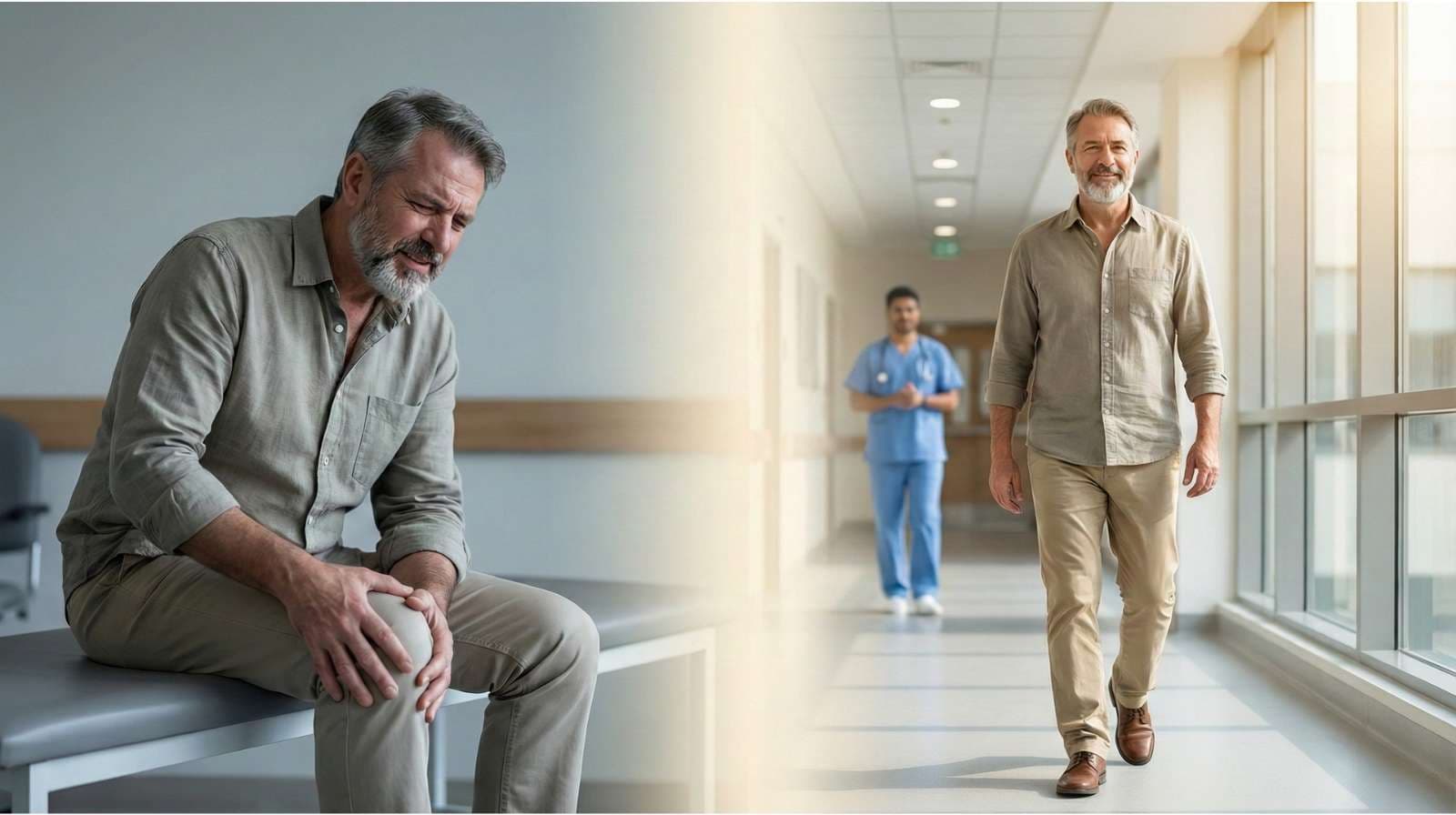
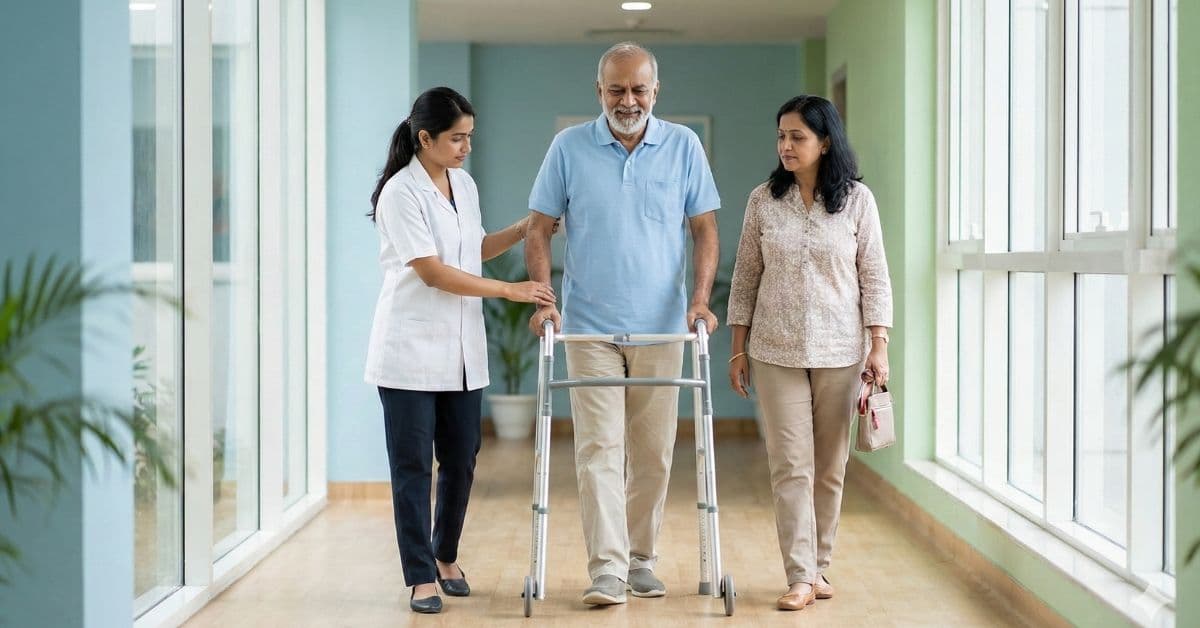
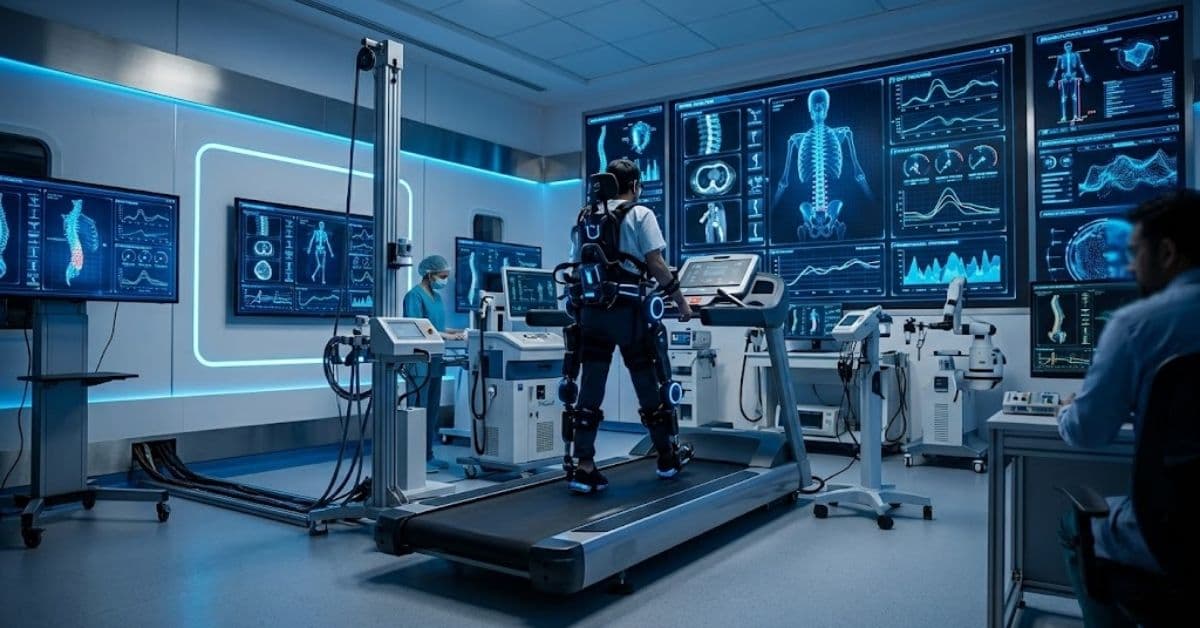
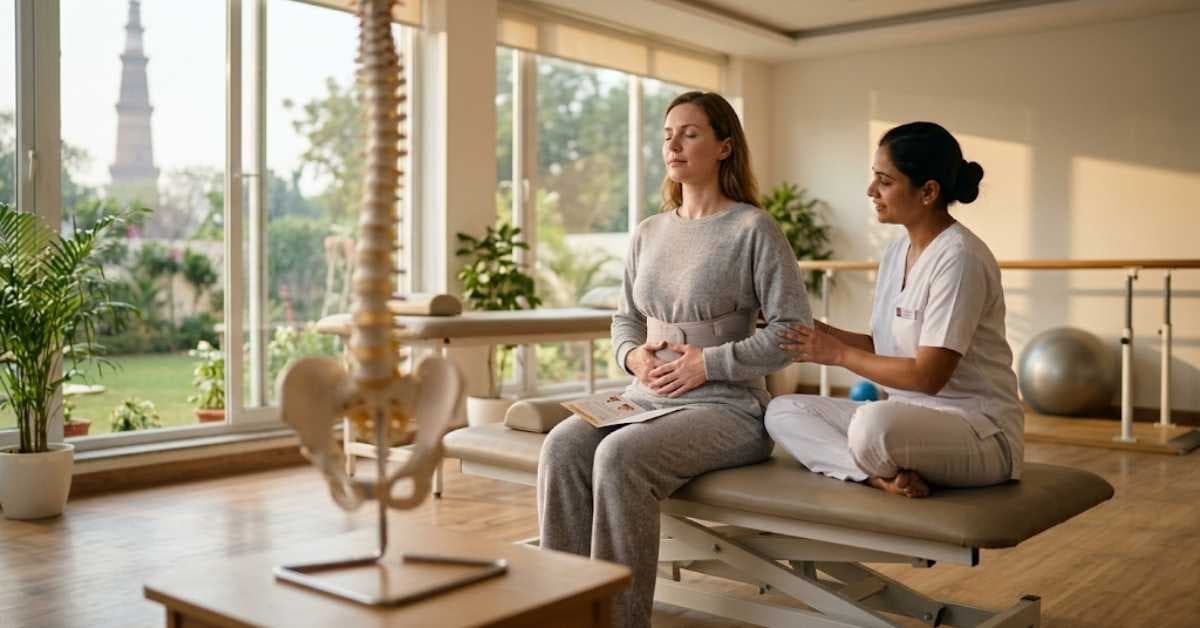
تعد رحلة التعافي بعد جراحة أورام العمود الفقري مرحلة حرجة، تتطلب الصبر والتفاني وخطة إعادة تأهيل منظمة. تقدم المستشفيات الهندية رعاية شاملة بعد الجراحة، مع التركيز على إدارة الألم والعلاج الطبيعي والدعم العاطفي.
- الإقامة في المستشفى: عادةً، يمكن للمرضى توقع البقاء في المستشفى لمدة 5-10 أيام، اعتمادًا على تعقيد الجراحة وتقدم تعافيهم. خلال هذا الوقت، سيتم التحكم في الألم بالأدوية، وسيتم تشجيع الحركة المبكرة.
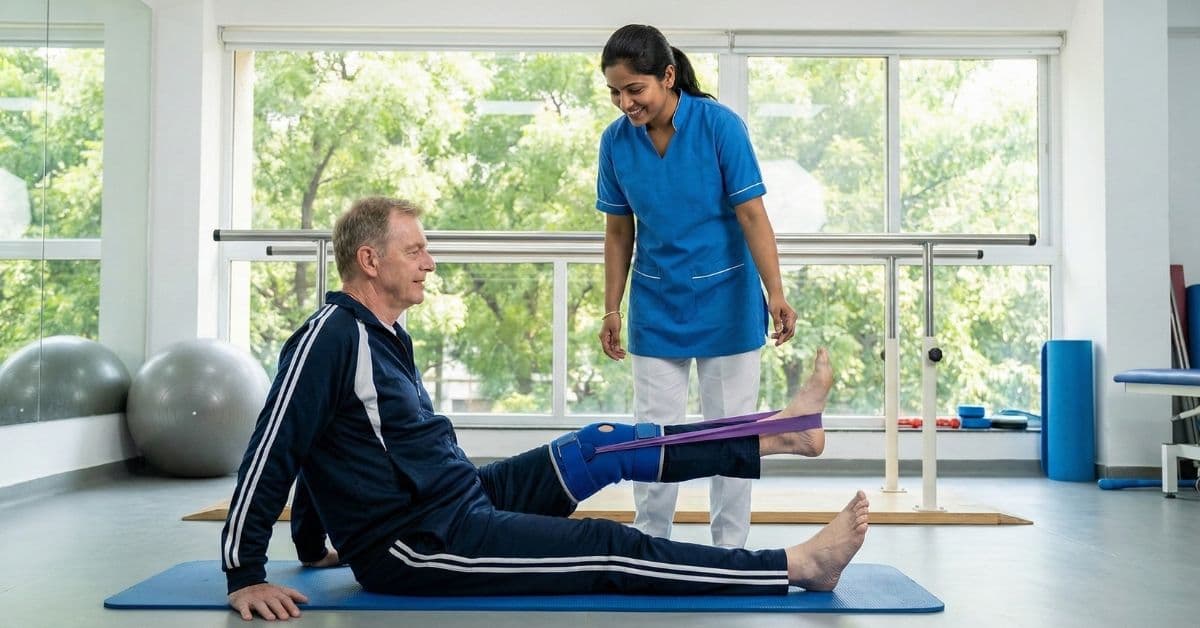
- إعادة التأهيل الأولية (الأسابيع 1-4): بمجرد الخروج من المستشفى، سيبدأ المرضى برنامجًا مخصصًا للعلاج الطبيعي. يركز هذا على التمارين اللطيفة لتحسين الحركة وتقوية عضلات الجذع واستعادة التوازن. يتم تشجيع الأنشطة مثل المشي، ولكن يُمنع منعًا باتًا رفع الأثقال والأنشطة الشاقة.
- إعادة التأهيل المتوسطة (الأشهر 1-3): مع تحسن القوة، يتقدم العلاج الطبيعي إلى تمارين أكثر تحديًا. الهدف هو استعادة الاستقلالية الوظيفية والتحضير للعودة التدريجية إلى الروتين اليومي. يمكن لمعظم المرضى العودة إلى العمل الخفيف أو الأنشطة خلال هذه الفترة.
- التعافي طويل الأمد (الأشهر 3-6+): يمكن أن يستغرق التعافي الكامل عدة أشهر. يعد الالتزام المستمر بتمارين إعادة التأهيل أمرًا حيويًا. تعد مواعيد المتابعة المنتظمة مع الجراح وأخصائي الأورام حاسمة لمراقبة التعافي واكتشاف أي تكرار. يتوفر أيضًا الدعم العاطفي والاستشارة لمساعدة المرضى على التعامل مع الجوانب النفسية لرحلتهم.
خدمات دعم السياحة العلاجية لرحلتك
قد يكون التنقل في العلاج الطبي في بلد أجنبي أمرًا مربكًا، ولكن نظام السياحة العلاجية في الهند مصمم لتوفير دعم شامل. يقدم ميسرو السياحة العلاجية المتخصصون وأقسام المرضى الدوليين في المستشفيات تجربة سلسة:
- المساعدة في الحصول على التأشيرة: إرشادات ودعم للحصول على التأشيرات الطبية للمرضى وأفراد أسرهم المرافقين.
- الخدمات اللوجستية للسفر: المساعدة في حجوزات الطيران، وخدمات الاستقبال والتوصيل من وإلى المطار، والنقل المحلي.
- الإقامة: المساعدة في ترتيب الإقامة المناسبة، من الفنادق الاقتصادية إلى الشقق الفندقية، بالقرب من المستشفى.
- المترجمون اللغويون: مترجمون محترفون متاحون بلغات مختلفة لضمان التواصل الواضح بين المرضى والأطباء وموظفي المستشفى.
- التنسيق المالي: المساعدة في فهم تكاليف العلاج، وخيارات الدفع، وتنسيق التأمين.
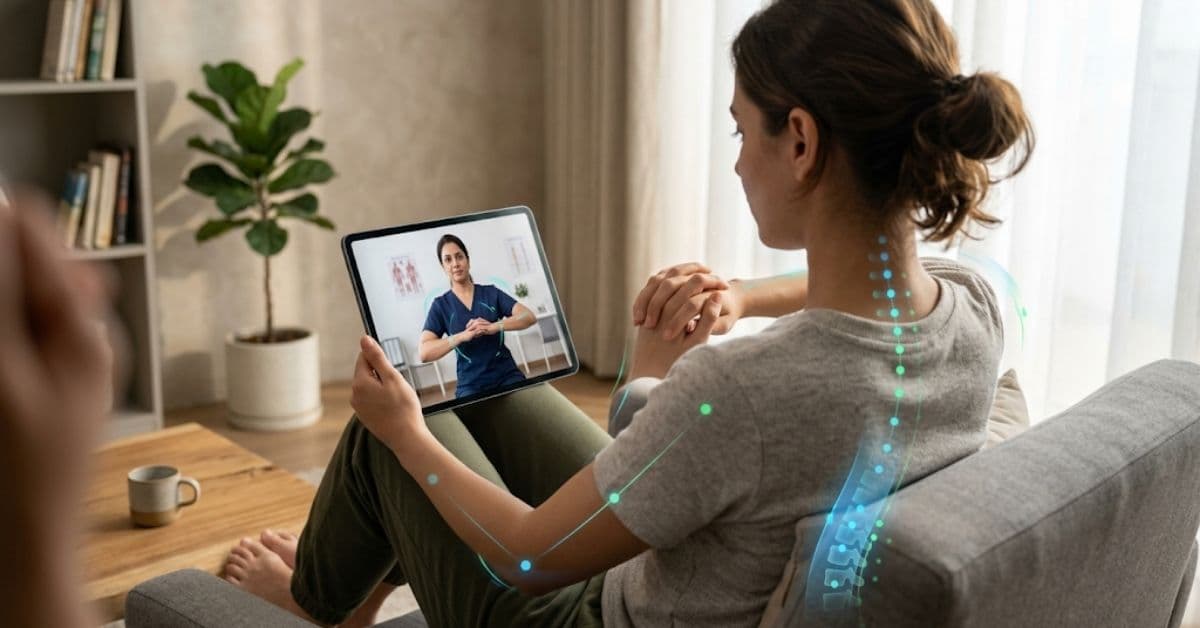
- الطب عن بعد والمتابعة: تسهيل مواعيد الطب عن بعد قبل الاستشارة واستشارات المتابعة بعد الخروج من المستشفى لضمان الرعاية المستمرة.
- التوجيه الثقافي: الدعم في فهم العادات المحلية، والاحتياجات الغذائية، والجوانب الثقافية الأخرى لجعل الإقامة مريحة.
ضمان الجودة والمعايير الدولية في رعاية العمود الفقري الهندية
تولي المستشفيات الهندية الأولوية لسلامة المرضى وجودة الرعاية، وتلتزم بالمعايير الدولية والوطنية الصارمة. العديد من المستشفيات الرائدة معتمدة من قبل هيئات مرموقة، مما يضمن حصول المرضى الدوليين على رعاية تلبي المعايير العالمية.
- اعتماد اللجنة المشتركة الدولية (JCI): تحمل العديد من المستشفيات الهندية اعتماد JCI، وهو معيار ذهبي معترف به عالميًا لسلامة المرضى وجودة الرعاية. وهذا يدل على الالتزام ببروتوكولات صارمة في رعاية المرضى، ومكافحة العدوى، وإدارة المرافق.
- المجلس الوطني لاعتماد المستشفيات ومقدمي الرعاية الصحية (NABH): تضمن هذه الهيئة الوطنية للاعتماد أن مقدمي الرعاية الصحية في الهند يلبون معايير جودة محددة، مع التركيز على حقوق المرضى، وإدارة المعلومات، والتحسين المستمر للجودة.
- مهنيون طبيون مؤهلون تأهيلاً عاليًا: يخضع جراحو الأعصاب وأخصائيو الأورام والموظفون المساعدون الهنود لتدريب مكثف وتطوير مهني مستمر، غالبًا من مؤسسات مشهورة عالميًا. يتم تحديث خبراتهم بانتظام بأحدث التطورات في علاج أورام العمود الفقري.
- الممارسات الأخلاقية والشفافية: تحافظ المستشفيات على معايير أخلاقية عالية، وتوفر معلومات شفافة فيما يتعلق بخطط العلاج والتكاليف والنتائج المتوقعة، مما يعزز الثقة مع المرضى الدوليين.
الخلاصة
إن الشروع في رحلة علاجية لجراحة أورام العمود الفقري هو قرار مهم، ولكن بفضل القدرات الطبية المتقدمة في الهند، والرعاية الرحيمة، وأنظمة الدعم الشاملة، يمكن للمرضى الدوليين أن يجدوا أملًا متجددًا وشفاءً. إن مزيج الخبرة الجراحية عالمية المستوى، والتكنولوجيا المتطورة، والحلول الفعالة من حيث التكلفة يضع الهند كوجهة لا مثيل لها لرعاية العمود الفقري المعقدة. نحن نتفهم التحديات العاطفية والجسدية التي تنطوي عليها، والتزامنا هو ضمان أن يكون طريقك إلى التعافي سلسًا ومطمئنًا قدر الإمكان.
هل أنت مستعد لاستكشاف خيارات علاجك؟ اتصل بنا اليوم للحصول على استشارة شخصية وابدأ رحلتك نحو التعافي في الهند.
الأسئلة الشائعة
ما هو معدل نجاح جراحة أورام العمود الفقري في الهند؟
بالنسبة للأورام الحميدة، غالبًا ما تكون معدلات الاستئصال الكامل 90-95%. أما بالنسبة للأورام الخبيثة، فيتم تحقيق تقليل كبير للحجم في أكثر من 80% من الحالات، مع تجربة 70-80% من المرضى لوظيفة عصبية مستقرة أو محسنة بعد الجراحة.
كم تستغرق فترة التعافي بعد جراحة ورم العمود الفقري؟
عادةً ما تكون الإقامة الأولية في المستشفى من 5 إلى 10 أيام. يتضمن التعافي الكامل برنامج إعادة تأهيل منظم: 1-4 أسابيع للعلاج الطبيعي الأولي، 1-3 أشهر للتعافي المتوسط والعودة إلى الأنشطة الخفيفة، و3-6+ أشهر للتعافي الوظيفي الكامل.
ما هي تكاليف جراحة أورام العمود الفقري في الهند مقارنة بالدول الغربية؟
جراحة أورام العمود الفقري في الهند أكثر بأسعار معقولة بشكل كبير، وعادة ما تكون أرخص بنسبة 60-80% مما هي عليه في الولايات المتحدة أو المملكة المتحدة. على سبيل المثال، قد تتراوح تكلفة الجراحة المعقدة من 15,000 إلى 30,000 دولار أمريكي في الهند، مقارنة بـ 80,000 إلى 150,000 دولار أمريكي في الدول الغربية.
هل تتبع المستشفيات في الهند المعايير الدولية لجراحة أورام العمود الفقري؟
نعم، العديد من المستشفيات الهندية الرائدة معتمدة من قبل هيئات دولية مثل اللجنة المشتركة الدولية (JCI) وهيئات وطنية مثل NABH، مما يضمن مرافق عالمية المستوى، وبروتوكولات سلامة المرضى، ومهنيين طبيين مؤهلين تأهيلاً عاليًا.
ما هي خدمات الدعم المتاحة للمرضى الدوليين الذين يخضعون لجراحة أورام العمود الفقري في الهند؟
يشمل الدعم الشامل المساعدة في الحصول على التأشيرة، وخدمات النقل من وإلى المطار، وترتيبات الإقامة، ومترجمين لغويين محترفين، والتنسيق المالي، والطب عن بعد قبل الاستشارة، والمتابعة بعد الخروج من المستشفى، والتوجيه الثقافي.