
جراحة إعادة بناء الرباط الصليبي الأمامي في الهند لإصابات أربطة الركبة
تساعد VRH Healthcare المرضى الدوليين في الوصول إلى جراحي عظام ذوي خبرة، وإعادة بناء الرباط الصليبي الأمامي بالمنظار المتقدمة، وجراحة الركبة الفعالة من حيث التكلفة في الهند.
التكلفة التقديرية
$3,000 فما فوق
*تختلف التكاليف حسب المستشفى والمدينة وخبرة الجرّاح ودرجة الغرفة والفحوصات التي تُجرى قبل العملية.
مستشفيات معتمدة
مراكز معتمدة من JCI وNABH فقط.
بدون وقت انتظار
مواعيد ذات أولوية للمرضى الدوليين.
فهم إعادة بناء الرباط الصليبي الأمامي في الهند
تُعد جراحة إعادة بناء الرباط الصليبي الأمامي في الهند خيارًا شائعًا بين المرضى الدوليين نظرًا لتقنيات تنظير المفصل المتقدمة، وجراحي العظام ذوي الخبرة، وتكاليف العلاج الأقل بكثير مقارنة بالعديد من الدول الغربية.
إعادة بناء الرباط الصليبي الأمامي هي إجراء جراحي لاستبدال الرباط الصليبي الأمامي الممزق في الركبة. يساعد هذا الرباط الحيوي على تثبيت مفصل الركبة، خاصة أثناء حركات الالتواء والدوران. غالبًا ما ينتج تمزق الرباط الصليبي الأمامي عن الإصابات الرياضية، مما يؤدي إلى عدم الاستقرار والألم وصعوبة في النشاط البدني. في الهند، يتم إجراء هذا الإجراء عادةً باستخدام تقنيات تنظير المفصل، والتي تتضمن شقوقًا صغيرة وأدوات متخصصة لإعادة بناء الرباط باستخدام طعم. الهدف هو استعادة وظيفة الركبة، وتقليل الألم، وتمكين المرضى من العودة إلى أنماط حياتهم النشطة مع استقرار محسّن.
أنواع جراحة إعادة بناء الرباط الصليبي الأمامي في الهند
إعادة البناء باستخدام الطعم الذاتي
يستخدم نسيجًا من جسم المريض نفسه (مثل أوتار الركبة، أو وتر الرضفة) للرباط الصليبي الأمامي الجديد.
إعادة البناء باستخدام الطعم الخيفي
يستخدم نسيجًا من متبرع للطعم، مما يتجنب مواقع جراحية إضافية على المريض.
إعادة بناء الرباط الصليبي الأمامي بحزمتين
يعيد بناء كلتا حزمتي الرباط الصليبي الأمامي لتحقيق استقرار دوراني محسّن محتمل.
إصلاح الرباط الصليبي الأمامي (الإصلاح الأولي)
يتم خياطة الرباط الصليبي الأمامي الممزق مباشرة، وهو مناسب لأنواع معينة من التمزقات.
يشرح جراحك سبب اختيار نهج معين لحالتك.
تقنية تنظير المفصل المتقدمة لإعادة بناء الرباط الصليبي الأمامي في الهند
في الهند، قد يتم إجراء إعادة بناء الرباط الصليبي الأمامي باستخدام:
الفوائد
- يعيد استقرار الركبة، ويمنع المزيد من الإصابات ويحسن الثقة.
- يقلل الألم والتورم المرتبطين بمفصل الركبة غير المستقر.
- يمكّن العديد من المرضى من العودة إلى الرياضة والأنشطة عالية التأثير.
- يحسن وظيفة الركبة العامة ونوعية الحياة.
- النهج الجراحي بالمنظار طفيف التوغل يعني عادة ندوبًا أصغر وتعافيًا أوليًا أسرع.
- حماية طويلة الأمد ضد التهاب المفاصل المبكر في بعض الحالات.
القيود
- يتطلب التزامًا كبيرًا بإعادة التأهيل بعد الجراحة.
- خطر تمزق الطعم مرة أخرى، على الرغم من أنه منخفض نسبيًا.
- احتمال حدوث تصلب أو ألم أو خدر حول موقع الجراحة.
- قد يكون التعافي طويلاً، وغالبًا ما يستغرق من 6 إلى 12 شهرًا للعودة إلى النشاط الكامل.
- لا يستعيد جميع المرضى مستوى أدائهم الرياضي قبل الإصابة.
التشخيصات والفحوصات قبل الوصول
قائمة التحقق قبل الوصول والسفر
كيف يتم الإجراء (خطوة بخطوة)
التخدير والشقوق
يتم إعطاء تخدير عام أو موضعي. تُجرى شقوق صغيرة حول الركبة للوصول بالمنظار.
حصاد الطعم (إذا كان طعمًا ذاتيًا)
يتم حصاد وتر (مثل أوتار الركبة أو وتر الرضفة) من ساق المريض من خلال شق صغير منفصل.
تحضير الركبة
تُزال بقايا الرباط الصليبي الأمامي الممزق، وتُحفر أنفاق في عظم الفخذ (الفخذ) وعظم الساق (الظنبوب).
وضع الطعم
يُمرر الطعم المُجهز عبر الأنفاق المحفورة، محاكيًا مسار الرباط الصليبي الأمامي الأصلي.
تثبيت الطعم
يُثبت الطعم في مكانه باستخدام مسامير أو أزرار أو أجهزة تثبيت أخرى لضمان الاستقرار.
الإغلاق
تُغلق الشقوق بالخيوط الجراحية أو الشريط الجراحي، وتُوضع ضمادة معقمة على الركبة.
أفضل الأطباء المتخصصين في جراحة العظام
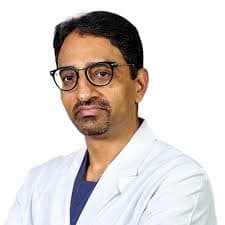
الدكتور سوبهاش جانجيد
جراحة العظام
معهد فورتيس التذكاري للأبحاث، جوروجرام
الدكتور سوبهاش جانغيد، جراح عظام بارز في جوروجرام يتمتع بخبرة تتجاوز 25 عامًا، متخصص في استبدال المفاصل بالروبوت وجراحات استبدال الركبة في معهد فورتيس التذكاري للأبحاث.
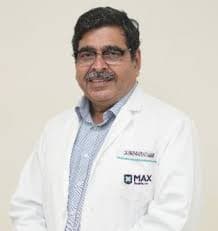
الدكتور هارشافاردان هيدجي
جراحة العظام
مستشفى ماكس متعدد التخصصات، ساكيت، نيو دلهي
الدكتور هارشافاردان هيدجي، جراح عظام متميز في دلهي بخبرة تزيد عن 39 عامًا، متفوق في استبدال المفاصل وجراحات العمود الفقري في ماكس ساكيت.
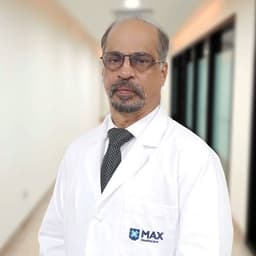
الدكتور ب. س. مورثي
جراحة العظام
مستشفى ماكس متعدد التخصصات، نويدا
الدكتور ب. س. مورثي، جراح عظام متميز في منطقة دلهي-إن سي آر بخبرة تزيد عن 40 عامًا، متفوق في استبدال المفاصل في مستشفى ماكس.
الدكتور رتناف راتان
جراحة العظام
مستشفى مانيبال، دواركا، دلهي
يُعدّ الدكتور رتناف راتان، جراح العظام للأطفال الرائد في مستشفى مانيبال دواركا، متخصصًا في علاج القدم الحنفاء، وخلل نمو مفصل الورك، وتشوهات الأطراف، وإصابات الملاعب لدى الأطفال.
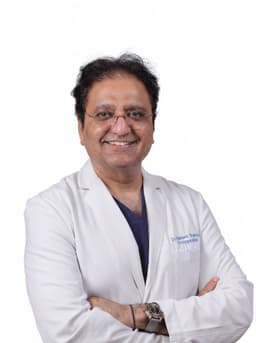
الدكتور هيمانت شارما
جراحة العظام
مستشفى أرتميس، جوروجرام
الدكتور هيمانت شارما جرّاح عظام تلقى تدريبه في المملكة المتحدة، ويتمتع بخبرة تزيد على 30 عامًا في استبدال مفصل الورك والركبة بالروبوت وجراحات الاستبدال التصحيحية، ويعمل حاليًا في مستشفى أرتميس، جوروجرام.
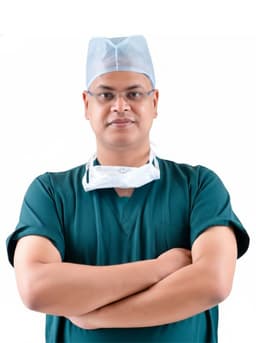
الدكتور رامكينكار جها
جراحة العظام
مستشفى سي كيه بيرلا، جوروجرام
الدكتور رامكينكار جها هو جراح عظام مدرب في معهد AIIMS ويتمتع بخبرة تزيد عن 24 عامًا، ومتخصص في جراحات استبدال الركبة والورك باستخدام الروبوت، وعلاج الإصابات المعقدة وإصابات الملاعب، ويعمل في مستشفى سي كيه بيرلا (جوروجرام و دلهي).
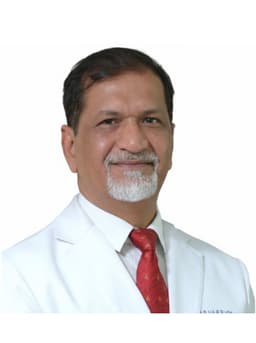
الدكتور راجيش كومار فيرما
جراحة العظام
مستشفيات شالبي سانار الدولية، جوروجرام
الدكتور راجيش كومار فيرما جرّاح عظام وعمود فقري متمرس في جوروجرام بخبرة تزيد عن 28 عامًا، متخصص في استبدال المفاصل بالروبوت، وجراحة العمود الفقري بالمنظار، وجراحات الحفاظ على الحركة.
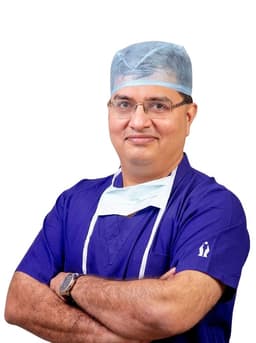
الدكتور مانوج بادمان
جراحة العظام
معهد فورتيس التذكاري للأبحاث، جوروجرام
الدكتور مانوج بادمان من أبرز جراحي عظام الأطفال في الهند، ويتمتع بخبرة تزيد على 26 عاماً. متخصص في إعادة بناء الأطراف، وتصحيح التشوهات العظمية، وجراحات الشلل الدماغي، وعلاج اضطرابات الورك لدى الأطفال في معهد فورتيس التذكاري للأبحاث بجوروجرام.
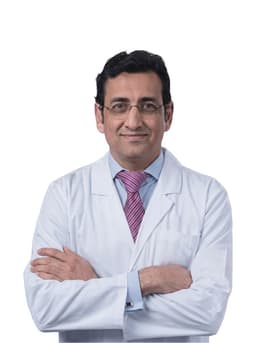
الدكتور راجيف فيرما
جراحة العظام
مستشفى مانيبال دواركا، نيودلهي
يشغل الدكتور راجيف فيرما منصب رئيس معهد العظام والمفاصل في مستشفى مانيبال دواركا، ويتمتع بخبرة تزيد على 20 عامًا في جراحة استبدال الركبة والورك بالروبوت وجراحات الإصابات الرياضية.

الدكتور ياش غولاتي
جراحة العظام
مستشفى إندرابراستا أبولو، نيودلهي
الدكتور ياش غولاتي هو جراح عظام حائز على جائزة "بادما شري" في مستشفى أبولو دلهي، يتمتع بخبرة تزيد عن 35 عاماً في جراحات استبدال المفاصل وجراحة العمود الفقري طفيفة التوغل.

الدكتور إيشوار بوهرا
جراحة العظام
مستشفى بي إل كيه-ماكس التخصصي الدقيق، نيودلهي
الدكتور إيشوار بوهرا هو مدير أول لبرنامج استبدال المفاصل في مستشفى بي إل كيه-ماكس دلهي، ويتمتع بخبرة تزيد عن 23 عاماً في جراحات استبدال الركبة والورك الروبوتية والجراحات المراجعة.
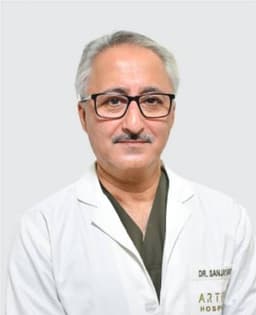
الدكتور سانجاي ساروب
جراحة العظام
مستشفى أرتميس، جوروجرام
الدكتور سانجاي ساروب رئيس جراحة عظام الأطفال والعمود الفقري في مستشفى أرتميس، جوروجرام، ويتمتع بخبرة تزيد على 24 عامًا في علاج الجنف وتشوهات الأطراف.
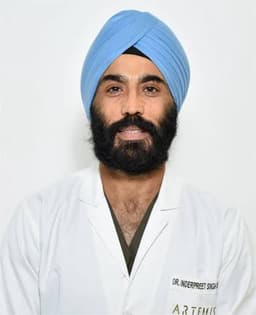
الدكتور آي. بي. إس. أوبروي
جراحة العظام
مستشفى أرتميس، جوروجرام، هاريانا، الهند
الدكتور آي. بي. إس. أوبروي جرّاح عظام في مستشفى أرتميس، جوروجرام، ويتمتع بخبرة تزيد على 32 عامًا في استبدال المفاصل بالروبوت وتنظير المفاصل وإصابات الرياضة.
النتائج المتوقعة وما يعنيه النجاح
التعافي والجدول الزمني للمتابعة
تختلف أهلية السفر وحدود النشاط حسب المركز.
ما مدى سرعة البدء؟
الرأي الطبي الثاني
12–48 ساعة
يتم الحصول عليه عادةً بعد مشاركة التقارير الطبية.
تحديد الموعد
1–2 يوم عمل
حسب توفر الطبيب المختص.
خطاب دعوة التأشيرة الطبية (VIL)
1–2 يوم عمل
يتم إصداره بسرعة لدعم طلب التأشيرة الطبية الخاصة بك.
تكلفة جراحة إعادة بناء الرباط الصليبي الأمامي في الهند وما يؤثر على تقديرك
تقدم هذه الصفحة نظرة عامة على التكاليف النموذجية والعوامل المؤثرة. يتم مشاركة تقدير تكلفة شخصي بعد مراجعة طبية لتقاريرك—يرجى الاتصال بنا لطلب تقديرك الفردي.
كيف تساعد VRH Healthcare
VRH Healthcare ليست مستشفى. نحن نعمل كشريك لتسهيل الرعاية الطبية وتوجيه المرضى، مما يساعدك على اتخاذ قرارات مستنيرة والتنقل بسلاسة خلال الرعاية في الهند.
خدمات المرضى الدوليين
رحلة رعايتك مع VRH
دليل مبسط خطوة بخطوة لتجربة علاجك.
شارك التقارير الطبية
احصل على رأي ثانٍ من خبير وتقدير إرشادي
خطط للسفر والتأشيرة والمواعيد
العلاج بتنسيق على الأرض
الخروج من المستشفى والمتابعات المستمرة عن بعد
شارك التقارير الطبية
احصل على رأي ثانٍ من خبير وتقدير إرشادي
خطط للسفر والتأشيرة والمواعيد
العلاج بتنسيق على الأرض
الخروج من المستشفى والمتابعات المستمرة عن بعد
أين نخدم: الدول التي ندعمها
الشرق الأوسط
دعم لغوي، مساعدة في التأشيرة، وتخطيط منسق للرعاية لجراحة العظام
أفريقيا
دعم لمراجعة التشخيصات، تخطيط السفر، والمتابعة بعد العلاج.
آسيا الوسطى ورابطة الدول المستقلة
خدمات الترجمة وتنسيق المستشفى للرعاية الجراحية.
جنوب آسيا
وصول سريع إلى الآراء، الجدولة، واستمرارية الرعاية.
المملكة المتحدة والولايات المتحدة الأمريكية
آراء ثانية، تخطيط حساس للتكلفة، ومتابعات عن بعد بعد العودة.
دول أخرى
دعم مخصص بناءً على احتياجات السفر والرعاية الفردية.