Cirurgia Ortopédica para Pacientes Idosos na Índia: Um Guia Abrangente para Pacientes Internacionais – 2026
À medida que envelhecemos, nossos corpos passam por mudanças que podem levar a desafios ortopédicos, desde artrite debilitante até fraturas por fragilidade. Para muitos idosos, a cirurgia ortopédica oferece um caminho para a mobilidade renovada, dor reduzida e uma melhor qualidade de vida. A Índia emergiu como líder global no fornecimento de cuidados ortopédicos avançados e compassivos, particularmente para pacientes geriátricos, combinando expertise médica de classe mundial com uma significativa relação custo-benefício. Este guia visa desmistificar a jornada para pacientes internacionais e suas famílias, oferecendo insights sobre os cuidados especializados, tratamentos de ponta e suporte abrangente disponíveis.
Compreendendo a Cirurgia Ortopédica para Pacientes Idosos
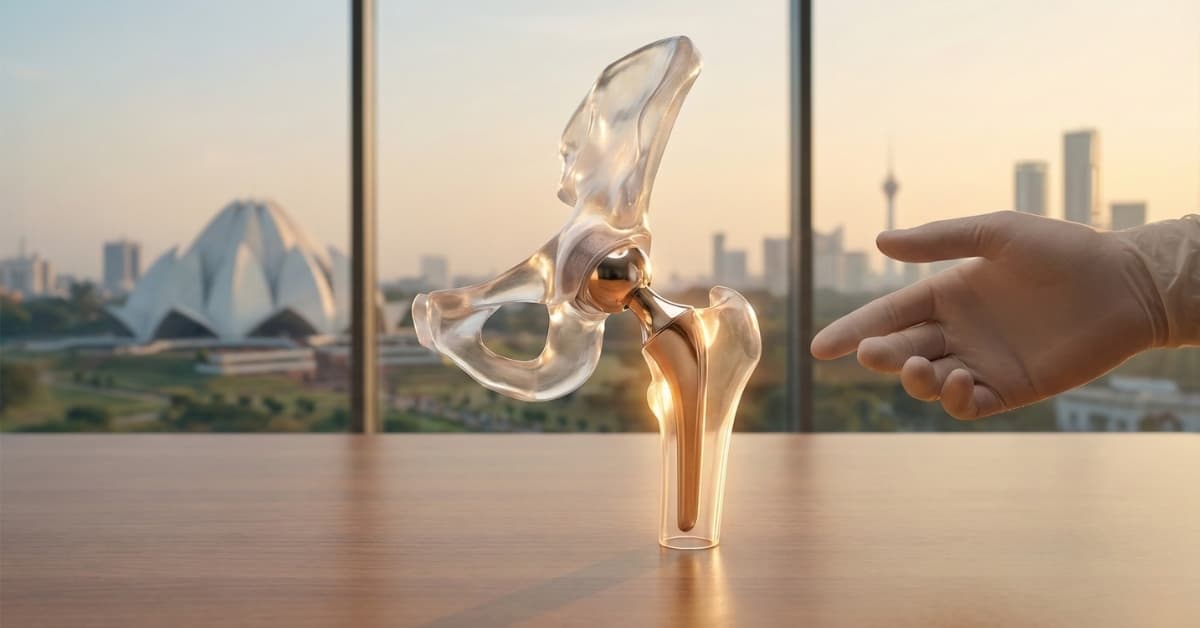
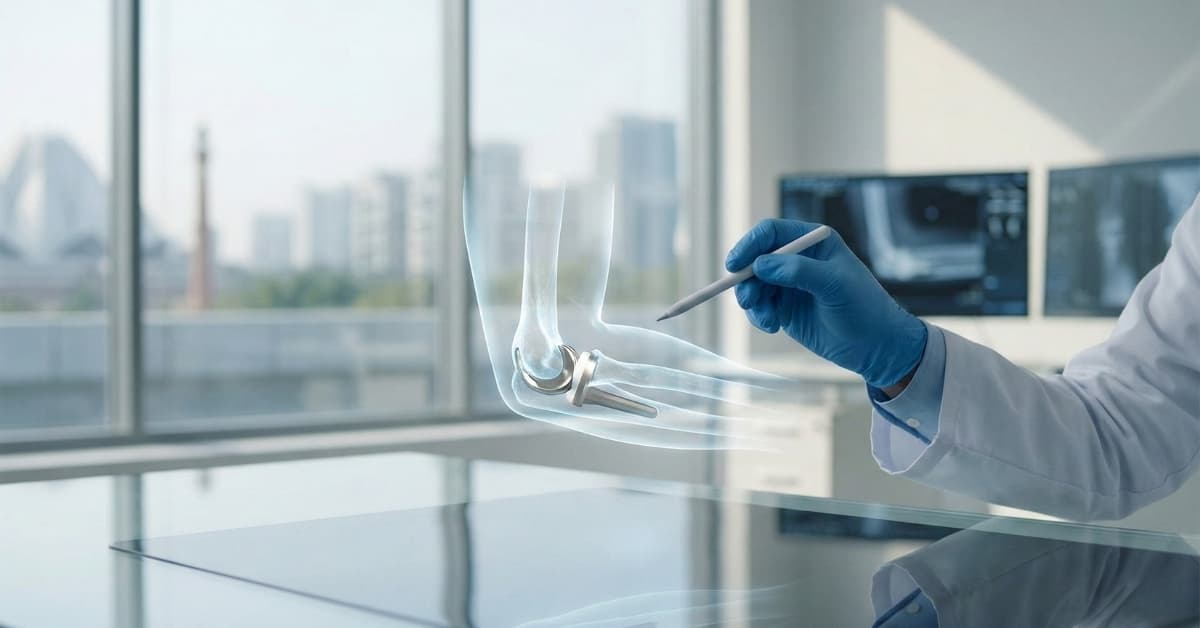
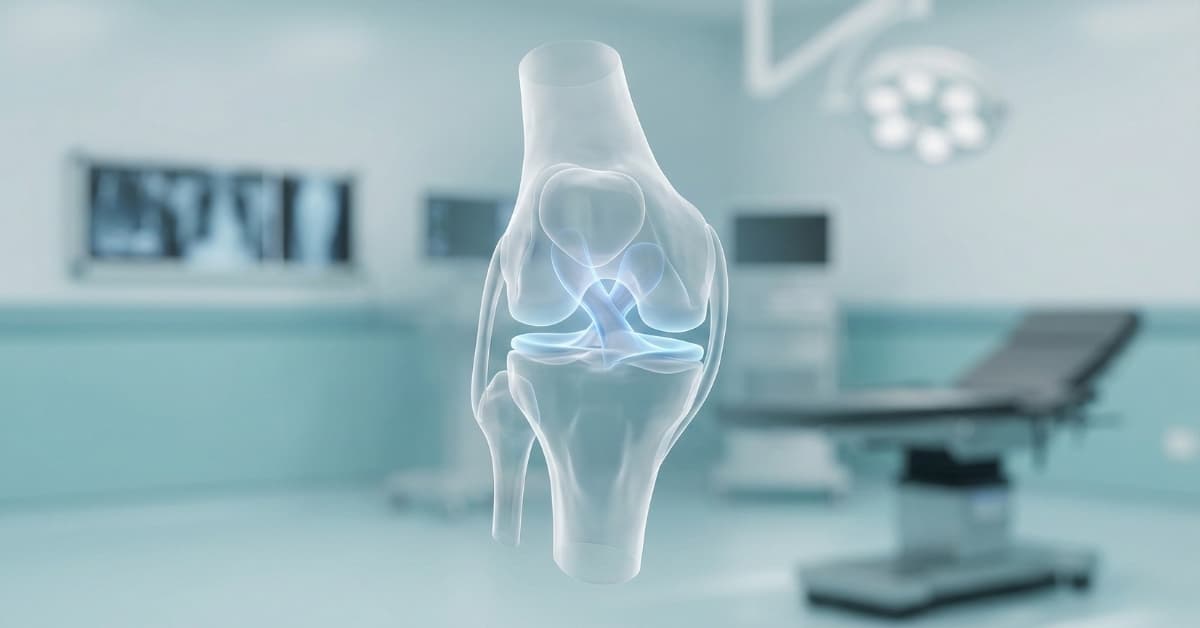
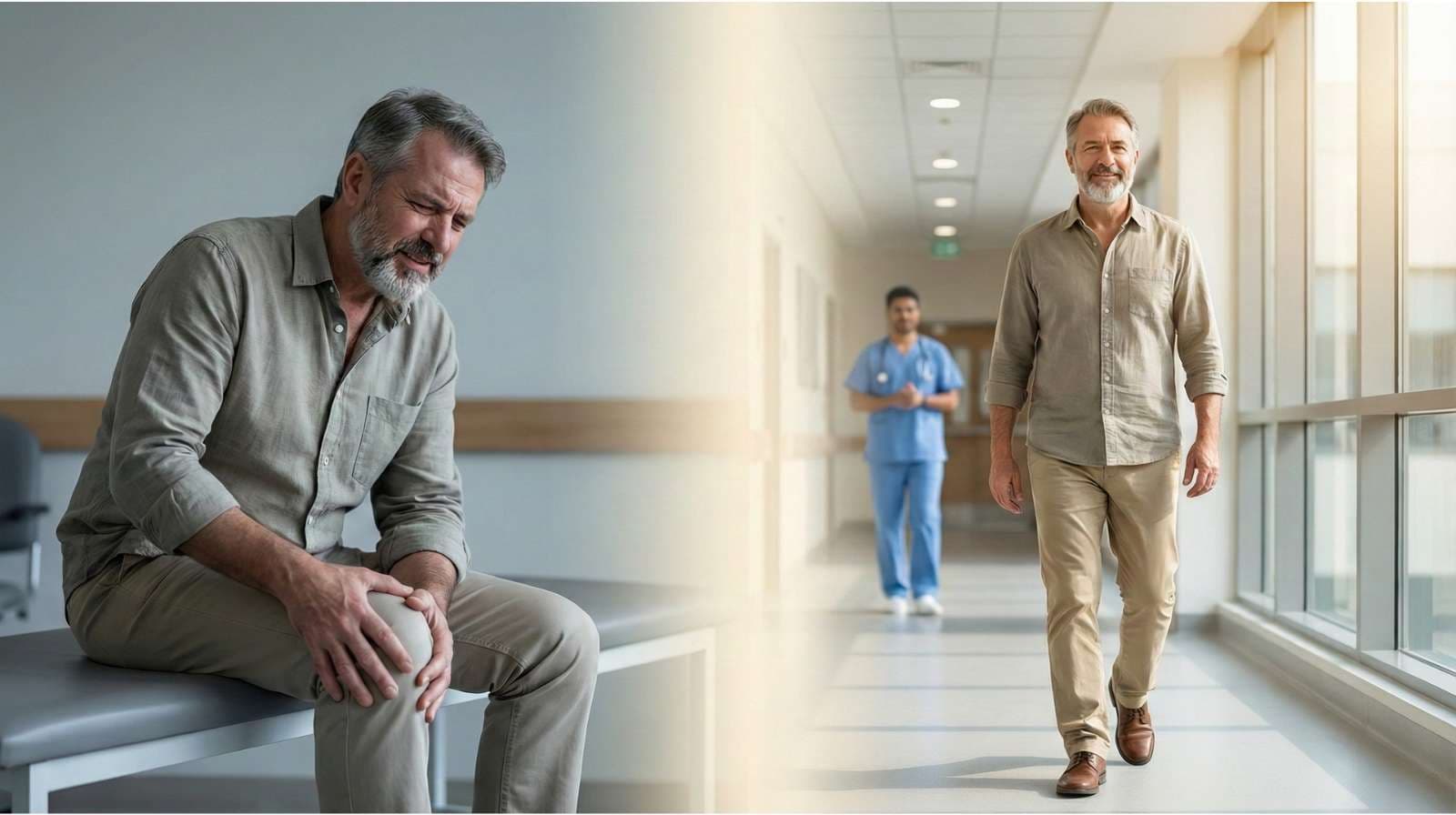
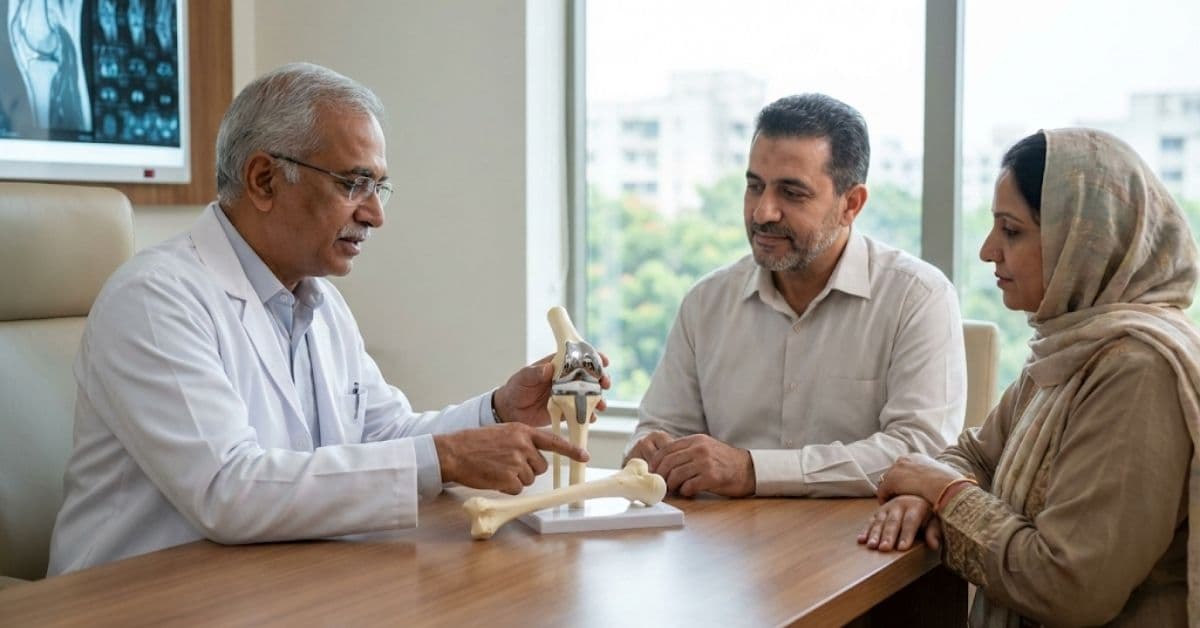
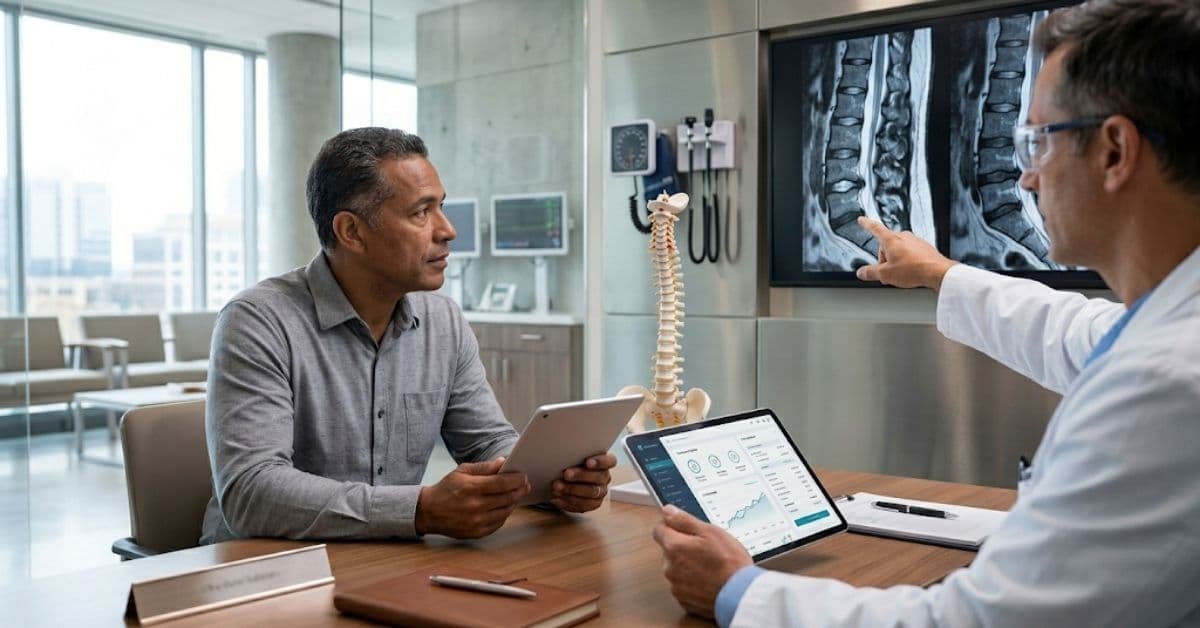
A cirurgia ortopédica para pacientes idosos aborda uma série de condições que impactam significativamente sua mobilidade e independência. Estas frequentemente incluem doenças degenerativas das articulações, como osteoartrite, que podem afetar gravemente quadris e joelhos, e fraturas resultantes de quedas, particularmente fraturas de quadril e vertebrais devido à osteoporose. O objetivo de tais cirurgias não é meramente consertar um osso quebrado ou substituir uma articulação desgastada, mas restaurar a função, aliviar a dor crônica e permitir que os idosos mantenham um estilo de vida ativo e gratificante. Trata-se de devolver a alegria do movimento e a dignidade da autossuficiência, garantindo que a idade não precise significar uma vida de desconforto constante ou atividade limitada. Hospitais indianos estão equipados com unidades ortopédicas geriátricas especializadas que compreendem as necessidades fisiológicas e psicológicas únicas de adultos mais velhos, garantindo uma abordagem holística aos cuidados.
Procedimentos Ortopédicos Comuns para Idosos
Hospitais indianos oferecem um amplo espectro de procedimentos ortopédicos adaptados para pacientes idosos, com foco na restauração da função e no alívio da dor. Esses procedimentos são realizados por cirurgiões altamente experientes, utilizando técnicas avançadas para garantir resultados ótimos.
Considerações Especiais para Pacientes Idosos em Cirurgia Ortopédica
O cuidado com pacientes idosos submetidos à cirurgia ortopédica exige uma abordagem diferenciada, reconhecendo seus perfis fisiológicos e médicos únicos. As equipes médicas indianas priorizam uma estratégia abrangente e multidisciplinar para garantir segurança e resultados ótimos.
Benefícios da Cirurgia Ortopédica para Idosos
Para muitos pacientes idosos, a cirurgia ortopédica é uma intervenção que muda vidas e melhora significativamente sua qualidade de vida. Os benefícios se estendem muito além de apenas corrigir uma doença física, abrangendo o bem-estar emocional e social.
Técnicas Cirúrgicas Avançadas e Cuidados Focados em Geriatria na Índia
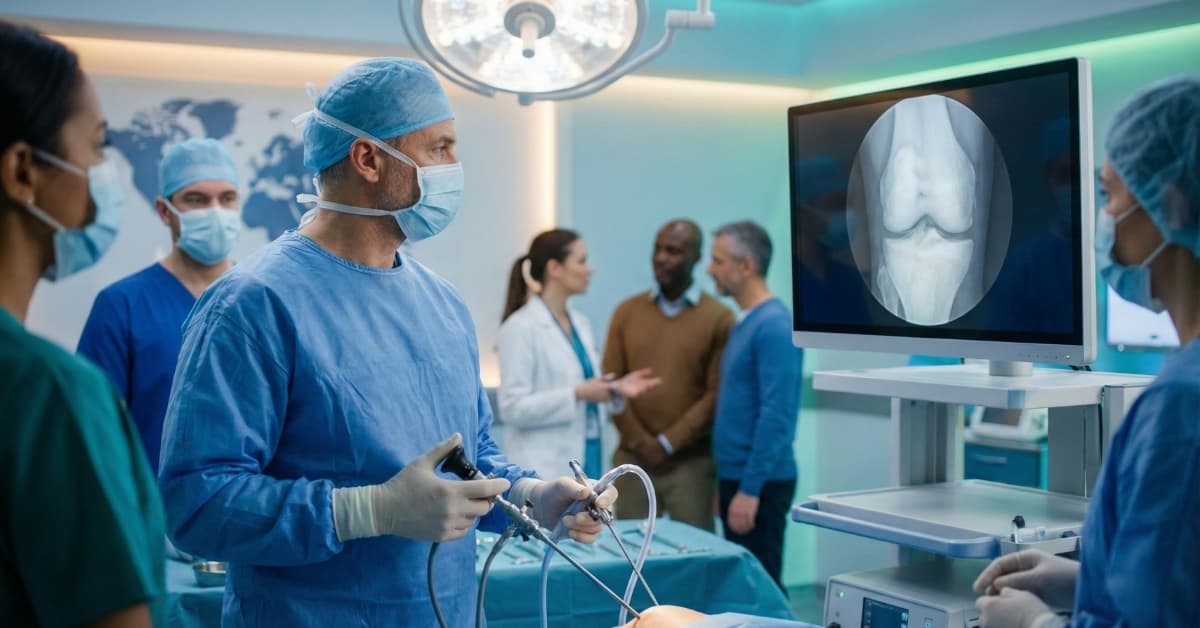
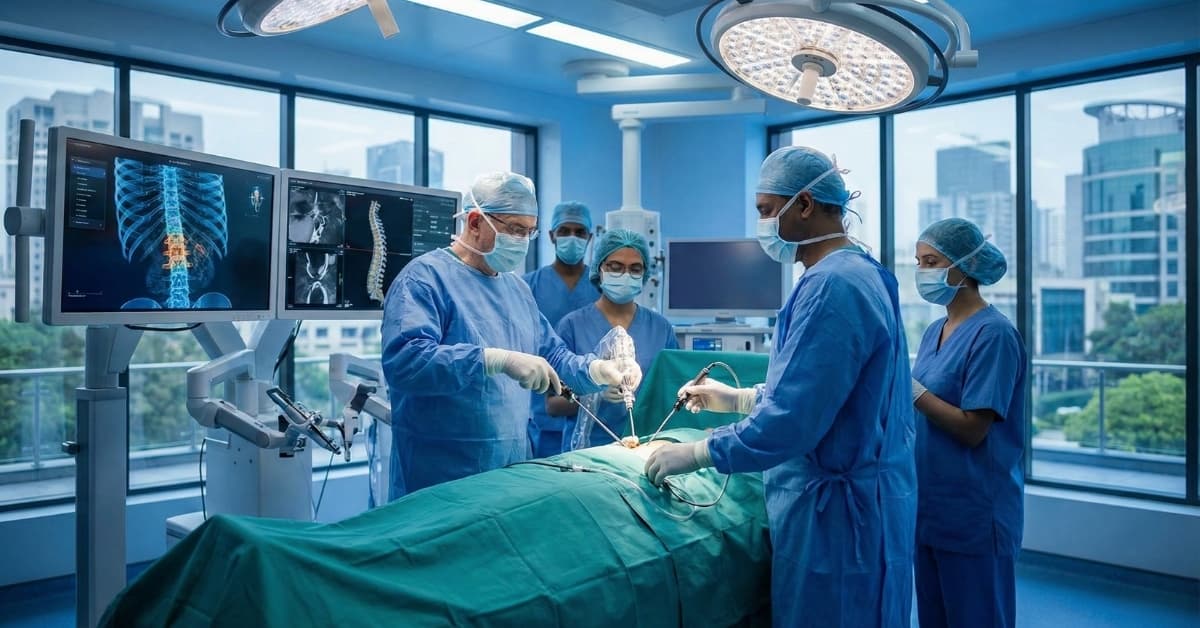
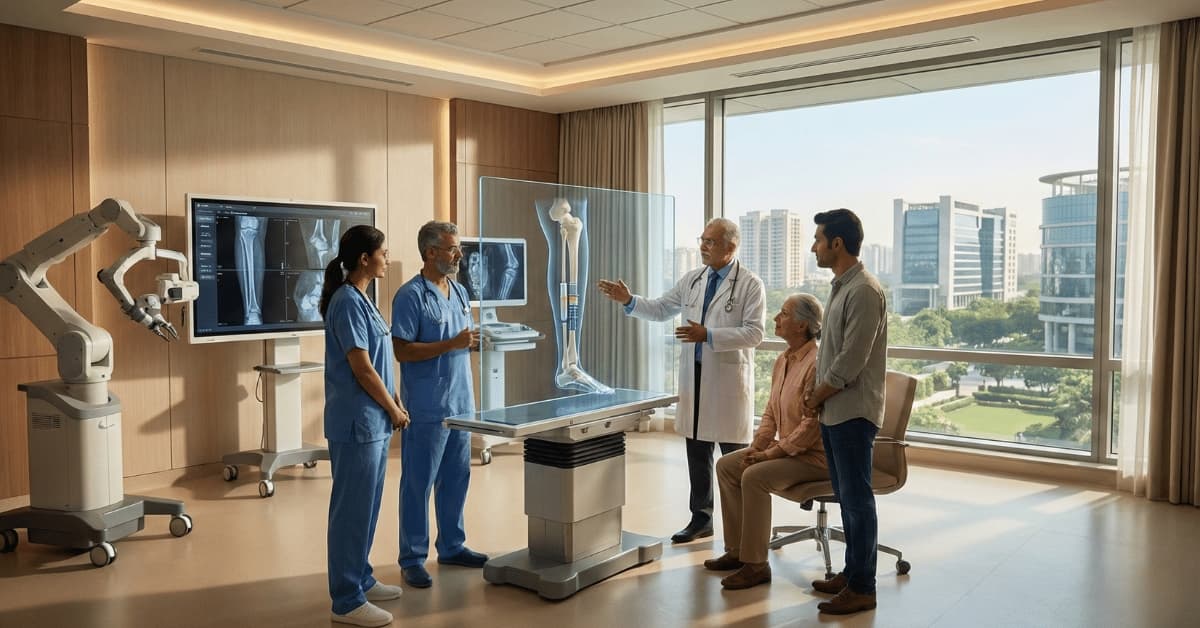
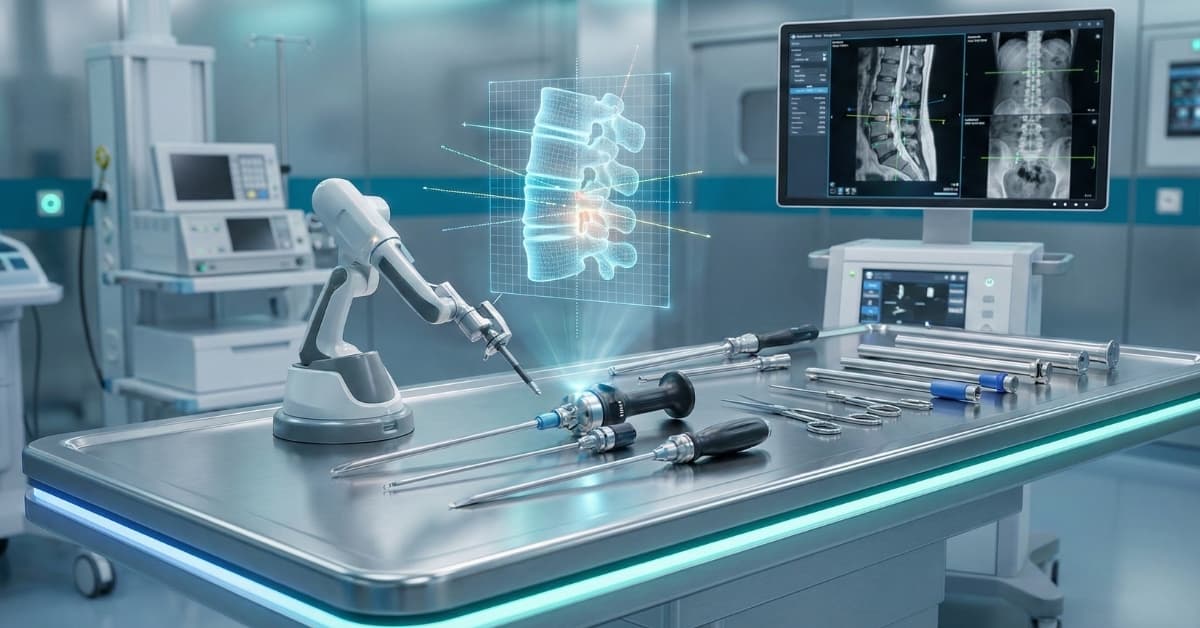
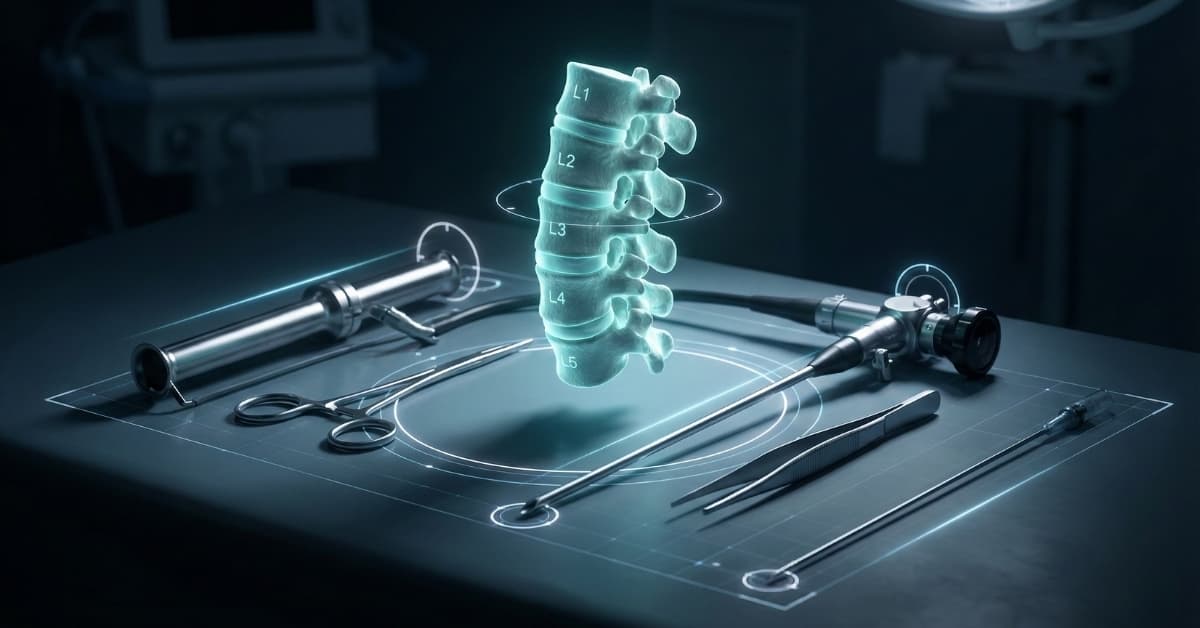
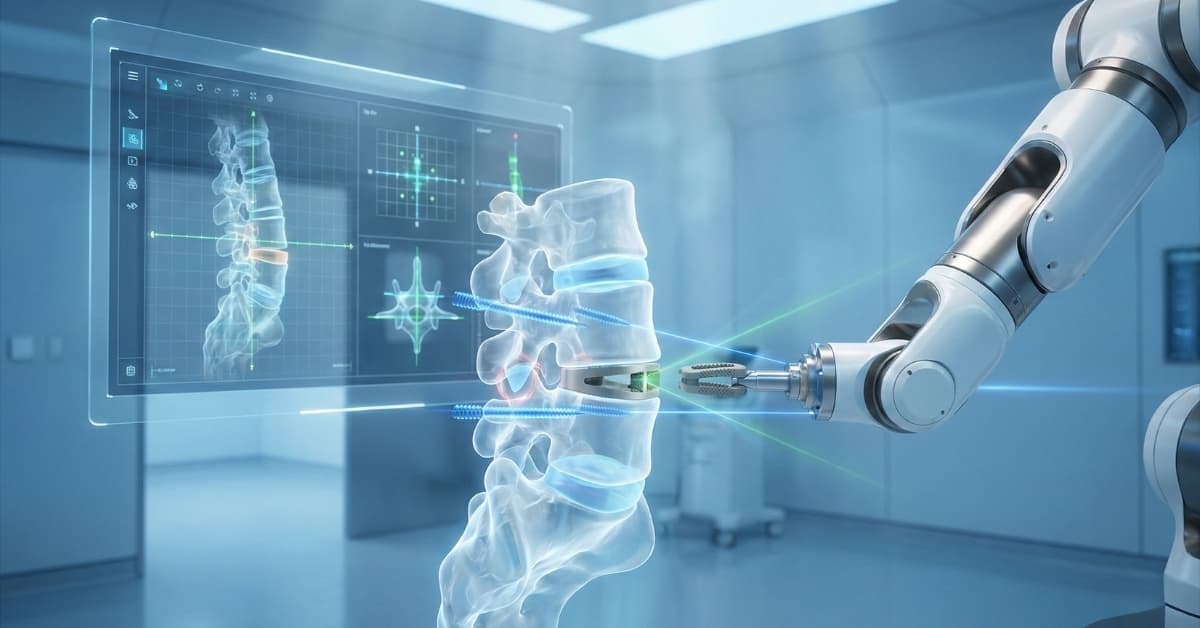
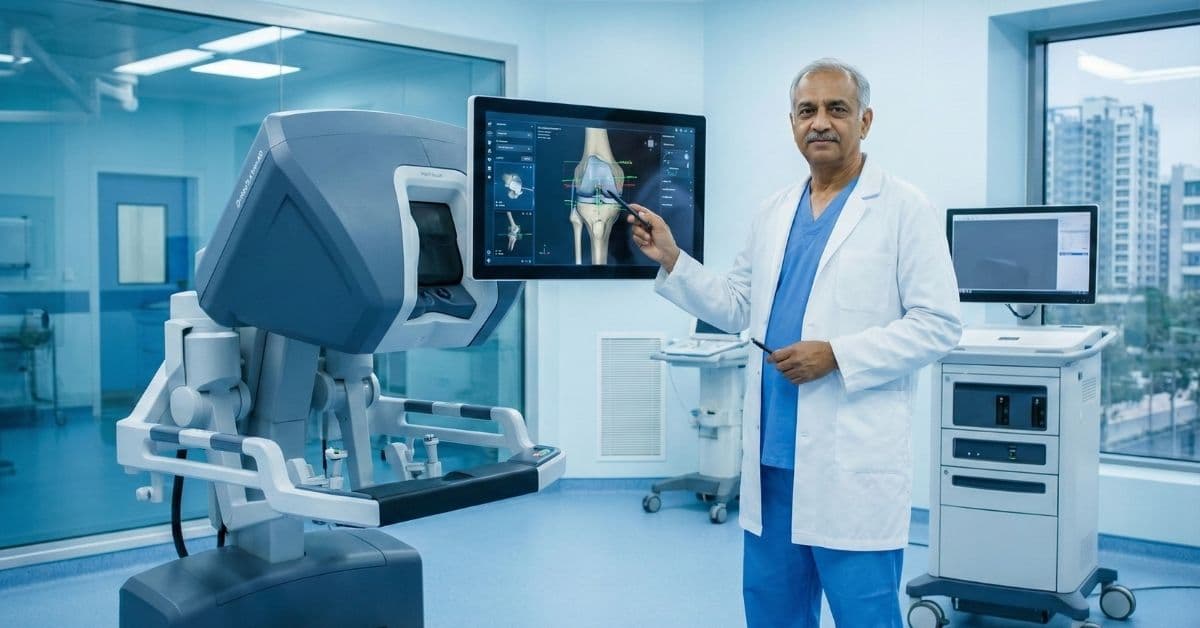
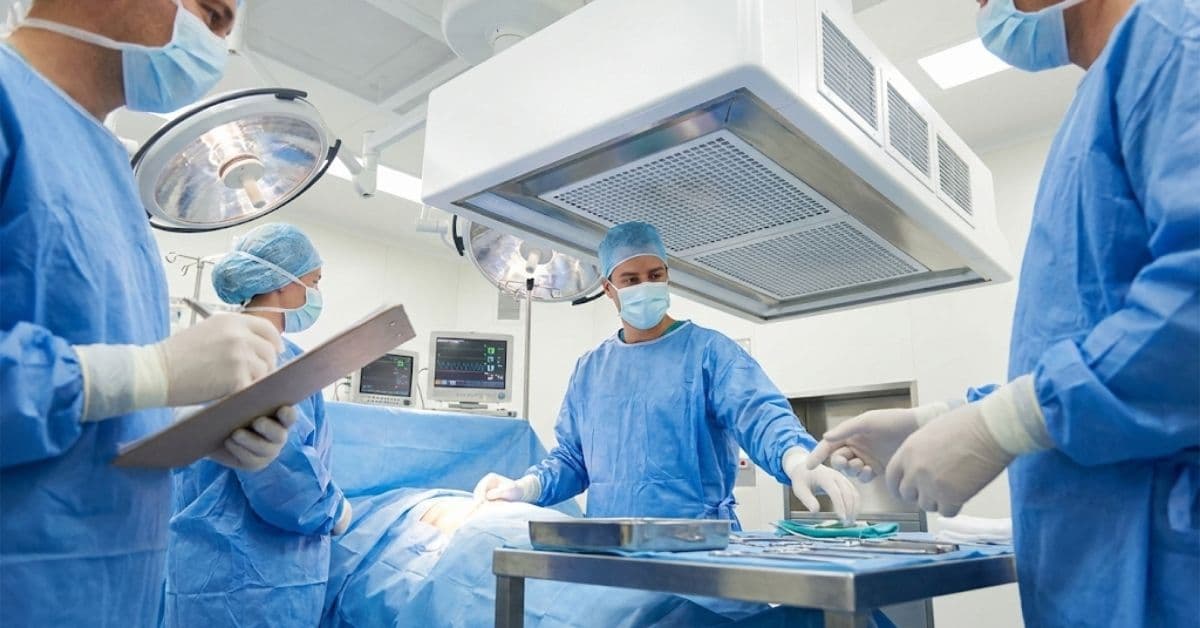
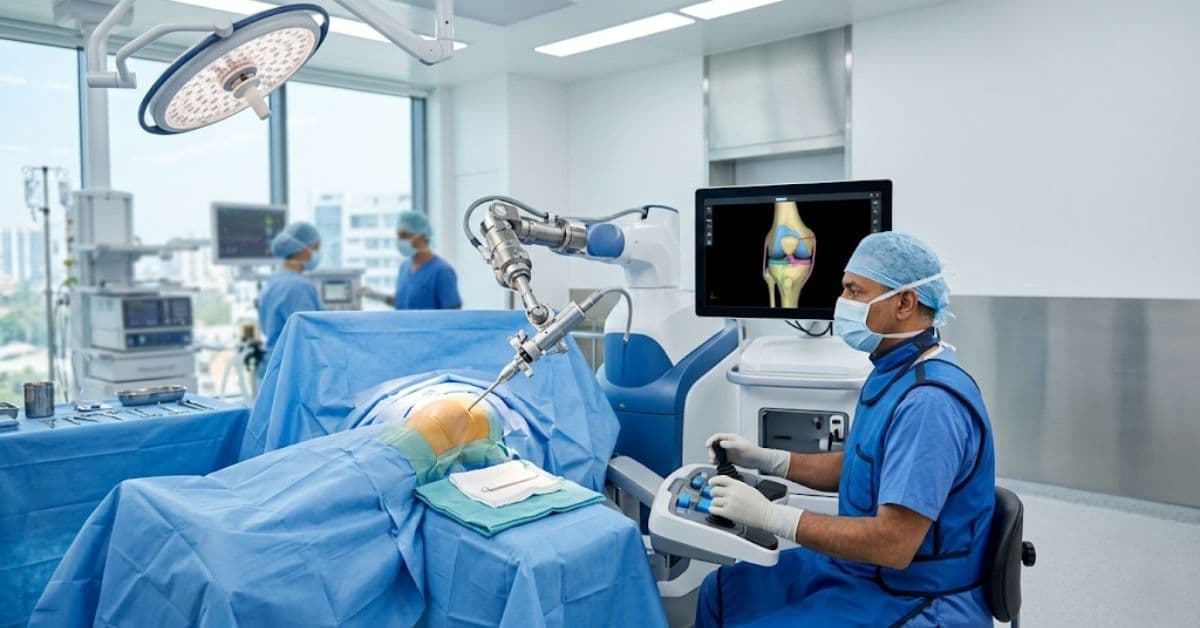
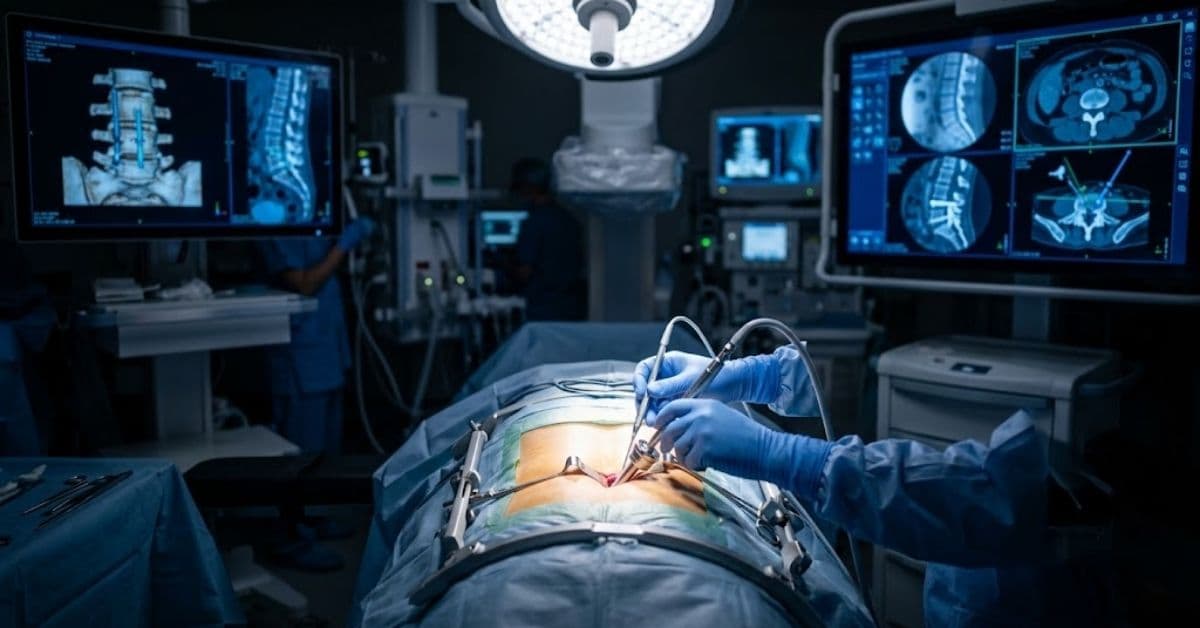
Hospitais indianos estão na vanguarda da inovação ortopédica, integrando tecnologias avançadas e abordagens centradas no paciente, especialmente para seus pacientes idosos. Este compromisso com a excelência garante procedimentos mais seguros, recuperação mais rápida e resultados superiores. Técnicas de cirurgia minimamente invasiva (MIS), por exemplo, envolvem incisões menores, levando a menos dor, redução da perda de sangue e tempos de cicatrização mais rápidos – uma vantagem significativa para adultos mais velhos. Sistemas assistidos por robótica, como os sistemas MAKOplasty ou NAVIO, oferecem precisão incomparável em cirurgias de substituição articular, permitindo que os cirurgiões planejem e executem procedimentos com extrema exatidão, personalizando a colocação do implante à anatomia única de cada paciente. Além disso, implantes específicos para o paciente, frequentemente impressos em 3D, garantem um ajuste perfeito, aumentando o conforto e a longevidade. As instalações médicas indianas também adotam protocolos de Recuperação Aprimorada Após a Cirurgia (ERAS), que são abordagens multidisciplinares e baseadas em evidências, projetadas para otimizar o cuidado do paciente antes, durante e após a cirurgia, focando na mobilização precoce, controle ideal da dor e suporte nutricional, todos cruciais para a população idosa.
Custo-Benefício da Cirurgia Ortopédica Geriátrica na Índia
Uma das razões mais convincentes para que pacientes internacionais escolham a Índia para cirurgia ortopédica é a notável relação custo-benefício sem comprometer a qualidade. As economias podem ser substanciais, tornando o atendimento de classe mundial acessível a uma população mais ampla.
| Procedimento (Estimado) | Índia (INR) | Índia (USD) | EUA (USD) | Reino Unido (GBP) |
|---|---|---|---|---|
| Substituição Total de Quadril | ₹3,50,000 - ₹6,00,000 | $4,200 - $7,200 | $30,000 - $50,000 | £10,000 - £15,000 |
| Substituição Total de Joelho | ₹3,00,000 - ₹5,50,000 | $3,600 - $6,600 | $25,000 - $45,000 | £9,000 - £14,000 |
| Reparo de Fratura (Complexo) | ₹2,00,000 - ₹4,00,000 | $2,400 - $4,800 | $15,000 - $30,000 | £6,000 - £10,000 |
Aviso Legal: Estes são custos estimados e podem variar significativamente com base no hospital, honorários do cirurgião, tipo de implante, condição específica do paciente, duração da internação hospitalar e serviços adicionais necessários. É sempre recomendado obter um orçamento personalizado.*
Índia: Um Destino Confiável para Cuidados Ortopédicos Geriátricos
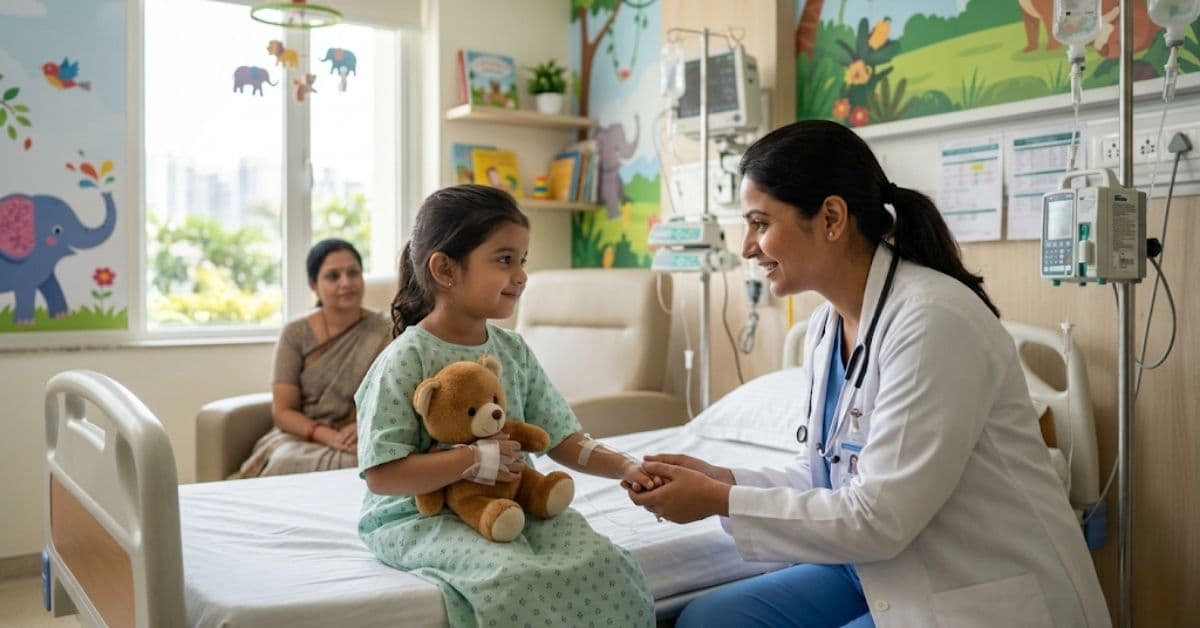
A reputação da Índia como um destino de turismo médico de primeira linha é bem merecida, atraindo centenas de milhares de pacientes anualmente de todo o mundo, incluindo o Oriente Médio, África, Sudeste Asiático e países ocidentais. Para cuidados ortopédicos geriátricos, a Índia é particularmente favorecida devido à sua combinação de cirurgiões altamente qualificados, infraestrutura de ponta e atendimento compassivo ao paciente. Além da excelência médica, a Índia oferece suporte logístico e cultural abrangente. Isso inclui assistência simplificada para visto médico, serviços de busca e entrega no aeroporto, opções de acomodação confortáveis para pacientes e suas famílias, e intérpretes dedicados para garantir uma comunicação clara. O calor cultural e a hospitalidade da Índia também contribuem para um ambiente reconfortante, o que é especialmente benéfico para pacientes idosos que podem se sentir vulneráveis longe de casa. Muitos hospitais também oferecem opções dietéticas especializadas e suporte espiritual para atender às diversas necessidades internacionais.
Taxas de Sucesso e Resultados em Pacientes Ortopédicos Idosos
As taxas de sucesso para cirurgias ortopédicas em pacientes idosos na Índia são altamente encorajadoras, frequentemente comparáveis às dos principais centros médicos ocidentais, graças a técnicas avançadas e protocolos especializados de cuidados geriátricos. Para procedimentos como substituições totais de quadril e joelho, as taxas de sucesso em termos de alívio da dor e melhora funcional geralmente variam de 90-95% ao longo de 10-15 anos. Os pacientes frequentemente relatam redução significativa da dor em semanas após a cirurgia e melhora substancial da mobilidade em 3-6 meses. Para o reparo de fraturas, especialmente fraturas de quadril, a intervenção cirúrgica oportuna e especializada na Índia leva à união bem-sucedida em mais de 90% dos casos, com um forte foco na mobilização precoce para prevenir complicações. Esses resultados são reforçados por uma abordagem de equipe multidisciplinar, incluindo geriatras, intensivistas e especialistas em reabilitação, garantindo que cada aspecto da recuperação do paciente seja meticulosamente gerenciado, levando a uma maior qualidade de vida pós-cirurgia.
Recuperação e Reabilitação Personalizadas para Idosos
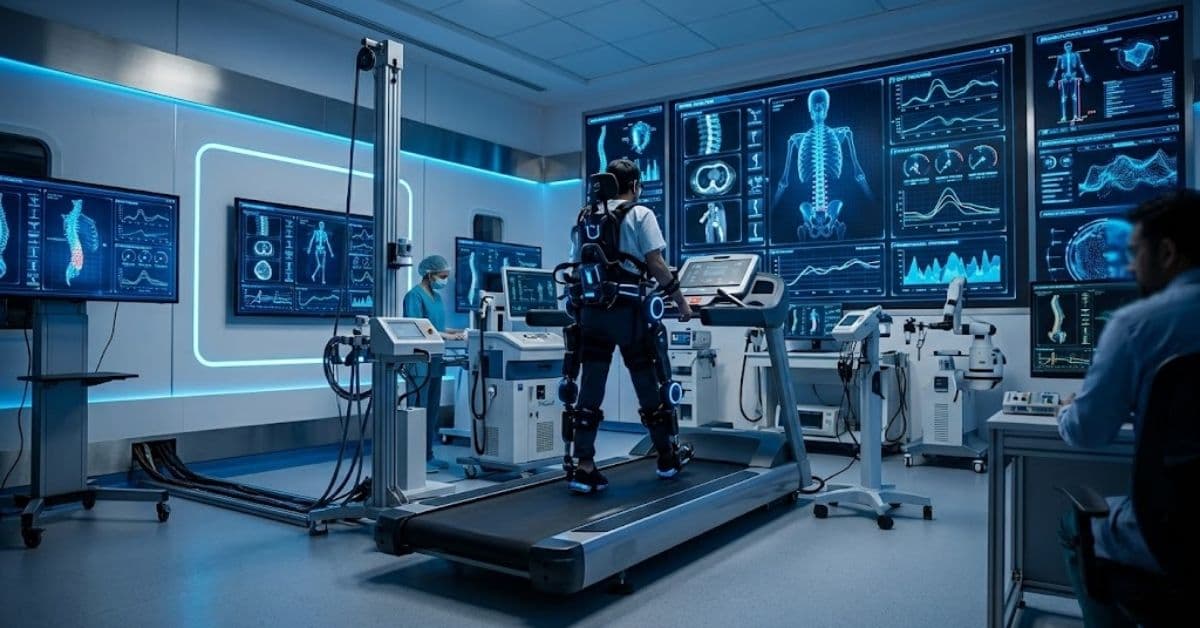
A recuperação da cirurgia ortopédica, especialmente para pacientes idosos, é uma fase crítica que exige uma abordagem estruturada e personalizada. Hospitais indianos se destacam no fornecimento de programas de reabilitação abrangentes, projetados para maximizar a recuperação funcional e garantir um retorno seguro à vida diária.
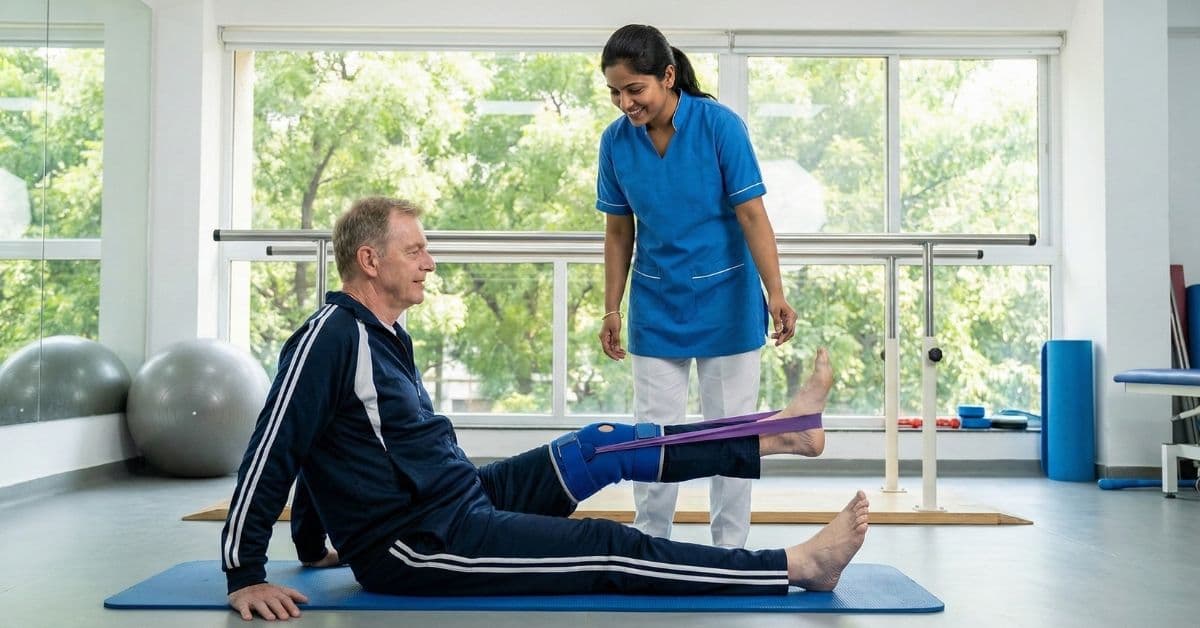
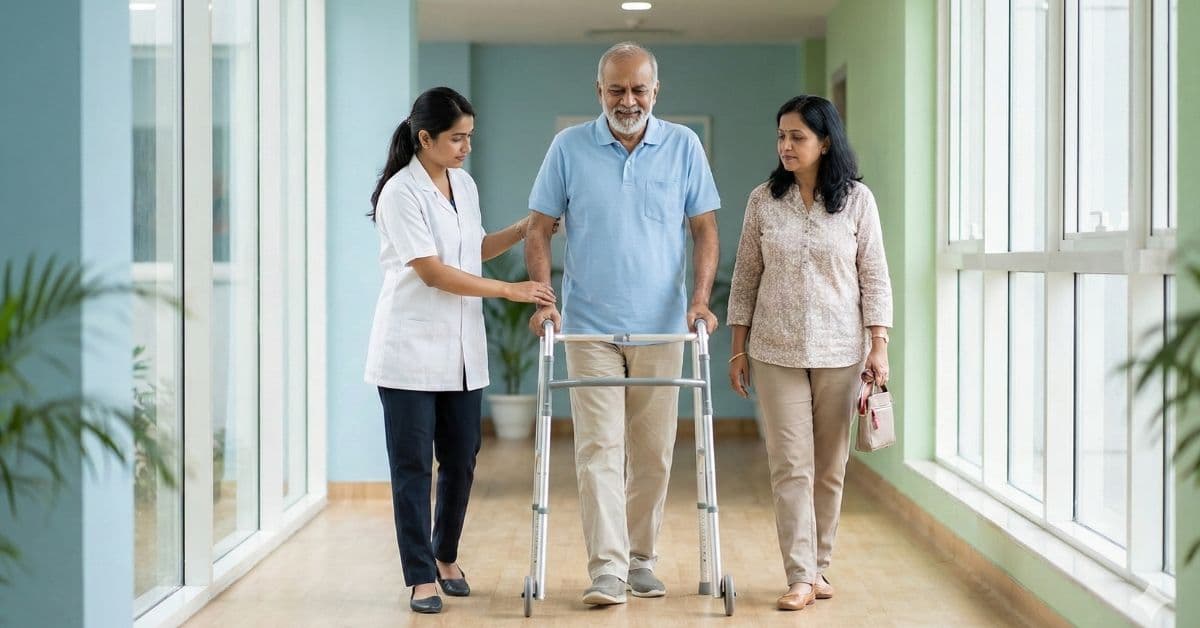
- Internação Hospitalar (3-7 dias): Imediatamente após a cirurgia, os pacientes recebem cuidados pós-operatórios intensivos, focando no manejo da dor, cuidados com a ferida e monitoramento de quaisquer complicações. A mobilização precoce, frequentemente dentro de 24-48 horas, é incentivada sob a supervisão de fisioterapeutas.
- Mobilização Precoce e Fisioterapia (Semanas 1-6): Um regime de fisioterapia dedicado começa no hospital e continua após a alta. Isso inclui exercícios suaves para restaurar a amplitude de movimento, fortalecer músculos e melhorar o equilíbrio. O foco é na recuperação da independência em atividades básicas como caminhar, vestir-se e tomar banho.
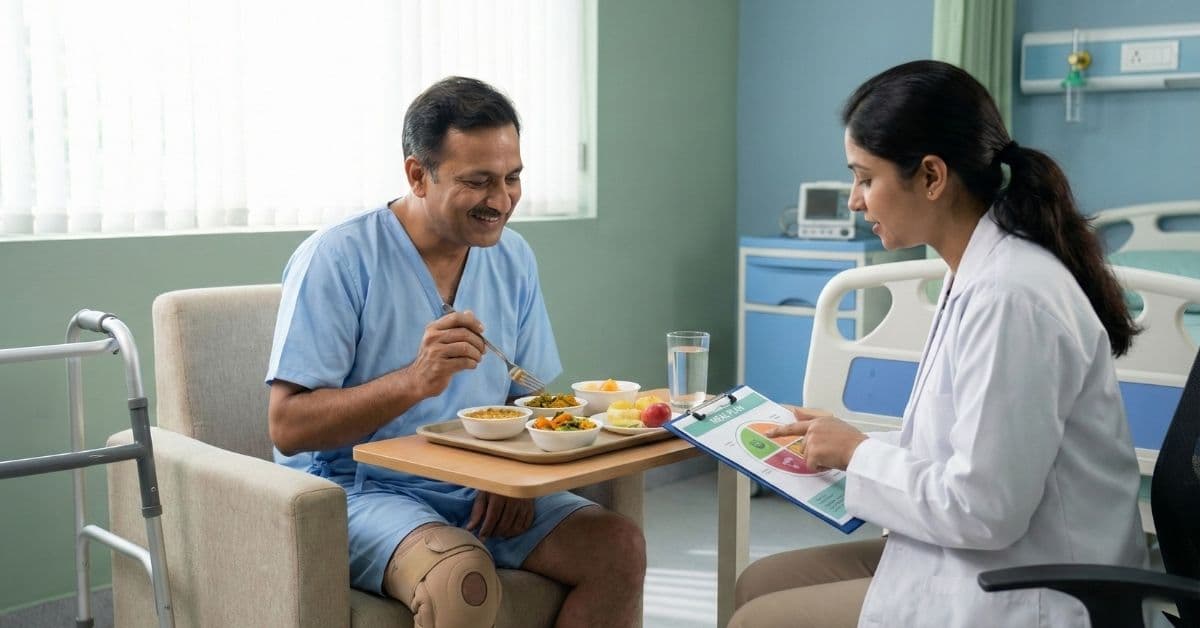
- Suporte Nutricional e Gerenciamento de Medicamentos: A orientação nutricional contínua garante a ingestão adequada para a cicatrização, e os horários dos medicamentos são cuidadosamente gerenciados, especialmente para a dor e condições crônicas existentes.
- Planejamento e Modificações para Cuidados Domiciliares: Antes da alta, as equipes auxiliam as famílias no planejamento dos cuidados domiciliares, incluindo recomendações para dispositivos de assistência (andadores, barras de apoio) e pequenas modificações domésticas para garantir um ambiente seguro e prevenir quedas.
- Reabilitação de Longo Prazo (Meses 3-6+): Dependendo do procedimento e do progresso individual, os pacientes podem continuar com fisioterapia ambulatorial ou exercícios em casa. O objetivo é aumentar progressivamente a força, a resistência e a capacidade funcional geral, permitindo um retorno a hobbies e atividades sociais.
Suporte Abrangente para Pacientes e Famílias Internacionais
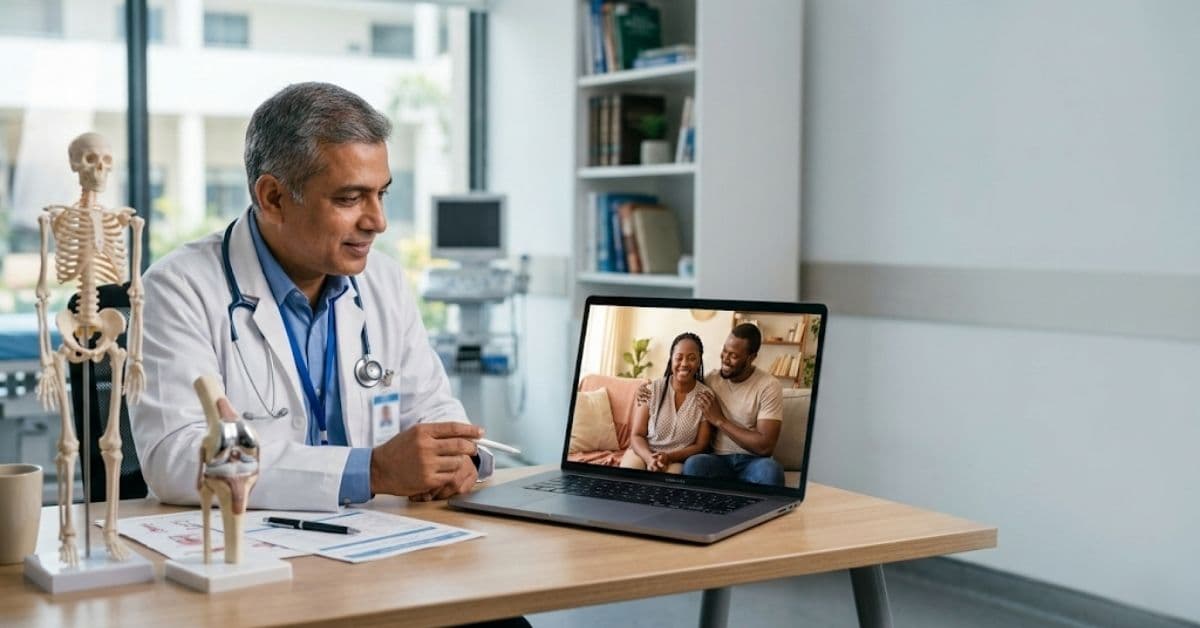
Navegar por um tratamento médico em um país estrangeiro pode ser desafiador, mas os provedores de saúde indianos oferecem extensos serviços de suporte para garantir uma experiência tranquila e sem estresse para pacientes internacionais e suas famílias. Esses serviços geralmente incluem assistência na obtenção de vistos médicos, organização de traslados para o aeroporto e coordenação de opções de acomodação confortáveis perto do hospital. Balcões dedicados a pacientes internacionais fornecem um único ponto de contato para todas as dúvidas e necessidades. Intérpretes profissionais estão prontamente disponíveis para superar quaisquer barreiras linguísticas, garantindo uma comunicação clara entre pacientes, famílias e equipe médica. Após o tratamento, muitos hospitais oferecem consultas de telemedicina para acompanhamento, permitindo que os pacientes recebam aconselhamento especializado de seu país de origem. Este sistema de suporte holístico garante que os pacientes possam se concentrar inteiramente em sua recuperação, sabendo que todas as necessidades logísticas e pessoais estão sendo gerenciadas por especialistas.
Garantindo Segurança e Qualidade em Hospitais Indianos
O compromisso com a segurança do paciente e a qualidade do atendimento nos principais hospitais da Índia é inabalável. Muitas instituições possuem prestigiosas acreditações internacionais, como a Joint Commission International (JCI) e o National Accreditation Board for Hospitals & Healthcare Providers (NABH), que significam adesão aos mais altos padrões globais em atendimento ao paciente, segurança e gestão de instalações. Essas acreditações garantem protocolos rigorosos para controle de infecção, listas de verificação de segurança cirúrgica e melhoria contínua da qualidade. Os hospitais indianos ostentam infraestrutura de ponta, incluindo salas de cirurgia avançadas, unidades de terapia intensiva e instalações de diagnóstico. Além disso, as equipes médicas são compostas por cirurgiões ortopédicos, geriatras, anestesiologistas e especialistas em reabilitação altamente qualificados e experientes, muitos dos quais receberam treinamento e bolsas de estudo de renomadas instituições internacionais. Uma abordagem multidisciplinar garante que o caso de cada paciente seja revisado por uma equipe de especialistas, levando a planos de tratamento personalizados e ótimos.
Conclusion
Escolher a cirurgia ortopédica para um ente querido idoso é uma decisão significativa, frequentemente repleta de ansiedades sobre riscos, recuperação e a jornada geral. A Índia se destaca como um farol de esperança, oferecendo não apenas tratamentos médicos avançados, mas também um ambiente profundamente empático e de apoio, adaptado para pacientes geriátricos. Com seus cirurgiões de classe mundial, tecnologia de ponta, serviços de suporte abrangentes e notável relação custo-benefício, a Índia oferece uma opção atraente para pacientes internacionais que buscam restaurar a mobilidade, aliviar a dor e melhorar a qualidade de vida de seus familiares idosos. A jornada para a saúde e independência renovadas está ao alcance.
Capacite seus entes queridos com mobilidade renovada. Entre em contato conosco hoje para explorar as opções de cuidados ortopédicos geriátricos na Índia e receber uma consulta personalizada.