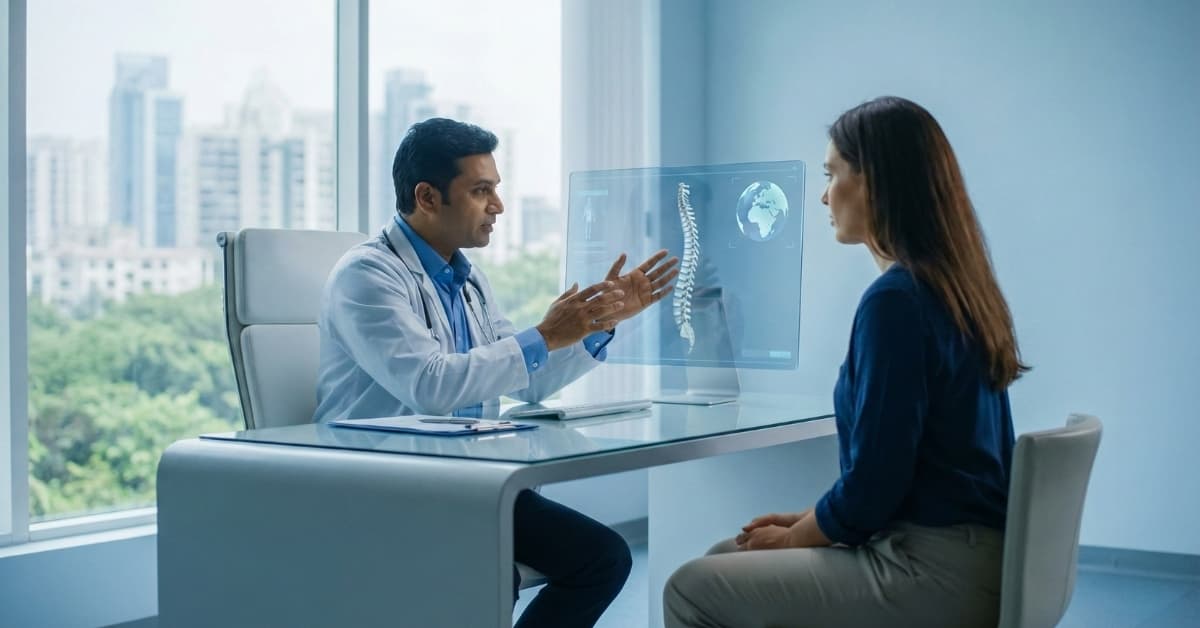
Ламинэктомия и операция по декомпрессии позвоночника в Индии: Подробное руководство для иностранных пациентов – 2026
Постоянные боли в спине или сдавление нервов могут значительно ухудшить качество жизни, делая повседневные дела сложными. Для многих иностранных пациентов, ищущих облегчения, ламинэктомия и операция по декомпрессии позвоночника предлагают путь к выздоровлению и восстановлению подвижности. Индия стала мировым лидером в области передовой спинальной хирургии, сочетая медицинский опыт мирового класса с современными технологиями. Пациенты со всего мира все чаще выбирают Индию для этих жизненно важных процедур, привлеченные обещанием исключительных результатов, значительно более низкими затратами и комплексным подходом к благополучию пациента.
Что такое ламинэктомия и декомпрессия позвоночника?
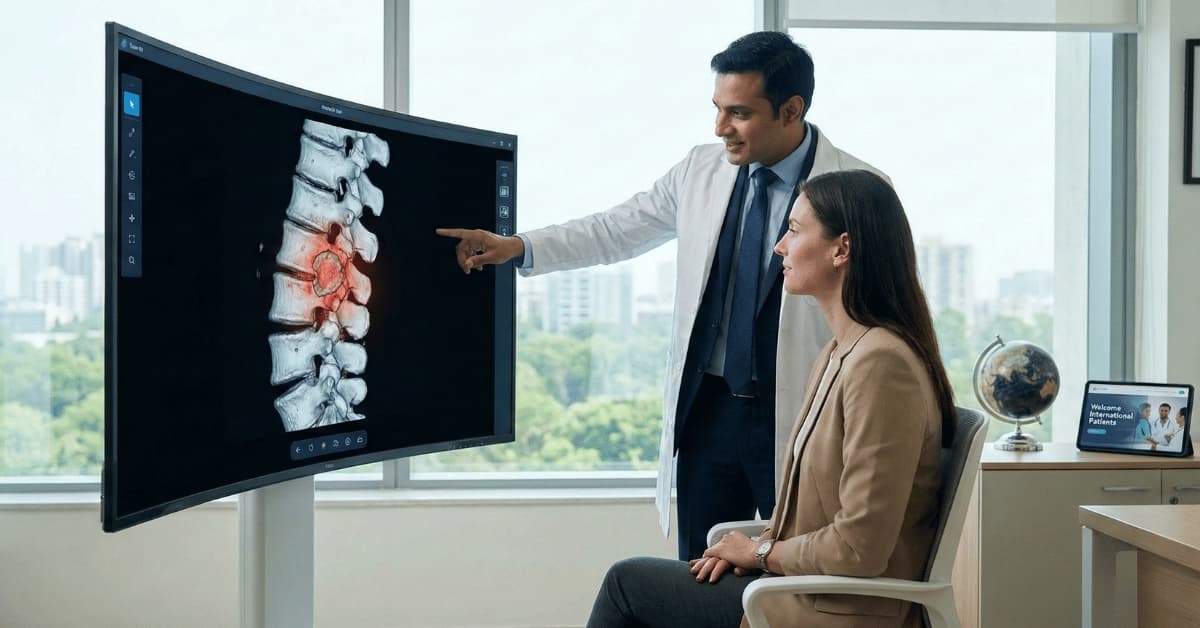
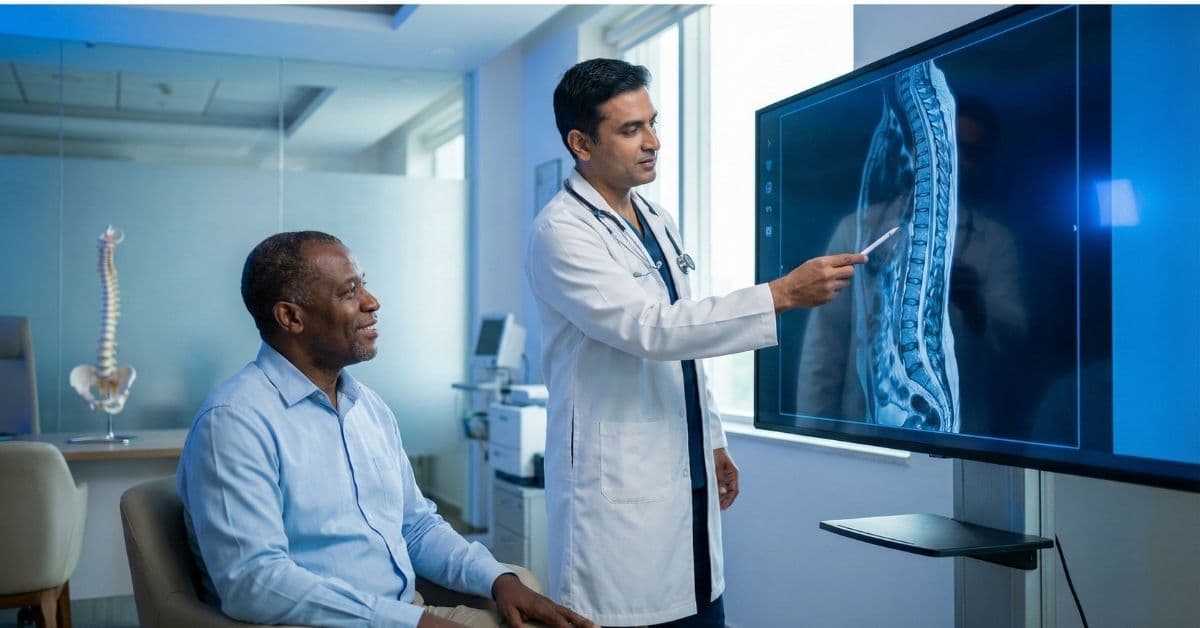
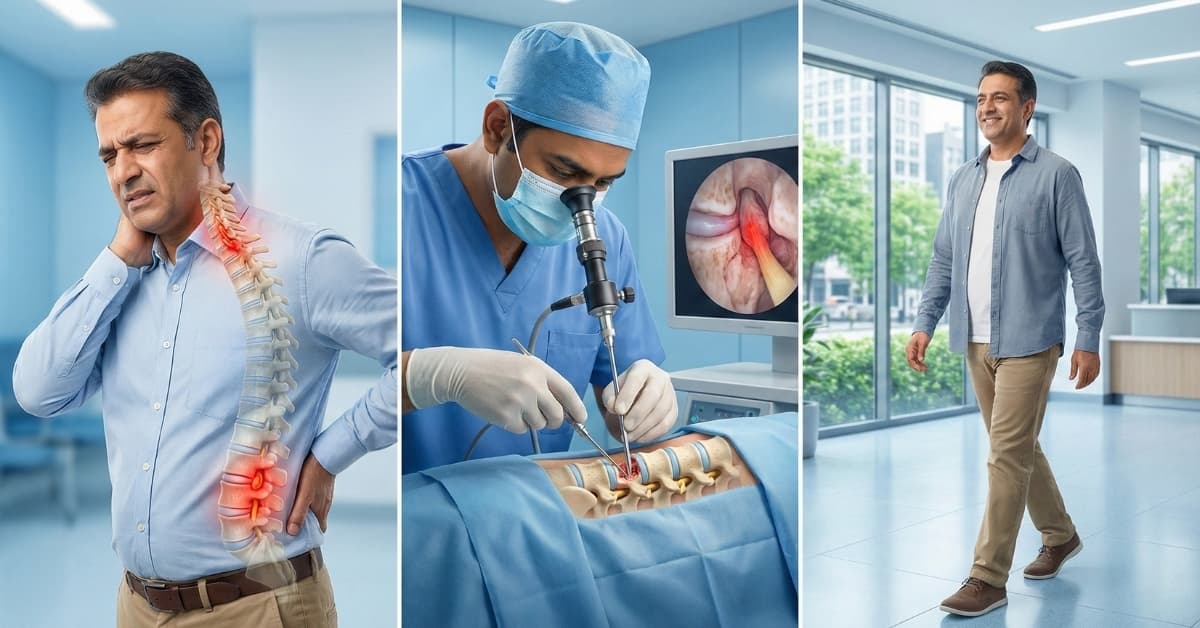
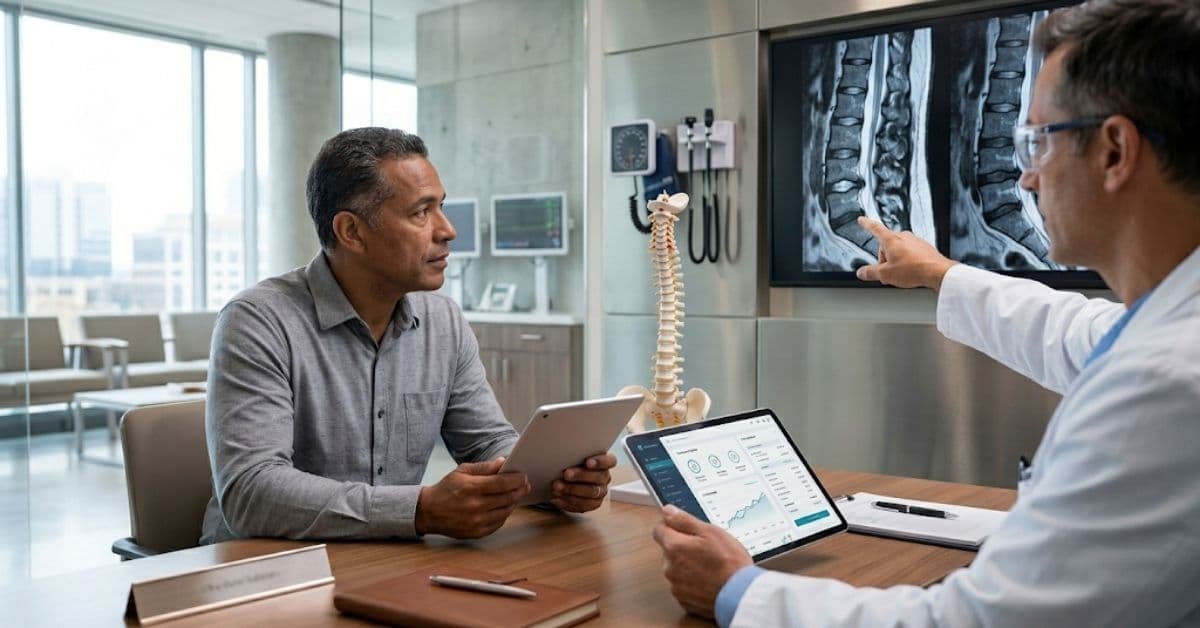
Представьте свой позвоночник как защитный туннель для вашего нежного спинного мозга и нервов. Иногда этот туннель может сужаться, оказывая давление на эти жизненно важные структуры – состояние, известное как стеноз позвоночного канала. Это сдавление может привести к изнуряющей боли, онемению, покалыванию и слабости в спине, ногах или руках, что серьезно влияет на вашу повседневную жизнь. Декомпрессия позвоночника – это общий термин для хирургических процедур, предназначенных для снятия этого давления. Одним из наиболее распространенных видов декомпрессии позвоночника является ламинэктомия. Во время ламинэктомии хирург осторожно удаляет часть позвоночной кости, называемую дужкой позвонка. Это удаление создает больше пространства в позвоночном канале, снимая давление на сдавленные нервы и спинной мозг. Цель состоит в уменьшении боли, восстановлении нервной функции и улучшении общей подвижности и качества жизни.
Виды процедур декомпрессии позвоночника
Декомпрессия позвоночника не является универсальным решением; применяются различные методы в зависимости от конкретной причины и места сдавления нерва. Каждая из них направлена на достижение одной и той же цели: снятие давления и восстановление комфорта.
Ламинэктомия
Эта процедура включает удаление всей дужки позвонка (задней части позвонка) для создания достаточного пространства для спинного мозга и нервов. Она часто выполняется при тяжелом стенозе позвоночного канала, затрагивающем несколько уровней.
- Обеспечивает значительную декомпрессию при распространенном стенозе.
- Подходит для пациентов с сильным сдавлением нервов.
- Часто сочетается со спондилодезом в случаях нестабильности.
Ламинотомия
В отличие от полной ламинэктомии, ламинотомия включает удаление лишь небольшой части дужки позвонка, часто ровно столько, сколько необходимо для доступа и снятия давления на конкретный нервный корешок. Это менее инвазивный подход.
- Малоинвазивная, сохраняющая больше структур позвоночника.
- Идеально подходит для локализованного сдавления нервов.
- Потенциально более быстрое восстановление по сравнению с полной ламинэктомией.
Дискэктомия / Микродискэктомия
Когда грыжа (выпадение) диска давит на нерв, выполняется дискэктомия для удаления поврежденной части диска. Микродискэктомия использует микроскопические инструменты через небольшой разрез, что делает ее малоинвазивным вариантом.
- Высокоэффективна при ишиасе, вызванном грыжей диска.
- Микродискэктомия обеспечивает минимальное повреждение тканей и более быстрое возвращение к активности.
- Высокие показатели успеха в облегчении боли в ноге.
Фораминотомия
Эта процедура включает расширение отверстия (форамена), через которое нервный корешок выходит из позвоночного канала. Она обычно выполняется, когда костные шпоры или материал диска сдавливают нерв в этой конкретной точке выхода.
- Направлена на сдавление нерва в месте выхода нервного корешка.
- Может быть выполнена малоинвазивно.
- Облегчает радикулярную боль (боль, иррадиирующую по ходу нерва).
Почему стоит выбрать Индию для ламинэктомии и операции по декомпрессии позвоночника?
Индия стала маяком надежды для иностранных пациентов, ищущих высококачественную и доступную помощь при заболеваниях позвоночника. Медицинский ландшафт страны может похвастаться уникальным сочетанием факторов, которые делают ее привлекательным местом для сложных процедур, таких как ламинэктомия и декомпрессия позвоночника.
Состояния, лечимые декомпрессией позвоночника
Операции по декомпрессии позвоночника в основном выполняются для облегчения симптомов, вызванных состояниями, которые сужают позвоночный канал или отверстия нервных корешков, что приводит к сдавлению нервов. Эти состояния часто приводят к хронической боли и неврологическим нарушениям.
Передовые технологии и методики в индийской хирургии позвоночника
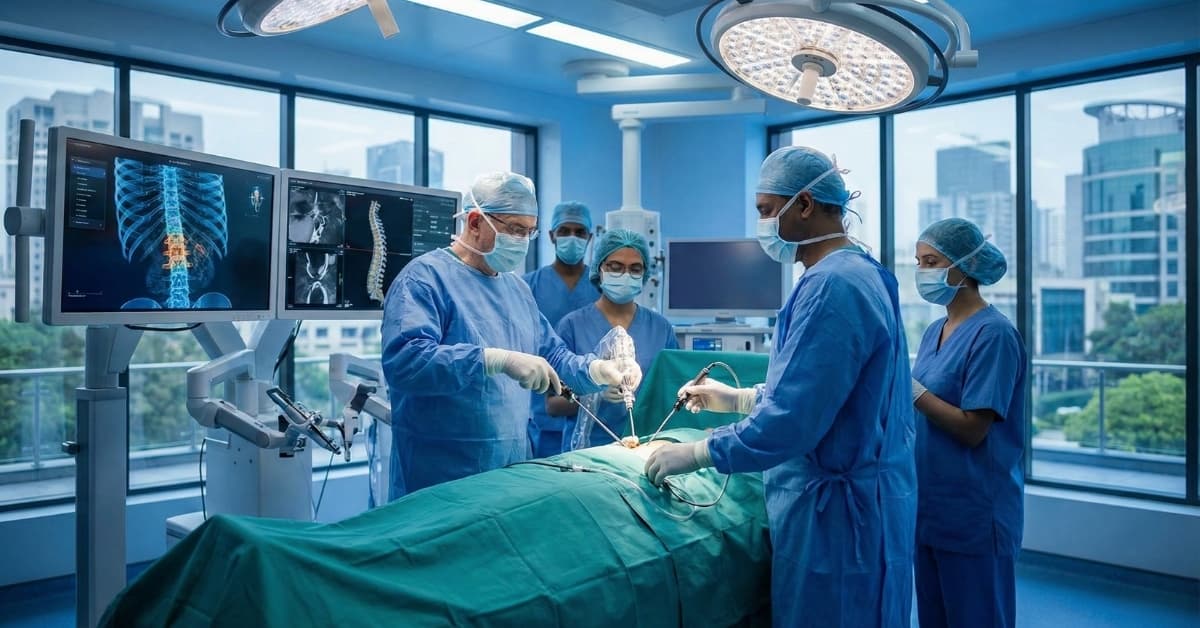
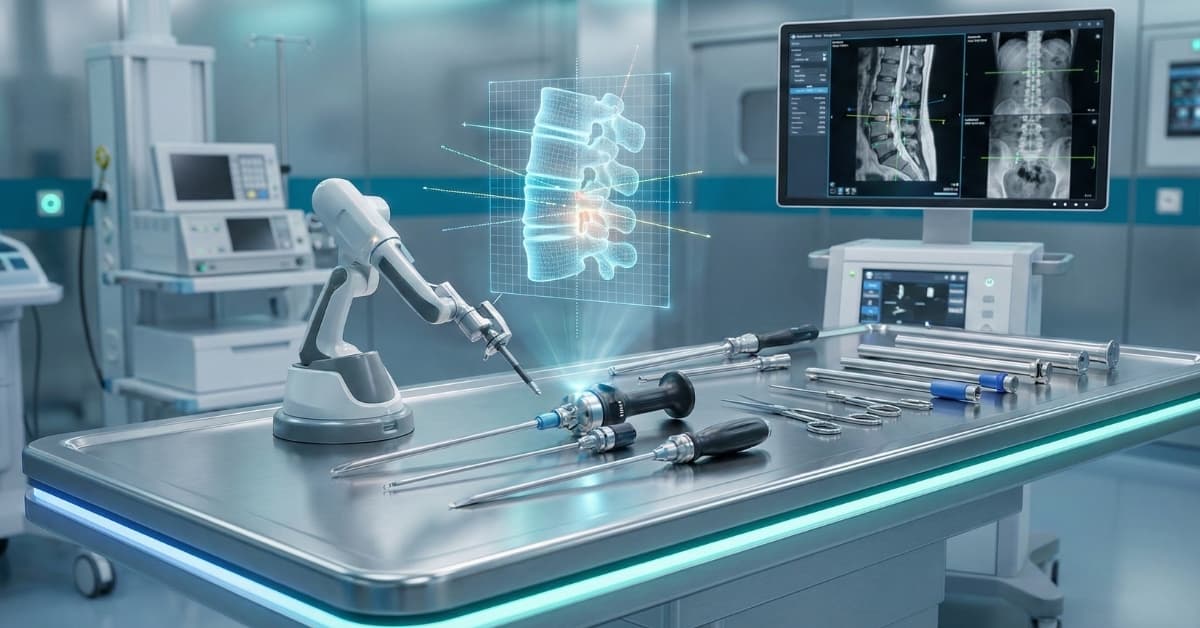
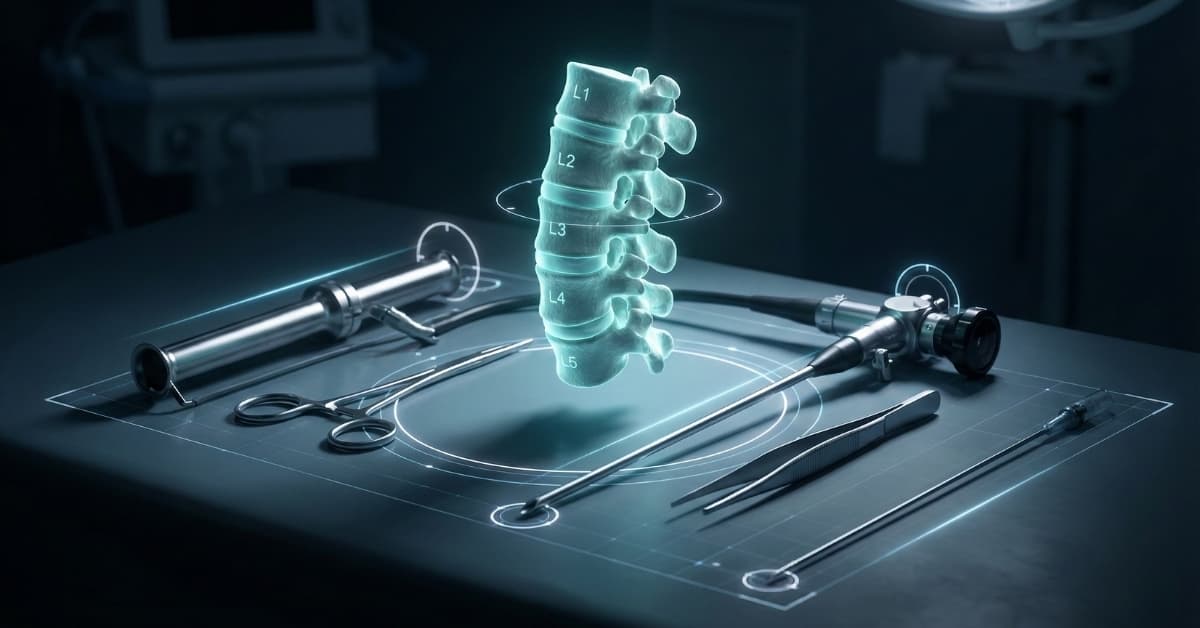
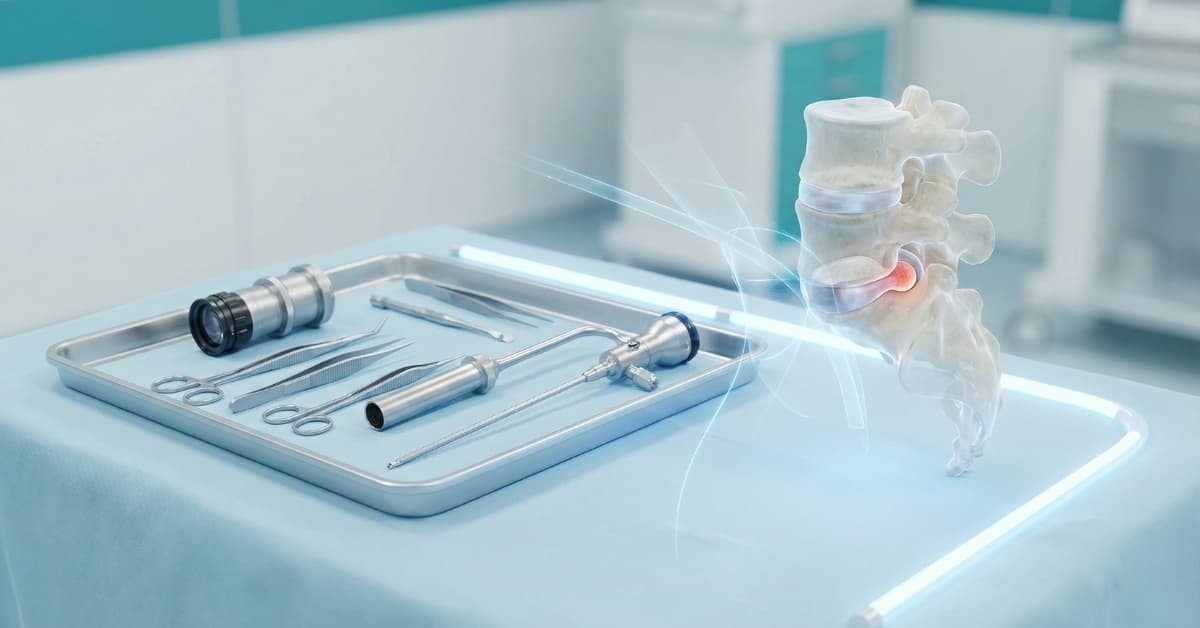
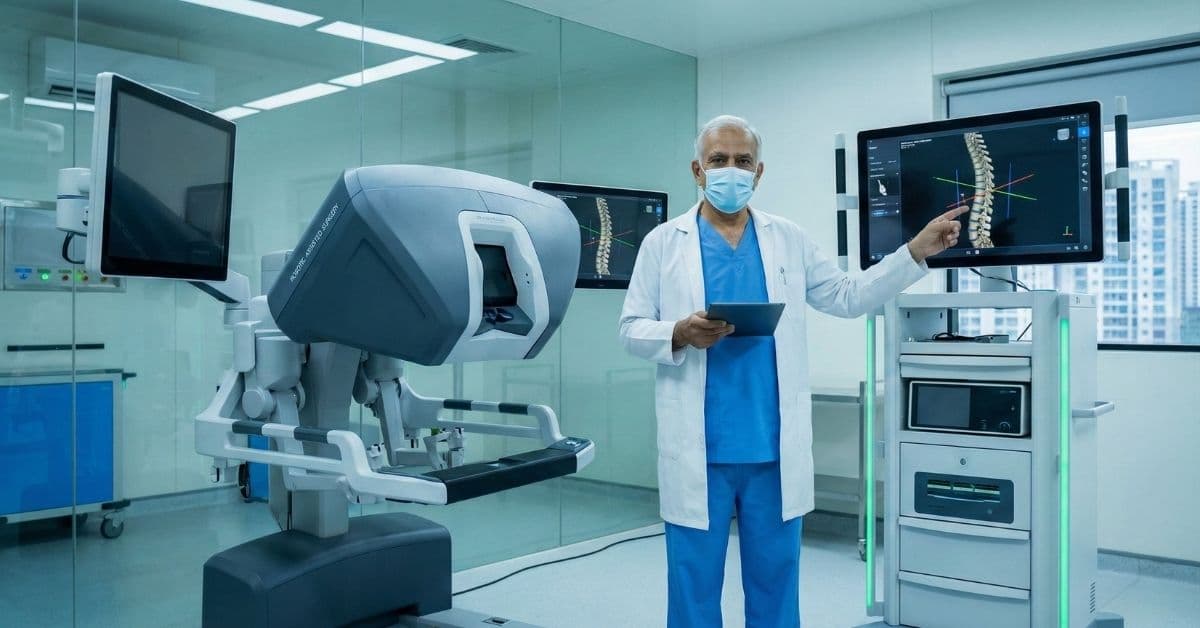
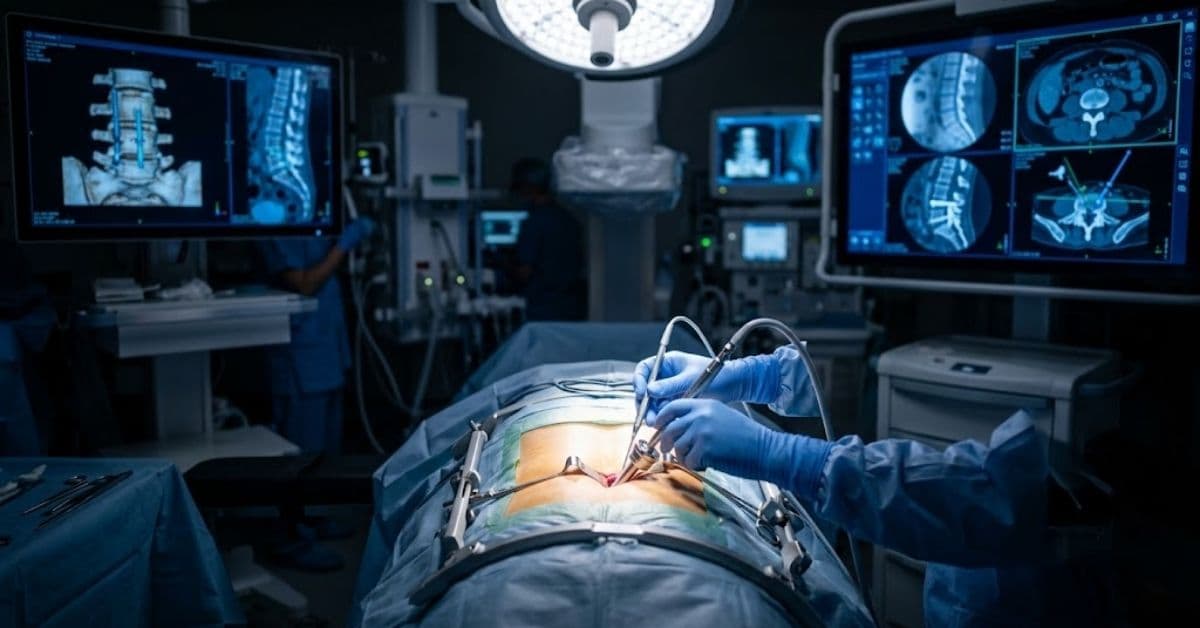
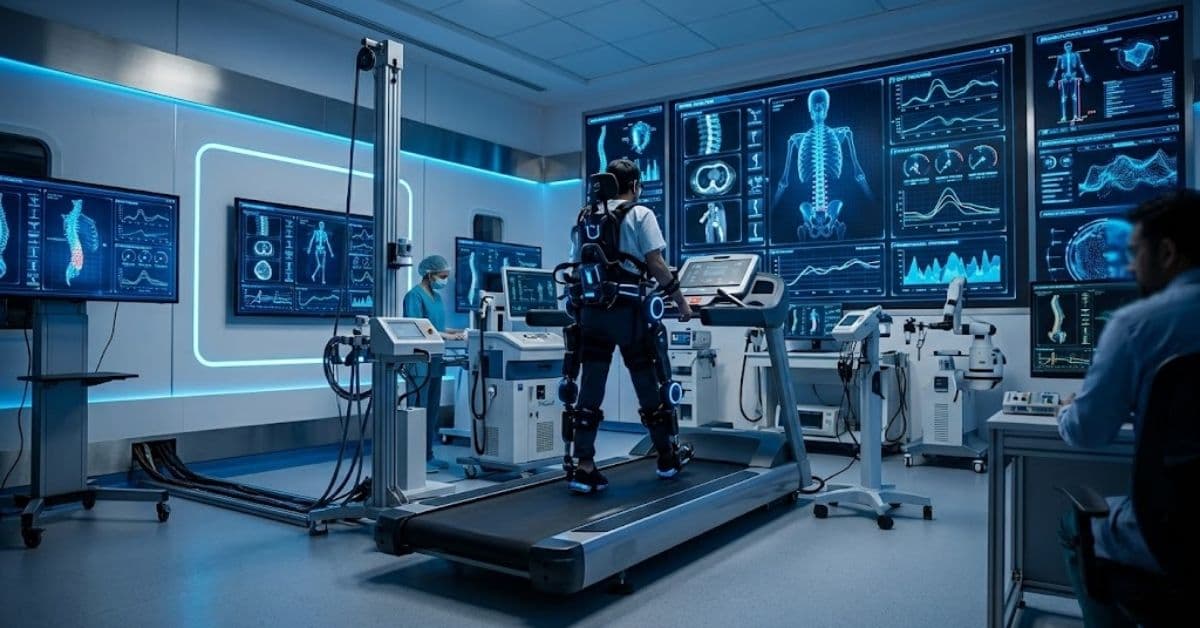
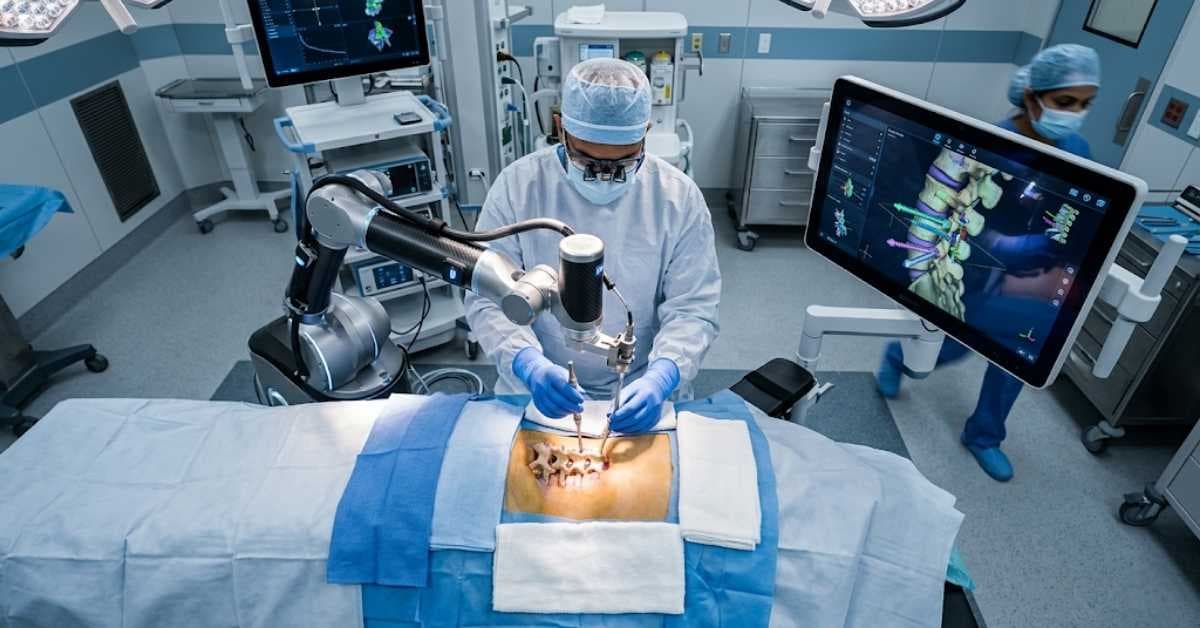
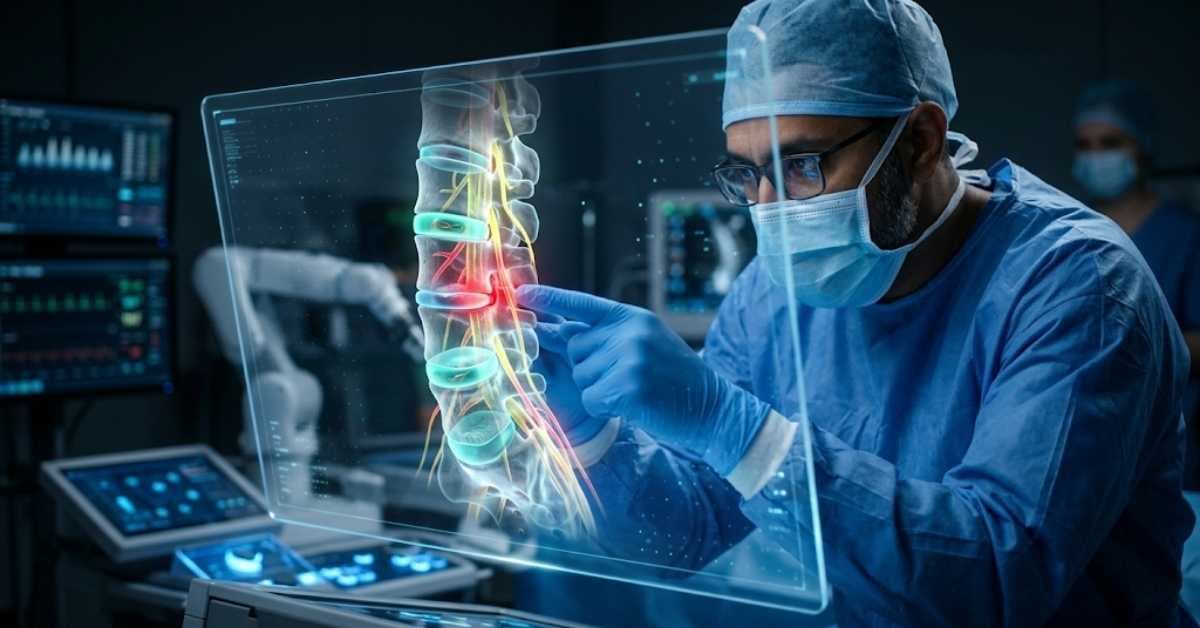
Индийские больницы находятся на переднем крае внедрения передовых технологий и хирургических методов для повышения точности, безопасности и улучшения результатов лечения пациентов в хирургии позвоночника. Эти инновации имеют решающее значение для сложных процедур, таких как ламинэктомия и декомпрессия позвоночника, гарантируя, что иностранные пациенты получают наилучший возможный уход. Малоинвазивная хирургия позвоночника (MISS) является краеугольным камнем современной спинальной помощи в Индии. В отличие от традиционной открытой операции, MISS использует меньшие разрезы, специализированные инструменты и передовую визуализацию для выполнения процедур с меньшим повреждением мышц, уменьшенной кровопотерей и более быстрым восстановлением. Хирурги часто используют эндоскопы или микроскопы высокой четкости для получения увеличенного, четкого обзора операционного поля. Кроме того, интраоперационный нейромониторинг рутинно применяется для непрерывного контроля нервной функции во время операции, значительно повышая безопасность пациента и минимизируя риск повреждения нервов. Некоторые ведущие центры также интегрируют роботизированные системы и компьютерную навигацию, которые обеспечивают беспрецедентную точность при установке имплантатов и навигации по сложной анатомии позвоночника.
Стоимость ламинэктомии/декомпрессии позвоночника в Индии
Одной из наиболее убедительных причин для иностранных пациентов выбрать Индию для операции по декомпрессии позвоночника является значительная экономия средств, часто без ущерба для качества лечения. Стоимость может варьироваться в зависимости от конкретной процедуры, выбора больницы, гонораров хирурга, продолжительности пребывания в больнице и любых дополнительных необходимых услуг. Ниже приведено ориентировочное сравнение:
| Тип процедуры | Ориентировочная стоимость в Индии (USD) | Ориентировочная стоимость в Индии (INR) | Ориентировочная стоимость в США (USD) | Ориентировочная стоимость в Великобритании (GBP) |
|---|---|---|---|---|
| Ламинэктомия (один уровень) | $4,000 - $8,000 | ₹3,30,000 - ₹6,60,000 | $25,000 - $50,000 | £15,000 - £30,000 |
| Микродискэктомия | $3,500 - $7,000 | ₹2,90,000 - ₹5,80,000 | $20,000 - $40,000 | £12,000 - £25,000 |
| Многоуровневая декомпрессия | $7,000 - $12,000+ | ₹5,80,000 - ₹10,00,000+ | $40,000 - $80,000+ | £25,000 - £50,000+ |
Отказ от ответственности:** Это приблизительные расходы, которые могут значительно варьироваться. Они обычно включают гонорары хирурга, анестезию, пребывание в больнице и базовый послеоперационный уход. Дополнительные расходы могут включать предоперационные анализы, продленное пребывание в больнице, специализированные имплантаты и интенсивную реабилитацию. Всегда рекомендуется получить индивидуальное предложение от выбранной вами больницы.
Глобальное доверие и медицинский туризм в Индии
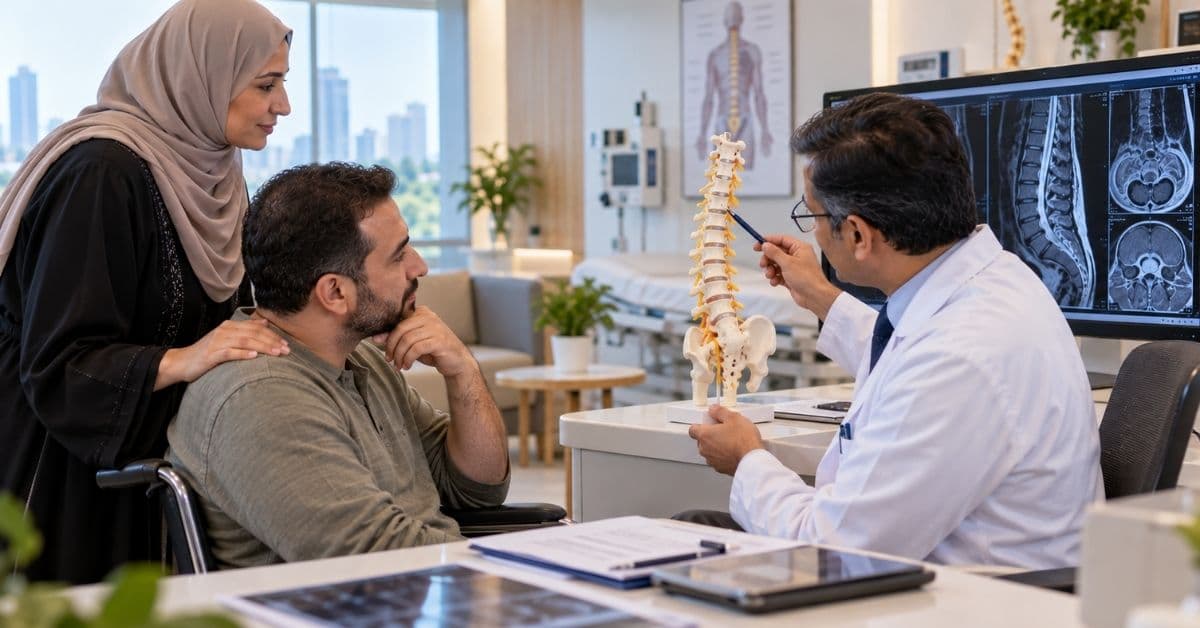
Репутация Индии как мирового центра медицинского туризма неуклонно растет, ежегодно сотни тысяч иностранных пациентов обращаются за лечением. Пациенты из Ближнего Востока, Африки, Юго-Восточной Азии и даже западных стран все чаще выбирают Индию для сложных операций, таких как ламинэктомия и декомпрессия позвоночника. Это доверие основано на клиническом превосходстве, передовых технологиях и сострадательном уходе. Помимо медицинского опыта, Индия предлагает комплексную систему поддержки для иностранных пациентов. Она включает упрощенную визовую помощь, услуги встречи и проводов в аэропорту, комфортабельные варианты размещения для пациентов и их семей, а также выделенных координаторов пациентов, которые помогают с записью на прием, больничной логистикой и даже местной культурной ориентацией. Многие больницы предоставляют профессиональных переводчиков для преодоления языковых барьеров, обеспечивая четкое общение между пациентами и их медицинскими командами. Этот комплексный подход гарантирует, что пациенты чувствуют себя поддержанными и комфортно на протяжении всего своего медицинского путешествия, позволяя им сосредоточиться исключительно на своем выздоровлении.
Показатели успеха и клинические результаты декомпрессии позвоночника в Индии
Показатели успеха операций по ламинэктомии и декомпрессии позвоночника в Индии весьма обнадеживают, отражая опыт ее хирургов и наличие передовых учреждений. При таких состояниях, как стеноз позвоночного канала и грыжи дисков, пациенты обычно испытывают значительное облегчение боли и улучшение функциональной подвижности. Исследования и данные больниц постоянно показывают показатели успеха в диапазоне от 85% до 95% для эффективного уменьшения боли и улучшения неврологической функции после этих процедур. Пациенты часто сообщают о значительном уменьшении боли в ногах (ишиас) и спине, что позволяет им вернуться к повседневной деятельности и наслаждаться лучшим качеством жизни. Долгосрочные результаты также положительны: многие пациенты сохраняют улучшенное состояние в течение многих лет, особенно при соблюдении послеоперационной реабилитации. Эти статистические данные подчеркивают приверженность Индии достижению результатов мирового класса в области лечения позвоночника.
Восстановление и реабилитация после декомпрессии позвоночника
Путь к восстановлению после операции по декомпрессии позвоночника является решающей частью достижения наилучшего возможного результата. Хотя индивидуальное время восстановления может варьироваться, обычно соблюдается структурированный план реабилитации для обеспечения безопасного и эффективного возвращения к повседневной деятельности.
Услуги поддержки медицинского туризма
Для иностранных пациентов организация медицинского лечения в чужой стране может показаться сложной. Однако ведущие больницы Индии и специализированные организаторы медицинского туризма предлагают полный комплекс услуг поддержки, разработанных для того, чтобы сделать весь путь беспрепятственным и беззаботным. Эти услуги гарантируют, что пациенты и их семьи могут полностью сосредоточиться на лечении и выздоровлении, а все логистические детали будут профессионально обработаны. Ключевые услуги поддержки включают визовую помощь, помогающую пациентам и их сопровождающим получить необходимые медицинские визы. По прибытии услуги встречи и проводов в аэропорту обеспечивают плавный переход из аэропорта в больницу или место проживания. Часто организуется размещение, от бюджетных вариантов до роскошных. Профессиональные переводчики всегда готовы преодолеть любые языковые барьеры, обеспечивая четкое общение с медицинским персоналом. Выделенные координаторы пациентов выступают в качестве единой точки контакта, помогая с записью на прием, госпитализацией, выставлением счетов и любыми другими потребностями. После лечения многие поставщики предлагают телемедицинские консультации для последующего ухода после возвращения пациентов домой, обеспечивая непрерывность ухода и душевное спокойствие.
Гарантия качества и международные стандарты в индийских больницах
Иностранные пациенты часто отдают приоритет безопасности и качеству при выборе медицинского направления. Ведущие больницы Индии привержены соблюдению самых высоких мировых стандартов ухода за пациентами и безопасности. Многие ведущие учреждения имеют престижные аккредитации, такие как Joint Commission International (JCI) и Национальный совет по аккредитации больниц и поставщиков медицинских услуг (NABH). Аккредитация JCI означает, что больница соответствует строгим международным критериям безопасности пациентов, качества ухода и организационного управления, сопоставимым с лучшими больницами США и Европы. NABH является высшей национальной аккредитацией Индии, обеспечивающей соблюдение строгих протоколов для клинических результатов, контроля инфекций, прав пациентов и управления учреждениями. Эти аккредитации — это не просто значки; они представляют собой глубокую приверженность постоянному совершенствованию, научно обоснованным практикам и пациентоориентированному подходу. Кроме того, индийские медицинские работники придерживаются этических принципов и участвуют в постоянном обучении и исследованиях, гарантируя, что пациенты получают как передовую, так и сострадательную помощь.
Заключение
Решение о проведении ламинэктомии или операции по декомпрессии позвоночника является значимым, и для иностранных пациентов Индия предлагает убедительное сочетание медицинского превосходства, передовых технологий и сострадательного ухода. Благодаря высококвалифицированным хирургам, современным учреждениям и надежной системе поддержки для медицинских туристов, Индия является надежным местом для тех, кто ищет облегчения от изнурительных заболеваний позвоночника. Воспользуйтесь возможностью для безболезненного будущего и обновленного качества жизни.
Готовы изучить варианты лечения? Свяжитесь с нами сегодня для получения индивидуальной консультации и начните свой путь к выздоровлению в Индии.