Degenerative Spine Conditions
Includes slipped disc (herniation), lumbar spinal stenosis, cervical spondylosis, and facet joint arthropathy requiring decompression or fusion.

Plan safe, modern back and spine care in India with a trusted medical facilitation partner.
VRH Healthcare helps international patients access advanced spine surgery in India by coordinating care with experienced spine specialists and accredited hospitals across Delhi-NCR and major cities.

At VRH Healthcare, we help international patients access advanced spine surgery in India by coordinating care with experienced spine specialists and accredited hospitals across Delhi-NCR and major cities. We are not a hospital — we are your medical facilitation and patient-navigation partner, guiding you through evaluation, hospital selection, treatment planning, and recovery coordination.
VRH Healthcare is not a hospital. We are your medical facilitation and patient-navigation partner. We coordinate remote specialist opinions, hospital & surgeon matching, visa invitation letters, airport transfers, accommodation support, interpreter services, admission scheduling, rehabilitation planning, and tele-follow-up consultations so you can make confident decisions.
India has become a recognised destination for complex and minimally invasive spine procedures due to experienced surgeons, modern operating theatres, and comparatively cost-effective treatment options:
Orthopaedic spine surgeons and neurosurgeons performing high volumes of complex deformity corrections and minimally invasive procedures.
Intraoperative imaging, navigation systems, microscope-assisted surgery, MISS platforms, and neuromonitoring.
Collaborative care involving spine surgeons, anaesthetists, neurologists, physiotherapists, and pain specialists.
Spine surgery in India is significantly more affordable than in the UK, USA, and Europe without compromising standards.
Seamless travel, hospital matching, and post-discharge tele-follow-ups managed by dedicated care coordinators.
Spine surgery covers a wide range of disorders. We assess and treat these conditions — tap a card to view related procedures or request an e-opinion.
Procedures
Spine surgery includes multiple techniques tailored to your diagnosis by leading specialists.
Artificial Disc Replacement (ADR) is a surgical procedure designed to replace a damaged or degenerated spinal disc with an artificial implant. Unlike spinal fusion, which permanently joins vertebrae, ADR aims to preserve natural spinal motion, reduce pain, and maintain flexibility. It's a modern approach for patients suffering from chronic back or neck pain due to disc issues, offering a potential alternative to fusion surgery.
Cervical spine surgery encompasses various surgical procedures performed on the neck (cervical) region of the spine. It is typically recommended when non-surgical treatments fail to alleviate severe symptoms caused by conditions affecting the spinal cord or nerve roots. Common indications include cervical disc herniation, spinal stenosis, cervical myelopathy, or instability resulting from degenerative changes or trauma. The primary objectives are to relieve pressure on neural structures, stabilise the spine, reduce pain, and restore neurological function. In India, highly experienced spine surgeons utilise advanced techniques to achieve optimal patient outcomes, significantly improving quality of life for international patients seeking specialised care.
Laminectomy, commonly known as spinal decompression surgery, is a crucial procedure designed to alleviate pressure on the spinal cord or nerve roots. This pressure often stems from conditions such as spinal stenosis, herniated discs, or bone spurs, leading to debilitating symptoms like chronic pain, numbness, or weakness in the back, legs, or arms. In India, highly skilled spine surgeons employ advanced surgical techniques to meticulously remove a portion of the vertebral bone (lamina) or other encroaching tissues, thereby creating vital additional space within the spinal canal. VRH Healthcare specialises in guiding international patients to access these leading specialists and state-of-the-art facilities, ensuring a clear, supported pathway towards significant symptom relief and improved functional mobility.
Microdiscectomy surgery in India is a minimally invasive lumbar spine procedure performed to relieve nerve root compression caused by a herniated (slipped) disc, most commonly at L4-L5 or L5-S1 levels. The procedure removes the protruding disc fragment pressing on the spinal nerve, which typically causes severe sciatica, leg pain, numbness, or weakness. It is usually recommended when conservative treatments such as medications, physiotherapy, and injections fail to provide relief after 6–8 weeks, or when progressive neurological weakness is present. Indian spine surgeons perform microdiscectomy using operating microscopes, endoscopic systems, and neuromonitoring to ensure precision and nerve protection. Compared to traditional open spine surgery, microdiscectomy involves smaller incisions, minimal muscle disruption, shorter hospital stay, and faster recovery. For international patients, microdiscectomy cost in India is significantly lower than in the USA, UK, and Middle East while maintaining strong clinical outcomes in accredited spine centres. VRH Healthcare is not a hospital. We act as an independent medical facilitator, helping patients obtain neurosurgical opinions, compare spine surgery hospitals, and receive transparent cost estimates before travelling.
Minimally Invasive Spine Surgery (MISS) in India offers a modern approach to treating various spinal conditions, including disc problems, spinal stenosis, and instability. Unlike traditional open surgery, MISS uses specialised instruments and small incisions, often guided by advanced imaging. This technique aims to minimise muscle and tissue damage, leading to less pain, reduced blood loss, and a quicker return to daily activities for international patients seeking advanced spine care.
International patients choose India for scoliosis correction to access world-class spine surgeons and premium instrumentation (such as Medtronic and DePuy Synthes) at a fraction of Western costs. Rather than waiting months for treatment, VRH Healthcare facilitates immediate, fast-track appointments for complex spinal deformities. We manage your entire 3-to-4-week medical tourism journey—from securing your Visa Invitation Letter (VIL) within 48 hours to arranging a 7-day hospital stay with advanced neuromonitoring, followed by guided rehabilitation in a comfortable nearby hotel.
International patients choose India for spinal fusion to access world-class spine surgeons and premium instrumentation (such as Medtronic, DePuy Synthes, and Stryker) at a fraction of Western costs. Instead of facing long wait lists, VRH Healthcare facilitates immediate, fast-track appointments for complex spinal instability and chronic pain conditions. We manage your entire 3-to-4-week medical tourism journey—from securing your Visa Invitation Letter (VIL) within 48 hours to arranging a 5-to-7 day hospital stay with advanced neuromonitoring, followed by guided rehabilitation in a comfortable nearby hotel.
Vertebroplasty and kyphoplasty are minimally invasive procedures performed in India to treat painful vertebral compression fractures (VCFs), often caused by osteoporosis, trauma, or tumours. These procedures involve injecting medical-grade bone cement into the fractured vertebra to stabilise it, reduce pain, and restore spinal integrity. Kyphoplasty additionally uses a balloon to create a cavity and partially restore vertebral height before cement injection. Both aim to provide rapid pain relief and improve mobility, helping patients return to daily activities sooner.
Spine surgery relies on a multidisciplinary team for optimal outcomes.
Specialises in spinal mechanics, deformity corrections (scoliosis), and spinal fusions.
Focuses on the nervous system, performing intricate decompressions and tumour removals.
Manages conservative pain relief techniques and post-operative pain control.
Guides post-operative rehabilitation to restore mobility, strength, and flexibility.
Ensures safety and comfort during complex and lengthy spinal procedures.
Advanced Surgical Infrastructure

Advanced computer-assisted navigation for highly accurate placement of spinal implants.

Intraoperative monitoring of nerve function to prevent neurological damage during surgery.

High-powered operating microscopes for delicate microdiscectomy and nerve decompression.

Minimally Invasive Spine Surgery platforms for smaller incisions and faster recovery.

Real-time 3D imaging (like O-arm) during surgery to confirm precise anatomical alignment.

Robotic-guided systems (centre-specific) to enhance surgical precision and outcomes.
Recovery varies depending on the procedure: shorter stays for microdiscectomy, longer for fusion or deformity correction. Post-surgery includes pain management, structured physiotherapy, and activity modification.
Discuss Rehab PlanTo accelerate planning, upload your recent MRI scans, X-rays, neurological assessment reports, and medical history for a remote review.
Upload MRI/Reports
Surgeon Review
Get E-Opinion
Plan Travel
Cost depends on the type of surgery, number of spinal levels treated, use of implants or rods, hospital category, and rehabilitation needs. We provide indicative ranges first, then a personalised estimate.
Top Doctors in India
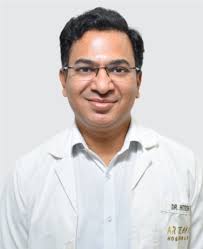
Spine Surgery
Artemis Hospital, Gurugram
Dr. Hitesh Garg, top spine surgeon in Gurugram with 20+ years, excels in minimally invasive & robotic surgeries at Artemis Hospital.
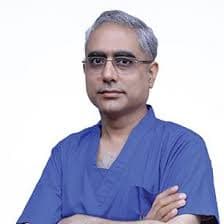
Spine Surgery
Fortis Hospital, Vasant Kunj, New Delhi
Dr. Manoj Miglani, top spine surgeon with 26+ years, excels in minimally invasive surgeries at Fortis, Vasant Kunj.
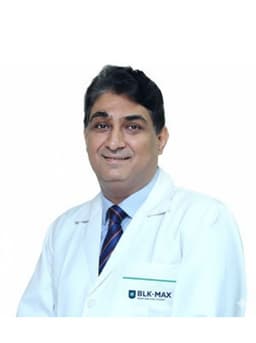
Spine Surgery
BLK-Max Super Speciality Hospital, New Delhi
Dr. Puneet Girdhar is a leading robotic spine surgeon in Delhi with 27+ years of experience and 15,000+ spine surgeries. Expert in minimally invasive and complex spine surgery at BLK-Max Hospital.

Spine Surgery
Manipal Hospital Gurugram
Dr. Ashish Dagar is a fellowship-trained Orthopaedic Spine Surgeon at Manipal Hospital Gurugram with 15+ years’ experience. Specialist in minimally invasive and endoscopic spine surgery, scoliosis correction, and cervical/lumbar fusion.