Minimally Invasive Spine Surgery in India: A Guide to Faster Recovery and Reduced Risks for International Patients – 2026
Navigating the complexities of spinal conditions can be daunting, especially when considering surgery abroad. Minimally Invasive Spine Surgery (MISS) offers a beacon of hope, promising quicker recovery and less discomfort compared to traditional open procedures. India has emerged as a global leader in advanced spine care, combining world-class medical expertise with state-of-the-art technology. International patients are increasingly choosing India for its exceptional surgical outcomes, cost-effectiveness, and comprehensive support systems, ensuring a smoother journey towards better health and mobility.
What is Minimally Invasive Spine Surgery (MISS)?
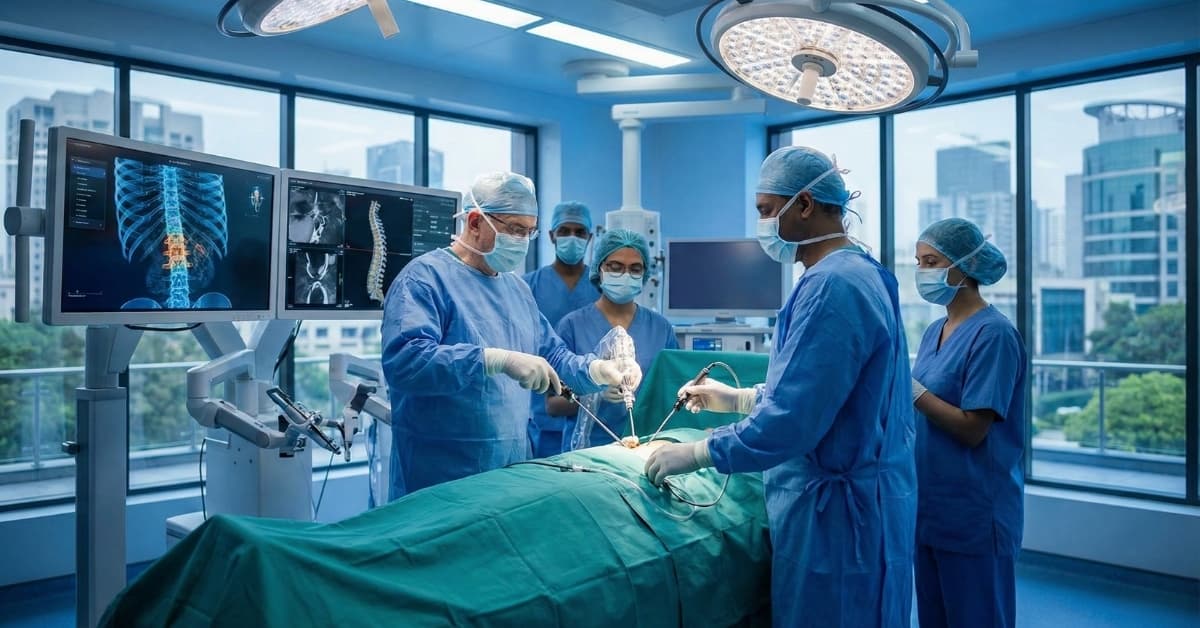
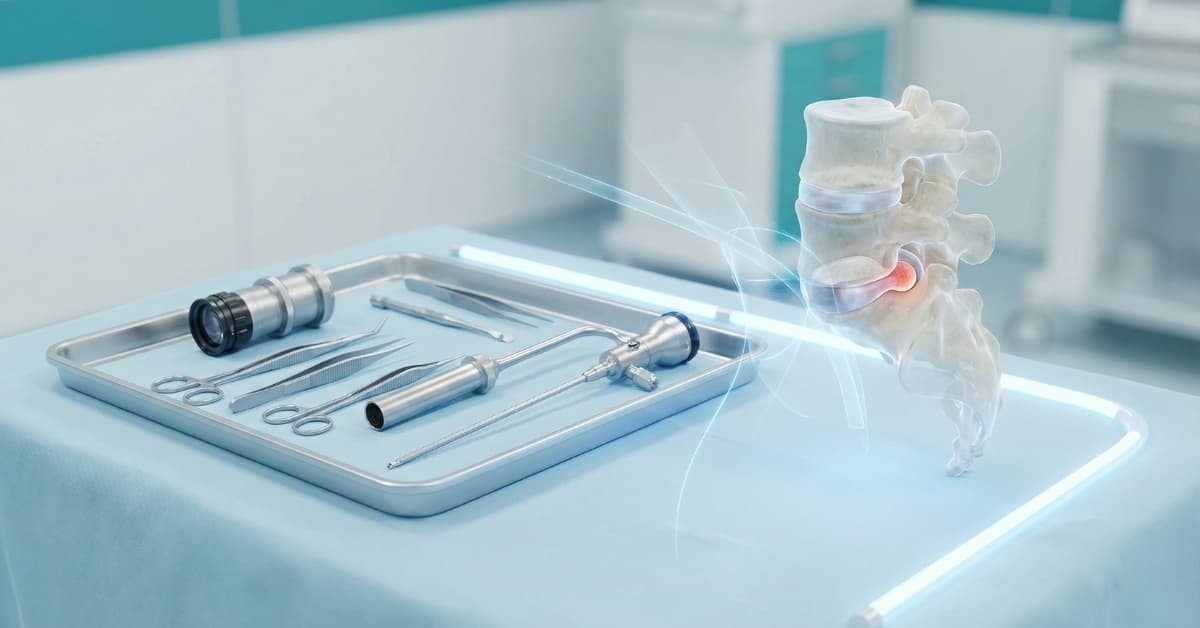
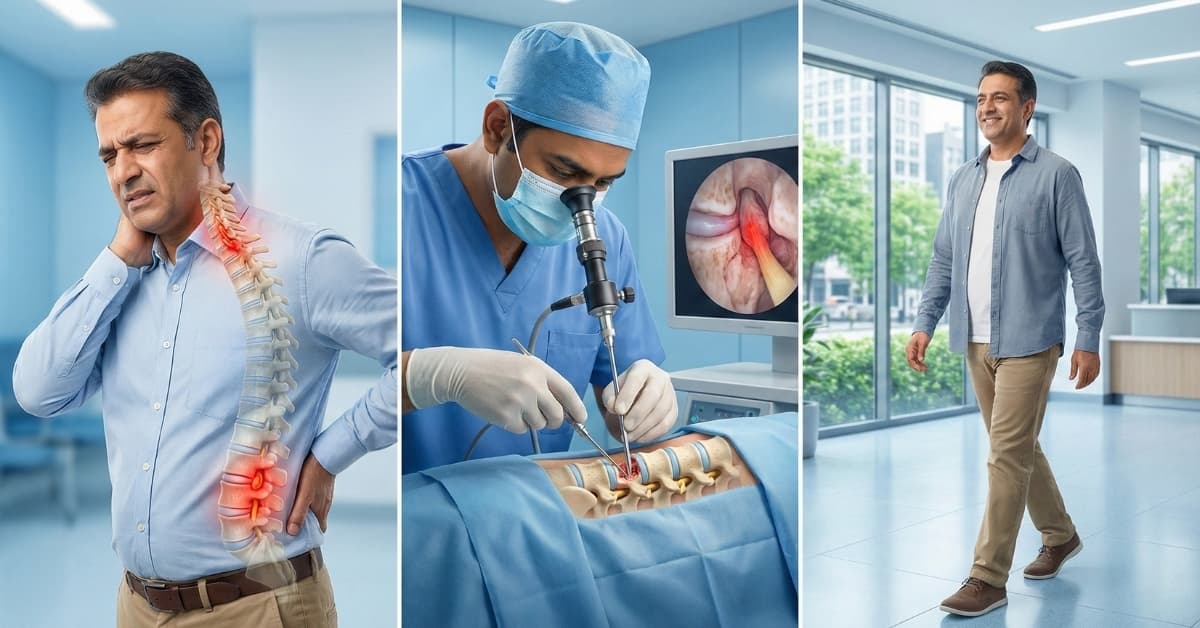
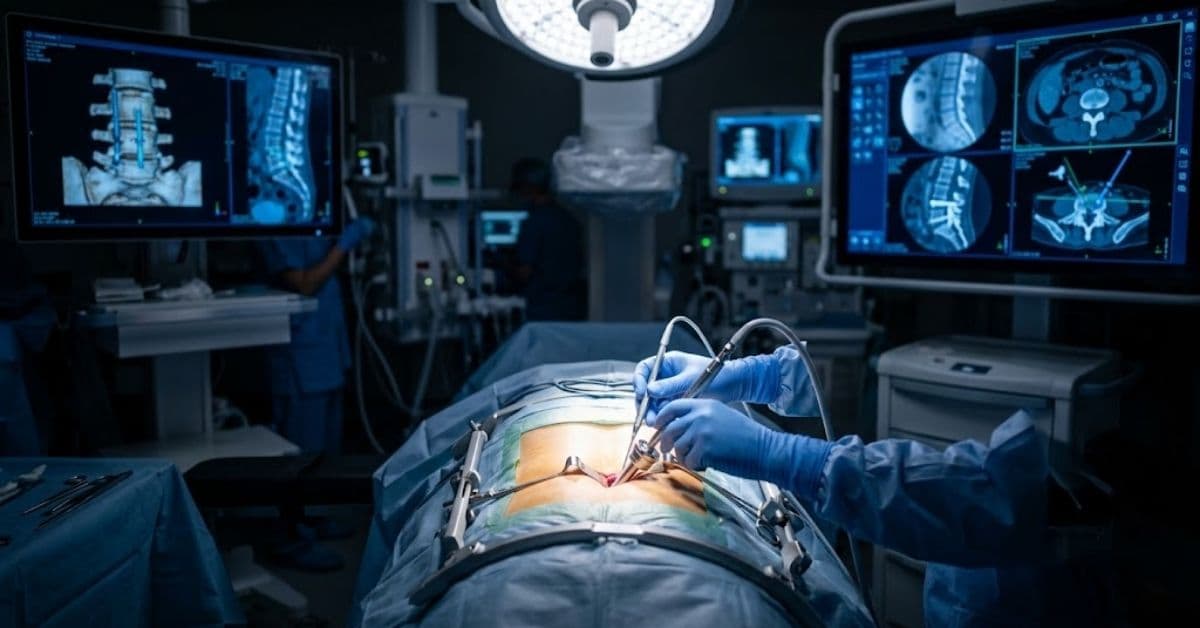
Minimally Invasive Spine Surgery (MISS) represents a revolutionary approach to treating various spinal conditions, moving away from large incisions and extensive muscle dissection. Unlike traditional open surgery, MISS utilizes specialized instruments, small incisions, and advanced imaging techniques to access the spine. This method allows surgeons to work through tiny openings, minimizing damage to surrounding tissues, muscles, and ligaments. The primary goal of MISS is to achieve the same therapeutic outcomes as open surgery but with significantly less trauma to the body, leading to a more comfortable and accelerated recovery for the patient. It's performed for conditions ranging from herniated discs to spinal stenosis and instability.
Types of Minimally Invasive Spine Surgery Procedures
Indian hospitals offer a comprehensive range of MISS procedures, tailored to individual patient needs and specific spinal conditions. These techniques are designed to address pain, restore function, and stabilize the spine with minimal disruption.
Minimally Invasive Lumbar Microdiscectomy
This procedure is commonly performed to remove a herniated disc that is pressing on a nerve root, causing sciatica or leg pain. Using a small incision and a microscope or endoscope, the surgeon precisely removes the problematic disc fragment.
- Significantly reduced muscle damage compared to open surgery
- Ideal for patients with single-level disc herniations
- Often results in same-day discharge or overnight stay, with high success rates (over 90%) in pain relief.
Minimally Invasive Lumbar Laminectomy/Decompression
Aimed at relieving pressure on the spinal cord or nerves caused by spinal stenosis (narrowing of the spinal canal). Small incisions are used to remove bone or ligament tissue that is compressing the nerves.
- Effective for alleviating leg pain, numbness, and weakness
- Preserves more spinal stability than traditional laminectomy
- Patients typically experience rapid improvement in walking and standing tolerance.
Minimally Invasive Spinal Fusion (TLIF/PLIF)
This procedure stabilizes the spine by fusing two or more vertebrae together, often used for spinal instability, severe degenerative disc disease, or spondylolisthesis. MISS fusion techniques involve smaller incisions and specialized retractors to insert bone graft and instrumentation.
- Reduced blood loss and post-operative pain
- Faster return to daily activities compared to open fusion
- High fusion rates, comparable to open techniques, with enhanced patient comfort.
How Minimally Invasive Techniques Improve Recovery and Reduce Risks
The core advantage of MISS lies in its ability to mitigate many of the challenges associated with traditional open spine surgery. This translates directly into a more favorable patient experience and better long-term outcomes.
Conditions Effectively Treated by Minimally Invasive Spine Surgery
Minimally Invasive Spine Surgery is a versatile solution for a wide array of spinal conditions that cause chronic pain and functional limitations. Indian spine specialists utilize MISS for precise and effective treatment of:
Advanced Technology and Techniques in Indian Spine Care
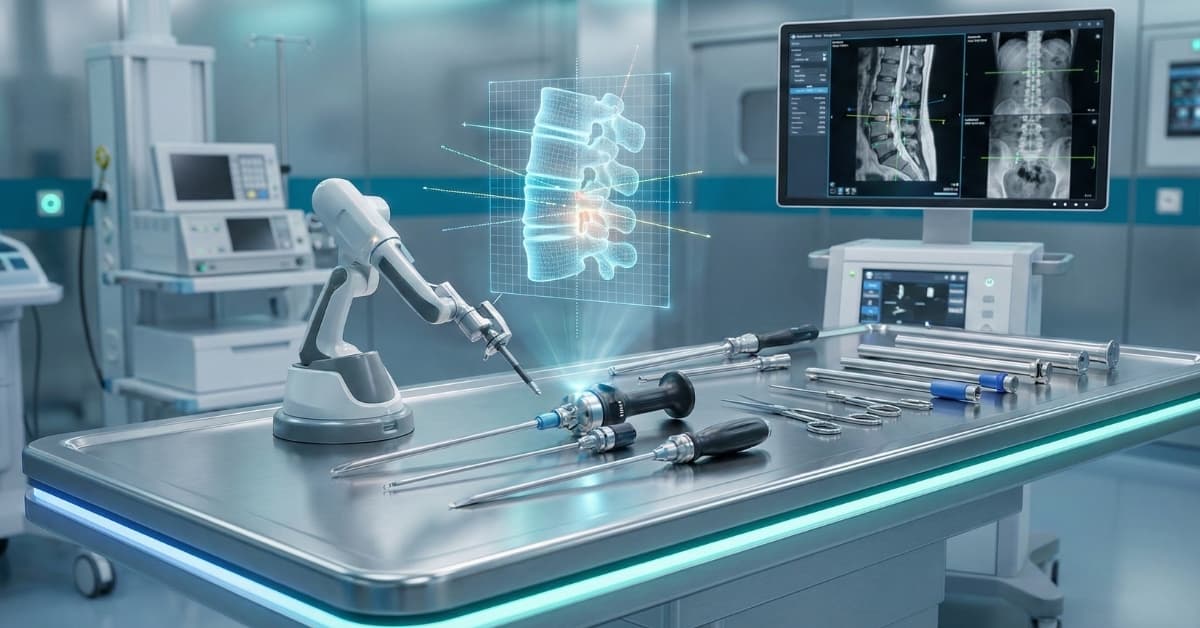
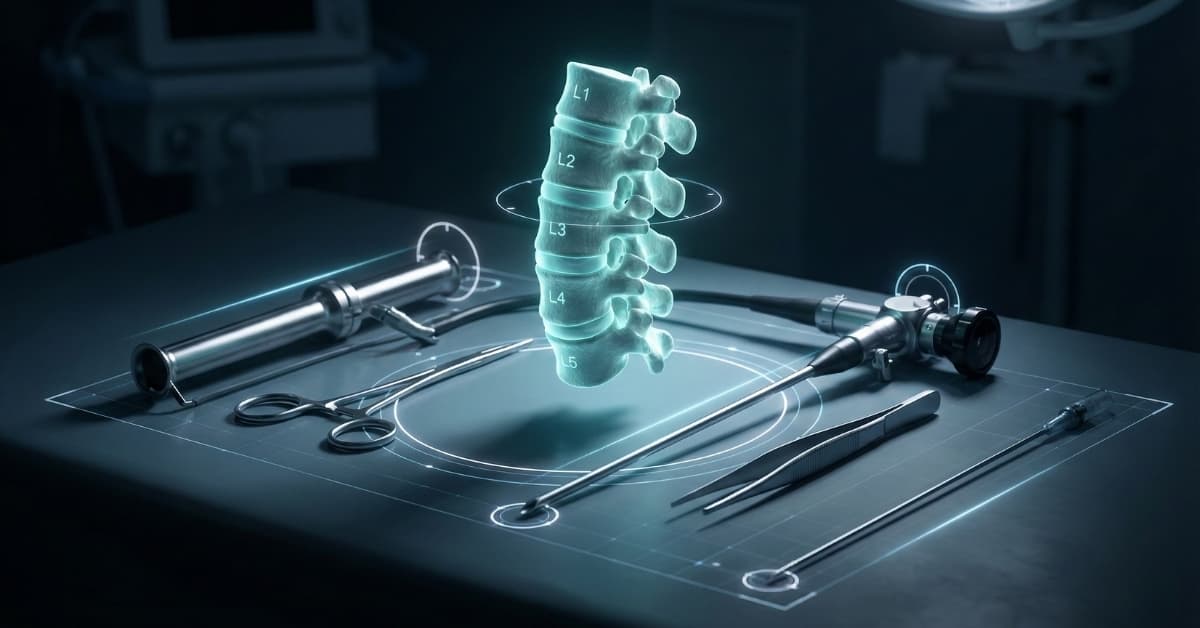
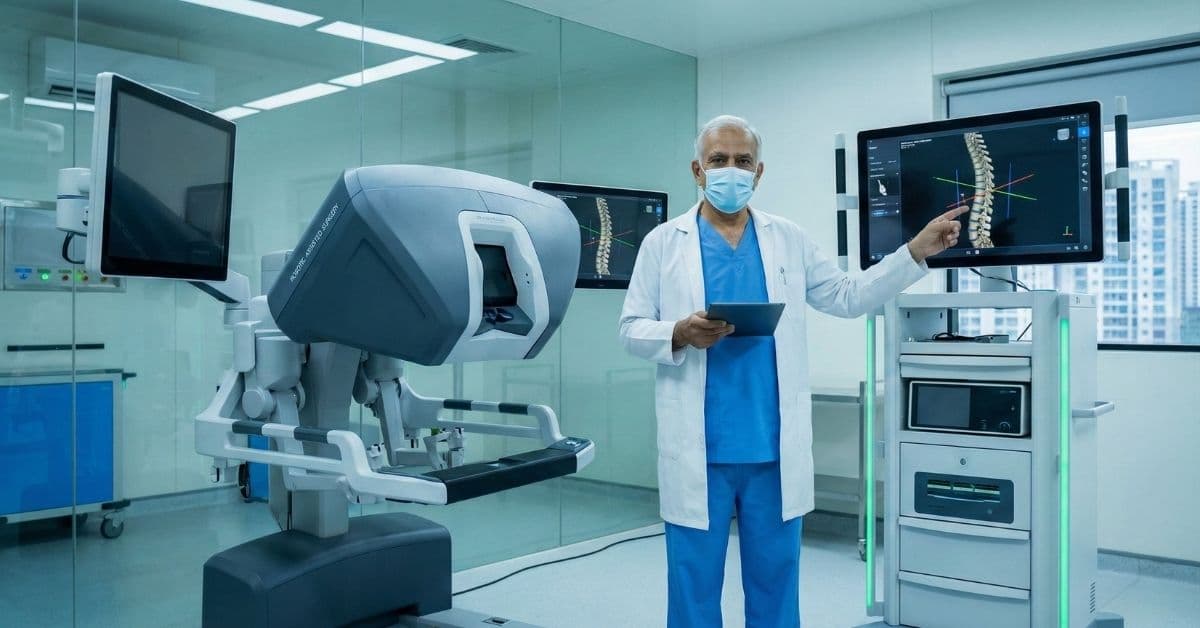
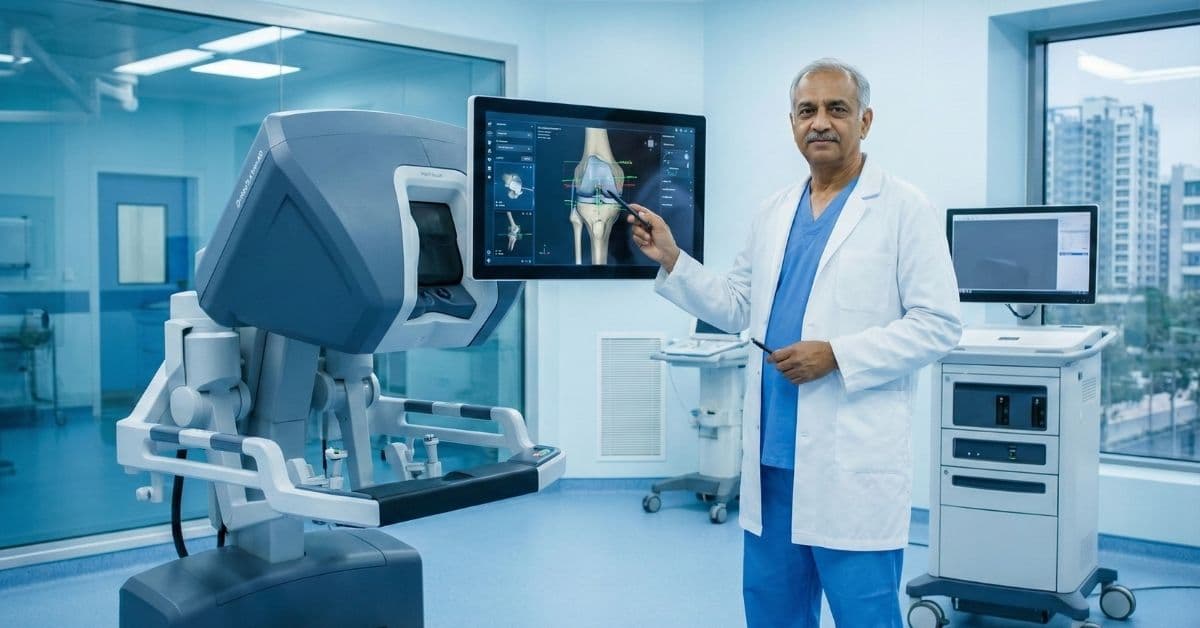
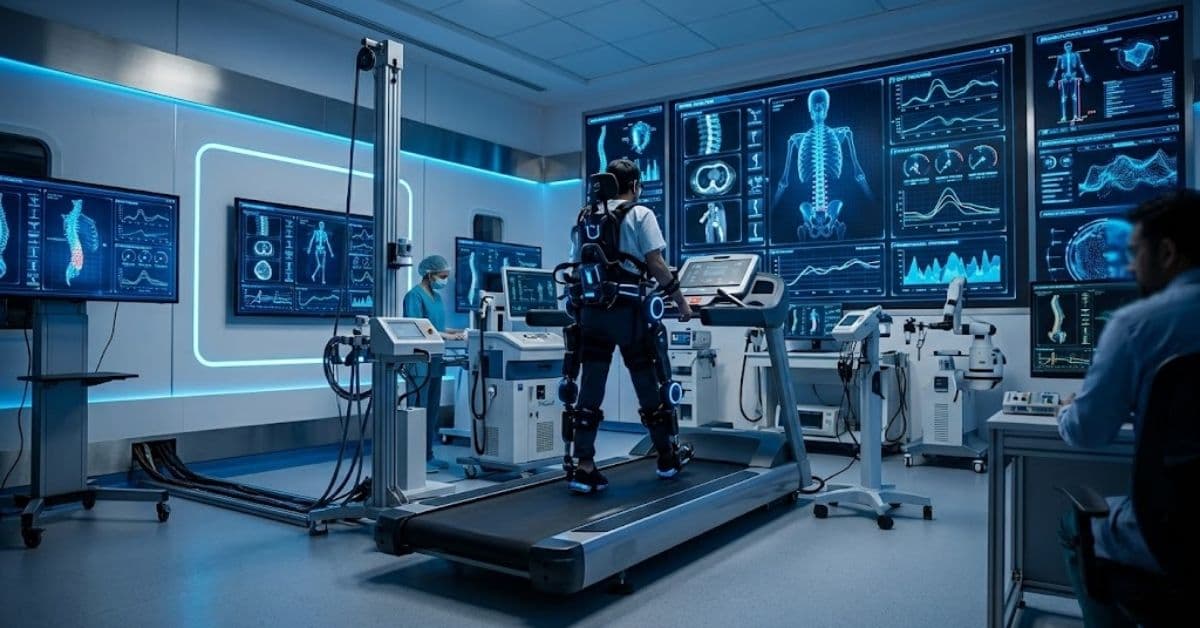
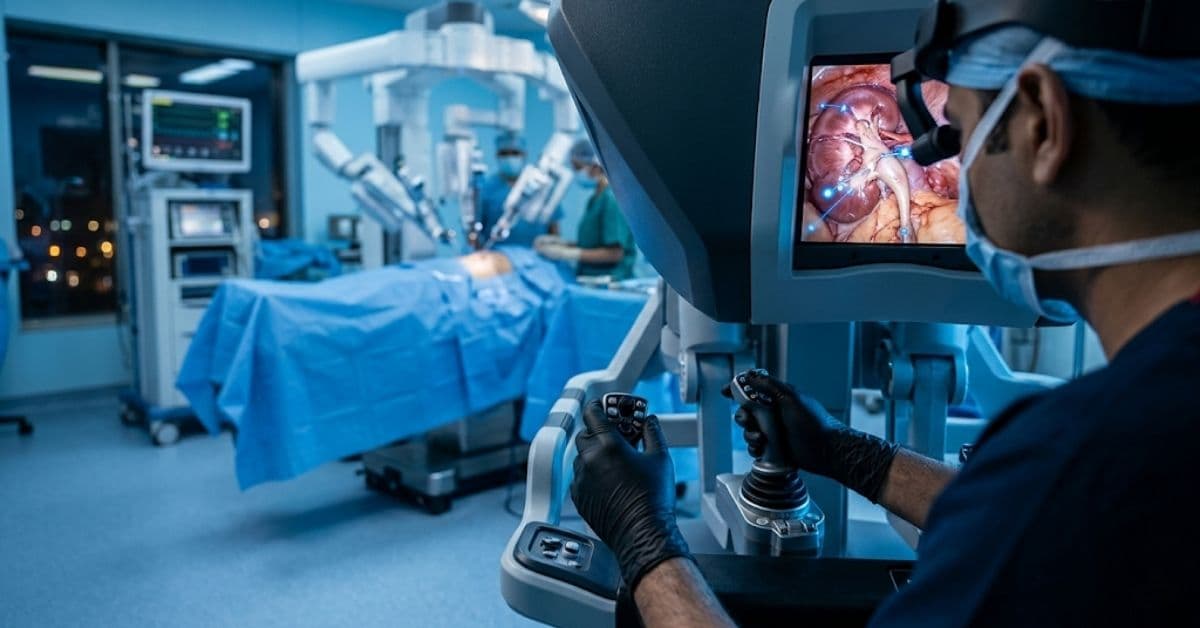
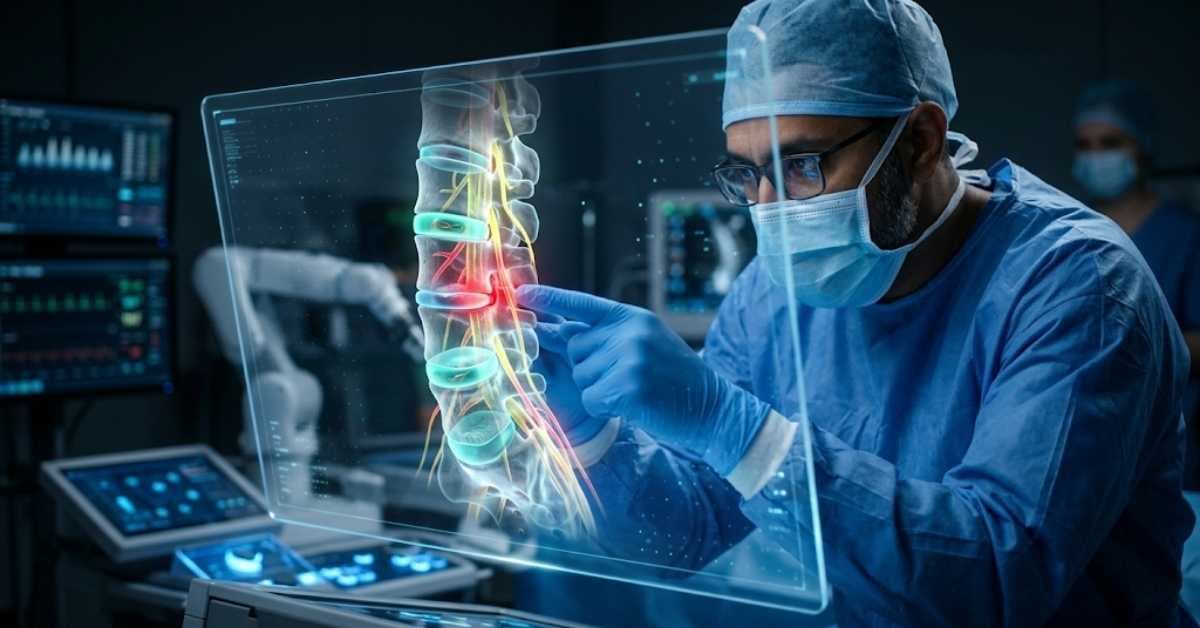
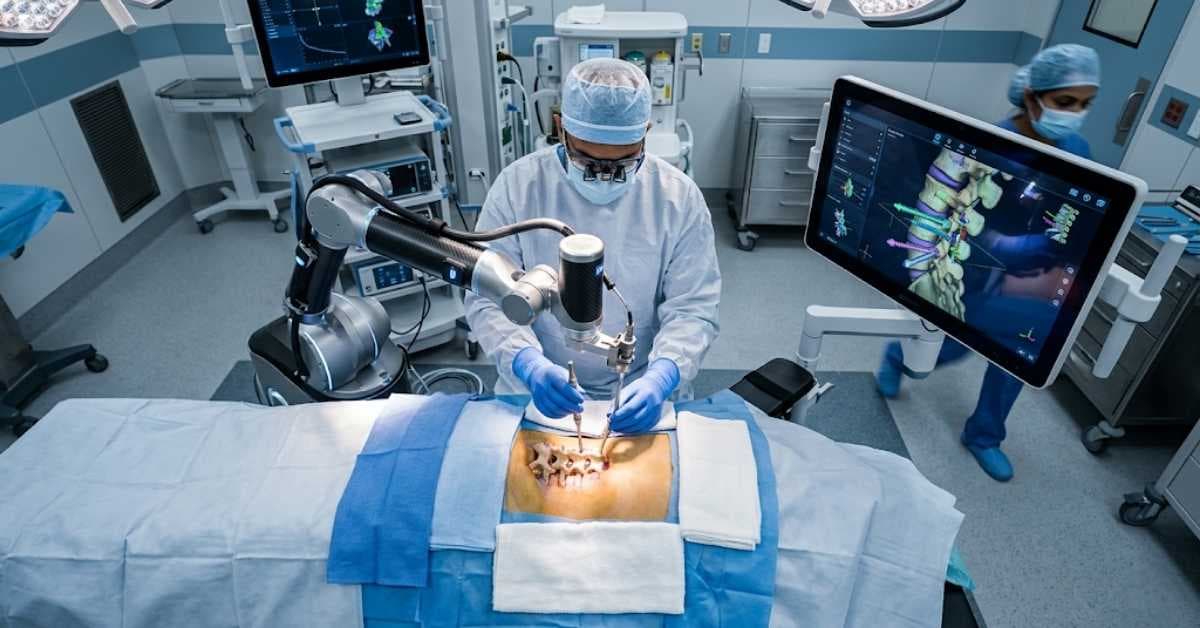
India's leading hospitals are at the forefront of adopting cutting-edge technology to enhance the precision, safety, and effectiveness of Minimally Invasive Spine Surgery. These innovations ensure that international patients receive care on par with the best global standards. Robotic-assisted spine surgery systems, for instance, provide surgeons with unparalleled accuracy in screw placement and trajectory planning, minimizing human error. Computer navigation systems offer real-time 3D imaging during surgery, guiding instruments with pinpoint precision. Endoscopic spine surgery allows for direct visualization through a tiny camera, enabling highly targeted procedures. These advanced tools contribute significantly to the reduced risks and improved outcomes associated with MISS, making procedures like minimally invasive spine surgery Delhi a highly sought-after option.
Cost of Minimally Invasive Spine Surgery in India
One of the most compelling reasons international patients choose India for MISS is the significant cost advantage without compromising on quality. The cost of Minimally Invasive Spine Surgery in India is remarkably lower compared to Western countries, making world-class treatment accessible. Below is an estimated comparison:
Important Disclaimer:
These figures are estimates and can vary significantly based on the specific hospital, surgeon's fees, complexity of the case, duration of hospital stay, type of implants used, and additional services required. It's crucial to obtain a personalized quote.
Global Trust and Medical Tourism for Spine Care in India
India's reputation as a premier medical tourism destination for spine care is growing exponentially. Patients from the Middle East, Africa, Southeast Asia, and even Western countries are increasingly choosing India for its blend of advanced medical infrastructure, highly skilled surgeons, and cost-effective treatment. The country's leading hospitals attract thousands of international patients annually for complex spine surgeries. Beyond the medical excellence, India offers comprehensive logistical and cultural support, including visa assistance, airport transfers, dedicated international patient desks, language interpreters, and a range of accommodation options. This holistic approach ensures that patients and their families feel supported and comfortable throughout their medical journey, making the experience as stress-free as possible.
Success Rates and Clinical Outcomes of MISS in India
Indian hospitals boast impressive success rates for Minimally Invasive Spine Surgery, often comparable to or exceeding global benchmarks. For procedures like microdiscectomy, success rates in relieving leg pain are typically between 90-95%. For spinal fusion, successful fusion rates range from 85-95%, with significant improvement in pain and function. These outcomes are a testament to the expertise of Indian spine surgeons, the advanced technology utilized, and the rigorous post-operative care protocols. Patients can expect a high likelihood of pain reduction, improved mobility, and a return to a better quality of life, backed by robust clinical data and patient testimonials.
Recovery and Rehabilitation After Minimally Invasive Spine Surgery
The recovery journey after MISS is typically faster and less arduous than traditional open surgery, but it still requires commitment to rehabilitation. Understanding the timeline and expectations can help international patients plan their stay and recovery effectively.
Medical Tourism Support Services
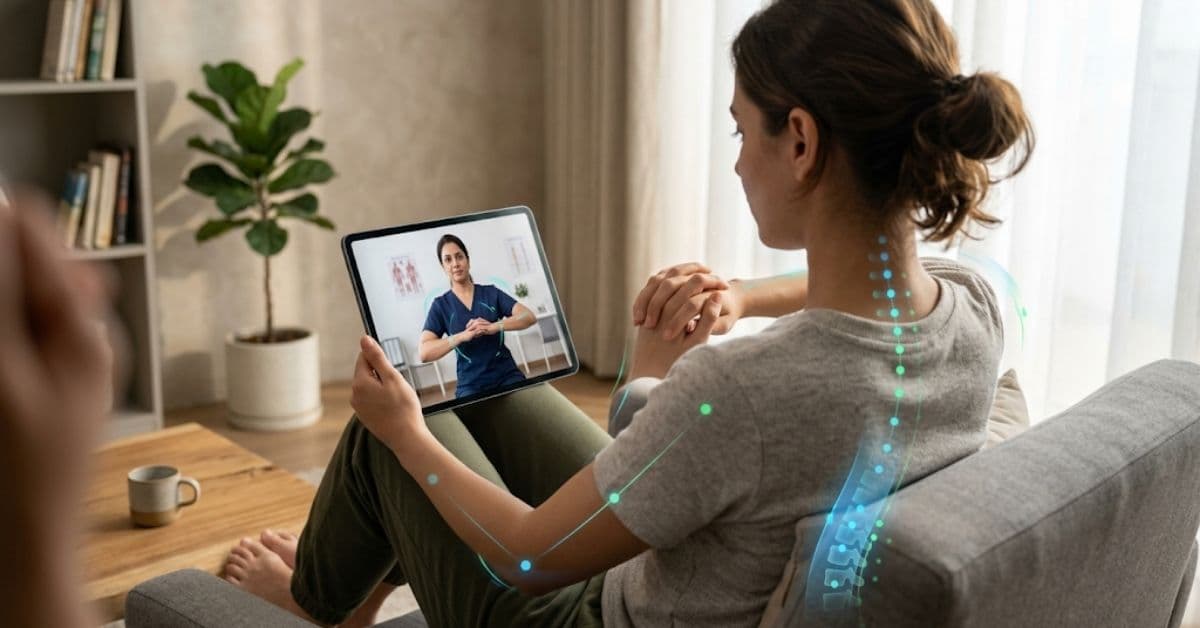
For international patients, navigating a medical journey abroad can be complex. Dedicated medical tourism facilitators, like VRH Healthcare, play a pivotal role in simplifying this process. These services are designed to provide end-to-end support, ensuring a seamless and stress-free experience from the moment a patient considers treatment in India until their return home. Services typically include assistance with medical visa applications, arranging airport pick-up and drop-off, booking suitable accommodation for patients and their families, providing professional interpreters for all medical consultations, coordinating appointments with top spine specialists, facilitating telemedicine consultations for pre- and post-operative care, and ensuring comprehensive follow-up care. This integrated support system allows patients to focus solely on their recovery and well-being.
Quality Assurance and Standards in Indian Hospitals
India's leading hospitals adhere to stringent international quality standards, ensuring patient safety and optimal outcomes. Many top-tier hospitals are accredited by international bodies like the Joint Commission International (JCI) and national bodies like the National Accreditation Board for Hospitals & Healthcare Providers (NABH). These accreditations signify adherence to rigorous protocols for patient care, infection control, surgical safety, and ethical practices. Furthermore, Indian medical professionals, particularly spine surgeons, are highly qualified, often trained in leading institutions globally, and possess extensive experience in performing complex minimally invasive procedures. This commitment to quality and expertise provides international patients with confidence and peace of mind.
Conclusion
Choosing Minimally Invasive Spine Surgery in India offers a pathway to effective pain relief and improved quality of life, characterized by faster recovery, reduced risks, and significant cost savings. With its advanced medical infrastructure, highly skilled surgeons, and comprehensive patient support systems, India stands as a trusted and compassionate destination for international patients seeking world-class spine care. Embrace the opportunity to regain your mobility and live pain-free.
Contact us today for a personalized consultation and begin your journey to a healthier spine in India.