Emerging Trends in Spine Surgery in India: A Comprehensive Guide for International Patients – 2026
For individuals grappling with debilitating back and neck pain, the prospect of spine surgery can be daunting. However, advancements in medical science are continuously transforming spinal care, offering safer, more effective, and less invasive solutions. India has emerged as a global leader in adopting these cutting-edge spine surgery trends, combining world-class expertise with significant cost-effectiveness. This guide aims to demystify these innovations, providing international patients and their families with a clear understanding of what to expect when considering advanced spine care in India.
What is Spine Surgery?
Spine surgery encompasses a range of procedures designed to treat conditions affecting the spinal column, spinal cord, and nerves. From chronic back pain and disc herniations to spinal deformities and traumatic injuries, these interventions aim to alleviate pain, restore function, and improve quality of life. Traditionally, spine surgery involved large incisions and extensive muscle dissection, leading to longer recovery times. However, the landscape of spinal care is rapidly evolving, with a strong shift towards precision and minimal invasiveness, making it a more appealing option for many.
The Evolution of Spine Surgery: A Paradigm Shift
The journey of spine surgery has been remarkable, moving from conventional open procedures to highly sophisticated, minimally invasive techniques. This evolution is driven by a deeper understanding of spinal biomechanics, advanced imaging, and innovative surgical tools. For international patients, this means access to procedures that offer reduced pain, shorter hospital stays, and quicker returns to daily activities. India's top hospitals are at the forefront of this paradigm shift, integrating the latest global trends into their practice to deliver superior patient outcomes.
Key Emerging Trends in Spine Surgery in India
India's spine centers are rapidly adopting and refining several groundbreaking techniques that are redefining spinal care globally. These innovations focus on enhancing precision, minimizing tissue damage, and accelerating recovery.
Minimally Invasive Spine Surgery (MISS)
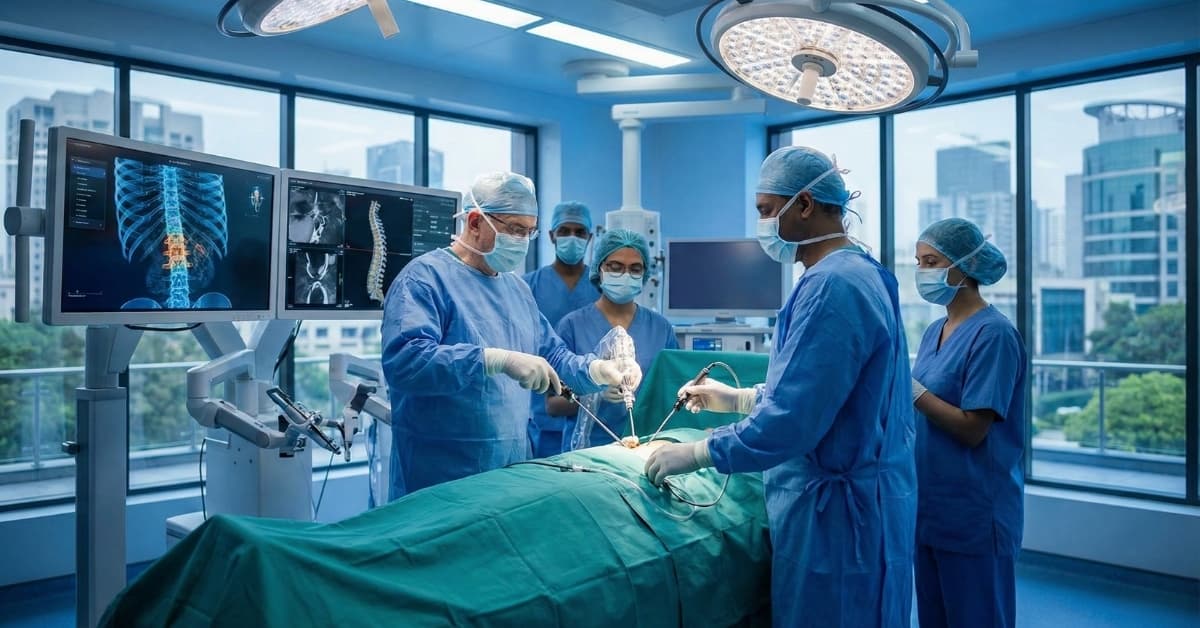
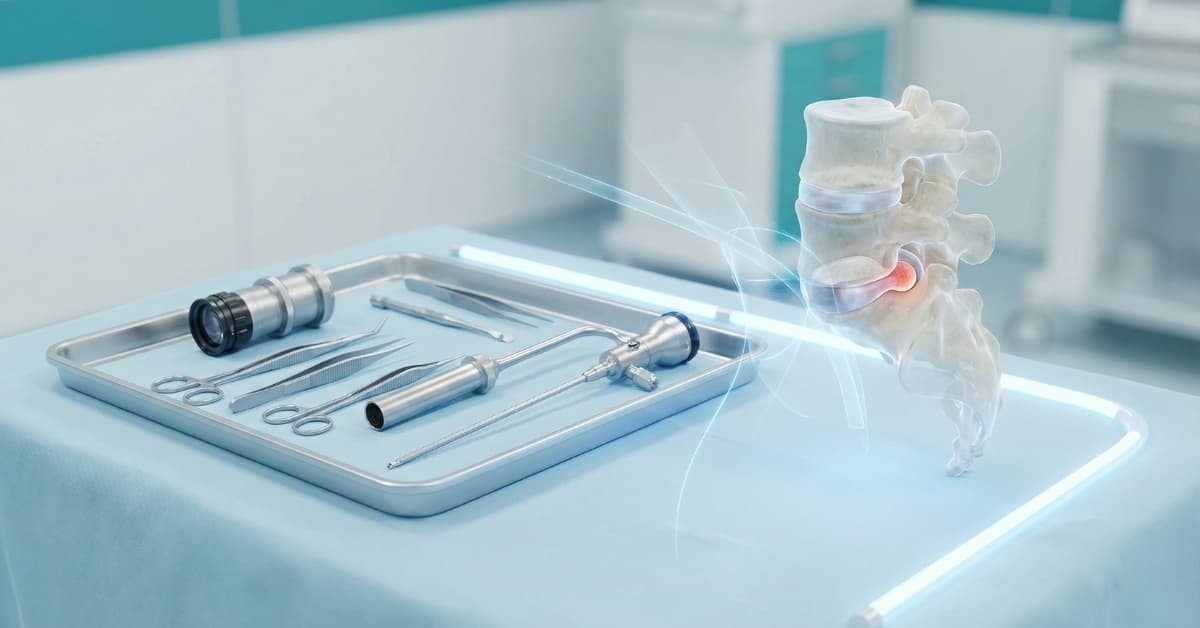
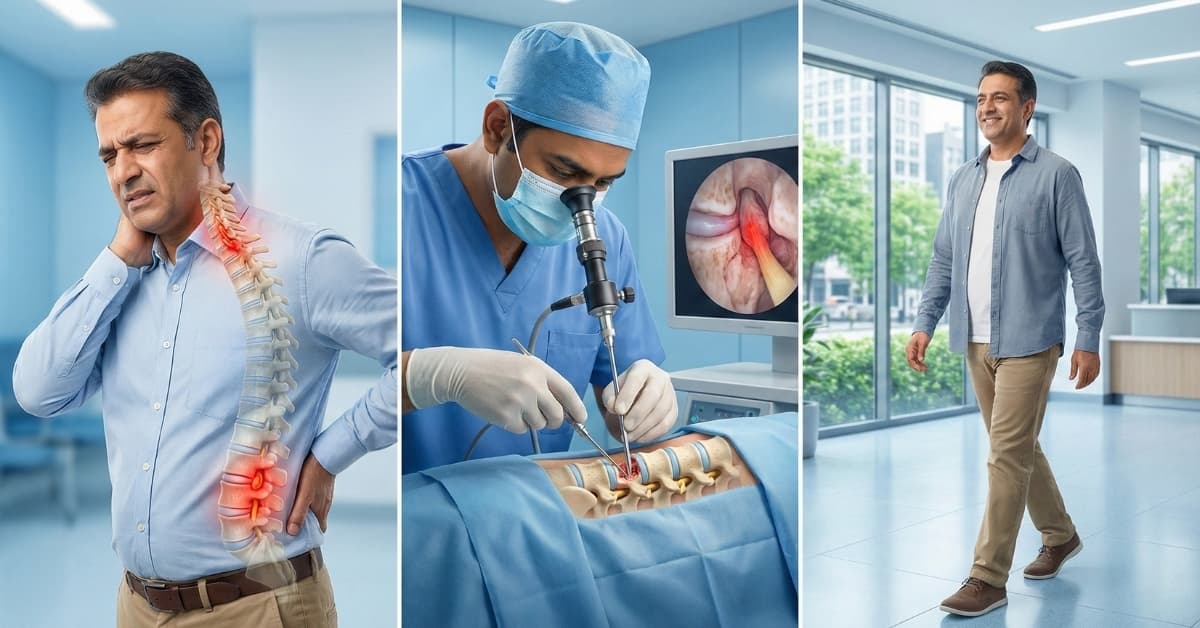
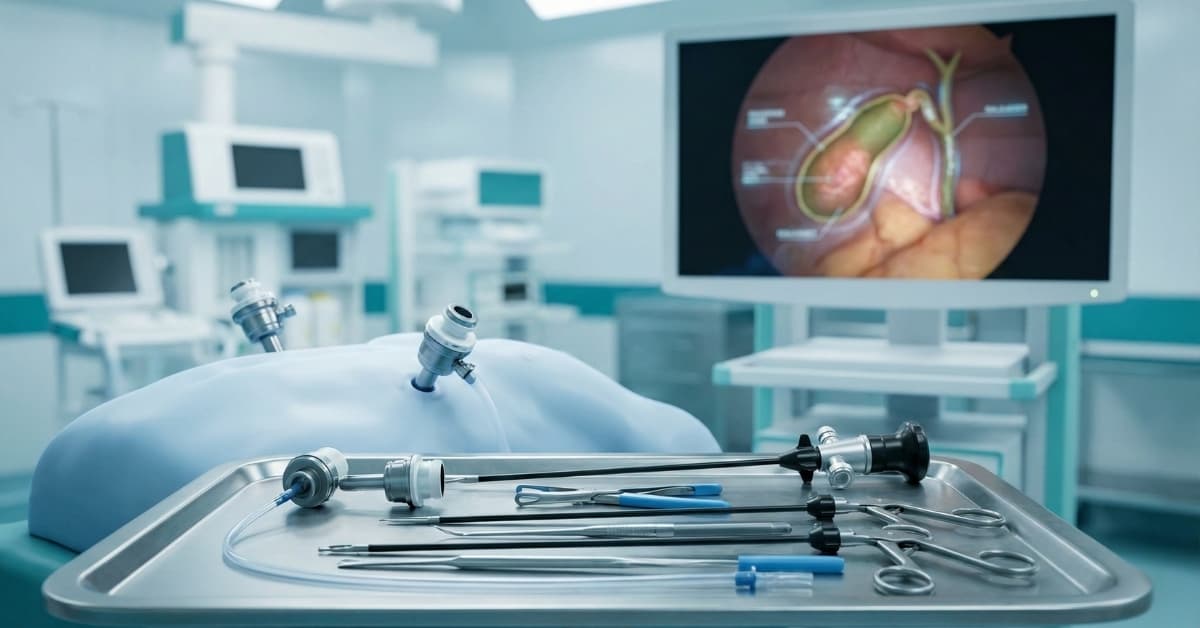
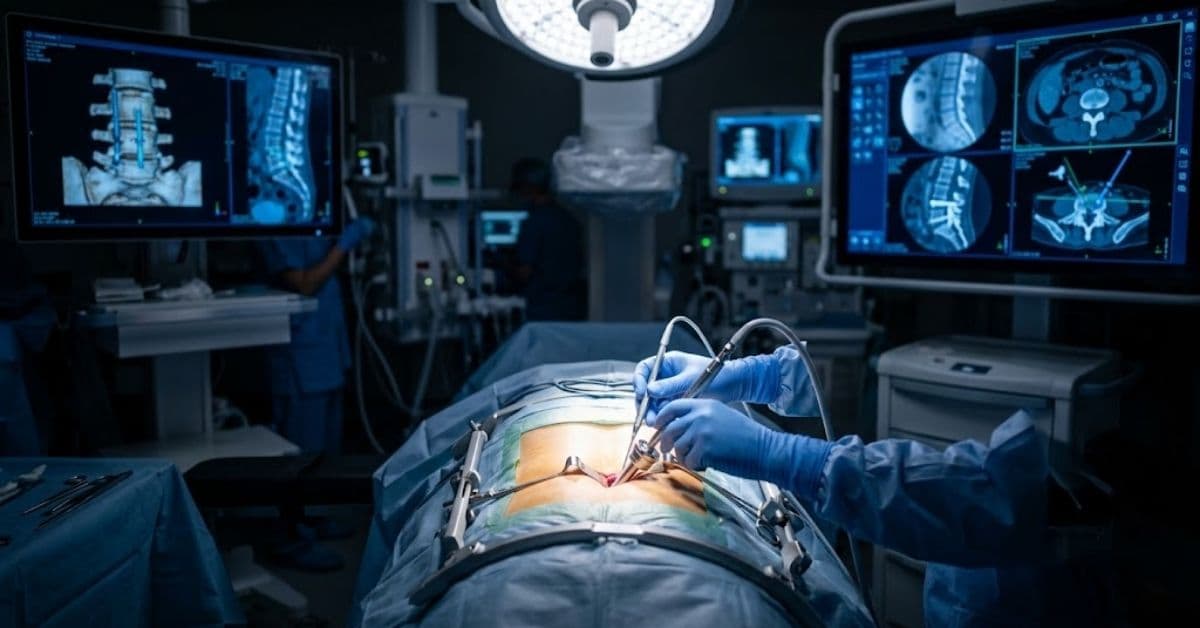
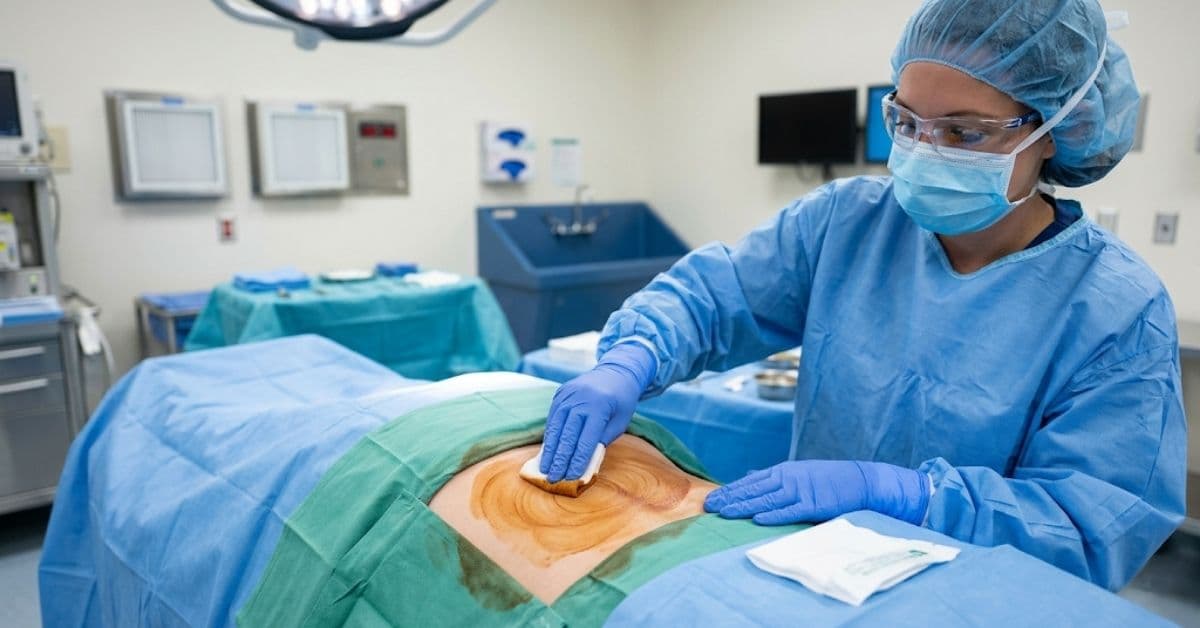
MISS techniques involve smaller incisions, often less than an inch, using specialized instruments and microscopic cameras. This approach significantly reduces muscle damage, blood loss, and post-operative pain compared to traditional open surgery.
- Reduced post-operative pain and scarring
- Faster recovery and shorter hospital stays
- Lower risk of infection and complications
Robotic-Assisted Spine Surgery
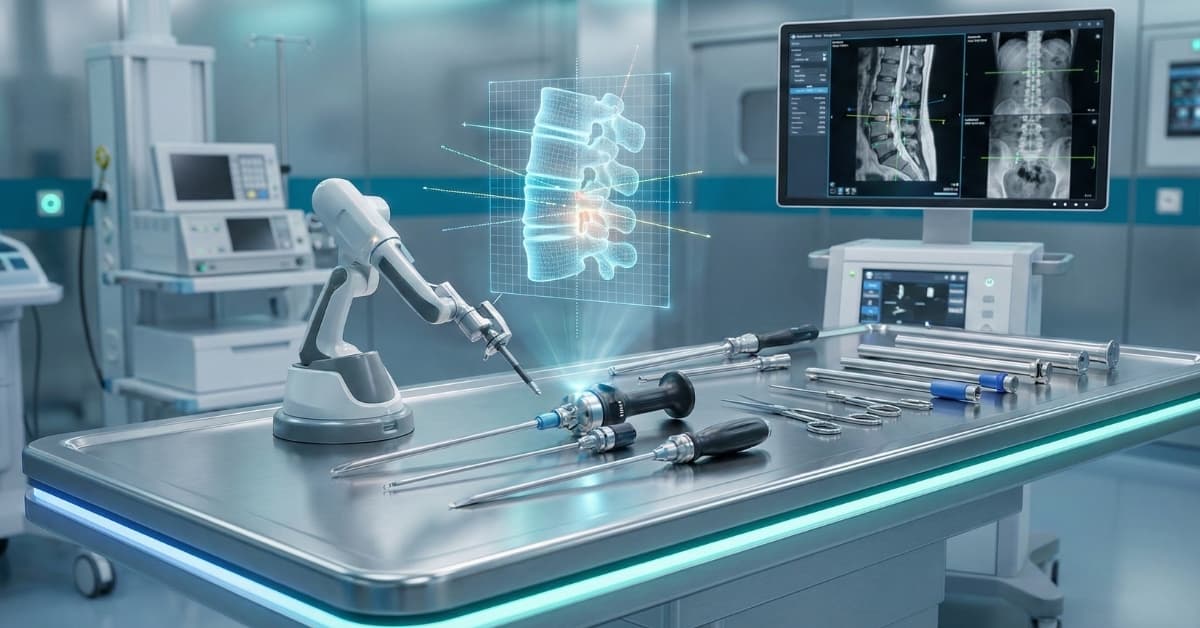
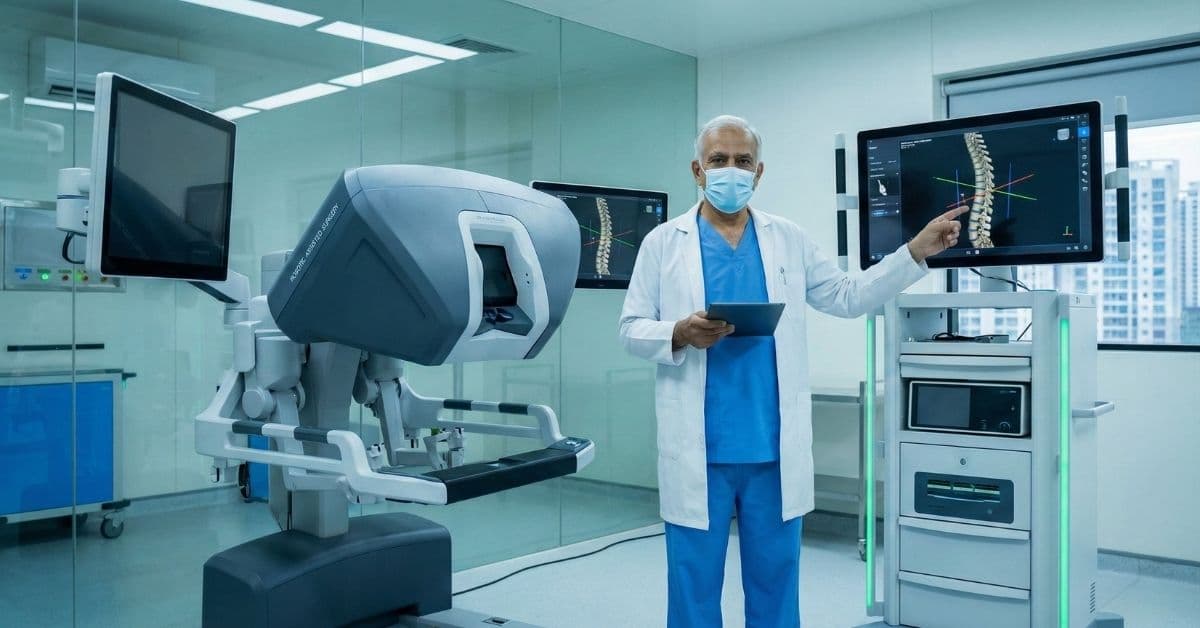
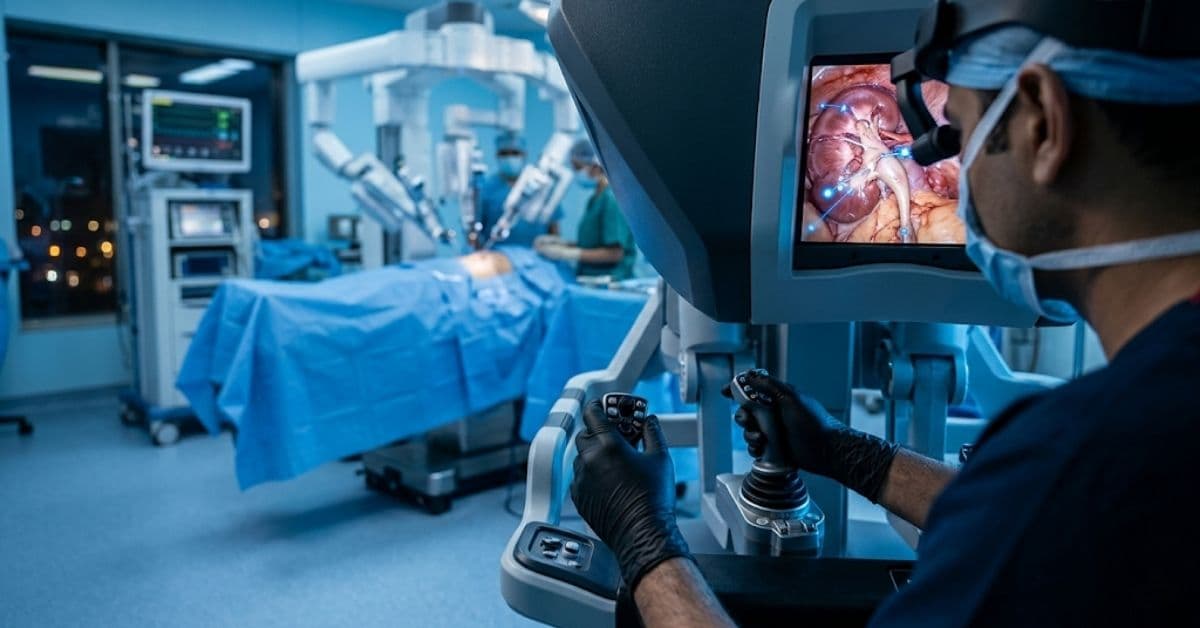
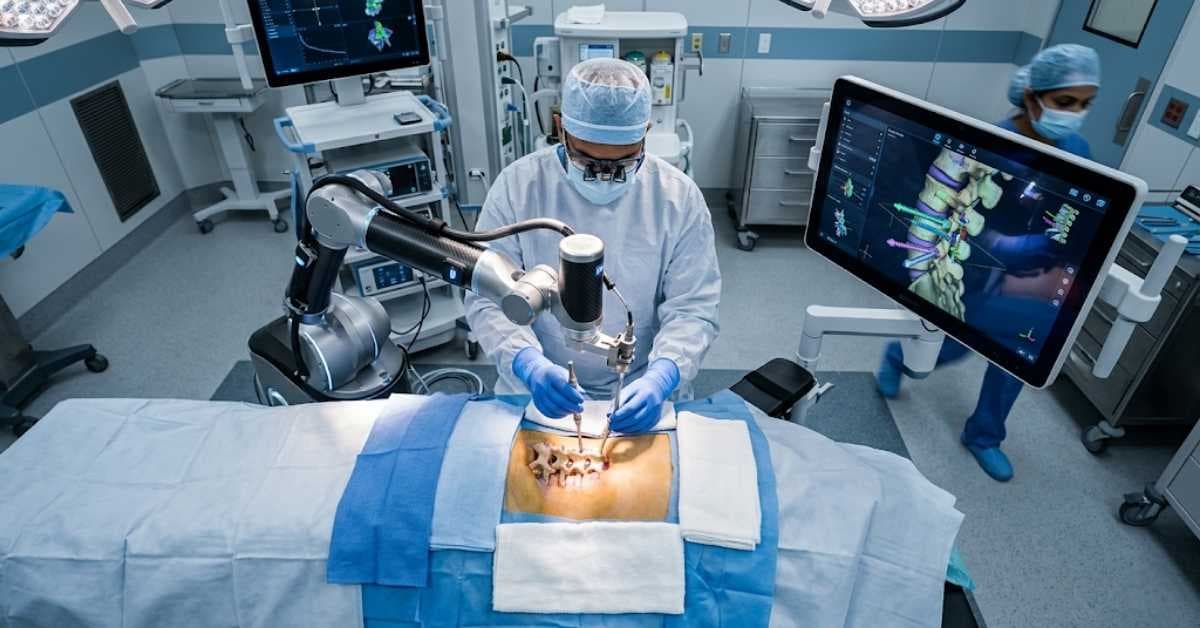
Robotic systems provide surgeons with enhanced visualization, precision, and control during complex spinal procedures. These robots assist in accurate screw placement, decompression, and fusion, leading to improved safety and efficacy.
- Unparalleled precision in implant placement (up to 99% accuracy)
- Reduced radiation exposure for patients and surgical teams
- Improved surgical planning and execution
Navigation and Intraoperative Imaging
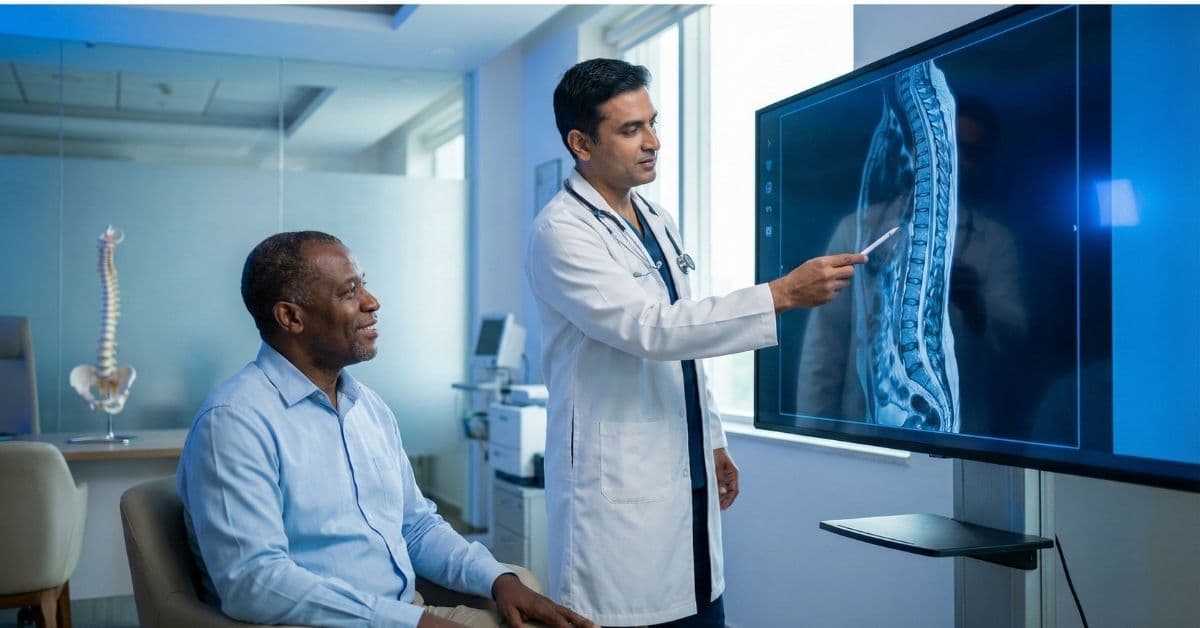
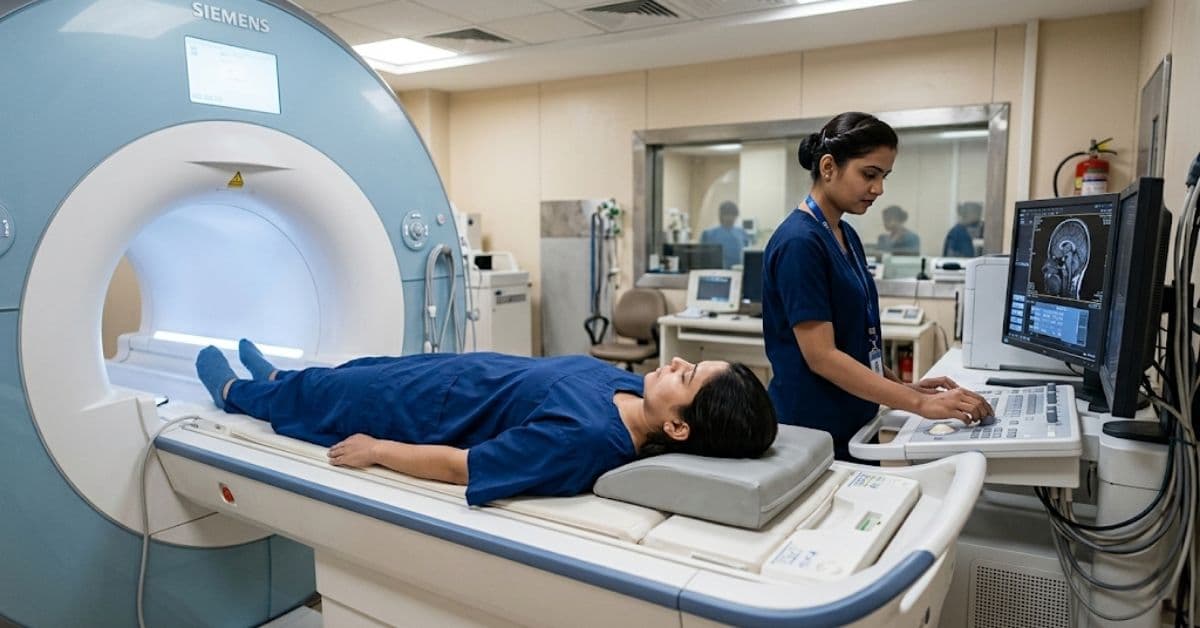
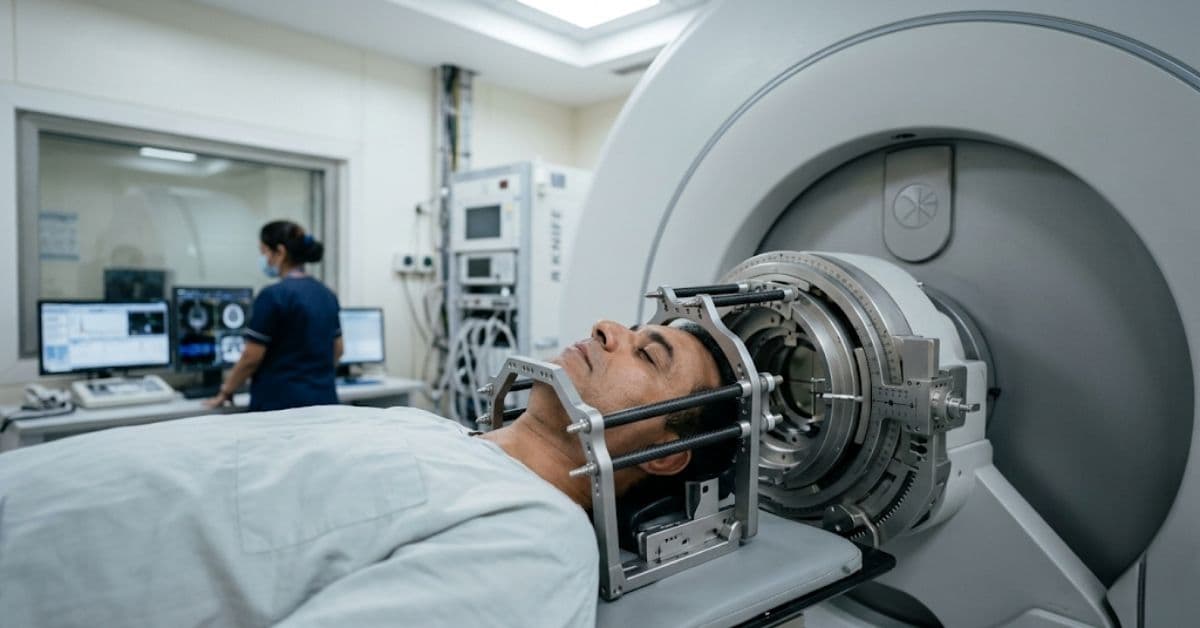
Advanced navigation systems, similar to GPS, guide surgeons in real-time using 3D imaging during surgery. This technology ensures precise anatomical targeting and helps avoid critical structures, enhancing patient safety.
- Real-time 3D visualization of the spine
- Increased accuracy in complex cases like spinal deformities
- Minimizes the need for revision surgeries
Artificial Disc Replacement (ADR)
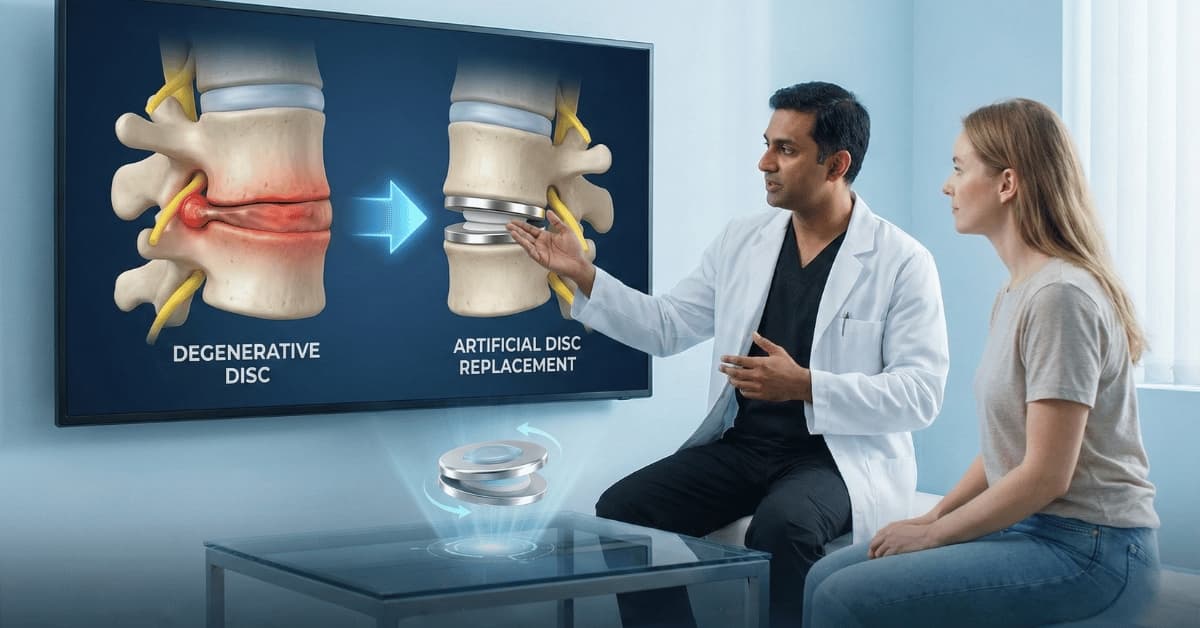
Instead of fusing vertebrae, ADR involves replacing a damaged disc with an artificial one, preserving spinal motion. This is a significant advancement for patients with degenerative disc disease, offering a more natural outcome.
- Maintains spinal flexibility and range of motion
- Reduces stress on adjacent spinal segments
- Potentially prevents future degeneration at other levels
Regenerative Medicine and Biologics
This emerging field uses the body's own healing capabilities to treat spinal conditions. Techniques like platelet-rich plasma (PRP) injections and stem cell therapy are being explored for disc regeneration and pain management, often as an alternative to surgery or to enhance surgical outcomes.
- Promotes natural healing and tissue repair
- Minimally invasive, often outpatient procedures
- Potential for long-term pain relief and functional improvement
Benefits of Advanced Spine Surgery Techniques for International Patients
These modern approaches offer a multitude of advantages that are particularly appealing to international patients seeking care abroad. The focus on minimal invasiveness translates directly into a smoother, less disruptive medical journey.
Advanced Technology and Techniques in Indian Hospitals
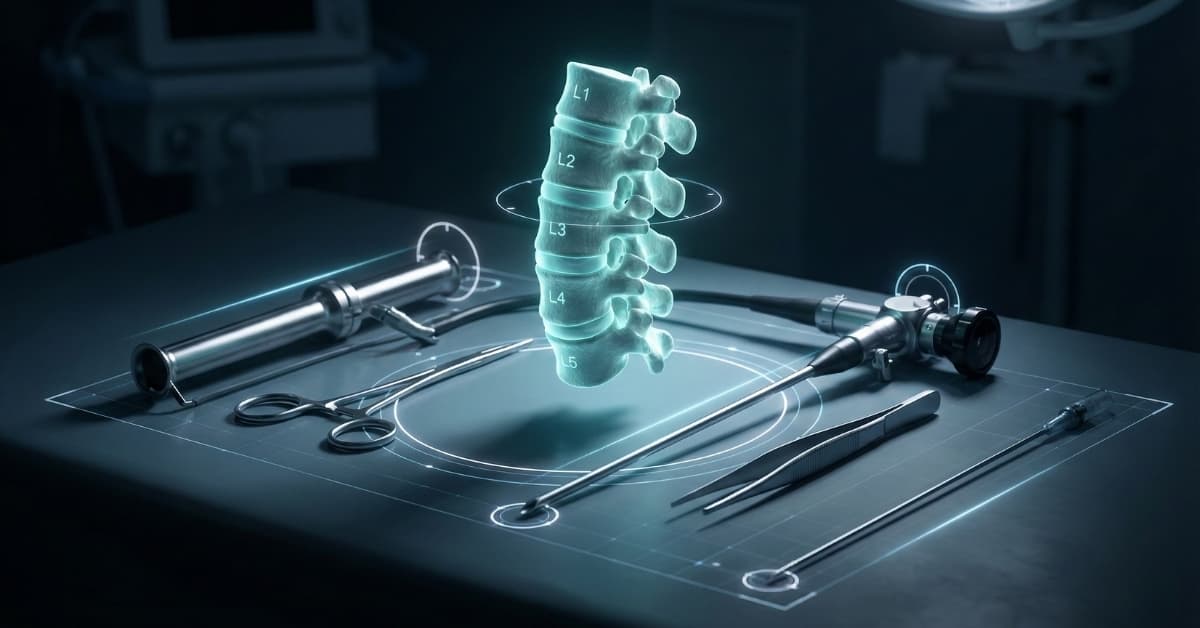
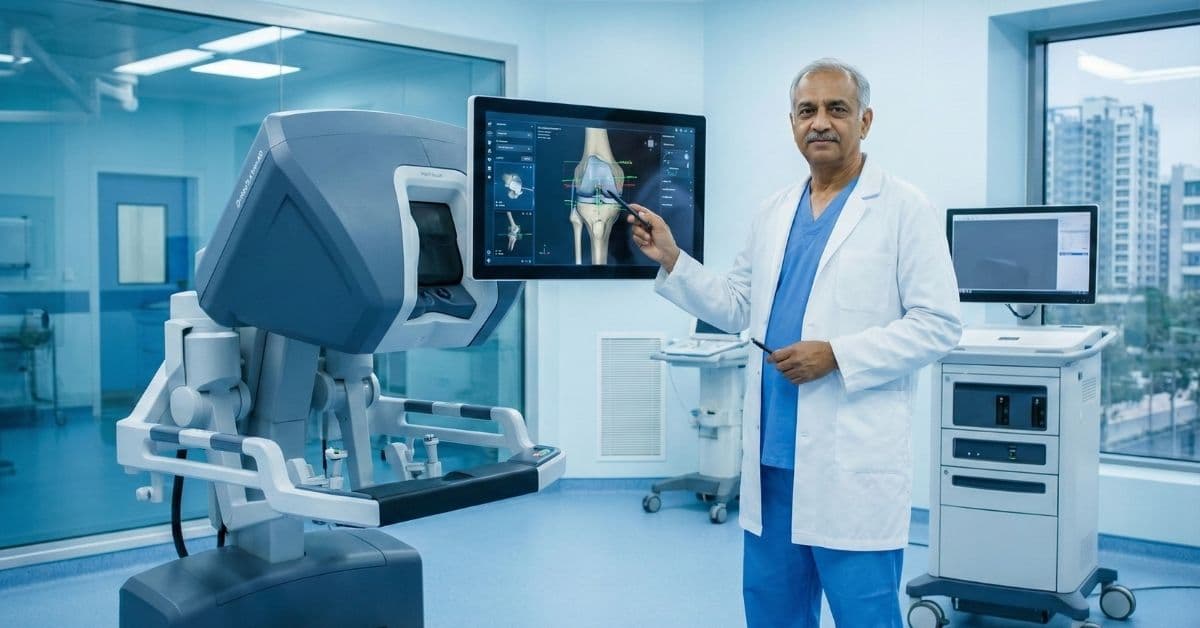
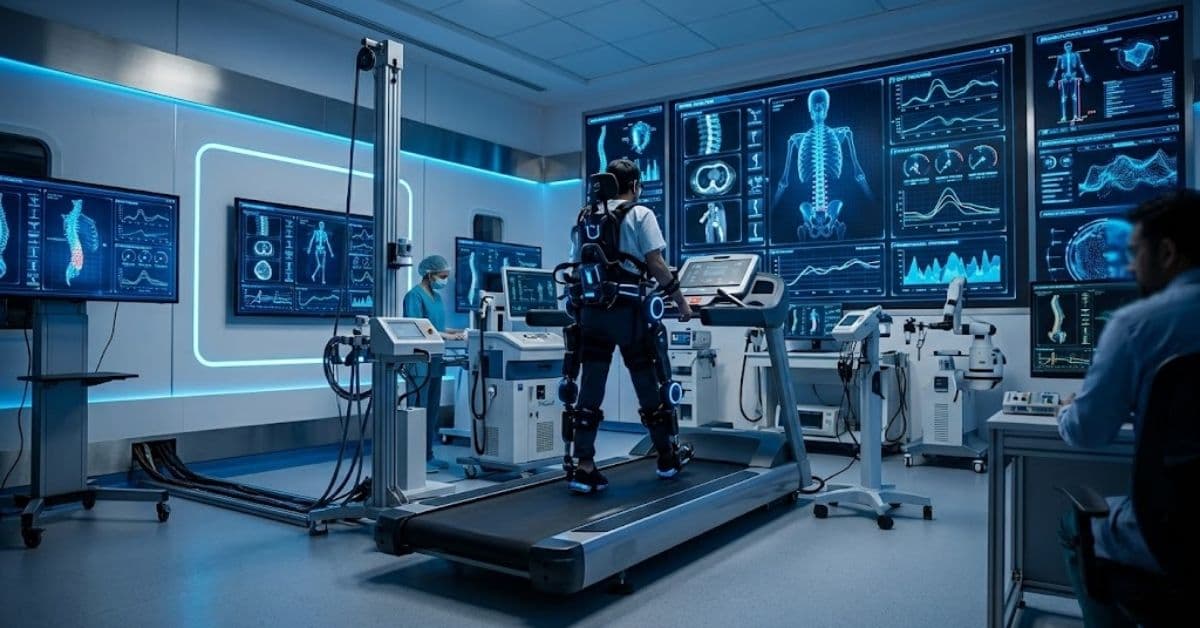
Indian hospitals have made substantial investments in state-of-the-art technology, positioning themselves as global hubs for advanced spine care. Facilities across major cities boast hybrid operating rooms equipped with intraoperative CT scans, O-arm imaging, and advanced neuro-monitoring systems. Robotic surgical platforms like the Mazor X Stealth Edition and ExcelsiusGPS are increasingly common, allowing surgeons to plan and execute complex spinal fusions and decompressions with unparalleled accuracy. These technologies, combined with highly skilled neurosurgeons and orthopedic spine surgeons, ensure that international patients receive care on par with, or even exceeding, that available in many Western nations.
Cost of Advanced Spine Surgery in India
One of the most compelling reasons international patients choose India for spine surgery is the significant cost advantage, without compromising on quality. Here's a general comparison:
| Procedure Type (Example) | Cost in India (INR) | Cost in India (USD) | Cost in US (USD) | Cost in UK (GBP) |
|---|---|---|---|---|
| Lumbar Microdiscectomy | ₹2,50,000 - ₹5,00,000 | $3,000 - $6,000 | $20,000 - $40,000 | £10,000 - £20,000 |
| Spinal Fusion (1-level) | ₹4,00,000 - ₹8,00,000 | $5,000 - $10,000 | $50,000 - $100,000 | £25,000 - £50,000 |
| Artificial Disc Replacement | ₹5,00,000 - ₹10,00,000 | $6,000 - $12,000 | $40,000 - $75,000 | £20,000 - £40,000 |
Disclaimer: These are estimated ranges. Actual costs vary significantly based on the specific hospital, surgeon's fees, complexity of the condition, type of implant used, length of hospital stay, and pre/post-operative care required. It is generally 60-80% cheaper than in Western countries.*
Global Trust and Medical Tourism for Spine Care in India
India has firmly established itself as a premier destination for medical tourism, attracting hundreds of thousands of patients annually from over 120 countries, including the Middle East, Africa, Southeast Asia, and Western nations. The trust in Indian medical expertise stems from its highly qualified doctors, state-of-the-art infrastructure, and compassionate care. Beyond the medical aspect, India offers comprehensive logistical and cultural support. This includes streamlined visa assistance, dedicated international patient desks, language interpreters for various languages, comfortable accommodation options for patients and their families, and assistance with local travel, ensuring a smooth and stress-free experience from arrival to departure.
Success Rates and Clinical Outcomes in India
Indian hospitals consistently report high success rates for advanced spine surgeries, comparable to leading global centers. For instance, minimally invasive lumbar discectomy procedures often boast success rates of over 90-95% in relieving leg pain. Spinal fusion surgeries, when performed with advanced navigation and robotic assistance, show fusion rates exceeding 95% with significantly reduced complication rates. Patients undergoing artificial disc replacement often experience a 70-85% improvement in pain and function. These outcomes are a testament to the expertise of Indian spine surgeons and the advanced technology at their disposal, providing international patients with reassuring, evidence-driven results.
Recovery and Rehabilitation After Modern Spine Surgery
Recovery from modern spine surgery is typically faster and less arduous than traditional methods. The rehabilitation process is crucial for optimal long-term outcomes and is meticulously planned for each patient.
- Hospital Stay: 2-5 days, depending on the procedure and individual recovery.
- Initial Mobility: Patients are often encouraged to walk within hours or a day after MISS procedures.
- Physiotherapy Start: Gentle physiotherapy usually begins in the hospital, focusing on core strengthening and mobility.
- Return to Light Activities: Most patients can resume light daily activities within 2-4 weeks.
- Return to Work: Depending on the job, a return to sedentary work might be possible in 4-6 weeks; more strenuous jobs may require 3-6 months.
- Full Recovery: Complete recovery and return to full activities can take 3-6 months, with ongoing physiotherapy and adherence to post-operative guidelines being vital.
Medical Tourism Support Services
Navigating medical treatment in a foreign country can be complex, but dedicated medical tourism facilitators simplify the entire process. Organizations like VRH Healthcare specialize in providing end-to-end support for international patients. Their services typically include:
- Visa Assistance: Guidance and support for obtaining medical visas.
- Travel Logistics: Arranging flights, airport transfers, and local transportation.
- Accommodation: Booking suitable hotels or serviced apartments for patients and their families.
- Interpreter Services: Providing professional medical interpreters to ensure clear communication.
- Appointment Scheduling: Coordinating consultations, surgeries, and follow-up appointments.
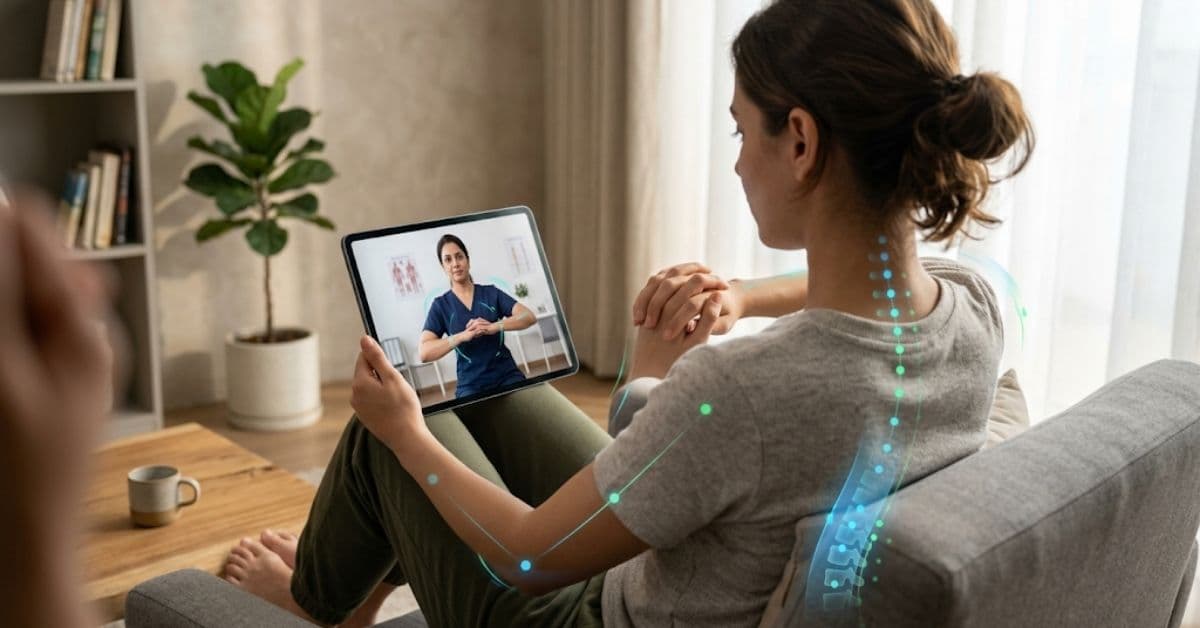
- Telemedicine Consultations: Facilitating pre-arrival and post-discharge virtual consultations with specialists.
- Post-Operative Care: Assisting with follow-up appointments, medication, and rehabilitation planning.
Quality Assurance and International Standards in Indian Spine Centers
Indian hospitals prioritize patient safety and quality of care, adhering to stringent international standards. Many leading hospitals are accredited by the Joint Commission International (JCI), the gold standard for healthcare quality worldwide, and the National Accreditation Board for Hospitals & Healthcare Providers (NABH). These accreditations ensure that hospitals meet rigorous benchmarks for patient care, safety protocols, infection control, and ethical practices. Furthermore, Indian spine surgeons are often internationally trained, board-certified, and participate in global conferences, staying abreast of the latest advancements and contributing to research, ensuring that patients receive care that is both cutting-edge and compassionate.
Conclusion
The landscape of spine surgery is continually evolving, offering new hope and improved outcomes for patients worldwide. India stands at the forefront of these advancements, providing access to emerging trends like robotic-assisted surgery, minimally invasive techniques, and regenerative medicine, all delivered with world-class expertise and significant cost advantages. For international patients and their families, choosing India for spine care means opting for a journey supported by advanced technology, skilled professionals, and comprehensive care, ensuring a path towards a pain-free and active life.
Ready to explore advanced spine surgery options in India? Contact us today for a personalized consultation and begin your journey to recovery.