
Gastrointestinal Cancer Treatment in India with Advanced Oncology Care
Access expert multidisciplinary treatment for GI cancers with leading oncologists, advanced technology, and coordinated care in India, facilitated by VRH Healthcare.
Verified Hospitals
JCI & NABH Accredited Centres only.
Zero Wait Time
Priority appointments for international patients.
Understanding Gastrointestinal Cancer Treatment in India
Gastrointestinal (GI) cancer refers to a group of malignant conditions that affect the digestive system, including cancers of the oesophagus, stomach, small intestine, colon, rectum, liver, pancreas, gall bladder, and bile ducts. These cancers can interfere with digestion, nutrient absorption, and overall metabolic health, often requiring complex and carefully planned treatment strategies. In India, gastrointestinal cancer treatment follows a multidisciplinary oncology approach, combining surgical oncology, medical oncology (chemotherapy, targeted therapy, immunotherapy), and radiation therapy to achieve the best possible outcomes. Advanced minimally invasive and robotic surgical techniques are commonly used alongside modern systemic therapies. VRH Healthcare assists international patients by connecting them with leading GI cancer specialists and comprehensive cancer centres in India, ensuring personalised treatment planning, coordinated care, and continuity throughout the treatment journey.
Types of Gastrointestinal Cancers & Treatment Approaches
Gastrointestinal cancers vary by organ involved and stage of disease, and each requires a tailored treatment approach based on tumour biology and patient condition.
Oesophageal Cancer
Affects the food pipe; often treated with surgery, chemotherapy, and radiation.
Stomach (Gastric) Cancer
Originates in the stomach lining; managed with surgery, chemo, and targeted therapy.
Colorectal Cancer
Includes colon and rectal cancers; treated with surgery, chemo, and radiation.
Pancreatic Cancer
Aggressive cancer of the pancreas; often requires complex surgery and chemotherapy.
Liver Cancer (Hepatocellular Carcinoma)
Primary liver cancer; treated with surgery, ablation, or systemic therapies.
Biliary Tract Cancer
Cancers of the bile ducts; complex cases often requiring surgery and chemotherapy.
Your surgeon explains why a particular approach is recommended for you.
Advanced Treatment Technologies for Gastrointestinal Cancer in India
In India, Gastrointestinal Cancer may be performed using:
Benefits
- Potential for complete tumour removal and long-term remission, especially in early stages.
- Significant improvement in quality of life by alleviating symptoms like pain, bleeding, or obstruction.
- Extension of life expectancy through effective disease control and prevention of spread.
- Access to advanced, minimally invasive surgical techniques, potentially leading to faster recovery.
- Multidisciplinary care ensures a comprehensive treatment plan tailored to individual needs.
Limitations
- Potential for significant side effects from chemotherapy, radiation, or surgery, impacting daily life.
- Risk of cancer recurrence, necessitating ongoing surveillance and potential further treatment.
- Complex surgeries may involve long recovery periods and changes to digestive function.
- Emotional and psychological challenges associated with a cancer diagnosis and treatment journey.
- Treatment outcomes can vary widely based on cancer stage, type, and individual patient factors.
Essential Diagnostics & Pre-Arrival Work-Up
Pre-Arrival & Travel Checklist
Your Multidisciplinary GI Cancer Treatment Journey
Initial Consultation & Diagnosis Review
Upon arrival, you'll meet with a leading oncologist to review your diagnosis, staging, and discuss initial treatment options based on your shared reports.
Multidisciplinary Tumour Board Discussion
Your case is presented to a panel of experts (surgeons, medical oncologists, radiation oncologists) to formulate a consensus treatment plan.
Pre-Treatment Preparation
This may involve further diagnostic tests, nutritional support, or pre-habilitation to optimise your health before primary treatment begins.
Primary Treatment Implementation
Depending on the plan, this could be surgery (open, laparoscopic, or robotic), chemotherapy, radiation therapy, or a combination of these.
Adjuvant/Neoadjuvant Therapy
Additional treatments like chemotherapy or radiation may be given before (neoadjuvant) or after (adjuvant) surgery to improve outcomes.
Recovery & Post-Treatment Care
Following active treatment, focus shifts to recovery, symptom management, and preparing for your return home with a follow-up plan.
Top Specialists for Oncology
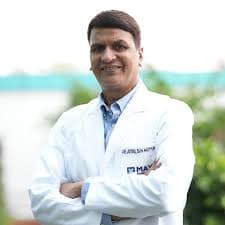
Prof. (Dr.) Atul Sharma
Oncology
Max Super Speciality Hospital, Saket, New Delhi
Prof. Atul Sharma, a leading medical oncologist with 27+ years of experience, former AIIMS Professor, specializes in chemotherapy, targeted therapy, and immunotherapy at Max Super Speciality Hospital, Saket.

Dr. Priya Tiwari
Oncology
Medanta - The Medicity, Gurugram
Dr. Priya Tiwari, Cancer Specialist in Delhi and Gurgaon, specializes in chemotherapy, immunotherapy, and targeted therapy at Medanta - The Medicity, Gurugram.
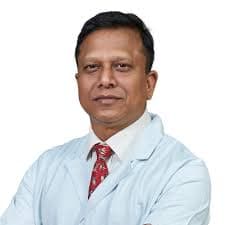
Dr. Amal Roy Chaudhoory
Oncology
Fortis Memorial Research Institute, Gurugram
Dr. Amal Roy Chaudhoory, Director of Radiation Oncology at Fortis Hospital, Gurugram with 23+ years expertise in precision radiotherapy and cancer care.
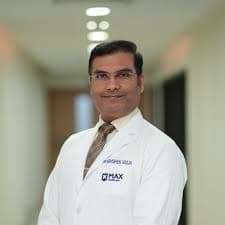
Dr. Abhishek Gulia
Oncology
Max Super Speciality Hospital, Noida
Dr. Abhishek Gulia, Harvard-trained Director of Radiation Oncology at Max Super Speciality Hospital, Noida, specializes in SRS/SBRT and precision cancer care with 17+ years of experience.
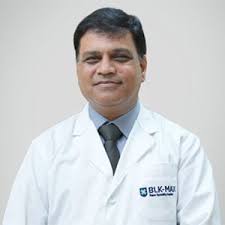
Dr. Rajesh Kumar Jain
Oncology
BLK-Max Super Speciality Hospital, New Delhi
Dr. Rajesh Kumar Jain, Senior Surgical Oncologist at BLK-Max Delhi with 32+ years’ experience, specializes in complex cancer surgeries and advanced oncology procedures.
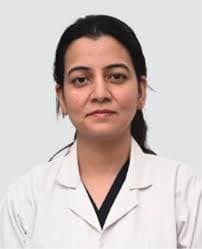
Dr. Priyanka Raina
Oncology
Artemis Hospital, Gurugram
Dr. Priyanka Raina, Head & Neck Oncologist at Artemis Hospital, Gurugram with 15+ years expertise in oral, thyroid & skull base cancer surgery and microvascular reconstruction.
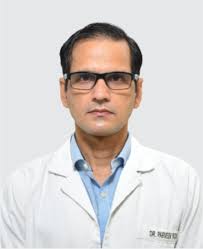
Dr. Parveen Yadav
Oncology
Artemis Hospital, Gurugram
Dr. Parveen Yadav, leading thoracic oncologist at Artemis Gurugram with 17+ years’ experience in lung & esophageal cancer surgery and minimally invasive VATS.
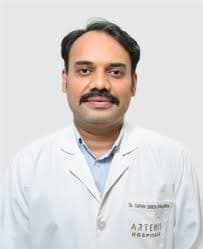
Dr. Tapan Singh Chauhan
Oncology
Artemis Hospital, Gurugram
Dr. Tapan Singh Chauhan, Surgical Oncologist at Artemis Gurugram, specializes in GI, HPB, robotic oncology, CRS & HIPEC with advanced global training.
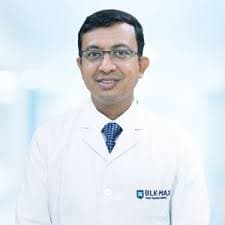
Dr. Manish Jain
Oncology
BLK-Max Super Speciality Hospital, New Delhi
Dr. Manish Jain, leading GI & HPB Oncosurgeon in Delhi, specializes in robotic GI cancer surgery, HIPEC & advanced minimally invasive cancer treatments.
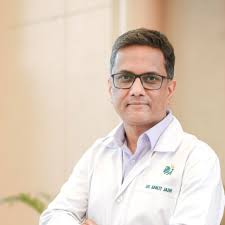
Dr. Ankit Jain
Oncology
Indraprastha Apollo Hospital, New Delhi
Dr. Ankit Jain, UK-trained Medical Oncologist at Apollo Delhi, expert in Immunotherapy & Precision Oncology. 25+ years experience. Consult through VRH Healthcare.
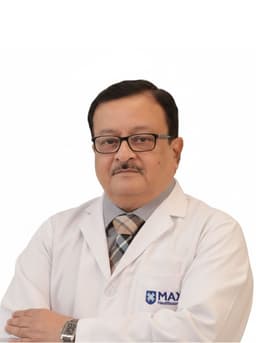
Dr. Prof. S.V.S. Deo
Oncology
Max Super Speciality Hospital, Saket, New Delhi
Dr. Prof. S.V.S. Deo is a senior surgical oncologist in Delhi with 35+ years experience. Expert in breast cancer, GI cancer, HIPEC & complex oncology surgery.
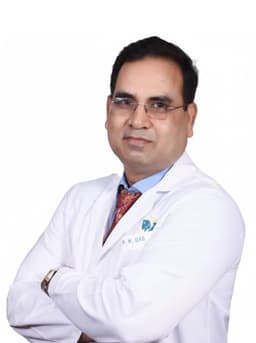
Dr. P. K. Das
Oncology
Indraprastha Apollo Hospital, New Delhi
Dr. P. K. Das, is a senior medical oncologist and haemato-oncologist at Apollo Cancer Institute, Delhi, with 21+ years’ experience in chemotherapy, targeted therapy, immunotherapy, and blood cancer care.
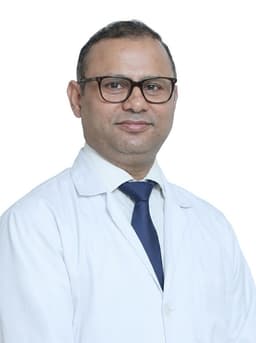
Dr. Chandragouda Dodagoudar
Oncology
BLK-Max Super Speciality Hospital, New Delhi
Dr. Chandragouda Dodagoudar is Senior Director of Medical Oncology at BLK-Max with 19+ years’ experience in chemotherapy and targeted therapy.
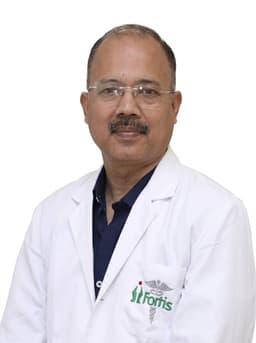
Dr. Biswajyoti Hazarika
Oncology
Fortis Memorial Research Institute, Gurugram
Dr. Biswajyoti Hazarika is Principal Director of Head & Neck Surgical Oncology at Fortis Gurugram with 30+ years’ experience in complex cancer surgery.

Dr. Mukesh Patekar
Oncology
BLK-Max Super Speciality Hospital, New Delhi
Dr. Mukesh Patekar is an AIIMS-trained medical oncologist at BLK-Max Delhi specialising in solid cancers, blood cancers and stem cell transplant.

Dr. Vinod Raina
Oncology
Fortis Memorial Research Institute, Gurugram
Dr. Vinod Raina is Chairman of Oncosciences at Fortis Gurgaon with 40+ years’ experience in cancer care and 400 stem cell transplants.

Dr. Surender Kumar Dabas
Oncology
Manipal Hospital, Dwarka, New Delhi
Dr. Surender Dabas is Chairman of Cancer & Robotic Surgery at Manipal Dwarka with 22+ years’ experience and 4,000+ robotic cancer surgeries.
Expected Outcomes & What "Success" Means
Recovery & Follow-Up Timeline
Fitness to fly and activity limits are centre-specific.
How Quickly Can I Start?
Second Opinion
12-48 hours
Typically received after sharing medical reports.
Scheduling
1-2 working days
Depending upon the availability of the specialist
Visa Invitation Letter (VIL)
1-2 working days
issued promptly to support your medical visa application.
Costs & What Affects Your Estimate for Gastrointestinal Cancer Treatment in India
This page provides an overview of typical costs and influencing factors. A personalised cost estimate is shared after a medical review of your reports—please contact us to request your individual estimate.
How VRH Healthcare Helps
VRH Healthcare is not a hospital. We act as your medical facilitation and patient-navigation partner, helping you make informed decisions and move smoothly through care in India.
International Patient Services
Your Care Journey with VRH
A simplified step-by-step guide to your treatment experience.
Share medical reports securely online
Receive an expert second opinion and indicative estimate from top specialists
Plan travel, visa, and appointments with VRH's assistance
Undergo treatment in India with dedicated on-ground coordination
Experience smooth discharge and ongoing tele-follow-ups for continuity of care
Share medical reports securely online
Receive an expert second opinion and indicative estimate from top specialists
Plan travel, visa, and appointments with VRH's assistance
Undergo treatment in India with dedicated on-ground coordination
Experience smooth discharge and ongoing tele-follow-ups for continuity of care
Where We Serve: Countries We Support
Middle East
Language support, visa assistance, and coordinated care planning for gastrointestinal cancer treatment.
Africa
Support for diagnostics review, travel planning, and post-treatment follow-up.
Central Asia & CIS
Interpretation services and hospital coordination for surgical and medical oncology care.
South Asia
Quick access to opinions, scheduling, and continuity of care.
U.K. & USA
Second opinions, cost-sensitive planning, and post-return tele-follow-ups.
Other Countries
Customised support based on individual travel and care needs.