Patient Safety and Infection Control in Spine Surgeries in India: A Comprehensive Guide for International Patients – 2026
Embarking on a medical journey for spine surgery can be a significant decision, especially when considering treatment abroad. India has emerged as a global leader in advanced spine care, offering world-class expertise and state-of-the-art facilities. For international patients, the prospect of receiving high-quality, cost-effective treatment is appealing, but paramount to this decision is the assurance of patient safety and stringent infection control. This guide aims to alleviate concerns by detailing the robust measures implemented in Indian hospitals, ensuring a secure and successful surgical experience.
Understanding Spine Surgeries and Their Importance
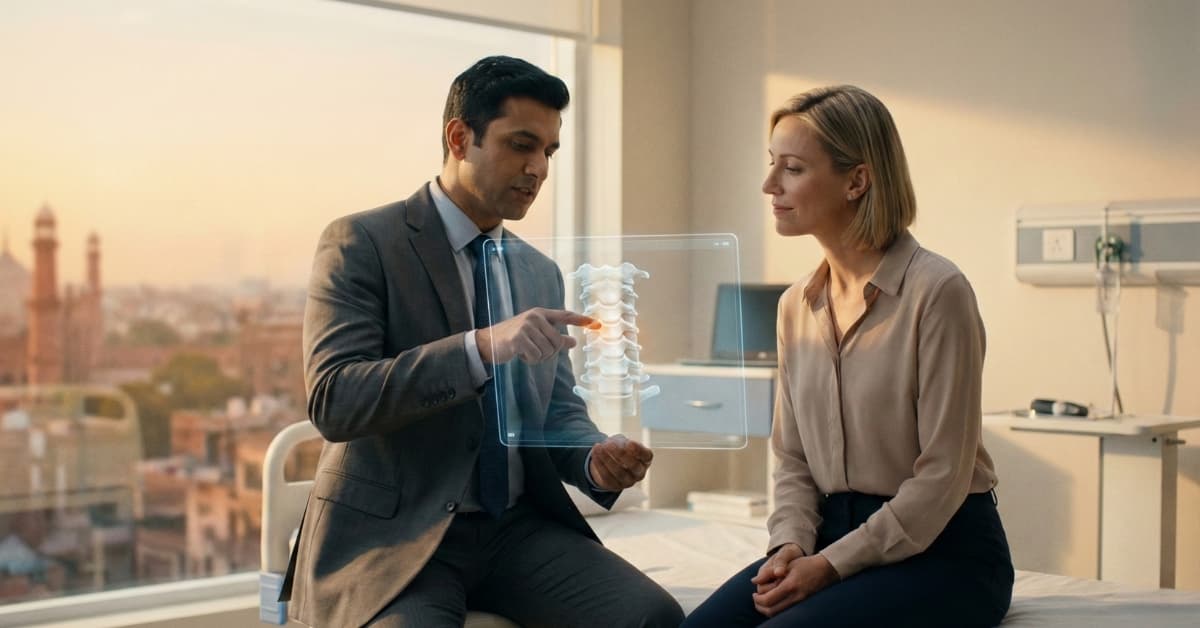
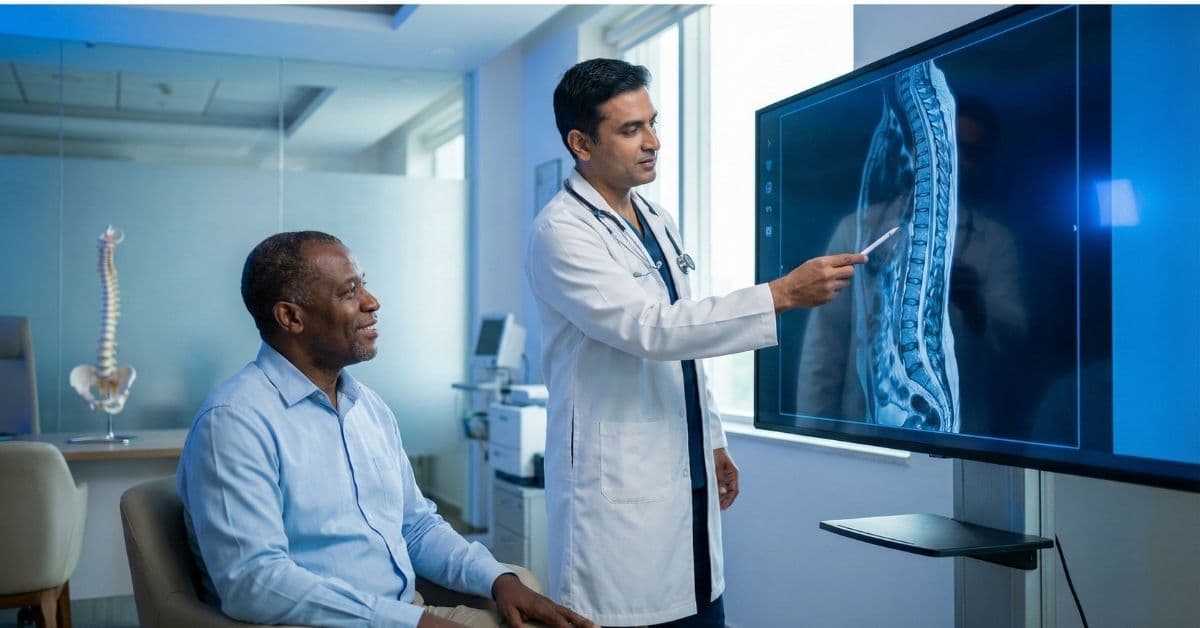
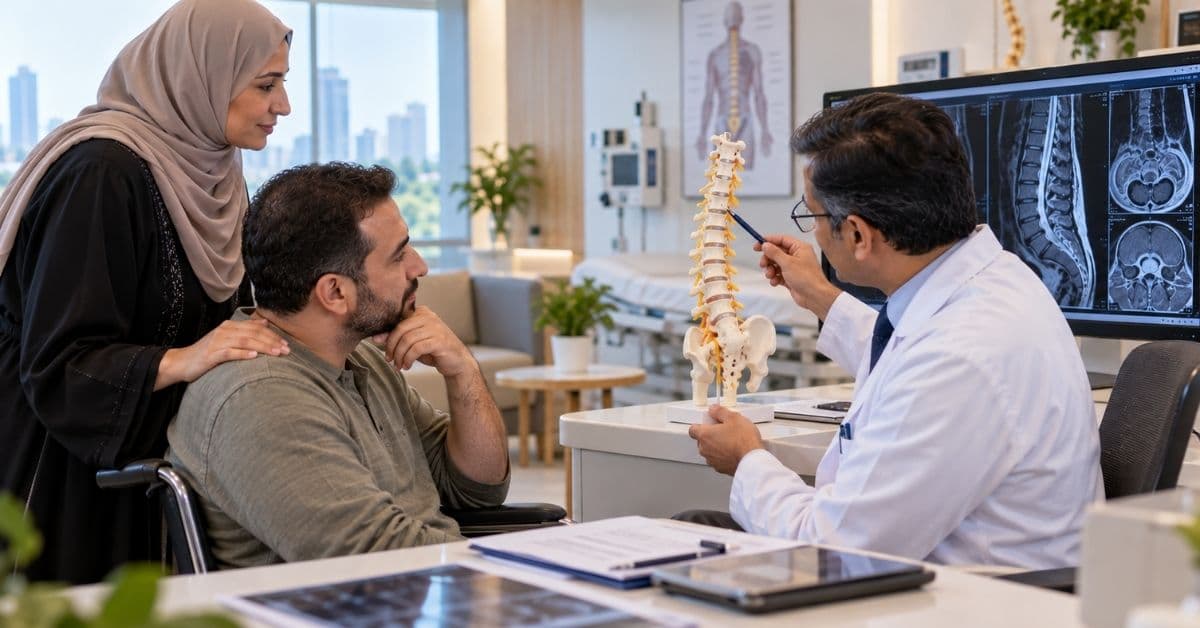
Spine surgery is a specialized field dedicated to treating a range of conditions affecting the spinal column, nerves, and discs. These procedures are often life-changing, alleviating chronic pain, restoring mobility, and improving the overall quality of life for individuals suffering from debilitating back and neck issues. From correcting deformities like scoliosis to addressing nerve compression caused by herniated discs or spinal stenosis, spine surgeries aim to stabilize the spine, decompress nerves, and restore function. The decision to undergo spine surgery is a significant one, often made after conservative treatments have not yielded sufficient relief, and it promises a path towards a more active and pain-free existence.
Types of Spine Surgery Procedures
Indian hospitals offer a comprehensive spectrum of spine surgeries, tailored to individual patient needs and conditions. These procedures leverage advanced techniques and technologies to ensure optimal outcomes.
Minimally Invasive Spine Surgery (MISS)
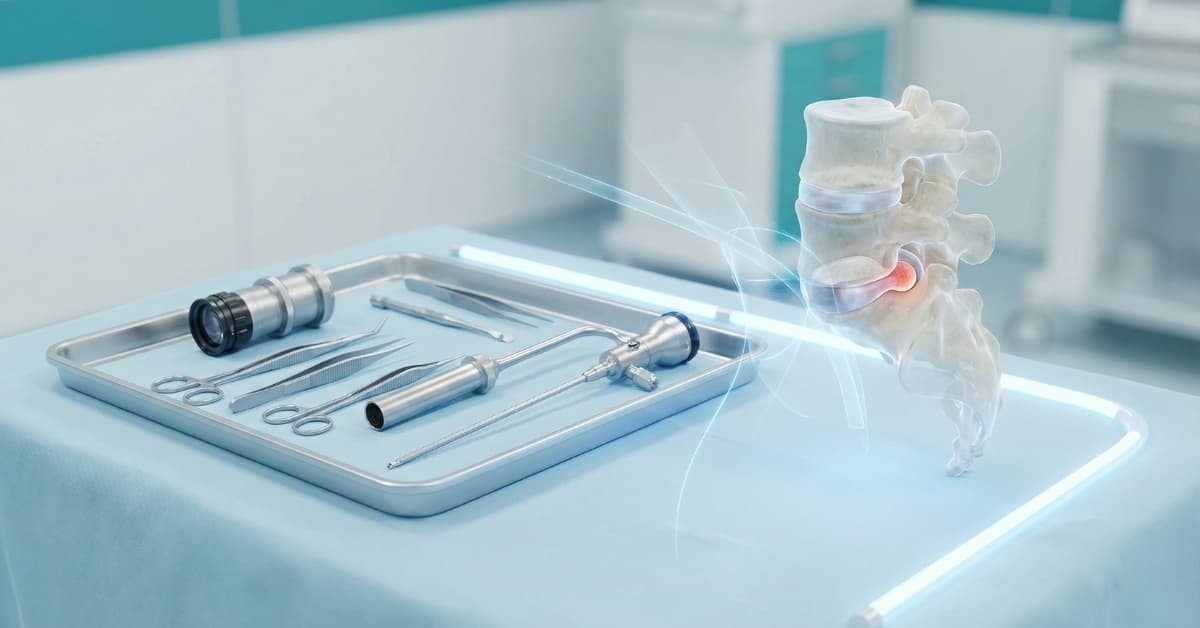
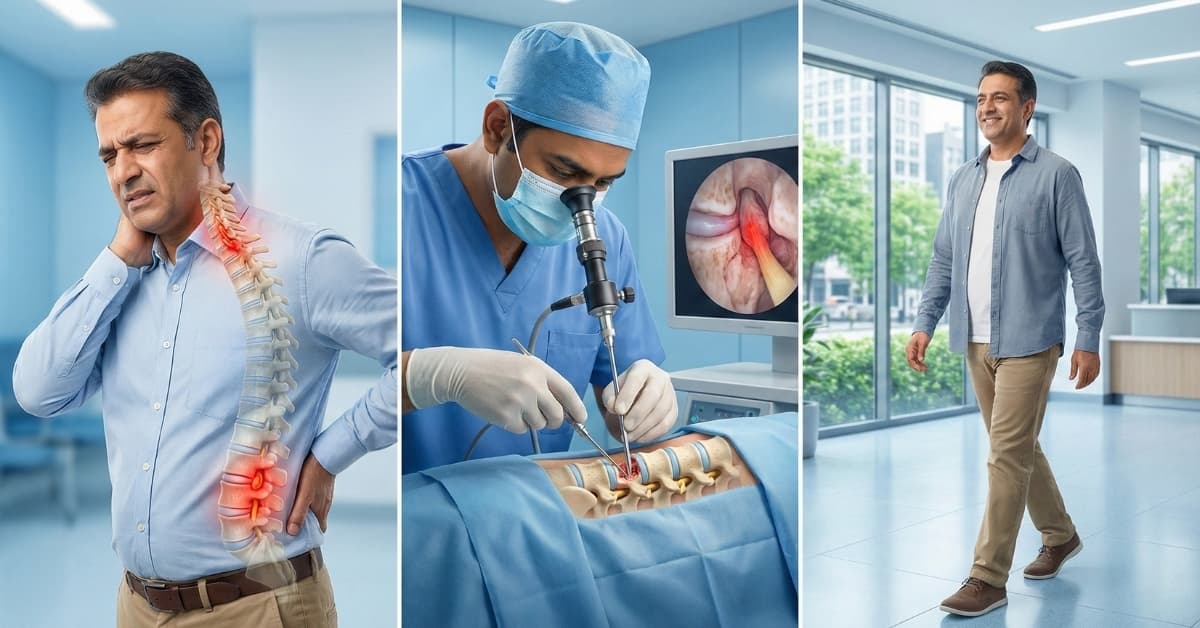
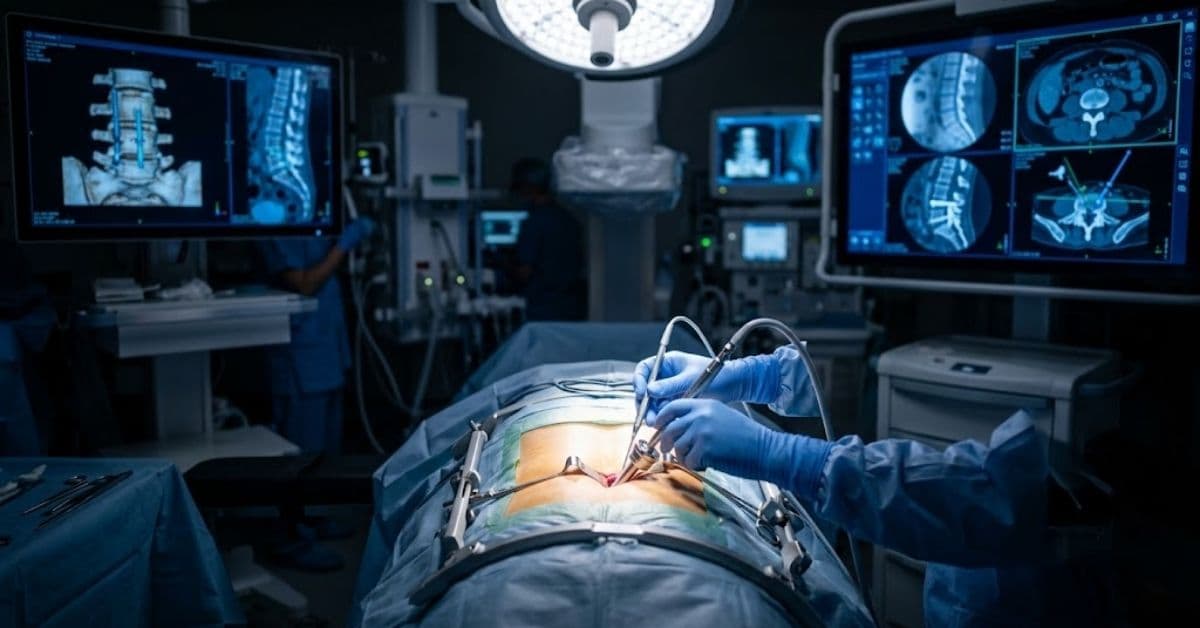
MISS techniques involve smaller incisions, leading to less muscle damage, reduced blood loss, and quicker recovery times. This approach is often preferred for disc herniations, spinal stenosis, and certain fusions.
- Smaller incisions (typically 1-2 cm)
- Reduced post-operative pain and scarring
- Faster return to daily activities
- Lower risk of infection compared to open surgery
Spinal Fusion
Spinal fusion involves permanently joining two or more vertebrae to eliminate motion between them. It's commonly used to treat spinal instability, severe degenerative disc disease, and scoliosis, providing stability and pain relief.
- Stabilizes the spine to reduce pain
- Effective for conditions causing instability
- Utilizes bone grafts and instrumentation (screws, rods)
Disc Replacement Surgery
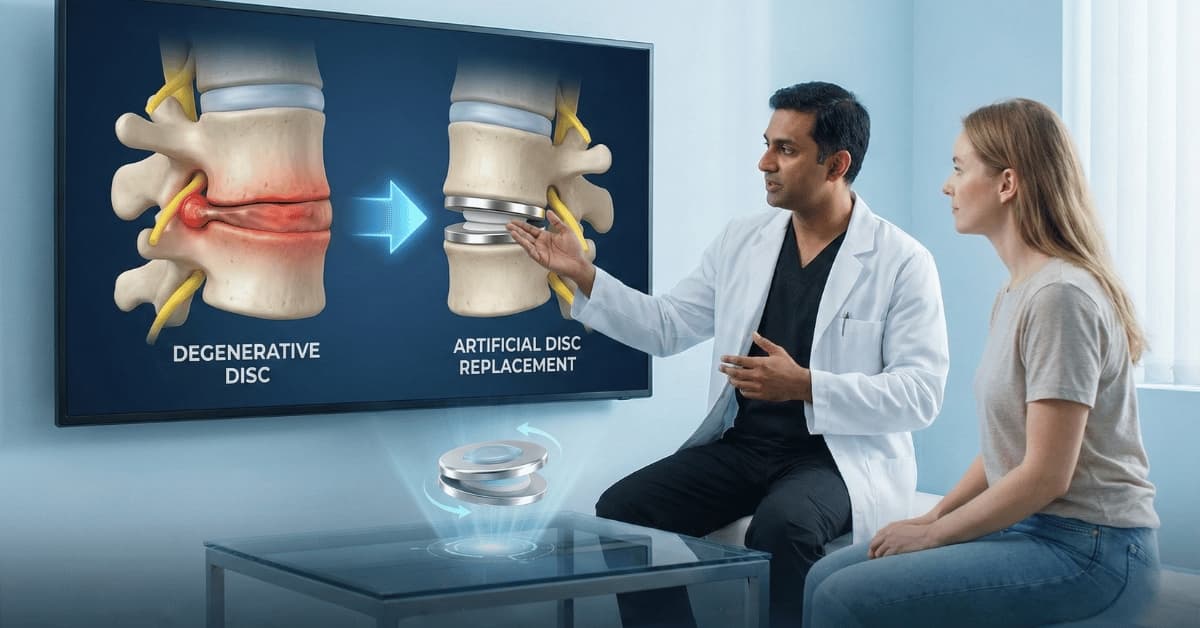
An alternative to spinal fusion, disc replacement involves removing a damaged disc and replacing it with an artificial one, preserving motion in the spine. This is suitable for specific cases of degenerative disc disease.
- Maintains spinal flexibility and motion
- Reduces stress on adjacent discs
- Offers quicker recovery than some fusion procedures
Decompression Surgeries (Laminectomy, Discectomy)
These procedures aim to relieve pressure on the spinal cord or nerve roots caused by herniated discs, bone spurs, or thickened ligaments, thereby alleviating pain, numbness, and weakness.
- Relieves nerve compression
- Addresses symptoms like sciatica and radiculopathy
- Often performed minimally invasively
The Critical Role of Patient Safety in Spine Surgery
For any surgical procedure, especially those as intricate as spine surgeries, patient safety is the cornerstone of successful treatment. It encompasses a holistic approach, from pre-operative assessment to post-operative care, ensuring every step is meticulously managed to minimize risks and optimize outcomes. International patients often prioritize safety, and Indian hospitals have invested heavily in creating environments where patient well-being is paramount. This includes not only surgical precision but also robust protocols to prevent complications, with infection control being a primary focus.
Comprehensive Infection Control Protocols in Indian Hospitals
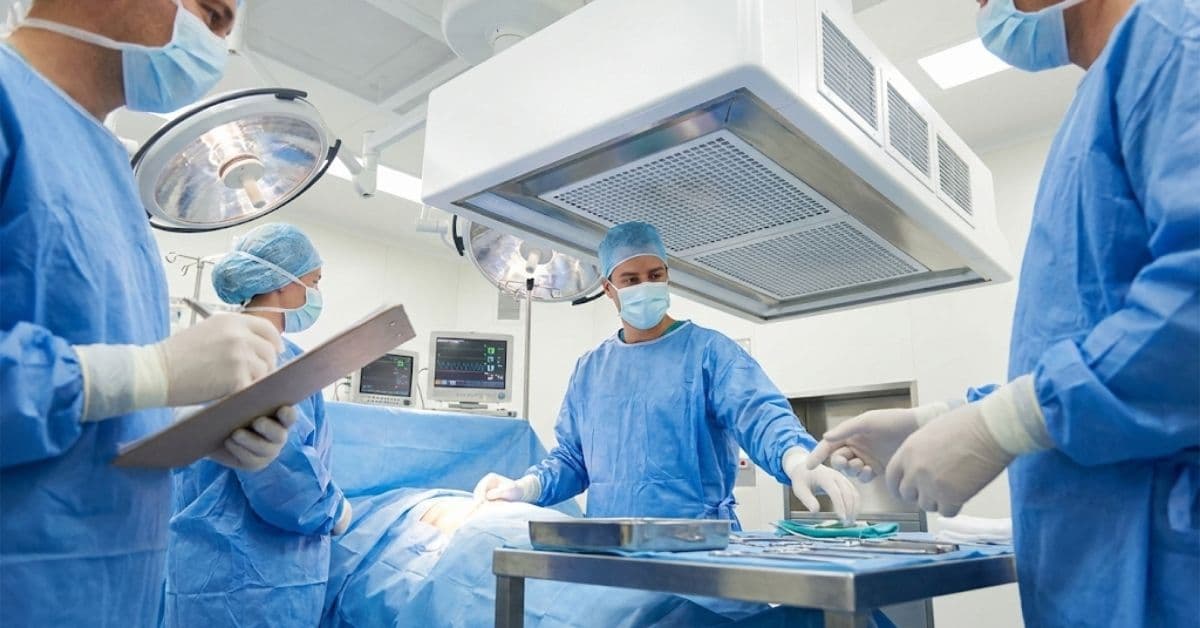
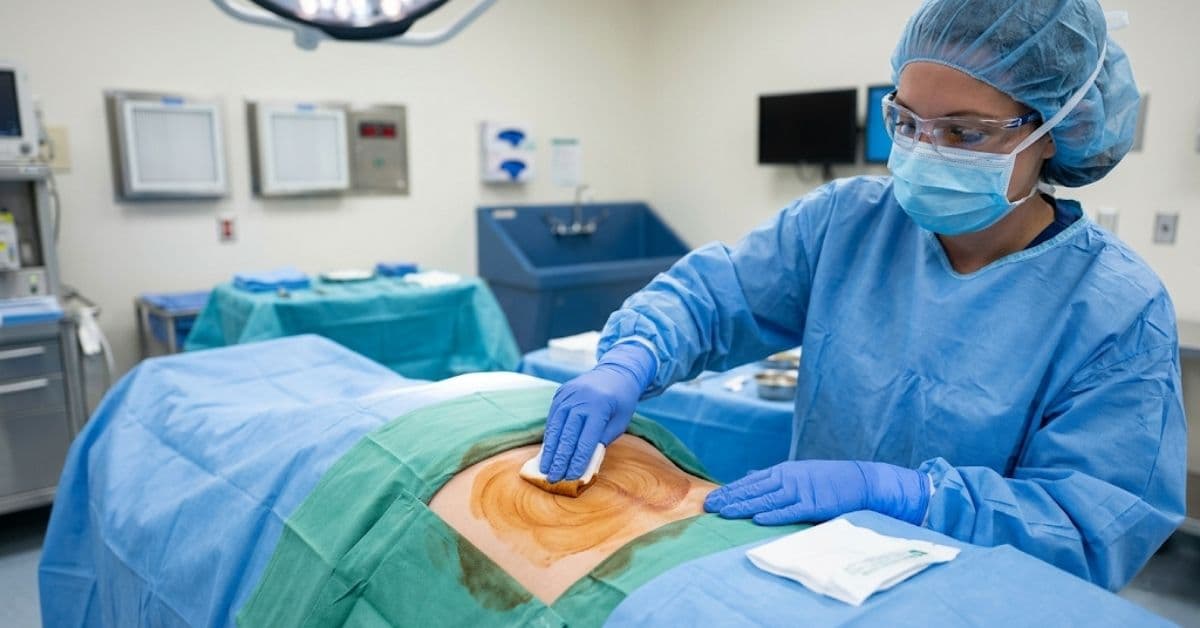
Indian hospitals adhere to stringent international guidelines for infection prevention and control, ensuring a sterile environment for spine surgeries. These protocols are multi-faceted, covering every stage of the patient journey.
Advanced Technology Enhancing Safety and Outcomes
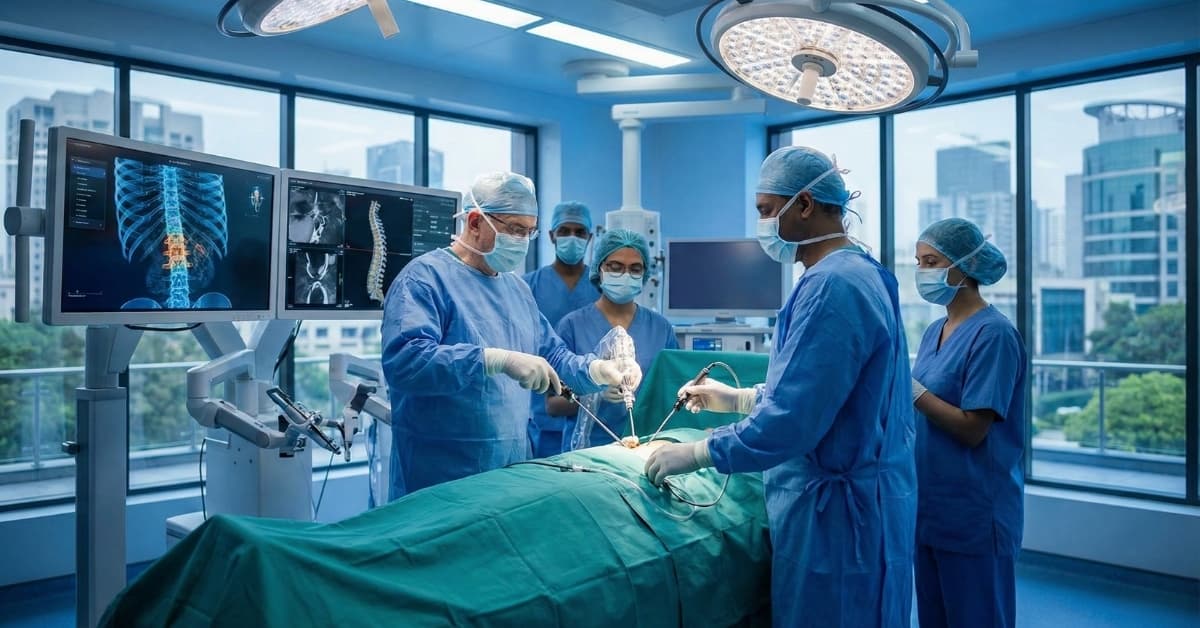
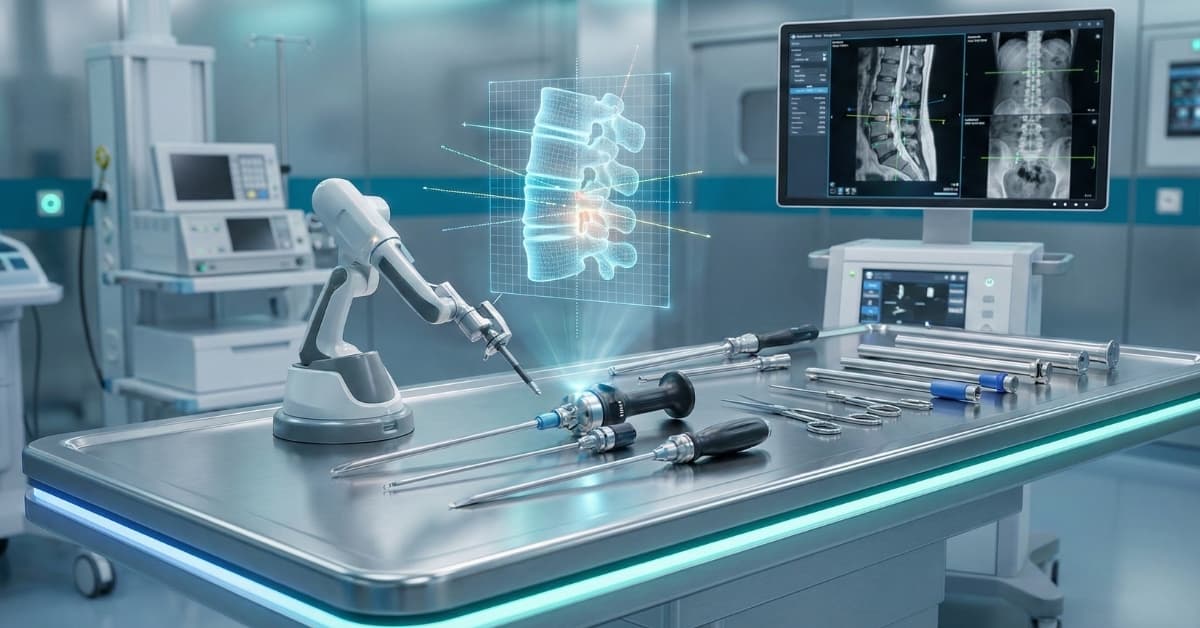
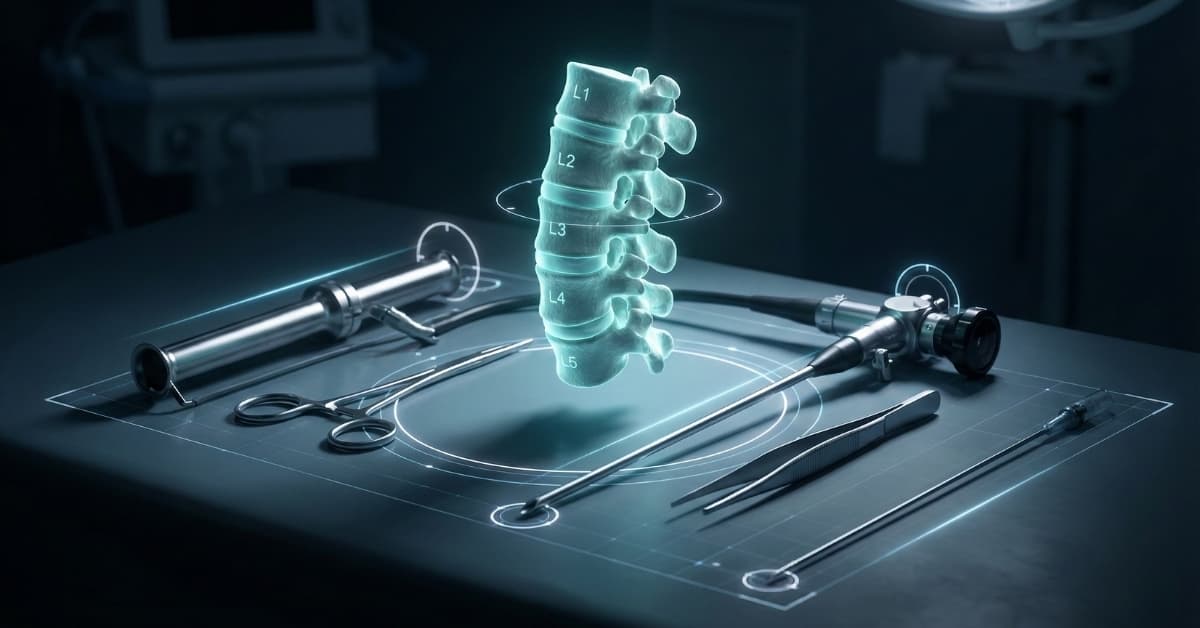
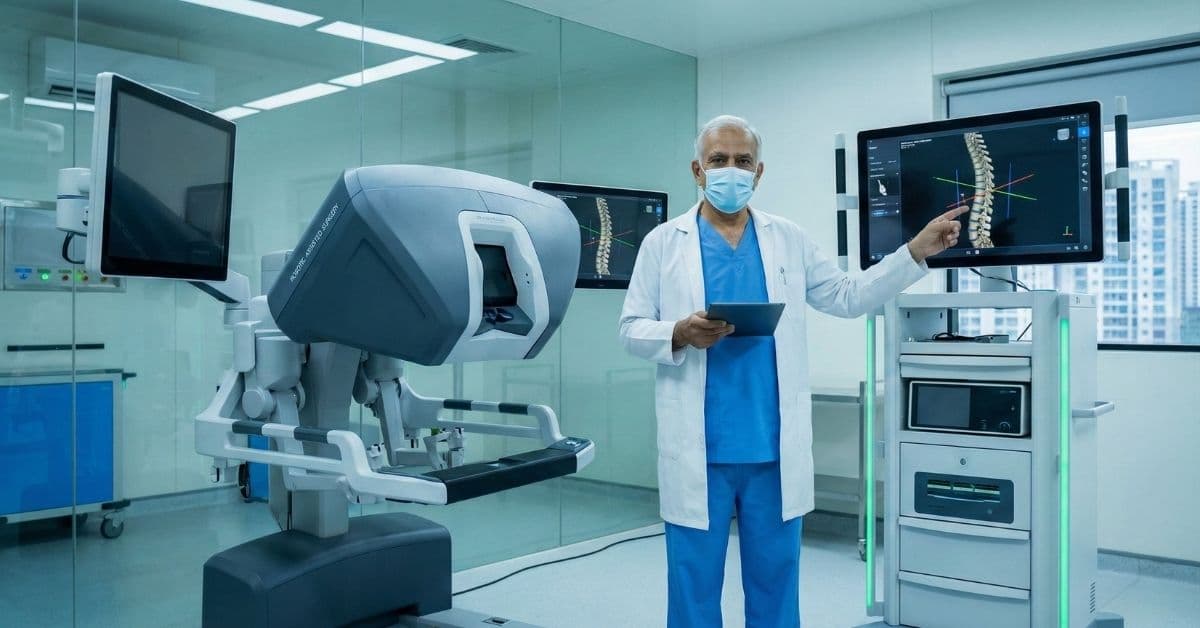
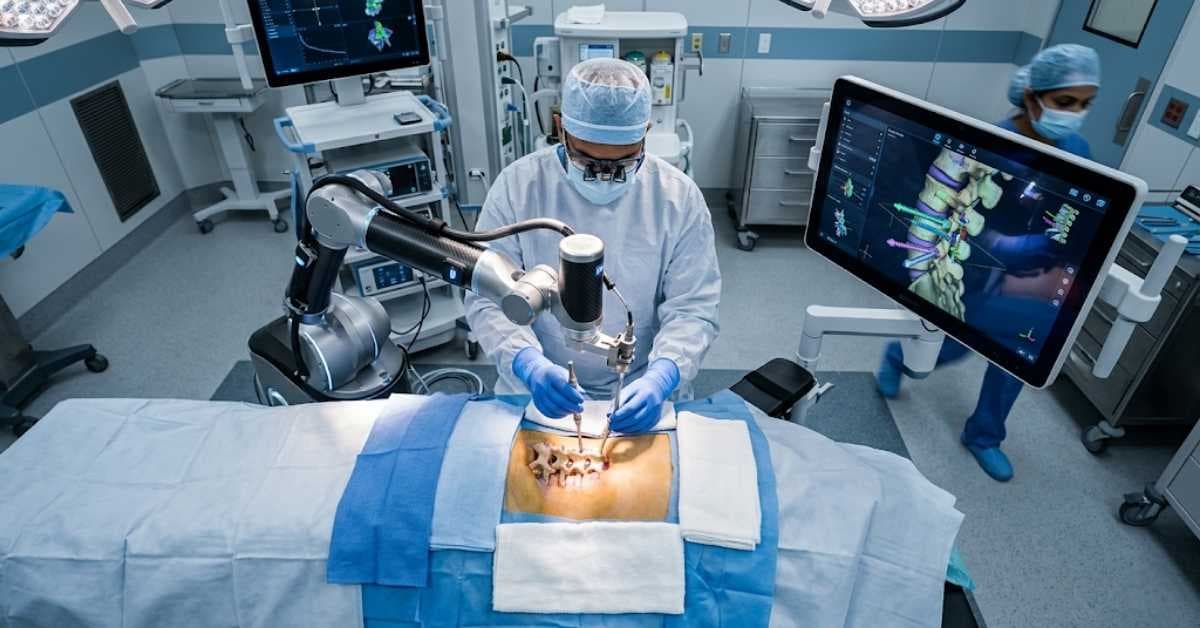
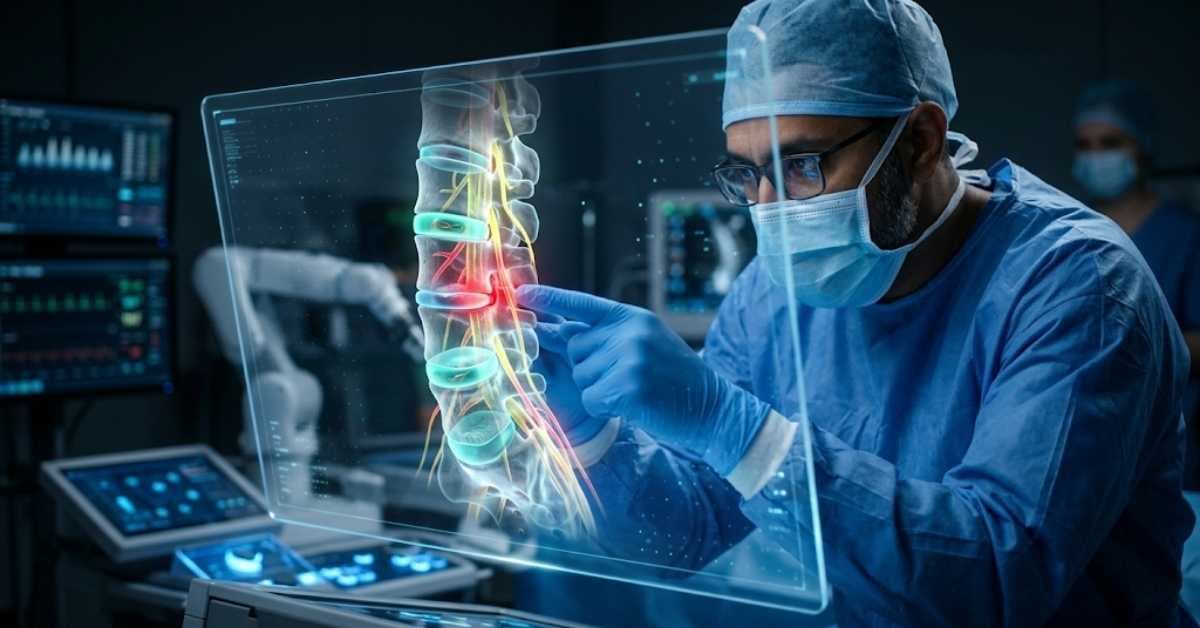
The integration of cutting-edge technology significantly bolsters patient safety and surgical precision in Indian spine centers. Robotic-assisted surgery, for instance, allows surgeons to plan and execute procedures with unparalleled accuracy, minimizing human error and reducing the invasiveness of the surgery. Computer navigation systems provide real-time, 3D imaging during surgery, guiding the surgeon with pinpoint precision, especially crucial for placing screws and implants safely near delicate neural structures. Intraoperative neuromonitoring continuously assesses nerve function during surgery, immediately alerting the team to any potential nerve irritation, thereby preventing neurological damage. These technologies not only improve surgical outcomes but also indirectly contribute to infection prevention by reducing operative time and tissue trauma.
Cost of Spine Surgeries in India
One of India's most compelling advantages for international patients is the significant cost-effectiveness without compromising on quality or safety. Below is an approximate comparison of spine surgery costs:
| Procedure Type | India (INR) | India (USD) | USA (USD) | UK (GBP) |
|---|---|---|---|---|
| Lumbar Discectomy | ₹2,50,000 - ₹4,50,000 | $3,000 - $5,500 | $20,000 - $40,000 | £15,000 - £25,000 |
| Spinal Fusion (1-level) | ₹4,00,000 - ₹8,00,000 | $5,000 - $10,000 | $50,000 - $100,000 | £30,000 - £60,000 |
| Artificial Disc Replacement | ₹5,00,000 - ₹9,00,000 | $6,000 - $11,000 | $40,000 - $75,000 | £25,000 - £50,000 |
| Scoliosis Correction | ₹8,00,000 - ₹15,00,000 | $10,000 - $18,000 | $80,000 - $150,000 | £50,000 - £90,000 |
Disclaimer: These are estimated costs and can vary significantly based on the hospital, surgeon's fees, type of implant used, patient's specific condition, length of hospital stay, and additional services required. It's advisable to get a personalized quote.*
Accreditation and Quality Standards: Ensuring Your Safety
Indian hospitals offering spine surgeries are committed to upholding global benchmarks for quality and patient safety. Many leading institutions are accredited by international bodies such as the Joint Commission International (JCI) and national bodies like the National Accreditation Board for Hospitals & Healthcare Providers (NABH). JCI accreditation signifies adherence to the highest international standards in patient care, safety, and infection control, ensuring that processes, facilities, and staff meet rigorous criteria. NABH accreditation, similarly, ensures quality healthcare delivery within India. These accreditations are not just badges; they represent a continuous commitment to excellence, regular audits, and a culture of patient-centric care, providing international patients with peace of mind regarding the quality and safety of their treatment.
Recovery, Rehabilitation, and Infection Prevention Post-Surgery
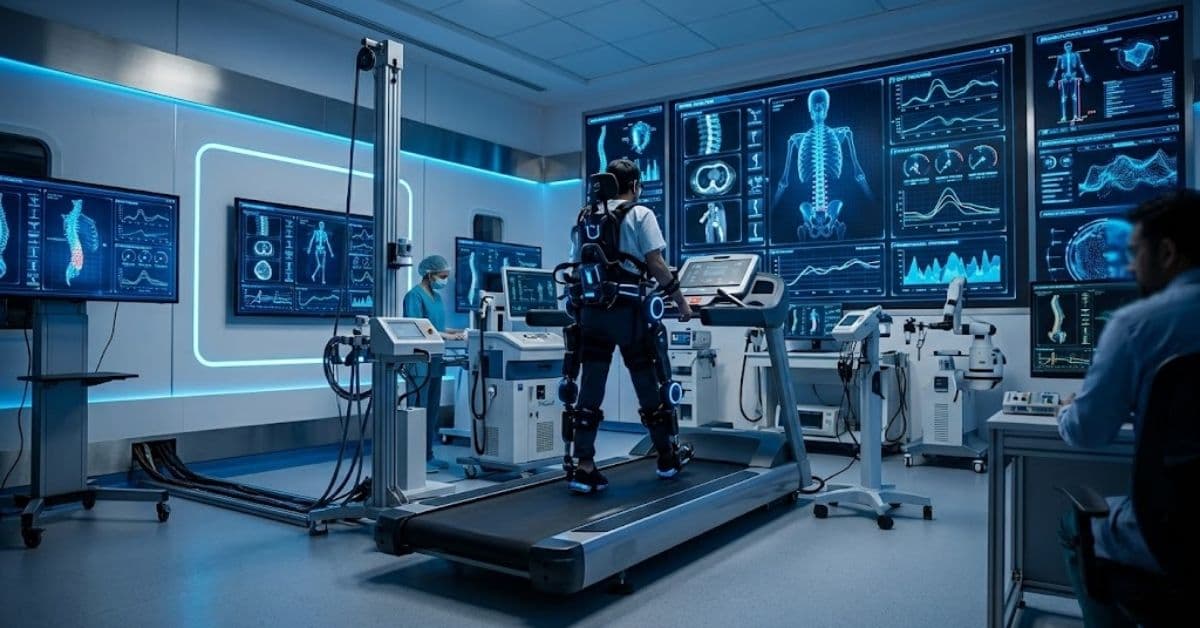
The journey to recovery after spine surgery is as crucial as the surgery itself. Indian hospitals provide comprehensive post-operative care, focusing on pain management, early mobilization, and rehabilitation, all while maintaining vigilance against infection.
- Hospital Stay (3-7 days): Immediately after surgery, patients are closely monitored for vital signs, pain levels, and wound integrity. Early ambulation, often within 24 hours, is encouraged under supervision to prevent complications.
- Wound Care: Nurses provide meticulous wound care, changing dressings as needed and educating patients and caregivers on how to keep the surgical site clean and dry to prevent infection.
- Physiotherapy Initiation: Physiotherapy typically begins within a few days of surgery, focusing on gentle exercises to restore strength, flexibility, and mobility. This is crucial for long-term recovery.
- Pain Management: A tailored pain management plan is implemented to ensure comfort throughout the recovery period, using a combination of medications and non-pharmacological approaches.
- Return to Daily Life: Most patients can return to light daily activities within 4-6 weeks, with full recovery and return to more strenuous activities taking 3-6 months, depending on the type of surgery and individual progress.
- Infection Vigilance: Patients are educated on signs of infection (fever, increased pain, redness, swelling, pus from the wound) and instructed on when to seek medical attention. Follow-up appointments are scheduled to monitor healing and address any concerns.
Global Trust and Medical Tourism for Spine Care in India
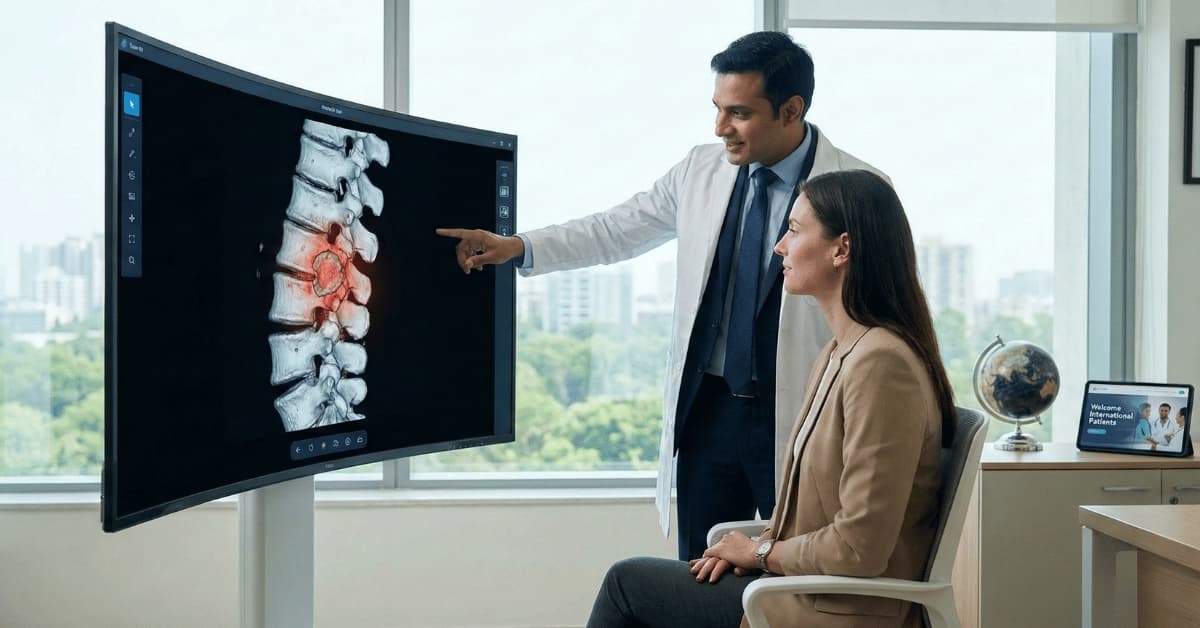
India has firmly established itself as a preferred destination for medical tourism, particularly for complex procedures like spine surgeries. Thousands of international patients, primarily from the Middle East, Africa, Southeast Asia, and even Western countries, choose India annually. This trust stems from the availability of highly skilled spine surgeons, advanced medical technology, significantly lower costs, and a patient-centric approach. Beyond medical excellence, India offers comprehensive logistical and cultural support, including visa assistance, airport pickups, dedicated international patient desks, language interpreters, and assistance with accommodation for patients and their families. This holistic support system ensures a comfortable and stress-free experience, allowing patients to focus entirely on their recovery.
Success Rates and Clinical Outcomes in Indian Spine Centers
Indian spine centers boast impressive success rates and clinical outcomes, comparable to leading institutions worldwide. For common procedures like lumbar discectomy, success rates in relieving pain and improving function often exceed 90-95%. Spinal fusion surgeries typically report success rates of 85-90% in achieving fusion and significant pain reduction. The focus on advanced surgical techniques, rigorous infection control, and comprehensive rehabilitation contributes to these high figures. Patients often report significant improvement in their quality of life, reduced pain, and restored mobility, allowing them to return to their daily activities with renewed vigor. These outcomes are regularly audited and published, reflecting a commitment to transparency and continuous improvement.
Medical Tourism Support Services for a Seamless Journey
Navigating medical treatment in a foreign country can be daunting, but dedicated medical tourism support services in India simplify the entire process. Organizations like VRH Healthcare specialize in assisting international patients at every step. These services typically include:
- Visa Assistance: Guidance and support for obtaining medical visas.
- Travel Logistics: Arranging flights, airport transfers, and local transportation.
- Accommodation: Helping find suitable lodging for patients and their families, from budget-friendly options to luxury stays.
- Language Interpreters: Providing professional interpreters to ensure clear communication between patients, doctors, and hospital staff.
- Appointment Scheduling: Coordinating all medical appointments, consultations, and diagnostic tests.
- Financial Guidance: Assisting with cost estimates, payment options, and insurance coordination.
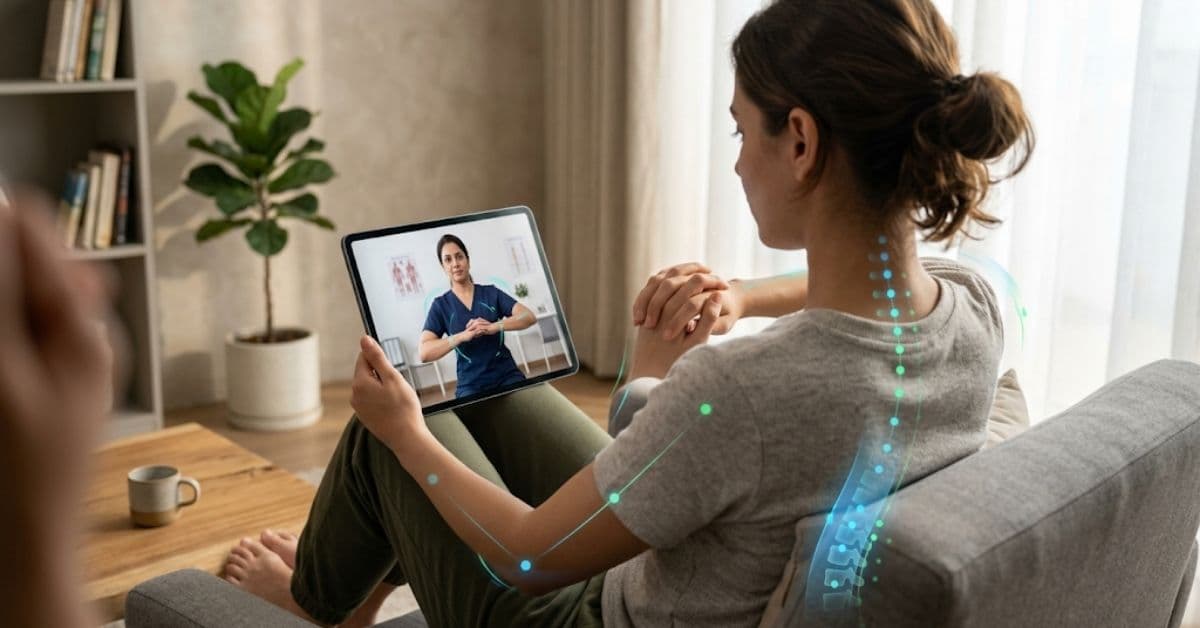
- Post-Treatment Follow-ups: Facilitating telemedicine consultations and follow-up care once the patient returns home.
- Cultural Orientation: Offering insights into local customs and traditions to ensure a comfortable stay.
Conclusion
Choosing India for spine surgery means opting for a blend of world-class medical expertise, advanced technology, and compassionate care, all delivered with an unwavering commitment to patient safety and infection control. For international patients and their families, this translates into a secure, effective, and affordable pathway to recovery. The robust protocols, accredited facilities, and dedicated support services ensure that your medical journey is not just about treatment, but about a holistic experience focused on your well-being and successful return to a pain-free life.
Ready to explore your spine surgery options in India with confidence? Contact us today for a personalized consultation and begin your journey to recovery.