Guidelines and Considerations for Elderly Spine Surgery in India: A Comprehensive Guide for International Patients – 2026
For many older adults, persistent back pain or neurological issues stemming from spinal conditions can severely impact their quality of life, making daily activities a challenge. While surgery might seem daunting, advancements in medical science and specialized geriatric care have made spine surgery a viable and often life-changing option for the elderly. India has emerged as a global leader in providing advanced, cost-effective spine care, combining world-class surgical expertise with state-of-the-art technology, offering a beacon of hope for international patients seeking relief and improved mobility.
Understanding Spine Surgery in Older Adults
Spine surgery in older adults addresses a range of conditions that develop or worsen with age, such as spinal stenosis, degenerative disc disease, and vertebral fractures. These conditions can lead to chronic pain, numbness, weakness, and difficulty walking, significantly diminishing an individual's independence and overall well-being. The goal of surgery is often to decompress nerves, stabilize the spine, and alleviate pain, thereby restoring function and improving the patient's quality of life. While the decision for surgery in the elderly involves careful consideration of overall health and potential risks, modern techniques and comprehensive pre-operative assessments have made it safer and more effective than ever before.
Common Spine Conditions Requiring Surgery in Older Adults
As we age, the spine undergoes natural wear and tear, leading to several conditions that may eventually necessitate surgical intervention. Understanding these conditions is the first step towards informed decision-making.
Spinal Stenosis
This condition involves the narrowing of the spinal canal, which can compress the spinal cord and nerves, causing pain, numbness, or weakness in the legs. It's one of the most common reasons for spine surgery in the elderly.
- Often caused by bone spurs and thickened ligaments
- Symptoms worsen with walking and standing
- Decompression surgery (laminectomy) is a common treatment
Degenerative Disc Disease (DDD)
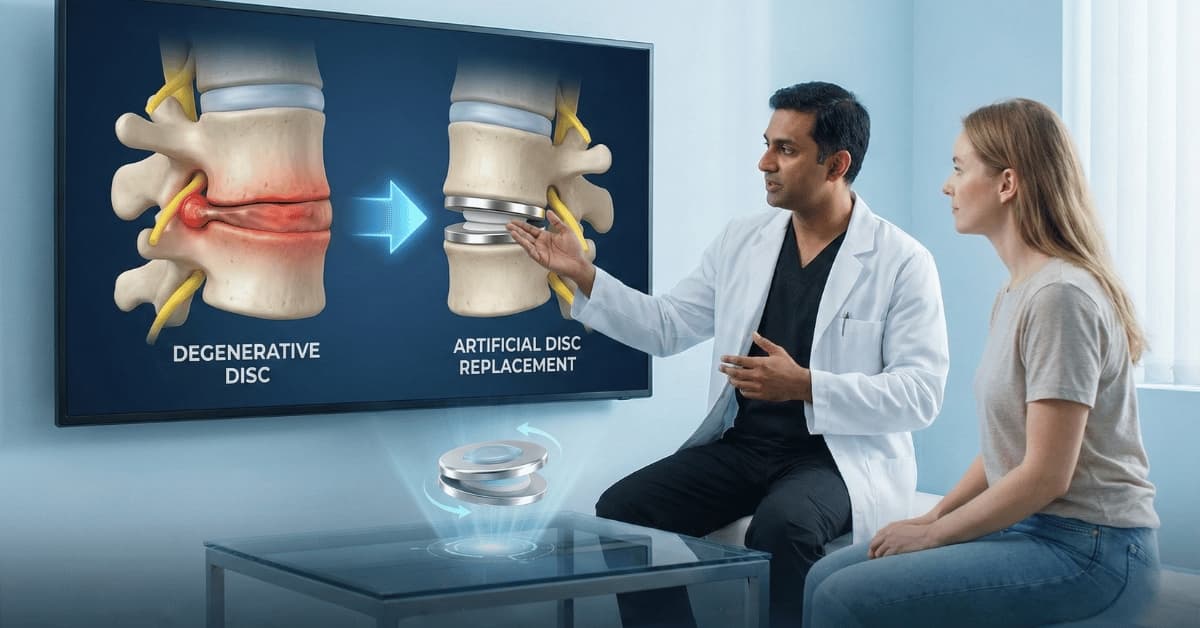
Over time, the discs between vertebrae can lose their cushioning ability, leading to pain, instability, and sometimes herniation. While not always requiring surgery, severe cases can benefit from fusion or disc replacement.
- Discs dry out and flatten with age
- Can lead to chronic back pain and nerve compression
- Fusion surgery stabilizes the affected segment
Spondylolisthesis
This occurs when one vertebra slips forward over another, often due to degenerative changes. It can cause significant pain and nerve impingement.
- Can be stable or progressive
- Often requires decompression and fusion to stabilize
- Improves alignment and reduces nerve pressure
Vertebral Compression Fractures
Common in older adults with osteoporosis, these fractures can cause severe back pain and spinal deformity. Minimally invasive procedures can often provide rapid pain relief.
- Often occur with minimal trauma
- Kyphoplasty or vertebroplasty can stabilize the fracture
- Significantly reduces pain and prevents further collapse
Deciding on Spine Surgery: A Holistic Approach for Elderly Patients
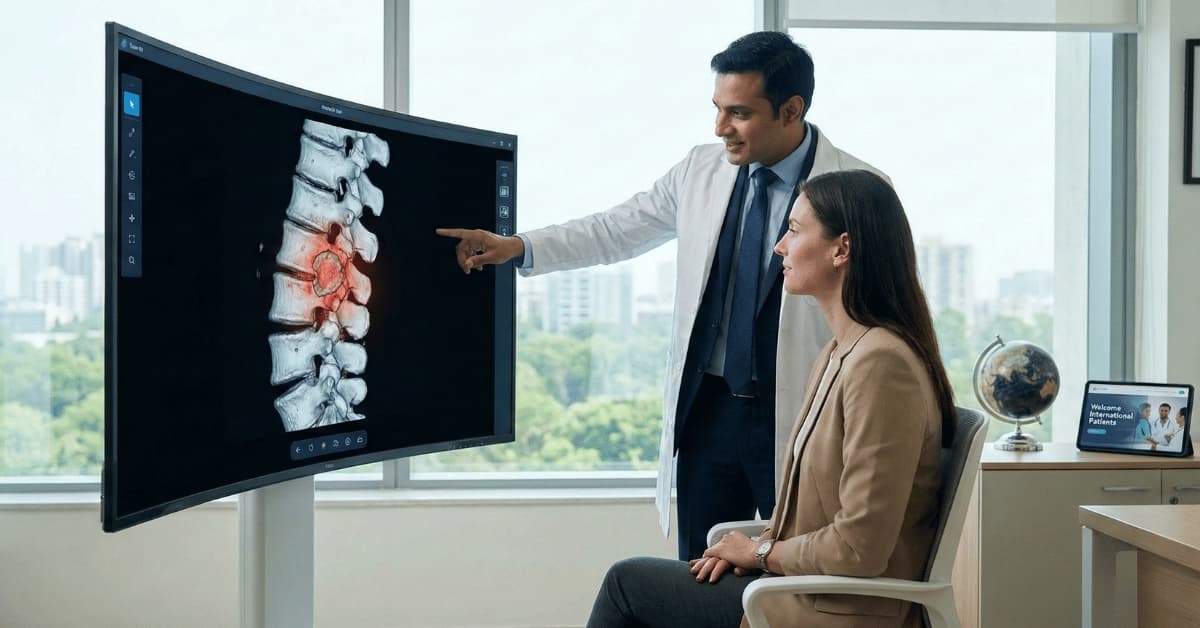
The decision to undergo spine surgery for an older adult is a complex one, requiring a thorough evaluation of the patient's overall health, lifestyle, and specific goals. It's not just about the spine; it's about the whole person.
Advanced Surgical Techniques for Elderly Spine Patients
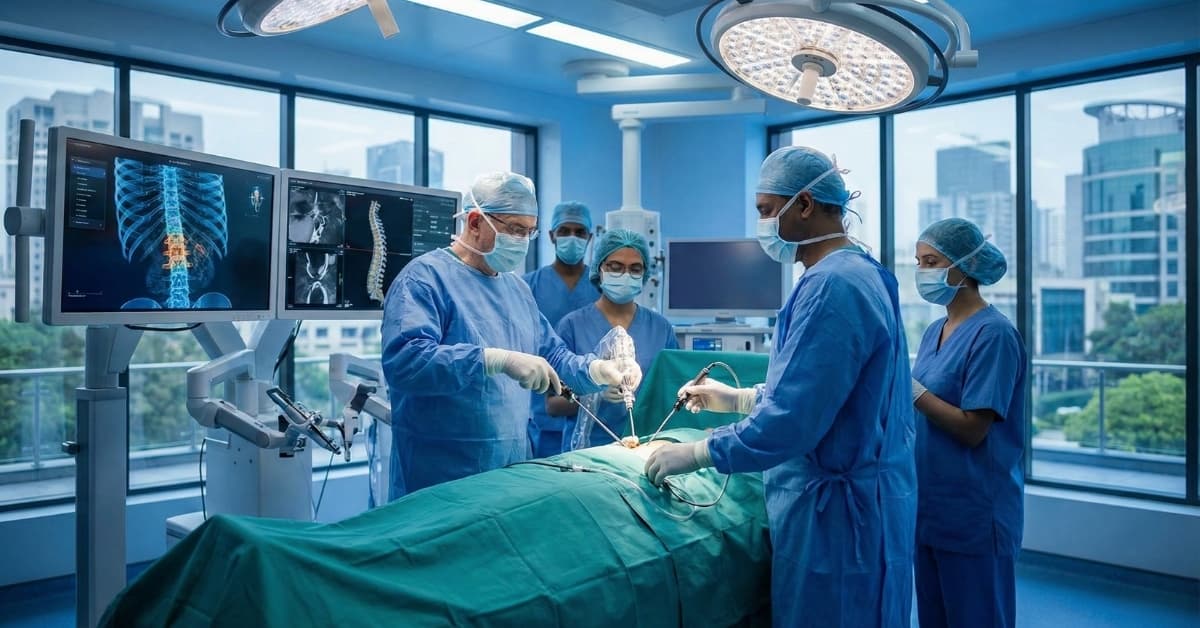
Modern spine surgery has evolved significantly, offering less invasive and more precise options that are particularly beneficial for older adults. These techniques aim to minimize trauma, reduce recovery time, and improve outcomes.
Minimally Invasive Spine Surgery (MISS)
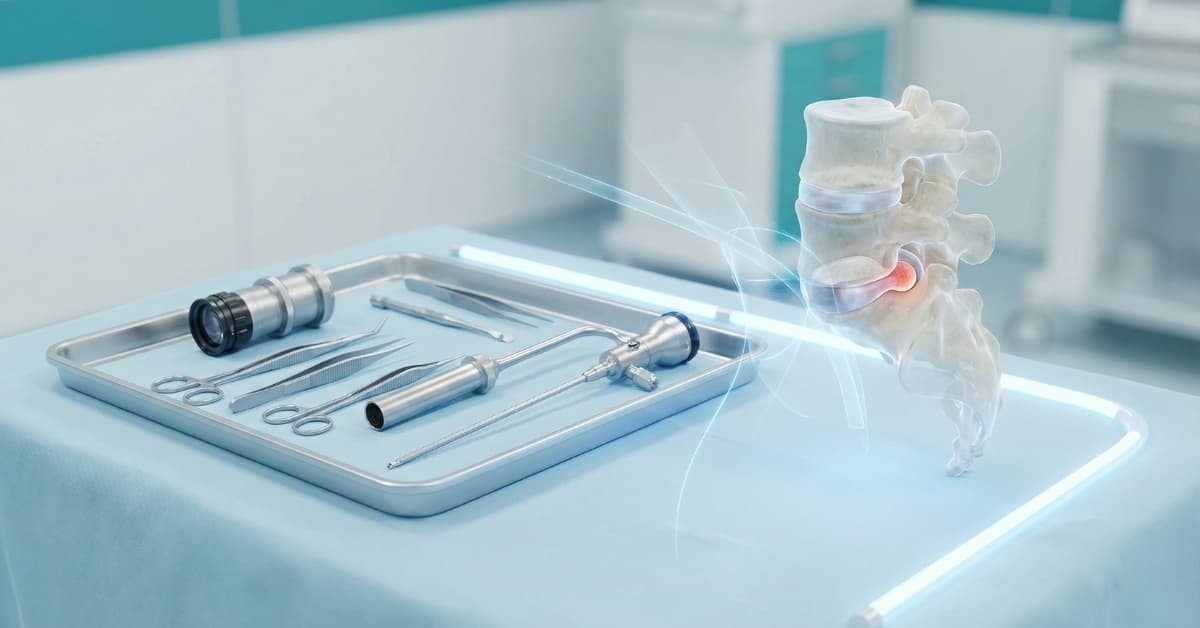
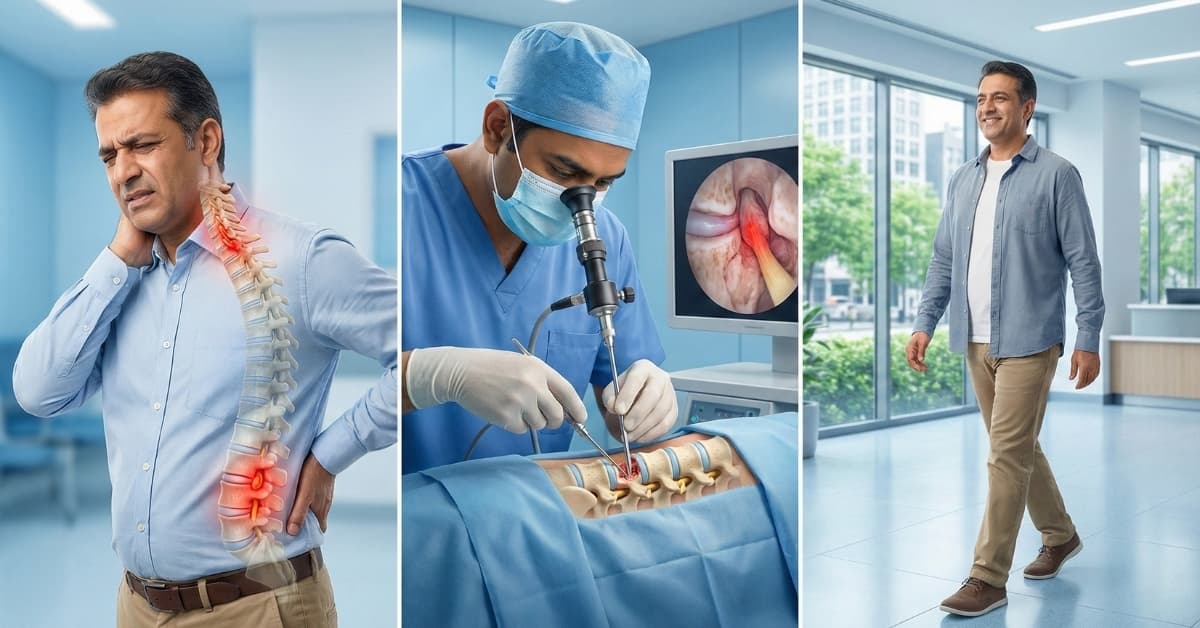
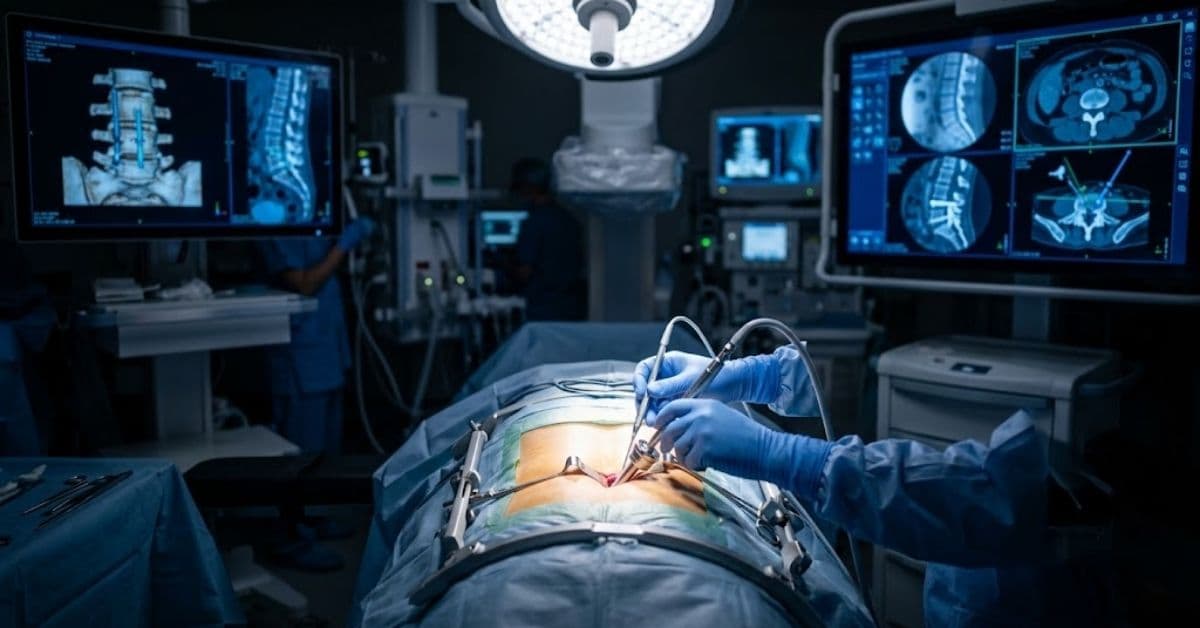
MISS techniques use smaller incisions, specialized instruments, and microscopic or endoscopic visualization to perform procedures. This results in less muscle damage, reduced blood loss, and faster recovery compared to traditional open surgery.
- Smaller incisions (1-2 cm)
- Reduced post-operative pain
- Shorter hospital stays
- Faster return to daily activities
Robotic-Assisted and Navigation Systems
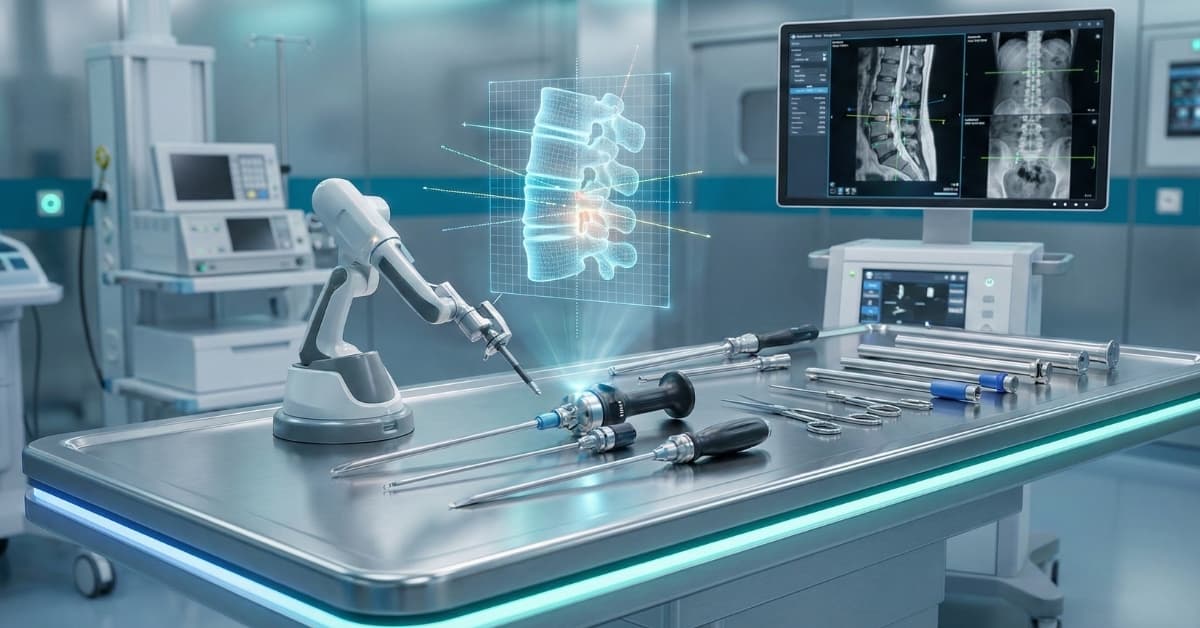
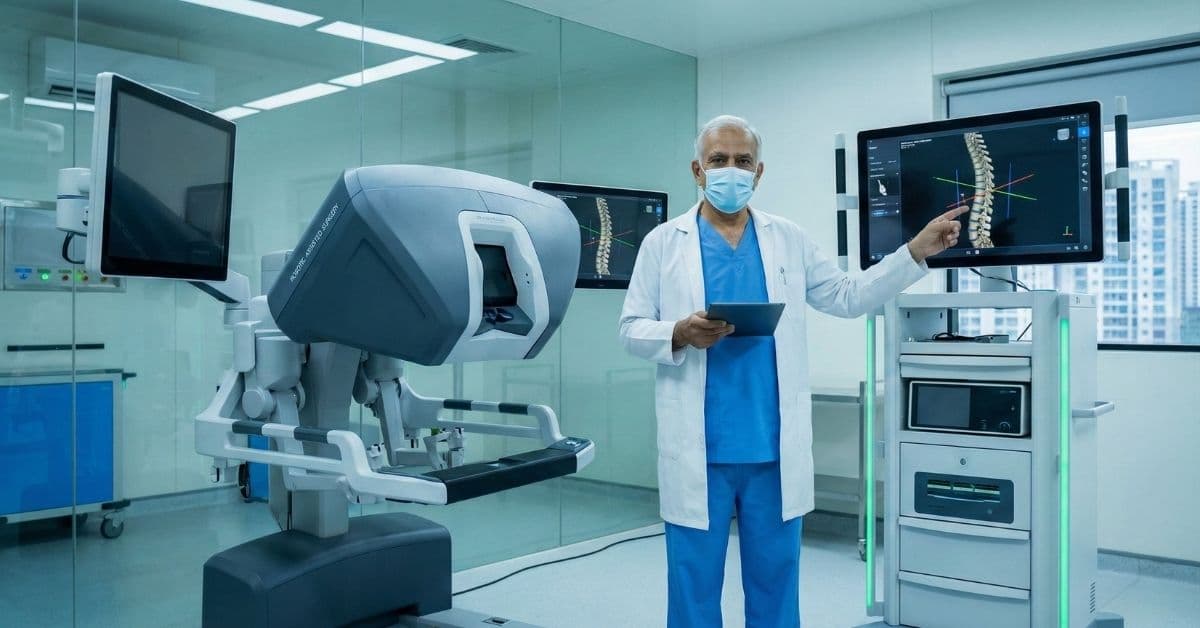
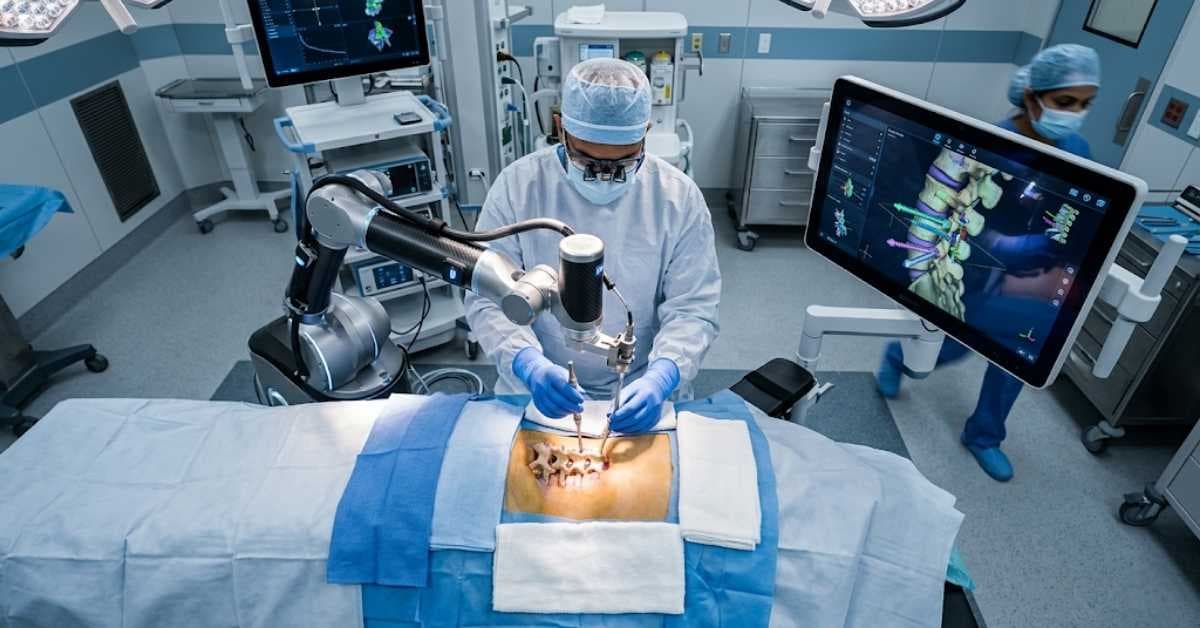
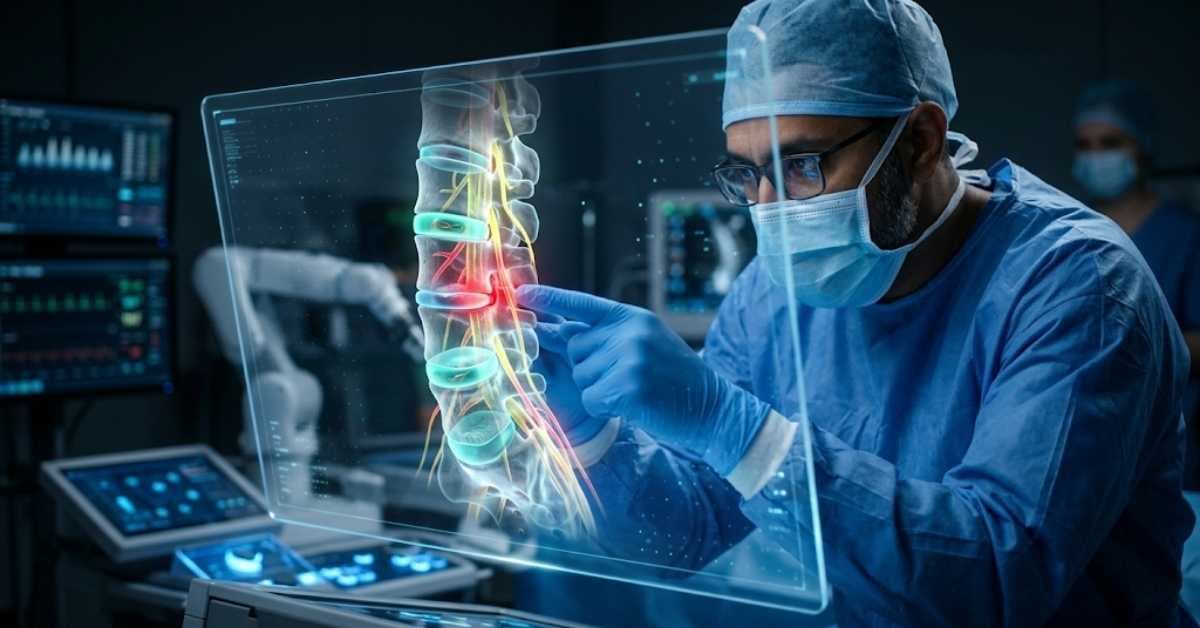
Robotic systems and computer-assisted navigation provide surgeons with enhanced precision and visualization during complex spine procedures. This technology helps in accurate screw placement and reduces the risk of complications.
- Improved accuracy in implant placement
- Reduced radiation exposure for patients and staff
- Enhanced safety, especially in complex cases
Vertebroplasty and Kyphoplasty
These minimally invasive procedures are specifically designed to treat vertebral compression fractures, common in osteoporotic elderly patients. Bone cement is injected into the fractured vertebra to stabilize it and relieve pain.
- Rapid pain relief
- Stabilizes fractured vertebrae
- Prevents further spinal collapse
Addressing Risks and Safety in Elderly Spine Surgery
While spine surgery in older adults carries inherent risks due to age-related factors and potential comorbidities, Indian hospitals prioritize patient safety through rigorous protocols and specialized care. The focus is on mitigating these risks through meticulous planning and execution.
Cost of Elderly Spine Surgery in India
One of the most compelling reasons international patients choose India for spine surgery is the significant cost advantage without compromising on quality. The cost can vary based on the specific procedure, hospital, and patient's condition, but it remains remarkably affordable compared to Western countries.
| Procedure Type (Example) | Cost in India (INR) | Cost in India (USD) | Cost in US (USD) | Cost in UK (GBP) |
|---|---|---|---|---|
| Lumbar Decompression | ₹2,50,000 - ₹5,00,000 | $3,000 - $6,000 | $20,000 - $40,000 | £15,000 - £30,000 |
| Spinal Fusion (1-level) | ₹4,00,000 - ₹8,00,000 | $5,000 - $10,000 | $50,000 - $100,000 | £35,000 - £70,000 |
| Kyphoplasty/Vertebroplasty | ₹1,50,000 - ₹3,00,000 | $1,800 - $3,600 | $10,000 - $20,000 | £8,000 - £15,000 |
Disclaimer: These are estimated costs and can vary significantly based on the hospital, surgeon's fees, type of implant used, length of hospital stay, and any additional medical services required. It's always recommended to get a personalized quote.*
India's Expertise in Geriatric Spine Care
India has firmly established itself as a premier destination for medical tourism, particularly for complex procedures like spine surgery in the elderly. The country boasts a robust healthcare infrastructure, with numerous JCI and NABH accredited hospitals equipped with cutting-edge technology and staffed by highly skilled, internationally trained spine surgeons and geriatric specialists. Patients from the Middle East, Africa, Southeast Asia, and even Western countries increasingly choose India for its blend of affordability, quality, and compassionate care. Beyond the medical excellence, India offers comprehensive logistical support, including visa assistance, airport transfers, dedicated patient coordinators, language interpreters, and comfortable accommodation options, ensuring a smooth and stress-free experience for both patients and their accompanying families.
Success Rates and Quality of Life Outcomes
The success rates for spine surgery in elderly patients in India are highly encouraging, with many patients experiencing significant improvements in pain relief and functional mobility. Studies and hospital data consistently show high rates of positive outcomes:
- Pain Reduction: Over 85-90% of elderly patients undergoing decompression or fusion surgery report significant reduction in chronic back and leg pain within 6-12 months post-surgery.
- Mobility Improvement: Approximately 70-80% of patients experience improved walking ability and increased independence in daily activities.
- Patient Satisfaction: High patient satisfaction rates, often exceeding 80%, are reported, reflecting improved quality of life and reduced reliance on pain medication.
These statistics underscore the effectiveness of modern surgical techniques combined with dedicated post-operative rehabilitation, offering a realistic pathway to a more active and comfortable life for older adults.
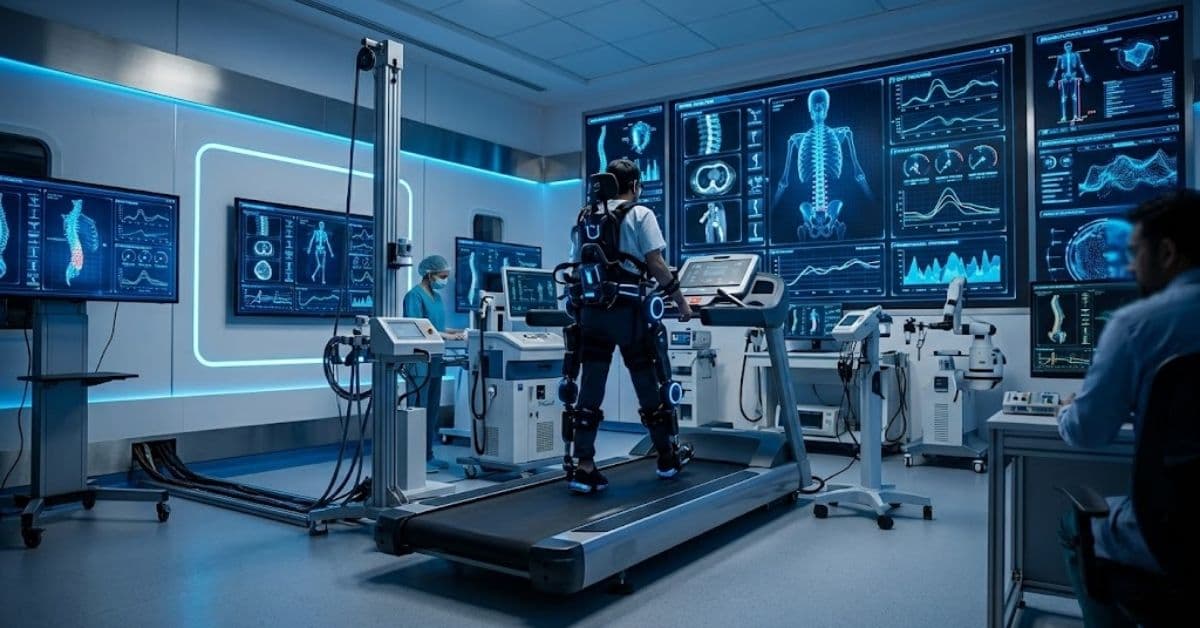
Recovery and Rehabilitation for Older Adults
Recovery from spine surgery, especially for older adults, is a journey that requires patience, dedication, and a structured rehabilitation plan. Indian hospitals provide comprehensive post-operative care tailored to the specific needs of elderly patients.
Medical Tourism Support Services
Navigating medical treatment in a foreign country can be overwhelming, but India's medical tourism facilitators, like VRH Healthcare, offer end-to-end support to ensure a seamless experience for international patients and their families. These services are designed to address every aspect of your journey, from initial inquiry to post-treatment follow-up.
- Visa Assistance: Guidance and support for obtaining medical visas for patients and accompanying family members.
- Travel Logistics: Arrangement of airport transfers, local transportation, and booking of suitable accommodation (hotels, serviced apartments) near the hospital.
- Language Interpreters: Professional medical interpreters available in various languages to facilitate clear communication between patients, doctors, and hospital staff.
- Dedicated Patient Coordinators: A single point of contact to assist with appointments, hospital admissions, billing, and any other needs throughout the stay.
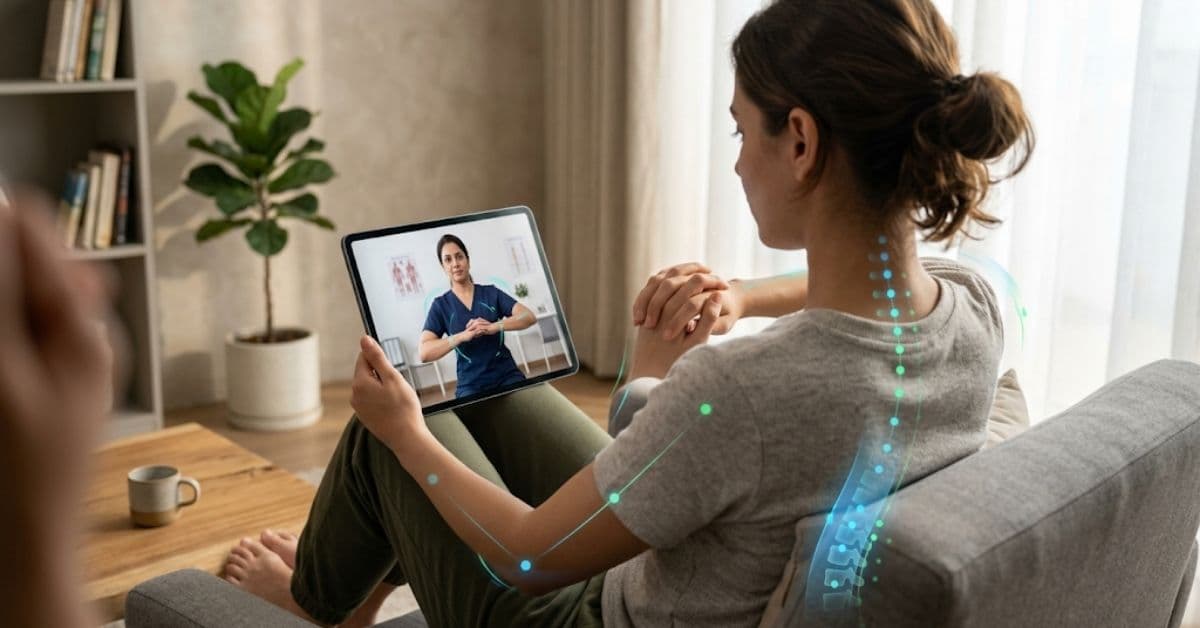
- Telemedicine and Follow-up: Post-discharge telemedicine consultations and remote follow-up care to monitor recovery and address any concerns once the patient returns home.
- Cultural Orientation: Assistance with local customs, dietary needs, and cultural sensitivities to ensure a comfortable stay.
Quality Assurance and Ethical Standards in Indian Hospitals
Indian hospitals catering to international patients adhere to stringent quality assurance and ethical standards, ensuring world-class medical care. Many leading hospitals are accredited by international bodies like the Joint Commission International (JCI) and national bodies like the National Accreditation Board for Hospitals & Healthcare Providers (NABH). These accreditations signify adherence to global benchmarks for patient safety, quality of care, infection control, and ethical practices. Furthermore, Indian medical professionals are bound by strict ethical codes, prioritizing patient well-being, informed consent, and transparent communication. Patients can be confident that their treatment journey in India will be guided by professionalism, integrity, and a commitment to the highest standards of medical excellence.
Conclusion
Spine surgery for older adults in India represents a remarkable convergence of advanced medical technology, highly skilled surgeons, and compassionate care, all offered at a fraction of the cost found in many Western nations. For international patients and their families grappling with the challenges of age-related spinal conditions, India provides a trusted and accessible pathway to pain relief, improved mobility, and a significantly enhanced quality of life. With comprehensive support services addressing every aspect of the medical journey, patients can focus entirely on their recovery, knowing they are in expert hands.
Ready to explore specialized spine care options for your loved one? Contact us for a personalized consultation and plan your journey to better health in India today.