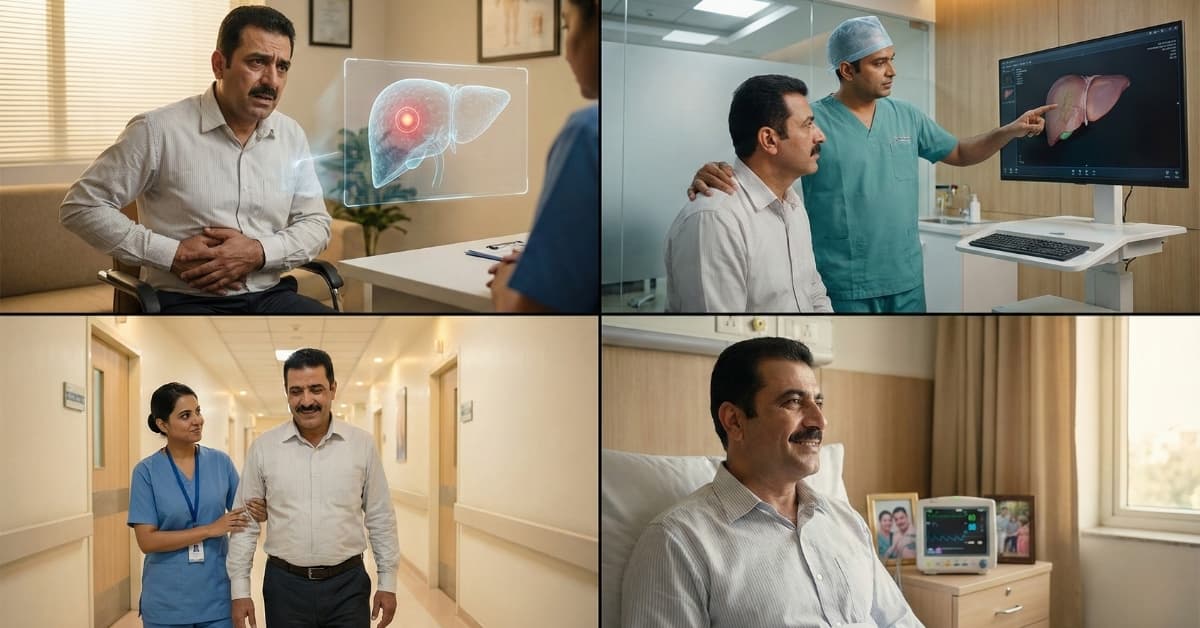
Понимание операции гепатэктомии в Индии: Подробное руководство для иностранных пациентов – 2026
Для иностранных пациентов, сталкивающихся со сложными заболеваниями печени, перспектива операции может быть пугающей, часто сопровождаясь опасениями по поводу квалификации, стоимости и систем поддержки. Гепатэктомия, хирургическое удаление части печени, является жизнеспасающей процедурой при различных заболеваниях печени, включая опухоли. Индия стала мировым лидером в области передовых операций на печени, предлагая медицинскую экспертизу мирового класса, современное оборудование и значительно более доступные варианты лечения по сравнению с западными странами. Цель данного руководства — прояснить путь гепатэктомии в Индии, предоставив всестороннюю информацию о процедуре, критериях отбора пациентов, восстановлении и комплексной поддержке, доступной для обеспечения гладкого и успешного медицинского опыта.
Что такое гепатэктомия?
Гепатэктомия — это хирургическая процедура, включающая удаление больной или поврежденной части печени. Печень, жизненно важный орган, отвечающий за детоксикацию, синтез белков и выработку биохимических веществ, необходимых для пищеварения, обладает удивительной способностью к регенерации. Эта уникальная характеристика позволяет хирургам удалять значительные части печени, при этом оставшаяся здоровая ткань со временем восстанавливается, возвращая нормальную функцию. Эта процедура в основном выполняется для лечения различных состояний, чаще всего опухолей печени, как доброкачественных (нераковых), так и злокачественных (раковых), таких как гепатоцеллюлярная карцинома (ГЦК) или метастатический колоректальный рак. Она также может быть показана при тяжелых травмах печени, кистах или некоторых печеночных инфекциях, не поддающихся другим методам лечения. Цель гепатэктомии — удалить пораженную ткань, максимально сохранив здоровую печень, предоставляя пациентам шанс на выздоровление и улучшение качества жизни.
Виды процедур гепатэктомии
Процедуры гепатэктомии подбираются в зависимости от конкретного расположения, размера и характера поражения печени, а также общего состояния печени пациента. Хирурги тщательно планируют резекцию, чтобы удалить пораженную область, минимизируя воздействие на здоровые ткани.
Анатомическая резекция
Этот подход включает удаление целых сегментов или долей печени, следуя ее естественным анатомическим делениям. Он часто предпочтителен для злокачественных опухолей, чтобы обеспечить чистые края и снизить риск рецидива.
- Лобэктомия: Удаление целой доли печени (например, правой или левой лобэктомии).
- Сегментэктомия: Удаление одного или нескольких конкретных сегментов печени.
- Точность: Руководство подробной визуализацией для обеспечения полного удаления опухоли.
Неанатомическая резекция (клиновидная резекция)
Это включает удаление только опухоли и небольшого края окружающей здоровой ткани, без строгого соблюдения анатомических границ. Обычно используется для небольших, поверхностных поражений или доброкачественных опухолей.
- Сохранение: Максимальное сохранение здоровой ткани печени.
- Потенциал минимальной инвазивности: Часто подходит для лапароскопических или роботизированных подходов.
- Целенаправленное удаление: Сосредоточено непосредственно на поражении.
Хирургические подходы
Современная гепатэктомия может быть выполнена с использованием различных техник, каждая из которых имеет свои преимущества.
- Открытая гепатэктомия: Традиционный подход с большим разрезом, обеспечивающий прямую визуализацию.
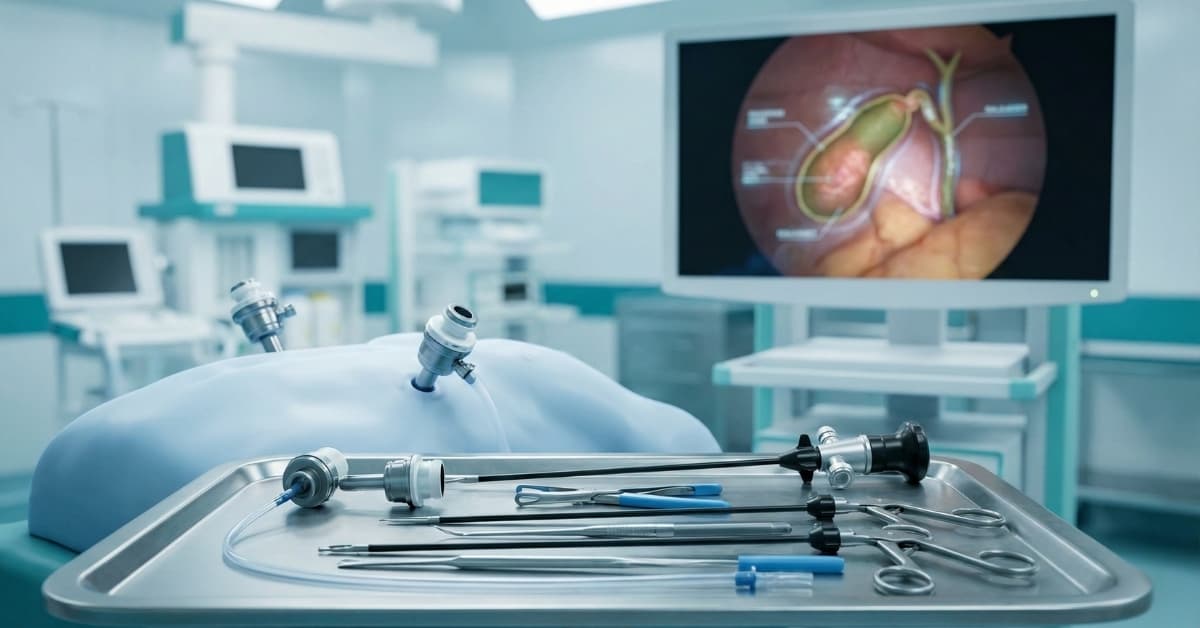
- Лапароскопическая гепатэктомия: Малоинвазивная, с использованием небольших разрезов и камеры, что приводит к более быстрому восстановлению и меньшей боли.
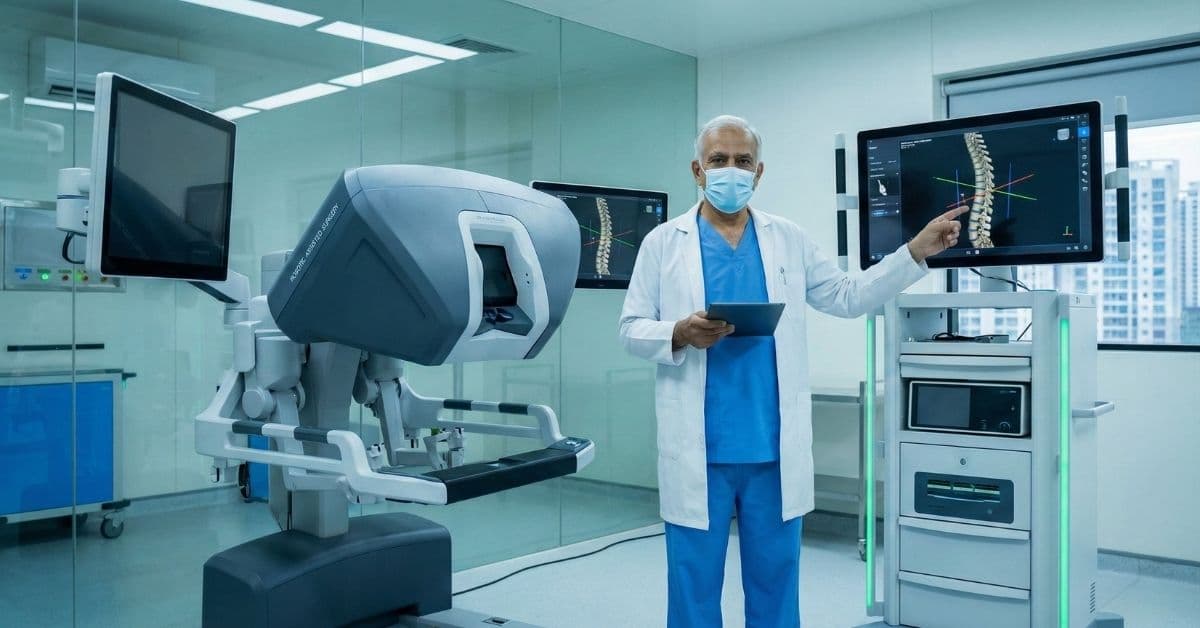
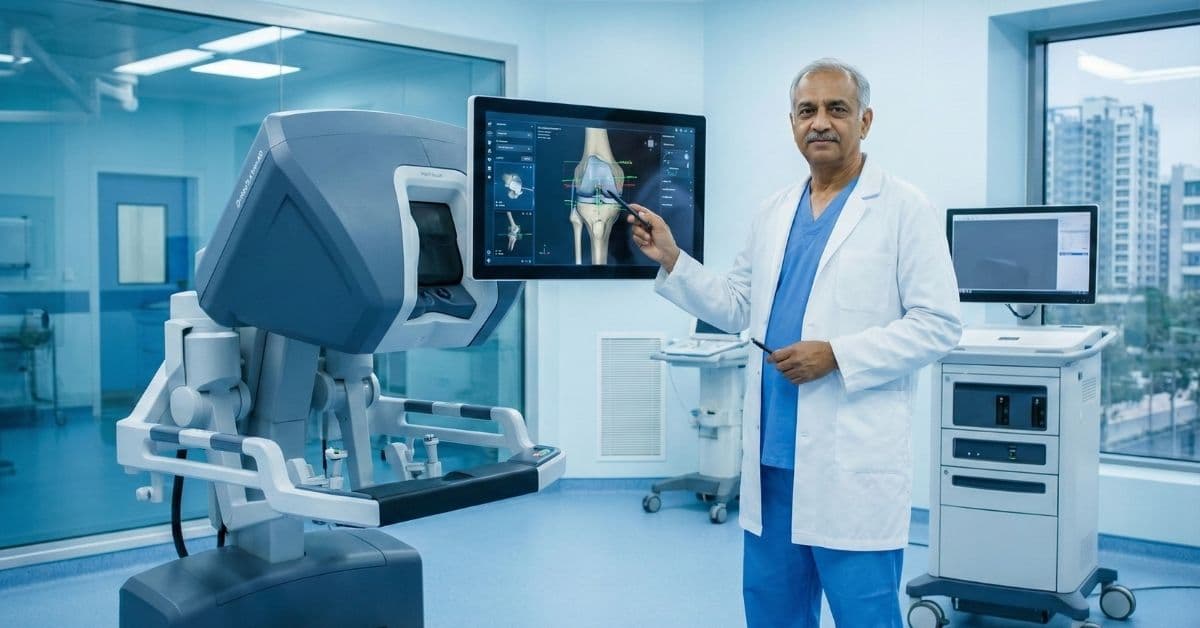
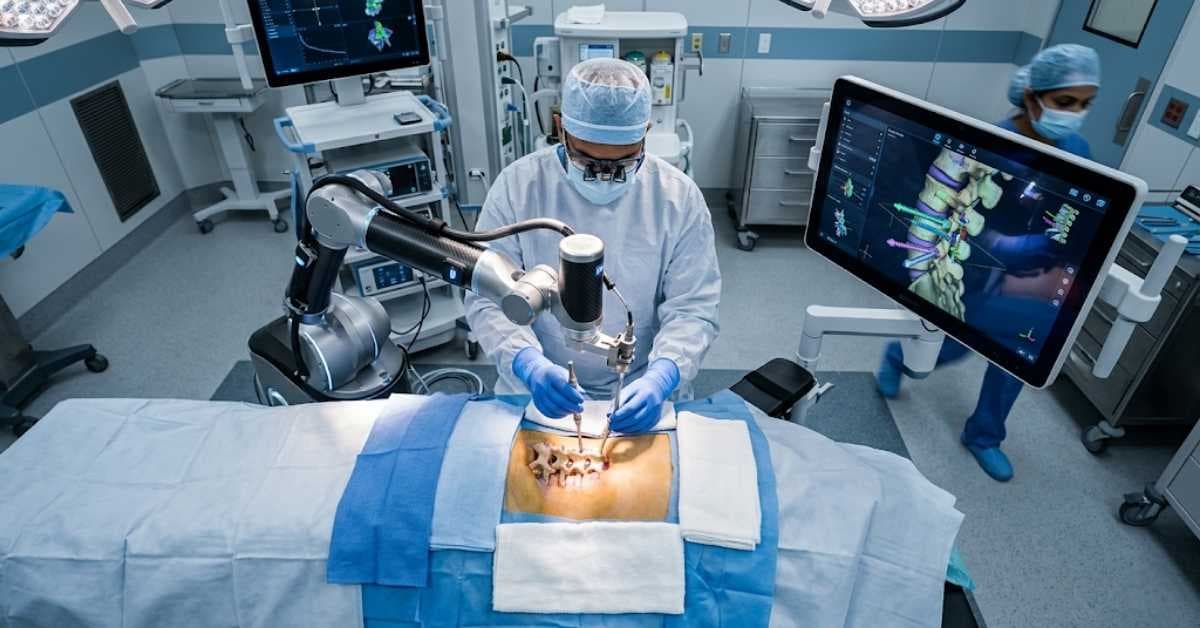
- Роботизированная гепатэктомия: Использует роботизированные манипуляторы для повышения точности и ловкости, особенно полезна для сложных резекций.
Критерии отбора пациентов для гепатэктомии в Индии
Определение пригодности для гепатэктомии — это тщательный процесс, включающий всестороннюю оценку истории болезни пациента, функции печени и характеристик поражения печени. Индийские специалисты по печени следуют строгим международным рекомендациям для обеспечения безопасности пациентов и оптимальных результатов.
Путь гепатэктомии в Индии: Чего ожидать
Отправление в медицинское путешествие за границу может показаться ошеломляющим, но в Индии процесс оптимизирован, чтобы обеспечить иностранным пациентам комфорт и ясность от прибытия до выздоровления. Вот типичный план того, чего ожидать при гепатэктомии:
Передовые технологии и методы в индийских больницах
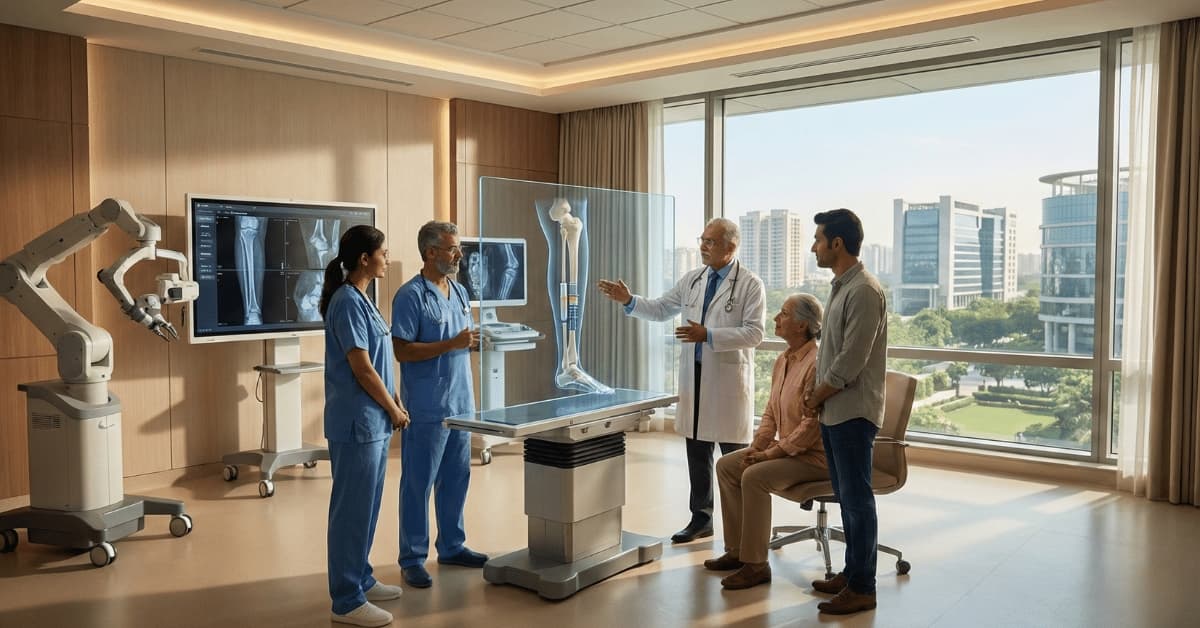
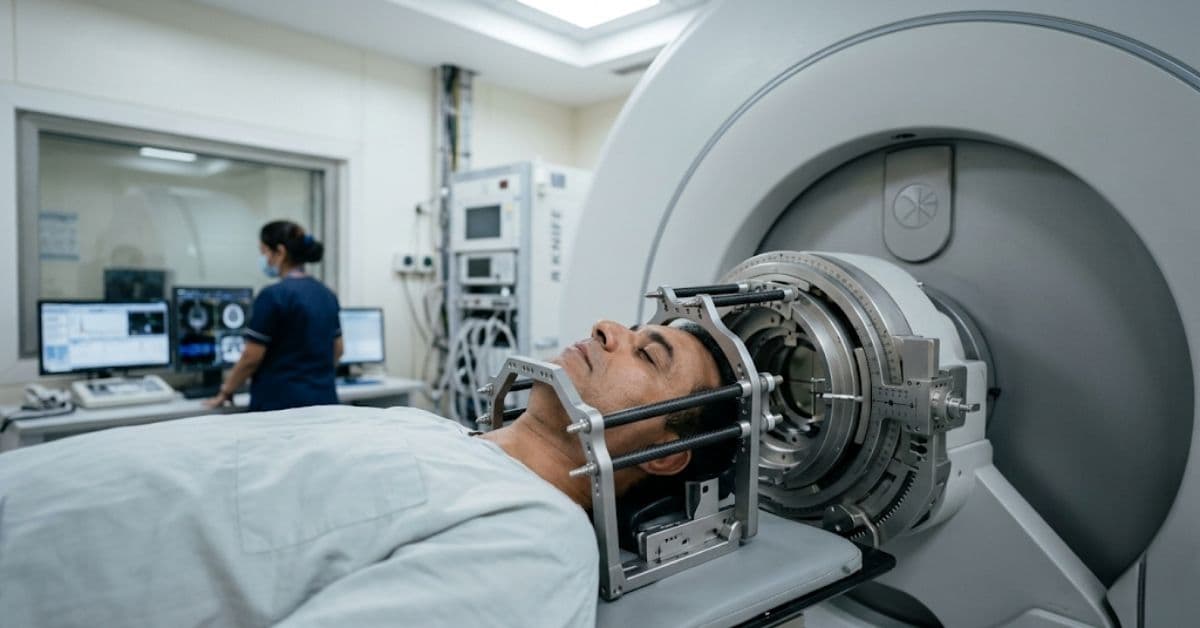
Индийские больницы находятся на переднем крае медицинских инноваций, интегрируя передовые технологии для повышения точности, безопасности и результатов процедур гепатэктомии. Эта приверженность передовой помощи гарантирует, что иностранные пациенты получают наилучшее возможное лечение. Ведущие учреждения используют роботизированные хирургические системы, которые обеспечивают хирургам повышенную ловкость, 3D-визуализацию и большую точность, что особенно полезно для сложных резекций в труднодоступных областях печени. Широко применяются минимально инвазивные лапароскопические методы, уменьшающие размер разреза, боль, кровопотерю и время восстановления. Кроме того, интраоперационное ультразвуковое исследование и 3D-реконструкция изображений рутинно используются для точного картирования анатомии печени и расположения опухоли в реальном времени, направляя хирургов для оптимальной резекции. Такие инструменты, как ультразвуковой хирургический аспиратор Cavitron (CUSA), позволяют точно рассекать ткани, сохраняя кровеносные сосуды и желчные протоки, минимизируя осложнения.
Стоимость гепатэктомии в Индии
Одной из наиболее убедительных причин, по которой иностранные пациенты выбирают Индию для гепатэктомии, является значительное ценовое преимущество без ущерба для качества. Стоимость гепатэктомии в Индии составляет лишь часть того, что она стоила бы в западных странах, делая лечение мирового класса доступным.
| Procedure | Cost in India (INR) | Cost in India (USD) | Cost in US/UK (USD) |
|---|---|---|---|
| **Hepatectomy** | ₹5,00,000 - ₹15,00,000 | $6,000 - $18,000 | $50,000 - $150,000+ |
Отказ от ответственности: Это оценочные расходы, которые могут значительно варьироваться в зависимости от больницы, типа гепатэктомии (открытая, лапароскопическая, роботизированная), сложности случая, продолжительности пребывания в больнице, гонораров хирурга и дополнительных услуг. Всегда рекомендуется получить индивидуальное предложение.*
Глобальное доверие и медицинский туризм для операций на печени в Индии
Индия прочно зарекомендовала себя как глобальный центр медицинского туризма, ежегодно привлекая сотни тысяч пациентов из более чем 50 стран, включая Ближний Восток, Африку, Юго-Восточную Азию и западные страны. Доверие к медицинским возможностям Индии обусловлено высококвалифицированными хирургами, передовой инфраструктурой и пациентоориентированным подходом. Привлекательность Индии для операций на печени многогранна: доступ к международно обученным и опытным гепатобилиарным хирургам, современное оборудование и надежная система поддержки для иностранных пациентов. Это включает бесперебойную логистику поездок, такую как визовая поддержка, встреча и проводы в аэропорту, многоязычные переводчики и широкий спектр вариантов размещения на любой бюджет. Культурное тепло и гостеприимство еще больше улучшают опыт пациента, делая медицинское путешествие менее стрессовым и более комфортным как для пациентов, так и для сопровождающих их семей.
Показатели успеха и клинические результаты гепатэктомии в Индии
Индийские больницы демонстрируют впечатляющие показатели успеха и клинические результаты гепатэктомии, сопоставимые с лучшими мировыми центрами. Эти цифры отражают опыт хирургических бригад, передовые технологии и комплексный послеоперационный уход. Для пациентов, перенесших гепатэктомию по поводу первичного рака печени (ГЦК), 5-летняя выживаемость колеблется от 40% до 70%, в зависимости от стадии заболевания и общей функции печени. При метастатическом колоректальном раке 5-летняя выживаемость после гепатэктомии может достигать 30-50%. Частота осложнений, как правило, низка, обычно ниже 10-15%, и тщательно контролируется опытными медицинскими бригадами. Эти статистические данные являются свидетельством строгих протоколов, квалифицированных хирургов и специализированного ухода за пациентами, которые ставят во главу угла долгосрочное здоровье и улучшение качества жизни для иностранных пациентов.
Восстановление и реабилитация после гепатэктомии
Восстановление после гепатэктомии — это постепенный процесс, и хорошо структурированный план реабилитации имеет решающее значение для оптимальных результатов. Индийские больницы предоставляют комплексный послеоперационный уход для поддержки пациентов на каждом этапе их выздоровления.
Услуги поддержки медицинского туризма
Признавая уникальные потребности иностранных пациентов, индийские поставщики медицинских услуг предлагают широкий спектр услуг поддержки для обеспечения бесперебойного и безстрессового медицинского путешествия. Такие организации, как VRH Healthcare, специализируются на координации каждого аспекта вашего лечения за границей. Эти услуги обычно включают визовую поддержку, помогая вам разобраться с необходимой документацией для медицинских виз. Логистика поездок охватывает бронирование авиабилетов, трансферы из аэропорта и организацию подходящего жилья как для пациентов, так и для их семей. Выделенные координаторы пациентов выступают в качестве единой точки контакта, направляя вас через записи на прием, госпитализацию и выписку. Многоязычные переводчики устраняют пробелы в общении, обеспечивая четкое взаимопонимание между пациентами и медицинским персоналом. После выписки услуги часто распространяются на телемедицинские консультации для последующего ухода и помощь с пополнением рецептов, обеспечивая непрерывность ухода даже после вашего возвращения домой.
Гарантия качества и стандарты в индийской хирургии печени
Качество хирургии печени в Индии поддерживается строгими международными и национальными стандартами аккредитации. Многие ведущие больницы аккредитованы Объединенной международной комиссией (JCI), всемирно признанным эталоном безопасности пациентов и качества медицинской помощи. Кроме того, национальные аккредитации, такие как NABH (Национальный совет по аккредитации больниц и поставщиков медицинских услуг), обеспечивают соблюдение высоких клинических стандартов, прав пациентов и постоянное улучшение качества. Эти аккредитации означают, что индийские больницы следуют строгим протоколам хирургических процедур, контроля инфекций, безопасности пациентов и этических практик. В них работают высококвалифицированные и опытные хирурги, анестезиологи и медсестры, многие из которых имеют международное образование и опыт. Использование передового медицинского оборудования, современных операционных и комплексного послеоперационного ухода еще больше подтверждает приверженность Индии достижению результатов мирового класса в хирургии печени.
Заключение
Решение о проведении гепатэктомии является значимым, и для иностранных пациентов Индия предлагает убедительное сочетание передового медицинского опыта, сострадательного ухода и замечательной доступности. Благодаря своим всемирно известным хирургам-гепатологам, передовым технологиям и комплексным услугам поддержки, Индия является надежным направлением для сложных операций на печени. Пациенты могут уверенно начать свой путь к исцелению, зная, что они получат исключительную медицинскую помощь и всестороннюю поддержку на каждом этапе, что приведет к улучшению здоровья и возрождению надежды.
Готовы изучить варианты лечения? Свяжитесь с нами для индивидуальной консультации и начните свой путь к выздоровлению в Индии уже сегодня.