Advanced Radiation Therapy and Stereotactic Radiosurgery in India: A Comprehensive Guide for International Patients – 2026
Facing a cancer diagnosis can be overwhelming, but advancements in medical science offer renewed hope. Radiation therapy stands as a cornerstone in cancer treatment, evolving rapidly to deliver highly precise and effective care. India has emerged as a global leader in providing state-of-the-art radiation oncology services, combining cutting-edge technology with world-class medical expertise. For international patients seeking exceptional care, India offers a compelling blend of advanced treatment options, significant cost-effectiveness, and a compassionate approach to healing, ensuring a supportive journey towards recovery.
What is Radiation Therapy?
Radiation therapy, often referred to as radiotherapy, is a powerful and precise cancer treatment that uses high-energy radiation to shrink tumors and kill cancer cells. It works by damaging the DNA within cancer cells, preventing them from growing and dividing. While it targets cancer cells, healthy cells in the surrounding area can also be affected, but they are generally more resilient and capable of repairing themselves. This treatment can be used alone, or in combination with surgery, chemotherapy, or immunotherapy, depending on the type and stage of cancer. It's a vital tool in oncology, aiming to cure cancer, control its growth, or alleviate symptoms like pain.
The Evolution of Radiation Therapy: From Conventional to Precision
The field of radiation oncology has undergone a remarkable transformation, moving from broad-beam treatments to highly targeted, personalized therapies. This evolution has significantly improved treatment efficacy while minimizing side effects, making it a safer and more comfortable experience for patients.
Conventional Radiation Therapy
Historically, radiation therapy involved delivering radiation to a larger area, which could sometimes affect more healthy tissue. While still effective for certain conditions, modern techniques have largely surpassed it in precision.
Advanced External Beam Radiation Therapy (EBRT)
Today's EBRT techniques use sophisticated computer planning to shape radiation beams to the exact contours of the tumor. This allows for higher doses to the cancer while sparing surrounding healthy organs.
- Intensity-Modulated Radiation Therapy (IMRT): Delivers radiation in varying intensities, allowing oncologists to sculpt the dose to the tumor's shape.
- Image-Guided Radiation Therapy (IGRT): Uses imaging scans (like CT or X-rays) before or during each treatment to ensure precise tumor targeting, accounting for patient movement or changes in tumor size.
- Volumetric Modulated Arc Therapy (VMAT): A rapid form of IMRT where the treatment machine rotates around the patient, delivering radiation continuously in a single or multiple arcs, significantly reducing treatment time.
Brachytherapy
Unlike EBRT, brachytherapy involves placing radioactive sources directly inside or next to the tumor. This delivers a high dose of radiation to a very localized area, minimizing exposure to distant healthy tissues. It's particularly effective for prostate, cervical, and breast cancers.
- High-Dose-Rate (HDR) Brachytherapy: Delivers a high dose over a short period, often in multiple sessions.
- Low-Dose-Rate (LDR) Brachytherapy: Involves placing permanent or temporary radioactive seeds that release radiation over a longer duration.
Understanding Stereotactic Radiosurgery (SRS) and Stereotactic Body Radiation Therapy (SBRT)
These represent the pinnacle of radiation precision, delivering very high doses of radiation in a single or a few fractions, often with results comparable to surgery but without the invasiveness.
Stereotactic Radiosurgery (SRS)
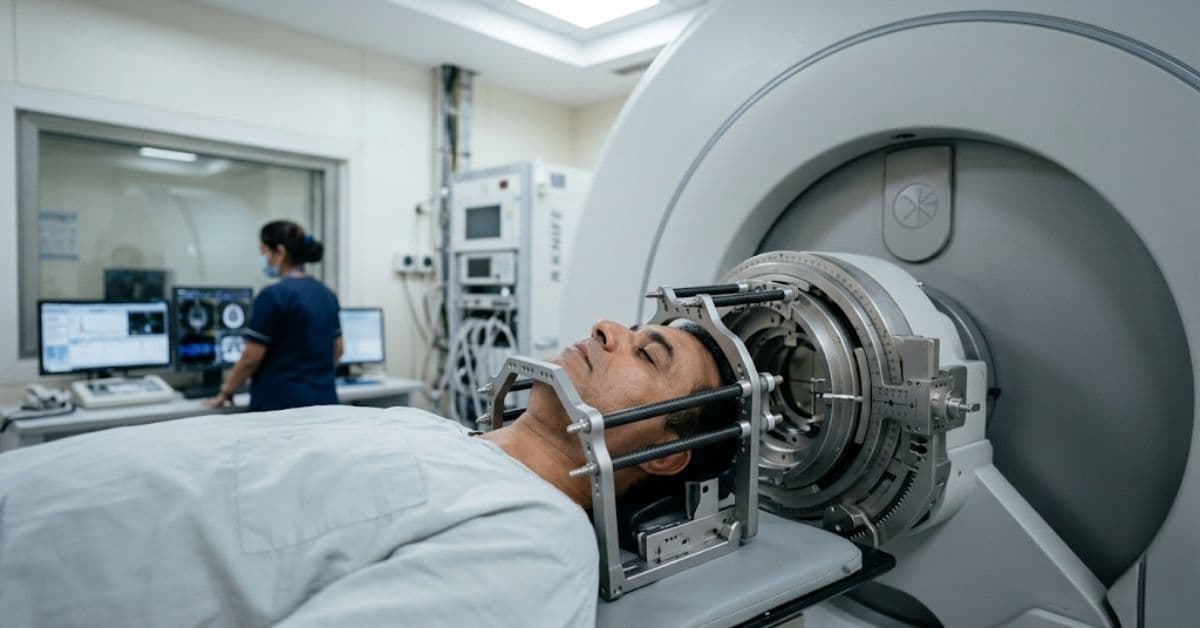
Despite its name, SRS is a non-surgical radiation procedure that delivers highly focused radiation beams to treat tumors and other abnormalities in the brain and spine. It's typically completed in a single session or up to five sessions. The precision is so high that it can target lesions within millimeters, making it ideal for hard-to-reach or inoperable tumors.
- Key Benefit: Non-invasive, outpatient procedure, minimal recovery time.
- Who it's suitable for: Brain tumors (primary or metastatic), arteriovenous malformations (AVMs), trigeminal neuralgia.
- Precision/Technology: Utilizes advanced systems like Gamma Knife or CyberKnife for sub-millimeter accuracy.
Stereotactic Body Radiation Therapy (SBRT)
SBRT applies the same principles of SRS to tumors outside the brain and spine, such as those in the lung, liver, prostate, or kidney. It delivers a high dose of radiation over a few treatment sessions (typically 1-5), offering a non-invasive alternative for patients who may not be candidates for surgery or who prefer a less invasive option.
- Key Benefit: Highly effective for small to medium-sized tumors, shorter treatment course.
- Who it's suitable for: Early-stage lung cancer, liver metastases, prostate cancer, spinal tumors.
- Quick recovery/precision/technology stat: High local control rates (often >90%) with fewer side effects compared to conventional radiation.
Why Choose India for Advanced Radiation Therapy?
India has rapidly become a preferred destination for international patients seeking advanced cancer care, particularly in radiation oncology. The confluence of medical excellence, technological prowess, and patient-centric services makes it an unparalleled choice.
State-of-the-Art Technology in Indian Hospitals
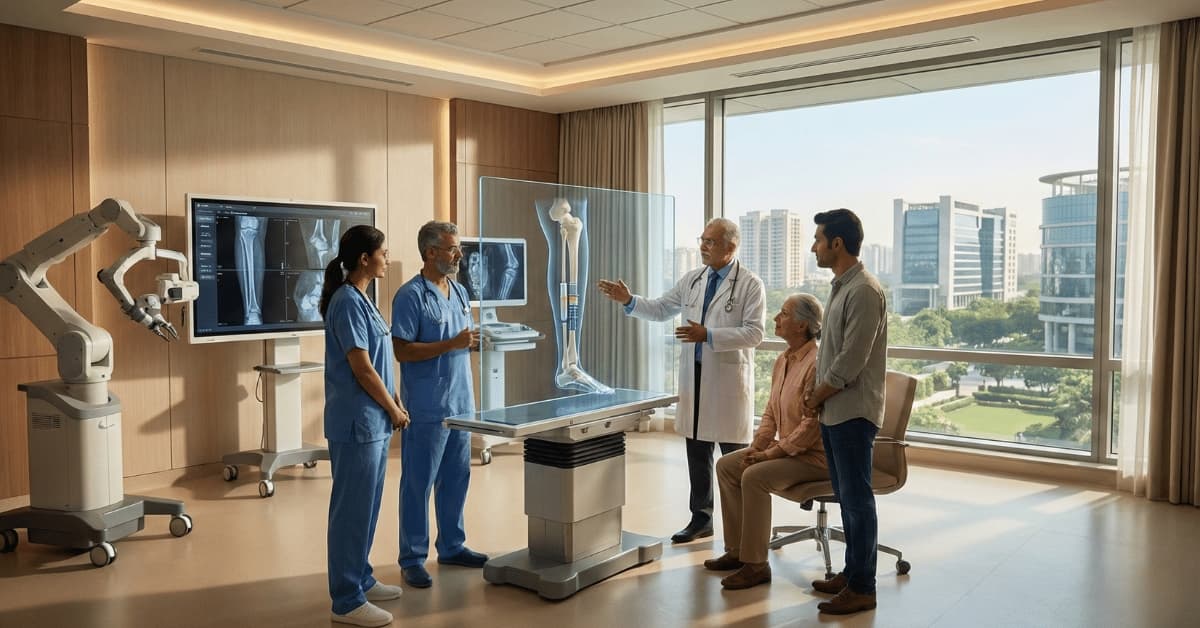
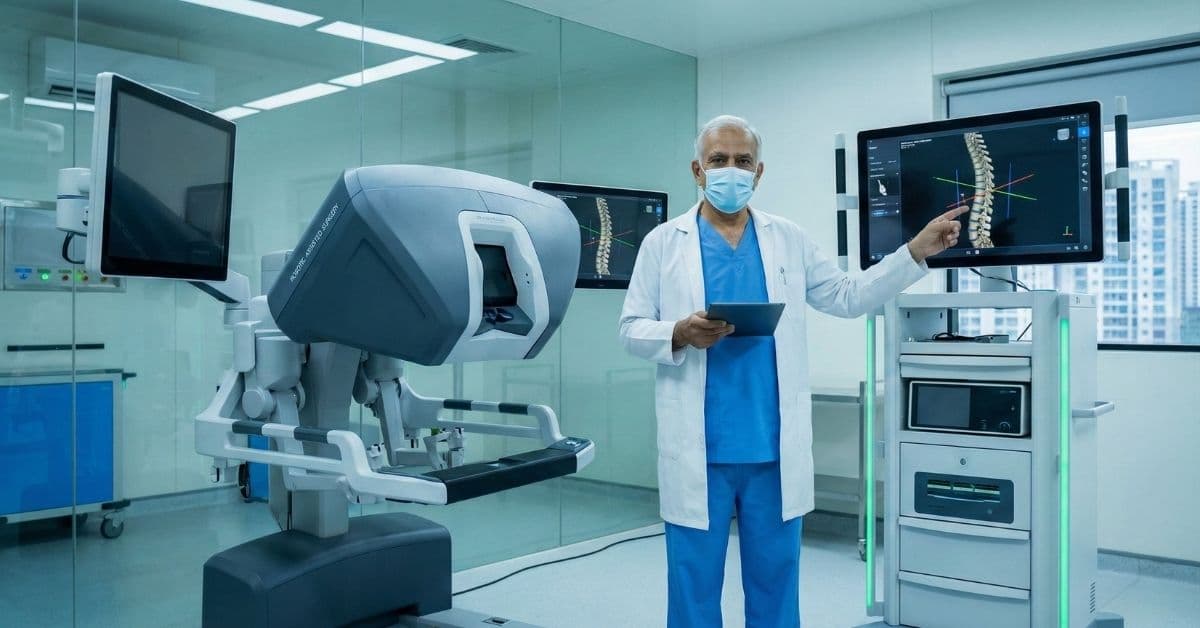
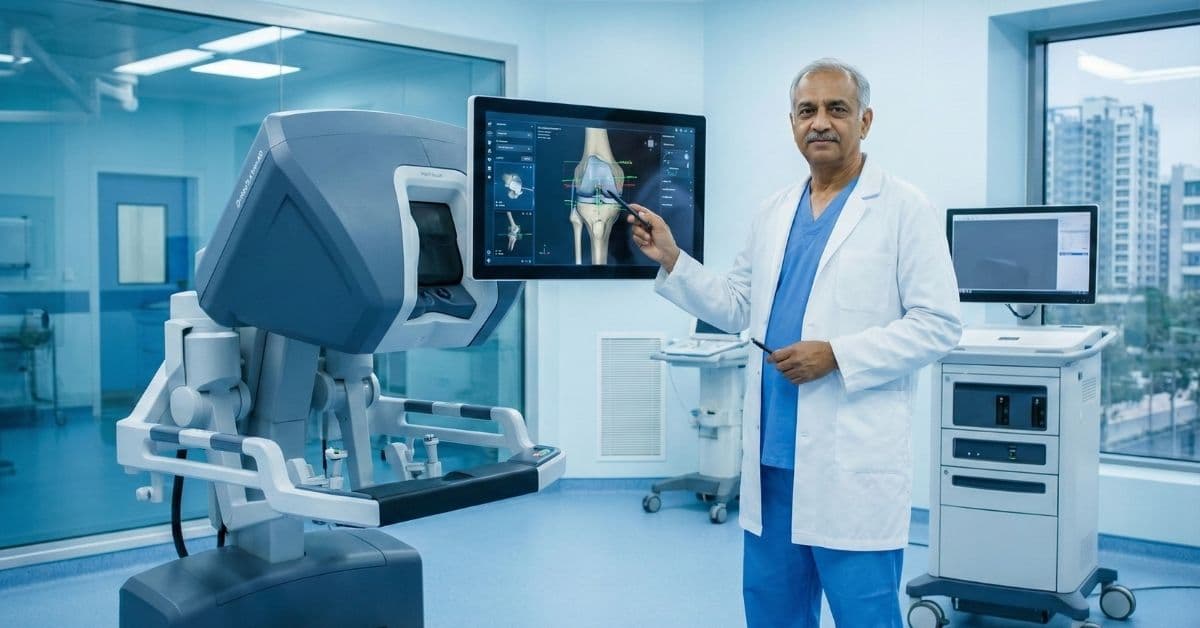
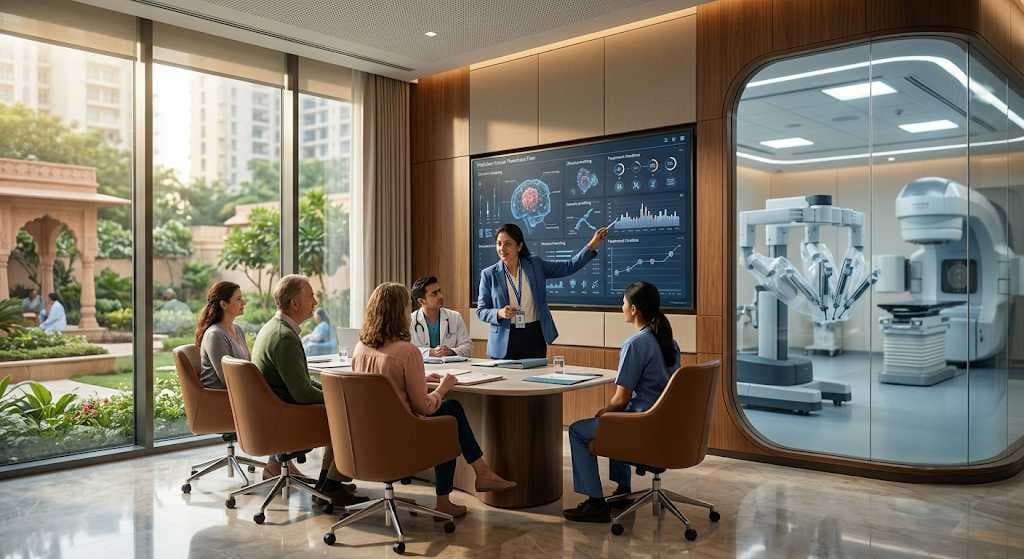
Indian hospitals are equipped with the latest generation of radiation therapy machines, ensuring that patients receive the most precise and effective treatments available globally. These technologies enable oncologists to target tumors with unprecedented accuracy, minimizing damage to healthy tissues and improving patient outcomes.
The Patient Journey: What to Expect During Radiation Therapy in India
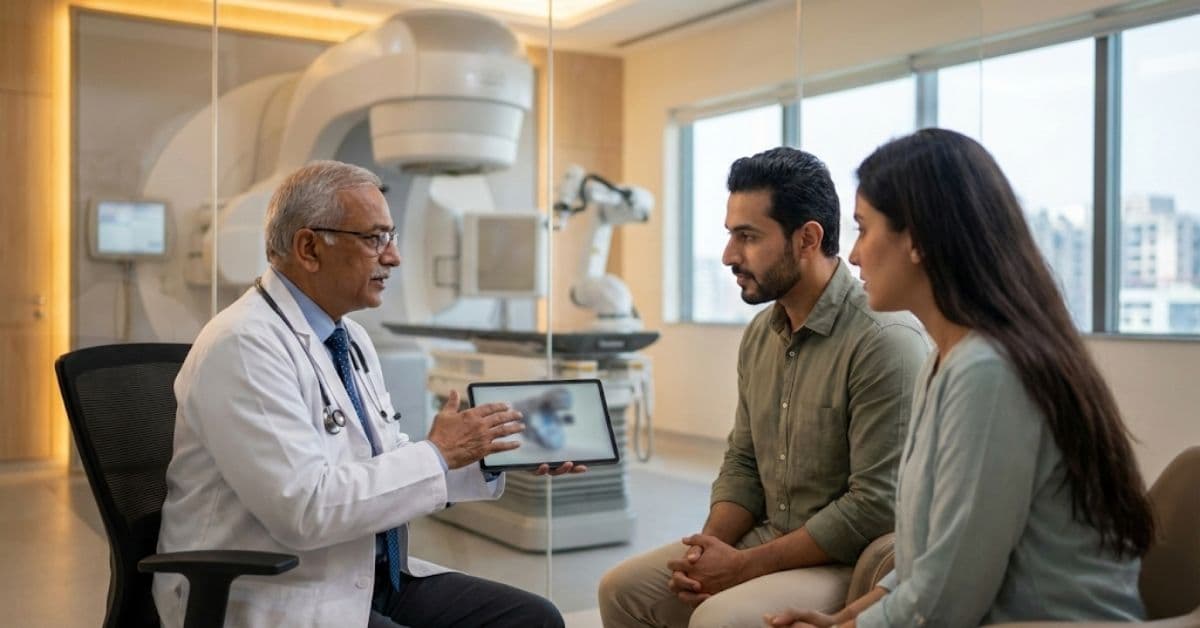
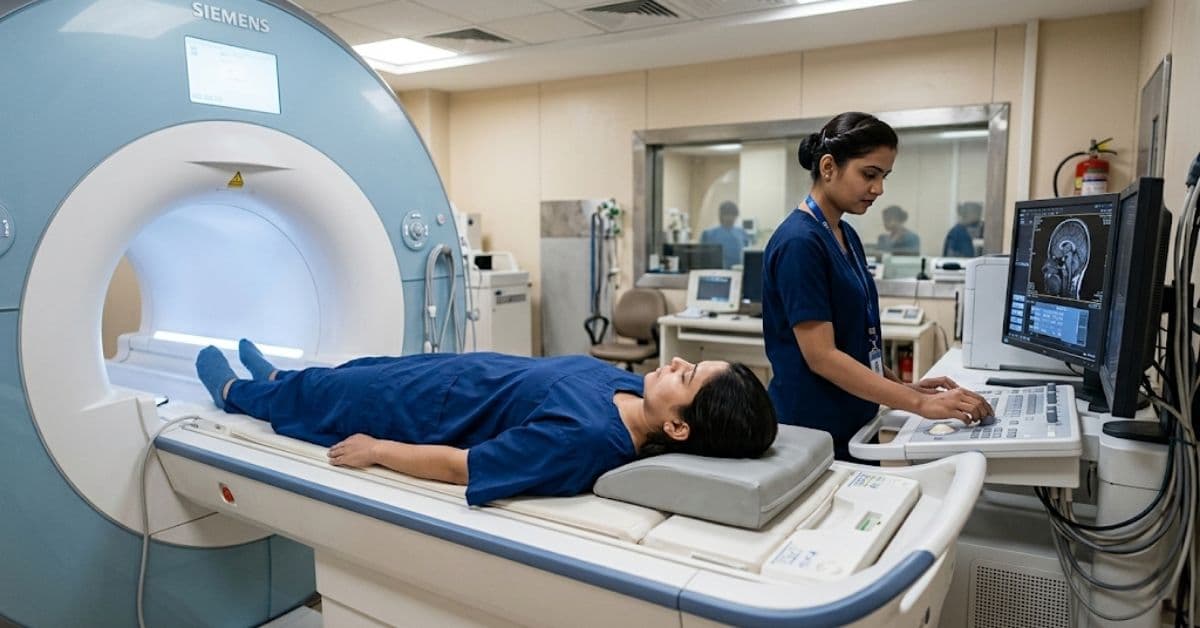
Understanding the treatment process can alleviate anxieties. Here's a general overview of what an international patient can expect during their radiation therapy journey in India:
Cost of Radiation Therapy in India
One of the most significant advantages for international patients choosing India is the substantial cost savings without compromising on quality. The cost of advanced radiation therapy in India is remarkably affordable compared to Western nations. Below is an estimated comparison (costs are indicative and can vary based on hospital, specific technology used, and complexity of the case):
| Procedure Type | India (USD) | USA (USD) | UK (USD) |
|---|---|---|---|
| Conventional Radiation Therapy | $3,000 - $7,000 | $20,000 - $50,000 | $15,000 - $40,000 |
| IMRT/IGRT/VMAT | $5,000 - $12,000 | $30,000 - $80,000 | $25,000 - $60,000 |
| Stereotactic Radiosurgery (SRS) | $6,000 - $15,000 | $40,000 - $100,000 | $30,000 - $75,000 |
| Stereotactic Body Radiation Therapy (SBRT) | $7,000 - $18,000 | $45,000 - $120,000 | $35,000 - $90,000 |
Disclaimer:** These are estimated ranges. Actual costs may vary significantly based on the specific hospital, the patient's condition, the number of fractions required, and additional services. It's always recommended to get a personalized quote.
Success Rates and Clinical Outcomes in India
Indian hospitals consistently report high success rates for advanced radiation therapy, aligning with global benchmarks. The combination of cutting-edge technology, experienced oncologists, and rigorous treatment protocols contributes to these positive outcomes. For many localized cancers, advanced radiation therapy techniques like SRS and SBRT achieve local control rates exceeding 85-95%, meaning the tumor is effectively controlled at the treated site. For example, in early-stage lung cancer treated with SBRT, local control rates can be as high as 90-95% at 3-5 years. Similarly, for brain metastases treated with SRS, one-year local control rates often range from 80-90%. These impressive statistics translate into improved survival rates, better quality of life, and reduced recurrence for patients. The focus is not just on eradicating cancer but also on preserving organ function and minimizing long-term side effects, ensuring a comprehensive recovery.
Recovery and Managing Side Effects
While radiation therapy is highly effective, it can cause side effects, which vary depending on the treated area and the individual. Modern techniques aim to minimize these, and most are temporary and manageable.
Common Side Effects:
- Fatigue: A common side effect, often peaking towards the end of treatment.
- Skin Changes: Redness, dryness, itching, or peeling in the treated area.
- Hair Loss: Only in the treated area (e.g., scalp for brain radiation).
- Site-Specific Effects: For example, difficulty swallowing with head and neck radiation, or urinary changes with pelvic radiation.
Recovery Milestones:
- During Treatment: Patients typically continue most daily activities, though fatigue may necessitate rest.
- Immediately Post-Treatment: Side effects may persist for a few weeks and gradually subside.
- 1-3 Months Post-Treatment: Most acute side effects resolve. Patients regain energy levels and return to normal routines.
- Long-Term: Regular follow-ups are crucial to monitor for any late side effects and ensure continued remission. Support groups and rehabilitation services can aid in long-term recovery and emotional well-being.
Comprehensive Support for International Patients
Recognizing the unique needs of international patients, Indian healthcare providers offer a robust suite of support services designed to make the medical journey as smooth and comfortable as possible. This holistic approach extends beyond medical treatment to encompass every aspect of your stay.
Quality Assurance and International Accreditations
The commitment to quality and patient safety in India's leading hospitals is unwavering. Many institutions adhere to stringent international and national accreditation standards, ensuring world-class care.
- Joint Commission International (JCI): A significant number of top Indian hospitals are JCI accredited, signifying adherence to global benchmarks in patient safety and quality of care.
- National Accreditation Board for Hospitals & Healthcare Providers (NABH): India's national accreditation body, ensuring high standards of patient care and organizational efficiency.
- Adherence to International Protocols: Indian oncology centers follow globally recognized treatment guidelines and protocols, ensuring evidence-based and effective care.
- Regular Audits and Quality Checks: Hospitals undergo continuous internal and external audits to maintain and improve their quality standards, ensuring that every patient receives the best possible treatment outcomes.
Conclusion
Choosing to undergo advanced radiation therapy abroad is a significant decision, and India stands ready to offer an unparalleled experience. With its blend of cutting-edge technology, highly skilled oncologists, compassionate care, and cost-effectiveness, India provides a beacon of hope for international patients battling cancer. The journey towards healing is supported at every step, ensuring not just medical excellence but also emotional and practical comfort. Embrace the possibility of a healthier future with the advanced radiation therapy solutions available in India.
Ready to explore your treatment options? Contact us today for a personalized consultation and begin your journey to recovery in India.