Planning Your Journey: How Long Should You Stay in India for IVF Treatment?
Embarking on an international medical journey, especially for something as deeply personal as fertility treatment, can feel overwhelming. The thought of navigating a new country, understanding medical procedures, and managing logistics while focusing on your health can be daunting for both patients and their families. This comprehensive guide aims to demystify the process, offering clarity on the typical duration of stay for IVF treatment in India, alongside practical advice on travel, accommodation, and emotional support, ensuring you feel prepared and reassured every step of the way.
Overview of the Journey: Consult to Follow-Up
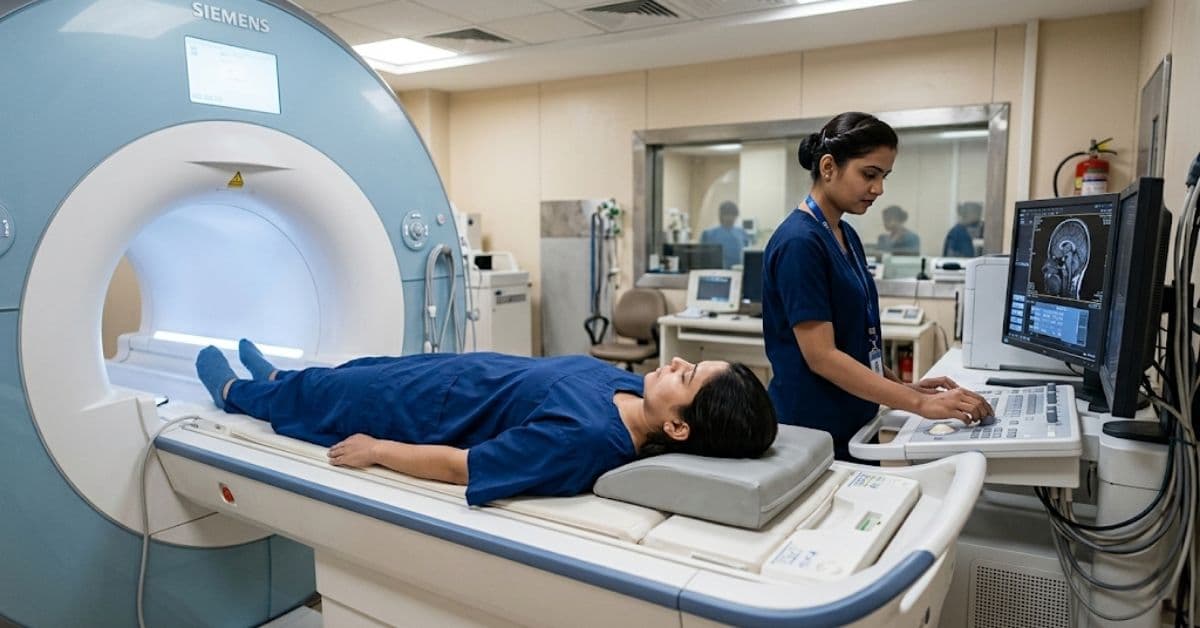
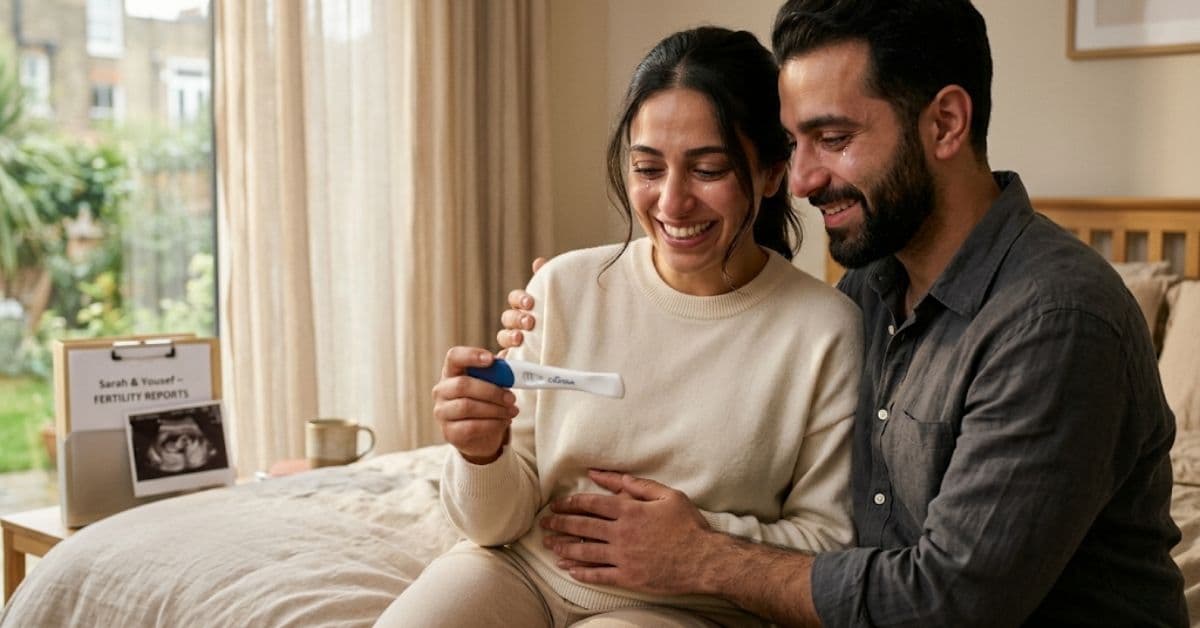
The path to parenthood through IVF is a deeply personal and often emotional one, and choosing to pursue this journey abroad adds layers of logistical considerations. In India, the process is designed to be as seamless as possible for international patients, beginning long before you even step onto Indian soil. Your journey typically starts with an initial remote consultation, where you can discuss your medical history and treatment goals with a fertility specialist. This allows for preliminary assessments and a personalised treatment plan to be formulated. Once you arrive, the in-person phase begins with comprehensive diagnostic tests and detailed consultations. This ensures that your treatment plan is perfectly tailored to your unique needs. The core IVF cycle then commences, involving ovarian stimulation, egg retrieval, fertilisation, and embryo transfer. Throughout this period, you'll receive continuous medical care and emotional support. After the embryo transfer, there's a crucial waiting period before a pregnancy test can confirm the outcome. Even after returning home, your care continues with remote follow-ups and coordination with your local healthcare provider, ensuring a holistic and supportive experience from start to finish. For a deeper understanding of the treatment options available, you might find it helpful to explore information on IVF and fertility treatment in India (https://www.vrhhealthcare.com/specialities/ivf-and-fertility-treatment-in-india).
- Initial remote consultation and treatment plan formulation
- Arrival in India for in-person diagnostics and detailed consultations
- Ovarian stimulation and monitoring phase
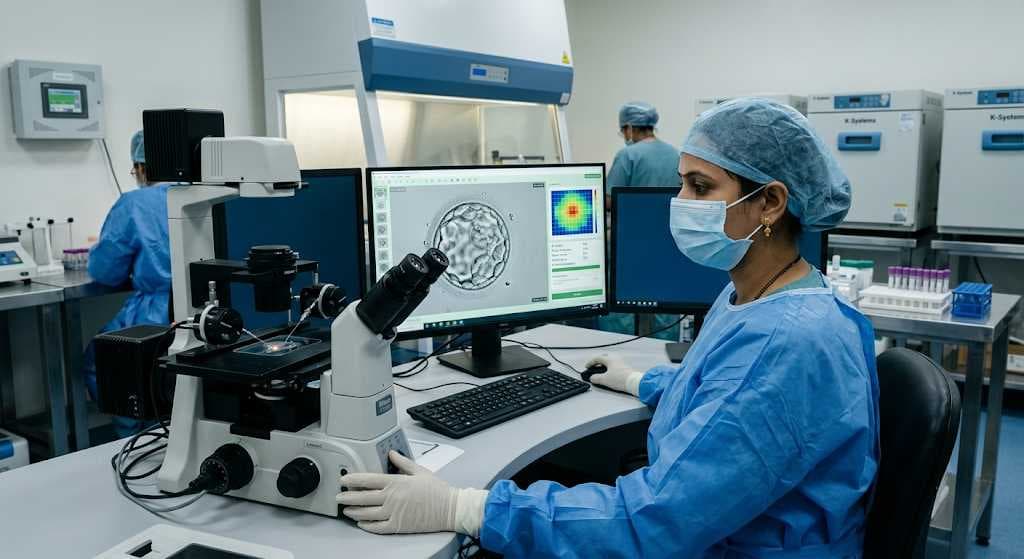
- Egg retrieval and fertilisation
- Embryo transfer
- Post-transfer waiting period and pregnancy test
- Return home and remote follow-up care
Documents and Medical Visa Basics
Preparing for international medical travel involves understanding the necessary documentation, with the medical visa being a critical component. While the specific requirements can vary based on your nationality and the latest regulations, a general overview can help you prepare. Typically, you will need a valid passport with sufficient validity, a medical visa application form, recent passport-sized photographs, and a letter from the Indian hospital confirming your treatment and appointment. This letter is crucial as it validates the purpose of your visit. Additionally, you might be asked for medical reports from your home country, proof of financial means to cover your treatment and stay, and sometimes, a letter from your local doctor recommending the treatment. It's also advisable to have details of your accommodation in India. For accompanying family members, a medical attendant visa is usually required, which has similar, though sometimes slightly different, requirements. It is paramount to consult the official website of the Indian Embassy or Consulate in your country well in advance of your travel dates to obtain the most accurate and up-to-date information regarding visa application procedures and required documents. This proactive approach will help ensure a smooth and stress-free entry into India.
- Valid passport
- Medical visa application form
- Recent passport-sized photographs
- Letter from the Indian hospital confirming treatment
- Medical reports from home country
- Proof of financial means
- Accommodation details in India
Typical Length of Stay by Treatment Stage
Understanding how long you should stay in India for IVF treatment is often one of the first questions international patients ask. The duration can vary depending on the specific protocol, your individual response to medication, and whether you are undergoing a fresh or frozen embryo transfer cycle. However, a general timeline can help you plan your trip. For a standard fresh IVF cycle, patients typically need to be in India for approximately 3 to 4 weeks. This timeframe allows for the initial consultations, diagnostic tests, the ovarian stimulation phase (which usually lasts 10-14 days), the egg retrieval procedure, and the subsequent embryo transfer. Following the embryo transfer, there is a crucial 'two-week wait' period before a pregnancy test can be performed. While some patients may choose to return home shortly after the embryo transfer and have the pregnancy test done locally, staying in India for the full duration allows for immediate medical support and follow-up if needed. If you are considering a frozen embryo transfer (FET) cycle, the required stay might be shorter, often around 10-14 days, as it primarily involves uterine preparation and the transfer itself. Initial consultations and some preliminary tests can often be completed remotely or in your home country, reducing the overall time spent abroad. It's always best to discuss the precise duration with your fertility specialist, as they can provide a personalised timeline based on your specific treatment plan.
- Initial consultations & diagnostics: 1-3 days (can be partially remote)
- Ovarian stimulation & monitoring: 10-14 days
- Egg retrieval: Day procedure, 1-2 days recovery
- Embryo culture: 3-5 days (in lab, no patient presence required)
- Embryo transfer: Day procedure, followed by a few days of rest
- Post-transfer waiting period (before pregnancy test): 9-14 days
- Total for fresh IVF cycle: Approximately 3-4 weeks
- Total for frozen embryo transfer (FET) cycle: Approximately 10-14 days
Accommodation, Food, and Cultural Comfort
Ensuring comfort and familiarity during your stay is paramount, especially when undergoing medical treatment far from home. India offers a wide range of accommodation options to suit various preferences and budgets, from serviced apartments with kitchenettes to hotels that cater specifically to medical tourists. Many facilities are located conveniently close to hospitals, reducing travel stress. When it comes to food, India's culinary landscape is incredibly diverse. Major cities and medical hubs are well-equipped to cater to international tastes and dietary requirements. Whether you prefer vegetarian, vegan, halal, or specific cuisines, you'll find numerous options. Many hospitals also have dietary services that can accommodate special requests. For patients from regions like the Middle East (https://www.vrhhealthcare.com/regions/middle-east) or South Asia (https://www.vrhhealthcare.com/regions/south-asia), there are often specific cultural considerations that are well understood and accommodated. This includes access to familiar foods, prayer facilities, and culturally sensitive environments. Many medical tourism facilitators can assist in finding accommodation and dining options that align with your cultural and personal preferences, helping to create a 'home away from home' experience.
Interpreter and Family Support
Navigating medical information in a foreign language can add unnecessary stress to an already sensitive situation. Recognising this, Indian healthcare providers place a strong emphasis on ensuring clear communication. Professional medical interpreters are readily available, often fluent in multiple international languages, to facilitate seamless conversations between you, your family, and your medical team. This ensures that all your questions are answered, and you fully understand every aspect of your treatment plan and progress. The emotional support of family is invaluable during fertility treatment. Indian hospitals and medical tourism facilitators understand this deeply and offer various arrangements to accommodate accompanying family members. This can include family-friendly accommodation options, assistance with local travel, and even dedicated waiting areas. Beyond logistical support, many centres offer counselling services to help patients and their families cope with the emotional dimensions of fertility treatment. Knowing that you have a robust support system, both medical and personal, can make a significant difference in your overall experience and well-being.
Aftercare, Tele-Follow-Up, and Coordination With Your Local Doctor
Your medical journey doesn't end when you leave India. Comprehensive aftercare is a cornerstone of the patient experience, ensuring continuity of care even after you return home. Before your departure, your medical team will provide you with detailed instructions for post-treatment care, including medication schedules, activity restrictions, and signs to watch out for. You will also receive all your medical records, test results, and a summary of your treatment. Tele-follow-up consultations are a standard offering, allowing you to connect with your Indian fertility specialist remotely for any questions or concerns that may arise. This ensures ongoing support and peace of mind. Furthermore, the healthcare team in India is adept at coordinating with your local doctor or gynaecologist. They can share your treatment details and recommendations, facilitating a smooth transition of care back in your home country. This collaborative approach ensures that your long-term health and well-being remain a priority, providing a continuous circle of care.
- Detailed post-treatment care instructions
- Complete medical records and treatment summary
- Scheduled tele-follow-up consultations
- Coordination with your local healthcare provider
- Ongoing remote support for questions and concerns
Conclusion
The decision to seek IVF treatment abroad is a significant one, filled with hope and anticipation. While the logistics of international travel and an extended stay might seem daunting at first, rest assured that the process is designed to be supportive and manageable. India's healthcare ecosystem, with its advanced medical facilities, experienced specialists, and patient-centric approach, is well-equipped to guide you through every step. You won't navigate this journey alone; a dedicated team will be there to assist with medical care, travel arrangements, cultural integration, and emotional support, allowing you to focus on your health and the hopeful outcome of your treatment. At VRH Healthcare, we understand the profound importance of this journey and are committed to providing compassionate care.
Get in touch and we'll help you plan every step of your treatment journey in India.