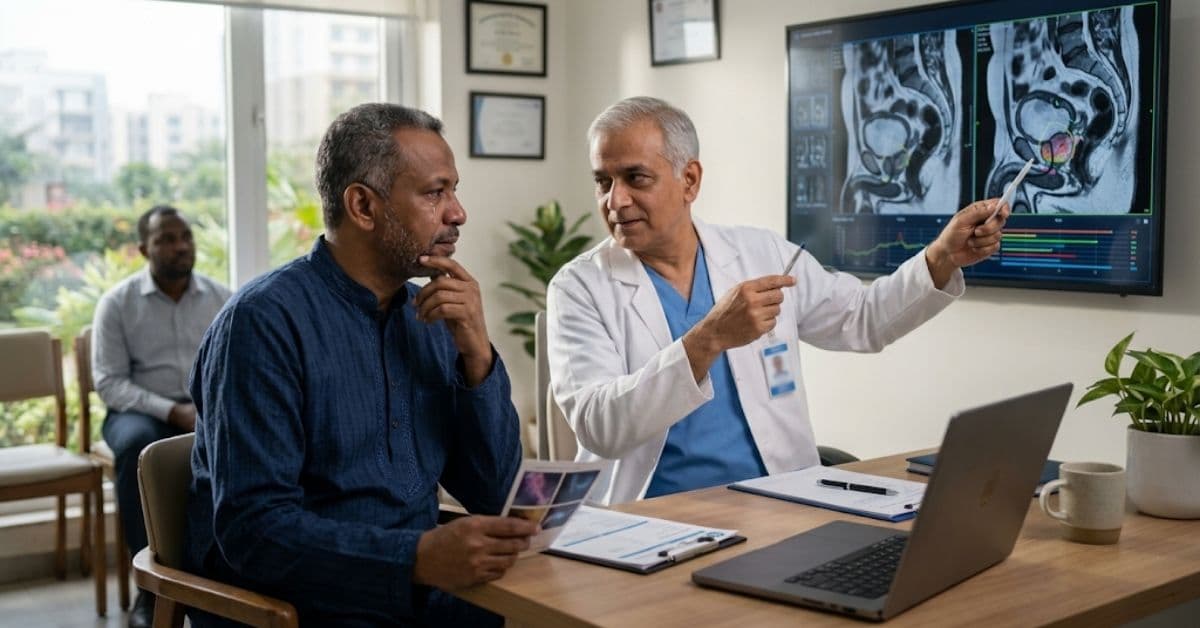
Understanding What Influences the Cost of Cancer Treatment in India
Embarking on a journey for cancer treatment abroad can feel overwhelming, especially when considering the financial aspects. This comprehensive guide aims to demystify the factors that influence the cost of cancer treatment in India, offering clarity and practical insights for international patients and their families. We will explore the various clinical and logistical elements that contribute to the overall expenditure, helping you plan effectively without promising specific figures, ensuring you feel more prepared and supported.
What This Cost Guide Covers
When facing a cancer diagnosis, the thought of seeking treatment in another country, such as India, often brings questions about quality, accessibility, and, inevitably, cost. This guide is designed to be a compassionate and practical resource, helping you understand the multifaceted nature of cancer treatment expenses. It is crucial to set the expectation that this is a planning resource, not a price list. Due to the highly individualised nature of cancer care, exact figures cannot be provided without a thorough medical evaluation. Instead, we will focus on the key variables that shape the overall financial commitment, empowering you to ask the right questions and prepare for your medical journey.
Main Factors That Influence the Cost of Cancer Treatment in India
The overall cost of cancer treatment in India is influenced by a complex interplay of medical, logistical, and personal choices. Understanding these factors is the first step towards effective planning. From the specific type of cancer to the chosen hospital, each element contributes to the final expenditure. India offers a spectrum of healthcare facilities, from tertiary care hospitals in major cities to specialised cancer centres, each with varying cost structures.
What Is Typically Included vs. Excluded?
When you receive a cost estimate for cancer treatment in India, it's vital to understand what services are generally encompassed within the quoted figure and what might be billed separately. This clarity helps prevent unexpected expenses and allows for more accurate financial planning.
Typically Included
Most comprehensive treatment packages aim to cover the core medical procedures and immediate care associated with your primary treatment plan.
- Surgeon's fees, anaesthesia, and operation theatre charges for surgical procedures.
- Hospital stay for a specified duration, including nursing care and standard room charges.
- Basic diagnostic tests performed during the hospital stay, directly related to the treatment.
- Standard medications administered during the hospitalisation period.
- Consultation fees with the primary treating oncologist and associated specialists during the hospital stay.
Typically Excluded
Several crucial aspects of your medical journey, particularly those outside the immediate treatment phase, are often not part of the initial package and require separate budgeting.
- Pre-travel diagnostics and initial consultations conducted in your home country.
- Extended hospital stays beyond the estimated duration due to complications or slower recovery.
- Post-discharge medications, follow-up consultations after leaving the hospital, and long-term rehabilitation.
- Personal expenses such as food, laundry, and communication.
- Travel costs (flights, local transport), accommodation for the patient and accompanying family, and visa fees.
- Treatment for pre-existing conditions or new medical issues unrelated to the primary cancer treatment.
- Advanced or experimental therapies not part of the standard protocol.
How Complexity Changes the Plan
The complexity of a cancer case significantly impacts the overall treatment plan and, consequently, the cancer treatment cost in India. A straightforward surgical procedure will have a different financial footprint than a multi-stage treatment involving intensive care, advanced implants, or prolonged hospitalisation. For instance, if a patient requires a stay in the Intensive Care Unit (ICU) due to the severity of their condition or post-operative complications, the daily costs will be considerably higher than a standard ward. Similarly, the choice of medical implants, such as prosthetics after limb-sparing surgery or specific types of stents, can vary widely in price. Multi-stage treatments, common in advanced cancers, involve several phases – perhaps initial chemotherapy, followed by surgery, then radiation therapy, and finally maintenance medication. Each stage adds to the cumulative cost, requiring careful financial planning over an extended period. Understanding these potential complexities upfront allows families to prepare for a more flexible budget.
Length of Stay and Rehabilitation Planning
The duration of your stay in India is a critical factor influencing the overall cost, encompassing not just hospital charges but also accommodation and living expenses. The length of stay varies significantly based on the type of cancer and the chosen treatment. For example, a simple biopsy might require a few days, while complex surgeries or multiple cycles of chemotherapy and radiation could necessitate several weeks or even months. Planning for rehabilitation is equally important. While some initial rehabilitation might be included post-surgery, extensive physical therapy, occupational therapy, or psychological support often extends beyond the primary treatment period. It's essential to consider whether these services will be continued in India or back in your home country, and to budget accordingly. Discussing typical recovery timelines and rehabilitation needs with your medical coordinator can provide a clearer picture.
Documents and Reports to Share for an Estimate
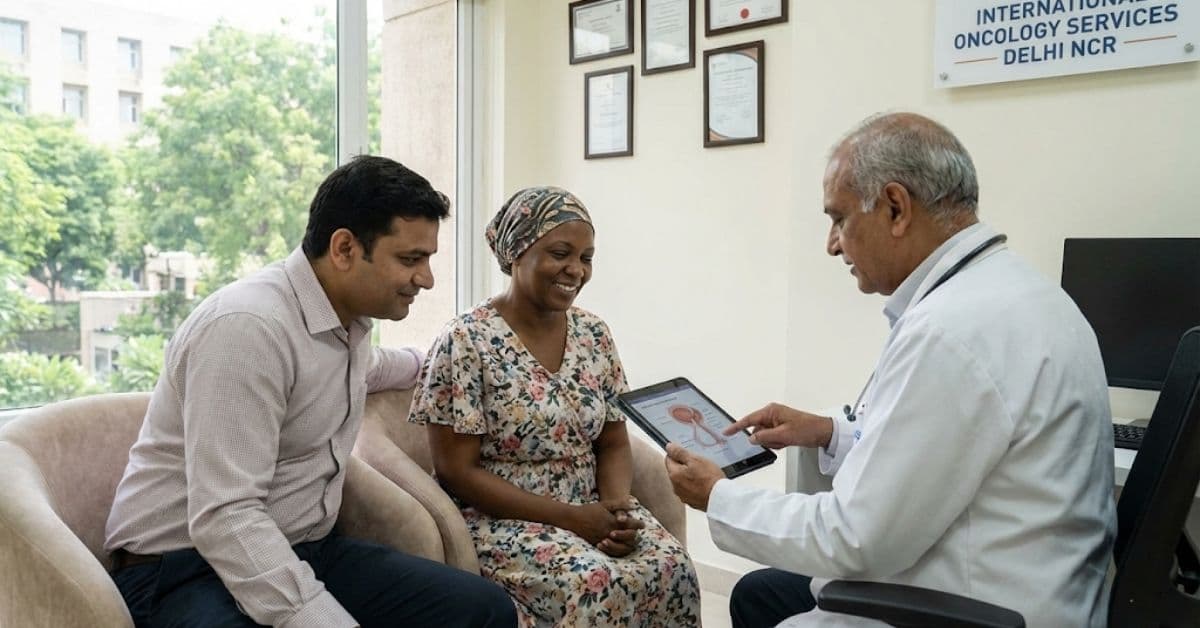
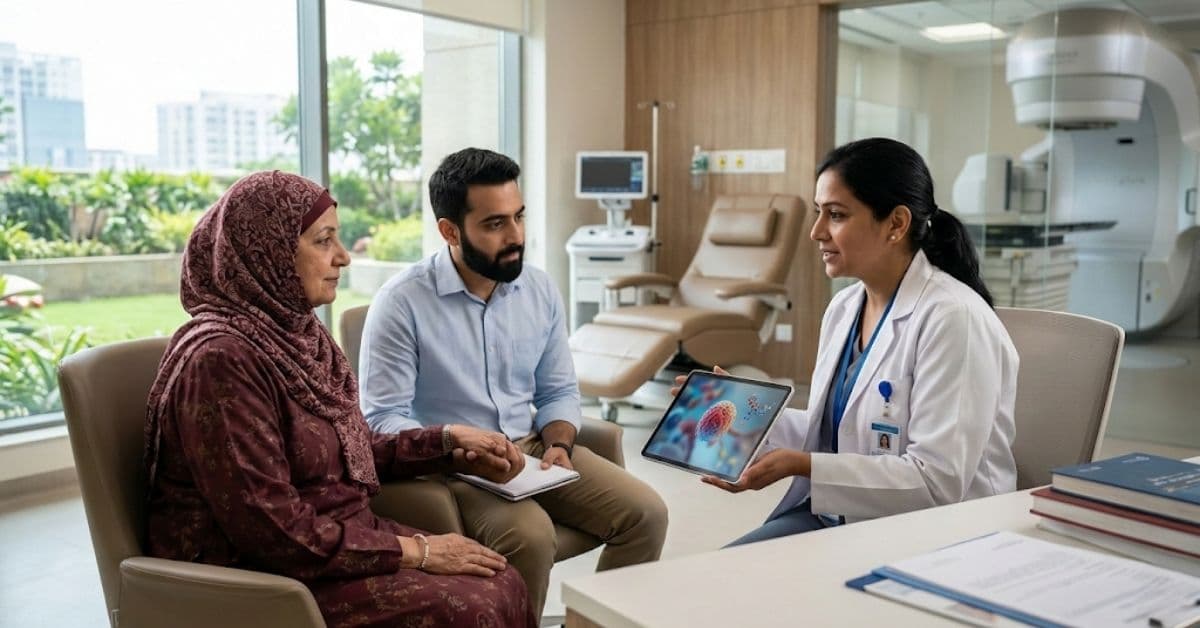
To receive an accurate and personalised cost estimate for cancer treatment in India, it is crucial to provide comprehensive and up-to-date medical documentation. This allows the medical team to understand your condition thoroughly and propose the most appropriate treatment plan. The more detailed and complete your information, the more precise the estimate will be. This initial sharing of documents is a vital step in your planning process, enabling the medical team to assess your case without you needing to travel for an initial consultation.
Region-Sensitive Planning Notes
For international patients considering cancer treatment in India, understanding region-specific nuances is key to a smooth and stress-free journey. India is a vast and diverse country, and while medical standards are high across reputable facilities, cultural and logistical aspects can vary. Visa requirements, for instance, differ based on your country of origin, and it's essential to apply for the correct medical visa well in advance. Language barriers are generally minimal in major hospitals, where English is widely spoken by medical staff, but having a local support person or interpreter for daily activities can be beneficial. Additionally, budgeting should account for cultural adaptation, local transport, and dietary preferences. Many hospitals offer international patient services to assist with these aspects, providing guidance on accommodation, local travel, and cultural orientation, ensuring you and your family feel comfortable and supported throughout your stay. To explore the comprehensive range of oncology treatments available in India, including advanced therapies and surgical options, you might find it helpful to review detailed information on various specialities (https://www.vrhhealthcare.com/specialities/oncology-treatment-in-india).
Conclusion
Navigating the complexities of cancer treatment abroad, especially understanding the financial landscape, requires careful planning and reliable information. While the journey may seem daunting, India offers world-class medical expertise and advanced oncology treatments at a value that makes it an attractive option for many international patients. By understanding the factors that influence the cost of cancer treatment in India and preparing thoroughly, you can approach this significant decision with greater confidence and peace of mind. Remember, you are not alone in this process; support systems are in place to guide you every step of the way, ensuring you receive the compassionate care you deserve.
Share your medical reports with us, and our dedicated team will prepare a personalised, comprehensive estimate for your review, helping you plan your treatment journey effectively.