When Is Knee Replacement Truly Necessary? A Practical Guide for International Patients
Chronic knee pain significantly impacts daily life. "When is knee replacement truly necessary?" This guide offers clarity and reassurance for international patients and families navigating severe knee conditions. Understanding signs, diagnosis, and treatment pathways is crucial for informed decisions about your health journey, especially when considering medical care abroad.
Who This Is For
This guide is for individuals experiencing persistent, debilitating knee pain affecting their quality of life, and for their families. Perhaps conservative treatments haven't brought lasting relief, or mobility is severely restricted. You might be exploring advanced medical care, including treatment in India, seeking comprehensive information on knee replacement surgery. We understand the emotional and practical considerations of such a significant decision, particularly with international medical travel.
What Is Knee Replacement Surgery?
Knee replacement surgery (total knee arthroplasty, TKA) is a highly effective procedure to relieve pain and restore function in knees severely damaged by arthritis or injury. Damaged cartilage and bone surfaces of the thigh bone, shin bone, and often the kneecap are removed. These are replaced with artificial components, typically metal alloys and high-grade plastics, designed to mimic natural knee movement. The primary goal is to alleviate chronic pain, correct deformity, and enable a return to daily activities with improved mobility.
Early Signs and Symptoms of Severe Knee Damage
Recognising severe knee damage is the first step. While occasional discomfort is common, certain symptoms indicate a serious issue needing specialist attention.
When Should You See a Specialist?
Managing knee pain at home is common. However, professional medical advice is essential if:
- Your knee pain is persistent and severe, significantly impacting daily life and quality of life.
- Conservative treatments haven't provided adequate or lasting relief over several months.
- You experience increasing stiffness, swelling, or instability.
- Your ability to walk, climb stairs, or perform simple tasks is increasingly difficult.
- You notice a visible deformity in your knee or leg.
- The pain interferes with your sleep or overall well-being.
Early consultation allows thorough assessment and helps understand your condition, ensuring timely guidance.
How Is It Typically Diagnosed?
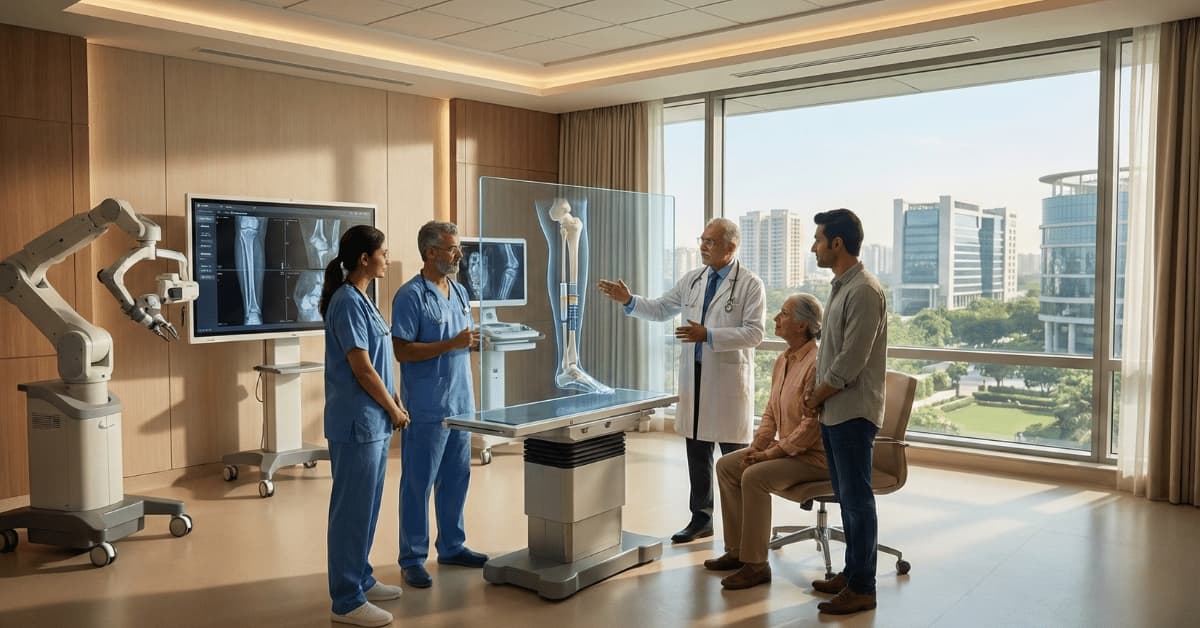
Consulting an orthopaedic specialist involves a comprehensive evaluation:
- Medical History: Detailed questions about symptoms, duration, previous injuries, general health, and current medications.
- Physical Examination: Assessing range of motion, stability, strength, tenderness, swelling, and observing your gait.
- Imaging Tests:
- X-rays: Visualising bones, revealing joint space narrowing, bone spurs, and arthritis signs.
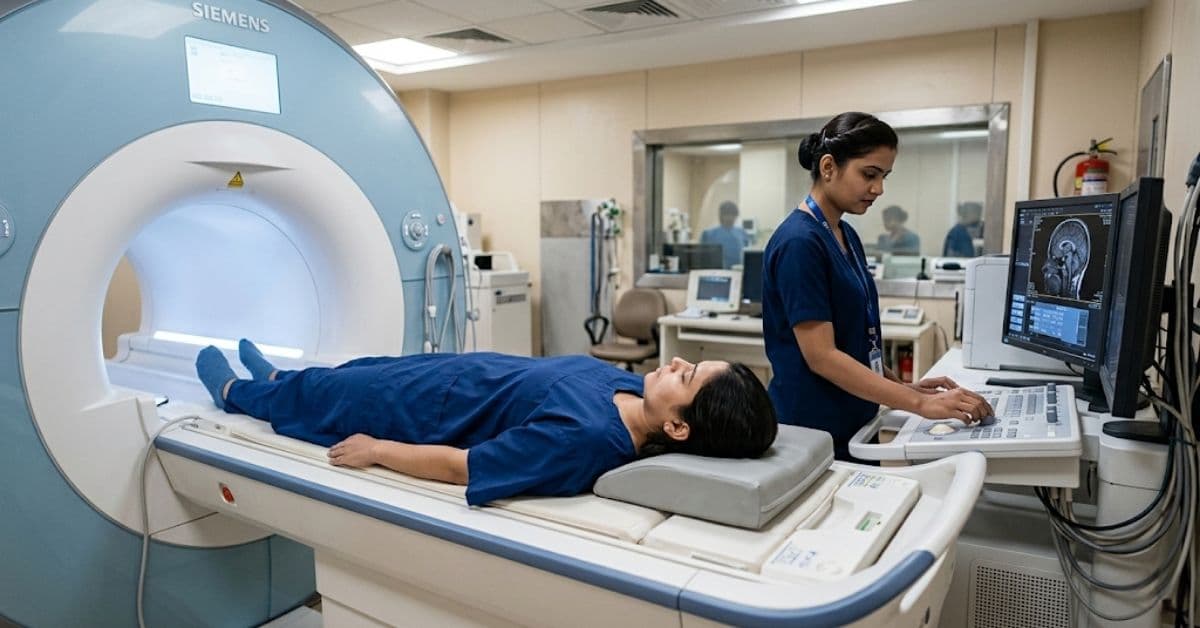
- Magnetic Resonance Imaging (MRI): Detailed images of soft tissues (ligaments, tendons, cartilage) to assess damage.
- Computed Tomography (CT) Scan: Detailed cross-sectional images of bone structure, especially for complex deformities.
- Blood Tests: Occasionally ordered to rule out inflammatory conditions.
This thorough approach ensures your specialist has a complete picture, enabling the most suitable treatment plan.
Treatment Pathways: What Are Your Options?
Understanding treatment pathways is crucial. The approach depends on severity, overall health, and preferences.
- Conservative Management: For earlier stages, non-surgical treatments can provide relief: Physical therapy, pain relievers, NSAIDs, injections (corticosteroid/hyaluronic acid), weight management, and activity modification.
- Surgical Options: When conservative treatments fail or damage is severe: Arthroscopy for minor problems, Partial Knee Replacement for damaged compartments, or Total Knee Replacement (TKA) for widespread arthritis.
India offers a wide range of advanced orthopaedic treatments (https://www.vrhhealthcare.com/specialities/orthopadics-treatment-in-india), with specialists who can guide you. Your specialist will discuss benefits, risks, and recovery.
What to Expect Next: From Consultation to Care Plan
The journey towards knee replacement can feel daunting, but understanding the steps brings clarity. After initial consultation and diagnosis, your specialist will develop a personalised care plan.
- Detailed Discussion: Your surgeon will explain why knee replacement is considered, outlining outcomes, risks, and recovery. Ask questions.
- Pre-operative Assessment: Tests (blood, ECG, chest X-ray) will be done. Optimising general health is crucial.
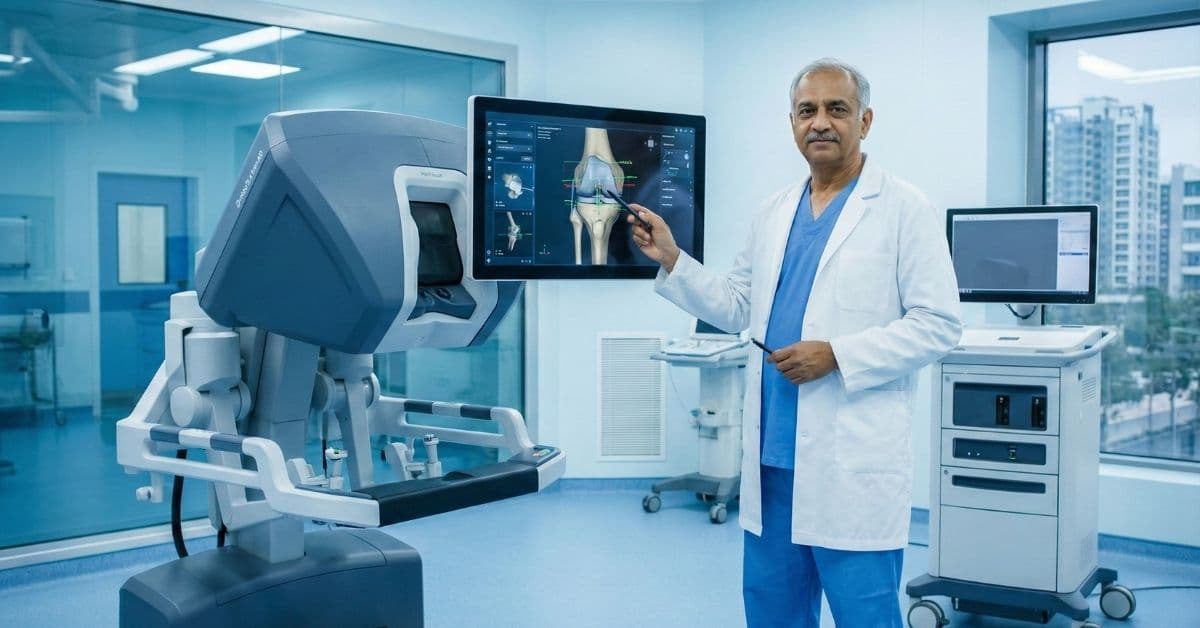
- Understanding the Procedure: The surgeon will explain specifics, including implant type and technique. For those considering this significant step, understanding the specifics of knee replacement in India (https://www.vrhhealthcare.com/procedures/knee-replacement-in-india) can provide clarity on advanced techniques and patient-centric care.
- Hospital Stay and Immediate Recovery: Expect a few days' hospital stay. Pain management is a priority; you'll start moving your knee and walking with assistance soon after surgery.
- Rehabilitation and Physical Therapy: This critical phase begins in the hospital and continues for weeks or months. A tailored programme aims to regain strength, flexibility, and mobility. Adherence is paramount for success.
- Long-Term Outlook and Follow-up: Most experience significant pain relief and improved function. Regular follow-up monitors progress and ensures long-term success.
Considering Treatment in India: A Holistic Approach
For international patients, seeking medical treatment abroad involves more than the procedure. India has emerged as a trusted destination for high-quality orthopaedic care, offering advanced facilities, experienced surgeons, and compassionate support. When considering treatment in India, expect a holistic approach addressing medical needs, comfort, and well-being. Dedicated international patient services assist with travel, accommodation, and local transportation. Culturally sensitive care ensures family needs are respected. The focus extends to comprehensive pre-operative and post-operative rehabilitation, including physical therapy and emotional support. Many facilities provide interpreters and patient coordinators for clear communication. This integrated approach provides reassurance and practical support, allowing you to focus on recovery with confidence.
Conclusion
Deciding when knee replacement is necessary is a deeply personal journey, often marked by pain, uncertainty, and hope. It's a decision made with careful consideration, informed by expert medical advice and supported by loved ones. Understanding symptoms, diagnosis, and treatment options empowers you to make the best choice for your health and future mobility. Early consultation with a specialist can significantly impact your outcomes. India stands as a beacon of advanced medical care, offering world-class orthopaedic services with a compassionate, patient-centred approach.
VRH Healthcare can help connect you with the right specialist for a personalised assessment.