Advanced Immunotherapy and Targeted Cancer Treatment Options in India: A Comprehensive Guide for International Patients
Facing a cancer diagnosis can be overwhelming, but the landscape of treatment is rapidly evolving, offering new hope through advanced therapies. India has emerged as a global leader in providing cutting-edge cancer care, particularly in the fields of immunotherapy and targeted therapy. With its world-class medical expertise, state-of-the-art facilities, and significantly lower treatment costs, India offers a compelling option for international patients seeking high-quality, innovative cancer solutions. This guide aims to demystify these modern treatments and outline the comprehensive support available for your medical journey.
Understanding Immunotherapy and Targeted Therapy
Imagine a treatment that empowers your own body to fight cancer, or one that precisely targets cancer cells while sparing healthy ones. This is the promise of immunotherapy and targeted therapy – two revolutionary approaches that have transformed cancer care. Unlike traditional chemotherapy, which broadly attacks rapidly dividing cells, these therapies are designed with remarkable precision, leading to more effective outcomes and often fewer severe side effects. Immunotherapy works by harnessing the power of your immune system, teaching it to recognize and destroy cancer cells. It's like giving your body's natural defense mechanism a powerful upgrade. Targeted therapy, on the other hand, focuses on specific molecular pathways or genetic mutations unique to cancer cells, blocking their growth and spread. These personalized approaches represent a paradigm shift, moving towards treatments tailored to an individual's unique cancer profile.
Types of Immunotherapy Treatments Available in India
India's leading oncology centers offer a comprehensive range of immunotherapy options, reflecting the latest global advancements.
Immune Checkpoint Inhibitors
These are the most common type of immunotherapy, blocking proteins (like PD-1, PD-L1, or CTLA-4) that cancer cells use to 'hide' from the immune system. By releasing these 'brakes,' the immune system can better detect and attack cancer.
- Effective for melanoma, lung cancer, kidney cancer, bladder cancer, and more.
- Often administered intravenously over several weeks or months.
- Can lead to durable responses and long-term survival in many patients.
CAR T-Cell Therapy
A groundbreaking treatment where a patient's own T-cells are genetically engineered in a lab to recognize and fight cancer cells, then infused back into the patient. India has recently made significant strides in offering this complex therapy.
- Primarily used for certain blood cancers like leukemia and lymphoma.
- Offers a chance for remission in patients who have exhausted other options.
- Requires specialized facilities and expert medical teams.
Oncolytic Viruses
These are viruses modified to infect and kill cancer cells while leaving healthy cells unharmed. They also stimulate an anti-tumor immune response.
- Approved for certain types of melanoma.
- Administered directly into the tumor.
- A promising area of research for various solid tumors.
Types of Targeted Therapy Approaches in India
Targeted therapies are designed to interfere with specific molecules involved in cancer growth, progression, and spread. India's oncologists utilize advanced diagnostic tools to identify suitable candidates for these precise treatments.
Small Molecule Inhibitors
These drugs are designed to block specific enzymes or proteins inside cancer cells that are crucial for their growth and survival. They are typically taken orally.
- Targets include EGFR, ALK, BRAF, HER2, and many others.
- Effective for lung cancer, melanoma, breast cancer, and certain leukemias.
- Often lead to rapid tumor shrinkage and symptom relief.
Monoclonal Antibodies
These are laboratory-produced molecules engineered to mimic antibodies in the immune system. They can attach to specific targets on cancer cells or immune cells, marking them for destruction or blocking their growth signals.
- Used in breast cancer (e.g., Trastuzumab for HER2+), colorectal cancer, lymphoma, and more.
- Administered intravenously.
- Can be combined with chemotherapy or other targeted agents.
Angiogenesis Inhibitors
These drugs prevent the formation of new blood vessels that tumors need to grow and spread, essentially starving the cancer.
- Used for kidney cancer, liver cancer, and certain types of colorectal cancer.
- Can slow tumor growth and progression.
- Often used in combination with other treatments.
Why Choose India for Advanced Cancer Treatment?
India has rapidly become a preferred destination for international patients seeking advanced cancer care, offering a unique blend of expertise, technology, and affordability. The country boasts a robust healthcare infrastructure with numerous JCI and NABH accredited hospitals that adhere to global standards of patient care and safety. Indian oncologists are highly qualified, often trained in leading institutions worldwide, and possess extensive experience in managing complex cancer cases with these modern therapies. Beyond medical excellence, India provides a compassionate environment, with English-speaking medical staff and dedicated international patient services. The significant cost savings, often 60-80% less than in Western countries, make life-saving treatments accessible without compromising on quality. This combination ensures that patients receive world-class care in a supportive and economically viable setting.
Leading Hospitals and Oncologists for Immunotherapy & Targeted Therapy in India
India is home to several internationally recognized cancer centers equipped with state-of-the-art technology and multidisciplinary teams specializing in immunotherapy and targeted therapy. Hospitals like Apollo Hospitals, Fortis Healthcare, Max Healthcare, and Narayana Health are at the forefront, offering comprehensive oncology services. These institutions house dedicated departments for medical oncology, radiation oncology, surgical oncology, and molecular pathology, ensuring a holistic approach to cancer management. Patients benefit from access to highly experienced medical oncologists, radiation oncologists, and surgical oncologists who collaborate to create personalized treatment plans. Many of these specialists are pioneers in their fields, actively involved in clinical trials and research, bringing the latest innovations directly to patient care. Their expertise ensures that international patients receive treatment protocols aligned with global best practices.
Advanced Technology and Precision Diagnostics
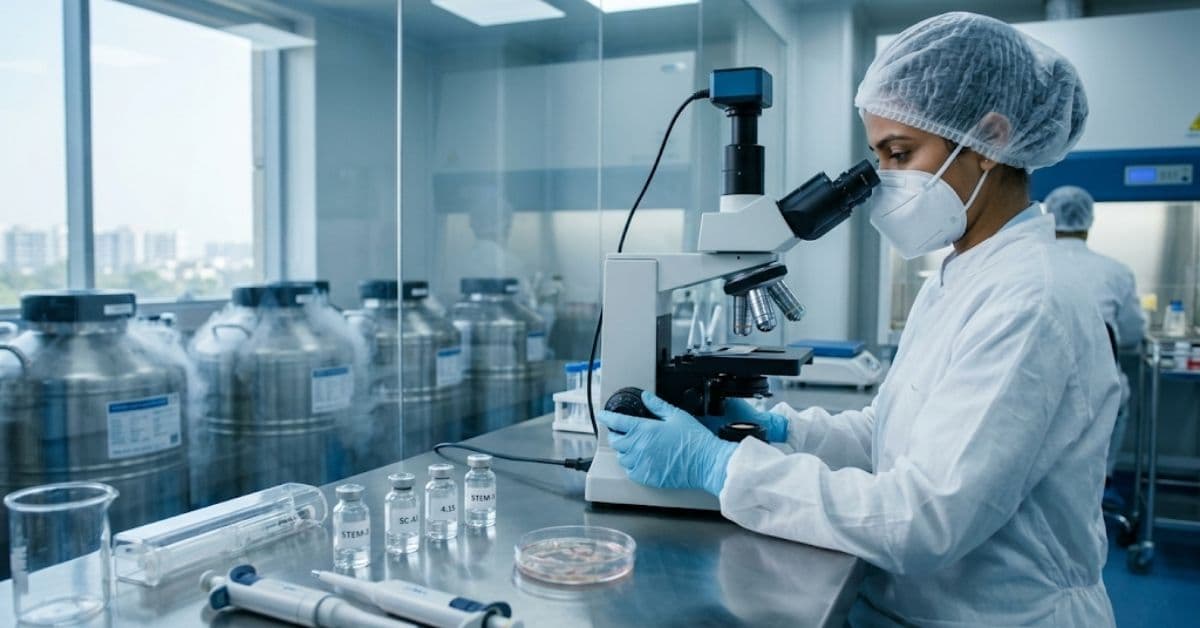
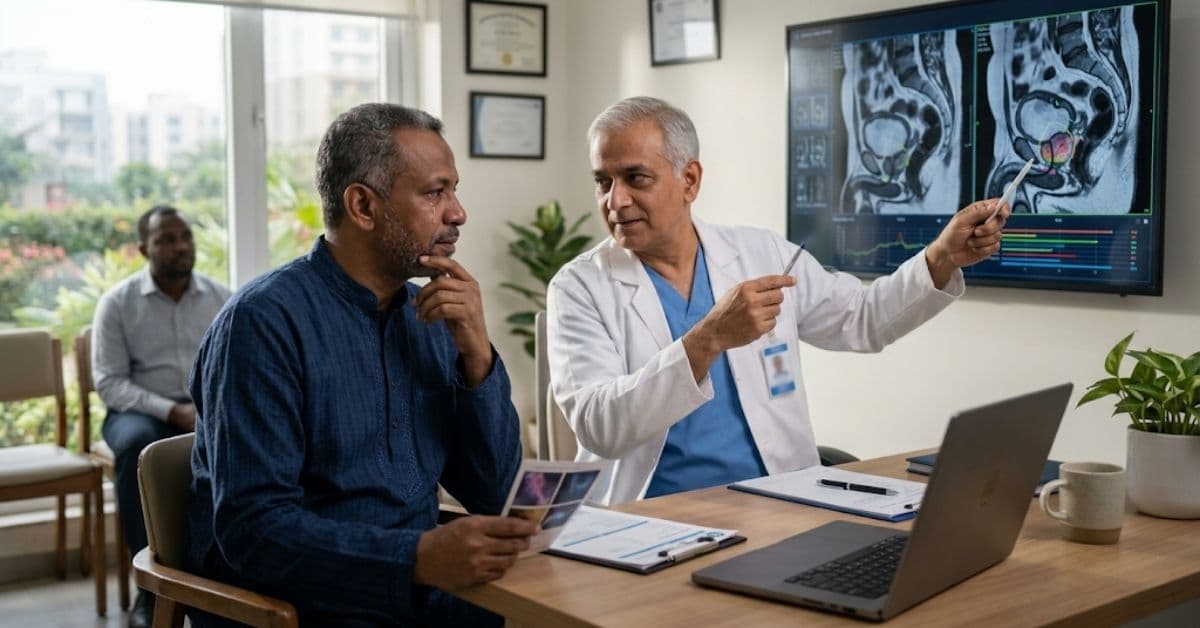
The success of immunotherapy and targeted therapy hinges on precise diagnostics. Indian hospitals are equipped with cutting-edge technology for molecular profiling and genetic testing, which are crucial for identifying the specific biomarkers and mutations in a patient's tumor. This includes next-generation sequencing (NGS), immunohistochemistry (IHC), and fluorescence in situ hybridization (FISH). These advanced diagnostic tools allow oncologists to accurately determine if a patient's cancer is likely to respond to a particular targeted therapy or immunotherapy. For instance, identifying an EGFR mutation in lung cancer or a HER2 amplification in breast cancer guides the choice of targeted drugs. This precision medicine approach minimizes trial-and-error, leading to more effective treatments and better patient outcomes. Furthermore, advanced imaging techniques like PET-CT and MRI are used for accurate staging and monitoring treatment response.
Cost of Immunotherapy & Targeted Therapy in India
One of the most compelling reasons for international patients to choose India for cancer treatment is the significant cost advantage, without compromising on quality. The cost of immunotherapy and targeted therapy can vary widely based on the specific drug, duration of treatment, hospital, and patient's overall condition. However, it remains substantially lower than in many Western countries.
| Treatment Component | Cost in India (USD) | Cost in US/UK (USD) | Savings (%) |
|---|---|---|---|
| Immunotherapy Cycle | $2,000 - $8,000 | $10,000 - $30,000 | 60-80% |
| Targeted Therapy Cycle | $1,500 - $7,000 | $8,000 - $25,000 | 60-75% |
| Diagnostic Tests (e.g., NGS) | $500 - $2,000 | $3,000 - $10,000 | 70-80% |
| Hospital Stay (per day) | $100 - $300 | $1,000 - $3,000 | 90% |
Disclaimer: These are estimated ranges and actual costs may vary significantly based on the specific drug, brand, dosage, duration of treatment, hospital choice, and individual patient needs. It is crucial to obtain a personalized cost estimate from your chosen medical facility.*
Success Rates and Clinical Outcomes
The advent of immunotherapy and targeted therapy has dramatically improved outcomes for many cancer patients, offering hope where traditional treatments may have fallen short. In India, success rates for these advanced therapies are comparable to global benchmarks, thanks to adherence to international protocols and access to the latest drugs. For many cancers, immunotherapy has shown to achieve durable responses, meaning patients experience long-term control of their disease, sometimes even years after treatment. For instance, in advanced melanoma, checkpoint inhibitors have demonstrated 5-year survival rates of over 50% in some patient groups, a significant improvement from previous treatments. Similarly, targeted therapies for specific lung cancers (e.g., EGFR-mutated) can achieve response rates of 60-70% or higher, leading to improved progression-free survival. While individual results vary based on cancer type, stage, and patient factors, the overall trend indicates improved survival rates, better quality of life, and reduced side effects compared to conventional chemotherapy. Indian oncologists meticulously track patient outcomes, contributing to global data and continuously refining treatment strategies.
Recovery and Support for International Patients
Undergoing advanced cancer treatment abroad requires comprehensive support, and Indian healthcare providers are well-versed in catering to the unique needs of international patients. Recovery from immunotherapy and targeted therapy is often different from chemotherapy, with side effects typically being less severe but requiring careful monitoring.
- Initial Hospital Stay: Depending on the specific therapy and administration method, patients might have a short hospital stay (1-3 days) for initial infusions or monitoring, especially for CAR T-cell therapy.
- Outpatient Treatment: Most immunotherapy and targeted therapy cycles are administered on an outpatient basis, allowing patients to stay in comfortable accommodation nearby.
- Side Effect Management: While generally milder, side effects (e.g., fatigue, skin rashes, flu-like symptoms for immunotherapy; diarrhea, skin issues for targeted therapy) are closely managed by the medical team.
- Follow-up Care: Regular follow-up appointments, blood tests, and imaging scans are crucial to monitor treatment effectiveness and manage any side effects. Many hospitals offer telemedicine consultations for post-treatment follow-ups once you return home.
- Emotional and Psychological Support: Cancer treatment is emotionally taxing. Many Indian hospitals offer access to counselors, support groups, and patient navigators who can provide emotional support and help navigate the journey.
Medical Tourism Support Services
Navigating medical treatment in a foreign country can be daunting, but India's medical tourism ecosystem is designed to make the process seamless and stress-free for international patients and their families. Dedicated international patient departments in hospitals, along with medical tourism facilitators, offer a wide array of services:
- Visa Assistance: Guidance and support for obtaining medical visas for patients and accompanying caregivers.
- Travel Logistics: Assistance with flight bookings, airport transfers, and local transportation.
- Accommodation: Help in arranging suitable accommodation, from budget-friendly guesthouses to luxury hotels or serviced apartments, often near the hospital.
- Language Interpreters: Professional interpreters are available for various languages to ensure clear communication between patients and medical staff.
- Dedicated Patient Coordinators: A single point of contact to assist with appointments, billing, and any other needs throughout the stay.
- Telemedicine and Post-Treatment Follow-ups: Facilitating virtual consultations with your treating oncologist after you return to your home country.
- Cultural Orientation: Assistance with local customs, food preferences, and religious needs to ensure a comfortable stay.
Quality Assurance and Standards
India's commitment to high-quality healthcare is evident in its robust accreditation systems and adherence to international medical standards. Many leading hospitals are accredited by the Joint Commission International (JCI), a globally recognized benchmark for patient safety and quality of care. Additionally, the National Accreditation Board for Hospitals & Healthcare Providers (NABH) ensures that Indian hospitals meet stringent national quality standards. These accreditations mean that hospitals follow rigorous protocols for infection control, patient safety, ethical practices, and continuous quality improvement. From state-of-the-art diagnostic labs to advanced surgical theaters and intensive care units, the infrastructure is designed to provide world-class medical care. Furthermore, Indian medical professionals are bound by strict ethical guidelines, ensuring transparency and patient-centric decision-making throughout the treatment journey.
Conclusion
The journey through cancer treatment is profoundly personal, and choosing the right path is a decision filled with hope and careful consideration. India stands as a beacon of advanced cancer care, offering cutting-edge immunotherapy and targeted therapy options delivered by highly skilled professionals in world-class facilities. With its compassionate approach, significant cost advantages, and comprehensive support services, India provides a viable and reassuring option for international patients seeking the best possible outcomes. Embrace the future of cancer treatment with confidence and support.
Explore your advanced cancer treatment options in India today. Contact us for a personalized consultation and begin your journey to recovery.