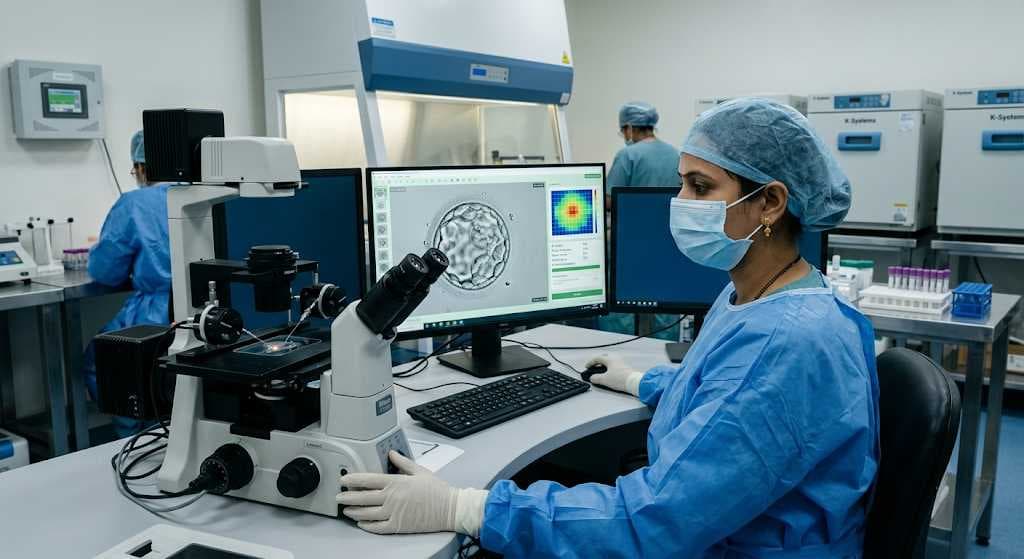
World-Class Cancer Treatment in India: A Comprehensive Guide for UK Patients – 2024
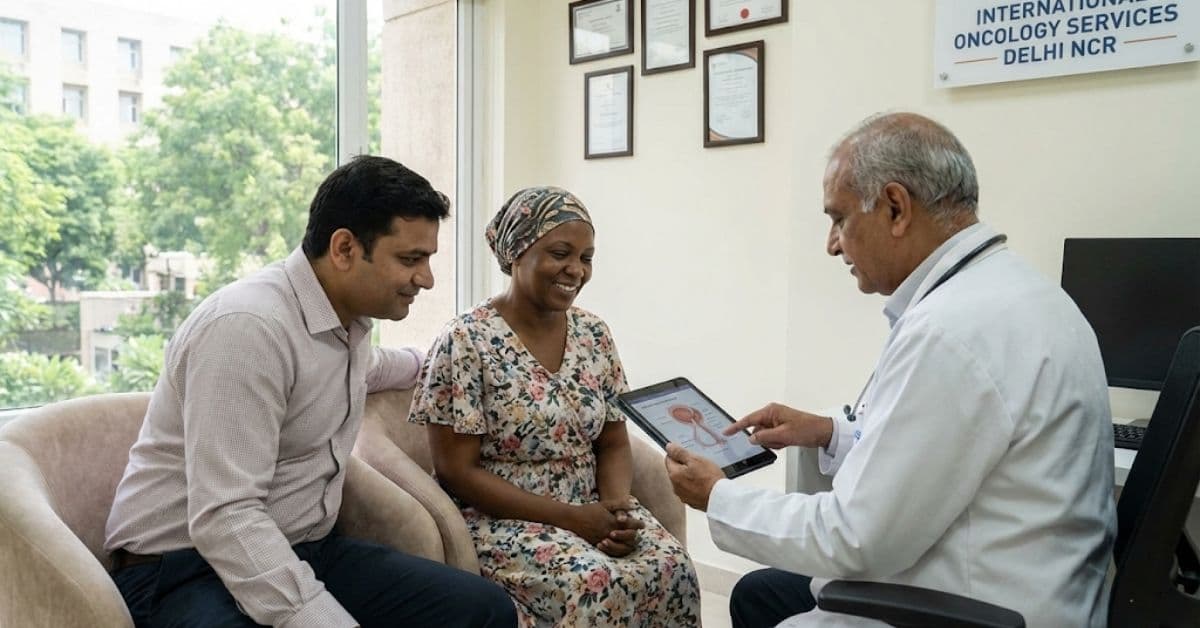
Facing a cancer diagnosis can be an overwhelming experience, bringing with it a whirlwind of emotions and critical decisions. For many, exploring treatment options beyond their home country offers a beacon of hope, combining advanced medical care with significant cost savings and reduced waiting times. India has emerged as a global leader in oncology, attracting international patients with its state-of-the-art facilities, highly skilled specialists, and a compassionate approach to care. This guide aims to provide UK patients and their families with a detailed understanding of what to expect when considering India for world-class cancer treatment, ensuring a smooth and supportive journey.
What is Oncology?
Oncology is the branch of medicine dedicated to the study, diagnosis, treatment, and prevention of cancer. It's a complex and rapidly evolving field, encompassing a wide range of medical disciplines to combat various forms of cancer. An oncologist is a doctor who specializes in treating cancer, guiding patients through their diagnosis, treatment plan, and follow-up care. The journey through cancer treatment often involves a multidisciplinary team, including surgeons, radiation oncologists, medical oncologists, pathologists, and supportive care specialists, all working together to provide the most effective and personalized care possible. Understanding oncology means understanding the fight against cancer, from early detection to advanced therapeutic interventions designed to improve outcomes and quality of life.
Types of Cancer Treatments Available in India
India's leading hospitals offer a full spectrum of advanced cancer treatments, tailored to individual patient needs and cancer types. These treatments are often combined in a multidisciplinary approach to achieve the best possible outcomes.
Surgical Oncology
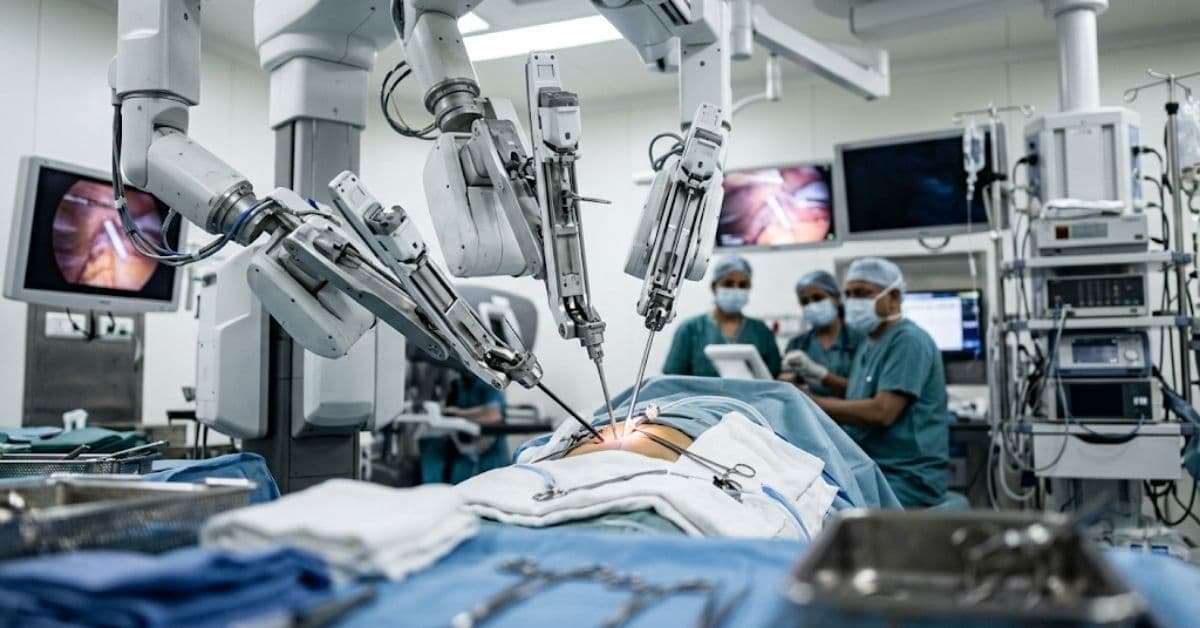
This involves the removal of cancerous tumors and surrounding tissues. Indian hospitals are equipped with advanced surgical suites and highly experienced oncological surgeons.
- Minimally invasive surgery (laparoscopic, robotic)
- Organ-sparing techniques
- Reconstructive surgery post-tumor removal
Medical Oncology (Chemotherapy, Targeted Therapy, Immunotherapy)
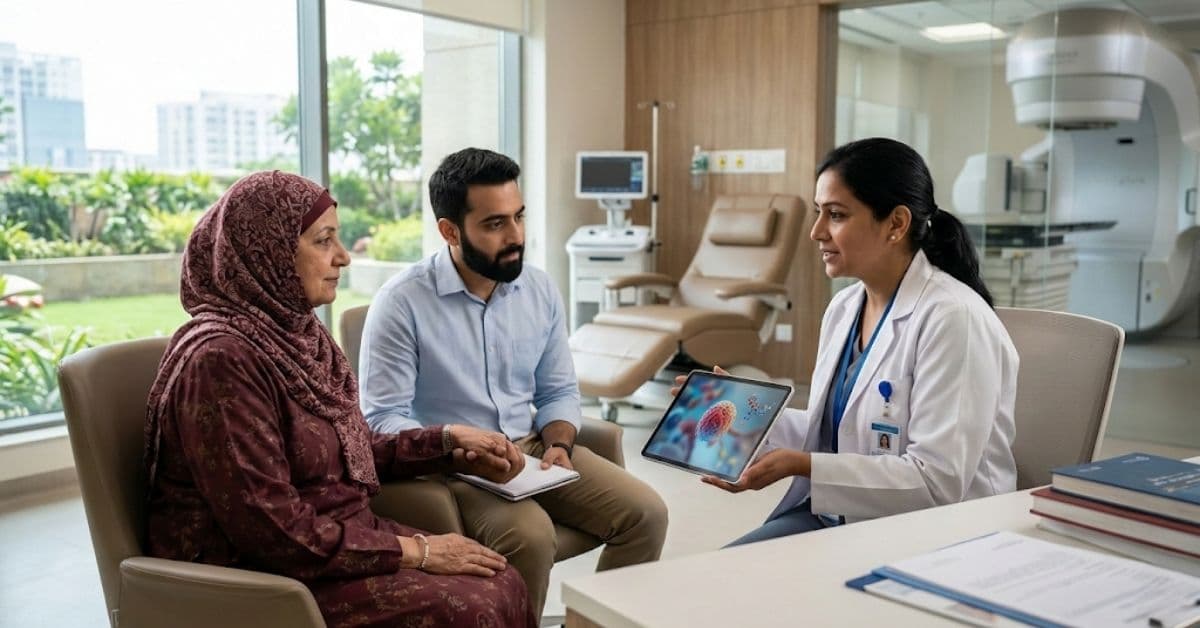
Medical oncology uses medications to destroy cancer cells. This includes traditional chemotherapy, targeted therapies that specifically attack cancer cells with less harm to healthy cells, and groundbreaking immunotherapies that harness the body's own immune system to fight cancer.
- Personalized chemotherapy regimens
- Access to latest targeted drugs
- Advanced immunotherapy protocols with high success rates in specific cancers
Radiation Oncology
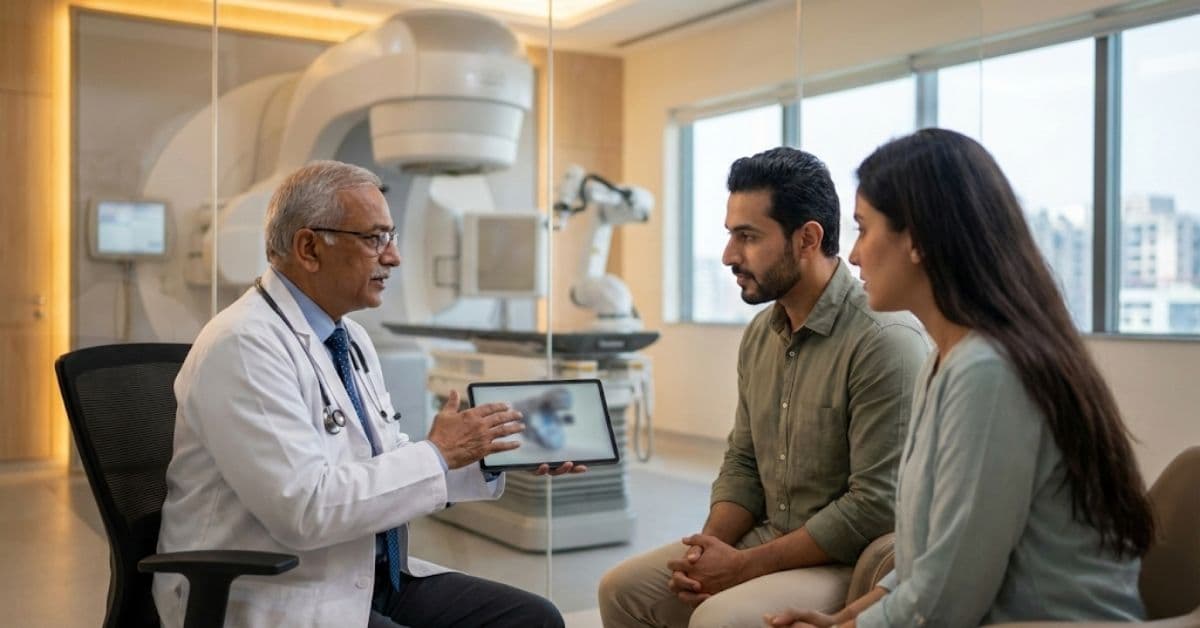
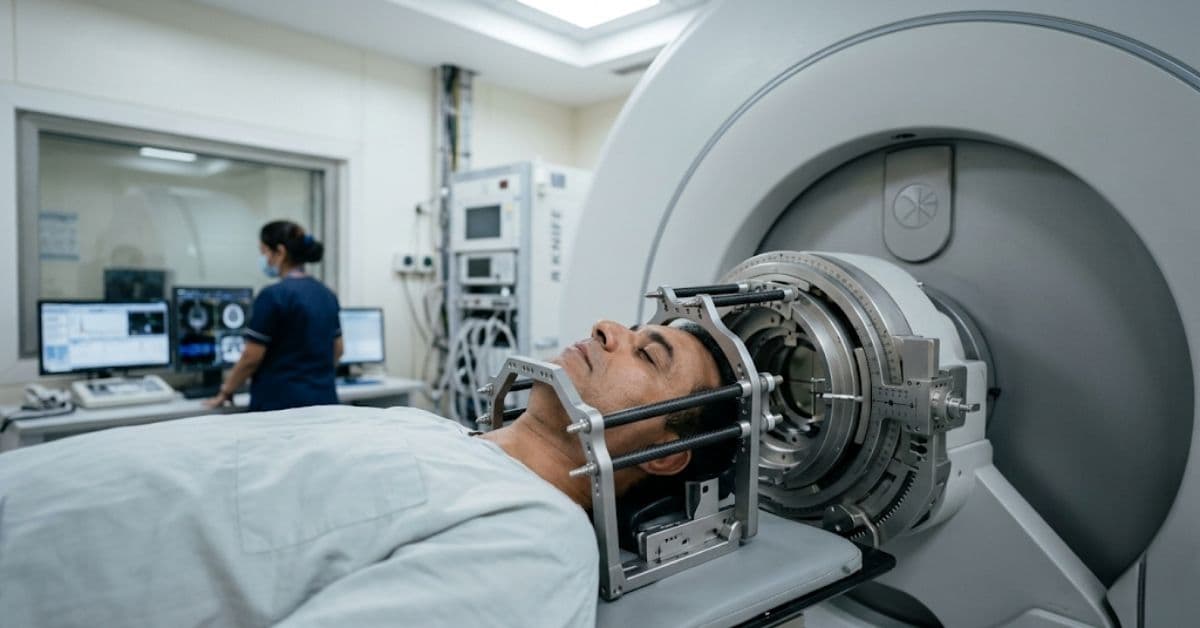
Radiation therapy uses high-energy rays to kill cancer cells. Indian facilities boast cutting-edge radiation technologies that deliver precise doses while minimizing damage to healthy tissues.
- Intensity-Modulated Radiation Therapy (IMRT)
- Stereotactic Body Radiation Therapy (SBRT)
- Image-Guided Radiation Therapy (IGRT)
- Brachytherapy for internal radiation
Bone Marrow Transplantation (BMT)
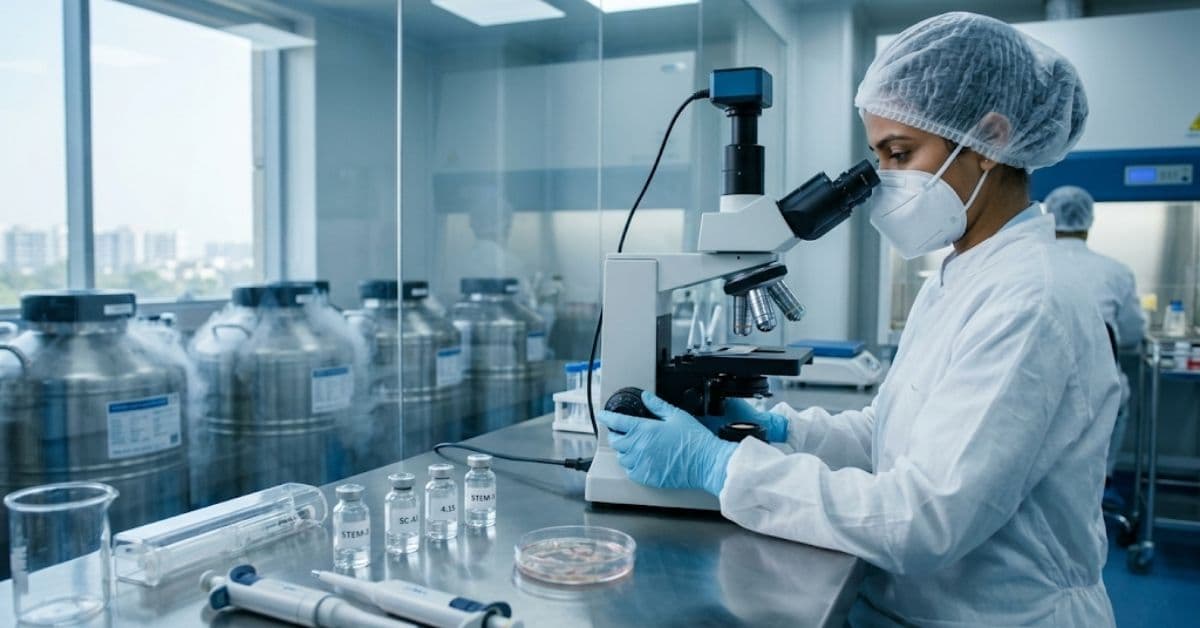
A critical procedure for certain blood cancers and disorders, BMT involves replacing damaged bone marrow with healthy stem cells. India has several centers performing both autologous and allogeneic transplants with excellent success rates.
- Dedicated sterile BMT units
- Experienced transplant teams
- Comprehensive pre- and post-transplant care
Why Choose India for Cancer Treatment: A UK Patient's Perspective
For UK patients, the decision to seek treatment abroad often stems from a desire for timely access to care, advanced technology, and significant cost savings without compromising on quality. India addresses these concerns comprehensively.
Advanced Technology and Techniques in Indian Oncology
India's commitment to cutting-edge cancer care is evident in its adoption of advanced technologies. These innovations lead to more precise diagnoses, less invasive treatments, and improved patient outcomes. For instance, robotic-assisted surgery, such as with the da Vinci Surgical System, allows surgeons to perform complex procedures with enhanced precision, minimal blood loss, and faster recovery times. Similarly, advanced radiation techniques like Proton Therapy (available in select centers) offer unparalleled accuracy in targeting tumors, significantly reducing damage to surrounding healthy tissues, which is particularly beneficial for pediatric cancers and tumors near vital organs. Molecular diagnostics and genomic profiling are also widely used to identify specific genetic mutations in tumors, enabling oncologists to tailor highly effective targeted therapies and immunotherapies, moving towards truly personalized medicine.
Cost of Cancer Treatment in India vs. UK
One of the most compelling reasons for UK patients to consider India is the substantial cost difference, allowing access to high-quality care that might otherwise be financially prohibitive. Costs vary based on the type of cancer, stage, chosen treatment modality, hospital, and duration of stay. Below is an illustrative comparison:
Global Trust and Medical Tourism in India
India has firmly established itself as a premier destination for medical tourism, drawing hundreds of thousands of patients annually from over 100 countries. While patients come from diverse regions, a significant number originate from the Middle East, Africa, and increasingly, Western countries like the UK, seeking high-quality, affordable healthcare. This global trust is built on India's reputation for clinical excellence, advanced infrastructure, and a patient-centric approach. Beyond the medical aspect, India offers comprehensive logistical and cultural support. This includes streamlined medical visa processes, dedicated international patient departments, professional translators for various languages, a wide range of accommodation options from budget-friendly to luxury, and assistance with local travel. Many hospitals also integrate wellness programs, offering yoga and meditation to support patients' emotional and physical well-being during their treatment journey.
Success Rates and Clinical Outcomes in Indian Oncology
Indian hospitals consistently report success rates for various cancer treatments that are comparable to, and often exceed, international benchmarks. For instance, 5-year survival rates for common cancers like breast cancer and prostate cancer in leading Indian oncology centers often range from 85-90% for early-stage diagnoses, aligning with global standards. For complex procedures like bone marrow transplants, success rates can be as high as 70-80%, depending on the type of transplant and patient factors. These impressive outcomes are a testament to the highly skilled oncologists, advanced technology, and rigorous treatment protocols followed. Patients often experience significant improvements in their quality of life post-treatment, with a strong focus on long-term remission and functional recovery. These statistics provide a reassuring foundation for international patients considering India for their cancer care.
Recovery and Rehabilitation Post-Cancer Treatment
The journey doesn't end with active treatment; recovery and rehabilitation are crucial for regaining strength and quality of life. Indian hospitals provide comprehensive post-treatment care plans.
Medical Tourism Support Services for UK Patients
Navigating medical treatment in a foreign country can be daunting, but dedicated medical tourism facilitators make the process seamless. Organizations like VRH Healthcare specialize in assisting international patients, particularly from the UK, with every aspect of their journey. These services typically include:
- Visa Assistance: Guidance and support for obtaining medical visas for patients and accompanying family members.
- Travel Logistics: Arranging flights, airport transfers, and local transportation.
- Accommodation: Booking suitable lodging options, from serviced apartments to hotels, near the hospital.
- Language Interpreters: Providing professional interpreters to ensure clear communication between patients and medical staff.
- Treatment Coordination: Scheduling appointments, facilitating consultations, and managing hospital admissions.
- Financial Assistance: Helping with cost estimates, payment processing, and insurance coordination.
- Post-Treatment Care: Arranging follow-up consultations, telemedicine services, and medication delivery back home.
- Cultural Orientation: Offering insights into local customs and traditions to help patients and families feel more comfortable.
Quality Assurance and Standards in Indian Oncology Hospitals
The quality of care in India's leading oncology centers is rigorously maintained through international and national accreditation bodies. Many top hospitals are accredited by the Joint Commission International (JCI), a global leader in healthcare quality and patient safety. JCI accreditation signifies adherence to the highest international standards in patient care, safety protocols, and clinical outcomes. Additionally, the National Accreditation Board for Hospitals & Healthcare Providers (NABH) is India's own stringent accreditation body, ensuring that healthcare facilities meet national quality benchmarks. These accreditations mean that patients can expect world-class infrastructure, highly qualified medical professionals, strict infection control measures, and evidence-based treatment protocols, providing peace of mind for international patients seeking care in India.
Navigating the Journey: Specific Considerations for UK Patients
For UK patients, choosing India for cancer treatment often involves considering alternatives to the NHS. While the NHS provides excellent care, factors like waiting times for specialized treatments or access to specific advanced therapies can lead patients to explore options abroad. It's important to:
- Consult with your GP: Discuss your decision to seek treatment abroad and obtain relevant medical records.
- Travel Insurance: Ensure you have comprehensive medical travel insurance that covers your specific condition and treatment abroad.
- Post-Treatment Care Plan: Discuss with your Indian oncology team and potentially your UK GP how follow-up care and long-term monitoring will be managed upon your return.
- Cultural Nuances: While English is widely spoken in medical settings, understanding basic cultural differences can enhance your experience. Indian hospitality is renowned, and you'll find a welcoming environment.
- Support System: Consider bringing a family member or caregiver, as their support can be invaluable during your treatment and recovery.
Conclusion
Embarking on a cancer treatment journey is a profound decision, and for UK patients, India offers a compelling blend of advanced medical expertise, cutting-edge technology, and compassionate care at a fraction of the cost. With its world-class oncologists, accredited hospitals, and comprehensive support services, India stands as a trusted and accessible destination for those seeking the best possible outcomes. This guide aims to empower you with the knowledge and confidence to make an informed choice, knowing that a supportive and high-quality treatment experience awaits.
Explore your cancer treatment options in India today. Contact us for a personalized consultation and begin your journey to recovery.