Advanced Cancer Treatment Technologies and Precision Medicine in India: A Comprehensive Guide for International Patients – 2026
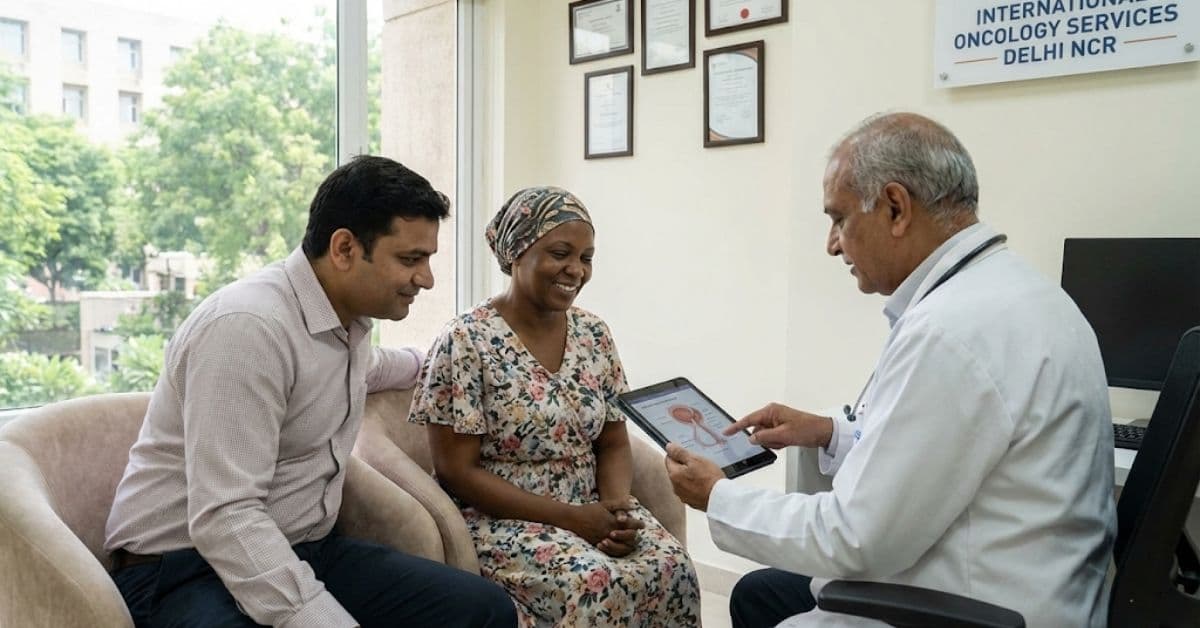
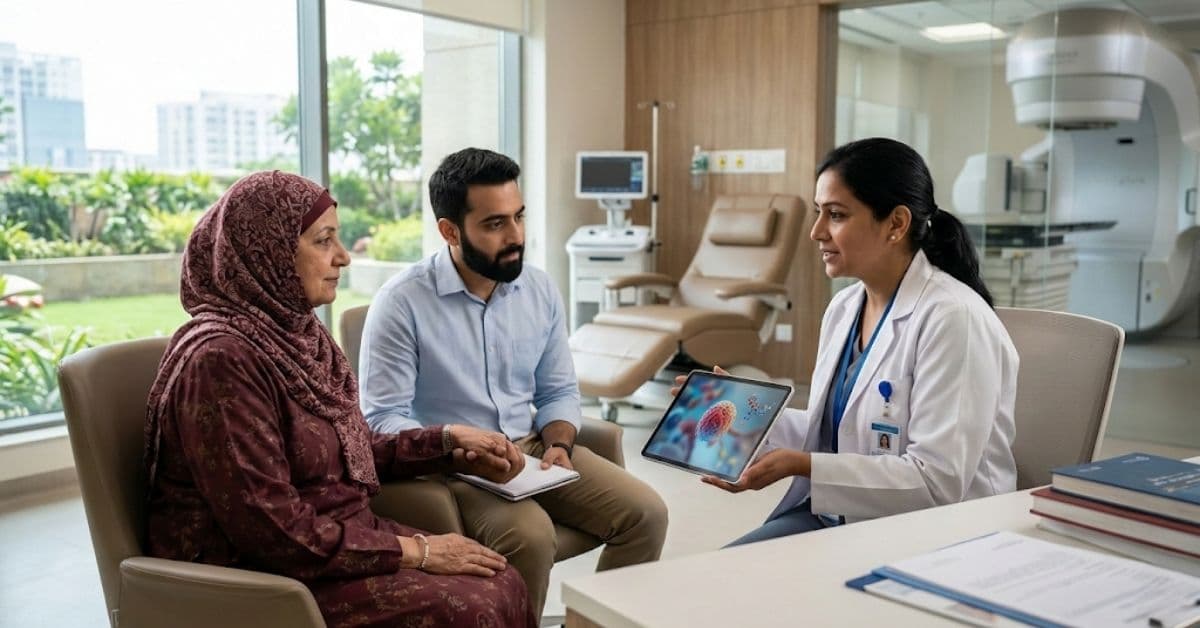
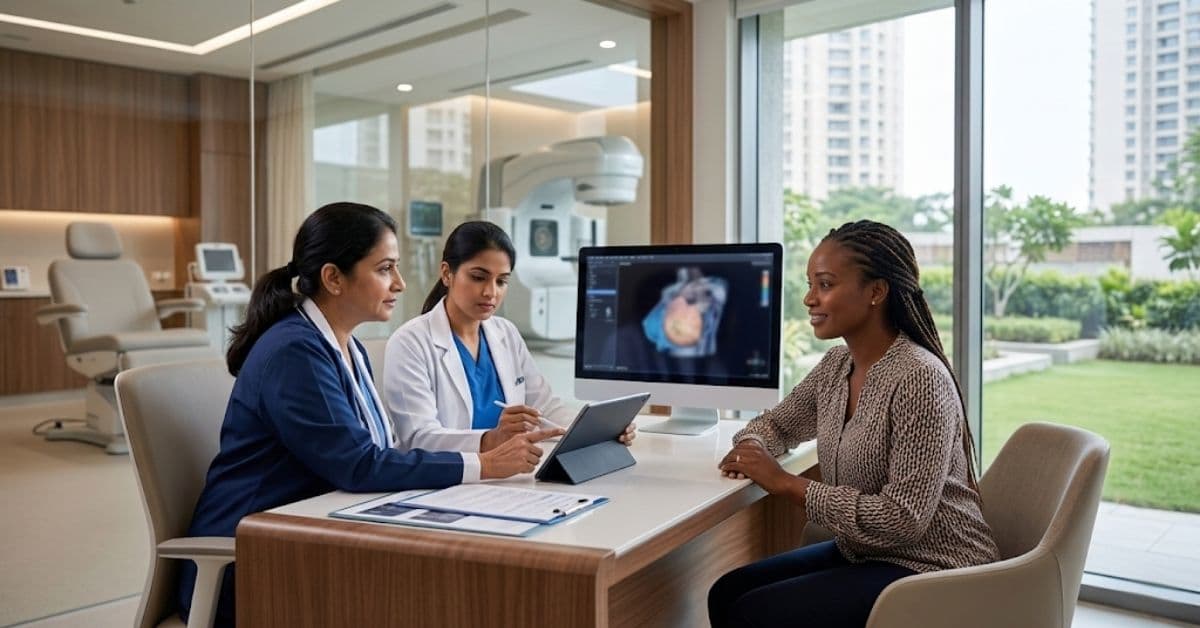
Facing a cancer diagnosis can be an overwhelming experience, often prompting patients and their families to explore the best possible treatment options globally. India has emerged as a beacon of hope, offering state-of-the-art advanced cancer treatment technologies and precision medicine. With its blend of world-class medical expertise, cutting-edge infrastructure, and significantly cost-effective care, India is rapidly becoming a preferred destination for international patients seeking revolutionary oncology solutions. This guide aims to demystify the journey, providing empathetic and authoritative insights into what makes India a leader in advanced cancer care.
What is Precision Oncology and Advanced Cancer Treatment?
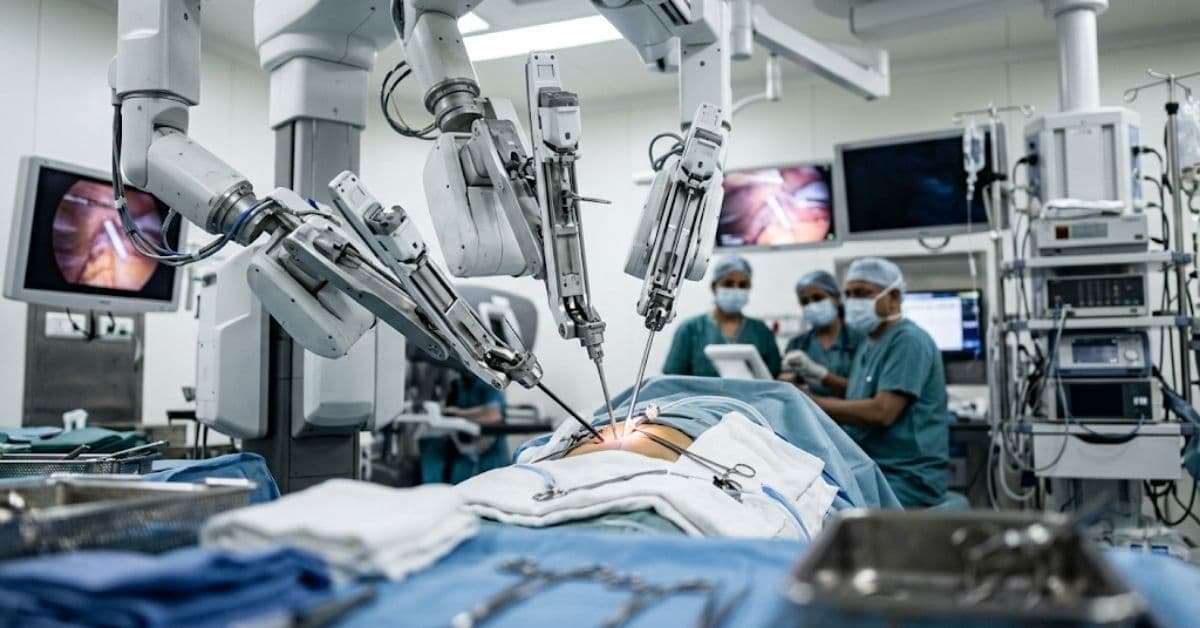
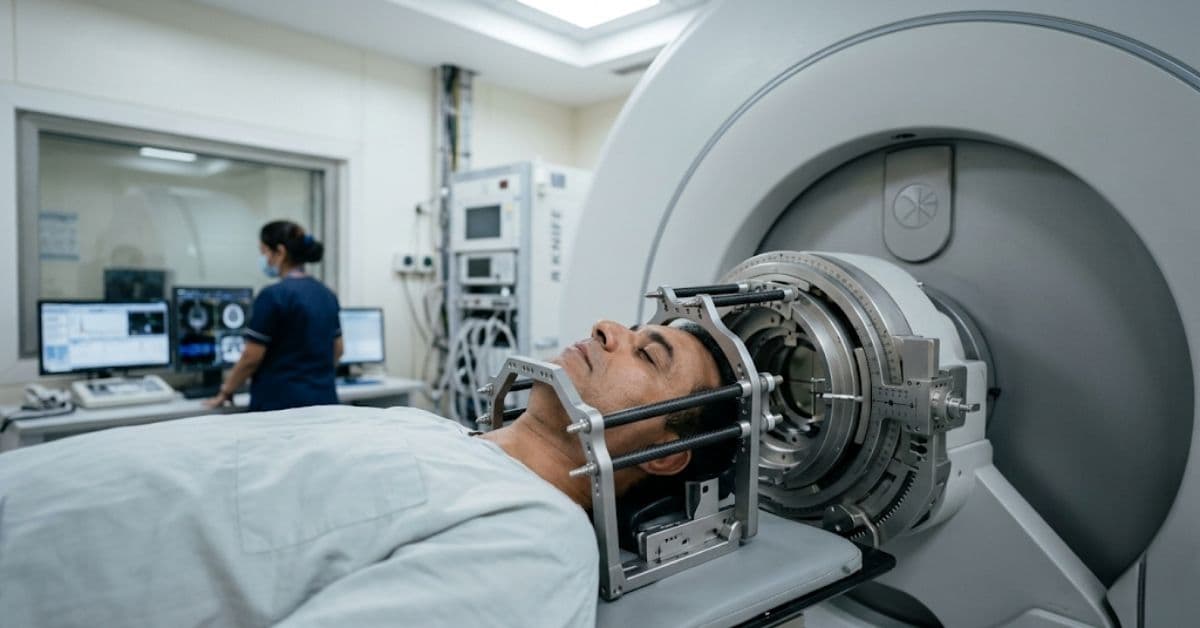
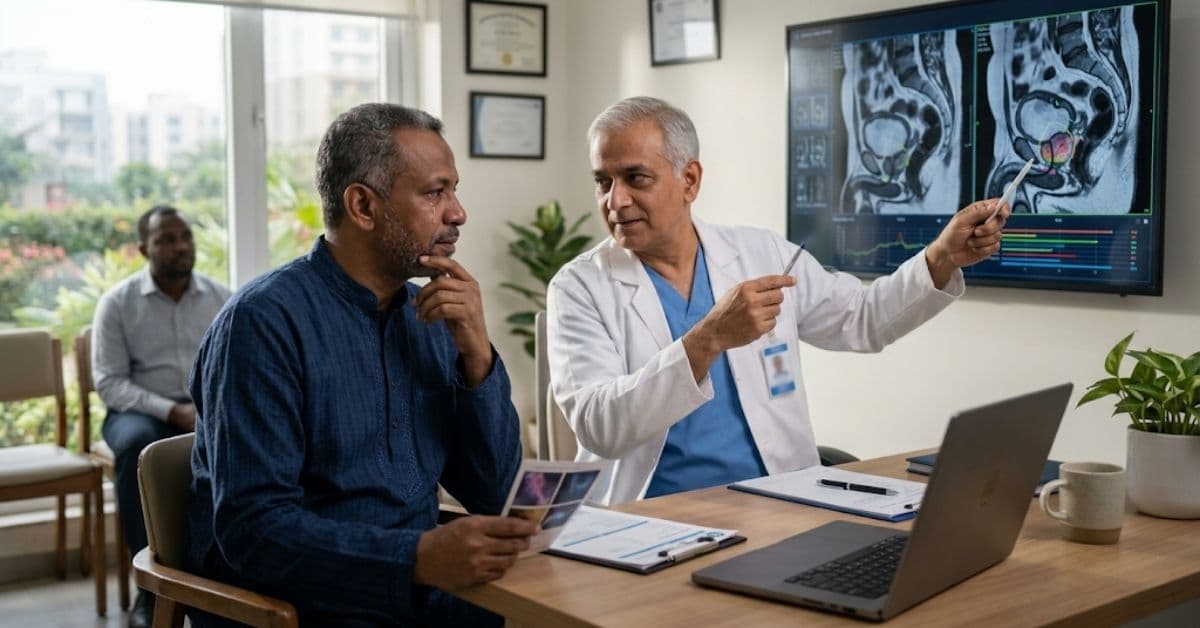
Precision oncology represents a revolutionary shift in cancer care, moving away from a 'one-size-fits-all' approach to highly personalized treatment strategies. It involves understanding the unique genetic and molecular profile of a patient's tumor to select therapies that are most likely to be effective, while minimizing harm to healthy cells. This approach leverages advanced diagnostic tools to identify specific biomarkers, gene mutations, and protein expressions that drive cancer growth. Advanced cancer treatment encompasses not only precision medicine but also the latest technological innovations in surgery, radiation therapy, and systemic treatments. These include robotic-assisted surgeries, highly targeted radiation delivery systems, and novel immunotherapies. The goal is to provide more effective treatments with fewer side effects, leading to better patient outcomes and an improved quality of life.
India's Ascent in Advanced Cancer Care
India has rapidly positioned itself as a global leader in advanced cancer treatment, attracting patients from across the world. This rise is attributed to several key factors:
- Highly Skilled Oncologists: India boasts a large pool of internationally trained and experienced oncologists, surgeons, and radiation therapists who are adept at utilizing the latest technologies.
- State-of-the-Art Infrastructure: Indian hospitals are equipped with cutting-edge diagnostic and therapeutic technologies, comparable to the best in the West.
- Cost-Effectiveness: The cost of advanced cancer treatments in India is significantly lower than in Western countries, making world-class care accessible to a broader international audience.
- Commitment to Research and Innovation: Many Indian institutions are actively involved in clinical trials and research, contributing to the development and adoption of new cancer therapies.
- Comprehensive Patient Support: A robust medical tourism ecosystem ensures that international patients receive holistic support throughout their treatment journey.
The Pillars of Precision Medicine: Tailoring Treatment to You
Precision medicine in oncology is built upon several foundational pillars that allow for highly individualized treatment plans:
Genomic Profiling and Molecular Diagnostics
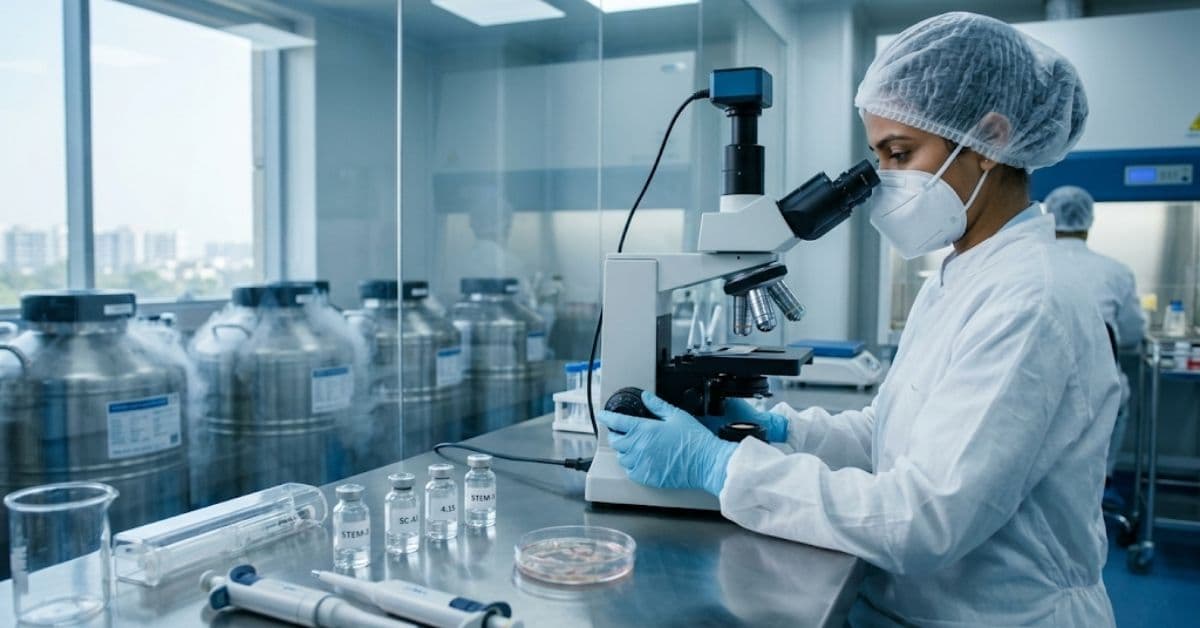
This involves analyzing the DNA and RNA of a patient's tumor to identify specific genetic mutations, gene fusions, or other molecular alterations. Techniques like Next-Generation Sequencing (NGS) provide a comprehensive map of the tumor's genetic landscape, guiding treatment decisions.
- Identifies actionable mutations for targeted therapies.
- Helps predict response to certain drugs.
- Crucial for understanding tumor behavior and resistance mechanisms.
Targeted Therapies
Unlike traditional chemotherapy, targeted therapies are drugs designed to specifically attack cancer cells by interfering with the particular molecules involved in tumor growth and spread. These therapies are selected based on the genetic profile identified through molecular diagnostics.
- Fewer side effects compared to conventional chemotherapy.
- Highly effective for specific cancer types with identified targets.
- Examples include tyrosine kinase inhibitors (TKIs) and PARP inhibitors.
Immunotherapy
Immunotherapy harnesses the body's own immune system to fight cancer. These treatments work by boosting the immune response or by removing 'brakes' that prevent the immune system from attacking cancer cells. Checkpoint inhibitors are a prominent example.
- Can lead to long-lasting responses in various cancers.
- Effective even in advanced stages of disease.
- Revolutionizing treatment for melanoma, lung cancer, kidney cancer, and more.
Liquid Biopsies
A non-invasive blood test that detects circulating tumor DNA (ctDNA) or circulating tumor cells (CTCs) released by tumors. It allows for real-time monitoring of treatment response, detection of minimal residual disease, and identification of new mutations without the need for repeat tissue biopsies.
- Minimally invasive and repeatable.
- Monitors treatment effectiveness and disease progression.
- Detects resistance mutations early.
Cutting-Edge Cancer Treatment Technologies in India
Indian hospitals are at the forefront of adopting and implementing the most advanced technologies for cancer treatment, ensuring precision and efficacy:
Your Cancer Treatment Journey in India: A Step-by-Step Guide
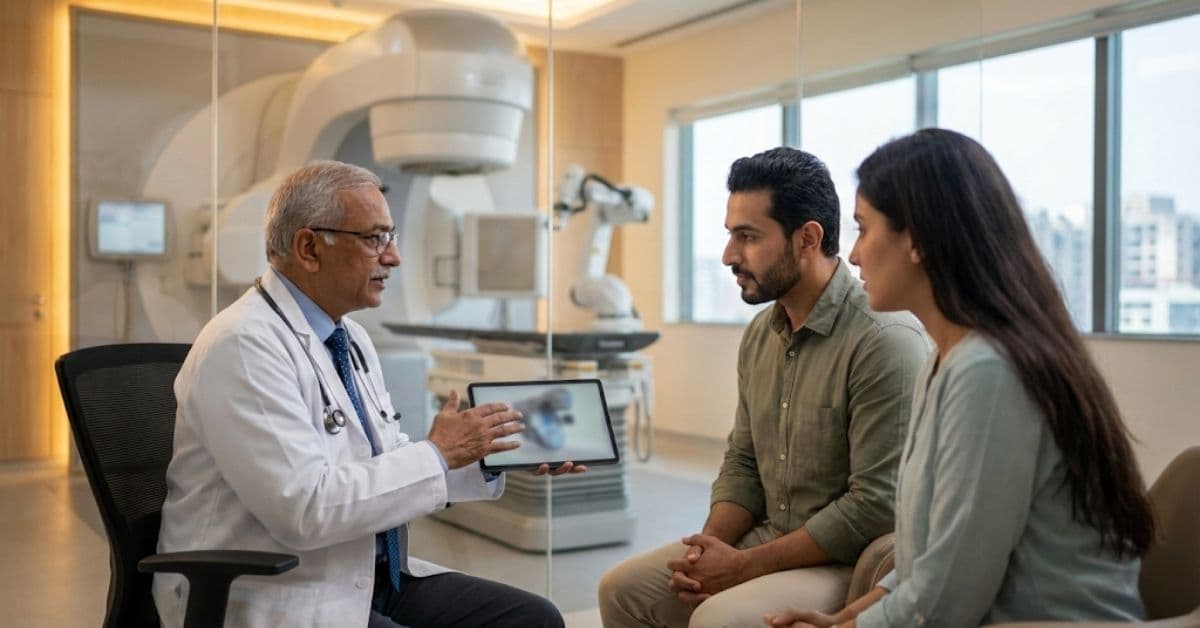
Embarking on a medical journey abroad can seem daunting, but India's medical tourism infrastructure is designed to make it seamless for international patients:
Understanding the Cost of Advanced Cancer Treatment in India
One of the most compelling reasons international patients choose India for advanced cancer treatment is the significant cost advantage without compromising on quality. Here's a comparative overview:
| Procedure/Treatment Type | Cost in India (USD) | Cost in India (INR) | Cost in US (USD) | Cost in UK (USD) |
|---|---|---|---|---|
| Robotic Surgery (e.g., Prostatectomy) | $8,000 - $15,000 | ₹6,50,000 - ₹12,00,000 | $30,000 - $60,000 | $25,000 - $45,000 |
| CyberKnife Radiosurgery (per session) | $4,000 - $7,000 | ₹3,20,000 - ₹5,60,000 | $15,000 - $30,000 | $12,000 - $20,000 |
| Immunotherapy (per cycle) | $2,500 - $5,000 | ₹2,00,000 - ₹4,00,000 | $10,000 - $20,000 | $8,000 - $15,000 |
| Targeted Therapy (per month) | $1,500 - $4,000 | ₹1,20,000 - ₹3,20,000 | $5,000 - $15,000 | $4,000 - $10,000 |
| Bone Marrow Transplant (Autologous) | $20,000 - $40,000 | ₹16,00,000 - ₹32,00,000 | $100,000 - $250,000 | $80,000 - $150,000 |
Disclaimer: These are estimated costs and can vary significantly based on the specific hospital, the complexity of the case, the duration of stay, choice of medication, and additional services required. It's crucial to obtain a personalized quote.*
Why International Patients Choose India for Oncology Care
India's appeal as a medical tourism hub for oncology is multifaceted, drawing patients from the Middle East, Africa, Southeast Asia, and even Western countries. The confluence of high-quality care, affordability, and comprehensive support services makes it an attractive option. Beyond the medical aspects, India offers a unique cultural experience. Many patients find comfort in the warm hospitality and the opportunity to integrate wellness practices like yoga and meditation into their recovery journey. Logistical support, including dedicated international patient desks, visa assistance, language interpreters, and diverse accommodation options, ensures a smooth and stress-free experience for patients and their accompanying families.
Success Stories and Clinical Outcomes in Indian Oncology
Indian oncology centers consistently report clinical outcomes that are on par with global benchmarks, especially in advanced cancer treatments. The integration of precision medicine, coupled with skilled specialists, contributes to these impressive statistics. For many common cancers, 5-year survival rates in leading Indian hospitals mirror those in developed nations. For instance, in early-stage breast cancer, survival rates can exceed 90-95% with appropriate treatment. With precision medicine, patients with specific genetic mutations who receive targeted therapies often experience significantly improved progression-free survival and overall survival rates compared to conventional treatments. While individual outcomes vary based on cancer type, stage, and patient health, the evidence-driven approach and access to innovative therapies in India provide a strong foundation for positive results. Many patients who were deemed untreatable or had exhausted options in their home countries have found renewed hope and successful treatment in India.
Recovery, Rehabilitation, and Long-Term Support
The journey doesn't end with treatment; comprehensive recovery and rehabilitation are crucial for optimal outcomes. Indian hospitals offer structured post-treatment care plans:
- Hospital Stay: Varies depending on the treatment. For robotic surgery, it might be 3-7 days; for complex procedures or stem cell transplants, it could be several weeks.
- Initial Recovery: Patients typically stay in India for a few weeks post-treatment for initial monitoring and follow-up consultations.
- Physiotherapy & Rehabilitation: For surgical patients, physiotherapy often begins within days of the procedure to restore mobility and strength. Specialized rehabilitation programs are tailored to individual needs.
- Nutritional Counseling: Dietitians provide guidance on maintaining a healthy diet to support recovery and manage treatment side effects.
- Psychological Support: Access to counselors and support groups helps patients and families cope with the emotional challenges of cancer.
- Long-Term Follow-up: Regular check-ups, imaging, and blood tests are scheduled. Telemedicine options are often available for international patients to continue follow-up consultations with their Indian oncologists from their home country.
Comprehensive Medical Tourism Support Services
To ensure a seamless experience, a robust network of medical tourism facilitators and hospital international patient departments in India offers extensive support services:
- Visa Assistance: Guidance and support for obtaining medical visas for patients and accompanying family members.
- Travel Logistics: Assistance with flight bookings, airport transfers, and local transportation.
- Accommodation: Options ranging from budget-friendly guesthouses to luxury hotels, often with special rates for medical tourists.
- Language Interpreters: Professional interpreters are available for various languages to facilitate clear communication between patients and medical staff.
- Dedicated Patient Coordinators: A single point of contact to manage all aspects of the patient's journey, from appointment scheduling to discharge.
- Financial Assistance: Help with understanding billing, insurance coordination, and payment options.
- Post-Treatment Care: Arranging follow-up appointments, medication delivery, and telemedicine consultations after returning home.
- Cultural Sensitivity: Ensuring that dietary, religious, and cultural preferences are respected throughout the stay.
Ensuring World-Class Quality and Safety Standards
International patients can rest assured about the quality and safety standards in Indian hospitals. Many leading oncology centers are accredited by international bodies, signifying their commitment to excellence:
- Joint Commission International (JCI): A globally recognized accreditation that signifies adherence to the highest standards of patient care and safety. Many top Indian hospitals hold JCI accreditation.
- National Accreditation Board for Hospitals & Healthcare Providers (NABH): India's national accreditation body, ensuring quality healthcare services and patient safety within the country.
- Highly Qualified Medical Professionals: Indian doctors often have international training and certifications, bringing global best practices to patient care.
- Advanced Infrastructure: Hospitals are equipped with cutting-edge diagnostic labs, operation theaters, and intensive care units, adhering to international specifications.
- Strict Infection Control Protocols: Comprehensive measures are in place to prevent hospital-acquired infections, aligning with global standards.
Conclusion
The journey through cancer treatment is profoundly personal, and choosing the right path is paramount. India stands as a testament to advanced medical innovation, offering revolutionary cancer treatment technologies and precision medicine that are both world-class and accessible. For international patients and their families, India provides not just medical excellence but also a supportive, empathetic environment designed to ease every step of the journey. With its blend of expertise, technology, and affordability, India is truly a global leader in the fight against cancer, offering hope and healing to those who seek it.
Explore your advanced cancer treatment options in India today. Contact us for a personalized consultation and begin your journey to recovery.