Advanced Bone Marrow and Stem Cell Transplant Programs in India: A Comprehensive Guide for International Patients – 2026
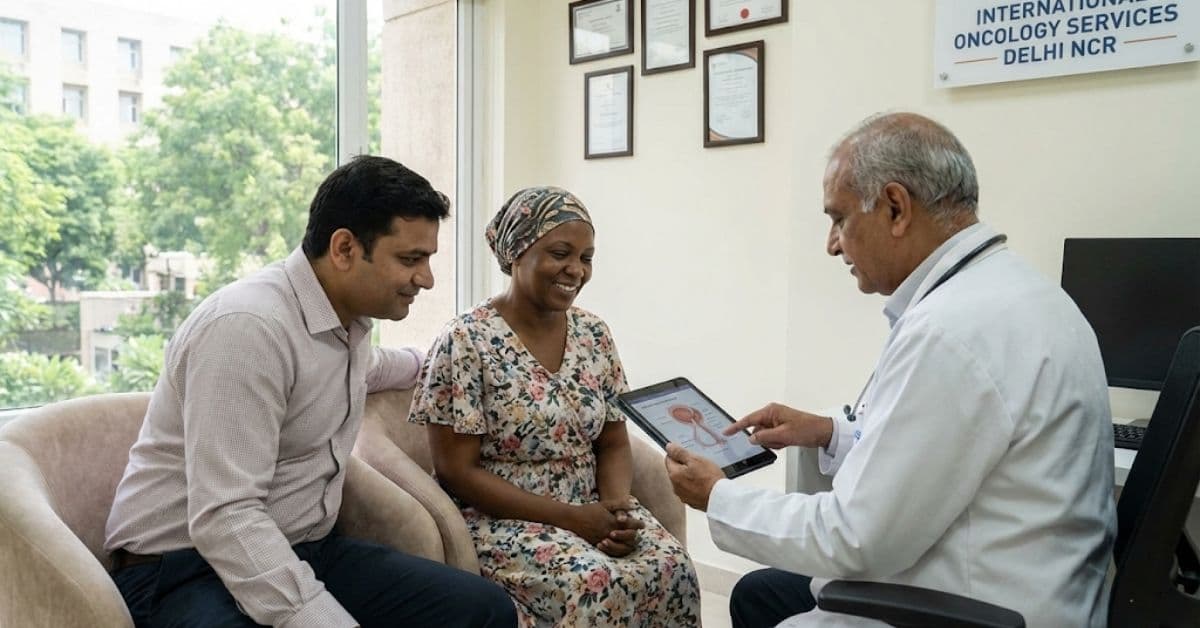
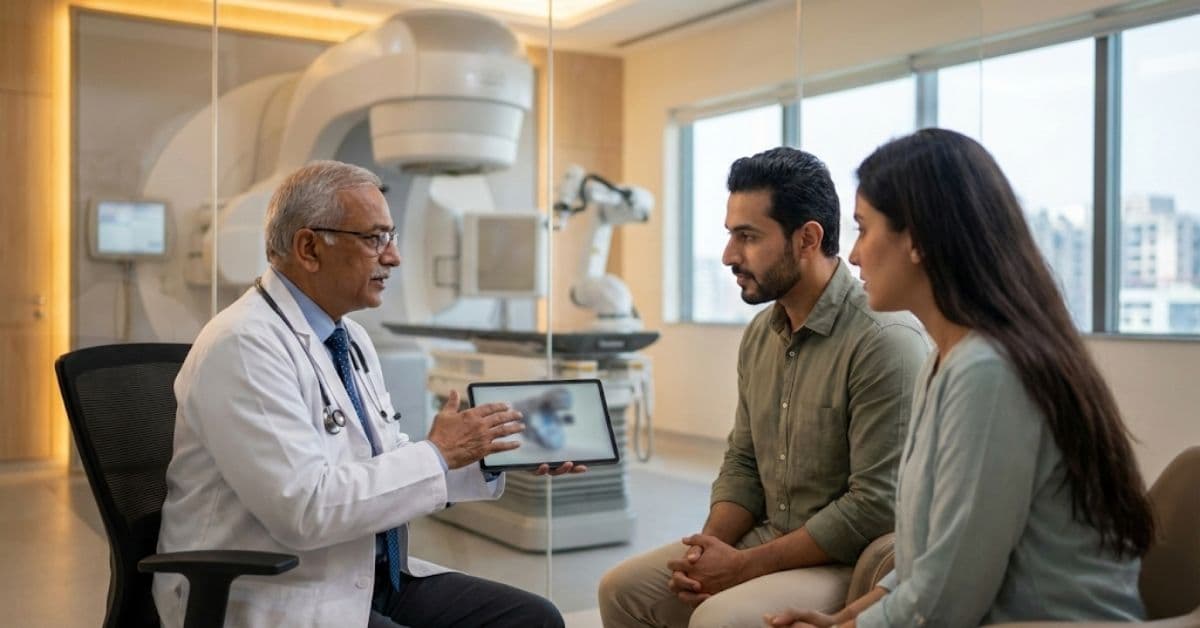
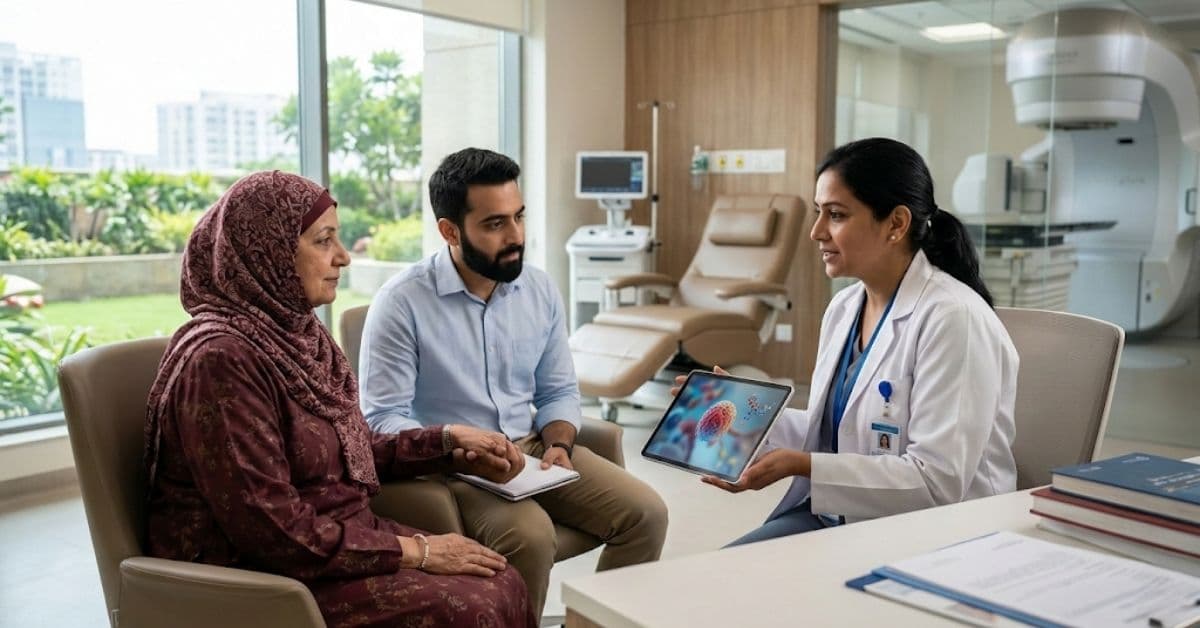
Facing a diagnosis that requires a bone marrow or stem cell transplant can be overwhelming, especially when considering treatment abroad. India has emerged as a global leader in advanced oncology care, offering world-class Bone Marrow Transplant (BMT) programs that combine cutting-edge medical technology with highly skilled specialists. For international patients and their families, India presents a compelling option, providing not only exceptional medical outcomes but also significant cost-effectiveness and a supportive environment. This guide aims to demystify the journey, offering insights into the advanced treatments, compassionate care, and practical support available for those seeking life-saving transplants in India.
What is Bone Marrow Transplant (BMT)?
A Bone Marrow Transplant, also known as a Stem Cell Transplant, is a complex medical procedure used to replace damaged or diseased bone marrow with healthy stem cells. These stem cells, which can be harvested from bone marrow, peripheral blood, or umbilical cord blood, are responsible for producing all types of blood cells, including red blood cells, white blood cells, and platelets. The procedure is a beacon of hope for patients battling various life-threatening conditions, primarily certain cancers and blood disorders, by restoring the body's ability to produce healthy blood cells and fight disease. It's a journey of profound courage and resilience, offering a chance at renewed health.
Types of Bone Marrow Transplant Procedures in India
Indian hospitals offer a full spectrum of BMT procedures, tailored to each patient's specific condition and donor availability. The choice of transplant type depends on the disease, patient's age, overall health, and the availability of a suitable donor.
Autologous Transplant
In an autologous transplant, the patient's own healthy stem cells are collected and stored before high-dose chemotherapy or radiation therapy. After the intensive treatment, these stored stem cells are reinfused back into the patient's body to restore their blood-forming capacity.
- No risk of graft-versus-host disease (GVHD)
- Suitable for certain lymphomas, multiple myeloma, and some solid tumors
- Generally quicker recovery compared to allogeneic transplants
Allogeneic Transplant
An allogeneic transplant involves receiving stem cells from a donor. The donor can be a matched sibling, an unrelated donor found through a national or international registry, or a haploidentical (half-matched) family member. This type of transplant is often used for leukemias, myelodysplastic syndromes, and severe aplastic anemia.
- Potential for a 'graft-versus-tumor' effect, where donor cells attack cancer cells
- Requires careful HLA (Human Leukocyte Antigen) matching to minimize rejection
- Offers a curative option for many blood cancers and genetic disorders
Haploidentical Transplant
A haploidentical transplant is a type of allogeneic transplant where the donor is a half-matched family member, such as a parent, child, or sibling. This option has become increasingly viable due to advancements in managing complications like graft-versus-host disease, making a donor available for almost every patient.
- Expands donor pool significantly, making transplants accessible to more patients
- Reduces wait times for finding a suitable donor
- Advanced techniques minimize risks associated with partial matching
Conditions Treated by Bone Marrow Transplant Programs in India
Bone Marrow Transplants in India are successfully performed for a wide array of life-threatening conditions, offering renewed hope and improved quality of life for patients. The expertise of Indian oncologists and hematologists covers a broad spectrum of diseases.
The Bone Marrow Transplant Journey in India: What to Expect
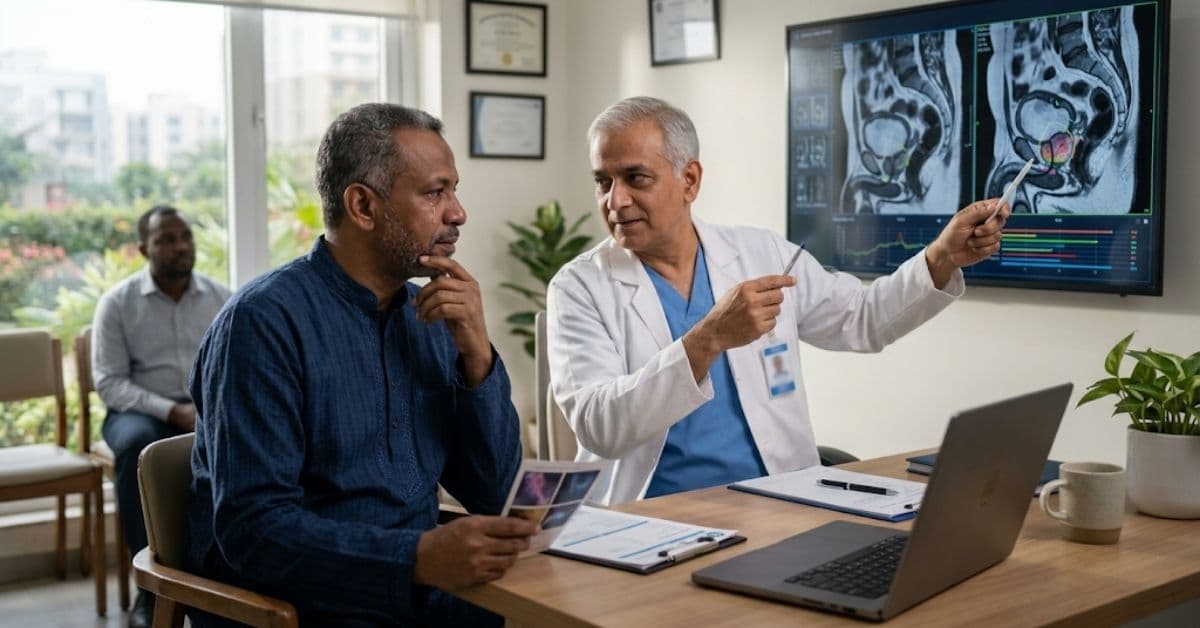
Embarking on a BMT journey in India involves several well-defined stages, each meticulously managed by a multidisciplinary team to ensure patient safety and optimal outcomes. Understanding this process can help alleviate anxieties for international patients.
Advanced Technology and Techniques in Indian BMT Centers
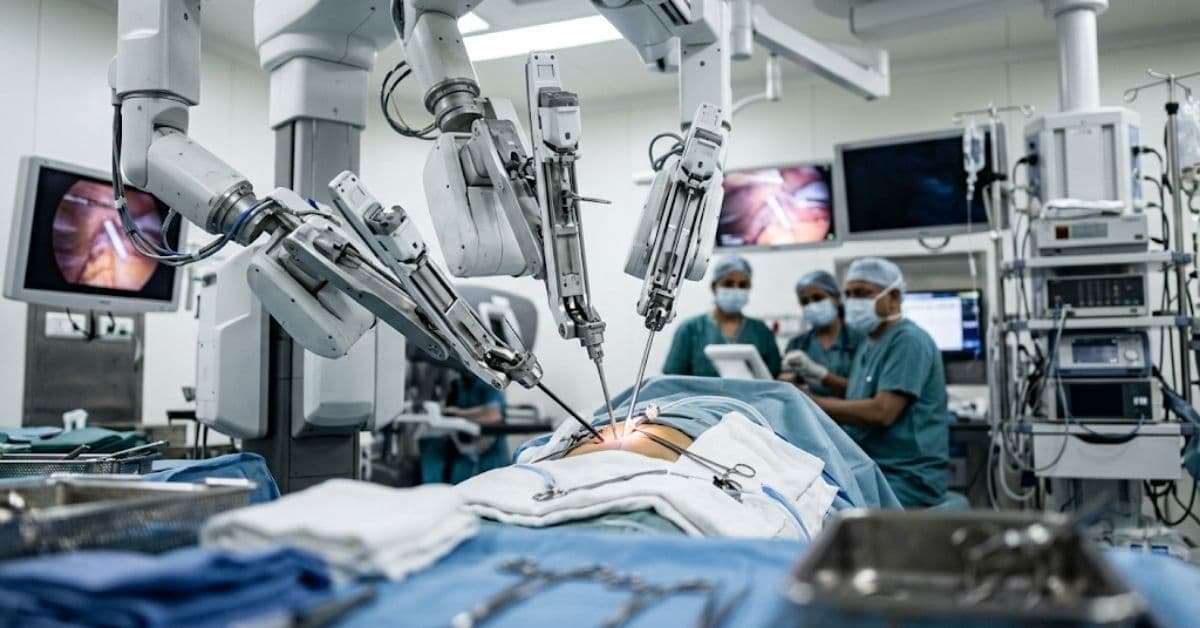
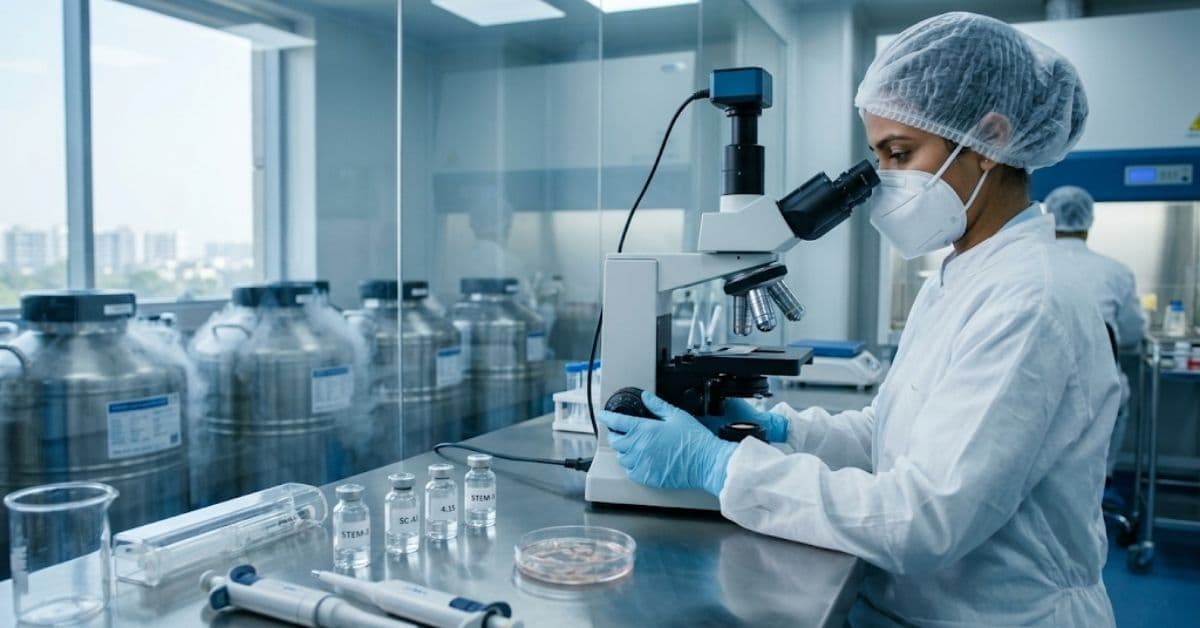
Indian BMT centers are equipped with state-of-the-art technology and employ advanced techniques that rival the best in the world. This commitment to innovation ensures the highest standards of care and improved patient outcomes. Key advancements include sophisticated HLA (Human Leukocyte Antigen) typing for precise donor matching, crucial for minimizing rejection in allogeneic transplants. Advanced apheresis machines are used for efficient stem cell collection, while cryopreservation facilities ensure the safe storage of stem cells for future use. Furthermore, these centers utilize advanced supportive care protocols, including laminar airflow rooms, stringent infection control measures, and sophisticated diagnostic tools to monitor engraftment and detect complications early. The integration of molecular diagnostics allows for personalized treatment strategies, enhancing the precision and effectiveness of BMT programs.
Cost of Bone Marrow Transplant in India
One of the most compelling reasons international patients choose India for BMT is the significant cost advantage without compromising on quality. The cost of a BMT in India is substantially lower than in Western countries, making life-saving treatment accessible to many more individuals.
| Procedure Type | India (INR) | India (USD) | US (USD) | UK (GBP) |
|---|---|---|---|---|
| **Autologous BMT** | ₹15,00,000 - ₹25,00,000 | $18,000 - $30,000 | $100,000 - $250,000 | £80,000 - £200,000 |
| **Allogeneic BMT** | ₹25,00,000 - ₹45,00,000 | $30,000 - $55,000 | $250,000 - $800,000 | £200,000 - £600,000 |
| **Haploidentical BMT** | ₹30,00,000 - ₹55,00,000 | $36,000 - $66,000 | $300,000 - $1,000,000 | £250,000 - £750,000 |
Disclaimer: These are estimated ranges and actual costs may vary significantly based on the hospital, patient's specific condition, type of transplant, duration of hospital stay, donor search costs, and any complications that may arise. It is always advisable to get a personalized quote.*
Global Trust and Medical Tourism for BMT in India
India has firmly established itself as a trusted destination for medical tourism, particularly for complex procedures like Bone Marrow Transplants. Patients from across the globe, including the Middle East, Africa, Southeast Asia, and even Western countries, increasingly choose India for its blend of advanced medical care and affordability. This global trust is built on a foundation of highly skilled medical professionals, state-of-the-art infrastructure, and a patient-centric approach. Beyond the medical aspect, India offers comprehensive logistical and cultural support, including assistance with medical visas, airport transfers, comfortable accommodation options for patients and their families, and professional interpreters to bridge any language barriers. Many hospitals also provide dedicated international patient desks to ensure a seamless and comfortable experience, allowing patients to focus solely on their recovery.
Success Rates and Clinical Outcomes of BMT in India
Indian BMT centers boast impressive success rates, comparable to leading institutions worldwide, a testament to their experienced medical teams and advanced facilities. These outcomes are meticulously tracked and often published, providing transparency and reassurance to international patients. For autologous transplants, success rates (defined as long-term survival and disease-free survival) can range from 60-80%, depending on the underlying disease and patient's overall health. Allogeneic transplants, while carrying higher risks, also show strong outcomes, with 5-year survival rates for matched sibling donor transplants often between 50-70% for various leukemias. Haploidentical transplants, a newer but rapidly advancing field, are achieving comparable results, with 1-year survival rates often exceeding 60-70%. These statistics reflect the dedication to clinical excellence and continuous improvement in BMT programs across India. It's important to remember that individual outcomes can vary based on factors like disease stage, age, and response to treatment.
Recovery and Rehabilitation After BMT
The journey after a Bone Marrow Transplant is as crucial as the procedure itself, requiring patience, diligent care, and a structured rehabilitation plan. Indian hospitals provide comprehensive post-transplant care to support patients through this critical phase.
Medical Tourism Support Services
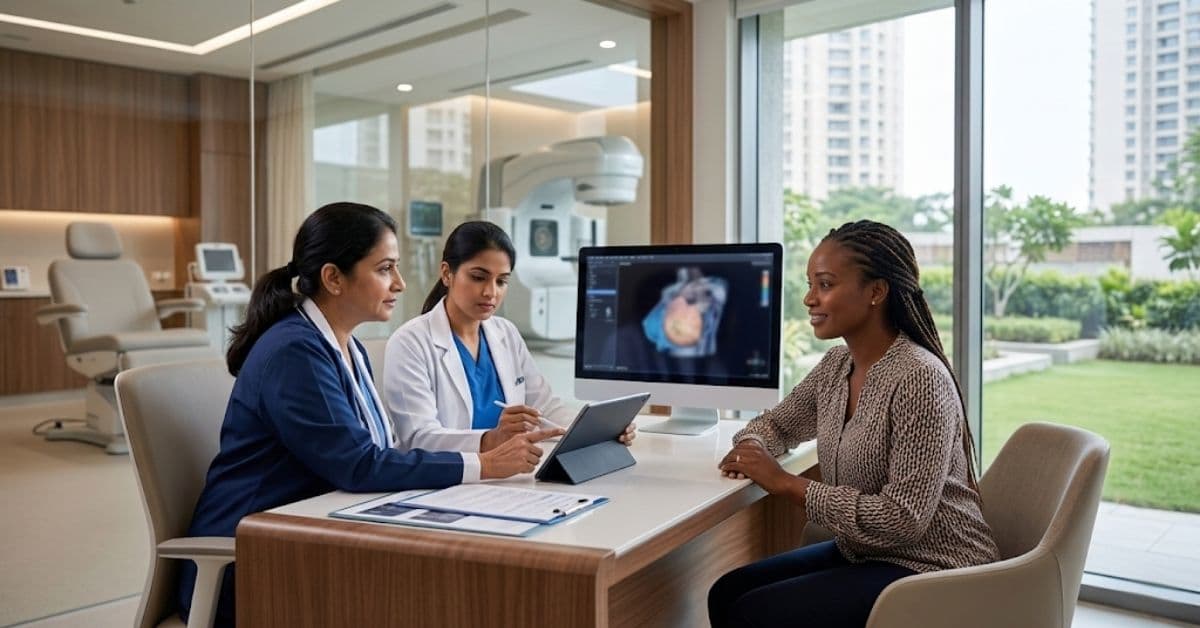
For international patients considering a Bone Marrow Transplant in India, a robust network of support services ensures a smooth and stress-free experience. Organizations like VRH Healthcare specialize in facilitating the entire medical journey, acting as a bridge between patients and India's leading BMT centers. These services typically include comprehensive assistance with medical visa applications, ensuring all necessary documentation is in order. Upon arrival, patients and their families receive airport pickup and comfortable accommodation arrangements, ranging from hospital guest houses to serviced apartments. Professional interpreters are readily available to facilitate clear communication between patients, doctors, and hospital staff. Post-treatment, support extends to follow-up consultations, including telemedicine options for continued care once patients return to their home countries, ensuring continuity of care and peace of mind. This holistic support system allows patients to focus entirely on their treatment and recovery, knowing all logistical aspects are expertly handled.
Quality Assurance and Standards in Indian BMT Programs
Indian hospitals offering Bone Marrow Transplants adhere to stringent international quality standards, ensuring patient safety and optimal outcomes. Many leading BMT centers are accredited by international bodies like the Joint Commission International (JCI) and national accreditations such as the National Accreditation Board for Hospitals & Healthcare Providers (NABH). These accreditations signify adherence to global best practices in patient care, safety protocols, infection control, and ethical standards. Furthermore, BMT units in India are staffed by highly qualified and experienced hematologists, oncologists, transplant coordinators, specialized nurses, and support staff, many of whom have international training and experience. Regular audits, participation in international registries, and continuous medical education ensure that these programs remain at the forefront of BMT care, providing international patients with confidence in the quality and reliability of their treatment.
Conclusion
Choosing to undergo a Bone Marrow Transplant is a monumental decision, and for international patients, India offers a beacon of hope. With its advanced BMT programs, world-renowned specialists, state-of-the-art technology, and significantly lower costs, India stands as a trusted and compassionate destination for life-saving treatment. The comprehensive support services available ensure that every aspect of your medical journey, from arrival to recovery, is handled with utmost care and professionalism. Embrace the possibility of a healthier future with India's leading BMT centers.
Ready to explore your BMT options in India? Contact us today for a personalized consultation and begin your journey towards recovery.