Navigating Hope: Understanding the True Cancer Remission Meaning
Receiving a cancer diagnosis can be an overwhelming experience, not just for the patient but for their entire family. Amidst the challenges of treatment, the term 'remission' often emerges as a beacon of hope. But what does 'cancer remission meaning' truly entail? This post aims to demystify this crucial concept, offering clarity and reassurance to international patients and their loved ones embarking on this complex journey.
Who This Is For
This guide is crafted for international patients and their families who are navigating a cancer diagnosis, exploring treatment options, or are currently undergoing care. It's for those seeking a deeper understanding of what lies beyond active treatment, particularly the concept of remission. We understand the emotional weight of these discussions and aim to provide clear, compassionate information to support your decision-making process and offer a sense of direction during a challenging time.
What Is Cancer Remission?
The term 'cancer remission' signifies a period where the signs and symptoms of cancer have reduced or disappeared. It's a significant milestone in the treatment journey, indicating that therapies have been effective in controlling the disease. However, it's crucial to understand that remission is not always synonymous with a 'cure.' While some individuals may achieve a complete and lasting remission, for others, it might be a temporary state.
There are generally two main types of remission:
- Complete Remission (CR): This means that all detectable signs of cancer have disappeared. Tests, scans, and physical examinations show no evidence of the disease. While this is the most desirable outcome, it doesn't necessarily mean the cancer is gone forever, as microscopic cells might still exist.
- Partial Remission (PR): This occurs when the cancer has significantly shrunk, or the number of cancer cells has substantially decreased, but the disease is still detectable. It indicates that treatment has been effective in reducing the tumour burden, improving quality of life, and potentially extending survival.
Understanding the specific cancer remission meaning in your unique situation is vital, as it guides subsequent monitoring and follow-up care.
Monitoring After Remission: What to Look For
Achieving remission is a moment of profound relief, but it also ushers in a new phase of care: surveillance. Even in complete remission, regular follow-up appointments are essential to monitor for any signs of recurrence. Your medical team will outline a personalised schedule for check-ups, which may include physical examinations, blood tests, and imaging scans. While it's natural to feel anxious, being informed can empower you. It's important to be aware of any new or returning symptoms that might be concerning. These could include unexplained fatigue, persistent pain, unusual lumps, or changes in appetite or weight. Maintaining open communication with your healthcare providers about any changes you observe is paramount. Remember, vigilance is a shared responsibility between you, your family, and your medical team.
When Should You See a Specialist?
If you or a loved one has received a cancer diagnosis, consulting an oncology specialist is the immediate and most crucial step. An oncologist is a doctor who specialises in diagnosing and treating cancer. They will be able to provide a precise diagnosis, explain the cancer remission meaning relevant to your specific condition, and outline the most appropriate treatment plan. Even after achieving remission, regular follow-up with your oncology team is non-negotiable. If you experience any new symptoms, or if existing symptoms worsen, do not hesitate to contact your specialist immediately. Early detection of any potential recurrence significantly improves treatment outcomes. For international patients, establishing a clear communication channel with your care team in India, and understanding how to reach them with concerns, is a vital part of your post-treatment plan.
How Is Cancer Typically Diagnosed (Leading to Remission)?
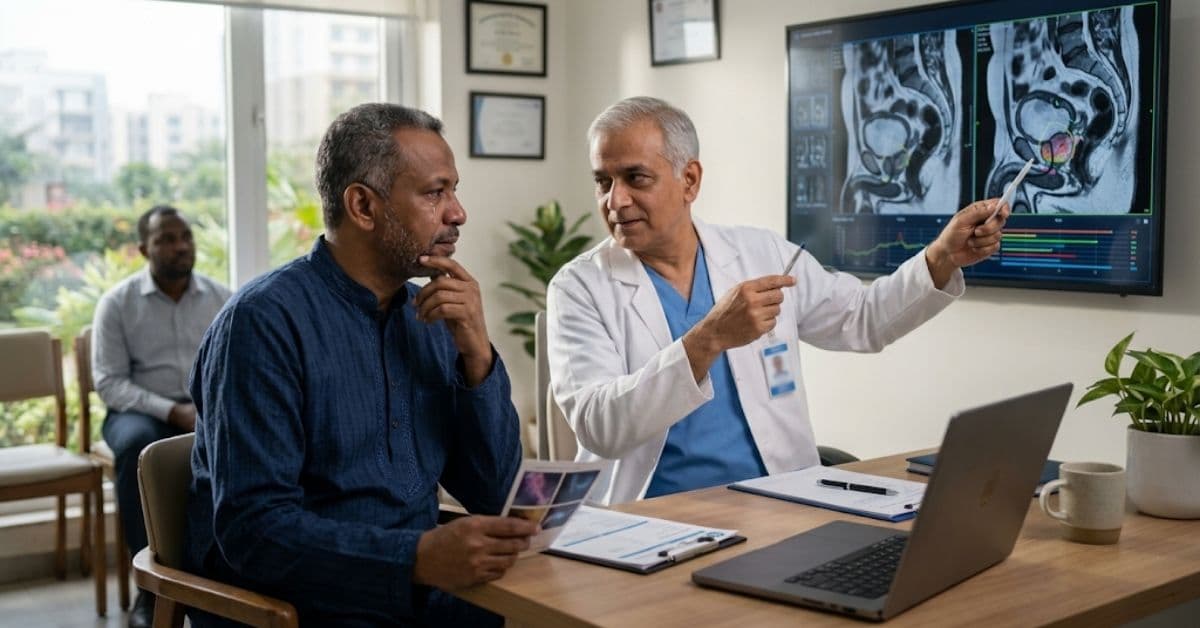
The journey towards remission begins with an accurate diagnosis. When cancer is suspected, a series of diagnostic tests are performed to confirm its presence, determine its type, stage, and extent. These initial steps are critical as they inform the entire treatment strategy aimed at achieving remission.
Common diagnostic methods include:
- Biopsy: A small tissue sample is removed and examined under a microscope to confirm the presence of cancer cells.
- Imaging Scans: Techniques like X-rays, CT scans, MRI scans, PET scans, and ultrasound help visualise the tumour's size, location, and whether it has spread.
- Blood Tests: These can detect tumour markers or other indicators of cancer, as well as assess overall health and organ function.
- Endoscopy/Colonoscopy: Procedures using a flexible tube with a camera to examine internal organs.
These diagnostic insights allow specialists to tailor a treatment plan designed to achieve the best possible outcome, including the potential for remission.
Treatment Pathways: The Journey Towards Remission
Achieving cancer remission is the primary goal of most oncology treatments. The specific pathway chosen depends on various factors, including the type and stage of cancer, the patient's overall health, and personal preferences. Modern oncology offers a diverse array of sophisticated treatments, often used in combination, to target cancer cells effectively.
Common treatment modalities include:
- Surgery: Often the first line of treatment for solid tumours, aiming to remove the cancerous tissue.
- Chemotherapy: Uses powerful drugs to kill fast-growing cancer cells throughout the body.
- Radiation Therapy: Uses high-energy rays to destroy cancer cells or shrink tumours.
- Targeted Therapy: Drugs designed to specifically target cancer cells by interfering with their growth and spread, often with fewer side effects than traditional chemotherapy.
- Immunotherapy: Harnesses the body's own immune system to fight cancer.
- Hormone Therapy: Used for hormone-sensitive cancers, such as breast or prostate cancer, to block hormones that fuel cancer growth.
India has emerged as a leading destination for advanced oncology treatment, offering state-of-the-art facilities and highly skilled specialists. You can learn more about comprehensive oncology treatment in India (https://www.vrhhealthcare.com/specialities/oncology-treatment-in-india) and the various options available.
What to Expect Next: From Consultation to Care Plan
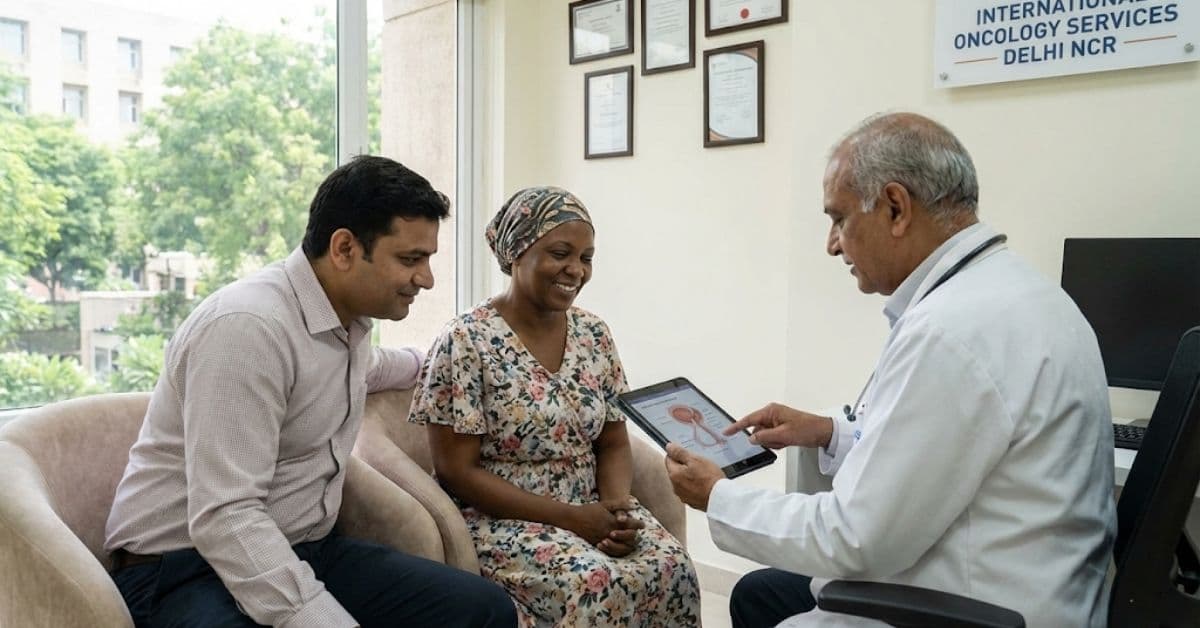
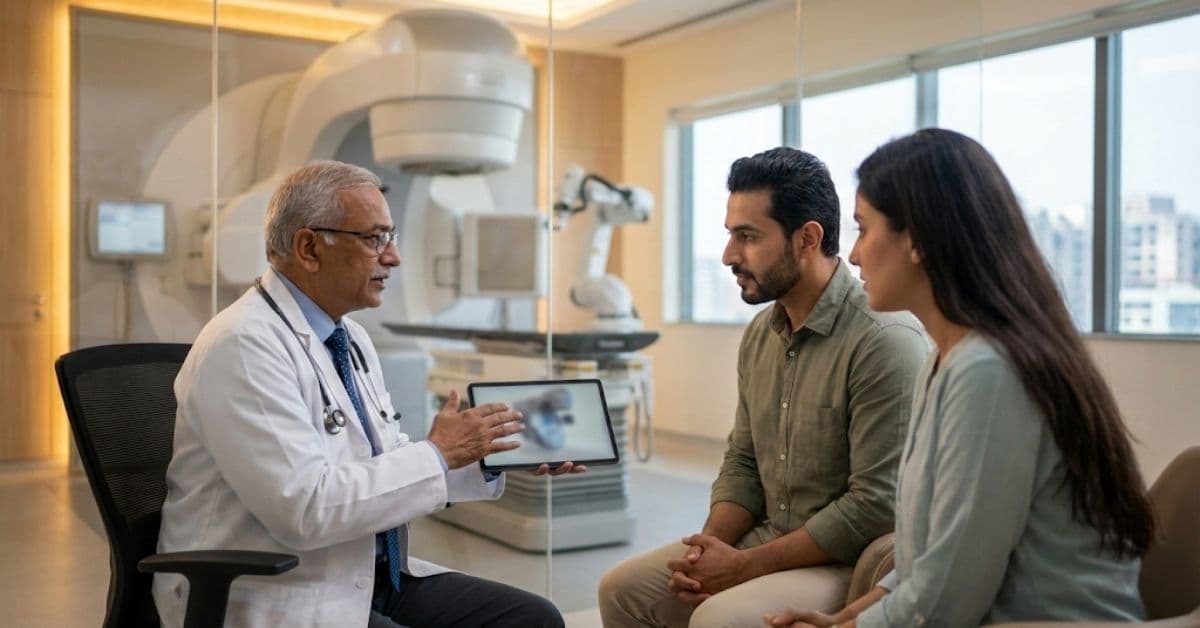
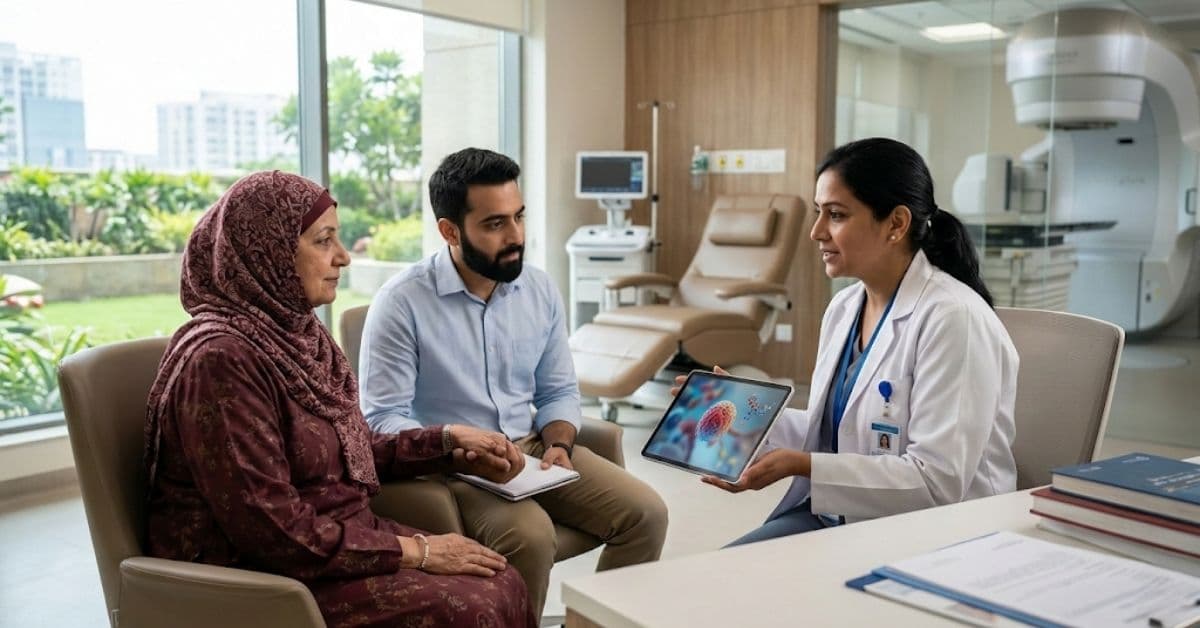
Once you decide to pursue treatment, the journey typically begins with an initial consultation. For international patients, this often involves sharing medical records and diagnostic reports remotely, followed by a detailed discussion with an oncology specialist. During this consultation, the specialist will review your case thoroughly, explain the cancer remission meaning in your context, and discuss potential treatment options. Following this, a personalised care plan will be developed. This plan is comprehensive, outlining the specific treatments, their sequence, expected duration, and potential side effects. It will also include a robust follow-up schedule for monitoring your progress towards and after remission. The medical team will ensure you and your family understand every step, providing emotional support and practical guidance, including assistance with travel logistics and accommodation, to make your medical journey as smooth as possible.
Conclusion
Understanding the cancer remission meaning is a vital step in navigating your oncology journey with clarity and hope. While it represents a significant victory, it also underscores the importance of ongoing vigilance and comprehensive follow-up care. India's healthcare landscape offers advanced oncology treatments, compassionate care, and a supportive environment for international patients and their families. Embracing a holistic approach to recovery, encompassing both medical and emotional well-being, is key to a fulfilling life after cancer. VRH Healthcare is committed to supporting you every step of the way.
VRH Healthcare can help connect you with the right specialist for a personalised assessment and guide you through your treatment options.