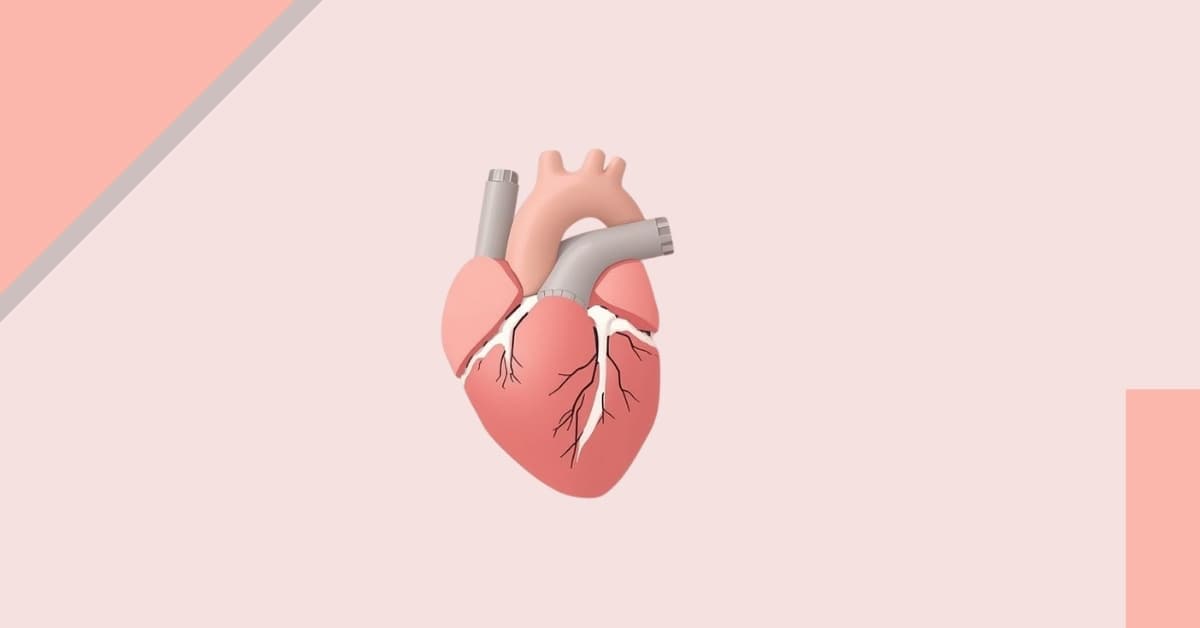
Early Warning Signs of Heart Disease You Should Not Ignore: A Guide for International Patients
Heart disease remains a leading global health concern, often progressing silently. For international patients and their families, understanding its early signs is empowering. Recognising these subtle cues is the crucial first step towards timely intervention, potentially preventing serious complications and paving the way for effective treatment. This guide equips you with knowledge to identify important signals and navigate the journey towards better heart health.
Who This Is For
This article is for international patients and their families considering medical treatment in India. If you or a loved one has experienced unexplained fatigue, discomfort, or unusual symptoms raising heart health concerns, this guide is for you. It's also for those with a family history of heart conditions, managing risk factors like high blood pressure or diabetes, or wishing to be proactive about cardiovascular well-being. We provide clear, compassionate, and practical information to support your decision-making.
What Is Heart Disease?
Heart disease, or cardiovascular disease (CVD), encompasses various conditions affecting the heart's structure, pumping ability, or blood vessels. Common forms include coronary artery disease (CAD) – narrowed arteries; heart failure – the heart struggling to pump blood; arrhythmias – irregular heartbeats; and valvular heart disease. While causes vary, shared risk factors include high blood pressure, high cholesterol, diabetes, smoking, obesity, and a sedentary lifestyle. Understanding this spectrum is key to early detection and tailored care.
Early Signs and Symptoms
Recognising the early signs of heart disease can be life-changing. These symptoms are often subtle and easily dismissed, but paying attention to your body's signals is paramount. Red-Flag Symptoms Needing Urgent Attention: If you experience sudden, severe chest pain, shortness of breath, cold sweats, or dizziness, especially if abrupt or rapidly worsening, seek immediate medical attention. These could indicate a heart attack or acute cardiac event.
When Should You See a Specialist?
Knowing when to consult a professional is crucial. If you experience any early signs of heart disease, particularly if new, persistent, worsening, or significantly impacting daily life, consult a medical professional. This is especially true with existing risk factors like high blood pressure, high cholesterol, diabetes, a family history of heart disease, or if you smoke. Even mild symptoms warrant evaluation. Early detection often leads to simpler, more effective treatment. Proactive consultation is a cornerstone of preventative care.
How Is It Typically Diagnosed?
Diagnosis begins with a comprehensive review of your medical history, including family history, and a detailed discussion about your symptoms. A physical examination will also be conducted.
Diagnostic tests may include:
- Electrocardiogram (ECG/EKG): Records heart's electrical activity, detecting rhythm irregularities.
- Blood Tests: Measure cholesterol, blood sugar, and enzymes indicating heart muscle damage.
- Echocardiogram: Ultrasound of the heart, providing detailed images of its structure and function.
- Stress Test: Monitors heart activity during exertion or with medication.
- Holter Monitor: Portable ECG worn for 24-48 hours to catch intermittent arrhythmias.
- Cardiac CT or MRI: Advanced imaging for detailed pictures of the heart and blood vessels.
- Coronary Angiography: Invasive procedure using dye and X-rays to visualise arterial blockages.
The choice of tests depends on your symptoms, risk factors, and initial findings, aiming for a clear picture of your heart health.
Treatment Pathways: What Are Your Options?
Once diagnosed, your medical team will discuss tailored treatment pathways. Treatment for heart disease is highly individualised.
Common approaches include:
- Lifestyle Modifications: Diet changes, regular exercise, smoking cessation, and stress management are foundational.
- Medications: Drugs to lower blood pressure or cholesterol, thin blood, control heart rate, or improve heart pumping.
- Interventional Procedures: For blocked arteries, options like angioplasty and stenting can widen arteries.
- Surgical Interventions: For advanced cases, procedures like Coronary Artery Bypass Grafting (CABG) create new blood flow pathways. Other surgeries address valve problems.
- Cardiac Rehabilitation: Supervised programmes for recovery, focusing on exercise, education, and counselling.
India is a leading destination for advanced cardiac care, offering these treatments with state-of-the-art facilities and skilled specialists. Many international patients choose India for its expertise in complex cardiac procedures and dedicated patient support, including specialised cardiology treatment in India (https://www.vrhhealthcare.com/specialities/cardiology-treatment-in-india). Your specialist will guide you through options, explaining benefits and risks.
What to Expect Next: From Consultation to Care Plan
Navigating a medical journey abroad can be daunting, but understanding the process helps. After initial consultation and tests, your medical team will review findings to formulate a precise diagnosis and outline treatment pathways. You can expect a detailed discussion where your doctor explains your condition clearly, answers questions, and presents the recommended care plan. This plan covers medical interventions, lifestyle adjustments, medication, and follow-up schedules. For international patients, practical aspects like treatment duration, recovery, and post-treatment care will also be covered. The team ensures you and your family are fully informed and comfortable, guiding you through preparations, treatment, and recovery with continuous support. Open communication is encouraged at every stage for a seamless experience and best possible health outcomes.
Conclusion
Understanding the early signs of heart disease is a powerful step towards safeguarding your health and the well-being of your loved ones. While a heart condition can be concerning, early awareness and timely action are your greatest allies. India has become a trusted destination for international patients seeking high-quality, compassionate cardiac care, offering advanced medical expertise and a supportive environment for healing. By paying attention to your body's signals and seeking professional guidance, you empower yourself to take control of your heart health journey.
VRH Healthcare can help connect you with the right specialist for a personalised assessment and guide you through your cardiac care options.