Ensuring Surgical Safety and Infection Control in Gastroenterology and Bariatric Procedures in India: A Guide for International Patients – 2026
Embarking on a medical journey abroad, especially for complex procedures like gastroenterology and bariatric surgeries, can bring a mix of hope and apprehension. India has emerged as a global leader in providing advanced medical care, combining world-class expertise with significant cost-effectiveness. For international patients and their families, understanding the robust safety measures and stringent infection control protocols in place is paramount. This guide aims to alleviate concerns, offering a comprehensive look into how Indian hospitals prioritize patient well-being, ensuring a safe and successful treatment experience.
Understanding Gastroenterology and Bariatric Procedures: A Focus on Safety
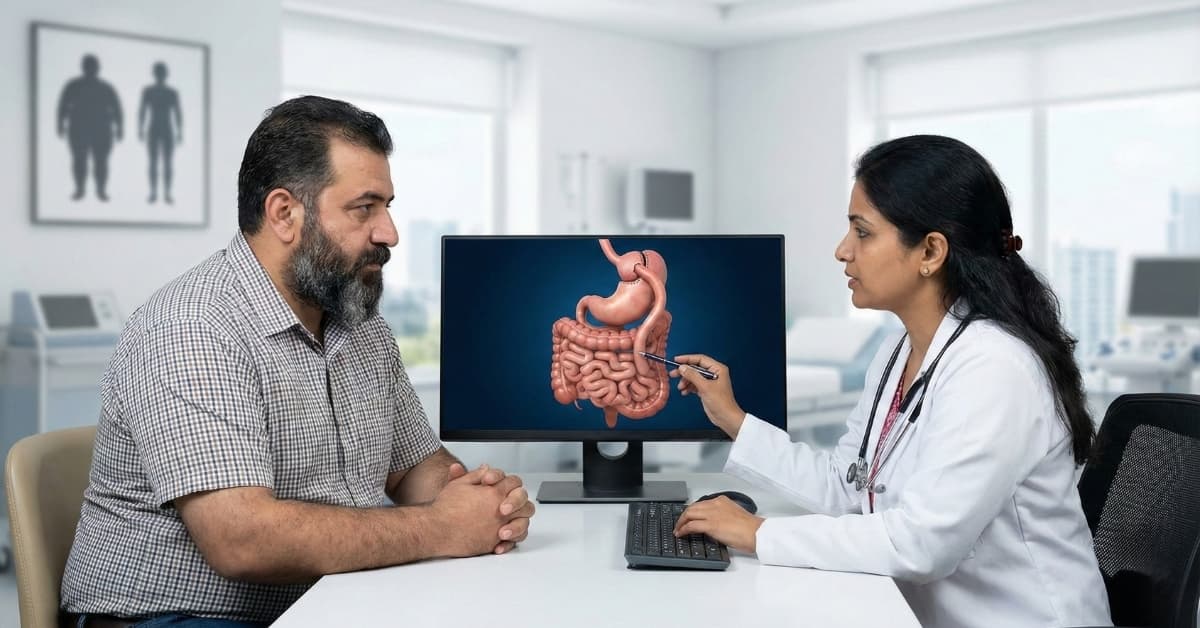
Gastroenterology procedures encompass a wide range of treatments for conditions affecting the digestive system, from diagnostic endoscopies to complex surgeries for conditions like Crohn's disease, ulcers, or cancers. Bariatric procedures, on the other hand, are surgical interventions designed to help individuals with severe obesity achieve significant and sustainable weight loss, such as gastric bypass or sleeve gastrectomy. Both specialties involve intricate surgical techniques and require the highest standards of care. For international patients, knowing that these procedures are performed with an unwavering commitment to safety, from pre-operative assessments to post-operative recovery, is crucial for peace of mind. India's leading hospitals employ multidisciplinary teams, advanced technology, and rigorous protocols to ensure every step of your journey is secure.
The Pillars of Surgical Safety in Indian Hospitals
Surgical safety is not merely a buzzword; it's a comprehensive framework designed to minimize risks and ensure optimal outcomes. In India, hospitals specializing in gastroenterology and bariatric surgeries adhere to global best practices, focusing on several key pillars:
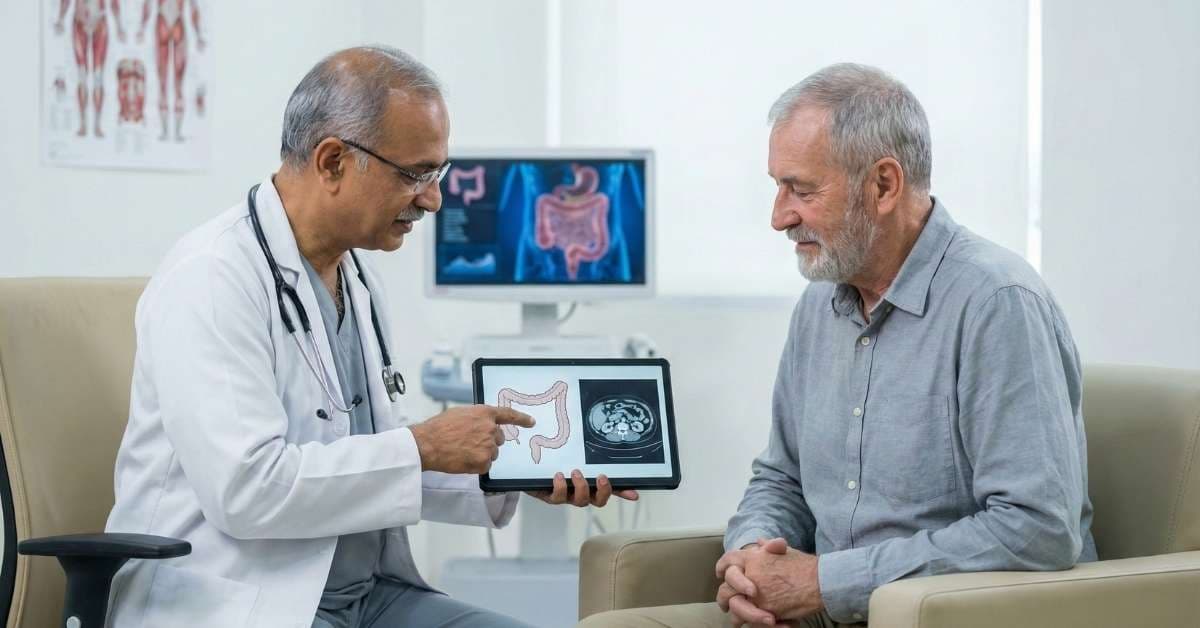
- Pre-operative Assessment: Thorough evaluation of patient health, medical history, and potential risks to tailor the safest surgical plan.
- Skilled Surgical Teams: Highly qualified surgeons, anesthesiologists, nurses, and support staff with extensive experience in complex gastro and bariatric cases.
- Advanced Surgical Techniques: Utilization of minimally invasive, laparoscopic, and robotic-assisted methods that reduce incision size, blood loss, and recovery time, thereby enhancing safety.
- State-of-the-Art Infrastructure: Modern operating theaters equipped with advanced monitoring systems, sterile environments, and backup power supplies.
- Post-operative Monitoring: Intensive care and continuous monitoring to manage pain, prevent complications, and ensure a smooth recovery.
Stringent Infection Control Protocols: Protecting Patients from Harm
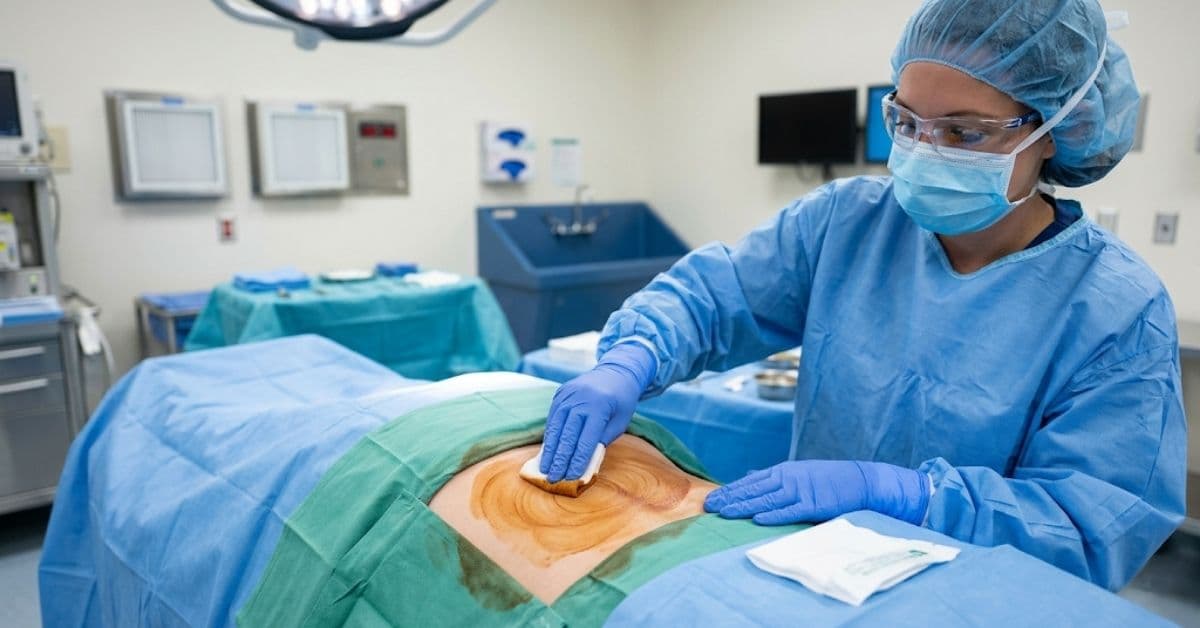
Infection prevention is a cornerstone of patient safety, especially in surgical settings. Indian hospitals have implemented robust, multi-layered infection control protocols that meet and often exceed international standards. These measures are critical for preventing hospital-acquired infections (HAIs) and ensuring a sterile environment for all procedures.
- Sterilization and Disinfection: All surgical instruments, equipment, and operating theaters undergo rigorous sterilization and disinfection processes using advanced techniques and validated protocols.
- Hand Hygiene Compliance: Strict adherence to hand hygiene guidelines by all healthcare personnel, a fundamental practice in preventing pathogen transmission.
- Environmental Cleaning: Regular and thorough cleaning and disinfection of patient rooms, common areas, and high-touch surfaces.
- Antibiotic Stewardship: Judicious use of antibiotics to prevent resistance and ensure effective treatment of infections when they occur.
- Surveillance and Reporting: Continuous monitoring of infection rates, identification of potential outbreaks, and prompt implementation of corrective actions. This proactive approach ensures that any risks are quickly identified and mitigated, providing a safer environment for every patient.
Advanced Technology for Enhanced Surgical Safety and Precision
India's leading medical institutions are at the forefront of adopting cutting-edge technology to enhance surgical safety and improve patient outcomes. For gastroenterology and bariatric procedures, this includes:
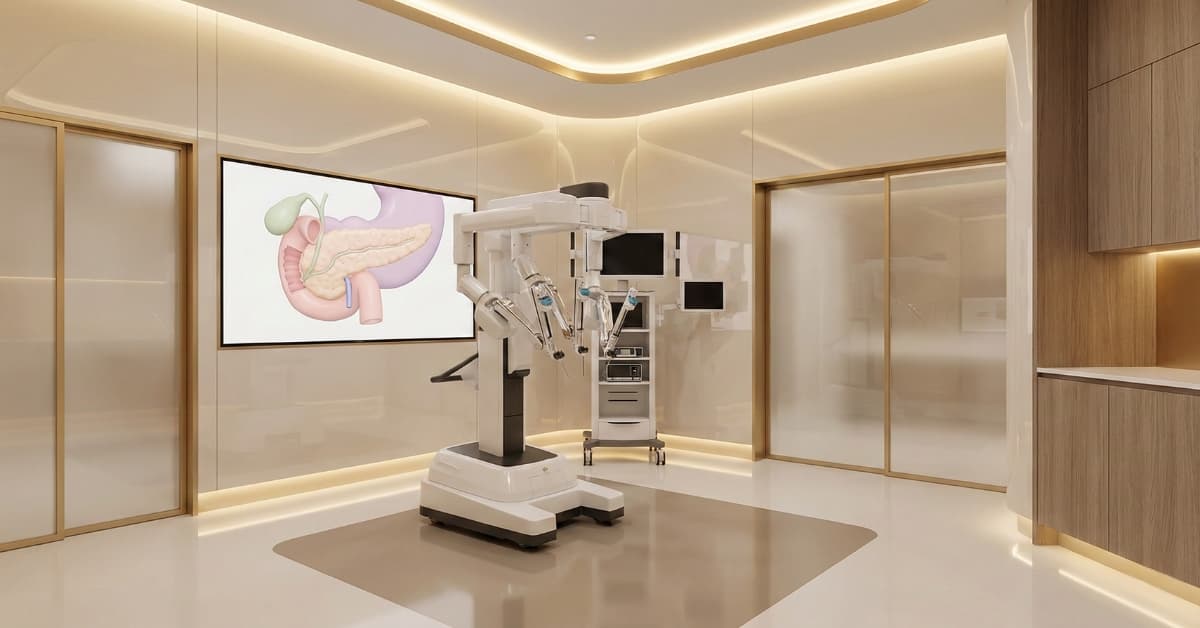
- Robotic-Assisted Surgery: Systems like the da Vinci Surgical System offer surgeons enhanced precision, visualization, and dexterity, leading to smaller incisions, reduced blood loss, and faster recovery times. This technology minimizes human error and improves surgical accuracy.
- Laparoscopic Techniques: Minimally invasive surgery (MIS) is standard, utilizing small incisions and specialized instruments guided by cameras. This reduces trauma to the body, lowers infection risk, and shortens hospital stays.
- Intraoperative Imaging: Real-time imaging during surgery provides surgeons with critical information, allowing for more precise interventions and immediate detection of any anomalies.
- Advanced Anesthesia Monitoring: Sophisticated equipment continuously monitors vital signs, ensuring patient stability throughout the procedure and minimizing anesthetic risks. These technological advancements are not just about efficiency; they are fundamentally about making complex surgeries safer and more predictable for international patients.
Accreditation and Quality Assurance: A Mark of Trust
For international patients, accreditation serves as a vital indicator of a hospital's commitment to quality and safety. Many top hospitals in India hold prestigious national and international accreditations:
- Joint Commission International (JCI): A global leader in healthcare accreditation, JCI certification signifies adherence to the highest international standards in patient care, safety, and quality management. Many Indian hospitals proudly carry this accreditation.
- National Accreditation Board for Hospitals & Healthcare Providers (NABH): India's own stringent accreditation body, NABH ensures that healthcare facilities meet rigorous national quality and patient safety standards.
- ISO Certification: Demonstrates a hospital's commitment to quality management systems.
These accreditations are not one-time achievements but require continuous compliance, regular audits, and a culture of ongoing improvement, providing an extra layer of assurance for patients seeking care abroad.
Patient-Centric Safety: Your Role in a Safe Journey
While hospitals implement extensive safety measures, international patients and their caregivers also play a crucial role in ensuring a safe treatment journey. Being informed and proactive can significantly contribute to positive outcomes:
- Open Communication: Share your complete medical history, allergies, and any concerns with your medical team.
- Understanding Your Treatment Plan: Ask questions about your procedure, recovery, and medication to ensure you fully understand the process.
- Adherence to Instructions: Follow pre-operative guidelines (e.g., fasting, medication adjustments) and post-operative care instructions diligently.
- Hygiene Practices: Maintain personal hygiene, especially handwashing, to prevent infections.
- Reporting Concerns: Immediately report any unusual symptoms, pain, or discomfort to your nursing staff or doctor.
Your active participation is a valuable part of the safety net, empowering you to be a partner in your own care.
Cost-Effectiveness Without Compromising Safety and Quality
A common concern among international patients is whether the significantly lower cost of medical procedures in India implies a compromise on safety or quality. This is a misconception. India's ability to offer world-class medical care at a fraction of the cost found in Western countries stems from several factors, including lower operational costs, a favorable exchange rate, and a high volume of procedures, rather than cutting corners on patient safety. Indian hospitals invest heavily in advanced technology, highly skilled professionals, and stringent safety protocols, ensuring that affordability does not come at the expense of your well-being. The focus remains on delivering excellent clinical outcomes within a safe and supportive environment.
Global Trust and Medical Tourism: A Testament to Safety
India has firmly established itself as a premier destination for medical tourism, attracting hundreds of thousands of patients annually from over 120 countries, including the Middle East, Africa, Southeast Asia, and Western nations. This global trust is a direct reflection of the high standards of care, successful outcomes, and, critically, the robust safety and infection control measures in place. Patients choose India not just for cost savings but for the expertise, advanced infrastructure, and the comprehensive support systems that ensure a comfortable and secure medical journey. Beyond medical treatment, India offers cultural and logistical support, including visa assistance, dedicated international patient desks, language interpreters, and diverse accommodation options, making the entire experience seamless and reassuring.
Success Rates and Clinical Outcomes Driven by Safety
The high success rates observed in gastroenterology and bariatric procedures in India are intrinsically linked to the rigorous safety and infection control protocols. For instance, bariatric surgeries in India boast success rates of over 90% in achieving significant weight loss and resolving co-morbidities, with complication rates comparable to or lower than global benchmarks. Similarly, complex gastrointestinal surgeries show excellent outcomes, with infection rates kept remarkably low due to stringent adherence to protocols. These statistics are not just numbers; they represent countless lives improved and saved, a testament to the dedication to patient safety and clinical excellence that defines Indian healthcare.
Recovery and Post-Procedure Care: A Safe Path to Wellness
A safe surgical journey extends well beyond the operating room. Post-procedure care and rehabilitation are crucial for a full and healthy recovery. Indian hospitals provide comprehensive recovery plans tailored to each patient's needs:
- Hospital Stay: Typically 2-7 days for bariatric or complex gastro surgeries, with continuous monitoring and pain management.
- Dietary Guidance: Detailed nutritional plans and dietary counseling, especially critical for bariatric patients, to ensure proper healing and long-term health.
- Mobility and Activity: Encouragement of early mobilization under supervision to prevent complications like deep vein thrombosis.
- Follow-up Appointments: Scheduled check-ups with surgeons and specialists to monitor progress and address any concerns.
- Rehabilitation Support: Access to physiotherapy or specialized rehabilitation services if required, ensuring a smooth transition back to daily life.
These structured recovery programs are designed to minimize risks and optimize healing, ensuring patients return home stronger and healthier.
Medical Tourism Support Services: Your Safety Net Abroad
Navigating medical treatment in a foreign country can be daunting, but India's medical tourism facilitators and hospital international patient departments offer extensive support to ensure a safe and stress-free experience. Services typically include:
- Visa Assistance: Guidance and support for obtaining medical visas.
- Airport Transfers: Safe and comfortable transportation from the airport to the hospital/accommodation.
- Accommodation Arrangements: Assistance with booking hotels or serviced apartments.
- Language Interpreters: Professional interpreters to facilitate clear communication between patients, families, and medical staff.
- Dedicated Patient Coordinators: A single point of contact to assist with all logistical and medical needs.
- Telemedicine and Follow-up: Options for virtual consultations and ongoing support after returning home.
These services are designed to address every practical aspect of your journey, allowing you to focus solely on your recovery with complete peace of mind.
Continuous Improvement and Ethical Practices
The commitment to patient safety and infection control in India's healthcare sector is not static; it's a dynamic process of continuous improvement. Hospitals regularly review their protocols, invest in staff training, and adopt the latest evidence-based practices. Ethical considerations are paramount, with a strong emphasis on informed consent, patient rights, and transparent communication. This dedication to evolving standards and ethical care ensures that international patients receive not only effective treatment but also compassionate and respectful service, reinforcing India's reputation as a trustworthy and safe medical destination.
Conclusion
Choosing India for your gastroenterology or bariatric procedure means opting for a healthcare system that places patient safety and infection control at its absolute core. From advanced surgical techniques and stringent hygiene protocols to internationally recognized accreditations and comprehensive patient support, every aspect of your medical journey is meticulously managed to ensure your well-being. You can embark on this path with confidence, knowing that you are in capable and caring hands. India's commitment to excellence ensures that your focus can remain on recovery and a healthier future.
Ready to explore safe and effective gastroenterology or bariatric treatment options in India? Contact us today for a personalized consultation and take the first step towards a healthier you.