Ensuring Patient Safety and Infection Control in Orthopedic Procedures in India: A Comprehensive Guide for International Patients – 2026
For international patients considering orthopedic surgery, the paramount concern is often safety and the prevention of complications. India has emerged as a global leader in medical tourism, not only for its cost-effectiveness but also for its unwavering commitment to patient safety and stringent infection control protocols. This guide delves into how Indian hospitals ensure a secure and healthy environment for orthopedic procedures, offering peace of mind to patients and their families. Discover the advanced measures, expert care, and robust systems in place that make India a trusted destination for world-class orthopedic treatment.
What is Orthopedic Patient Safety and Infection Control?
Orthopedic patient safety encompasses all measures taken to prevent harm to patients during their surgical journey, from pre-operative assessment to post-operative recovery. This includes minimizing surgical errors, ensuring correct site surgery, and managing anesthesia risks. Infection control, a critical component of patient safety, focuses specifically on preventing healthcare-associated infections (HAIs), particularly surgical site infections (SSIs), which can significantly impact recovery and outcomes. In orthopedic procedures, where implants are often used, preventing infection is of utmost importance to ensure the long-term success of the surgery and the patient's well-being. Indian hospitals prioritize these aspects with dedicated teams and protocols.
The Pillars of Patient Safety in Indian Orthopedics
Indian healthcare institutions have built a robust framework for patient safety, integrating multiple layers of protection throughout the orthopedic treatment pathway. This systemic approach ensures that every step is meticulously planned and executed to minimize risks.
Pre-operative Assessment & Planning
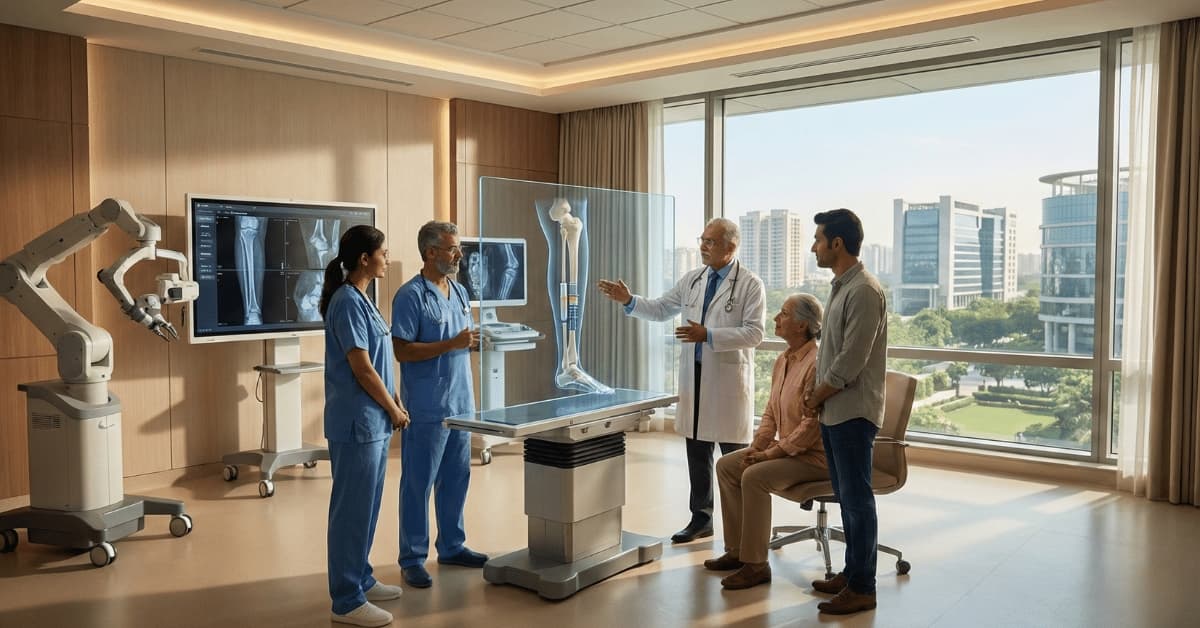
Before any orthopedic procedure, international patients undergo thorough evaluations, including detailed medical history, physical examinations, and advanced diagnostic tests. This comprehensive assessment helps identify any pre-existing conditions that could pose risks and allows the medical team to tailor a personalized treatment plan. Anesthesia consultations are standard to ensure patient suitability and safety.
- Detailed medical history and physical examination
- Advanced diagnostic imaging (MRI, CT scans, X-rays)
- Pre-anesthesia check-ups and risk stratification
- Multidisciplinary team review of complex cases
Intra-operative Protocols
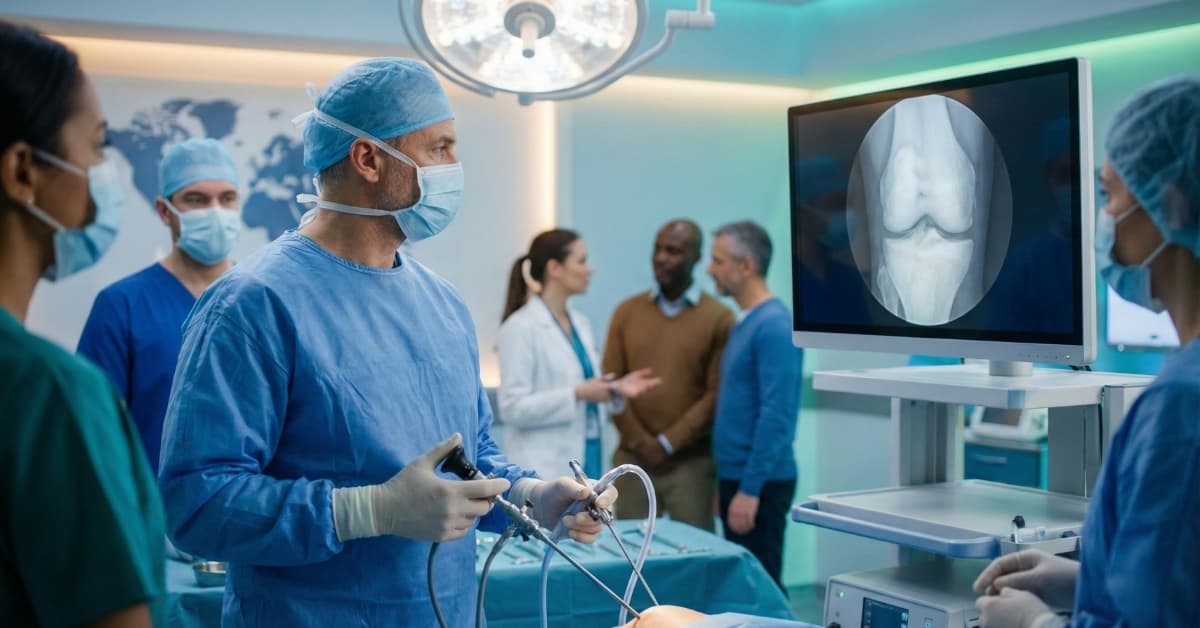
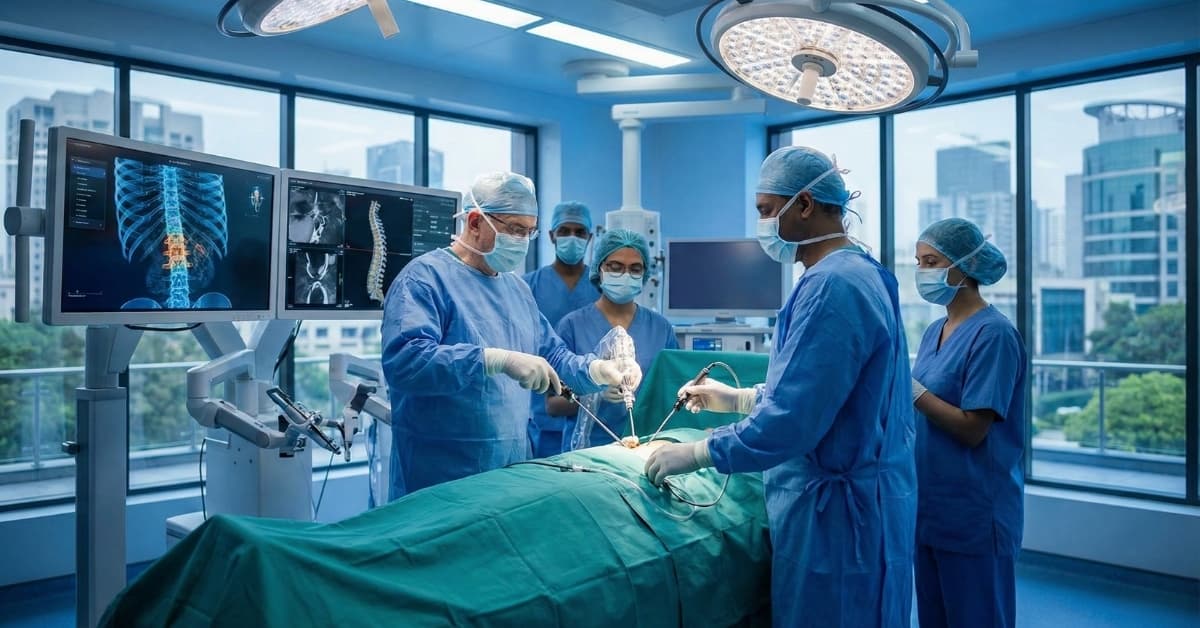
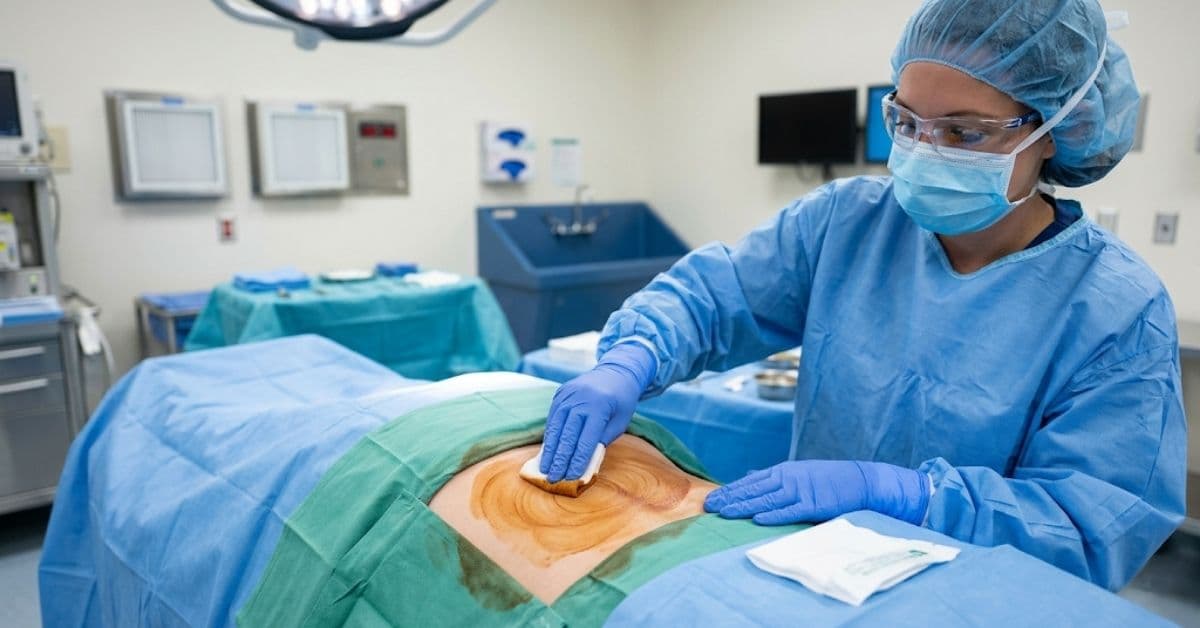
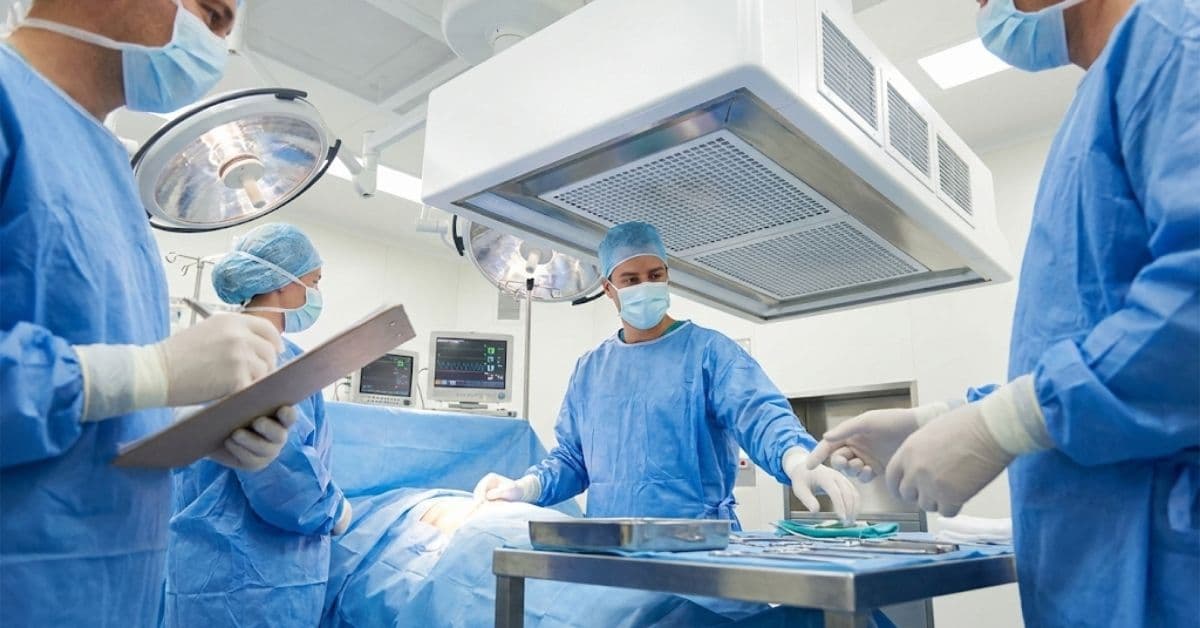
During surgery, strict protocols are followed to maintain a sterile environment and prevent errors. This includes 'time-outs' before incision to confirm patient identity, procedure, and surgical site, as well as adherence to universal precautions. Operating rooms are equipped with state-of-the-art technology and maintained under stringent conditions to minimize airborne contaminants.
- Surgical 'time-out' verification process
- Strict sterile field maintenance
- Use of advanced surgical instruments and equipment
- Continuous monitoring of vital signs
Post-operative Care & Monitoring
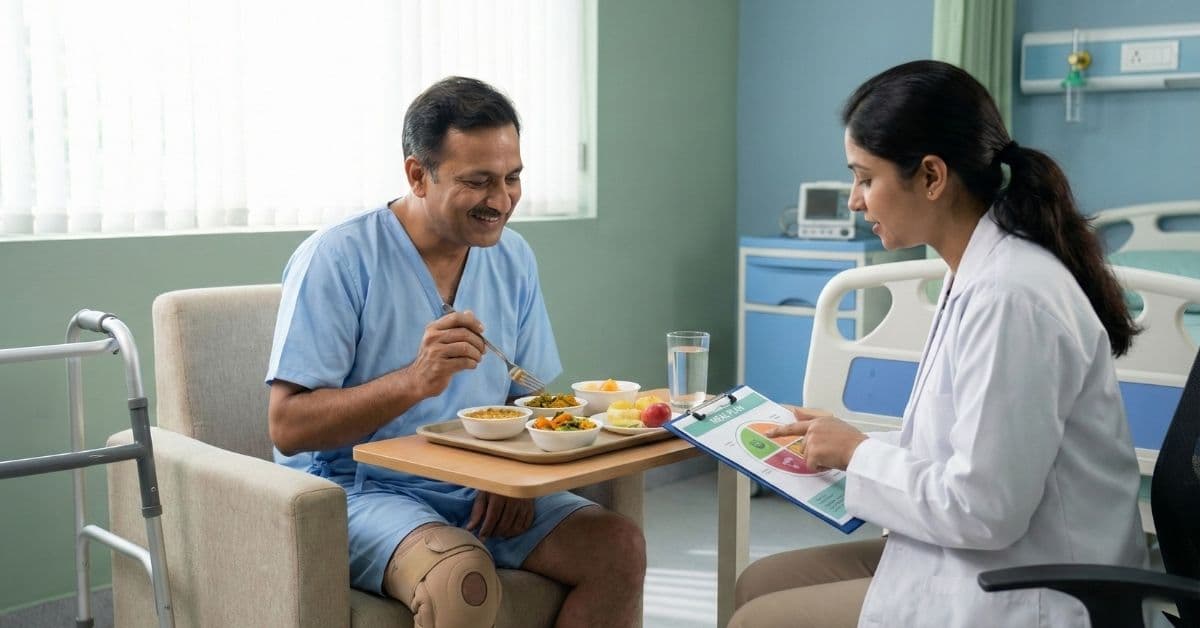
Post-surgery, patients are closely monitored in recovery units and wards. Pain management, wound care, and early mobilization are key components. Regular checks for signs of infection or complications are performed, and patients receive clear instructions for home care and follow-up appointments. This continuous vigilance is crucial for a smooth recovery.
- Intensive post-anesthesia care unit (PACU) monitoring
- Personalized pain management plans
- Regular wound inspection and dressing changes
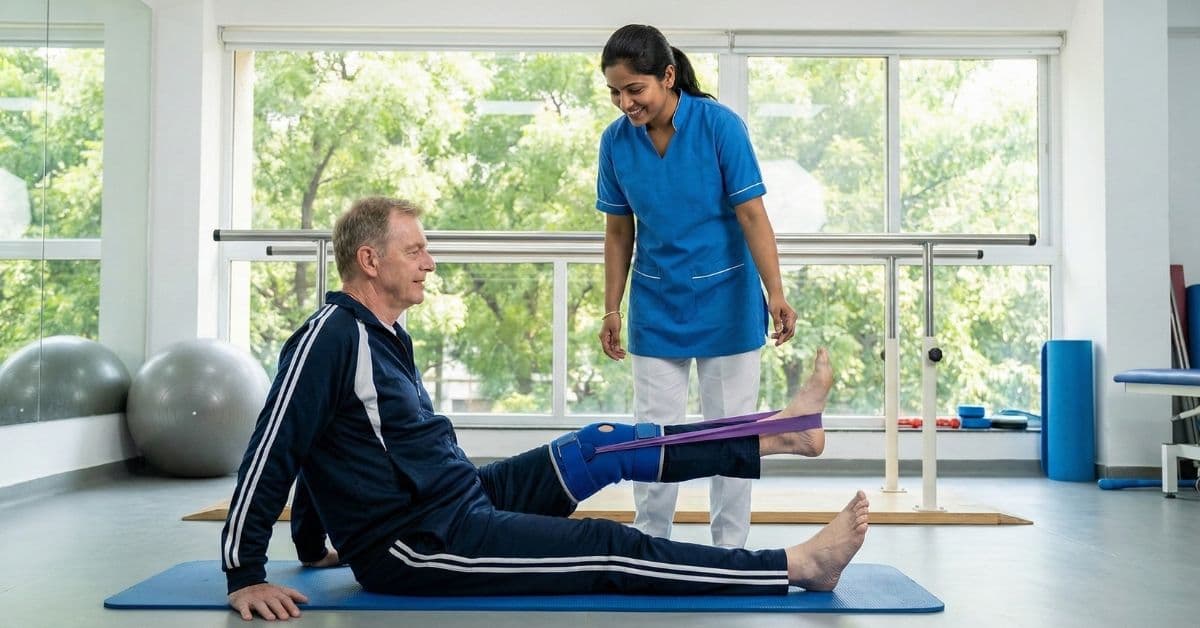
- Early physiotherapy and rehabilitation initiation
Advanced Infection Control Strategies in Indian Hospitals
Preventing infections is a cornerstone of orthopedic patient safety. Indian hospitals employ a multi-pronged approach, integrating cutting-edge technology with rigorous protocols to create an ultra-safe surgical environment.
Technology's Role in Enhancing Orthopedic Safety
Innovation in medical technology plays a pivotal role in enhancing patient safety and precision in orthopedic procedures. Indian hospitals are at the forefront of adopting these advancements, ensuring better outcomes and reduced risks for international patients.
Robotic-Assisted Surgery
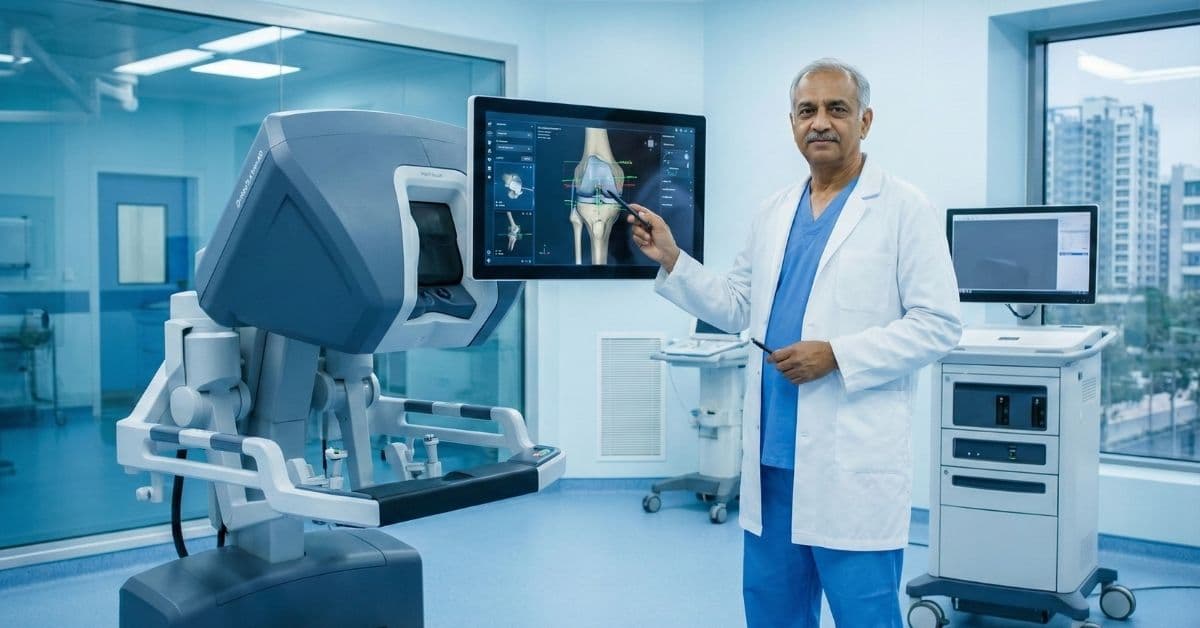
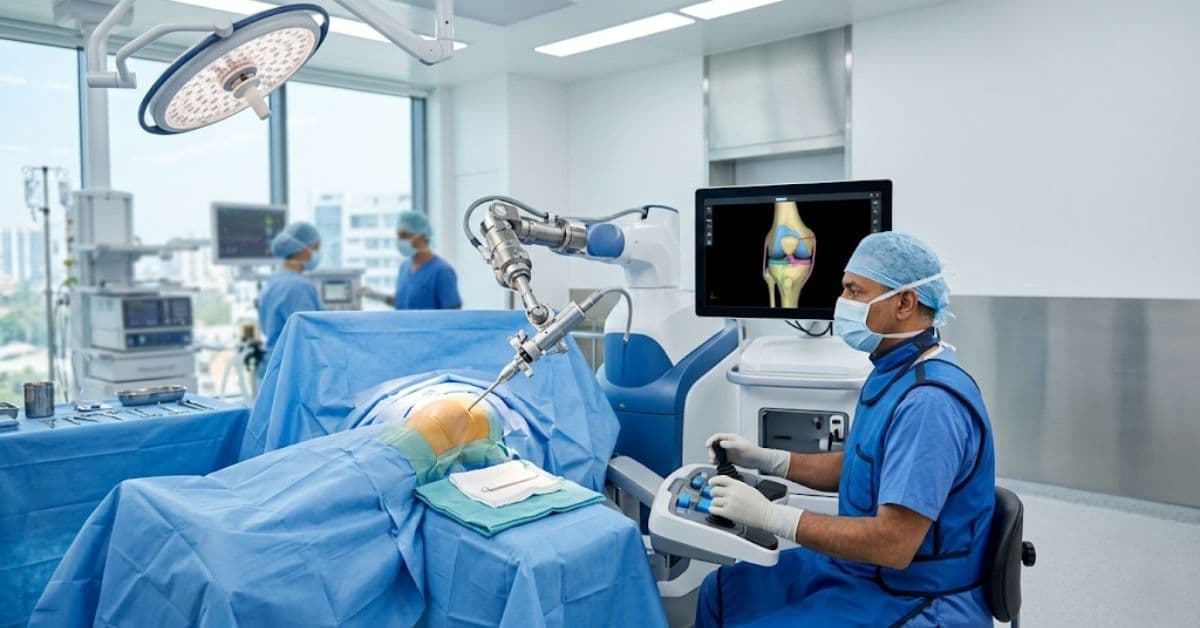
Robotic systems, such as MAKOplasty and ROSA, offer unparalleled precision in orthopedic procedures like knee and hip replacements. Surgeons use these robots to create highly accurate surgical plans and execute bone cuts with sub-millimeter accuracy, leading to better implant alignment, reduced tissue damage, and potentially faster recovery. This precision significantly lowers the risk of complications associated with manual surgery.
- Enhanced surgical precision and accuracy
- Reduced soft tissue damage
- Improved implant positioning and longevity
- Potentially faster recovery times
Computer Navigation Systems
Computer navigation provides real-time, intra-operative guidance to surgeons, allowing for precise alignment and positioning of implants. This technology is particularly beneficial in complex cases, helping to avoid errors and improve the functional outcome of the surgery. It acts as a 'GPS' for the surgeon, ensuring optimal results.
- Real-time surgical guidance
- Improved accuracy in implant placement
- Reduced risk of malalignment
- Enhanced outcomes for complex procedures
Advanced Imaging and Digital Health Records
High-resolution imaging techniques (3D CT, MRI) provide detailed anatomical insights for pre-operative planning. Integrated digital health records (EHRs) ensure seamless information flow between departments, reducing the chance of medical errors, improving communication, and allowing for quick access to patient data, which is crucial for timely and safe care.
Quality Assurance and International Accreditations
The commitment to patient safety in India is underscored by adherence to rigorous national and international quality standards. Many leading Indian hospitals have achieved prestigious accreditations, signifying their dedication to world-class healthcare delivery.
The Human Element: Expert Teams and Continuous Training
Beyond technology and protocols, the expertise and dedication of the medical professionals are paramount. India boasts a vast pool of highly qualified orthopedic surgeons, anesthesiologists, nurses, and support staff, many with international training and experience. These teams work collaboratively, adhering to best practices and continuously updating their skills.
Understanding Risks and Realistic Expectations
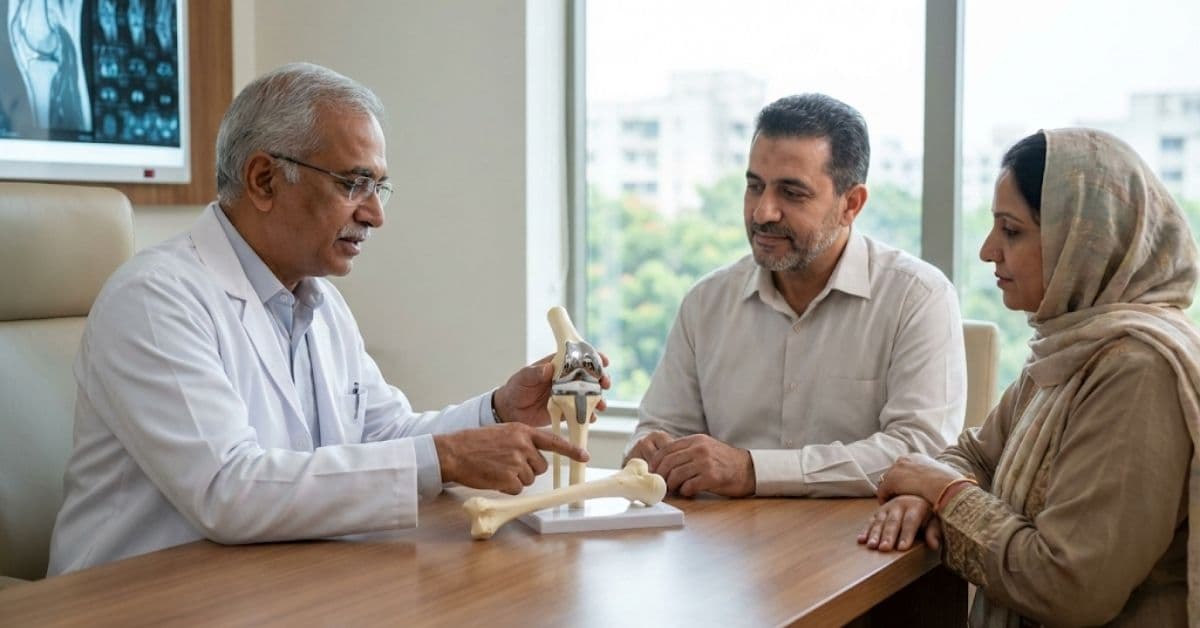
While Indian hospitals strive for the highest safety standards, it's important for international patients to have a realistic understanding that no surgical procedure is entirely without risk. Transparency about potential, albeit rare, complications is part of responsible medical care. The medical team will discuss all aspects of your procedure, including potential risks like surgical site infection, blood clots, or nerve damage, and the measures taken to mitigate them. Your active participation in following pre- and post-operative instructions, such as medication adherence and rehabilitation exercises, is crucial for a safe recovery and optimal outcome. Open communication with your medical team is always encouraged to address any concerns you may have.
Cost of Orthopedic Care in India: Value and Safety
One of India's most compelling advantages for international patients is the significant cost savings without compromising on safety or quality. The lower operational costs, favorable exchange rates, and a robust healthcare infrastructure allow Indian hospitals to offer world-class orthopedic procedures at a fraction of the price found in Western countries. This affordability extends to advanced safety measures and infection control protocols, which are standard practice.
Cost Comparison (Illustrative)
While the specific cost of an orthopedic procedure like a total knee replacement can vary based on the hospital, implant type, and patient's condition, the general savings are substantial. This table provides an illustrative comparison:
- Total Knee Replacement:
- India: INR 2,50,000 - 5,00,000 (approx. USD 3,000 - 6,000)
- USA: USD 30,000 - 60,000
- UK: GBP 10,000 - 15,000 (approx. USD 12,000 - 18,000)
- Hip Replacement:
- India: INR 2,80,000 - 5,50,000 (approx. USD 3,400 - 6,600)
- USA: USD 35,000 - 70,000
- UK: GBP 12,000 - 18,000 (approx. USD 14,500 - 21,500)
Value Proposition
The cost-effectiveness in India does not equate to lower standards of care. Instead, it reflects a more efficient healthcare delivery model. Patients receive the same high-quality implants, advanced surgical techniques, and stringent safety protocols as in developed nations, but at a significantly more accessible price point. This allows international patients to access critical orthopedic care that might otherwise be financially out of reach.
Global Trust and Medical Tourism in India
India has firmly established itself as a preferred destination for medical tourism, attracting hundreds of thousands of patients annually from across the globe. Patients from the Middle East, Africa, Southeast Asia, and even Western countries choose India for its blend of advanced medical care, experienced specialists, and affordability. The trust placed in Indian healthcare is a testament to its consistent delivery of high-quality, safe, and effective treatments. Beyond medical excellence, India offers comprehensive logistical and cultural support, including assistance with medical visas, airport transfers, comfortable accommodation options, and professional language interpreters, ensuring a smooth and stress-free journey for international patients and their families. Many hospitals also integrate wellness programs, offering a holistic healing experience.
Recovery, Rehabilitation, and Continued Care
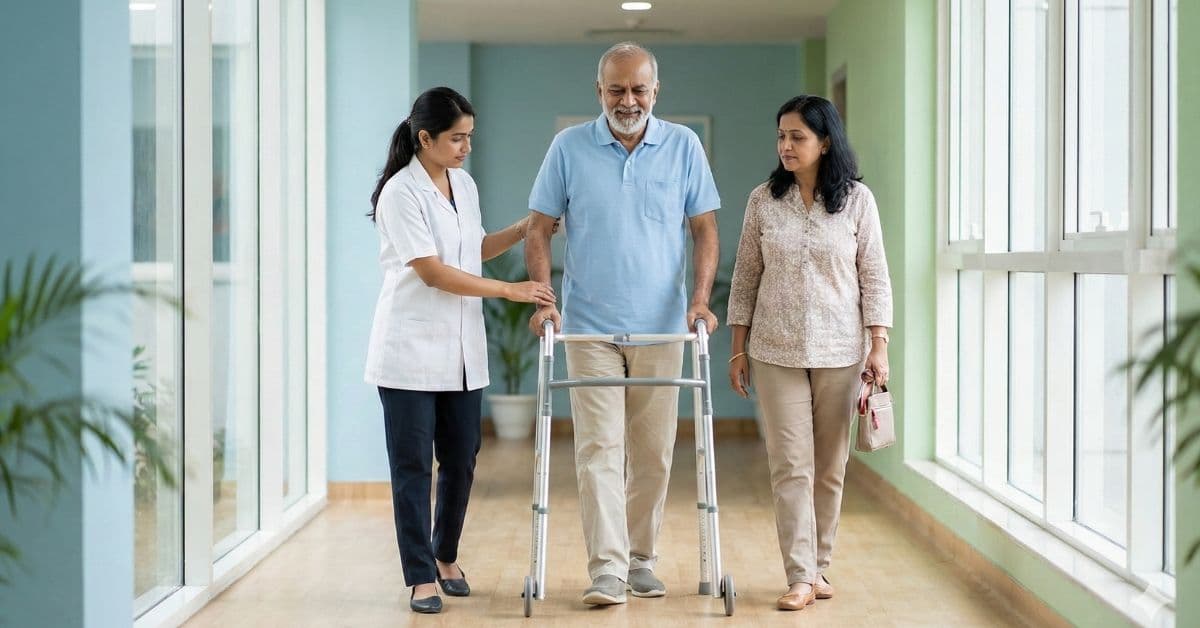
A safe and successful orthopedic procedure is only the first step. The recovery and rehabilitation phase is equally critical for optimal outcomes and is meticulously managed in India. Hospitals provide structured rehabilitation programs designed to restore mobility, strength, and function, all while maintaining vigilance against complications.
Medical Tourism Support Services
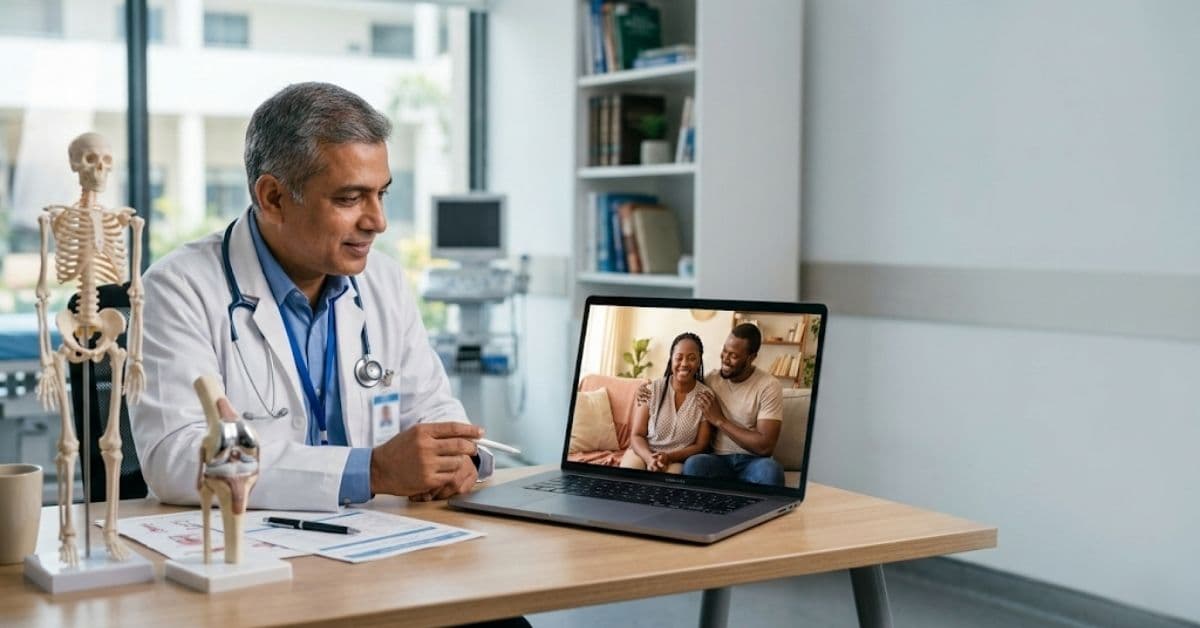
Navigating medical treatment in a foreign country can be daunting, but specialized medical tourism facilitators like VRH Healthcare simplify the entire process for international patients. These services are designed to provide comprehensive support, ensuring a seamless and comfortable experience from planning to post-treatment care.
Conclusion
Choosing India for orthopedic procedures means opting for a healthcare system where patient safety and infection control are not just priorities, but deeply embedded principles. With advanced technology, internationally accredited facilities, highly skilled medical professionals, and comprehensive support services, India offers a secure and effective pathway to recovery. International patients can embark on their medical journey with confidence, knowing they are in safe hands, receiving world-class care that prioritizes their well-being at every step.
Ready to explore safe and effective orthopedic treatment options in India? Contact us today for a personalized consultation and begin your journey to better health.