Planning a Long Stay in India for Organ Transplant Surgery
Embarking on a medical journey abroad for an organ transplant can feel overwhelming for patients and their families. Navigating a new country, understanding medical procedures, and managing logistics for an extended period brings both hope and apprehension. This guide aims to demystify the process, offering a clear roadmap for planning your long stay in India for organ transplant surgery, covering everything from initial consultations to post-treatment follow-up and cultural integration. We provide practical, empathetic support for this significant decision.
Overview of the Journey: Consult to Follow-Up
The path to an organ transplant in India is a carefully coordinated journey, ensuring patient safety and optimal outcomes. It begins remotely with initial consultations and evaluations, where your medical team reviews your case and requests detailed records. Once a preliminary assessment is positive and a donor match identified (if applicable), travel planning commences. Upon arrival, you'll undergo in-person evaluations, further tests, and pre-operative preparations. The surgery is followed by crucial hospital recovery and close monitoring. Post-discharge, a significant recovery period in India is essential for rehabilitation, medication management, and regular follow-up before you are cleared to return home. Even after returning, your care team in India often maintains contact, coordinating with your local doctors for continuity of care. This holistic approach considers every aspect of your well-being.
- Remote Medical Evaluation & Consultation
- Travel Planning & Visa Application
- Arrival & Pre-operative Assessments
- Organ Transplant Surgery
- Hospital Recovery & Intensive Care
- Post-discharge Local Recovery & Rehabilitation
- Return Home & Tele-Follow-Up
Documents and Medical Visa Basics
Navigating administrative requirements for international medical travel can seem complex, but with guidance, it's manageable. For an organ transplant stay duration in India, a medical visa is typically required for the patient, and often a medical attendant visa for accompanying family. Documents generally include a valid passport, visa application form, photographs, a letter from the Indian hospital confirming treatment, and medical reports. It's crucial to obtain the most accurate, up-to-date information directly from the official website of the Indian Ministry of Home Affairs or your local Indian Embassy/Consulate. This ensures a smooth entry into India for your vital treatment.
- Valid Passport
- Medical Visa Application Form
- Recent Passport-sized Photographs
- Letter from Indian Hospital (Treatment Plan)
- Comprehensive Medical Reports
- Proof of Financial Means
- Medical Attendant Visa Application (for accompanying family)
Typical Length of Stay by Treatment Stage
Understanding the expected organ transplant stay duration in India is vital for planning. The total time varies significantly based on transplant type, patient condition, and complications. However, a general breakdown helps preparation: * **Pre-operative Evaluation and Preparation**: Typically 1-2 weeks for comprehensive tests, consultations, and psychological assessments. * **Hospital Stay Post-Surgery**: Usually 2-4 weeks, including ICU and ward monitoring for initial recovery and pain management. * **Local Recovery and Rehabilitation**: This longest phase requires an additional 4-8 weeks, or more, outside the hospital but still in India. It involves regular follow-ups, medication adjustments, rehabilitation, and monitoring for rejection or infection. This extended stay ensures stability before safe international travel. * **Total Estimated Stay**: Anticipate approximately 8-14 weeks in India. This period is crucial for successful recovery and a safe return. For more detailed information on specific transplant procedures and timelines, explore resources on transplant surgeries treatment in India (https://www.vrhhealthcare.com/specialities/transplant-surgeries-treatment-in-india).
- Pre-operative Evaluation: 1-2 weeks
- Hospital Stay Post-Surgery: 2-4 weeks
- Local Recovery & Rehabilitation: 4-8+ weeks
- Total Estimated Stay: 8-14+ weeks
Accommodation, Food, and Cultural Comfort
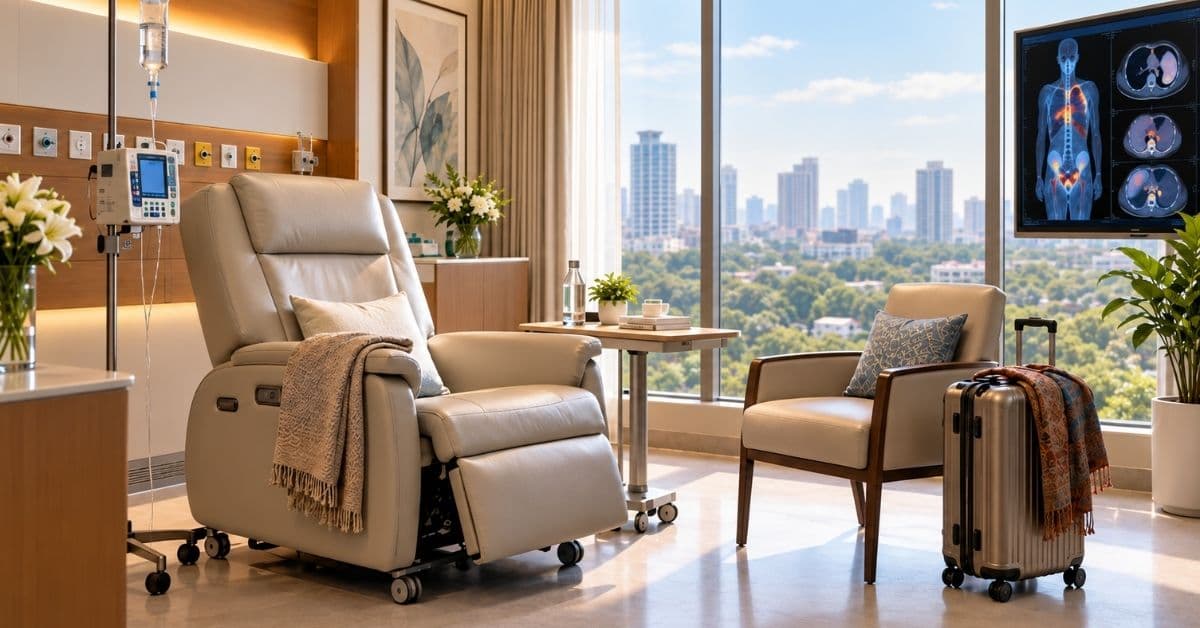
Ensuring comfort during your extended stay is paramount for recovery. India offers diverse accommodation near medical facilities, from serviced apartments to hotels, catering to various budgets. Many are accustomed to international medical patients, often providing kitchenettes for self-catering. India's culinary landscape is rich. Major cities offer international cuisine and local dishes adaptable to specific dietary needs, including vegetarian, vegan, and halal options. Hospital dietitians can guide nutrition. For patients from regions like Africa (https://www.vrhhealthcare.com/regions/africa) or the Middle East (https://www.vrhhealthcare.com/regions/middle-east), familiar tastes and cultural comforts may be found in local communities and restaurants, easing transition. Always communicate dietary preferences clearly.
Interpreter and Family Support
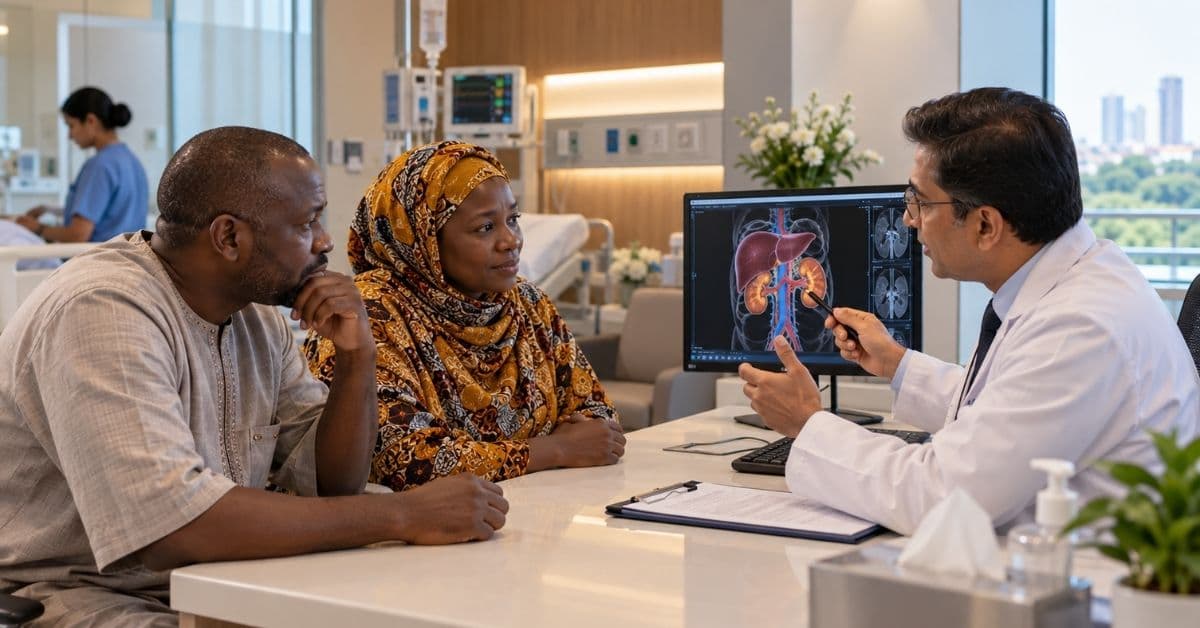
Language barriers can add stress, so professional interpreter services are readily available in most major Indian hospitals. These facilitate clear communication between patients, families, and the medical team, ensuring understanding. Many hospitals have international patient services departments arranging interpreters fluent in various languages, including Arabic, French, and Swahili. Family presence is vital for emotional well-being and recovery. Indian hospitals are generally family-oriented, understanding this crucial role. Most facilities allow family members to stay with the patient, either in the room or nearby accommodation. International patient coordinators assist with family accommodation, local logistics, and emotional support. Knowing your family is supported can profoundly impact healing.
Aftercare, Tele-Follow-Up, and Coordination With Your Local Doctor
Your journey transitions into a crucial aftercare phase upon leaving India. Before departure, your medical team provides a comprehensive discharge plan: medication instructions, diet, activity restrictions, and warning signs. This empowers you and your local healthcare providers to manage recovery effectively. Many Indian hospitals offer robust tele-follow-up services, connecting you with your transplant team via video or phone. This ensures ongoing monitoring and addresses post-return concerns. Crucially, your Indian medical team coordinates with your local doctor, sharing records, summaries, and recommendations for seamless care transition. This collaborative approach ensures continuous, high-quality care, wherever you are.
- Comprehensive Discharge Plan
- Medication Management Guidance
- Dietary and Activity Restrictions
- Tele-Consultations & Video Follow-ups
- Medical Record Sharing with Local Doctors
- Ongoing Monitoring & Support
Conclusion
An organ transplant journey abroad is a significant undertaking, with medical and logistical considerations. However, with careful planning and the right support, these challenges are manageable. India's healthcare ecosystem offers advanced medical care alongside comprehensive support for travel, accommodation, and cultural integration. You and your family do not have to navigate this path alone. With dedicated international patient services, language support, and a focus on holistic well-being, your focus can remain on recovery and healing.
Get in touch and we'll help you plan every step of your treatment journey in India.