How to Plan Your Cancer Treatment Stay in India: A Comprehensive Guide
Embarking on a journey for cancer treatment abroad can feel like a monumental undertaking, filled with questions and uncertainties. This guide is designed to ease your concerns by providing a clear, step-by-step roadmap for planning your cancer treatment stay in India. From initial consultations to aftercare, we cover every logistical detail, ensuring you and your family feel supported and prepared for this important chapter.
Overview of the Journey: Consult to Follow-Up
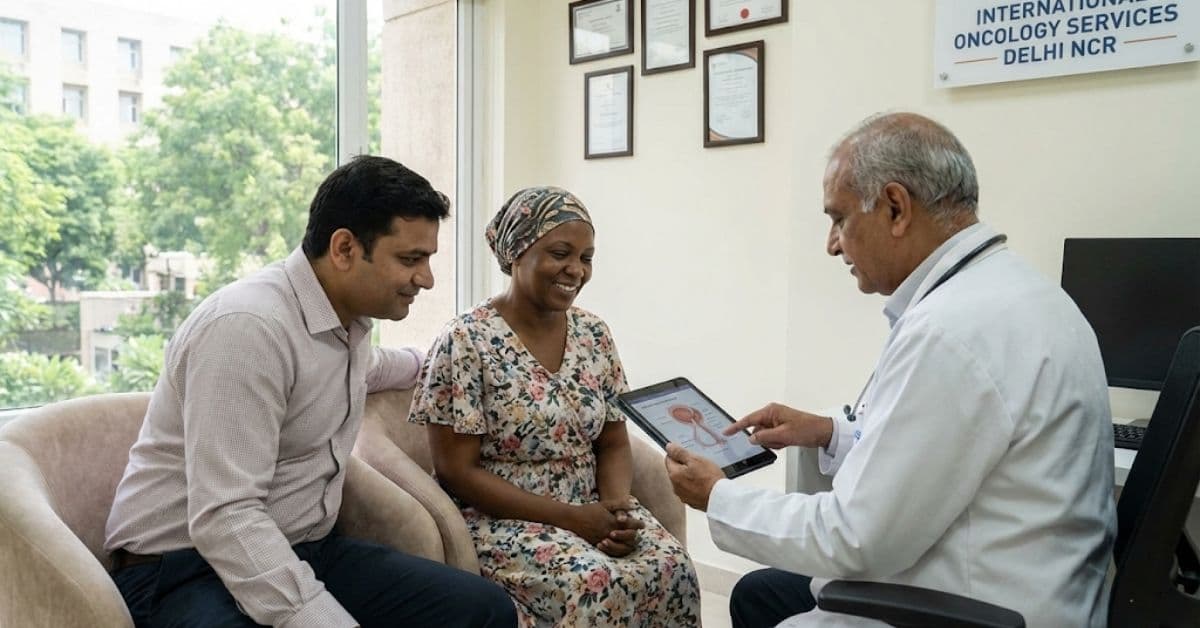
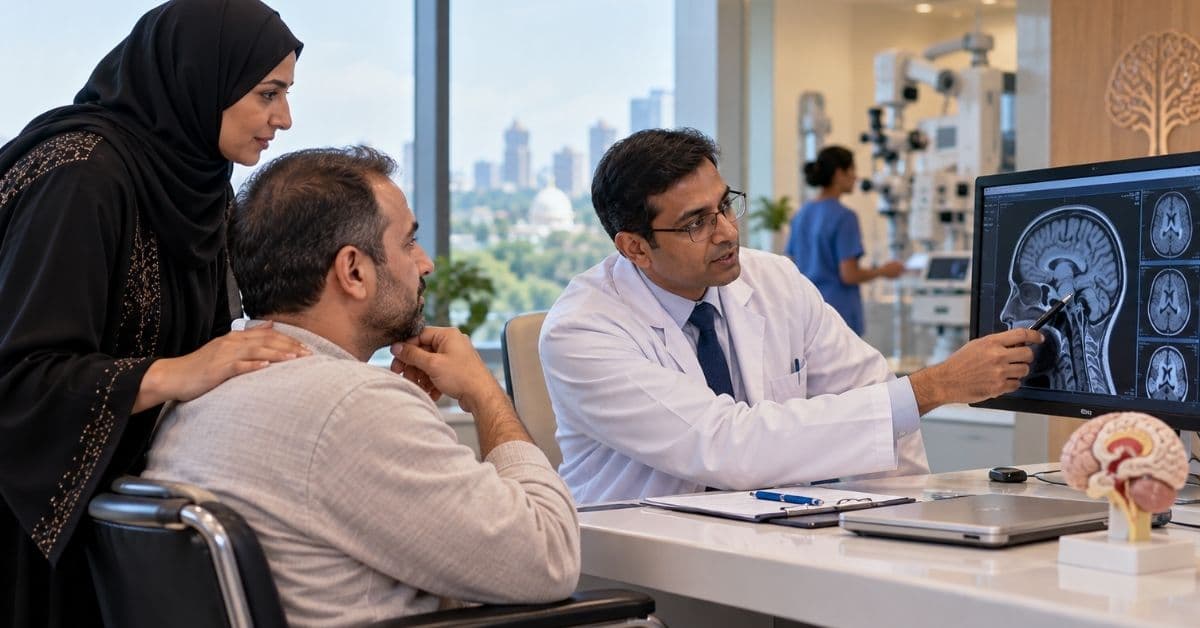
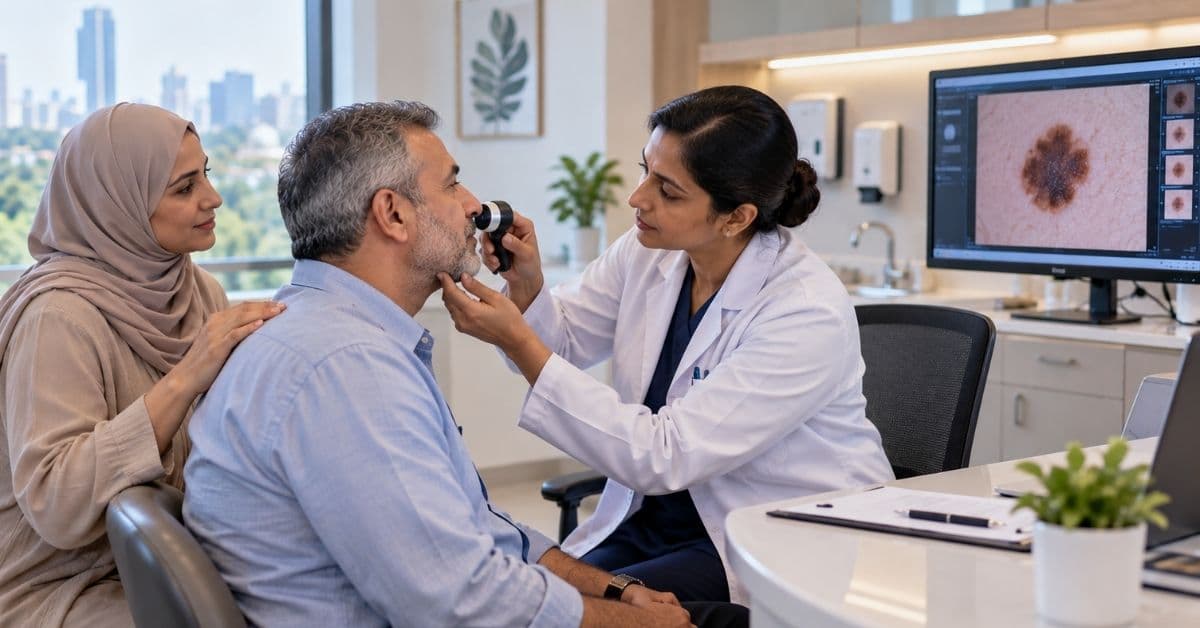
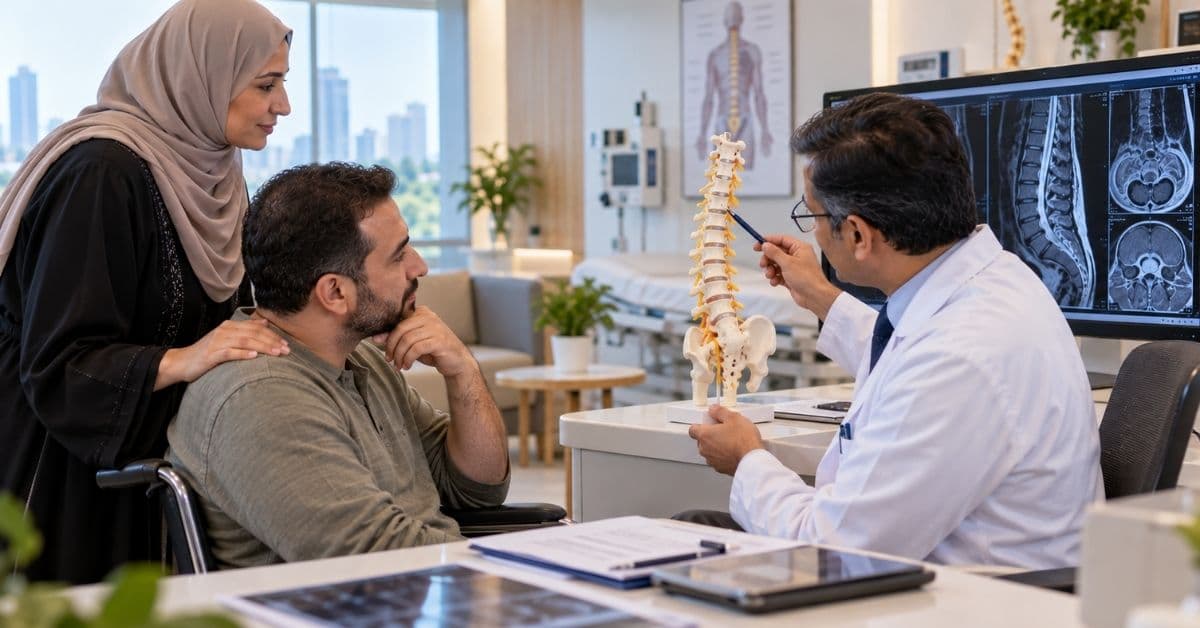
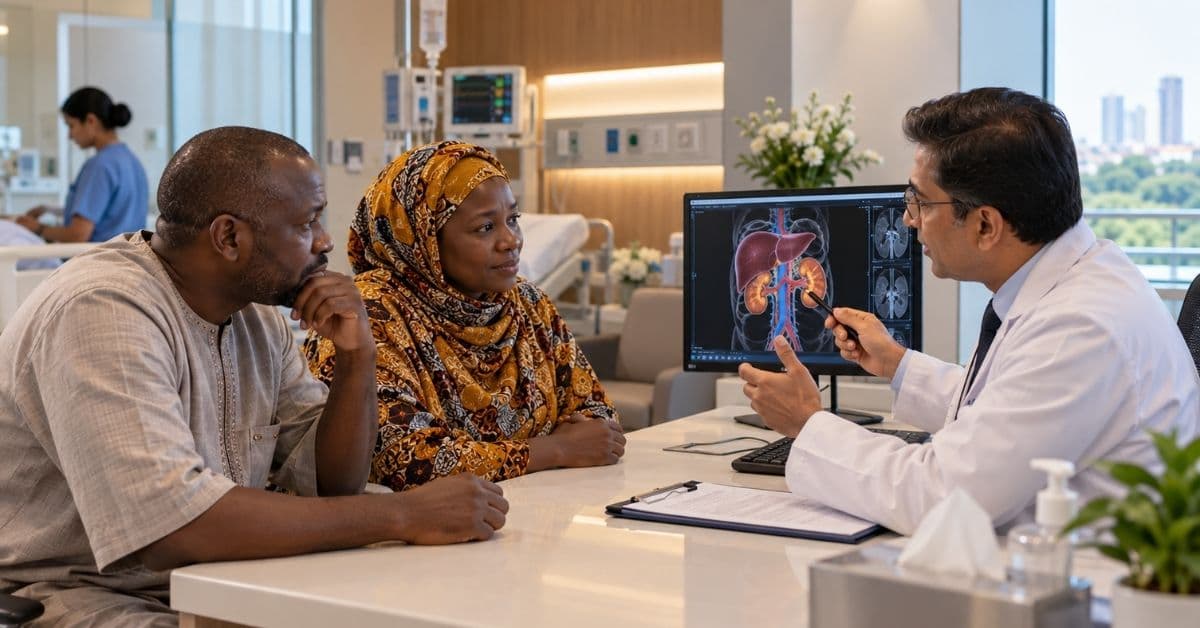
The decision to seek cancer treatment in India often begins with a thorough evaluation of your medical condition and treatment options. Your journey typically starts with an initial remote consultation, where you share your medical reports and history with specialists in India. This allows the medical team to assess your case, propose a preliminary treatment plan, and provide an estimated duration of your stay. Once you decide to proceed, the focus shifts to travel logistics, including visa applications and flight arrangements. Upon arrival, you'll undergo in-person consultations and diagnostic tests to finalise your treatment plan. The core of your stay will involve the treatment itself, which could range from surgery and chemotherapy to radiation therapy or a combination. Throughout this period, a dedicated patient coordinator will be your point of contact, assisting with appointments, language support, and daily needs. Post-treatment, there will be a recovery phase, followed by discharge and a plan for ongoing aftercare, often involving tele-consultations with your Indian medical team and coordination with your local doctor back home.
- Initial remote consultation and treatment plan proposal
- Visa and travel arrangements
- Arrival, in-person consultations, and diagnostic tests
- Active treatment phase (surgery, chemotherapy, radiation)
- Recovery and discharge planning
- Return home and post-treatment follow-up
Documents and Medical Visa Basics
Securing the correct documentation is a critical first step for your cancer treatment stay in India. While this is not legal advice, typically, international patients require a valid passport with at least six months validity, a medical visa, and an invitation letter from the hospital in India. The medical visa application usually requires copies of your medical reports, a letter from your local doctor recommending treatment abroad, and proof of financial means to cover your treatment and stay. Family members accompanying the patient may need a medical attendant visa. It is crucial to consult the official website of the Indian High Commission or Embassy in your country for the most current and precise visa requirements, as these can vary by nationality and are subject to change. Starting this process well in advance is highly recommended to avoid any last-minute complications.
- Valid passport (minimum 6 months validity)
- Medical visa application form
- Invitation letter from the Indian hospital
- Copies of medical reports and local doctor's referral
- Proof of financial capability
- Medical attendant visa for accompanying family members
Typical Length of Stay by Treatment Stage
The duration of your cancer treatment stay in India is highly individualised, depending on the type and stage of cancer, the chosen treatment protocol, and your body's response. However, we can outline general expectations. For initial diagnostics and consultations, a few days to a week might be sufficient. If surgery is required, you might expect a hospital stay of 5-10 days, followed by a local recovery period of 1-3 weeks before you are fit to travel. Chemotherapy cycles often require shorter hospital visits but are spread over several weeks or months, potentially necessitating a longer overall stay or multiple trips. Radiation therapy typically involves daily sessions over 3-7 weeks. For complex cases or multi-modal treatments, a stay of several months is not uncommon. Your medical team will provide a more precise estimate after reviewing your case, allowing you to plan your cancer treatment stay in India effectively. To understand more about the comprehensive cancer care available, you might explore details on oncology treatment in India (https://www.vrhhealthcare.com/specialities/oncology-treatment-in-india).
- Initial diagnostics & consultations: 3-7 days
- Surgery (including hospitalisation): 5-10 days
- Post-surgical local recovery: 1-3 weeks
- Chemotherapy cycles: Short visits over several weeks/months
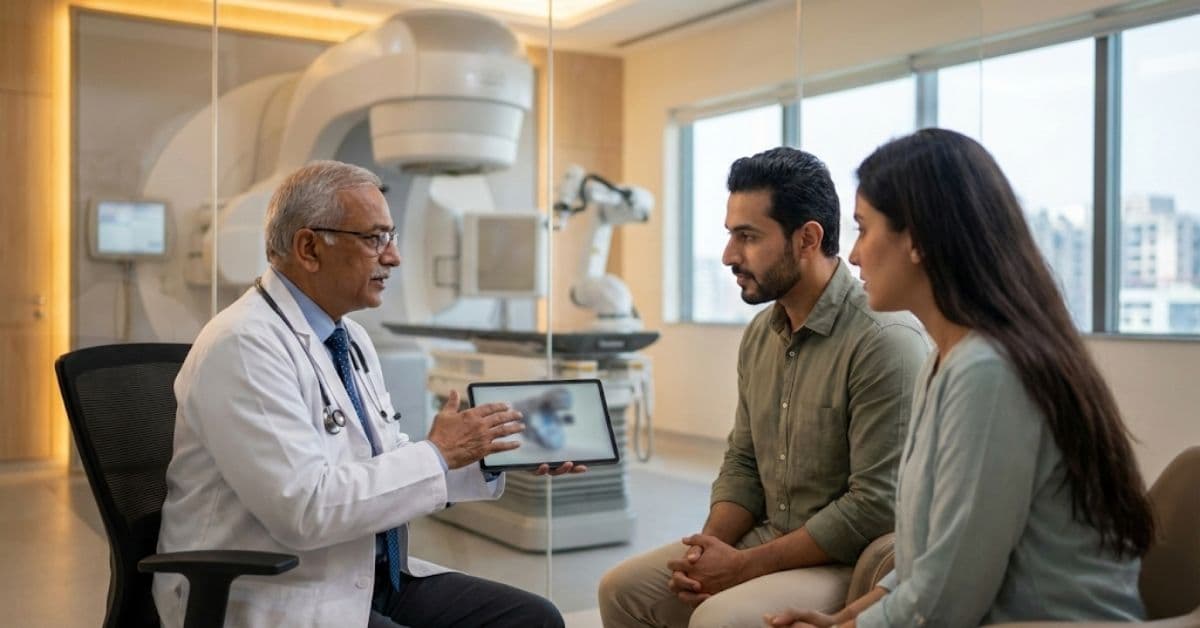
- Radiation therapy: Daily sessions over 3-7 weeks
- Complex/multi-modal treatments: Several weeks to months
Accommodation, Food, and Cultural Comfort
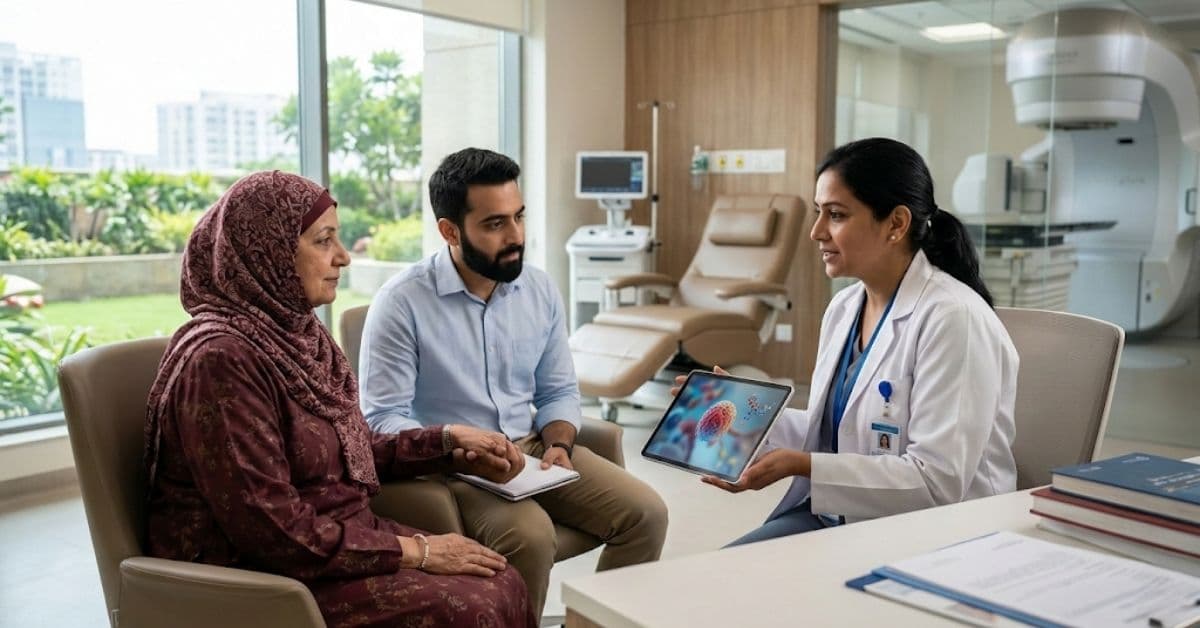
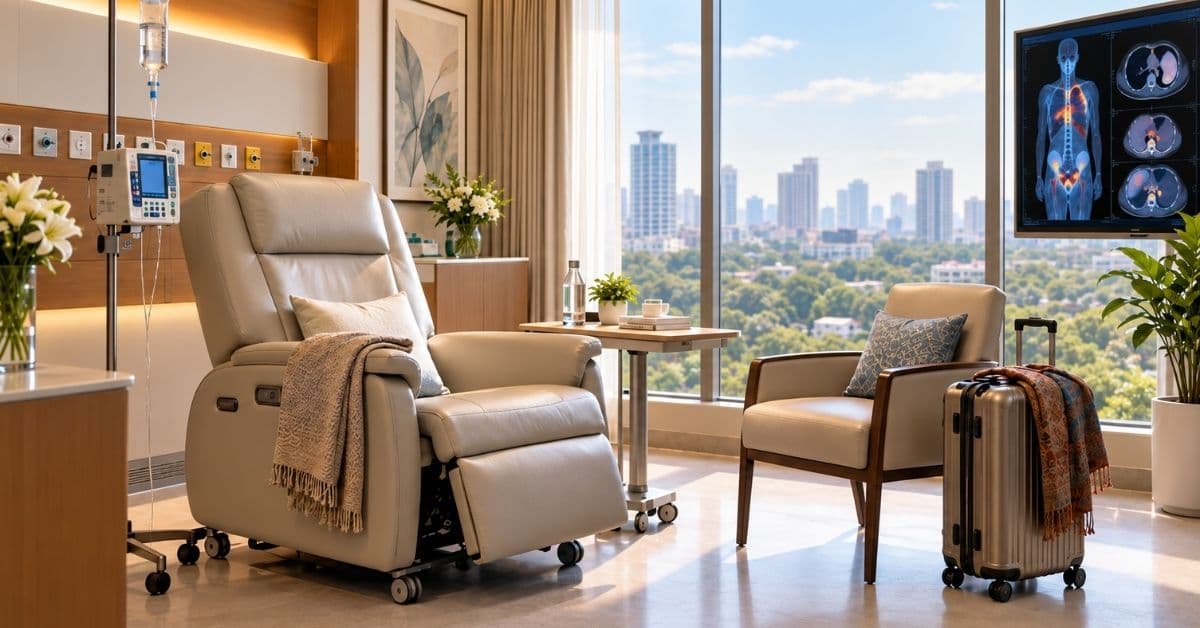
Ensuring comfort during your cancer treatment stay in India extends beyond medical care to your daily living arrangements. India offers a wide range of accommodation options near hospitals, from budget-friendly guesthouses to serviced apartments and hotels, catering to various preferences and budgets. Many hospitals have tie-ups with nearby accommodations or offer on-campus guest facilities. When it comes to food, India is incredibly diverse. Hospitals often provide patient-specific dietary meals, and outside, you'll find a plethora of restaurants. For patients from regions like the Middle East or Africa, finding culturally familiar food, including halal options, is generally straightforward, especially in major cities. Many establishments cater to international tastes, and vegetarian options are widely available. For patients travelling from African nations, understanding specific cultural nuances and support systems can make a significant difference. You can find tailored information for patients from Africa (https://www.vrhhealthcare.com/regions/africa) to help with your planning. Similarly, families from the Middle East often appreciate specific dietary options and cultural considerations. Resources are available to assist patients from the Middle East (https://www.vrhhealthcare.com/regions/middle-east) in navigating their stay. We encourage you to discuss your dietary needs and cultural preferences with your patient coordinator, who can guide you to suitable options and ensure your comfort throughout your stay.
Interpreter and Family Support
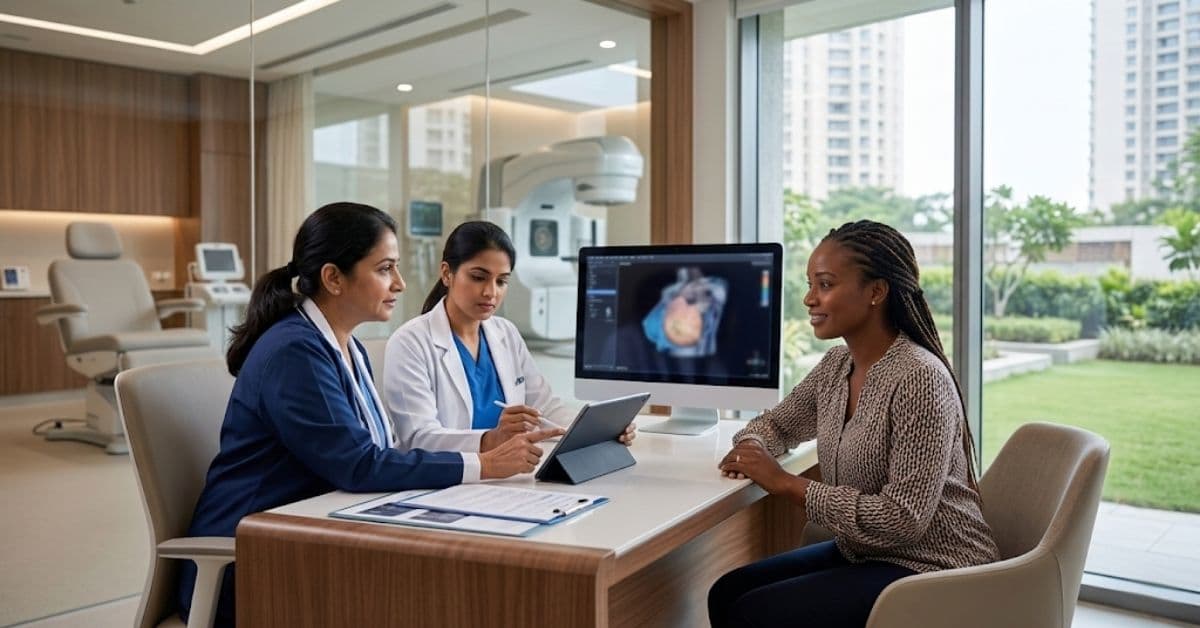
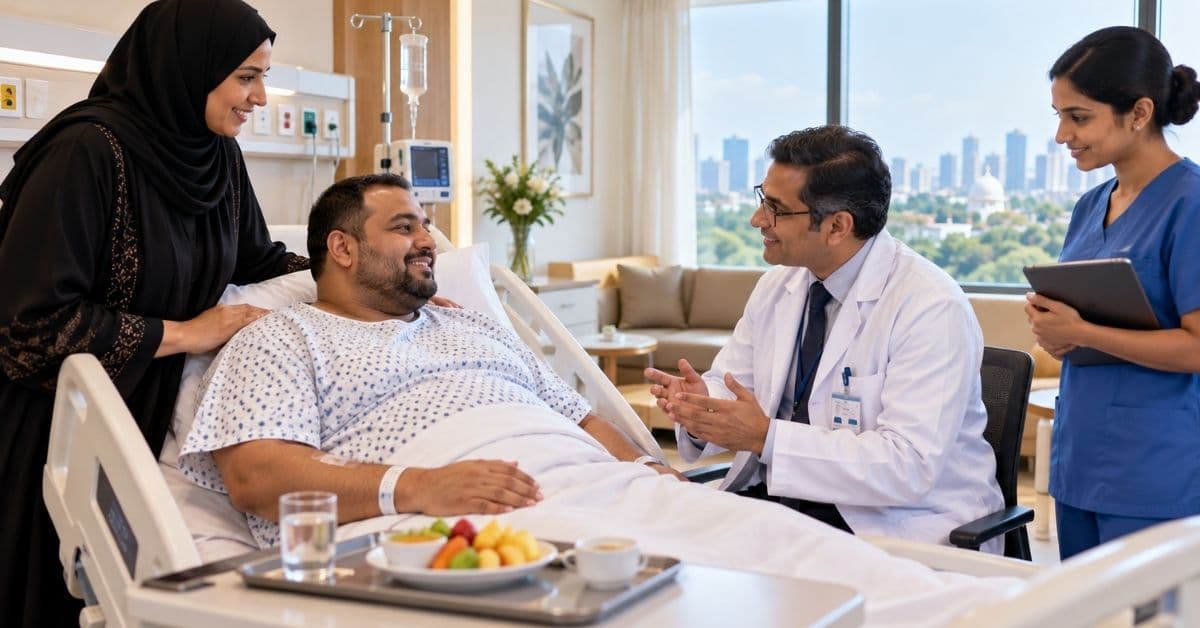
Navigating a new country and a complex medical journey is significantly eased with robust support systems. Language barriers can be a major concern, but most leading hospitals in India provide professional interpreter services for a wide array of languages, ensuring clear communication between you, your family, and the medical team. These interpreters are often available for consultations, during treatment, and for general assistance. Furthermore, the presence of family is invaluable for emotional well-being. Hospitals understand this and often facilitate family stay arrangements, whether through dedicated guest houses, nearby serviced apartments, or by allowing a family member to stay with the patient in the hospital room, depending on the facility and patient's condition. Beyond logistical support, many hospitals offer counselling services or connect patients with support groups, providing a safe space to process emotions and share experiences. Your patient coordinator will be instrumental in arranging these services, ensuring you and your loved ones feel supported every step of the way during your cancer treatment stay in India.
Aftercare, Tele-Follow-Up, and Coordination With Your Local Doctor
The care journey doesn't end when you leave India. A crucial part of your cancer treatment stay in India involves planning for comprehensive aftercare. Before your departure, your medical team will provide a detailed discharge summary, including your diagnosis, treatment received, medications, and a clear follow-up plan. This plan often includes recommendations for ongoing medication, lifestyle adjustments, and a schedule for future check-ups. Many Indian hospitals offer tele-follow-up consultations, allowing you to connect with your treating specialists remotely from your home country. This ensures continuity of care and provides an opportunity to discuss any concerns or progress. It is also vital to coordinate with your local doctor or oncologist back home. Sharing your detailed medical records and the follow-up plan from your Indian specialists will enable your local healthcare provider to seamlessly continue your care, monitor your recovery, and manage any ongoing needs. This collaborative approach ensures you receive holistic and uninterrupted support.
- Detailed discharge summary and follow-up plan
- Prescription for ongoing medications
- Tele-follow-up consultations with Indian specialists
- Coordination with your local doctor/oncologist
- Guidance on lifestyle adjustments and rehabilitation
Conclusion
Undertaking a cancer treatment stay in India is a significant decision, but the logistical challenges are entirely manageable with the right guidance and support. From the moment you consider treatment to your return home and beyond, a dedicated team is there to assist you and your family. You are not alone in this journey; every step is carefully planned and supported to ensure your focus remains on healing and recovery. At VRH Healthcare, we understand the complexities involved and are committed to making your experience as smooth and comfortable as possible.
Get in touch and we'll help you plan every step of your treatment journey in India.