Planning Cochlear Implant Surgery in India: Your Comprehensive Travel and Rehabilitation Guide
Travelling abroad for medical treatment, especially for a life-changing procedure like a cochlear implant, can feel like a daunting undertaking for both patients and their families. The thought of navigating a new country, different customs, and complex medical procedures can be overwhelming. This comprehensive guide aims to demystify the process, covering every logistical step from initial consultation and visa applications to accommodation, cultural considerations, and crucial post-operative rehabilitation, ensuring you feel prepared and supported throughout your journey.
Overview of the Journey: Consult to Follow-Up
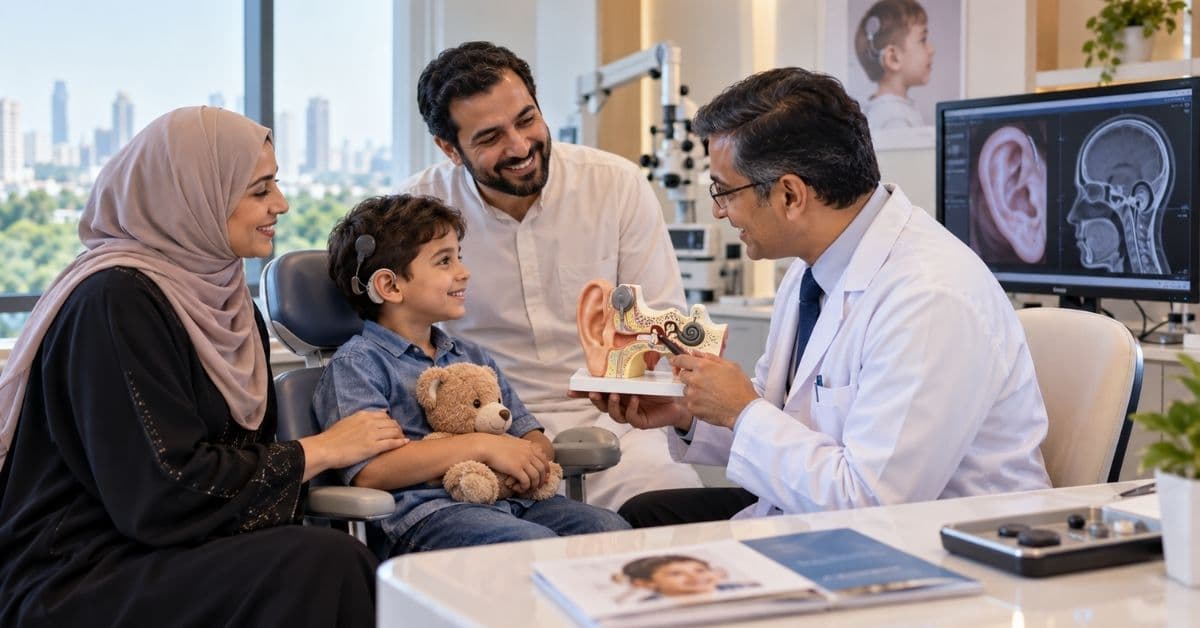
The decision to pursue a cochlear implant is a significant one, often following a long journey with hearing loss. When considering treatment in India, the process typically begins with an initial remote consultation. You'll share your medical records, audiograms, and imaging scans with a specialist team. This allows the doctors to assess your suitability for the implant and provide a preliminary treatment plan and estimated costs. Once you decide to proceed, the next step involves securing your medical visa and making travel arrangements. Upon arrival in India, you'll undergo a thorough in-person evaluation, including detailed audiological tests and imaging, to confirm the diagnosis and finalise the surgical plan. The surgery itself is a delicate procedure performed by highly skilled ENT surgeons. Following a brief hospital stay for recovery, you'll enter a crucial post-operative phase. This includes the "switch-on" of the implant, where the external processor is activated, and the beginning of auditory rehabilitation. This rehabilitation is vital for learning to interpret the new sounds. Before returning home, a final check-up ensures everything is progressing well, and a clear plan for ongoing rehabilitation and follow-up is established. For more detailed information on the medical aspects of ENT care, including cochlear implants, you can explore resources on ENT treatment in India (https://www.vrhhealthcare.com/specialities/ent-treatment-in-india).
- Initial Remote Consultation & Medical Record Review
- Medical Visa Application & Travel Planning
- Arrival in India & Pre-operative Evaluations
- Cochlear Implant Surgery
- Hospital Recovery & Discharge
- Implant Switch-On & Initial Programming
- Auditory Rehabilitation & Follow-up Appointments
- Return Home with Aftercare Plan
Documents and Medical Visa Basics
Navigating the paperwork for international medical travel can seem complex, but with proper guidance, it's manageable. For most international patients seeking medical treatment in India, a specific Medical Visa (M-Visa) is required. This visa is typically issued to patients and can also include a Medical Attendant Visa (MX-Visa) for one or two accompanying family members. The application process usually involves submitting your passport, recent photographs, a visa application form, and crucially, a letter from the Indian hospital confirming your admission for treatment. This letter will detail the nature of your illness, the proposed treatment, and the expected duration of your stay. You may also need letters from your local doctor, proof of financial means to cover your treatment and stay, and return flight tickets. It is paramount to consult the official website of the Indian High Commission or Embassy in your home country for the most up-to-date and accurate visa requirements, as these can vary based on nationality and are subject to change. Starting this process well in advance of your planned travel date is always advisable.
- Valid Passport
- Medical Visa (M-Visa) Application Form
- Medical Attendant Visa (MX-Visa) for accompanying family
- Letter from Indian Hospital (confirming admission and treatment)
- Letters from Local Doctor (referral/medical history)
- Recent Passport-sized Photographs
- Proof of Financial Means
- Return Flight Tickets
Typical Length of Stay by Treatment Stage
Understanding the expected duration of your stay in India is crucial for planning your travel and personal commitments. While individual cases can vary, a typical timeline for cochlear implant surgery and initial rehabilitation can be broken down into several stages. The pre-operative evaluation phase, including all necessary tests and consultations, usually takes about 3-5 days. The surgery itself is a single-day procedure, followed by a hospital stay of approximately 3-5 days for immediate post-operative recovery and monitoring. After discharge, you'll need to remain in India for the crucial "switch-on" of the implant, which typically occurs 2-4 weeks post-surgery, allowing the surgical site to heal. Following the switch-on, an intensive period of initial auditory rehabilitation and programming adjustments is required, which can last another 1-2 weeks. Therefore, a total stay of approximately 4-6 weeks is generally recommended to ensure adequate healing, initial device programming, and foundational rehabilitation before you return home. This allows sufficient time for the medical team to monitor your progress and for you to begin adapting to your new hearing.
- Pre-operative Evaluations & Consultations: 3-5 days
- Cochlear Implant Surgery: 1 day
- Hospital Stay (Post-surgery): 3-5 days
- Post-operative Healing Period (before switch-on): 2-4 weeks
- Implant Switch-On & Initial Programming: 1-2 days
- Initial Auditory Rehabilitation & Follow-ups: 1-2 weeks
- Total Recommended Stay: 4-6 weeks
Accommodation, Food, and Cultural Comfort
Ensuring comfort and familiarity during your stay is paramount for a smooth recovery. India offers a wide range of accommodation options to suit various preferences and budgets, from international hotel chains to serviced apartments and guesthouses, many located conveniently close to major hospitals. When choosing accommodation, consider proximity to the hospital for ease of follow-up appointments and rehabilitation sessions. Many medical tourism facilitators can assist in finding suitable lodging that caters to specific needs, such as accessibility or family-friendly amenities. Dietary considerations are also important. Indian cuisine is incredibly diverse, and most hospitals and surrounding areas offer a variety of food choices, including international menus. For patients from regions like Africa (https://www.vrhhealthcare.com/regions/africa) or the Middle East (https://www.vrhhealthcare.com/regions/middle-east), finding culturally familiar food, such as halal options or specific vegetarian dishes, is generally straightforward in larger cities. Many restaurants and hospital cafeterias are accustomed to catering to diverse international palates. Culturally, India is known for its warmth and hospitality. While there might be differences in customs, most medical staff and service providers are well-versed in assisting international patients and are sensitive to diverse cultural backgrounds. Embracing the experience with an open mind can enrich your journey, and remember that assistance is always available if you have specific cultural or religious needs.
Interpreter and Family Support
Communication is key, especially in a medical setting. While many doctors and medical staff in India are proficient in English, having access to an interpreter can significantly enhance clarity and reduce anxiety, particularly for complex medical discussions or during rehabilitation sessions. Most leading hospitals provide professional interpreter services for a wide range of languages, ensuring that you and your family fully understand every aspect of your treatment and aftercare. It's advisable to confirm language support availability during your initial consultation. The presence of family members offers invaluable emotional support during a medical journey abroad. Indian hospitals are generally very accommodating of accompanying family members. Many facilities offer dedicated waiting areas, and some even have provisions for family to stay overnight with the patient, particularly in private rooms. Beyond the hospital, the availability of medical attendant visas ensures that your loved ones can stay with you throughout your recovery and rehabilitation period. This family-centric approach helps create a supportive environment, allowing patients to focus on their healing while their family provides comfort and practical assistance. Emotional support services, often integrated into the patient care coordinator's role, are also available to help families navigate the emotional aspects of the journey.
Aftercare, Tele-Follow-Up, and Coordination With Your Local Doctor
The journey with a cochlear implant extends far beyond the surgery itself; effective aftercare and ongoing rehabilitation are crucial for optimal outcomes. Before you return home, your medical team in India will provide a comprehensive aftercare plan. This plan will detail your rehabilitation schedule, including auditory verbal therapy, device maintenance, and a schedule for future programming adjustments. Many hospitals offer tele-follow-up consultations, allowing you to connect with your Indian specialists remotely for check-ups, programming adjustments, and to address any concerns that may arise once you are back in your home country. This ensures continuity of care and ongoing support. Crucially, coordination with your local ENT specialist and audiologist back home is highly encouraged. Your Indian medical team will provide detailed medical reports, surgical notes, and rehabilitation progress summaries to facilitate a smooth handover of your care. This collaborative approach ensures that your local healthcare providers are fully informed and can seamlessly continue your long-term rehabilitation and follow-up care, making your transition back home as smooth as possible. This integrated approach underscores the commitment to your long-term hearing health and successful adaptation to your cochlear implant.
- Comprehensive Aftercare Plan
- Auditory Verbal Therapy Schedule
- Device Maintenance Guidance
- Tele-Follow-Up Consultations
- Detailed Medical Reports for Local Doctors
- Coordination with Local ENT Specialist and Audiologist
Conclusion
Embarking on a medical journey for a cochlear implant in India is a significant decision, but it doesn't have to be an overwhelming one. With careful planning and the right support system, the logistical aspects of travel, accommodation, and post-operative care are entirely manageable. Remember, you are not alone in this process; dedicated teams are available to guide you and your family through every step, ensuring a comfortable and successful experience. The focus remains on your well-being and achieving the best possible hearing outcomes.
Get in touch and we'll help you plan every step of your cochlear implant treatment journey in India.