Bringing Your Child to India for Pediatric Surgery: A Complete Travel Checklist
Considering medical treatment abroad for your child can feel like a monumental undertaking, filled with questions about logistics, cultural differences, and the journey itself. This comprehensive guide is designed to ease your concerns, offering a practical pediatric surgery travel checklist for India. We'll walk you through every step, from initial consultation to returning home, ensuring you and your family feel prepared and supported throughout this important journey.
Overview of the Journey: Consult to Follow-Up
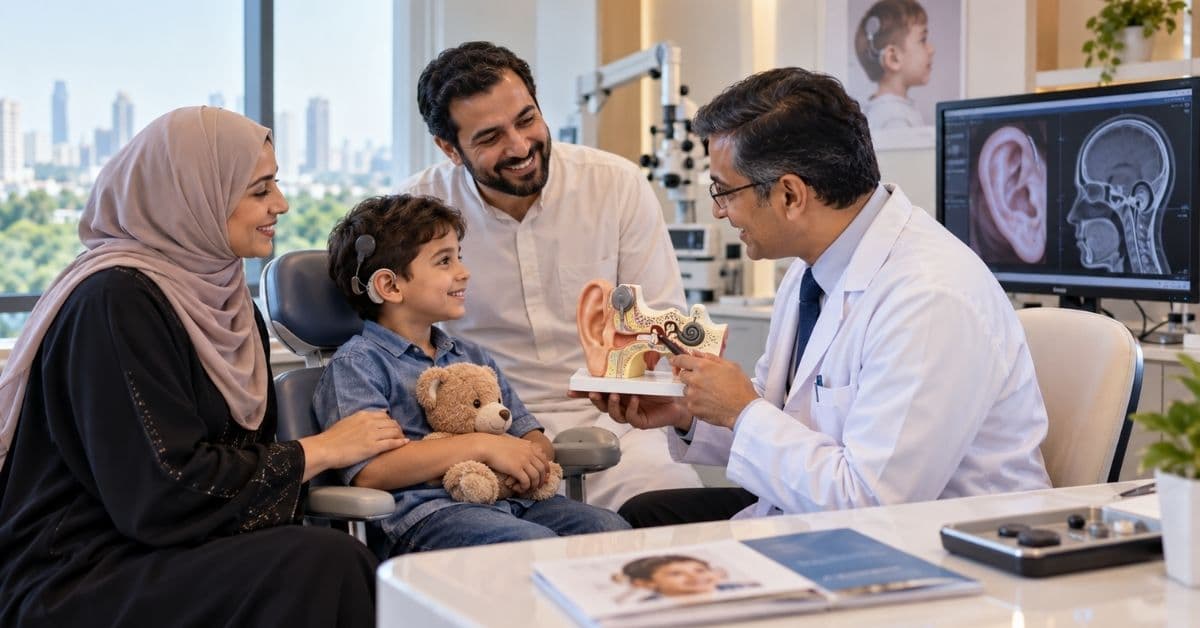
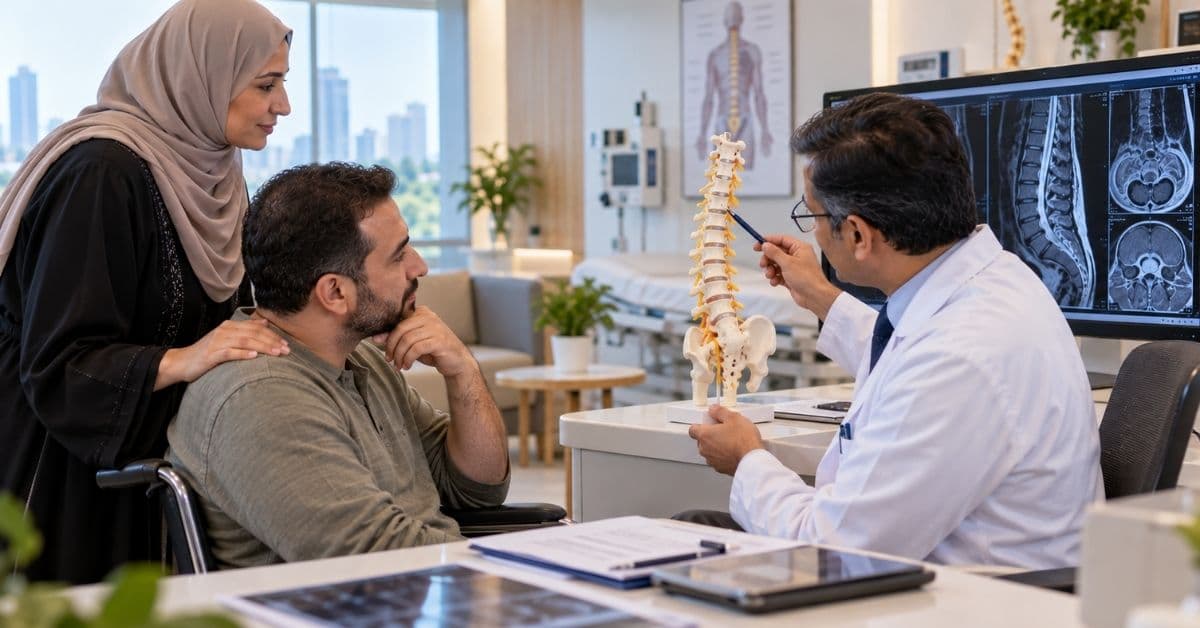
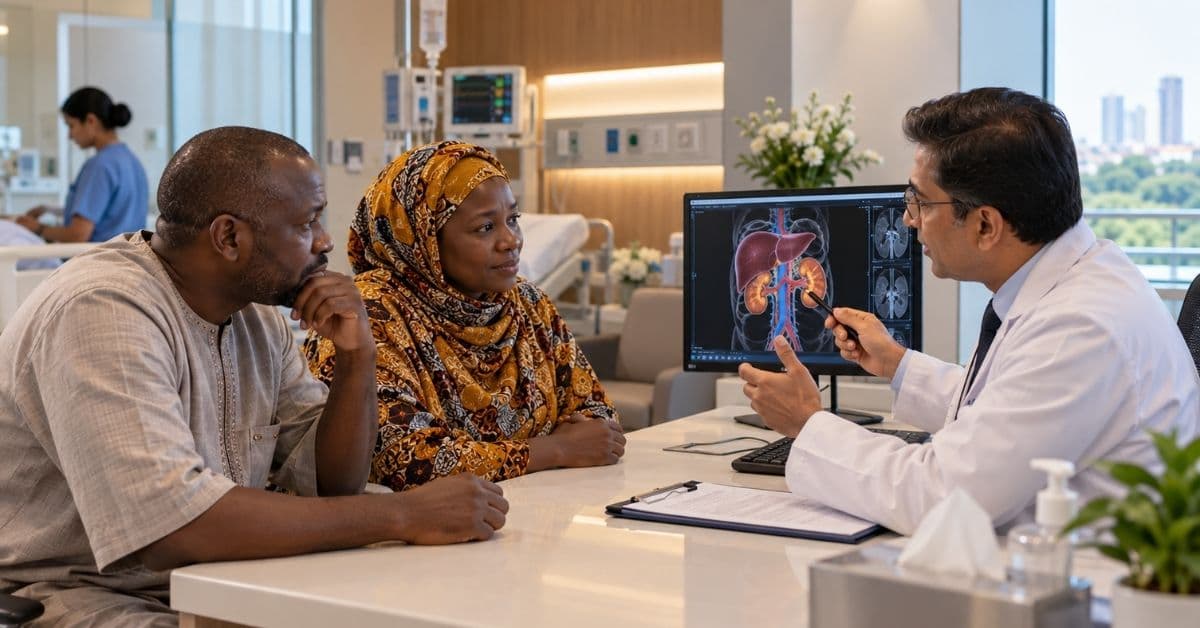
Embarking on a medical journey for your child in a new country begins long before you board a flight. The process typically starts with an initial remote consultation, often via telemedicine, where you share your child's medical reports and history with a specialist team in India. This allows the doctors to assess the case, propose a treatment plan, and provide an estimated cost. Once a plan is agreed upon, the hospital will issue an invitation letter, crucial for your visa application. Upon arrival in India, your child will undergo thorough pre-operative assessments, including diagnostic tests and consultations with the surgical team, anaesthesiologists, and other specialists. This ensures everyone is fully prepared for the procedure. Following successful surgery and a period of hospital recovery, your child will transition to outpatient care, requiring a local stay for follow-up appointments and monitoring before being cleared to travel home. For a deeper understanding of the comprehensive care available for children, you might explore the range of pediatrics treatment in India (https://www.vrhhealthcare.com/specialities/pediatrics-treatment-in-india). The journey concludes with a detailed discharge plan and arrangements for post-operative follow-up, often including teleconsultations with your Indian medical team.
- Initial remote consultation and treatment plan
- Medical visa application with hospital invitation
- Arrival in India and pre-operative assessments
- Pediatric surgery and hospital recovery
- Outpatient follow-up and local recovery
- Return home with a comprehensive aftercare plan
Documents and Medical Visa Basics
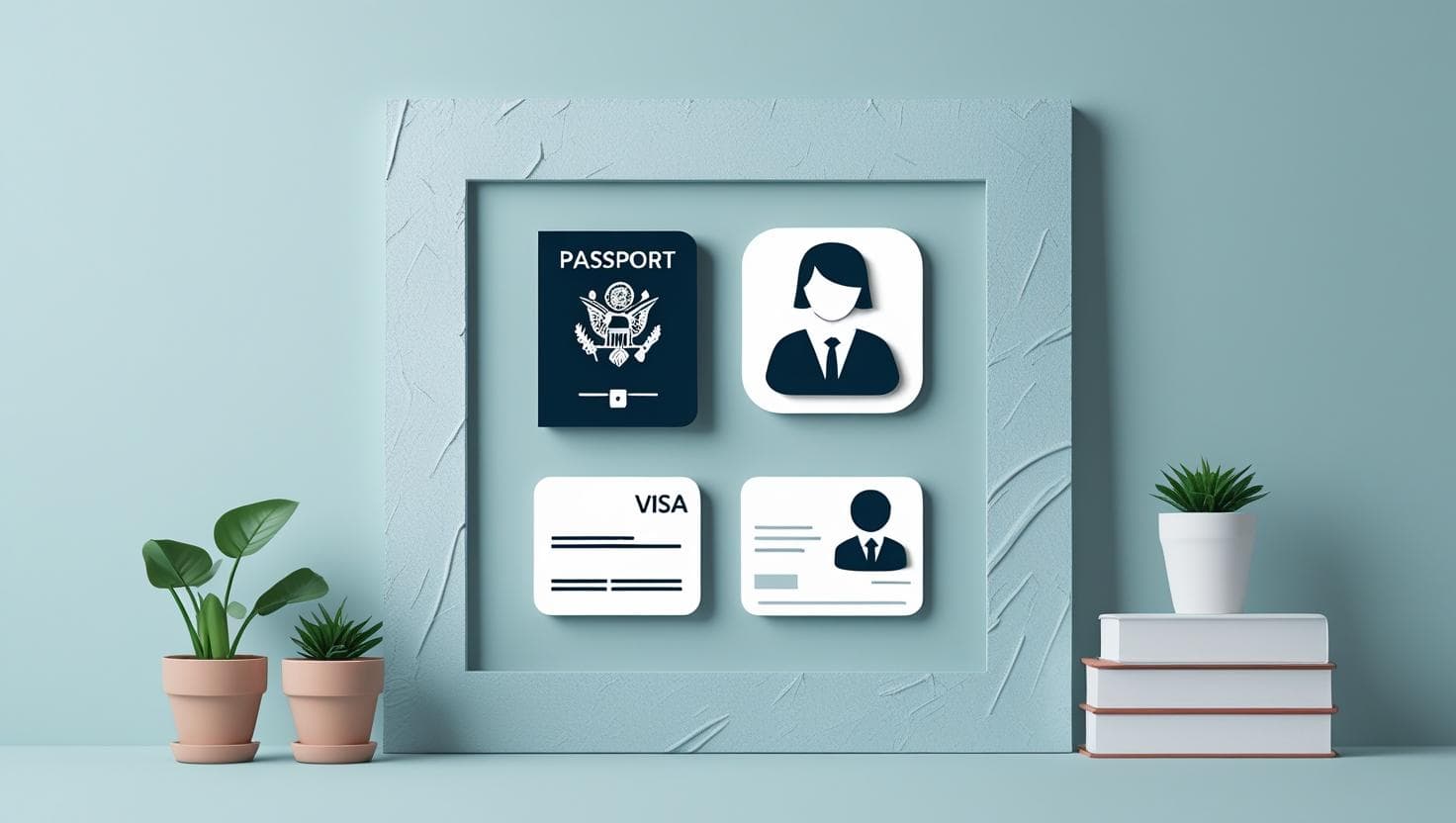
Navigating the documentation for international medical travel requires careful attention. For pediatric surgery in India, both the child (as the primary patient) and at least one accompanying parent or guardian (as a medical attendant) will require valid passports with sufficient validity (typically six months beyond your intended stay). The most critical document is the medical visa, which is specifically designed for individuals seeking treatment. To apply for a medical visa, you will generally need: a formal invitation letter from the Indian hospital outlining the child's condition and proposed treatment; comprehensive medical reports from your local doctors; proof of financial means to cover treatment and stay; and passport-sized photographs. It is vital to consult the official website of the Indian Embassy or High Commission in your home country for the most current and precise visa requirements, as rules can vary by nationality and are subject to change. Always allow ample time for the visa application process.
- Valid passports for child and accompanying adults
- Medical visa application form
- Official invitation letter from the Indian hospital
- Detailed medical reports and history
- Proof of financial capability for treatment and stay
- Passport-sized photographs
- Yellow Fever vaccination certificate (if travelling from an endemic region)
Typical Length of Stay by Treatment Stage
Understanding the expected duration of your stay in India is crucial for planning. The total time can vary significantly based on the complexity of the pediatric surgery and the child's recovery progress. However, a general breakdown can help you prepare: * **Pre-operative Assessments:** Typically 3-5 days. This period allows for thorough diagnostic tests, consultations, and final preparations before surgery. * **Surgery and Hospital Stay:** This is highly variable, ranging from 5 days for simpler procedures to 2-3 weeks or more for complex surgeries requiring intensive post-operative care. * **Local Recovery and Outpatient Follow-up:** After discharge from the hospital, a further 1-3 weeks (or sometimes longer) is often recommended for local recovery. During this time, your child will attend follow-up appointments, have dressings changed, and be monitored for any complications before being deemed fit for international travel. Therefore, families should generally anticipate a total stay of approximately 3 to 6 weeks in India, though this can be shorter or longer depending on individual circumstances and the specific medical needs of the child.
- Pre-operative assessments: 3-5 days
- Surgery and hospital stay: 5 days to 3 weeks (variable)
- Local recovery and outpatient follow-up: 1-3 weeks (or more)
- Total estimated stay: 3-6 weeks
Accommodation, Food, and Cultural Comfort
Ensuring your child and family are comfortable during your stay is paramount. India offers a wide range of accommodation options near major hospitals, from budget-friendly guesthouses and serviced apartments to international hotels. Many hospitals also have dedicated guest houses or can assist in arranging suitable lodging that caters to international patients. Dietary needs are often a significant consideration. Indian hospitals and surrounding areas are generally well-equipped to provide diverse food options, including vegetarian, vegan, and halal meals. Many establishments understand the need for specific child-friendly diets and can accommodate requests. Families travelling from the Middle East (https://www.vrhhealthcare.com/regions/middle-east) often find familiar cultural touchpoints and support services, including prayer facilities and culturally sensitive staff. Similarly, patients and families from Africa (https://www.vrhhealthcare.com/regions/africa) are welcomed with understanding and provisions for their specific needs, ensuring a sense of familiarity and comfort during a challenging time. It's always advisable to communicate any specific dietary or cultural requirements to the hospital's international patient services team in advance.
Interpreter and Family Support
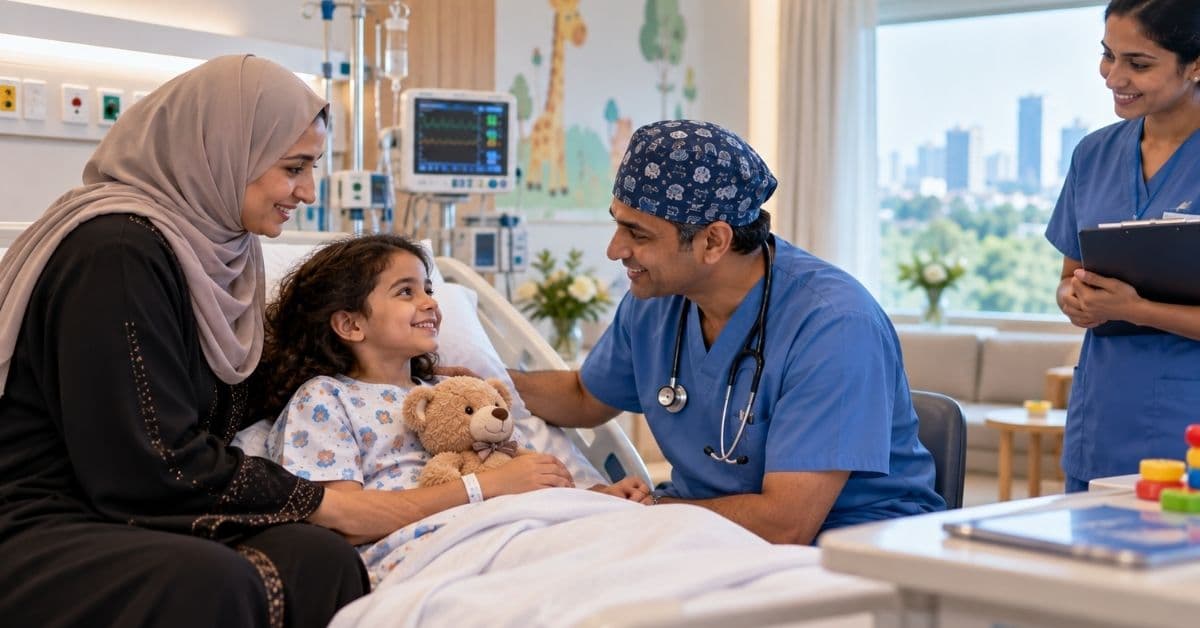
Language barriers can add stress to an already challenging situation, especially when discussing your child's health. Reputable Indian hospitals understand this and provide professional medical interpreters for various languages, ensuring clear communication between your family and the medical team. This service is crucial for understanding diagnoses, treatment plans, and post-operative instructions. Beyond language, emotional support for both the child and accompanying family members is vital. Many hospitals offer dedicated international patient support teams who act as a single point of contact, assisting with everything from airport transfers to local errands. They can help arrange family accommodation, often with options for one parent to stay with the child in the hospital room. Child-friendly environments, including play areas and dedicated paediatric nurses, are designed to make the hospital experience less daunting for young patients. Knowing you have a support system in place can significantly alleviate the emotional burden of seeking treatment abroad.
Aftercare, Tele-Follow-Up, and Coordination With Your Local Doctor
The care for your child doesn't end when you leave India. A robust aftercare plan is a cornerstone of successful international medical treatment. Before your departure, the medical team will provide a comprehensive discharge summary, including detailed instructions for medication, wound care, and any necessary physical therapy or rehabilitation. You will also receive all relevant medical reports, imaging scans, and test results. Many Indian hospitals offer tele-follow-up consultations, allowing you to connect with your child's surgeon or specialist from your home country. This ensures continuity of care and provides an opportunity to address any concerns that may arise post-return. Crucially, the Indian medical team will facilitate coordination with your local paediatrician or family doctor. They can share all necessary medical records and communicate directly with your home country's healthcare providers, ensuring a seamless transition of care and ongoing support for your child's recovery.
- Comprehensive discharge summary and medication plan
- Access to all medical reports and imaging
- Telemedicine consultations for post-return follow-up
- Coordination with your local paediatrician
- Ongoing support from the Indian medical team
Conclusion
Bringing your child to India for pediatric surgery is a significant decision, but with careful planning and the right support, the logistical challenges are entirely manageable. India's healthcare system is well-equipped to welcome international patients, offering not just advanced medical care but also comprehensive support services for families. You do not have to navigate this journey alone; dedicated teams are ready to assist you every step of the way, ensuring your focus remains on your child's health and recovery.
Get in touch with our international patient services team, and we'll help you plan every step of your child's treatment journey in India.