Brain Surgery Travel India: A Comprehensive Guide for International Patients
Embarking on a journey for brain surgery in a foreign country can feel like a monumental undertaking, filled with questions and uncertainties. For international patients and their families considering India for advanced neurological care, the prospect of navigating a new healthcare system, culture, and travel logistics can be daunting. This comprehensive guide is designed to ease those concerns, offering a clear, step-by-step roadmap through every aspect of your medical journey. From initial consultations to post-operative care and returning home, we aim to provide the practical information and emotional reassurance you need to make informed decisions and prepare confidently for your treatment in India.
Overview of the Journey: Consult to Follow-Up
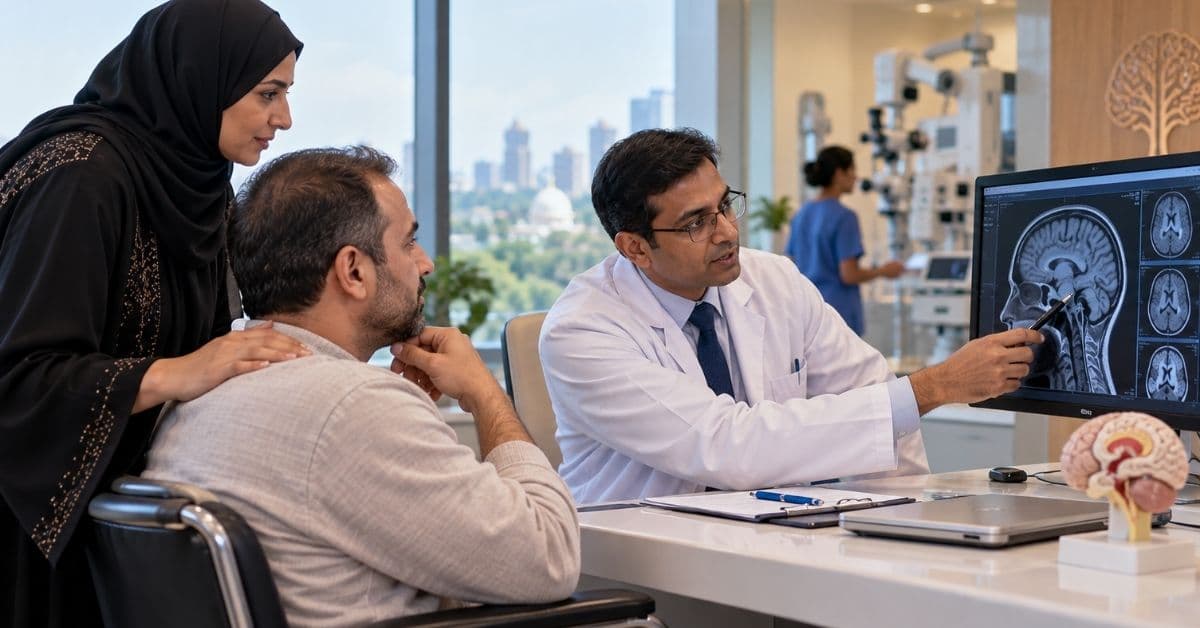
The decision to seek brain surgery abroad is significant, and understanding the entire process can bring immense peace of mind. Your journey typically begins with an initial remote consultation. You'll share your medical reports, scans, and diagnosis with a specialist team in India. This allows the neurologists and neurosurgeons to review your case thoroughly, determine the most appropriate course of action, and provide a preliminary treatment plan and estimated costs. This initial phase is crucial for establishing trust and clarity, ensuring all your questions are answered before you even consider travelling. Once a treatment plan is agreed upon, the next step involves preparing for your travel to India. This includes securing your medical visa, arranging flights, and planning accommodation. Upon arrival, you'll undergo a series of in-person diagnostic tests and consultations to confirm the diagnosis and finalise the surgical plan. This pre-operative phase is meticulous, ensuring every detail is considered for your safety and the best possible outcome. The surgery itself is followed by a critical period of hospital recovery, where you'll receive intensive post-operative care. After discharge from the hospital, a period of local recovery and rehabilitation is often recommended before you are cleared to travel back home. Throughout this entire process, from your first enquiry to your return, a dedicated patient support team will be on hand to assist with medical coordination, logistical arrangements, and personal support. For those considering specialised neurological care, you can learn more about neurology treatment in India (https://www.vrhhealthcare.com/specialities/neurology-treatment-in-india) and the range of services offered, which can help you understand the expertise available.
- Initial remote consultation and treatment plan review
- Travel preparation: visa, flights, accommodation
- On-arrival diagnostics and pre-operative consultations
- Brain surgery and hospital recovery
- Post-discharge local recovery and rehabilitation
- Return home and ongoing aftercare coordination
Documents and Medical Visa Basics
Navigating the administrative requirements for international medical travel can seem complex, but with proper guidance, it's a straightforward process. The most critical document for your medical journey to India will be your medical visa. This special visa category is specifically designed for patients seeking treatment and often allows for an accompanying attendant, typically a family member. It is crucial to remember that visa requirements can vary based on your country of origin and can change periodically. We strongly advise consulting the official website of the Indian Embassy or Consulate in your home country for the most up-to-date and specific requirements. They are the definitive source for all visa-related information and application procedures.
- Valid passport with at least six months validity
- Completed online visa application form
- Recent passport-sized photographs
- Letter from a recognised Indian hospital detailing treatment and duration
- Proof of financial means to cover treatment and stay
- Letters from your local doctor recommending treatment abroad (if applicable)
Typical Length of Stay by Treatment Stage
Understanding the expected duration of your stay in India is vital for planning your travel, accommodation, and time away from home. The total length of stay for brain surgery can vary significantly depending on the complexity of the procedure, the patient's recovery progress, and any required rehabilitation. However, a general breakdown can help you prepare: After being discharged from the hospital, it is generally recommended that patients remain in India for a period of outpatient recovery. This allows for regular follow-up appointments, wound care, medication adjustments, and potentially initial rehabilitation therapy. This phase is crucial for ensuring stable recovery before long-haul travel. Combining these stages, international patients should typically plan for a total stay of approximately four to seven weeks in India. This timeframe allows for thorough treatment, adequate recovery, and necessary follow-up care before returning home. In some complex cases, or if extensive rehabilitation is needed, this period might be longer.
- Pre-operative Consultations and Diagnostics: 3-7 days
- Hospital Stay for Surgery: 7-14 days (including ICU and ward recovery)
- Post-discharge Local Recovery and Rehabilitation: 2-4 weeks
- Total Estimated Stay: 4-7 weeks
Accommodation, Food, and Cultural Comfort
Ensuring comfort and familiarity during your medical journey is paramount, especially when recovering from a significant procedure like brain surgery. India offers a wide range of accommodation options to suit various preferences and budgets, from serviced apartments and guesthouses to hotels, many of which are located conveniently close to major hospitals. Many medical tourism facilitators can assist in booking suitable lodging that caters to your specific needs, including accessibility features if required. When it comes to food, India's culinary landscape is incredibly diverse. Hospitals typically offer a variety of meal options, often including international cuisine and specific dietary provisions. Outside the hospital, you'll find numerous restaurants and cafes. For patients with specific dietary requirements, such as halal, vegetarian, vegan, or gluten-free, these options are widely available, particularly in metropolitan areas. Many establishments are accustomed to catering to international visitors, and hospital support staff can often guide you to suitable choices. Culturally, India is a vibrant nation with a rich heritage. While the experience will be new, many hospitals and support services are well-versed in assisting international patients from diverse regions, including the Middle East, Africa, and other parts of Asia and Europe. You'll find a welcoming environment, and people are generally respectful and helpful. Being open to new experiences while having your comfort needs met can make your stay more pleasant. Many areas have communities that cater to specific cultural preferences, offering a sense of familiarity away from home.
Interpreter and Family Support
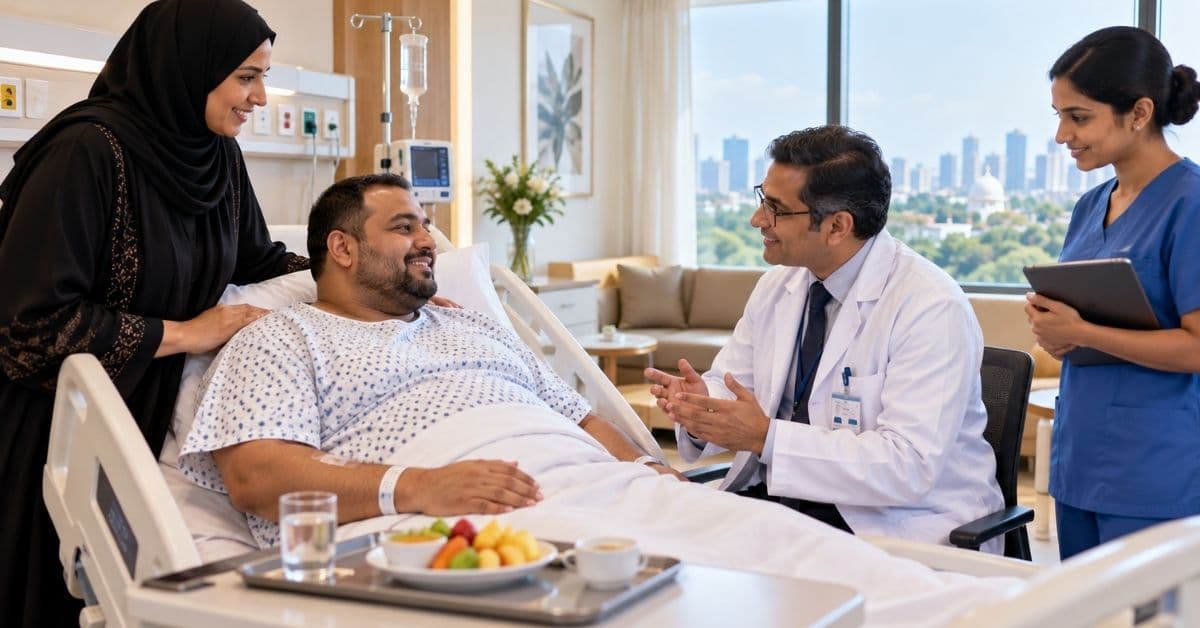
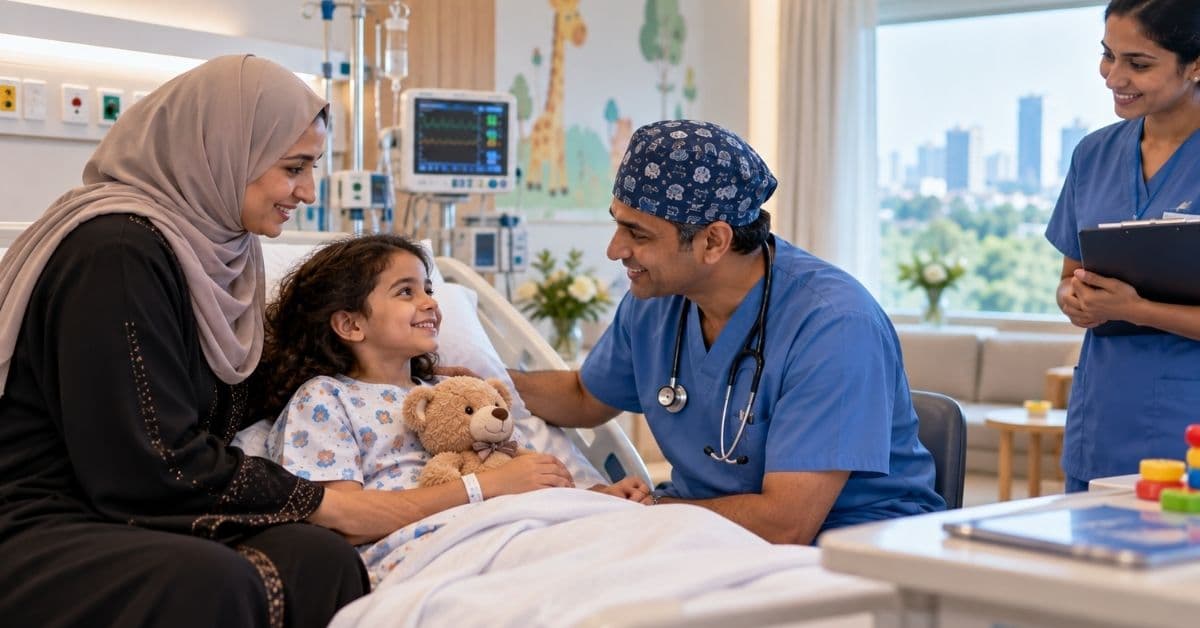
Undergoing brain surgery is a profound experience, and having clear communication and strong family support can make a significant difference. Language barriers can be a source of anxiety, but in India, particularly in medical settings catering to international patients, this is well-addressed. Most major hospitals employ professional medical interpreters who are fluent in various international languages, including Arabic, French, Russian, and many others, in addition to English, which is widely spoken by medical professionals. These interpreters ensure that you fully understand your diagnosis, treatment plan, and post-operative instructions, and can effectively communicate your concerns to your medical team. The presence of family is often invaluable for emotional support and practical assistance. Indian medical facilities are generally very accommodating of family members. Many hospitals have dedicated waiting areas, and some even offer guest rooms or nearby accommodation options for accompanying attendants. It's common for one family member to stay with the patient in the hospital room, especially during the initial recovery phase. This close proximity allows family to provide comfort, assist with non-medical needs, and stay directly informed about the patient's progress. Beyond the immediate family, patient support services often extend to helping families navigate local logistics, from transportation to finding specific amenities, ensuring that both the patient and their caregivers feel supported throughout their stay.
Aftercare, Tele-Follow-Up, and Coordination With Your Local Doctor
Your medical journey doesn't end when you leave India; comprehensive aftercare is a crucial component of successful brain surgery. Before your departure, your medical team in India will provide you with a detailed discharge summary, including specific instructions for medication, wound care, activity restrictions, and any necessary rehabilitation exercises. You will also receive a schedule for follow-up appointments. Modern healthcare technology allows for seamless continuity of care even after you return home. Tele-follow-up consultations are a common and effective way to stay connected with your Indian medical team. These virtual appointments, conducted via video call, enable your doctors to monitor your recovery progress, address any concerns, and adjust medication as needed, without the need for you to travel back to India. Furthermore, effective coordination with your local doctor back home is highly encouraged. Your Indian medical team will provide all relevant medical records, test results, and treatment summaries that you can share with your primary care physician or local neurologist. This ensures that your local healthcare providers are fully informed about your surgery and can seamlessly take over your ongoing care, including long-term follow-up and any further rehabilitation. This collaborative approach ensures a holistic and continuous care pathway, giving you peace of mind that your health is being managed comprehensively.
- Detailed discharge summary and aftercare instructions
- Tele-follow-up consultations with your Indian medical team
- Provision of all medical records for your local doctor
- Seamless coordination for ongoing care and rehabilitation
Conclusion
Embarking on brain surgery travel to India is a significant decision, but it doesn't have to be an overwhelming one. With careful planning, comprehensive support, and a clear understanding of the journey ahead, the logistics become manageable. India's advanced medical infrastructure, coupled with a compassionate approach to patient care, ensures that you and your family will not navigate this path alone. From the moment you consider treatment to your safe return home, dedicated teams are in place to guide you, offering both medical expertise and practical assistance. We understand the courage it takes to seek care abroad, and we are here to support every step of your healing journey.
Get in touch and we'll help you plan every step of your treatment journey in India.