Guidance on Selecting the Right Orthopedic Implants and Prosthetics in India: A Comprehensive Guide for International Patients – 2026
Orthopedic implants and prosthetics play a transformative role in restoring mobility and improving the quality of life for countless individuals worldwide. India has emerged as a global leader in orthopedic care, offering state-of-the-art medical technology and highly skilled surgeons. For international patients considering these life-changing procedures, India presents an unparalleled combination of advanced medical expertise, significant cost-effectiveness, and a compassionate approach to patient care, ensuring a holistic healing journey. This guide aims to demystify the selection process, empowering you with the knowledge to make informed decisions about your orthopedic treatment.
What are Orthopedic Implants and Prosthetics?
Orthopedic implants are sophisticated medical devices surgically placed inside the body to replace or support damaged bones or joints. These can range from joint replacements (like knees and hips) to plates, screws, and rods used to stabilize fractures or correct spinal deformities. Their primary purpose is to alleviate pain, restore function, and improve the overall quality of life for patients suffering from conditions like arthritis, trauma, or congenital defects. Prosthetics, on the other hand, are artificial limbs or body parts designed to replace those that are missing due to injury, disease, or congenital conditions. Modern prosthetics are highly advanced, offering not just cosmetic restoration but also significant functional capabilities, allowing individuals to regain independence and participate in daily activities. Both implants and prosthetics are meticulously engineered to integrate with the human body, providing durable and effective solutions.
Understanding Orthopedic Implants: Types and Applications
Orthopedic implants come in various forms, each designed for specific anatomical locations and medical needs. The choice of implant depends heavily on the patient's condition, age, activity level, and the surgeon's recommendation.
Joint Replacement Implants (Knee, Hip, Shoulder)
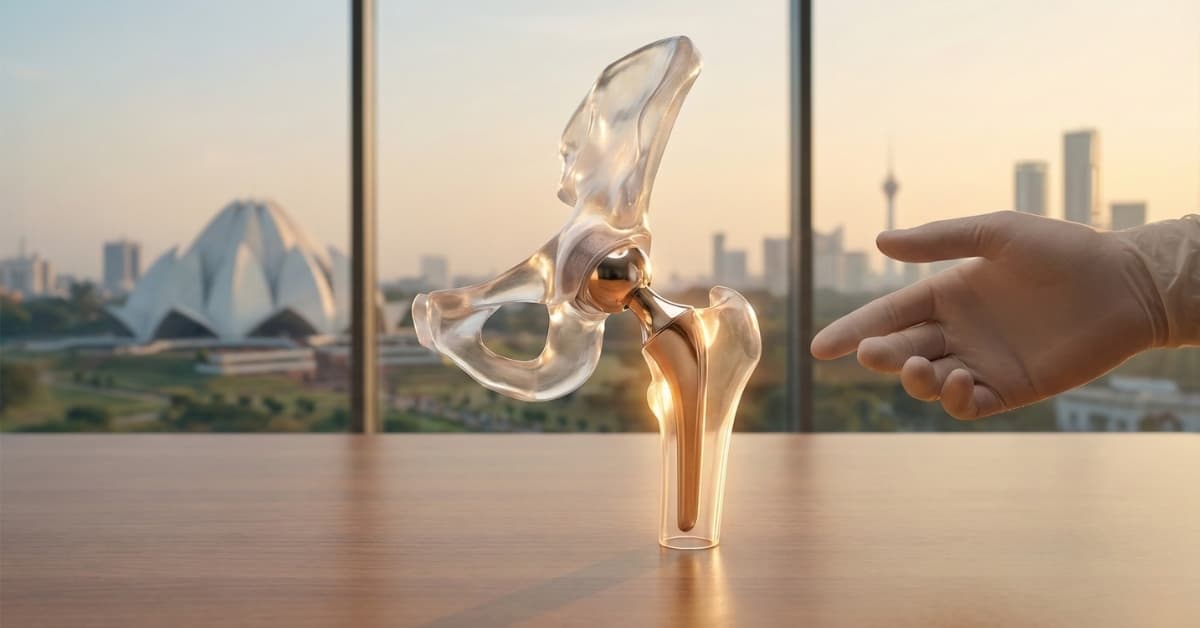
These are among the most common implants, used to replace damaged joint surfaces. Materials often include biocompatible alloys like cobalt-chrome or titanium, ceramics, and advanced polymers like ultra-high molecular weight polyethylene (UHMWPE) for bearing surfaces. Modern designs aim for longevity and natural movement.
- Longevity: Many modern joint implants are designed to last 15-20 years or more.
- Material Innovation: Continuous advancements in materials reduce wear and improve integration.
- Success Rate: Total knee and hip replacements boast success rates often exceeding 95% in restoring function and reducing pain.
Trauma Implants (Plates, Screws, Rods)
Used to stabilize fractures and promote healing, these implants are crucial in orthopedic trauma surgery. They hold bone fragments in place, allowing them to mend correctly. Materials are typically stainless steel or titanium, chosen for their strength and biocompatibility.
- Fracture Stabilization: Essential for complex fractures, ensuring proper alignment.
- Early Mobilization: Allows for earlier movement, aiding recovery.
- Minimally Invasive Options: Many trauma surgeries now utilize minimally invasive techniques for implant insertion.
Spinal Implants (Rods, Cages, Screws)
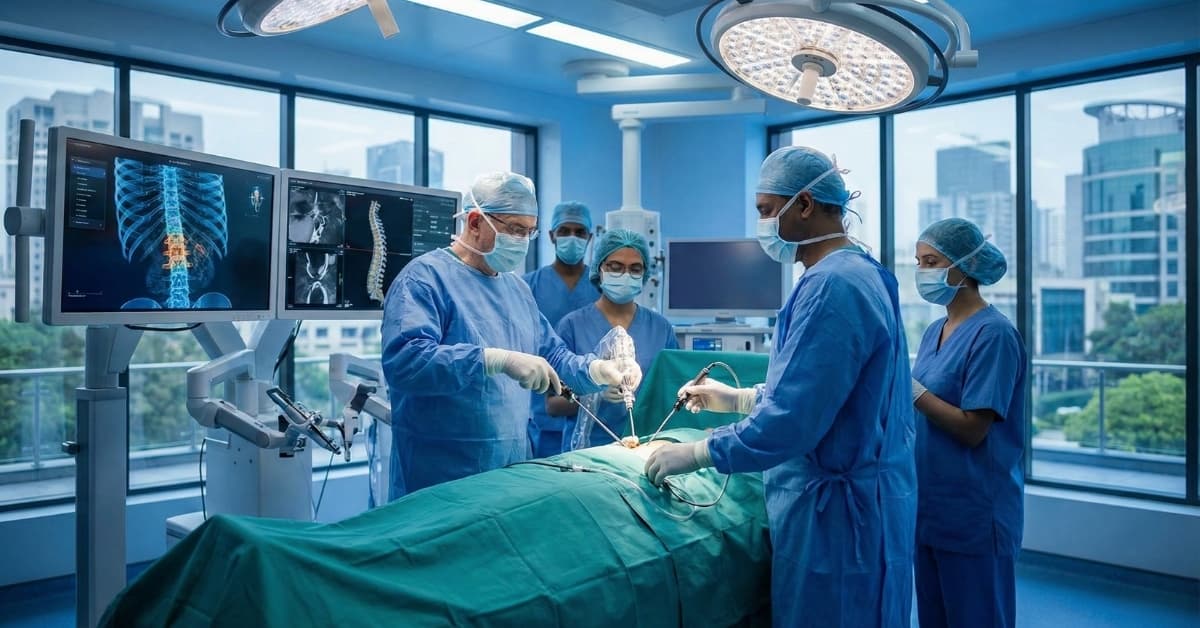
These implants are used in spinal fusion surgeries to stabilize the spine, correct deformities, or decompress nerves. They can be made from titanium, PEEK (polyether ether ketone), or a combination of materials, designed to promote bone growth and maintain spinal alignment.
- Spinal Stability: Provides crucial support for conditions like scoliosis or degenerative disc disease.
- Fusion Promotion: Cages often contain bone graft material to encourage vertebrae to fuse.
- Pain Relief: Effective in reducing chronic back and neck pain by stabilizing affected segments.
Exploring Prosthetics: Restoring Form and Function
Prosthetics are custom-designed to replace missing limbs, ranging from highly functional devices to cosmetic solutions. The selection process involves careful consideration of the patient's needs, activity level, and aesthetic preferences.
Upper Limb Prosthetics
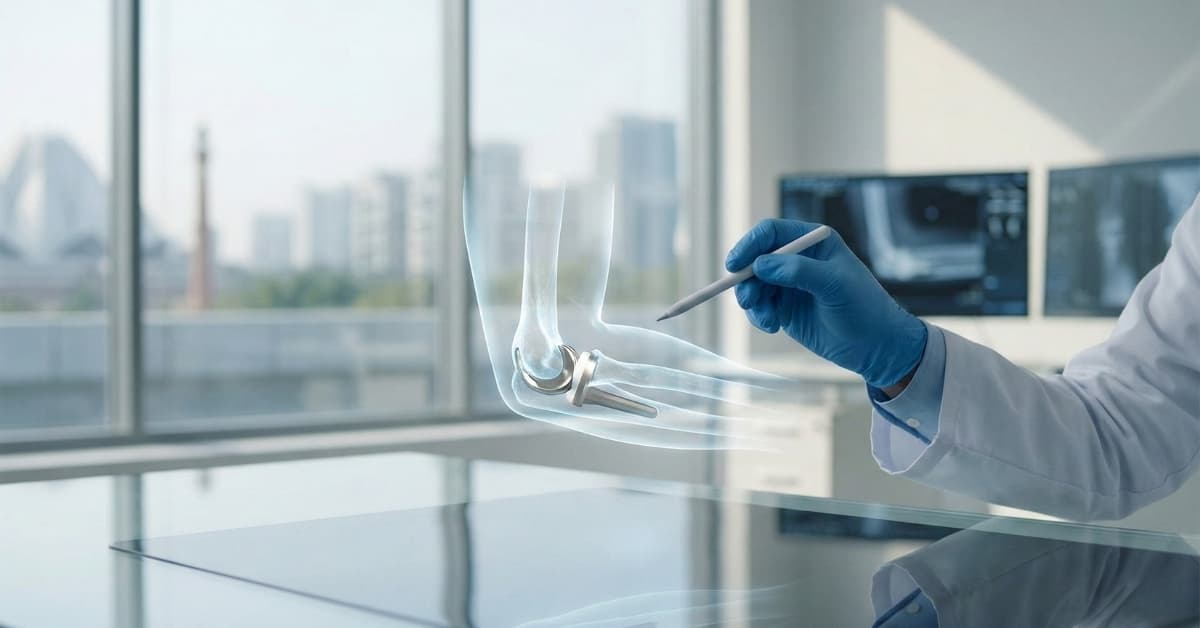
These can range from purely cosmetic hands to highly advanced myoelectric (bionic) arms that respond to muscle signals, offering remarkable dexterity and grip. Body-powered prosthetics use cables and harnesses for movement.
- Cosmetic: Designed to look natural, restoring appearance.
- Body-Powered: Functional, using residual limb movement.
- Myoelectric/Bionic: Advanced, offering precise control and multiple grip patterns.
Lower Limb Prosthetics
These are designed for walking, running, and other activities. They include devices for above-knee (transfemoral) and below-knee (transtibial) amputations, often incorporating advanced knee joints and foot components for natural gait and energy return.
- Mobility Restoration: Enables walking, standing, and various activities.
- Advanced Components: Microprocessor knees and energy-storing feet enhance function.
- Custom Fit: Crucial for comfort, stability, and preventing skin issues.
Key Factors Influencing Implant and Prosthetic Selection
Choosing the right orthopedic device is a highly personalized process. Several critical factors must be carefully evaluated to ensure the best possible outcome for the patient.
Advanced Materials and Technologies in Orthopedic Devices
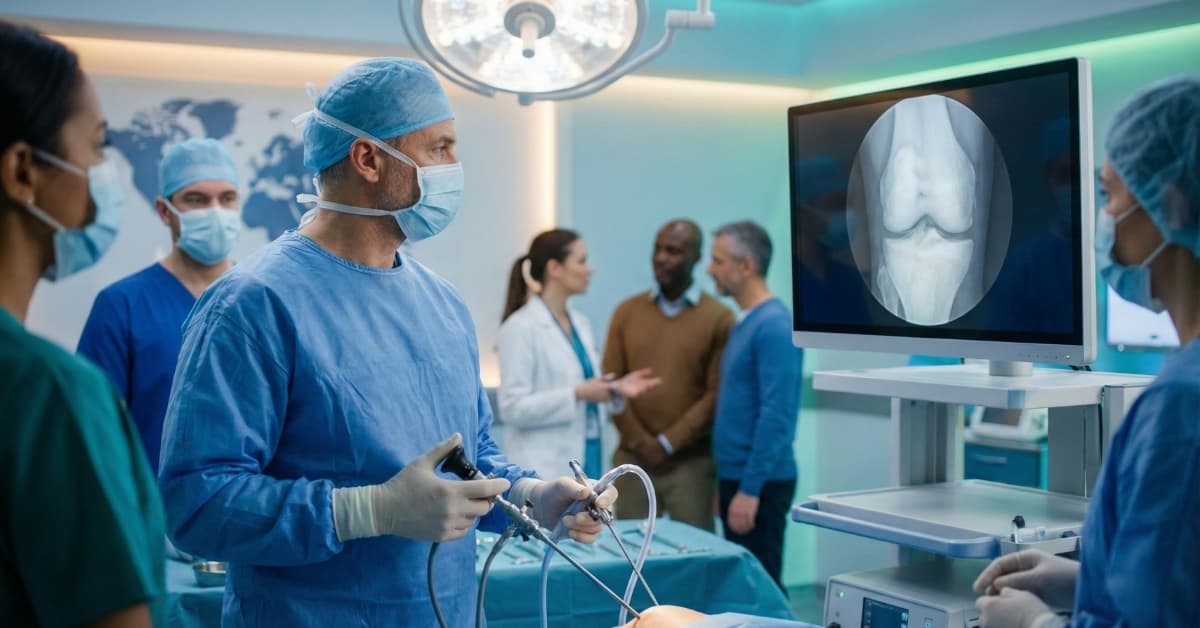
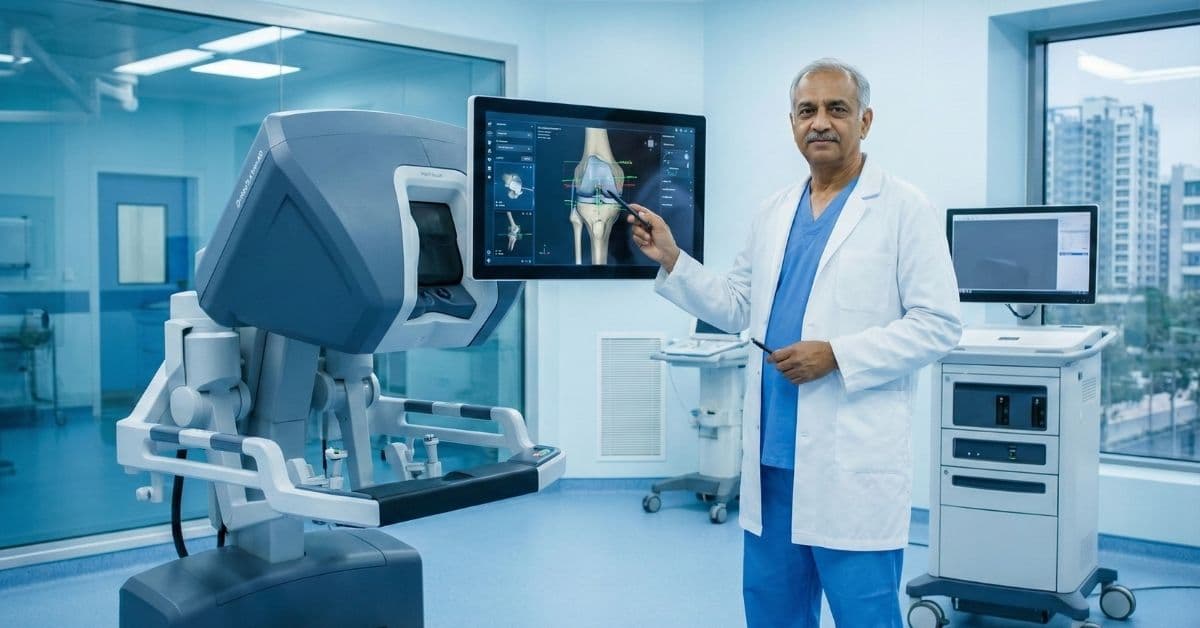
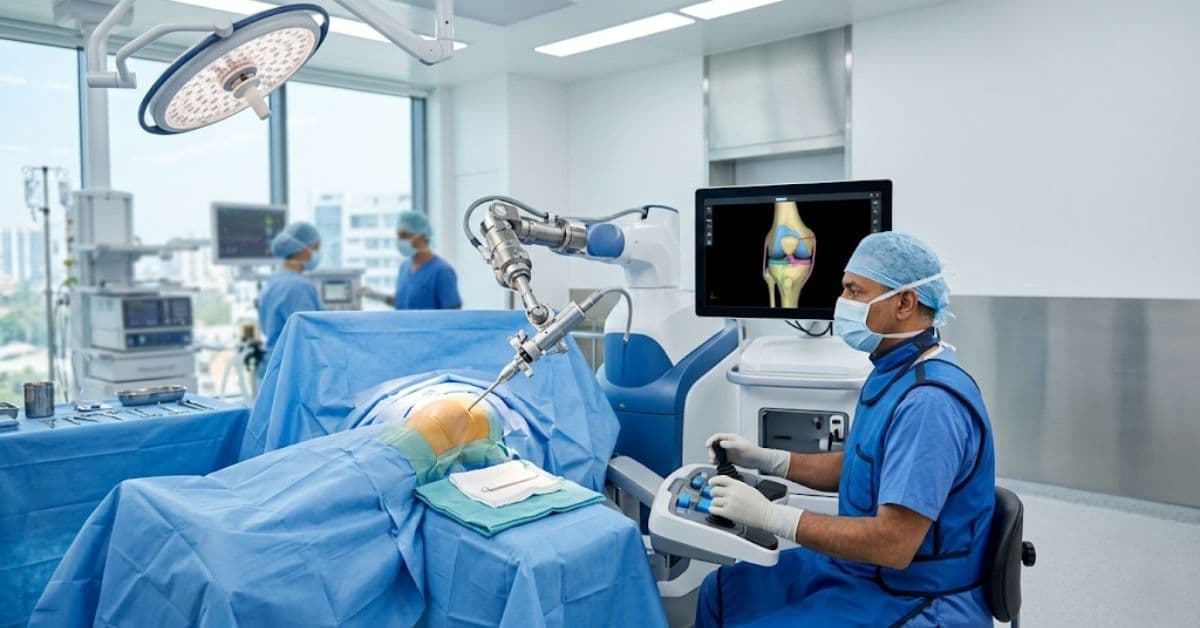
India's leading orthopedic centers utilize cutting-edge materials and technologies to enhance the performance and longevity of implants and prosthetics. These innovations contribute significantly to improved patient outcomes. Biocompatible Alloys: Titanium and cobalt-chrome alloys are widely used for their strength, corrosion resistance, and ability to integrate well with bone. Advanced Polymers like ultra-high molecular weight polyethylene (UHMWPE) are engineered for low-friction bearing surfaces in joint replacements, significantly reducing wear over time. Ceramic components are also employed for their exceptional hardness and smooth surfaces, further minimizing wear in specific joint applications. Beyond materials, 3D printing technology is revolutionizing customization, allowing for patient-specific implants that offer a perfect fit and potentially better long-term results. Furthermore, robotic-assisted surgery is increasingly used for precise implant placement, particularly in knee and hip replacements. This technology enhances accuracy, potentially leading to better alignment, reduced complications, and faster recovery times for patients.
Quality Assurance and Regulatory Standards for Orthopedic Devices in India
International patients can be assured that orthopedic devices used in India adhere to stringent quality and regulatory standards. The Central Drugs Standard Control Organization (CDSCO) is India's primary regulatory body, overseeing the quality and safety of medical devices, including implants and prosthetics. Many leading Indian hospitals and device manufacturers utilize implants and prosthetics that have received international certifications such as FDA (U.S. Food and Drug Administration) approval and CE (Conformité Européenne) marking, indicating compliance with rigorous safety and performance standards in Europe. Furthermore, hospitals in India often hold prestigious accreditations like JCI (Joint Commission International) and NABH (National Accreditation Board for Hospitals & Healthcare Providers), which mandate the use of high-quality, approved medical devices and strict protocols for their handling, sterilization, and traceability. These measures ensure patient safety and optimal clinical outcomes.
Cost of Orthopedic Implants & Prosthetics in India
One of India's most compelling advantages for international patients is the significant cost-effectiveness without compromising on quality. The cost of orthopedic implants and prosthetics, along with the associated procedures, is substantially lower compared to Western countries.
| Procedure/Device Type | Cost in India (USD) | Cost in US/UK (USD) | Savings (%) |
|---|---|---|---|
| Total Knee Replacement (Implant + Surgery) | $4,000 - $8,000 | $30,000 - $60,000 | 75-85% |
| Total Hip Replacement (Implant + Surgery) | $4,500 - $9,000 | $25,000 - $55,000 | 70-80% |
| Basic Prosthetic Limb (e.g., Below-Knee) | $1,500 - $5,000 | $10,000 - $30,000 | 60-80% |
| Spinal Fusion Implants (per level) | $3,000 - $7,000 | $20,000 - $45,000 | 70-85% |
Disclaimer: These are estimated ranges and actual costs can vary significantly based on the specific hospital, surgeon's fees, type of implant/prosthetic chosen, patient's medical condition, length of hospital stay, and additional services required. It's always recommended to obtain a personalized quote.*
Global Trust and Medical Tourism in Indian Orthopedics
India has firmly established itself as a preferred destination for orthopedic medical tourism, attracting a significant inflow of patients from the Middle East, Africa, SAARC nations, and CIS countries. This global trust stems from several key factors: India boasts world-class orthopedic surgeons trained in leading international institutions, supported by advanced medical infrastructure and state-of-the-art technology. The widespread use of English-speaking medical staff ensures clear communication, while a deep understanding of cultural sensitivities provides a comforting environment for diverse international patients. Beyond the medical excellence, India offers comprehensive logistical support, including visa assistance, comfortable accommodation options, and professional interpreters, making the entire medical journey seamless and stress-free for patients and their families.
Patient Education and Shared Decision-Making: Your Role
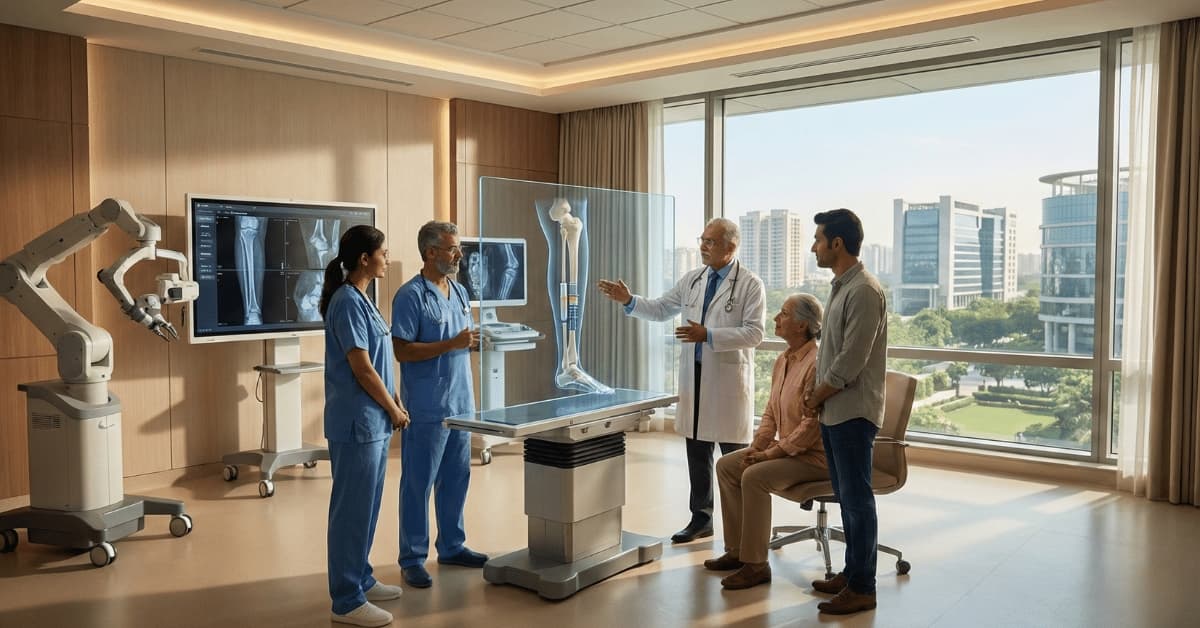
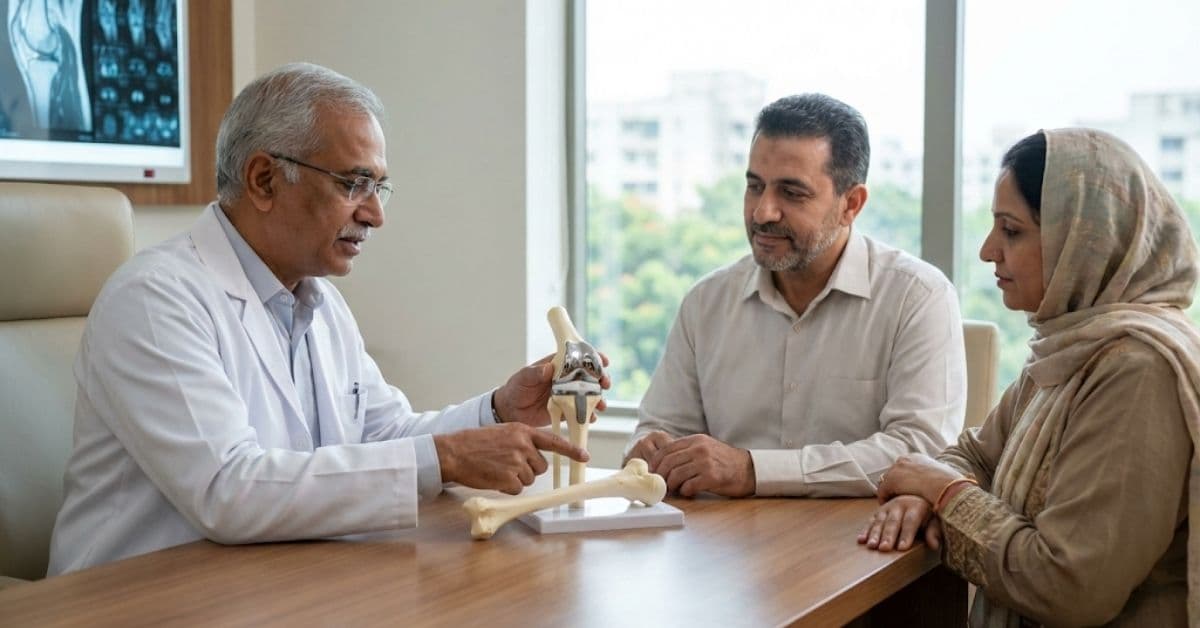
Your active involvement in the decision-making process is crucial for a successful outcome. It's essential to be well-informed and to engage in open dialogue with your orthopedic surgeon. Ask questions: Don't hesitate to inquire about the specific type of implant or prosthetic being recommended, its materials, expected longevity, potential risks, and the recovery process. Understanding the pros and cons of different options is vital. Set realistic expectations about the functional improvements and limitations of your new device. While modern implants and prosthetics offer incredible advancements, they are not always a complete return to pre-injury function. Access reliable information from your medical team and reputable sources to ensure you are making an informed choice that aligns with your personal goals and lifestyle.
Recovery and Rehabilitation: Life with Your New Device
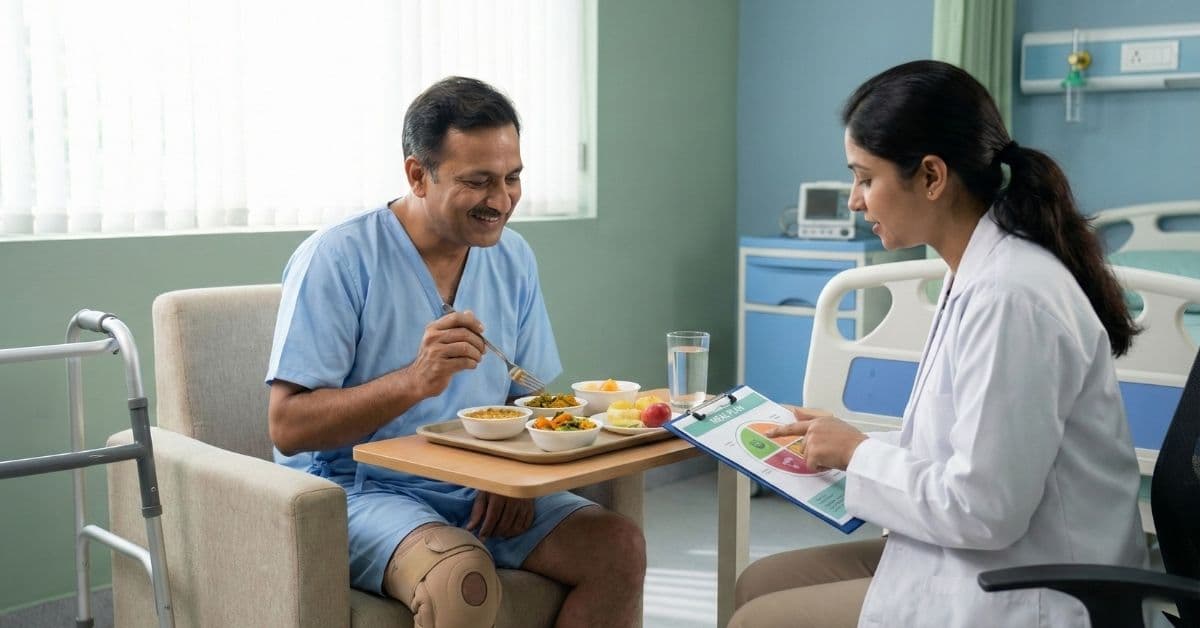
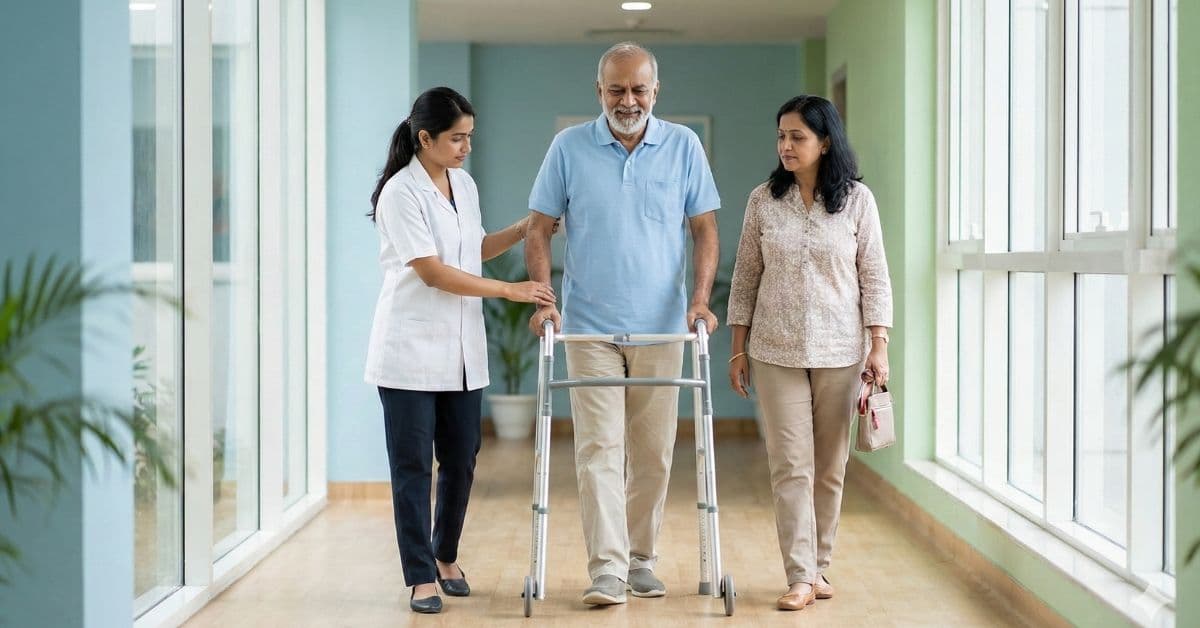
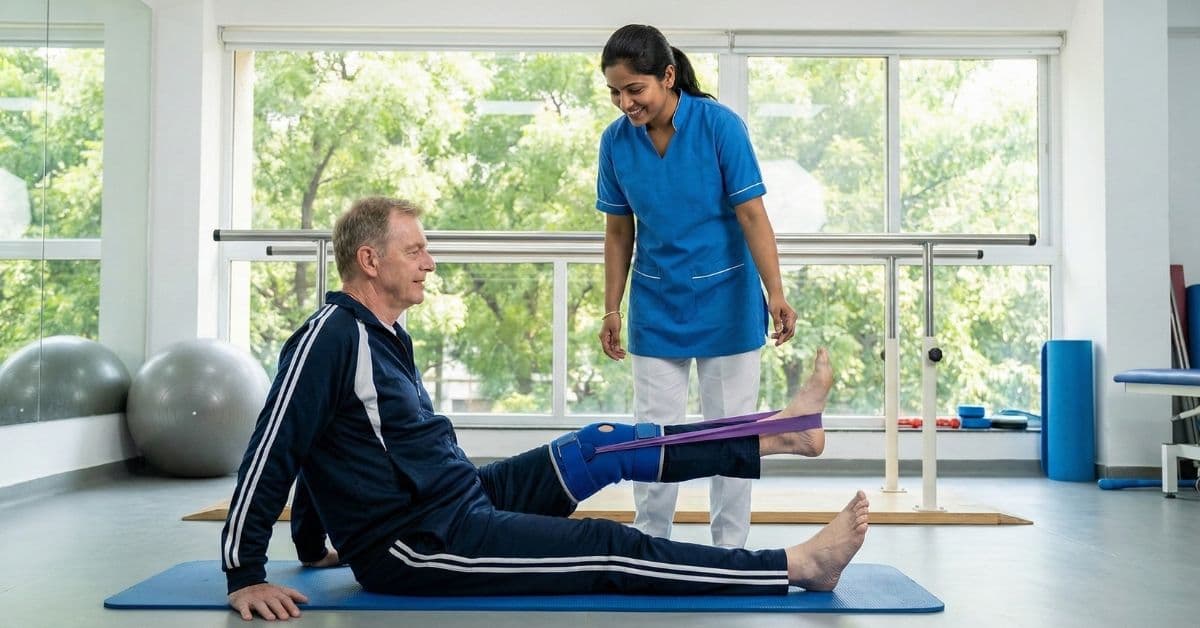
The journey with an orthopedic implant or prosthetic extends beyond the surgery itself. A structured recovery and rehabilitation program is paramount to achieving optimal function and integrating your new device into your daily life.
Medical Tourism Support Services
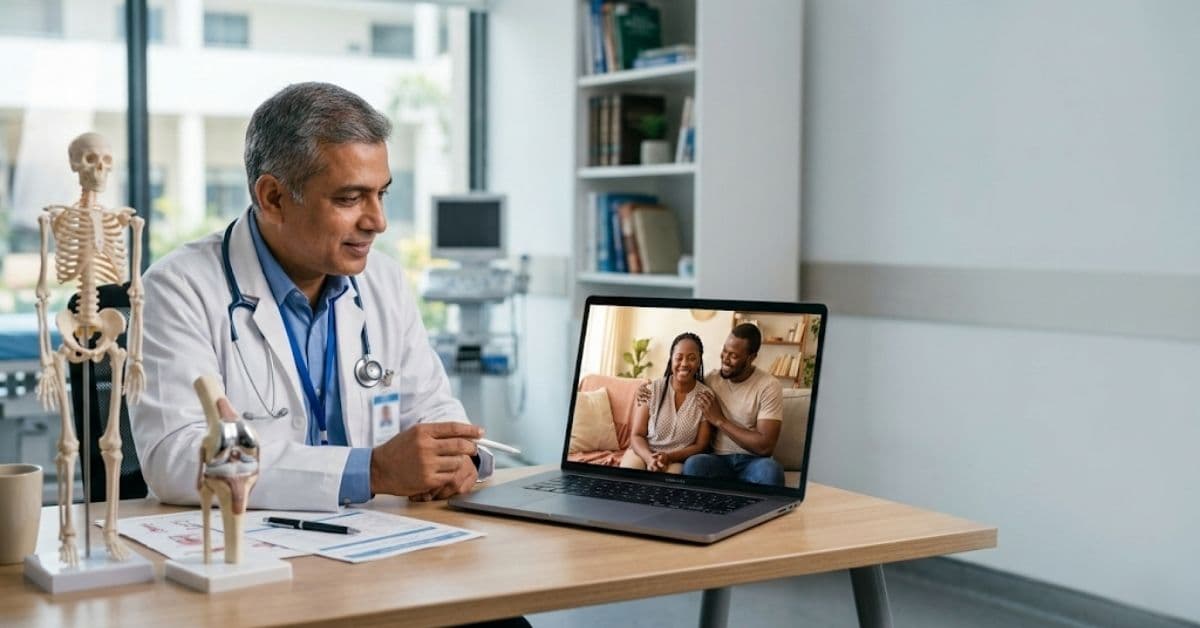
For international patients, navigating medical treatment abroad can seem daunting. However, India's medical tourism facilitators and leading hospitals offer comprehensive support services to ensure a smooth and comfortable experience. These services typically include visa assistance to streamline your entry into India, airport pickup and drop-off, and assistance with accommodation arrangements tailored to your preferences and budget. Dedicated patient coordinators act as your single point of contact, guiding you through every step of your journey. Language interpreters are readily available to bridge communication gaps, ensuring you fully understand your treatment plan and can express your needs. Post-treatment, services often extend to telemedicine consultations for follow-up care and assistance with medication procurement, ensuring continuity of care even after you return home.
Conclusion
Selecting the right orthopedic implant or prosthetic is a pivotal decision that profoundly impacts your future mobility and quality of life. India stands as a beacon of excellence in orthopedic care, offering not just cutting-edge technology and highly skilled specialists, but also a deeply empathetic environment for international patients. By understanding the options, engaging in informed discussions with your medical team, and leveraging the comprehensive support services available, you can embark on your journey to renewed health with confidence and peace of mind. India is ready to welcome you to a world of advanced, affordable, and compassionate orthopedic solutions.
Ready to explore your orthopedic treatment options in India? Contact us today for a personalized consultation and begin your journey towards a more active life.