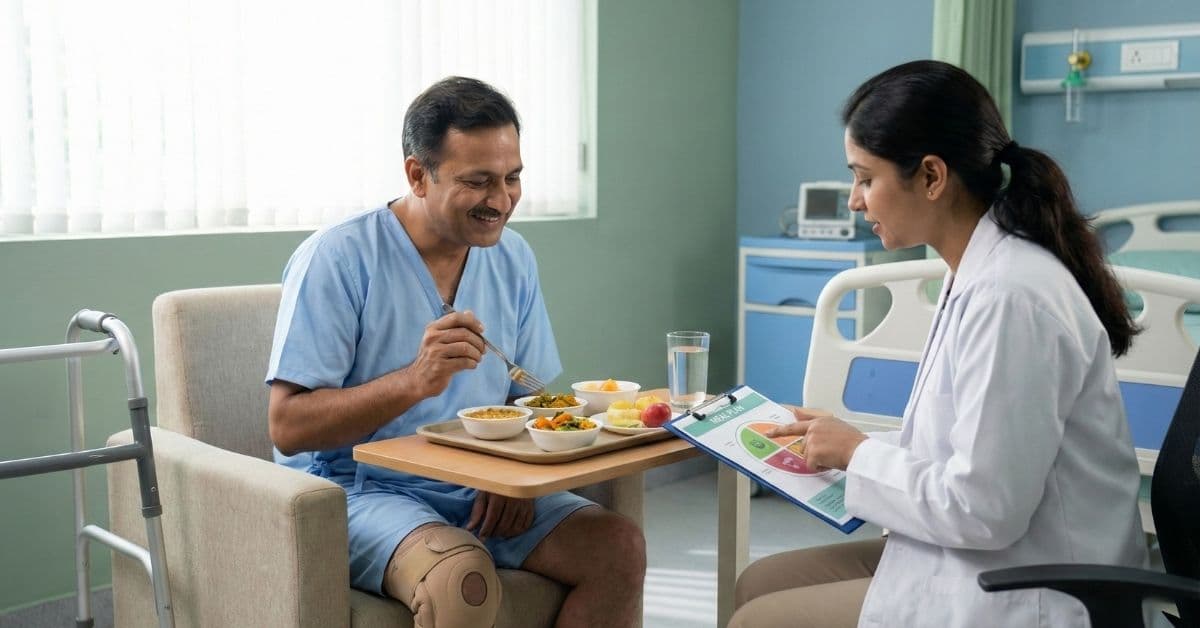
Fueling Your Healing: How Nutrition Accelerates Orthopedic Surgery Recovery in India – A Guide for International Patients – 2026
Embarking on an orthopedic surgery journey can be a significant step towards regaining mobility and improving quality of life. While the surgical procedure itself is crucial, the path to a full and swift recovery is profoundly influenced by what you put into your body. India has emerged as a global leader in orthopedic care, offering not only world-class surgical expertise but also a holistic approach to patient recovery. For international patients, understanding how optimal nutrition can significantly accelerate healing, reduce complications, and enhance overall well-being post-surgery is key to a successful medical journey, combining cost-effectiveness with unparalleled medical excellence.
Understanding Orthopedic Surgery Recovery: Why Nutrition Matters
Orthopedic surgery, whether it's a joint replacement, fracture repair, or spinal procedure, involves significant trauma to the body's tissues. The recovery process is essentially a complex biological repair job, requiring immense energy and specific building blocks. Think of your body as a construction site: after demolition (surgery), you need high-quality materials and skilled workers (nutrients) to rebuild stronger than before. Without adequate nutritional support, the body struggles to repair damaged tissues, fight infection, and regain strength, potentially prolonging recovery times and increasing the risk of complications. Optimal nutrition isn't just about eating; it's about strategically fueling your body for peak healing performance.
The Critical Role of Nutrition in Orthopedic Healing
Nutrition plays a multi-faceted role in orthopedic recovery, impacting every stage from pre-surgery preparation to long-term rehabilitation. It's not merely about avoiding unhealthy foods; it's about actively consuming specific nutrients that support inflammation reduction, tissue regeneration, immune function, and bone strength. A well-nourished body is better equipped to withstand the stress of surgery, recover faster from anesthesia, and minimize post-operative pain. Studies consistently show that patients with good nutritional status before and after surgery experience fewer complications and achieve better functional outcomes. This proactive approach to diet transforms recovery from a passive waiting game into an active, empowered healing process.
Key Nutrients for Bone and Tissue Repair
The body's healing machinery relies on a symphony of nutrients. Understanding which ones are most vital can help patients make informed dietary choices. India's diverse culinary landscape, rich in fresh produce and lean proteins, offers excellent opportunities to incorporate these healing foods.
- Protein: Essential for building and repairing muscle, bone, skin, and other tissues. It's the primary building block for collagen, crucial for wound healing. Aim for lean sources like chicken, fish, eggs, lentils, beans, and dairy.
- Vitamin C: A powerful antioxidant vital for collagen synthesis and immune function. Found in citrus fruits, bell peppers, broccoli, and leafy greens.
- Vitamin D & Calcium: Cornerstones of bone health. Vitamin D helps the body absorb calcium, which is critical for bone density and strength. Dairy products, fortified foods, fatty fish, and sunlight are key sources.
- Zinc: Supports immune function, wound healing, and protein synthesis. Found in meat, shellfish, legumes, nuts, and seeds.
- Omega-3 Fatty Acids: Known for their anti-inflammatory properties, which can help manage post-surgical swelling and pain. Rich sources include fatty fish (salmon, mackerel), flaxseeds, and walnuts.
- Vitamin K: Important for blood clotting and bone metabolism. Found in leafy green vegetables like spinach and kale.
Pre-Surgery Nutrition: Preparing Your Body for Success
Optimizing your diet before surgery can significantly improve your body's resilience and capacity to heal. This preparatory phase, often overlooked, is crucial for building a strong foundation. A nutritionist in India can help tailor a plan that considers your specific surgery, health status, and cultural preferences.
- Boost Protein Intake: Start increasing lean protein to build reserves for tissue repair.
- Hydrate Adequately: Ensure consistent water intake to support all bodily functions.
- Focus on Whole Foods: Emphasize fruits, vegetables, and whole grains to load up on vitamins, minerals, and fiber.
- Avoid Processed Foods & Sugars: These can promote inflammation and hinder healing.
- Manage Chronic Conditions: Work with your doctor to ensure conditions like diabetes are well-controlled, as they can impact healing.
Post-Surgery Nutrition: Fueling Your Healing Journey
The post-operative period is when your body's nutritional demands are highest. The focus shifts to repairing damage, fighting potential infections, and regaining strength. Indian hospitals often have dietitians who work closely with international patients to ensure their dietary needs are met, even accommodating specific cultural or religious dietary requirements.
- Prioritize Protein: Continue high protein intake to support wound healing and muscle regeneration.
- Anti-Inflammatory Foods: Incorporate foods rich in omega-3s and antioxidants to reduce swelling and pain.
- Fiber for Digestive Health: Anesthesia and pain medications can cause constipation. Fiber-rich foods (fruits, vegetables, whole grains) are essential.
- Small, Frequent Meals: Easier to digest and can help maintain energy levels.
- Avoid Alcohol and Smoking: These severely impair healing and increase complication risks.
- Supplementation (Under Guidance): Your doctor or dietitian may recommend specific supplements like Vitamin D, Calcium, or protein powders, especially if dietary intake is insufficient.
Hydration: The Unsung Hero of Recovery
Often underestimated, adequate hydration is fundamental to every bodily process, especially during recovery. Water transports nutrients, removes waste products, regulates body temperature, and maintains blood volume. Dehydration can lead to fatigue, headaches, and even slow down the healing process. Aim to drink plenty of water throughout the day, and consider electrolyte-rich fluids if advised by your medical team, particularly in warmer climates. For international patients, ensuring access to safe, filtered drinking water is a priority, and Indian hospitals are well-equipped to provide this.
Addressing Common Dietary Challenges for International Patients
Navigating dietary needs in a new country can be daunting. India's medical facilities are highly attuned to the diverse needs of international patients. They offer:
- Customized Meal Plans: Hospitals often have dietitians who can create meal plans accommodating allergies, dietary restrictions (vegetarian, vegan, halal, kosher), and cultural preferences.
- Interpreter Services: To ensure clear communication about food preferences and nutritional advice.
- Familiar Food Options: Many hospitals offer a mix of international and local cuisine, allowing patients to choose what feels most comfortable and nourishing.
- Guidance on Local Produce: Advice on how to safely incorporate fresh, local fruits and vegetables into your diet post-discharge.
- Support for Caregivers: Resources for family members or caregivers who might be preparing meals.
Personalized Nutrition Plans and Expert Guidance in India
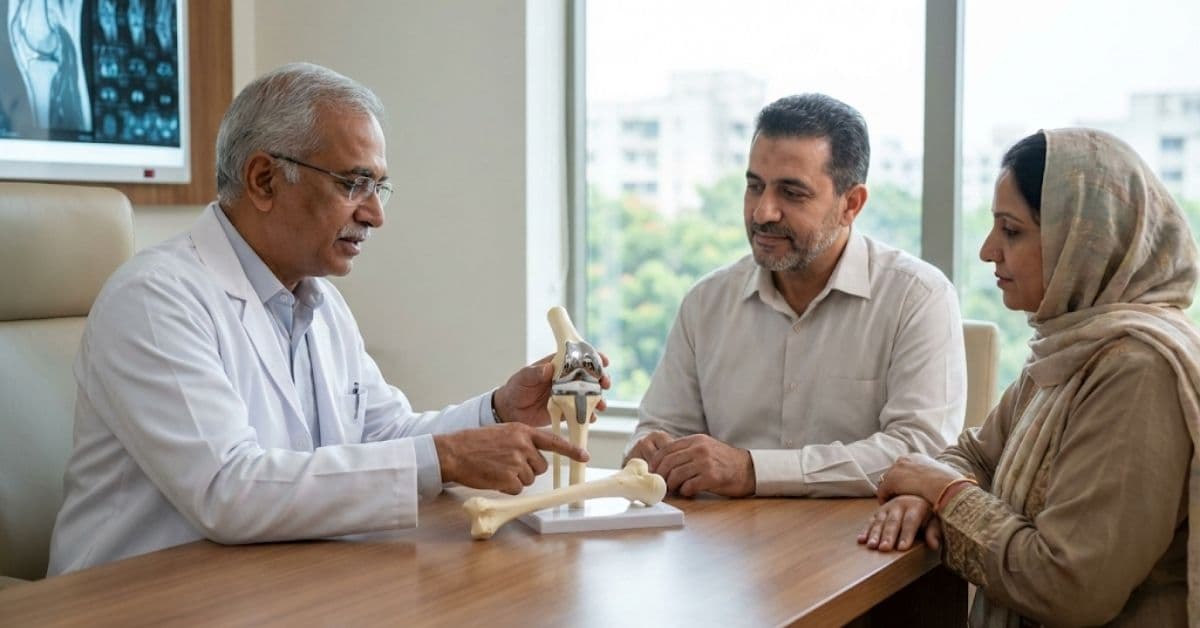
One of India's strengths in medical tourism is its emphasis on personalized care. Leading orthopedic hospitals employ dedicated teams of dietitians and nutritionists who specialize in surgical recovery. They work in conjunction with your orthopedic surgeon and physiotherapist to develop a comprehensive, individualized nutrition plan. This plan considers your specific surgery, pre-existing health conditions, cultural background, and recovery goals. This integrated approach ensures that your dietary intake is precisely aligned with your body's healing demands, maximizing your chances for a swift and complete recovery. The availability of such expert guidance at a fraction of Western costs makes India an attractive destination for holistic recovery.
Cost-Effective Wellness: Nutrition Support in India
While the primary focus is on the surgical procedure, the overall cost of recovery, including nutritional support, is significantly more affordable in India compared to many Western countries. A comprehensive nutritional consultation and personalized meal planning from a qualified dietitian in India can cost anywhere from INR 1,000 - 5,000 (approximately USD 12 - 60) per session or for a package, depending on the hospital and duration. This is a stark contrast to the USD 100 - 300+ per session often seen in the US or UK. This cost-effectiveness extends to the availability of fresh, high-quality ingredients, making it easier to maintain a healing diet without financial strain. This allows international patients to access top-tier nutritional guidance as an integral part of their recovery without compromising their budget.
Global Trust and Holistic Care: India's Approach to Recovery
India's reputation as a global medical tourism hub is built on a foundation of clinical excellence, advanced technology, and a deeply empathetic approach to patient care. For orthopedic patients, this extends beyond the operating room to encompass every aspect of recovery, including nutrition. International patients from over 50 countries, including the Middle East, Africa, and Southeast Asia, choose India for its integrated care models. The emphasis on holistic wellness, combining modern medicine with traditional practices and personalized support services like visa assistance, airport transfers, dedicated patient coordinators, and language interpreters, ensures a seamless and reassuring experience. This comprehensive support system allows patients to focus entirely on their healing, knowing all practicalities are handled.
Recovery and Rehabilitation: A Holistic Approach
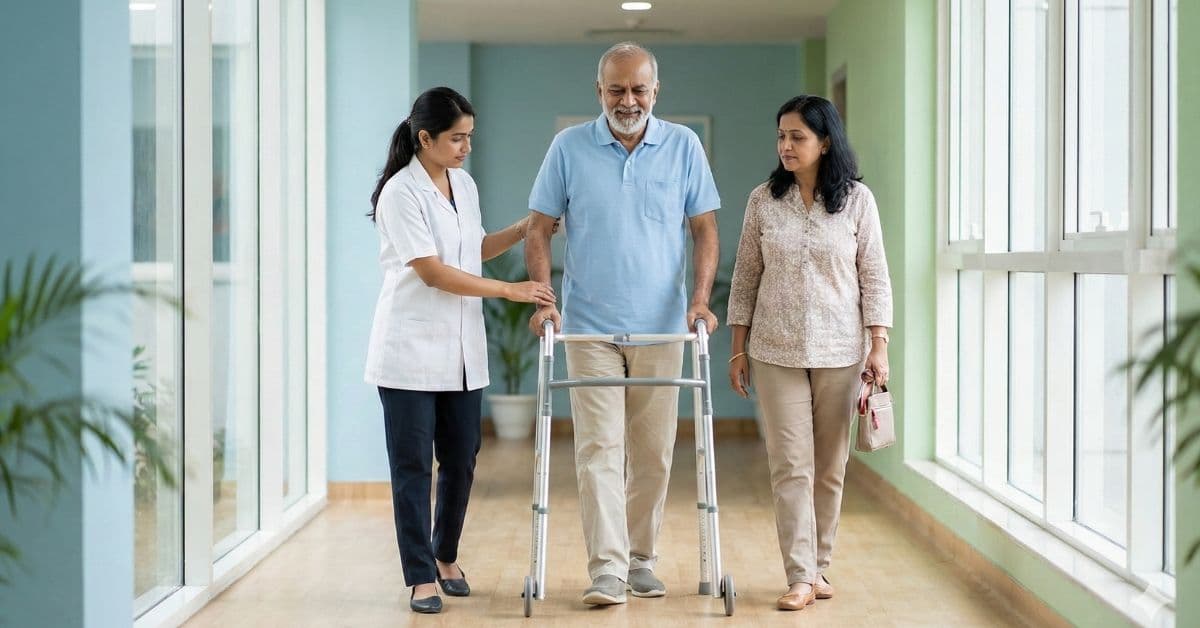
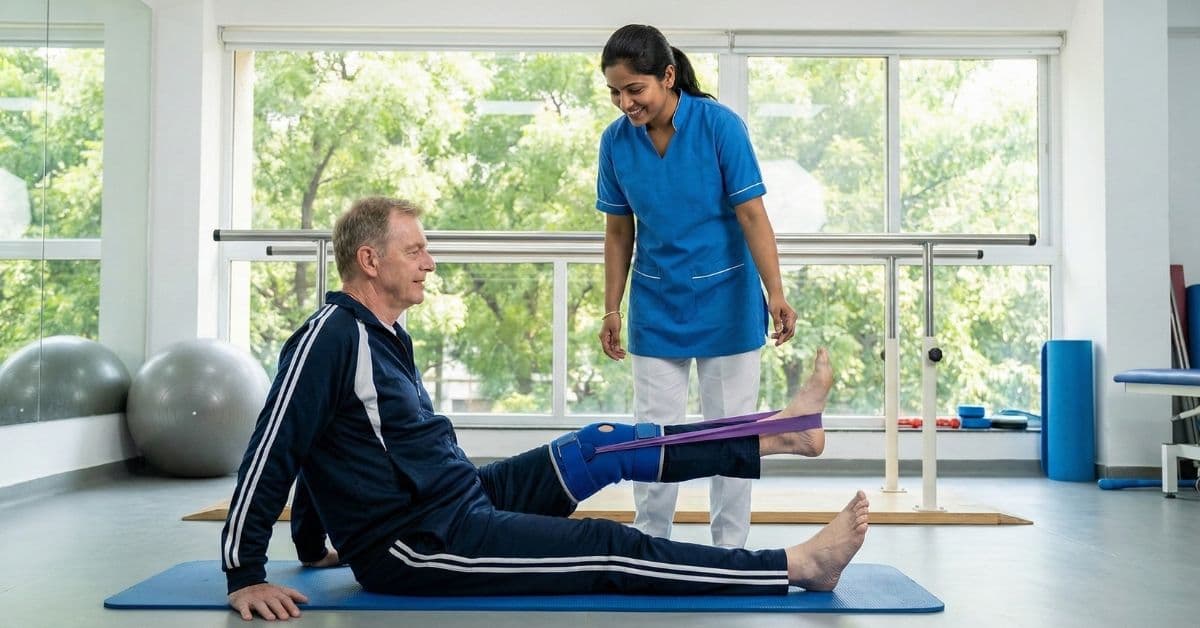
Nutrition is an indispensable partner to physical therapy and rehabilitation. As you regain strength and mobility, your body's energy and nutrient demands will evolve. A well-structured recovery plan in India integrates dietary advice with your physiotherapy regimen, ensuring your body has the fuel it needs for each milestone.
- Hospital Stay (3-7 days): Focus on easily digestible, nutrient-dense foods to kickstart healing and manage pain medication side effects.
- Early Rehabilitation (Weeks 1-6): Maintain high protein intake, focus on anti-inflammatory foods, and ensure adequate hydration to support initial physiotherapy and reduce swelling.
- Progressive Recovery (Months 2-6): Adjust calorie and nutrient intake to support increasing activity levels and muscle rebuilding. Continue bone-strengthening nutrients.
- Long-Term Wellness: Adopt sustainable healthy eating habits to maintain bone health, muscle strength, and overall well-being, preventing future orthopedic issues.
Medical Tourism Support Services
For international patients, navigating medical care abroad can be complex. Organizations like VRH Healthcare streamline this journey by offering end-to-end support. These services include:
- Visa Assistance: Guidance and support for obtaining medical visas.
- Travel Logistics: Arranging flights, airport pickup, and comfortable accommodation options.
- Hospital and Doctor Selection: Matching patients with top orthopedic surgeons and accredited hospitals.
- Language Interpreters: Ensuring clear communication between patients, doctors, and support staff.
- Dedicated Patient Coordinators: A single point of contact for all needs, from appointments to dietary concerns.
- Telemedicine Consultations: Pre-travel assessments and post-operative follow-ups from your home country.
- Local Sightseeing and Wellness Programs: Opportunities to experience India's culture and integrate wellness practices into recovery.
Quality Assurance and Standards in Indian Healthcare
India's leading orthopedic hospitals adhere to stringent international quality standards, ensuring patient safety and optimal outcomes. Many facilities are accredited by organizations like the Joint Commission International (JCI) and the National Accreditation Board for Hospitals & Healthcare Providers (NABH). These accreditations signify adherence to global benchmarks in patient care, infection control, and medical protocols. This commitment to quality extends to ancillary services, including dietary and nutritional support, where evidence-based practices are followed. International patients can be confident that their entire medical journey, from surgery to recovery, is managed with the highest levels of professionalism and care.
Conclusion
The journey to recovery after orthopedic surgery is a marathon, not a sprint, and nutrition is your most powerful ally. By understanding and prioritizing optimal dietary intake, international patients can significantly enhance their healing process, reduce complications, and achieve a faster, more complete return to an active life. India offers not just world-class orthopedic surgery but also a comprehensive, empathetic, and cost-effective ecosystem for recovery, where expert nutritional guidance is an integral part of your healing journey. Embrace the power of food to rebuild, restore, and rejuvenate.
Ready to accelerate your orthopedic recovery with expert care in India? Contact us for a personalized consultation and plan your healing journey today.