VRH Healthcare Logo

Cardiology Treatment in India for International Patients
Specialised Care

Cardiology Treatment in India for International Patients

Plan your heart treatment in India with a trusted medical facilitation partner.

VRH Healthcare helps you compare hospitals and cardiologists in Delhi-NCR & Gurugram, understand indicative costs, and coordinate every step—from medical opinions to post-treatment follow-ups.

As a dedicated medical facilitation partner, VRH Healthcare helps you plan your cardiology treatment in India end-to-end. We help you compare hospitals and cardiologists in Delhi-NCR & Gurugram, understand indicative costs, and coordinate visas, airport transfers, accommodation, interpreters, appointments, and post-treatment follow-ups—so you can focus on recovery.

How VRH Healthcare Helps

VRH Healthcare is not a hospital. We are a medical facilitation and patient-navigation service that connects you with suitable NABH/JCI-accredited heart centres and experienced cardiologists/CTVS surgeons in India. We coordinate second opinions, appointments, medical visa letters, airport transfers, near-hospital stays, interpreters, indicative estimates, and tele-follow-ups so you can make confident choices.

Why Choose India for Cardiology

International patients choose India for a combination of advanced cardiac technology, high-volume expertise, short waiting times, and value:

Accredited Hospitals

NABH/JCI-accredited centres with dedicated cardiac ICUs and world-class safety protocols.

Advanced Technology

IVUS/OCT imaging, FFR/iFR physiology, 3D-TEE, and Hybrid ORs. TAVI and minimally invasive valve care.

Expert Teams

Treatment by Interventional cardiologists, electrophysiologists, and CTVS surgeons with high case volumes.

Fast-Track Access

Rapid scheduling for angiography, angioplasty (PCI), device therapy, and cardiac surgery.

Affordability

Significant savings versus Western markets, with transparent indicative packages and communication.

Conditions We Support

We assess and treat these cardiac conditions — tap a card to view related procedures or request an e-opinion.

Heart Failure (reduced pumping strength)

Alongside medicines and lifestyle measures, device therapy (CRT/ICD) can improve symptoms; advanced cases may be evaluated for specialised surgical solutions at partner centres.
Need help choosing? Get e-opinion.

Procedures

Treatments & Procedures

Here are the key procedures performed by leading specialists in Cardiology.

Ablation Therapy

Ablation therapy is a highly specialised, minimally invasive cardiac procedure designed to correct abnormal heart rhythms, known as arrhythmias. These irregularities occur when the heart's electrical system malfunctions, causing the heart to beat too fast, too slow, or erratically. During ablation, experienced electrophysiologists precisely identify and target the small areas of heart tissue responsible for these faulty electrical signals. Using advanced catheter-based techniques, energy (such as radiofrequency heat, extreme cold, or pulsed fields) is delivered to create tiny scars. These scars effectively block the abnormal electrical pathways, allowing the heart's natural rhythm to be restored. This procedure is a crucial treatment option for international patients whose arrhythmias are not adequately controlled by medication or who seek a more definitive, long-term solution. VRH Healthcare acts as your dedicated partner, connecting you with India's leading cardiac centres and world-class electrophysiologists renowned for their expertise in performing intricate ablation procedures with high precision and care.

Coronary Angioplasty and Stenting

Coronary Angioplasty and Stenting is a minimally invasive procedure performed by interventional cardiologists to open blocked or narrowed coronary arteries. These blockages, often caused by plaque build-up (atherosclerosis), restrict blood flow to the heart muscle, leading to chest pain (angina) or heart attack. In India, this advanced catheter-based technique involves inserting a balloon-tipped catheter to widen the artery, followed by placing a small mesh tube called a stent to keep it open, restoring vital blood supply and improving cardiac function.

Coronary Artery Bypass Graft Surgery (CABG)

CABG surgery in India is a widely chosen treatment for patients with severe coronary artery disease due to experienced cardiac surgeons, advanced open-heart surgery techniques, and significantly lower treatment costs compared to Western countries. Coronary Artery Bypass Graft Surgery (CABG), commonly known as bypass surgery, is performed to restore adequate blood flow to the heart muscle when one or more coronary arteries become severely narrowed or blocked by plaque. During the procedure, a healthy blood vessel—usually taken from the chest or leg—is grafted to bypass the blocked artery, creating a new pathway for blood to reach the heart. CABG surgery helps relieve angina, improve heart function, reduce the risk of heart attack, and enhance long-term survival. In India, CABG is performed using on-pump, off-pump (beating heart), and minimally invasive techniques following international cardiac care standards. VRH Healthcare supports international patients by facilitating expert opinions, hospital selection, treatment planning, cost estimates, and post-surgery follow-up care.

Heart Valve Repair or Replacement in India

Heart valve surgery in India is performed to repair or replace damaged heart valves that disrupt normal blood flow within the heart. Valve disease may cause narrowing (stenosis) or leakage (regurgitation), leading to symptoms such as breathlessness, fatigue, chest discomfort, or heart failure if left untreated. Leading cardiac centres in India offer advanced surgical and minimally invasive techniques, including valve repair, mechanical or biological valve replacement, and transcatheter procedures like TAVI/TAVR. International patients often choose India for experienced cardiac surgeons, modern infrastructure, and significantly lower treatment costs compared to many Western countries. VRH Healthcare facilitates access to accredited heart hospitals and personalised treatment planning based on individual clinical evaluation.

Implantable Cardioverter Defibrillator (ICD) Placement

ICD placement in India involves implanting an Implantable Cardioverter Defibrillator (ICD), a small battery-powered device placed under the skin of the chest to monitor and correct dangerous heart rhythm abnormalities. The ICD continuously tracks heart activity and automatically delivers electrical therapy if life-threatening arrhythmias such as ventricular tachycardia or ventricular fibrillation are detected, helping prevent sudden cardiac arrest. ICD therapy is recommended for patients with severe heart failure, prior cardiac arrest, inherited rhythm disorders, or significantly reduced ejection fraction. India offers advanced electrophysiology labs, experienced cardiac specialists, and modern MRI-compatible ICD devices. VRH Healthcare connects international patients with leading cardiac centres for safe, guideline-based ICD implantation.

Pacemaker Implantation

Pacemaker implantation in India is a cardiology procedure used to treat slow or irregular heart rhythms, medically known as bradycardia or certain types of arrhythmia. A pacemaker is a small battery-powered electronic device placed under the skin, usually near the collarbone, with thin insulated wires (leads) that connect the device to the heart chambers. The pacemaker continuously monitors heart rhythm and delivers small electrical impulses when the heart beats too slowly or irregularly. These signals stimulate the heart muscle to maintain a safe and consistent heart rate. Pacemaker therapy is commonly recommended for conditions such as sinus node dysfunction, heart block, and other electrical conduction disorders of the heart. Diagnosis and treatment planning typically involve electrocardiograms (ECG), Holter monitoring, echocardiography, and sometimes electrophysiology studies to evaluate the heart's electrical system. Based on these tests, cardiologists determine the appropriate device type, which may include single-chamber pacemakers, dual-chamber pacemakers, biventricular pacemakers used in cardiac resynchronisation therapy (CRT), or modern leadless pacemakers. India has become a preferred destination for international patients seeking pacemaker implantation due to experienced cardiac electrophysiologists, advanced cardiac centres, and significantly lower treatment costs compared with the United States, United Kingdom, and many European countries. VRH Healthcare is not a hospital. We act as an independent medical facilitator that helps international patients obtain expert cardiology opinions, compare accredited hospitals and cardiac specialists, review medical reports, and receive transparent pacemaker implantation cost guidance before travelling to India.

Surgical Ventricular Resection (SVR)

Surgical Ventricular Resection (SVR), often referred to as ventricular restoration or the Dor procedure, is a highly specialised open-heart surgery designed to improve the function of a severely weakened heart. It targets patients with advanced heart failure, typically following a major heart attack that has caused significant scarring and enlargement of the left ventricle. The procedure involves carefully removing or reshaping the non-functional, scarred areas of the heart muscle. By reducing the overall size of the ventricle and restoring a more efficient shape, SVR aims to enhance the heart's pumping ability, alleviate debilitating symptoms like breathlessness and fatigue, and ultimately improve the patient's quality of life. VRH Healthcare helps you navigate the options for this complex procedure in India.

Transcatheter Aortic Valve Implantation (TAVI)

Transcatheter Aortic Valve Implantation (TAVI), also known as Transcatheter Aortic Valve Replacement (TAVR), is a minimally invasive procedure to replace a diseased aortic valve. It is primarily offered to patients with severe aortic stenosis who are considered high-risk for traditional open-heart surgery. Instead of a large incision, a new artificial valve is delivered to the heart via a catheter, typically inserted through an artery in the leg. This advanced cardiology procedure aims to restore proper blood flow from the heart, significantly improving symptoms and quality of life for suitable candidates.

Thrombolytic Therapy

Thrombolytic therapy, commonly known as clot-busting treatment, is a life-saving emergency procedure used to dissolve blood clots that block critical arteries. It is primarily used in acute conditions such as heart attack (acute myocardial infarction) and ischemic stroke, where rapid restoration of blood flow is essential to prevent permanent organ damage. This therapy uses specialised medications to break down clots and restore circulation to the heart or brain. In India, advanced cardiac and stroke centres follow strict emergency protocols for rapid and effective treatment. For international patients, initial emergency care is typically provided locally, after which VRH Healthcare supports advanced treatment, recovery, and follow-up care in India.

Ventricular Septal Defect (VSD) Treatment in India

A Ventricular Septal Defect (VSD) is a common congenital heart condition where there is a hole in the wall (septum) separating the heart's lower chambers (ventricles). This allows oxygen-rich blood to mix with oxygen-poor blood, increasing pressure in the lungs and making the heart work harder. Treatment aims to close this defect, restoring normal blood flow and preventing complications. In India, VSD treatment involves advanced diagnostic evaluation and may include medical management, catheter-based device closure, or surgical repair, tailored to the patient's age, VSD size, and overall health.

Types of Heart Specialists Available

Understanding who treats you helps you reach the right expert faster.

Interventional Cardiologist

Performs catheter-based procedures such as Angiography, Angioplasty (PCI) and Stenting.

IVUS/OCTStents

Structural Heart Interventionalist

Focuses on catheter-based structural procedures such as TAVI and device closures.

TAVIValves

Electrophysiologist (EP)

Diagnoses heart rhythm disorders; performs ablation and implants Pacemakers/ICDs.

ArrhythmiaPacemaker

Cardiothoracic Surgeon (CTVS)

A cardiac surgeon who performs open-heart surgeries like CABG and Valve replacements.

BypassOpen Surgery

Pediatric Cardiologist

Manages congenital heart disease in infants and children.

CongenitalVSD

Non-Invasive Cardiologist

Specialises in echocardiography (3D-TEE), cardiac CT, and stress imaging.

EchoDiagnostics

World-Class Infrastructure

Technology & Safety at Partner Centres

Intravascular Ultrasound (IVUS) and OCT imaging for precise heart stent placement in India

IVUS/OCT Imaging

Optimises stent sizing & expansion; supports better long-term outcomes.

FFR and iFR physiology assessment for coronary artery disease treatment

FFR/iFR Physiology

Confirms whether a stenosis truly needs a stent—precise decision-making.

Advanced Cath Lab for TAVI and minimally invasive valve repair in Delhi NCR

Structural Heart Suite

TAVI for eligible severe aortic stenosis and minimally invasive mitral repair.

3D Electrophysiology mapping system for heart rhythm disorder ablation

3D EP Mapping

Precise localisation for AF/VT ablation and leadless pacemakers.

State-of-the-art Hybrid Operating Room for complex cardiac surgery in India

Hybrid OR & Robotics

Used selectively for complex cardiac cases requiring surgical precision.

Advanced Cardiac ICU facilities for international patient recovery

Cardiac ICUs

Dedicated pathways and enhanced recovery protocols for international patients.

Cardiac Rehabilitation & Recovery

Cardiac rehabilitation helps you recover safely after Angioplasty, CABG, or Valve surgery. Programmes include supervised exercise, medication optimisation, and risk-factor control.

Discuss Rehab Plan

Includes

  • Supervised in-hospital sessions
  • Dietary counselling
  • Remote home-based plan
  • Follow-ups by cardiologist

Diagnostics & Pre-Arrival

To speed up treatment planning, upload your recent reports (ECG, Echo, Angiography, Holter) for a remote review.

1

Upload Reports

2

Clinician Review

3

Get E-Opinion

4

Plan Travel

Upload Reports Now

Estimated Costs

Final totals vary by diagnosis, procedure type, device/valve brand, hospital, and room category. We provide indicative ranges first, then a personalised estimate.

Pacemaker Implantation$3,500 – $6,000
AngiographyOn Request
Angioplasty (PCI)On Request
Valve SurgeryOn Request
Request Personalised Estimate

Top Doctors in India

Meet Our Top Cardiologists

Dr. Naresh Trehan - Chairman and Managing Director Medanta Gurugram

Dr. Naresh Trehan

Cardiology

Medanta - The Medicity, Gurugram

Dr. Naresh Trehan, with 56+ years of experience, is a world-renowned heart surgeon known for heart transplants and robotic heart surgery at Medanta, Gurugram.

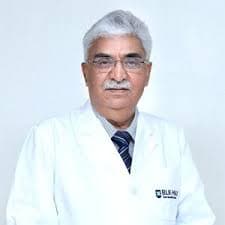
Dr. T. S. Kler - Chairman BLK-Max Heart Vascular Institute Delhi

Dr. T. S. Kler

Cardiology

BLK-Max Super Speciality Hospital, New Delhi

Dr. T. S. Kler, with 37+ years of experience, is a pioneer in interventional cardiology and electrophysiology, known for performing over 35,000 angioplasties and ethical cardiac care.

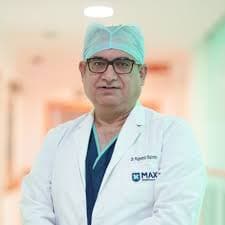
Dr. Rajneesh Malhotra - Dr. Rajneesh Malhotra - Cardiac Surgeon Max Hospital Saket Delhi

Dr. Rajneesh Malhotra

Cardiology

Max Super Speciality Hospital, Saket, New Delhi

Dr. Rajneesh Malhotra, top Delhi cardiac surgeon with 33+ years, excels in heart transplants & robotic surgery at Max Hospital, Saket.

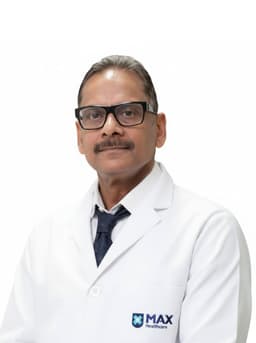
Dr. B.L. Agarwal

Dr. B.L. Agarwal

Cardiology

Max Super Speciality Hospital, Noida

Dr. B.L. Agarwal, with 30+ years of experience, specializes in angioplasty, stenting, and heart failure treatment. Known for ethical care and expertise in interventional cardiology.

Dr. S. S. Bansal - Chairman & Managing Director SSB Heart & Multispecialty Hospital Faridabad

Dr. S. S. Bansal

Cardiology

SSB Heart & Multispecialty Hospital, Faridabad

Dr. S. S. Bansal, top Faridabad cardiologist with 30+ years, excels in angioplasty, stenting, and advanced heart disease care at SSB Hospital.

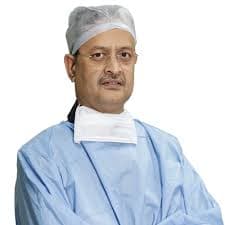
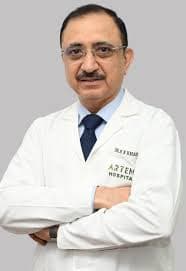
Dr. Surendra Nath Khanna – Best Cardiac Surgeon in Gurgaon

Dr. Surendra Nath Khanna

Cardiology

Artemis Hospital, Gurugram

Dr. Surendra Nath Khanna, Chairperson of Cardiac Surgery at Artemis Hospital Gurgaon. 34+ years experience, 21,000+ heart surgeries. Expert in valve repair & CABG.

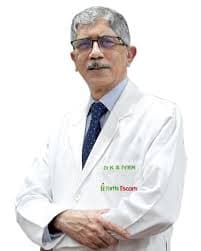
Dr. Krishna Subramony Iyer | Best Paediatric Heart Surgeon in India

Dr. Krishna Subramony Iyer

Cardiology

Fortis Escorts Heart Institute, New Delhi

Dr. Krishna Subramony Iyer is a pioneer in paediatric cardiac surgery with 45+ years’ experience and 14,000+ congenital heart surgeries at Fortis Escorts, Delhi.

Dr. Subhash Chandra

Dr. Subhash Chandra

Cardiology

BLK-Max Super Speciality Hospital, New Delhi

Dr. Subhash Chandra is a senior interventional cardiologist in Delhi with 40+ years of experience. Expert in TAVI, angioplasty, pacemakers, and structural heart disease.

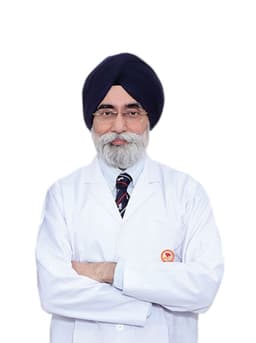
Dr (Brig) Sudeep Singh Sidhu

Dr. (Brig) Sudeep Singh Sidhu

Cardiology

SSB Heart & Multispecialty Hospital, Faridabad

Dr (Brig) Sudeep Singh Sidhu is Head & Chief Cardiac Surgeon at SSB Hospital Faridabad with 30+ years’ experience in off-pump CABG, total arterial revascularization, redo bypass, aortic and vascular surgery.

Dr Shiv Kumar Choudhary

Dr Shiv Kumar Choudhary

Cardiology

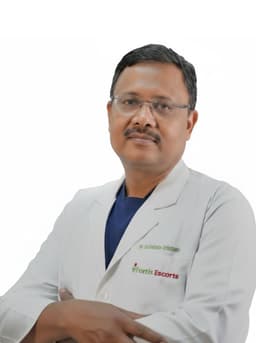
Fortis Escorts Heart Institute, New Delhi

Dr Shiv Kumar Choudhary is Executive Director CTVS at Fortis Escorts Heart Institute, New Delhi with 32+ years’ experience in complex aortic, valve, transplant and cardiac surgery.

Frequently Asked Questions

How much does cardiology treatment cost in India?
Costs depend on diagnosis, procedure type, device/valve brand, and hospital. For example, a pacemaker typically ranges from USD $3,500–$6,000. We provide personalised estimates after a clinician reviews your reports.
Which hospital is best for my case?
The 'best' hospital depends on your condition (PCI vs CABG vs Valve vs EP), urgency, and budget. We help you compare NABH/JCI-accredited centres in Delhi-NCR & Gurugram.
Who is eligible for TAVI instead of open-heart surgery?
Many older or higher-risk patients with severe aortic stenosis may be candidates. Eligibility depends on valve anatomy and overall health; your Echo/CT-CA helps the heart team decide.
How long should I plan to stay in India?
Indicative timelines: 5–7 days for PCI, 10–14 days for valve/CABG, and 2–3 days for pacemaker/ICD—subject to medical clearance.
Is there a waiting list?
No. Fast-track access is available for international cases. Appointments are usually scheduled within 2–5 working days of arrival.
Will I have language support?
Yes. Arabic, Russian, French, and English support is available. We arrange interpreters to assist you during consultations.
Cardiology Treatment in India | Cost, Hospitals & Top Doctors | VRH