
Pacemaker Implantation in India for Bradycardia and Heart Rhythm Disorders
VRH Healthcare helps international patients connect with experienced cardiac electrophysiologists in India for pacemaker implantation, including single-chamber, dual-chamber, biventricular, and leadless pacemaker procedures with transparent treatment cost guidance.
Verified Hospitals
JCI & NABH Accredited Centres only.
Zero Wait Time
Priority appointments for international patients.
Understanding Pacemaker Implantation in India
Pacemaker implantation in India is a cardiology procedure used to treat slow or irregular heart rhythms, medically known as bradycardia or certain types of arrhythmia. A pacemaker is a small battery-powered electronic device placed under the skin, usually near the collarbone, with thin insulated wires (leads) that connect the device to the heart chambers.
The pacemaker continuously monitors heart rhythm and delivers small electrical impulses when the heart beats too slowly or irregularly. These signals stimulate the heart muscle to maintain a safe and consistent heart rate. Pacemaker therapy is commonly recommended for conditions such as sinus node dysfunction, heart block, and other electrical conduction disorders of the heart.
Diagnosis and treatment planning typically involve electrocardiograms (ECG), Holter monitoring, echocardiography, and sometimes electrophysiology studies to evaluate the heart's electrical system. Based on these tests, cardiologists determine the appropriate device type, which may include single-chamber pacemakers, dual-chamber pacemakers, biventricular pacemakers used in cardiac resynchronisation therapy (CRT), or modern leadless pacemakers.
India has become a preferred destination for international patients seeking pacemaker implantation due to experienced cardiac electrophysiologists, advanced cardiac centres, and significantly lower treatment costs compared with the United States, United Kingdom, and many European countries.
VRH Healthcare is not a hospital. We act as an independent medical facilitator that helps international patients obtain expert cardiology opinions, compare accredited hospitals and cardiac specialists, review medical reports, and receive transparent pacemaker implantation cost guidance before travelling to India.
Types / Variants of Pacemaker Implantation
Single-Chamber Pacemaker
Manages heart rate by pacing either the right atrium or the right ventricle.
Dual-Chamber Pacemaker
Paces both the right atrium and right ventricle, mimicking the heart's natural rhythm.
Biventricular Pacemaker (CRT)
Used for heart failure, it paces both lower chambers to improve pumping efficiency.
Leadless Pacemaker
A tiny, self-contained device implanted directly into the heart, eliminating the need for leads.
Your surgeon explains why a particular approach is recommended for you.
Technology & Techniques
In India, Pacemaker Implantation may be performed using:
Benefits
- Improved Heart Rate and Rhythm: Ensures your heart maintains a steady, appropriate beat, preventing dangerously slow or erratic rhythms.
- Relief from Symptoms: Significantly reduces or eliminates dizziness, fainting, chronic fatigue, and shortness of breath.
- Enhanced Quality of Life: Regain energy, participate in daily activities, and enjoy a more active and fulfilling lifestyle.
- Reduced Complication Risk: Helps prevent serious complications like falls, injuries from fainting, and further cardiac issues.
- Long-Term Management: Provides a durable solution for managing chronic heart rhythm disorders, offering stability for many years.
- Personalised Therapy: Modern pacemakers can be programmed to meet your unique physiological needs, optimising cardiac function.
Limitations
- Surgical Risks: Potential for infection, bleeding, bruising, or adverse reactions to anaesthesia, as with any surgery.
- Lead-Related Issues: Rare risks include lead dislodgement, fracture, or damage to heart tissue, possibly needing further intervention.
- Device Malfunction/Battery: Pacemakers have a finite battery life (7-10 years) requiring replacement; device malfunction is uncommon.
- Electromagnetic Interference: Strong electromagnetic fields can potentially interfere with pacemaker function; modern devices are often MRI-compatible.
- Activity Restrictions: Temporary or, in some cases, long-term restrictions on certain physical activities, especially on the implant side.
- Not a Cure: Manages heart rhythm but does not treat the underlying cause of the heart condition, which may require separate management.
Diagnostics & Pre-Arrival Work-Up
Pre-Arrival & Travel Checklist
How the Procedure is Done (Step-by-Step)
Pre-Procedure Preparation
Final checks, including blood tests and ECG. Fasting required. Local anaesthesia numbs the incision area, and mild sedation helps you relax before the procedure.
Incision and Vein Access
A small incision (5-7 cm) is made below the collarbone. A major vein is accessed to guide the pacemaker leads into the heart.
Lead Placement and Positioning
Using real-time X-ray (fluoroscopy), thin wires (leads) are carefully threaded through the vein into the heart chambers. Leads are then secured to the heart muscle.
Pacemaker Device Connection and Testing
Leads are connected to the pacemaker generator. Comprehensive tests ensure leads function correctly and the pacemaker effectively senses and paces the heart.
Device Implantation and Closure
A small pocket is created under the skin for the pacemaker generator. The incision is then meticulously closed with sutures, and a sterile dressing is applied.
Post-Procedure Monitoring
You'll be monitored in recovery for heart rhythm and vital signs. Typically, an overnight hospital stay ensures stability and proper device function before discharge.
Top Specialists for Cardiology

Dr. Naresh Trehan
Cardiology
Medanta - The Medicity, Gurugram
Dr. Naresh Trehan, with 56+ years of experience, is a world-renowned heart surgeon known for heart transplants and robotic heart surgery at Medanta, Gurugram.
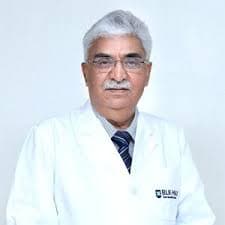
Dr. T. S. Kler
Cardiology
BLK-Max Super Speciality Hospital, New Delhi
Dr. T. S. Kler, with 37+ years of experience, is a pioneer in interventional cardiology and electrophysiology, known for performing over 35,000 angioplasties and ethical cardiac care.
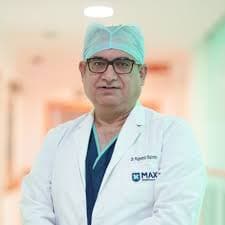
Dr. Rajneesh Malhotra
Cardiology
Max Super Speciality Hospital, Saket, New Delhi
Dr. Rajneesh Malhotra, top Delhi cardiac surgeon with 33+ years, excels in heart transplants & robotic surgery at Max Hospital, Saket.
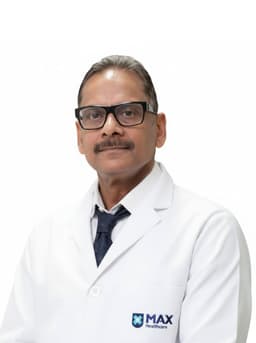
Dr. B.L. Agarwal
Cardiology
Max Super Speciality Hospital, Noida
Dr. B.L. Agarwal, with 30+ years of experience, specializes in angioplasty, stenting, and heart failure treatment. Known for ethical care and expertise in interventional cardiology.
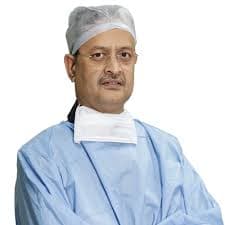
Dr. S. S. Bansal
Cardiology
SSB Heart & Multispecialty Hospital, Faridabad
Dr. S. S. Bansal, top Faridabad cardiologist with 30+ years, excels in angioplasty, stenting, and advanced heart disease care at SSB Hospital.
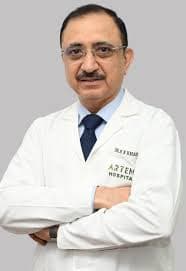
Dr. Surendra Nath Khanna
Cardiology
Artemis Hospital, Gurugram
Dr. Surendra Nath Khanna, Chairperson of Cardiac Surgery at Artemis Hospital Gurgaon. 34+ years experience, 21,000+ heart surgeries. Expert in valve repair & CABG.
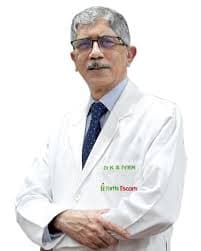
Dr. Krishna Subramony Iyer
Cardiology
Fortis Escorts Heart Institute, New Delhi
Dr. Krishna Subramony Iyer is a pioneer in paediatric cardiac surgery with 45+ years’ experience and 14,000+ congenital heart surgeries at Fortis Escorts, Delhi.
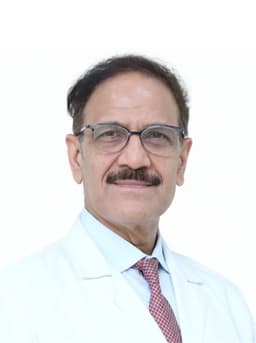
Dr. Subhash Chandra
Cardiology
BLK-Max Super Speciality Hospital, New Delhi
Dr. Subhash Chandra is a senior interventional cardiologist in Delhi with 40+ years of experience. Expert in TAVI, angioplasty, pacemakers, and structural heart disease.
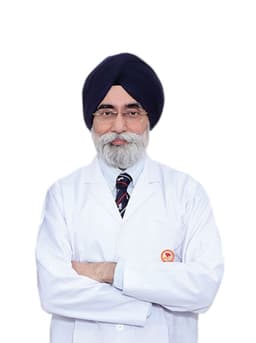
Dr. (Brig) Sudeep Singh Sidhu
Cardiology
SSB Heart & Multispecialty Hospital, Faridabad
Dr (Brig) Sudeep Singh Sidhu is Head & Chief Cardiac Surgeon at SSB Hospital Faridabad with 30+ years’ experience in off-pump CABG, total arterial revascularization, redo bypass, aortic and vascular surgery.
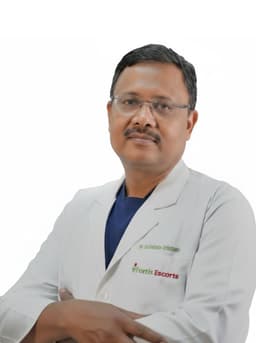
Dr Shiv Kumar Choudhary
Cardiology
Fortis Escorts Heart Institute, New Delhi
Dr Shiv Kumar Choudhary is Executive Director CTVS at Fortis Escorts Heart Institute, New Delhi with 32+ years’ experience in complex aortic, valve, transplant and cardiac surgery.

Dr. Aparna Jaswal
Cardiology
Fortis Escorts Heart Institute, New Delhi
Dr. Aparna Jaswal is a leading cardiac electrophysiologist with 30+ years of experience. Expert in catheter ablation, ICD implantation, CRT, and complex arrhythmia treatment at Fortis Escorts Heart Institute, New Delhi.
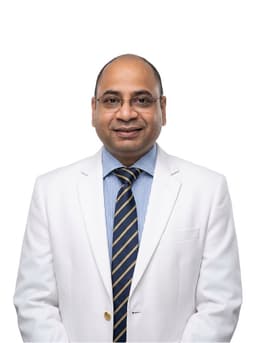
Dr. Aseem R. Srivastava
Cardiology
Artemis Hospital, Gurugram
Dr Aseem R. Srivastava is a US-trained pediatric cardiac surgeon at Artemis Hospital, Gurgaon with 20+ years' experience in congenital heart surgery.
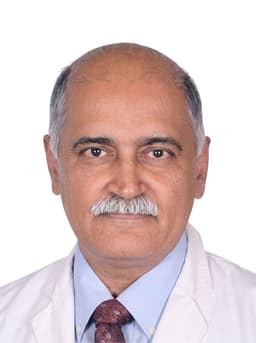
Dr Kulbhushan Singh Dagar
Cardiology
Max Super Speciality Hospital, Saket, New Delhi
Dr Kulbhushan Singh Dagar is Chairman of Neonatal & Congenital Heart Surgery at Max Saket with 32+ years' experience in pediatric heart surgery.
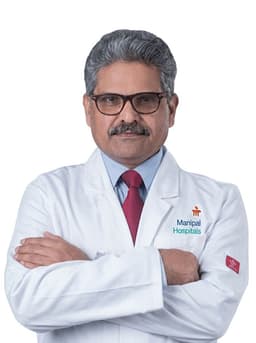
Dr. Yugal Kishor Mishra
Cardiology
Manipal Hospitals Dwarka, New Delhi
Dr. Yugal Kishor Mishra is Chairman of Cardiac Sciences at Manipal Dwarka with 30+ years’ experience and 19,000+ cardiac surgeries.
Expected Outcomes & What Success Means
Recovery & Follow-Up Timeline
Fitness to fly and activity limits are centre-specific.
How Quickly Can I Start?
Second Opinion
12-48 hours
Typically received after sharing medical reports.
Scheduling
1-2 working days
Depending upon the availability of the specialist
Visa Invitation Letter (VIL)
1-2 working days
issued promptly to support your medical visa application.
Costs & What Affects Your Estimate
This page provides an overview of typical costs and influencing factors. A personalised cost estimate is shared after a medical review of your reports—please contact us to request your individual estimate.
How VRH Healthcare Helps
VRH Healthcare is not a hospital. We act as your medical facilitation and patient-navigation partner, helping you make informed decisions and move smoothly through care in India.
International Patient Services
Your Care Journey with VRH
A simplified step-by-step guide to your treatment experience.
Share medical reports
Receive an expert second opinion and indicative estimate
Plan travel, visa, and appointments
Treatment with on-ground coordination
Discharge and ongoing tele-follow-ups
Share medical reports
Receive an expert second opinion and indicative estimate
Plan travel, visa, and appointments
Treatment with on-ground coordination
Discharge and ongoing tele-follow-ups
Where We Serve: Countries We Support
Middle East
Language support, visa assistance, and coordinated care planning for cardiology consultations, pacemaker implantation.
Africa
Support for diagnostics review, travel planning, and post-treatment follow-up.
Central Asia & CIS
Interpretation services and hospital coordination for surgical care.
South Asia
Quick access to opinions, scheduling, and continuity of care.
U.K. & USA
Second opinions, cost-sensitive planning, and post-return tele-follow-ups.
Other Countries
Customised support based on individual travel and care needs.