
Tratamento de Defeito do Septo Ventricular (DSV) na Índia: Cuidados Cardíacos Avançados
Acesse tratamentos especializados de fechamento de DSV na Índia com cirurgiões cardíacos e especialistas pediátricos renomados. A VRH Healthcare apoia sua jornada com coordenação completa de cuidados.
Hospitais verificados
Apenas centros acreditados pela JCI e NABH.
Sem tempo de espera
Consultas prioritárias para pacientes internacionais.
Compreendendo o Tratamento de Defeito do Septo Ventricular (DSV) na Índia
Um Defeito do Septo Ventricular (DSV) é uma condição cardíaca congênita comum onde existe um orifício na parede (septo) que separa as câmaras inferiores do coração (ventrículos). Isso permite que o sangue rico em oxigênio se misture com o sangue pobre em oxigênio, aumentando a pressão nos pulmões e fazendo o coração trabalhar mais. O tratamento visa fechar este defeito, restaurando o fluxo sanguíneo normal e prevenindo complicações. Na Índia, o tratamento de DSV envolve avaliação diagnóstica avançada e pode incluir manejo médico, fechamento de dispositivo por cateter ou reparo cirúrgico, adaptado à idade do paciente, tamanho do DSV e saúde geral.
Tipos / Variantes de Tratamento de Defeito do Septo Ventricular (DSV) na Índia
Fechamento Cirúrgico de DSV
Cirurgia de coração aberto para reparar o DSV, frequentemente para defeitos maiores ou casos complexos.
Fechamento de DSV por Dispositivo via Cateter
Procedimento minimamente invasivo que utiliza um cateter para implantar um dispositivo, selando o DSV.
Manejo Médico
Monitoramento e medicação para DSVs pequenos, gerenciando sintomas ou aguardando o fechamento espontâneo.
Procedimentos Híbridos
Combina acesso cirúrgico com técnicas baseadas em cateter para DSVs complexos específicos.
Seu cirurgião explicará por que uma abordagem específica é recomendada para você.
Tecnologia e Técnicas
Na Índia, o Tratamento de Defeito do Septo Ventricular (DSV) pode ser realizado utilizando:
Benefícios
- Restaura o fluxo sanguíneo normal e reduz o esforço cardíaco.
- Alivia sintomas como falta de ar e fadiga.
- Previne complicações a longo prazo, como hipertensão pulmonar.
- Melhora o crescimento e desenvolvimento em crianças.
- Melhora a qualidade de vida geral e a tolerância à atividade física.
- Potencialmente evita problemas cardíacos futuros e mais complexos.
Limitações
- Envolve riscos inerentes à cirurgia cardíaca ou cateterismo.
- Requer um período de recuperação significativo, especialmente para cirurgia.
- Potencial para shunt residual ou complicações relacionadas ao dispositivo.
- Risco de infecção, sangramento ou problemas relacionados à anestesia.
- O acompanhamento a longo prazo com um cardiologista é essencial.
- Nem todos os DSVs são adequados para fechamento por cateter.
Diagnósticos e Preparação Pré-Chegada
Lista de Verificação Pré-Chegada e Viagem
Como o Procedimento é Realizado (Passo a Passo)
Avaliação Pré-Procedimento
Avaliação abrangente, incluindo exames de imagem, exames de sangue e consulta com cardiologista para confirmar a adequação do DSV para intervenção.
Administração de Anestesia
A anestesia geral é cuidadosamente administrada para garantir que o paciente permaneça completamente confortável e sem dor durante todo o procedimento.
Incisão Cirúrgica ou Acesso por Cateter
Para cirurgia, uma incisão é feita no tórax. Para fechamento por cateter, uma pequena incisão na virilha acessa um vaso sanguíneo.
Fechamento do Defeito
O DSV é reparado cirurgicamente com material sintético ou tecido do próprio paciente, ou um dispositivo é implantado via cateter para selar o orifício.
Fechamento e Recuperação
A incisão é fechada, e o paciente é transferido para a terapia intensiva para monitoramento rigoroso durante a fase inicial de recuperação.
Monitoramento Pós-Procedimento
Observação contínua da função cardíaca, sinais vitais e possíveis complicações, seguida de recuperação gradual e estabilização.
Principais especialistas em Cardiologia

Dr. Naresh Trehan
Cardiologia
Medanta - The Medicity, Gurugram
O Dr. Naresh Trehan, com mais de 56 anos de experiência, é um cirurgião cardíaco de renome mundial, reconhecido por transplantes cardíacos e cirurgias cardíacas robóticas na Medanta, Gurugram.
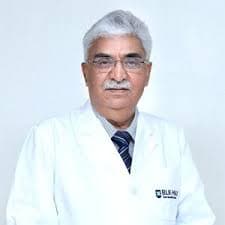
Dr. T. S. Kler
Cardiologia
Hospital BLK-Max Super Speciality, Nova Deli
O Dr. T. S. Kler, com mais de 37 anos de experiência, é um pioneiro em cardiologia intervencionista e eletrofisiologia, reconhecido por realizar mais de 35.000 angioplastias e por sua prática cardíaca ética.
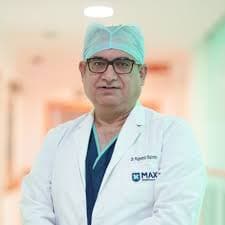
Dr. Rajneesh Malhotra
Cardiologia
Max Super Speciality Hospital, Saket, Nova Deli
O Dr. Rajneesh Malhotra, um dos principais cirurgiões cardíacos de Deli, com mais de 33 anos de experiência, destaca-se em transplantes cardíacos e cirurgia robótica no Max Hospital, Saket.
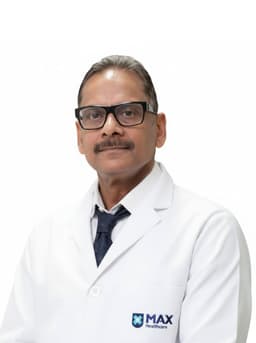
Dr. B.L. Agarwal
Cardiologia
Max Super Speciality Hospital, Noida
O Dr. B.L. Agarwal, com mais de 30 anos de experiência, é especializado em angioplastia, colocação de stents e tratamento da insuficiência cardíaca. Reconhecido pelo cuidado ético e pela excelência em cardiologia intervencionista.
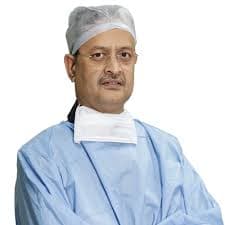
Dr. S. S. Bansal
Cardiologia
SSB Heart & Multispecialty Hospital, Faridabad
O Dr. S. S. Bansal, um dos principais cardiologistas de Faridabad, com mais de 30 anos de experiência, destaca-se em angioplastia, colocação de stents e cuidados avançados para doenças cardíacas no SSB Hospital.
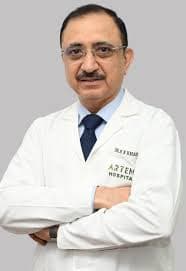
Dr. Surendra Nath Khanna
Cardiologia
Artemis Hospital, Gurugram
Dr. Surendra Nath Khanna, Presidente da Cirurgia Cardíaca no Artemis Hospital, Gurgaon. Mais de 34 anos de experiência e 21.000+ cirurgias cardíacas. Especialista em reparo valvar e CABG.
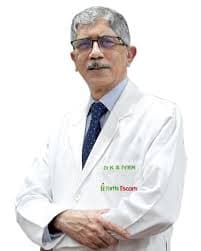
Dr. Krishna Subramony Iyer
Cardiologia
Fortis Escorts Heart Institute, Nova Deli
Dr. Krishna Subramony Iyer é um pioneiro da cirurgia cardíaca pediátrica com mais de 45 anos de experiência e mais de 14.000 cirurgias cardíacas congênitas realizadas no Fortis Escorts, Nova Deli.
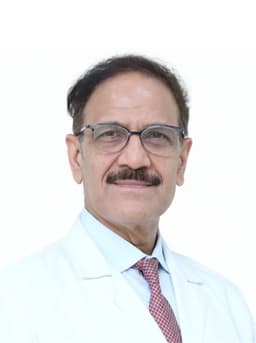
Dr. Subhash Chandra
Cardiologia
BLK-Max Super Speciality Hospital, Nova Deli
Dr. Subhash Chandra é um cardiologista intervencionista sénior em Deli, com mais de 40 anos de experiência. Especialista em TAVI, angioplastia, pacemakers e doenças estruturais do coração.
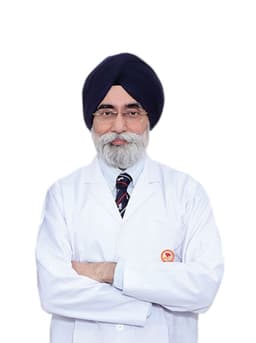
Dr. (Brig) Sudeep Singh Sidhu
Cardiologia
SSB Heart & Multispecialty Hospital, Faridabad
O Dr. (Brig) Sudeep Singh Sidhu é Chefe e Diretor de Cirurgia Cardíaca no SSB Hospital Faridabad, com mais de 30 anos de experiência em cirurgia de revascularização do miocárdio sem circulação extracorpórea, revascularização arterial total, cirurgias de reoperação cardíaca, cirurgia aórtica e vascular.
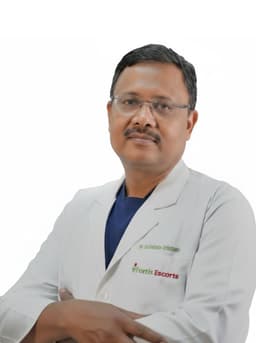
Dr. Shiv Kumar Choudhary
Cardiologia
Fortis Escorts Heart Institute, Nova Deli
O Dr. Shiv Kumar Choudhary é Diretor Executivo de CTVS no Fortis Escorts Heart Institute, Nova Deli, com mais de 32 anos de experiência em cirurgias cardíacas complexas, incluindo cirurgia da aorta, válvulas, transplante cardíaco e implantação de LVAD.
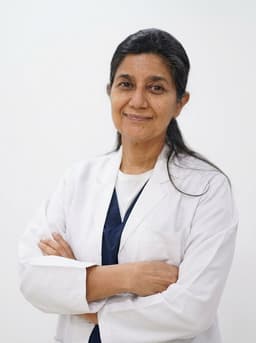
Dr. Aparna Jaswal
Cardiologia
Fortis Escorts Heart Institute, Nova Deli
A Dra. Aparna Jaswal é uma das principais especialistas em eletrofisiologia cardíaca, com mais de 30 anos de experiência. Especialista em ablação por cateter, implantação de CDI, TRC e tratamento de arritmias complexas no Fortis Escorts Heart Institute, Nova Deli.
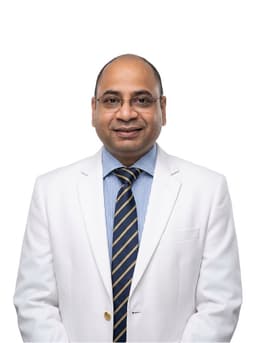
Dr. Aseem R. Srivastava
Cardiologia
Artemis Hospital, Gurugram
Dr. Aseem R. Srivastava é um cirurgião cardíaco pediátrico com formação nos EUA no Artemis Hospital, Gurgaon, com mais de 20 anos de experiência em cirurgia cardíaca congénita.
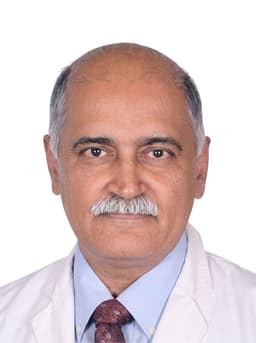
Dr Kulbhushan Singh Dagar
Cardiologia
Max Super Speciality Hospital, Saket, New Delhi
Dr. Kulbhushan Singh Dagar é Presidente de Cirurgia Cardíaca Neonatal e Congénita no Max Saket, com mais de 32 anos de experiência em cirurgia cardíaca pediátrica.
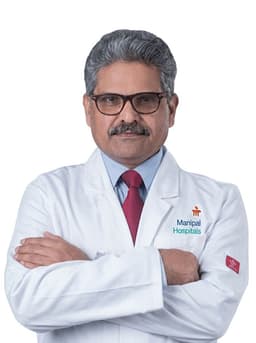
Dr. Yugal Kishor Mishra
Cardiologia
Manipal Hospitals Dwarka, New Delhi
Dr. Yugal Kishor Mishra é Presidente do Manipal Institute of Cardiac Sciences no Manipal Dwarka, com mais de 30 anos de experiência e mais de 19.000 cirurgias cardíacas realizadas.
Resultados Esperados e o Que Significa Sucesso
Cronograma de Recuperação e Acompanhamento
A aptidão para voar e os limites de atividade são específicos de cada centro.
Com Que Rapidez Posso Começar?
Segunda Opinião
12-48 horas
Geralmente recebida após o compartilhamento de relatórios médicos.
Agendamento
1-2 dias úteis
Dependendo da disponibilidade do especialista
Carta Convite para Visto (VIL)
1-2 dias úteis
emitida prontamente para apoiar sua solicitação de visto médico.
Custos e o Que Afeta Seu Orçamento
Esta página fornece uma visão geral dos custos típicos e fatores influenciadores. Um orçamento personalizado é compartilhado após uma revisão médica de seus relatórios — entre em contato conosco para solicitar seu orçamento individual.
Como a VRH Healthcare Ajuda
A VRH Healthcare não é um hospital. Atuamos como seu parceiro de facilitação médica e navegação do paciente, ajudando você a tomar decisões informadas e a progredir sem problemas no tratamento na Índia.
Serviços para Pacientes Internacionais
Sua Jornada de Cuidados com a VRH
Um guia simplificado passo a passo para sua experiência de tratamento.
Compartilhe relatórios médicos
Receba uma segunda opinião especializada e um orçamento indicativo
Planeje viagem, visto e consultas
Tratamento com coordenação no local
Alta e tele-acompanhamentos contínuos
Compartilhe relatórios médicos
Receba uma segunda opinião especializada e um orçamento indicativo
Planeje viagem, visto e consultas
Tratamento com coordenação no local
Alta e tele-acompanhamentos contínuos
Onde Atendemos: Países Que Apoiamos
Oriente Médio
Suporte linguístico, assistência com visto e planejamento coordenado de cuidados para cirurgia de próstata.
África
Suporte para revisão de diagnósticos, planejamento de viagem e acompanhamento pós-tratamento.
Ásia Central e CEI
Serviços de interpretação e coordenação hospitalar para cuidados cirúrgicos.
Sul da Ásia
Acesso rápido a opiniões, agendamento e continuidade dos cuidados.
Reino Unido e EUA
Segundas opiniões, planejamento sensível a custos e tele-acompanhamentos pós-retorno.
Outros Países
Suporte personalizado com base nas necessidades individuais de viagem e cuidados.