
استئصال البطين الجراحي (SVR) في الهند: علاج متقدم لفشل القلب
للمرضى الدوليين الباحثين عن رعاية متخصصة، تسهل VRH Healthcare الوصول إلى كبار جراحي القلب في الهند والمرافق الحديثة لإجراء SVR.
مستشفيات معتمدة
مراكز معتمدة من JCI وNABH فقط.
بدون وقت انتظار
مواعيد ذات أولوية للمرضى الدوليين.
ما هو استئصال البطين الجراحي (SVR)؟
استئصال البطين الجراحي (SVR)، والذي يشار إليه غالبًا باسم ترميم البطين أو إجراء دور، هو جراحة قلب مفتوح عالية التخصص مصممة لتحسين وظيفة القلب الضعيف بشدة. تستهدف هذه الجراحة المرضى الذين يعانون من فشل القلب المتقدم، وعادة ما يكون ذلك بعد نوبة قلبية كبيرة تسببت في تندب كبير وتضخم في البطين الأيسر. يتضمن الإجراء إزالة أو إعادة تشكيل مناطق عضلة القلب غير الوظيفية والمتندبة بعناية. من خلال تقليل الحجم الكلي للبطين واستعادة شكل أكثر كفاءة، يهدف SVR إلى تعزيز قدرة القلب على الضخ، وتخفيف الأعراض المنهكة مثل ضيق التنفس والتعب، وتحسين جودة حياة المريض في نهاية المطاف. تساعدك VRH Healthcare على استكشاف الخيارات المتاحة لهذا الإجراء المعقد في الهند.
أنواع / متغيرات استئصال البطين الجراحي (SVR)
إجراء دور (رأب الرقعة داخل البطين)
يزيل الأنسجة المتندبة، ويعيد بناء البطين باستخدام رقعة صناعية للحصول على الشكل الأمثل.
إصلاح البطين الخطي
يستأصل الأنسجة المتندبة، ويخيط عضلة القلب السليمة مباشرة لاستعادة سلامة البطين.
جراحة الاستبعاد
يعزل الجزء المتمدد وغير المنقبض من البطين عن حجرة الضخ الوظيفية.
الإجراءات المجمعة
غالبًا ما يتم دمج SVR مع جراحة مجازة الشريان التاجي (CABG) أو إصلاح الصمام للعلاج الشامل.
يشرح جراحك سبب التوصية بنهج معين لك.
التقنيات والتكنولوجيا
في الهند، يتم إجراء استئصال البطين الجراحي (SVR) في مراكز القلب المتقدمة باستخدام أحدث التقنيات لضمان الدقة وسلامة المريض. قد تشمل التقنيات والتكنولوجيا الرئيسية ما يلي:
الفوائد
- **تحسين وظيفة القلب:** يعزز استئصال البطين الجراحي (SVR) بشكل كبير كفاءة ضخ البطين الأيسر، مما يؤدي إلى تحسين الدورة الدموية في جميع أنحاء الجسم.
- **تخفيف الأعراض:** غالبًا ما يلاحظ المرضى انخفاضًا ملحوظًا في أعراض فشل القلب الشديدة مثل ضيق التنفس والتعب والتورم، مما يحسن الراحة اليومية.
- **تحسين جودة الحياة:** من خلال تقليل الأعراض وتحسين وظيفة القلب، يمكن لـ SVR أن يعزز بشكل كبير قدرة المريض على أداء الأنشطة اليومية والتمتع بجودة حياة أفضل.
- **تقليل حالات دخول المستشفى:** قد يقلل نجاح SVR من تكرار حالات دخول المستشفى المتعلقة بتفاقم فشل القلب الحاد، مما يوفر استقرارًا أكبر.
- **إمكانية إطالة العمر:** بالنسبة للمرضى المختارين بعناية، يمكن لـ SVR تحسين معدلات البقاء على قيد الحياة على المدى الطويل مقارنة بالإدارة الطبية وحدها، مما يوفر مسارًا علاجيًا حيويًا.
القيود
- **مخاطر جراحية كبيرة:** كإجراء جراحي للقلب المفتوح، يحمل SVR مخاطر متأصلة بما في ذلك النزيف الكبير، والعدوى، والسكتة الدماغية، ومضاعفات الكلى، واضطرابات نظم القلب.
- **اختيار صارم للمرضى:** لا يناسب SVR جميع مرضى فشل القلب. تعتمد الأهلية على معايير محددة، بما في ذلك موقع ومدى تندب البطين، والصحة العامة.
- **فترة تعافٍ طويلة:** يحتاج المرضى إلى فترة تعافٍ طويلة، غالبًا ما تتضمن عدة أسابيع في المستشفى وأشهر من إعادة التأهيل، مما يؤثر على العودة الفورية إلى الحياة الطبيعية.
- **لا 'يشفي' فشل القلب:** يدير SVR ويحسن أعراض ووظيفة فشل القلب ولكنه لا يقضي على الحالة الأساسية، مما يتطلب إدارة طبية مستمرة.
- **نتائج متغيرة:** يمكن أن تختلف درجة التحسن بناءً على عوامل مثل صحة المريض الموجودة مسبقًا، وشدة تلف القلب، وخبرة الجراح.
التشخيصات والفحوصات قبل الوصول
قائمة التحقق قبل الوصول والسفر
كيف يتم الإجراء (خطوة بخطوة)
التقييم قبل الجراحة والتخدير
يضمن التقييم النهائي الشامل الجاهزية للجراحة. يتم إعطاء التخدير العام بعناية، مما يضعك في نوم عميق وخالٍ من الألم طوال الإجراء.
شق القص والمجازة القلبية الرئوية
يتم إجراء شق دقيق أسفل الصدر، ويتم فتح عظم القص بلطف. ثم يتولى جهاز القلب والرئة المهمة، حيث يقوم بتدوير الدم والأكسجين، مما يسمح للقلب بالبقاء ساكنًا.
استئصال البطين وإعادة بنائه
يحدد الجراح بعناية ويستأصل عضلة القلب المتندبة وغير الوظيفية. يتم استخدام رقعة صناعية أو خياطة مباشرة لإعادة تشكيل البطين الأيسر، واستعادة هندسته المثلى.
الفطام من المجازة والإغلاق
بمجرد اكتمال إعادة البناء، يتم إعادة تشغيل القلب تدريجيًا، ويتم فطام المريض عن جهاز القلب والرئة. ثم يتم إغلاق شق الصدر بدقة، وتوضع المصارف.
العناية المركزة بعد الجراحة
بعد الجراحة، سيتم نقلك إلى وحدة العناية المركزة القلبية المخصصة (CICU) للمراقبة الدقيقة، وإدارة الألم، والتعافي الأولي تحت إشراف الخبراء.
أفضل الأطباء المتخصصين في أمراض القلب
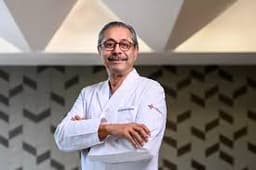
الدكتور ناريش تريهان
أمراض القلب
ميدانتا - ذا ميديسيتي، جوروجرام
الدكتور ناريش تريهان، بخبرة تزيد عن 56 عامًا، جراح قلب عالمي شهير في زراعة القلب وجراحة القلب الروبوتية في مستشفى ميدانتا، جوروجرام.
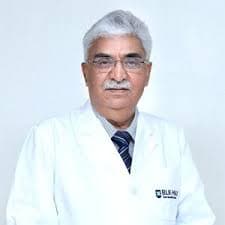
الدكتور تي إس كلر
أمراض القلب
مستشفى بي إل كيه ماكس متعدد التخصصات، نيو دلهي
الدكتور تي إس كلر، بخبرة تزيد عن 37 عامًا، رائد في أمراض القلب التداخلية وكهرباء القلب، أجرى أكثر من 35,000 عملية قسطرة، ويُعرف برعايته القلبية الأخلاقية.
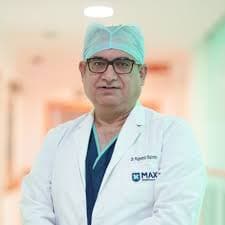
الدكتور راجنيش مالهوترا
أمراض القلب
مستشفى ماكس متعدد التخصصات، ساكيت، نيو دلهي
الدكتور راجنيش مالهوترا، أحد أبرز جراحي القلب في دلهي بخبرة تتجاوز 33 عامًا، يتميز في زراعة القلب والجراحة الروبوتية بمستشفى ماكس ساكيت.
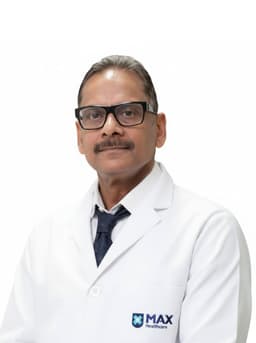
الدكتور بي إل أغاروال
أمراض القلب
مستشفى ماكس متعدد التخصصات، نويدا
الدكتور بي إل أغاروال، بخبرة تتجاوز 30 عامًا، متخصص في القسطرة القلبية، تركيب الدعامات، وعلاج فشل القلب. عُرف برعايته الأخلاقية وخبرته المتميزة في أمراض القلب التداخلية.
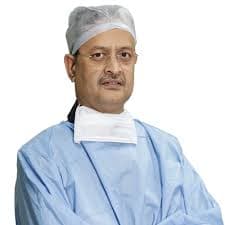
الدكتور شـيـام سـونـدار بـنـسـال
أمراض القلب
مستشفى إس إس بي للقلب والتخصصات المتعددة، فريد آباد
الدكتور شـيـام سـونـدار بـنـسـال، أحد أبرز أطباء القلب في فريد آباد بخبرة تزيد عن 30 عاماً، متخصص في القسطرة، الدعامات، ورعاية أمراض القلب المتقدمة في مستشفى إس إس بي.
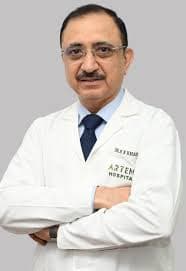
الدكتور سوريندرا ناث خنّا
أمراض القلب
مستشفى أرتميس، جوروجرام
الدكتور سوريندرا ناث خنّا، رئيس قسم جراحة القلب في مستشفى أرتميس، جورجاون. يمتلك أكثر من 34 عامًا من الخبرة، أجرى أكثر من 21,000 عملية قلب ناجحة. خبير في إصلاح الصمامات وجراحة مجازة الشريان التاجي (CABG).
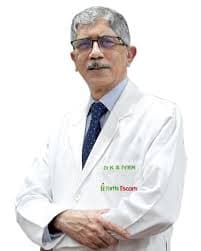
الدكتور كريشنا سوبراموني آير
أمراض القلب
معهد فورتيس إسكورتس للقلب، نيودلهي
يُعدّ الدكتور كريشنا سوبراموني آير رائدًا في جراحة قلب الأطفال، بخبرة تزيد عن 45 عامًا وأكثر من 14,000 جراحة قلب خَلقية في معهد فورتيس إسكورتس، دلهي.
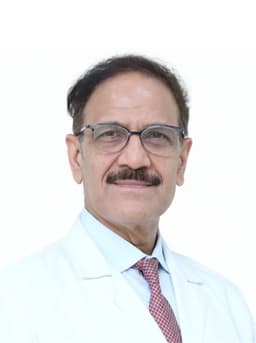
الدكتور سوبهاش تشاندرا
أمراض القلب
مستشفى BLK-ماكس التخصصي الفائق، نيودلهي
الدكتور سوبهاش تشاندرا هو أحد أقدم وأشهر أطباء القلب التداخليين في دلهي بخبرة تزيد عن 40 عامًا، ومتخصص في عمليات TAVI، القسطرة، زراعة منظمات ضربات القلب، وأمراض القلب الهيكلية.
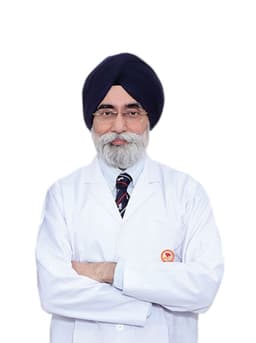
الدكتور (العميد) سوديب سينغ سيدهو
أمراض القلب
مستشفى إس إس بي للقلب والتخصصات المتعددة، فريد آباد
الدكتور (العميد) سوديب سينغ سيدهو هو رئيس قسم جراحة القلب في مستشفى إس إس بي بفريد آباد، ويتمتع بخبرة تزيد عن 30 عامًا في جراحات تحويل مسار الشرايين التاجية بدون مضخة، وإعادة التروية الشريانية الكاملة، وجراحات الإعادة، وجراحات الأبهر والأوعية الدموية.
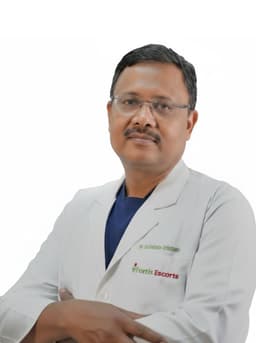
الدكتور شيف كومار تشودري
أمراض القلب
معهد فورتيس إسكورتس للقلب، نيودلهي
الدكتور شيف كومار تشودري هو المدير التنفيذي لجراحة القلب والصدر والأوعية في معهد فورتيس إسكورتس للقلب، نيودلهي، ويتمتع بخبرة تزيد عن 32 عامًا في جراحات الأبهر المعقدة، وجراحات الصمامات، وزراعة القلب، وجراحات فشل القلب المتقدمة.
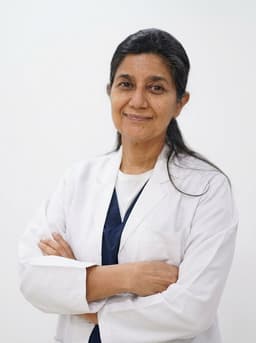
الدكتورة أبارنا جاسوال
أمراض القلب
معهد فورتيس إسكورتس للقلب، نيودلهي
الدكتورة أبارنا جاسوال من أبرز أخصائيات فسيولوجيا كهربائية القلب في الهند، وتتمتع بخبرة تزيد على 30 عاماً في تشخيص وعلاج اضطرابات نظم القلب. تتميز بخبرة واسعة في الاستئصال بالقسطرة، وزراعة أجهزة تنظيم ضربات القلب، وأجهزة مزيل الرجفان القابل للزرع (ICD)، وعلاج إعادة تزامن القلب (CRT) في معهد فورتيس إسكورتس للقلب، نيودلهي.
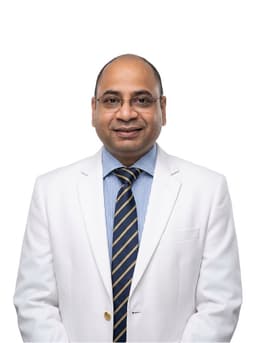
الدكتور أسيم آر. سريفاستافا
أمراض القلب
مستشفى أرتميس، جوروجرام
الدكتور أسيم آر. سريفاستافا هو جرّاح قلب أطفال تلقّى تدريبه في الولايات المتحدة ويعمل في مستشفى أرتميس، جوروجرام، ويتمتع بخبرة تزيد على 20 عامًا في جراحة عيوب القلب الخلقية.
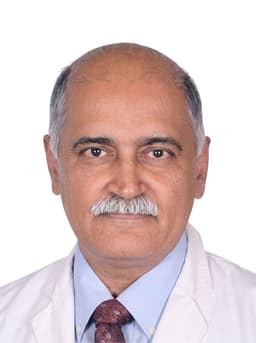
الدكتور كولبهوشان سينغ داغار
أمراض القلب
مستشفى ماكس متعدد التخصصات، ساكيت، نيو دلهي
يشغل الدكتور كولبهوشان سينغ داغار منصب رئيس قسم جراحة قلب حديثي الولادة وعيوب القلب الخلقية في مستشفى ماكس، ساكيت، ويتمتع بخبرة تزيد على 32 عامًا في جراحة قلب الأطفال.
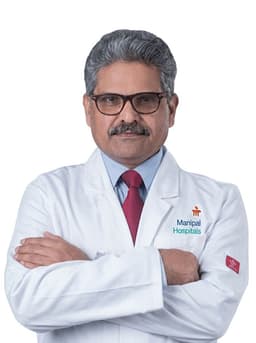
الدكتور يوغال كيشور ميشرا
أمراض القلب
مستشفى مانيبال دواركا، نيودلهي
يشغل الدكتور يوغال كيشور ميشرا منصب رئيس معهد علوم القلب في مستشفى مانيبال دواركا، ويتمتع بخبرة تزيد على 30 عامًا، وقد أجرى أكثر من 19,000 عملية جراحية للقلب.
النتائج المتوقعة وما يعنيه النجاح
التعافي والجدول الزمني للمتابعة
اللياقة للسفر وحدود النشاط خاصة بالمركز.
ما مدى السرعة التي يمكنني بها البدء؟
رأي ثانٍ
12-48 hours
يتم استلامه عادة بعد مشاركة التقارير الطبية.
الجدولة
1-2 working days
حسب توفر الأخصائي
خطاب دعوة التأشيرة (VIL)
1-2 working days
يصدر على الفور لدعم طلب تأشيرتك الطبية.
التكاليف وما يؤثر على تقديرك
تقدم هذه الصفحة نظرة عامة على التكاليف النموذجية والعوامل المؤثرة. يتم مشاركة تقدير التكلفة الشخصي بعد مراجعة طبية لتقاريرك — يرجى الاتصال بنا لطلب تقديرك الفردي.
كيف تساعد VRH Healthcare
VRH Healthcare ليست مستشفى. نحن نعمل كشريكك في التسهيلات الطبية وتوجيه المرضى، مما يساعدك على اتخاذ قرارات مستنيرة والتحرك بسلاسة خلال الرعاية في الهند.
خدمات المرضى الدوليين
رحلة رعايتك مع VRH
دليل مبسط خطوة بخطوة لتجربة علاجك.
شارك التقارير الطبية
احصل على رأي ثانٍ من خبير وتقدير إرشادي
خطط للسفر والتأشيرة والمواعيد
العلاج مع التنسيق الميداني
الخروج من المستشفى والمتابعات المستمرة عن بعد
شارك التقارير الطبية
احصل على رأي ثانٍ من خبير وتقدير إرشادي
خطط للسفر والتأشيرة والمواعيد
العلاج مع التنسيق الميداني
الخروج من المستشفى والمتابعات المستمرة عن بعد
أين نخدم: الدول التي ندعمها
الشرق الأوسط
دعم اللغة، ومساعدة التأشيرة، وتخطيط الرعاية المنسق لجراحة القلب بما في ذلك SVR.
أفريقيا
دعم مراجعة التشخيصات، وتخطيط السفر، والمتابعة بعد العلاج.
آسيا الوسطى ورابطة الدول المستقلة
خدمات الترجمة وتنسيق المستشفى للرعاية الجراحية.
جنوب آسيا
وصول سريع إلى الآراء، والجدولة، واستمرارية الرعاية.
المملكة المتحدة والولايات المتحدة الأمريكية
آراء ثانية، تخطيط حساس للتكلفة، ومتابعات عن بعد بعد العودة.
دول أخرى
دعم مخصص بناءً على احتياجات السفر والرعاية الفردية.