
جراحة صمام القلب في الهند – خيارات الإصلاح والاستبدال وTAVI
تساعد VRH Healthcare المرضى الدوليين في الوصول إلى جراحي قلب ذوي خبرة، ومراكز قلب متقدمة، وإجراءات إصلاح أو استبدال صمام القلب الفعالة من حيث التكلفة في الهند.
مستشفيات معتمدة
مراكز معتمدة من JCI وNABH فقط.
بدون وقت انتظار
مواعيد ذات أولوية للمرضى الدوليين.
فهم جراحة صمام القلب في الهند
تُجرى جراحة صمام القلب في الهند لإصلاح أو استبدال صمامات القلب التالفة التي تعيق تدفق الدم الطبيعي داخل القلب. قد يسبب مرض الصمام تضييقًا (تضيق) أو تسربًا (قلس)، مما يؤدي إلى أعراض مثل ضيق التنفس، والتعب، وعدم الراحة في الصدر، أو قصور القلب إذا تُرك دون علاج. تقدم مراكز القلب الرائدة في الهند تقنيات جراحية متقدمة وطفيفة التوغل، بما في ذلك إصلاح الصمام، واستبدال الصمام الميكانيكي أو البيولوجي، والإجراءات عبر القسطرة مثل TAVI/TAVR. غالبًا ما يختار المرضى الدوليون الهند لوجود جراحي قلب ذوي خبرة، وبنية تحتية حديثة، وتكاليف علاج أقل بكثير مقارنة بالعديد من الدول الغربية. تسهل VRH Healthcare الوصول إلى مستشفيات القلب المعتمدة والتخطيط العلاجي المخصص بناءً على التقييم السريري الفردي.
أنواع / أشكال إصلاح أو استبدال صمام القلب في الهند
إصلاح الصمام جراحيًا (رأب الصمام)
يقوم الجراحون بإعادة تشكيل أو إعادة بناء الصمام الموجود، غالبًا لصمامات المترالي أو ثلاثي الشرفات.
استبدال الصمام جراحيًا
يتم إزالة الصمام المريض واستبداله بصمام اصطناعي ميكانيكي أو بيولوجي.
زرع الصمام الأبهري عبر القسطرة (TAVI/TAVR)
إجراء طفيف التوغل لاستبدال الصمام الأبهري الضيق دون جراحة قلب مفتوح.
إصلاح الصمام المترالي عبر القسطرة (TMVR)
إصلاح طفيف التوغل للصمام المترالي، غالبًا باستخدام مشابك أو أجهزة رأب الحلقة.
يشرح جراحك سبب التوصية بنهج معين لك.
التقنيات والتكنولوجيا المتقدمة لجراحة صمام القلب في الهند
في الهند، قد يتم إجراء إصلاح أو استبدال صمام القلب باستخدام:
الفوائد
- تحسن كبير في وظيفة القلب وتدفق الدم، مما يقلل الضغط على القلب.
- التخفيف من الأعراض المنهكة مثل ضيق التنفس، وألم الصدر، والتعب.
- تحسين جودة الحياة، مما يسمح للمرضى باستئناف الأنشطة اليومية بسهولة أكبر.
- زيادة متوسط العمر المتوقع للمرضى الذين يعانون من أمراض الصمامات الشديدة، مما يمنع المضاعفات.
- إمكانية وجود خيارات طفيفة التوغل، مما يؤدي إلى شقوق أصغر وتعافٍ أسرع.
- الوصول إلى جراحي قلب عالميين ومرافق متقدمة في الهند بتكاليف تنافسية.
القيود
- خطر حدوث مضاعفات مثل العدوى، النزيف، السكتة الدماغية، أو مشاكل في الصمام الجديد.
- فترة تعافٍ طويلة لجراحة القلب المفتوح، تتطلب رعاية كبيرة بعد الجراحة.
- الحاجة إلى أدوية مضادة للتخثر مدى الحياة مع الصمامات الميكانيكية، مما يتطلب مراقبة دقيقة.
- قد تتدهور الصمامات البيولوجية بمرور الوقت، مما قد يتطلب إعادة تدخل في المستقبل.
- يمكن أن تختلف النتائج بناءً على الصحة العامة للمريض، والعمر، وشدة مرض الصمام.
التشخيصات والفحوصات قبل الوصول
قائمة التحقق قبل الوصول والسفر
كيف يتم الإجراء (خطوة بخطوة)
التحضير قبل الجراحة
يخضع المرضى لاختبارات تشخيصية نهائية، ويتلقون استشارة التخدير، ويتم تحضيرهم للجراحة، بما في ذلك الصيام وتعديلات الأدوية.
التخدير والشق
يتم إعطاء التخدير العام. بالنسبة للجراحة المفتوحة، يتم إجراء شق القص. تتضمن الأساليب طفيفة التوغل شقوقًا أصغر في الصدر.
المجازة القلبية الرئوية
بالنسبة لمعظم إجراءات القلب المفتوح، يتم إيقاف القلب، وتتولى آلة القلب والرئة الدورة الدموية والأكسجة.
إصلاح أو استبدال الصمام
يقوم الجراح إما بإصلاح الصمام الموجود (مثل رأب الحلقة، إصلاح الوريقة) أو إزالته وزرع صمام اصطناعي ميكانيكي أو بيولوجي جديد.
الإغلاق والتعافي
يتم إعادة تشغيل القلب، وإزالة جهاز المجازة، وإغلاق الشقوق. ثم يتم نقل المريض إلى العناية المركزة للمراقبة الدقيقة.
الرعاية بعد الجراحة
يتلقى المرضى إدارة الألم، ودعم الجهاز التنفسي، والتعبئة التدريجية، مع مراقبة دقيقة للمضاعفات وبدء إعادة التأهيل.
أفضل الأطباء المتخصصين في أمراض القلب
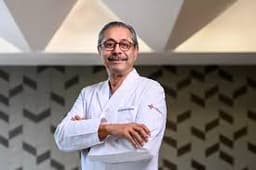
الدكتور ناريش تريهان
أمراض القلب
ميدانتا - ذا ميديسيتي، جوروجرام
الدكتور ناريش تريهان، بخبرة تزيد عن 56 عامًا، جراح قلب عالمي شهير في زراعة القلب وجراحة القلب الروبوتية في مستشفى ميدانتا، جوروجرام.
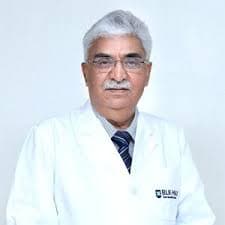
الدكتور تي إس كلر
أمراض القلب
مستشفى بي إل كيه ماكس متعدد التخصصات، نيو دلهي
الدكتور تي إس كلر، بخبرة تزيد عن 37 عامًا، رائد في أمراض القلب التداخلية وكهرباء القلب، أجرى أكثر من 35,000 عملية قسطرة، ويُعرف برعايته القلبية الأخلاقية.
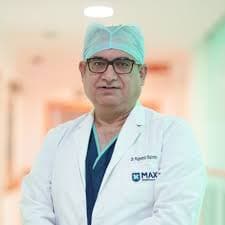
الدكتور راجنيش مالهوترا
أمراض القلب
مستشفى ماكس متعدد التخصصات، ساكيت، نيو دلهي
الدكتور راجنيش مالهوترا، أحد أبرز جراحي القلب في دلهي بخبرة تتجاوز 33 عامًا، يتميز في زراعة القلب والجراحة الروبوتية بمستشفى ماكس ساكيت.
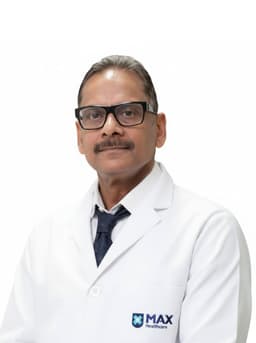
الدكتور بي إل أغاروال
أمراض القلب
مستشفى ماكس متعدد التخصصات، نويدا
الدكتور بي إل أغاروال، بخبرة تتجاوز 30 عامًا، متخصص في القسطرة القلبية، تركيب الدعامات، وعلاج فشل القلب. عُرف برعايته الأخلاقية وخبرته المتميزة في أمراض القلب التداخلية.
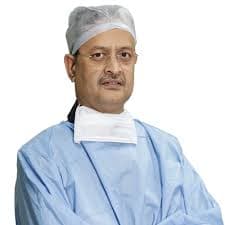
الدكتور شـيـام سـونـدار بـنـسـال
أمراض القلب
مستشفى إس إس بي للقلب والتخصصات المتعددة، فريد آباد
الدكتور شـيـام سـونـدار بـنـسـال، أحد أبرز أطباء القلب في فريد آباد بخبرة تزيد عن 30 عاماً، متخصص في القسطرة، الدعامات، ورعاية أمراض القلب المتقدمة في مستشفى إس إس بي.
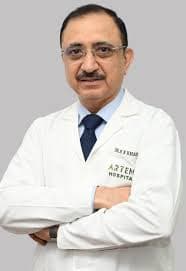
الدكتور سوريندرا ناث خنّا
أمراض القلب
مستشفى أرتميس، جوروجرام
الدكتور سوريندرا ناث خنّا، رئيس قسم جراحة القلب في مستشفى أرتميس، جورجاون. يمتلك أكثر من 34 عامًا من الخبرة، أجرى أكثر من 21,000 عملية قلب ناجحة. خبير في إصلاح الصمامات وجراحة مجازة الشريان التاجي (CABG).
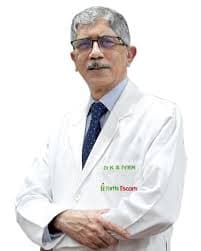
الدكتور كريشنا سوبراموني آير
أمراض القلب
معهد فورتيس إسكورتس للقلب، نيودلهي
يُعدّ الدكتور كريشنا سوبراموني آير رائدًا في جراحة قلب الأطفال، بخبرة تزيد عن 45 عامًا وأكثر من 14,000 جراحة قلب خَلقية في معهد فورتيس إسكورتس، دلهي.
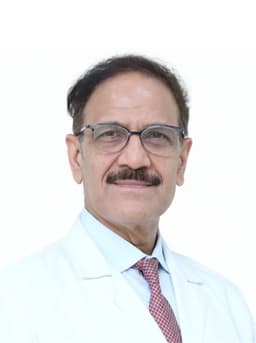
الدكتور سوبهاش تشاندرا
أمراض القلب
مستشفى BLK-ماكس التخصصي الفائق، نيودلهي
الدكتور سوبهاش تشاندرا هو أحد أقدم وأشهر أطباء القلب التداخليين في دلهي بخبرة تزيد عن 40 عامًا، ومتخصص في عمليات TAVI، القسطرة، زراعة منظمات ضربات القلب، وأمراض القلب الهيكلية.
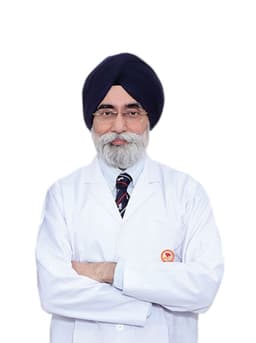
الدكتور (العميد) سوديب سينغ سيدهو
أمراض القلب
مستشفى إس إس بي للقلب والتخصصات المتعددة، فريد آباد
الدكتور (العميد) سوديب سينغ سيدهو هو رئيس قسم جراحة القلب في مستشفى إس إس بي بفريد آباد، ويتمتع بخبرة تزيد عن 30 عامًا في جراحات تحويل مسار الشرايين التاجية بدون مضخة، وإعادة التروية الشريانية الكاملة، وجراحات الإعادة، وجراحات الأبهر والأوعية الدموية.
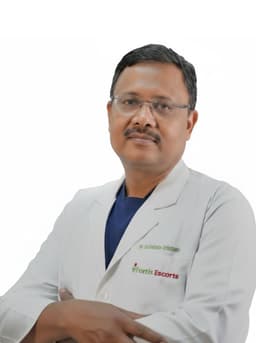
الدكتور شيف كومار تشودري
أمراض القلب
معهد فورتيس إسكورتس للقلب، نيودلهي
الدكتور شيف كومار تشودري هو المدير التنفيذي لجراحة القلب والصدر والأوعية في معهد فورتيس إسكورتس للقلب، نيودلهي، ويتمتع بخبرة تزيد عن 32 عامًا في جراحات الأبهر المعقدة، وجراحات الصمامات، وزراعة القلب، وجراحات فشل القلب المتقدمة.
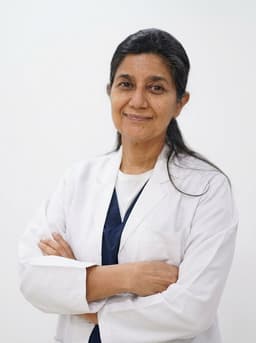
الدكتورة أبارنا جاسوال
أمراض القلب
معهد فورتيس إسكورتس للقلب، نيودلهي
الدكتورة أبارنا جاسوال من أبرز أخصائيات فسيولوجيا كهربائية القلب في الهند، وتتمتع بخبرة تزيد على 30 عاماً في تشخيص وعلاج اضطرابات نظم القلب. تتميز بخبرة واسعة في الاستئصال بالقسطرة، وزراعة أجهزة تنظيم ضربات القلب، وأجهزة مزيل الرجفان القابل للزرع (ICD)، وعلاج إعادة تزامن القلب (CRT) في معهد فورتيس إسكورتس للقلب، نيودلهي.
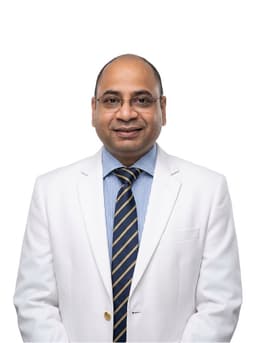
الدكتور أسيم آر. سريفاستافا
أمراض القلب
مستشفى أرتميس، جوروجرام
الدكتور أسيم آر. سريفاستافا هو جرّاح قلب أطفال تلقّى تدريبه في الولايات المتحدة ويعمل في مستشفى أرتميس، جوروجرام، ويتمتع بخبرة تزيد على 20 عامًا في جراحة عيوب القلب الخلقية.
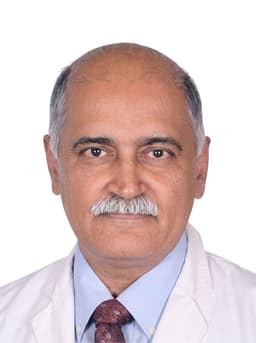
الدكتور كولبهوشان سينغ داغار
أمراض القلب
مستشفى ماكس متعدد التخصصات، ساكيت، نيو دلهي
يشغل الدكتور كولبهوشان سينغ داغار منصب رئيس قسم جراحة قلب حديثي الولادة وعيوب القلب الخلقية في مستشفى ماكس، ساكيت، ويتمتع بخبرة تزيد على 32 عامًا في جراحة قلب الأطفال.
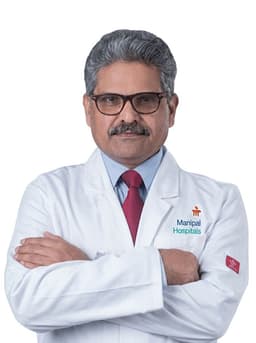
الدكتور يوغال كيشور ميشرا
أمراض القلب
مستشفى مانيبال دواركا، نيودلهي
يشغل الدكتور يوغال كيشور ميشرا منصب رئيس معهد علوم القلب في مستشفى مانيبال دواركا، ويتمتع بخبرة تزيد على 30 عامًا، وقد أجرى أكثر من 19,000 عملية جراحية للقلب.
النتائج المتوقعة وماذا يعني النجاح
التعافي والجدول الزمني للمتابعة
اللياقة للسفر الجوي وحدود النشاط خاصة بالمركز.
ما مدى سرعة البدء؟
رأي طبي ثانٍ
12-48 hours
يتم استلامه عادةً بعد مشاركة التقارير الطبية.
الجدولة
1-2 working days
حسب توفر الأخصائي
خطاب دعوة التأشيرة (VIL)
1-2 working days
يصدر على الفور لدعم طلب تأشيرتك الطبية.
تكلفة جراحة صمام القلب في الهند وما يؤثر على تقديرك
تقدم هذه الصفحة نظرة عامة على التكاليف النموذجية والعوامل المؤثرة. يتم مشاركة تقدير تكلفة مخصص بعد مراجعة طبية لتقاريرك—يرجى الاتصال بنا لطلب تقديرك الفردي.
كيف تساعد VRH Healthcare
VRH Healthcare ليست مستشفى. نحن نعمل كشريكك في التسهيلات الطبية وتوجيه المرضى، مما يساعدك على اتخاذ قرارات مستنيرة والتنقل بسلاسة خلال الرعاية في الهند.
خدمات المرضى الدوليين
رحلة رعايتك مع VRH
دليل مبسط خطوة بخطوة لتجربة علاجك.
شارك التقارير الطبية
احصل على رأي طبي ثانٍ من خبير وتقدير إرشادي
خطط للسفر والتأشيرة والمواعيد
العلاج بتنسيق على الأرض
الخروج ومتابعات عن بعد مستمرة
شارك التقارير الطبية
احصل على رأي طبي ثانٍ من خبير وتقدير إرشادي
خطط للسفر والتأشيرة والمواعيد
العلاج بتنسيق على الأرض
الخروج ومتابعات عن بعد مستمرة
أين نخدم: الدول التي ندعمها
الشرق الأوسط
دعم لغوي، مساعدة في التأشيرة، وتخطيط رعاية منسق لجراحة صمام القلب.
أفريقيا
دعم لمراجعة التشخيصات، تخطيط السفر، والمتابعة بعد العلاج.
آسيا الوسطى ورابطة الدول المستقلة
خدمات الترجمة وتنسيق المستشفى للرعاية القلبية الجراحية.
جنوب آسيا
وصول سريع إلى الآراء، الجدولة، واستمرارية الرعاية لحالات القلب.
المملكة المتحدة والولايات المتحدة الأمريكية
آراء طبية ثانية، تخطيط حساس للتكلفة، ومتابعات عن بعد بعد العودة لمرضى القلب.
دول أخرى
دعم مخصص بناءً على احتياجات السفر والرعاية الفردية لإجراءات القلب المعقدة.