
ICD Placement in India for Sudden Cardiac Arrest Prevention
Access advanced implantable cardioverter defibrillator (ICD) therapy with experienced cardiac electrophysiologists in India. VRH Healthcare supports international patients with coordinated, cost-effective cardiac care.
Verified Hospitals
JCI & NABH Accredited Centres only.
Zero Wait Time
Priority appointments for international patients.
Understanding ICD Placement in India
ICD placement in India involves implanting an Implantable Cardioverter Defibrillator (ICD), a small battery-powered device placed under the skin of the chest to monitor and correct dangerous heart rhythm abnormalities. The ICD continuously tracks heart activity and automatically delivers electrical therapy if life-threatening arrhythmias such as ventricular tachycardia or ventricular fibrillation are detected, helping prevent sudden cardiac arrest. ICD therapy is recommended for patients with severe heart failure, prior cardiac arrest, inherited rhythm disorders, or significantly reduced ejection fraction. India offers advanced electrophysiology labs, experienced cardiac specialists, and modern MRI-compatible ICD devices. VRH Healthcare connects international patients with leading cardiac centres for safe, guideline-based ICD implantation.
Types of ICD Devices Used in India
Single-Chamber ICD
One lead placed in the right ventricle to monitor and deliver therapy.
Dual-Chamber ICD
Two leads, one in the right atrium and one in the right ventricle, for more precise monitoring.
Biventricular ICD (CRT-D)
Three leads, including one to the left ventricle, for heart failure patients needing resynchronisation therapy.
Subcutaneous ICD (S-ICD)
Device placed under the skin, with an electrode along the breastbone, no leads in the heart.
Your surgeon explains why a particular approach is recommended for you.
Advanced Electrophysiology Technology for ICD Implantation in India
In India, Implantable Cardioverter Defibrillator (ICD) Placement may be performed using:
Benefits
- Significantly reduces the risk of sudden cardiac death.
- Provides continuous monitoring of heart rhythm.
- Can deliver life-saving therapy automatically.
- Improves overall survival rates for high-risk patients.
- Allows patients to lead more active and confident lives.
- Modern devices are smaller and more comfortable.
Limitations
- Risk of infection at the implant site.
- Potential for lead displacement or fracture.
- Device malfunction requiring replacement or revision.
- Inappropriate shocks, though rare, can occur.
- Battery life is finite, requiring device replacement every 5-10 years.
- Psychological impact or anxiety related to the device.
Diagnostics & Pre-Arrival Work-Up
Pre-Arrival & Travel Checklist
How the Procedure is Done (Step-by-Step)
Preparation
You will receive local anaesthesia and sedation, or general anaesthesia. The chest area is sterilised.
Incision
A small incision, typically below the left collarbone, is made to create a pocket for the device.
Lead Placement
Thin, insulated wires (leads) are guided through a vein into the heart chambers using X-ray guidance.
Device Connection & Testing
The leads are connected to the ICD. The device is then tested to ensure it detects and responds correctly to arrhythmias.
Implantation & Closure
The ICD is placed into the pocket under the skin. The incision is then carefully closed with sutures.
Post-Procedure
You will be monitored in recovery. A chest X-ray confirms lead position and checks for complications.
Top Specialists for Cardiology

Dr. Naresh Trehan
Cardiology
Medanta - The Medicity, Gurugram
Dr. Naresh Trehan, with 56+ years of experience, is a world-renowned heart surgeon known for heart transplants and robotic heart surgery at Medanta, Gurugram.
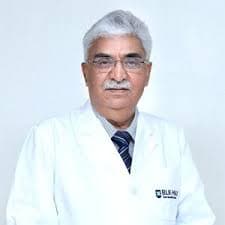
Dr. T. S. Kler
Cardiology
BLK-Max Super Speciality Hospital, New Delhi
Dr. T. S. Kler, with 37+ years of experience, is a pioneer in interventional cardiology and electrophysiology, known for performing over 35,000 angioplasties and ethical cardiac care.
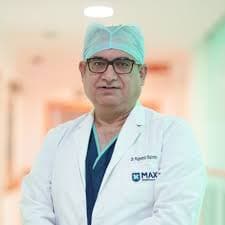
Dr. Rajneesh Malhotra
Cardiology
Max Super Speciality Hospital, Saket, New Delhi
Dr. Rajneesh Malhotra, top Delhi cardiac surgeon with 33+ years, excels in heart transplants & robotic surgery at Max Hospital, Saket.
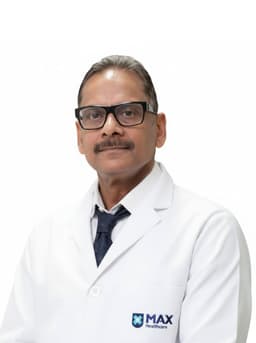
Dr. B.L. Agarwal
Cardiology
Max Super Speciality Hospital, Noida
Dr. B.L. Agarwal, with 30+ years of experience, specializes in angioplasty, stenting, and heart failure treatment. Known for ethical care and expertise in interventional cardiology.
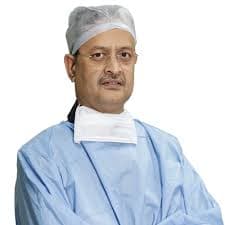
Dr. S. S. Bansal
Cardiology
SSB Heart & Multispecialty Hospital, Faridabad
Dr. S. S. Bansal, top Faridabad cardiologist with 30+ years, excels in angioplasty, stenting, and advanced heart disease care at SSB Hospital.
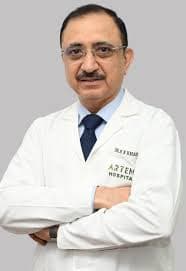
Dr. Surendra Nath Khanna
Cardiology
Artemis Hospital, Gurugram
Dr. Surendra Nath Khanna, Chairperson of Cardiac Surgery at Artemis Hospital Gurgaon. 34+ years experience, 21,000+ heart surgeries. Expert in valve repair & CABG.
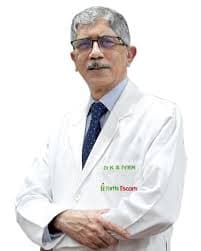
Dr. Krishna Subramony Iyer
Cardiology
Fortis Escorts Heart Institute, New Delhi
Dr. Krishna Subramony Iyer is a pioneer in paediatric cardiac surgery with 45+ years’ experience and 14,000+ congenital heart surgeries at Fortis Escorts, Delhi.
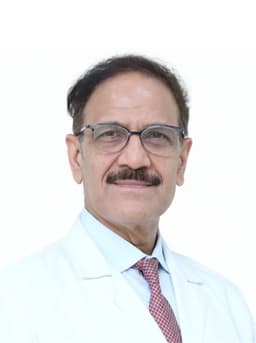
Dr. Subhash Chandra
Cardiology
BLK-Max Super Speciality Hospital, New Delhi
Dr. Subhash Chandra is a senior interventional cardiologist in Delhi with 40+ years of experience. Expert in TAVI, angioplasty, pacemakers, and structural heart disease.
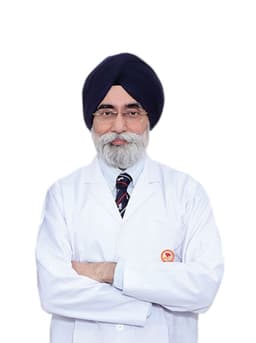
Dr. (Brig) Sudeep Singh Sidhu
Cardiology
SSB Heart & Multispecialty Hospital, Faridabad
Dr (Brig) Sudeep Singh Sidhu is Head & Chief Cardiac Surgeon at SSB Hospital Faridabad with 30+ years’ experience in off-pump CABG, total arterial revascularization, redo bypass, aortic and vascular surgery.
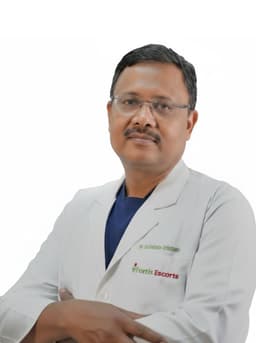
Dr Shiv Kumar Choudhary
Cardiology
Fortis Escorts Heart Institute, New Delhi
Dr Shiv Kumar Choudhary is Executive Director CTVS at Fortis Escorts Heart Institute, New Delhi with 32+ years’ experience in complex aortic, valve, transplant and cardiac surgery.
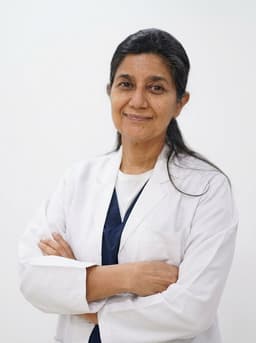
Dr. Aparna Jaswal
Cardiology
Fortis Escorts Heart Institute, New Delhi
Dr. Aparna Jaswal is a leading cardiac electrophysiologist with 30+ years of experience. Expert in catheter ablation, ICD implantation, CRT, and complex arrhythmia treatment at Fortis Escorts Heart Institute, New Delhi.
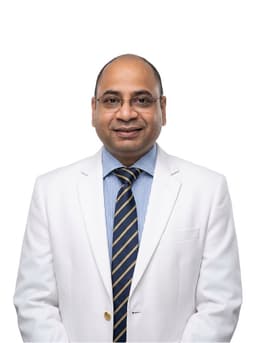
Dr. Aseem R. Srivastava
Cardiology
Artemis Hospital, Gurugram
Dr Aseem R. Srivastava is a US-trained pediatric cardiac surgeon at Artemis Hospital, Gurgaon with 20+ years' experience in congenital heart surgery.
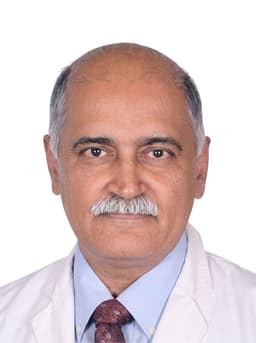
Dr Kulbhushan Singh Dagar
Cardiology
Max Super Speciality Hospital, Saket, New Delhi
Dr Kulbhushan Singh Dagar is Chairman of Neonatal & Congenital Heart Surgery at Max Saket with 32+ years' experience in pediatric heart surgery.
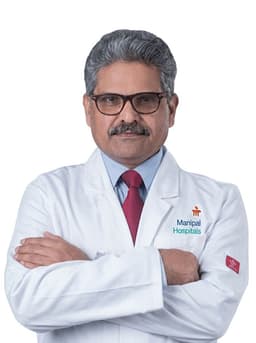
Dr. Yugal Kishor Mishra
Cardiology
Manipal Hospitals Dwarka, New Delhi
Dr. Yugal Kishor Mishra is Chairman of Cardiac Sciences at Manipal Dwarka with 30+ years’ experience and 19,000+ cardiac surgeries.
Expected Outcomes & What Success Means
Recovery & Follow-Up Timeline
Fitness to fly and activity limits are centre-specific.
How Quickly Can I Start?
Second Opinion
12-48 hours
Typically received after sharing medical reports.
Scheduling
1-2 working days
Depending upon the availability of the specialist
Visa Invitation Letter (VIL)
1-2 working days
issued promptly to support your medical visa application.
Pre-Procedure Work-Up in India
1-2 days
Final diagnostics and consultations upon arrival in India.
Procedure & Hospital Stay
3-5 days
Actual ICD placement and immediate post-operative recovery in hospital.
Post-Discharge Recovery & Follow-up
5-7 days
Local recovery and initial follow-up before fitness to fly.
Cost of ICD Placement in India & What Affects Your Estimate
This page provides an overview of typical costs and influencing factors. A personalised cost estimate is shared after a medical review of your reports—please contact us to request your individual estimate.
How VRH Healthcare Helps
VRH Healthcare is not a hospital. We act as your medical facilitation and patient-navigation partner, helping you make informed decisions and move smoothly through care in India.
International Patient Services
Your Care Journey with VRH
A simplified step-by-step guide to your treatment experience.
Share medical reports
Receive an expert second opinion and indicative estimate
Plan travel, visa, and appointments
Treatment with on-ground coordination
Discharge and ongoing tele-follow-ups
Share medical reports
Receive an expert second opinion and indicative estimate
Plan travel, visa, and appointments
Treatment with on-ground coordination
Discharge and ongoing tele-follow-ups
Where We Serve: Countries We Support
Middle East
Language support, visa assistance, and coordinated care planning for ICD implantation and advanced cardiac device therapy.
Africa
Support for diagnostics review, travel planning, and post-treatment follow-up.
Central Asia & CIS
Interpretation services and hospital coordination for surgical care.
South Asia
Quick access to opinions, scheduling, and continuity of care.
U.K. & USA
Second opinions, cost-sensitive planning, and post-return tele-follow-ups.
Other Countries
Customised support based on individual travel and care needs.