Comprehensive Pediatric Cancer Treatment and Child-Friendly Care in India: A Guide for International Patients – 2026
Receiving a cancer diagnosis for a child is an incredibly challenging experience for any family. When considering treatment options, international patients often seek destinations that offer both world-class medical expertise and compassionate, child-centric care. India has emerged as a leading hub for pediatric oncology, combining advanced medical technologies with highly skilled specialists and a significantly more affordable cost structure. This guide aims to provide a holistic overview of what families can expect when choosing India for their child's cancer treatment, ensuring peace of mind throughout their journey.
What is Pediatric Oncology?
Pediatric oncology is a specialized branch of medicine dedicated to diagnosing, treating, and managing cancers in children, adolescents, and young adults. Unlike adult cancers, childhood cancers are often different in their types, biological behavior, and response to treatment. They typically arise from developing cells and tissues, rather than being linked to lifestyle factors or aging. This distinction necessitates a unique approach to care, focusing not only on eradicating the disease but also on preserving the child's growth, development, and quality of life. Indian hospitals specializing in pediatric oncology understand these nuances, offering tailored treatment plans that consider the child's age, specific cancer type, and overall well-being.
Common Pediatric Cancers Treated in India
India's leading pediatric oncology centers are equipped to treat a wide spectrum of childhood cancers, employing cutting-edge protocols and a multidisciplinary team approach. The most prevalent types of cancers affecting children are effectively managed with high success rates.
Leukemia (Blood Cancer)
Acute Lymphoblastic Leukemia (ALL) and Acute Myeloid Leukemia (AML) are the most common childhood cancers. Indian hospitals offer advanced chemotherapy regimens, targeted therapies, and bone marrow transplantation for these conditions.
- High cure rates, often exceeding 80% for ALL in specialized centers.
- Suitable for children from infancy through adolescence.
- Utilizes advanced genetic profiling for personalized treatment.
Brain and Spinal Cord Tumors
These are the second most common childhood cancers. Treatment involves a combination of surgery, radiation therapy, and chemotherapy, often requiring highly specialized neurosurgical expertise and precision radiation techniques.
- Minimally invasive neurosurgery techniques for precise tumor removal.
- Proton therapy and IMRT/IGRT for targeted radiation with minimal side effects.
- Focus on preserving neurological function and cognitive development.
Lymphomas (Hodgkin and Non-Hodgkin)
Cancers originating in the lymphatic system, lymphomas are highly curable in children with appropriate treatment. Indian centers provide comprehensive chemotherapy and radiation protocols.
- Excellent prognosis with modern treatment approaches.
- Tailored chemotherapy regimens to minimize long-term toxicity.
- Integrated care for managing treatment side effects.
The Multidisciplinary Approach to Pediatric Cancer Care
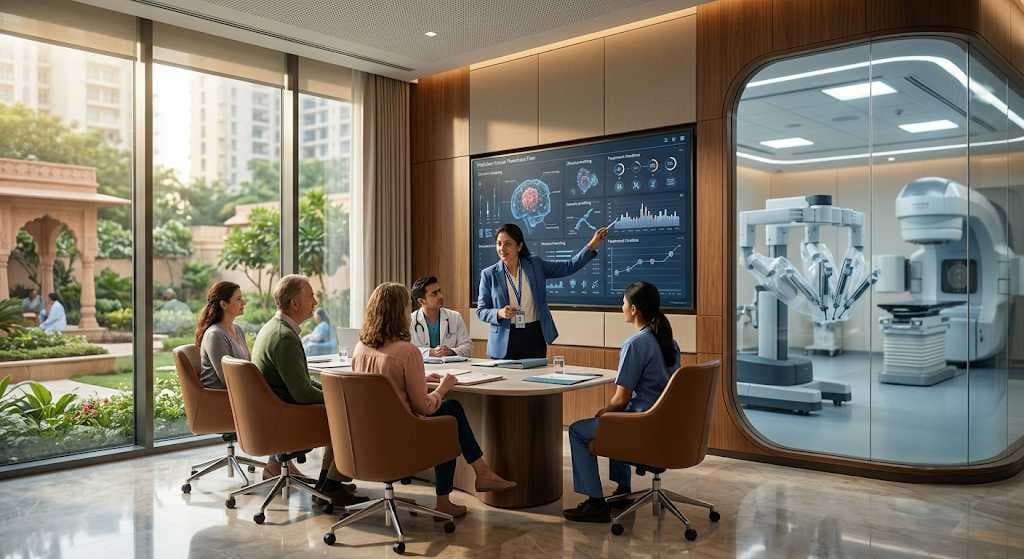
Effective pediatric cancer treatment requires a highly coordinated team of specialists working together to provide comprehensive care. In India, leading hospitals adopt a truly multidisciplinary approach, ensuring every aspect of a child's health and well-being is addressed.
Advanced Diagnostic and Treatment Modalities in India
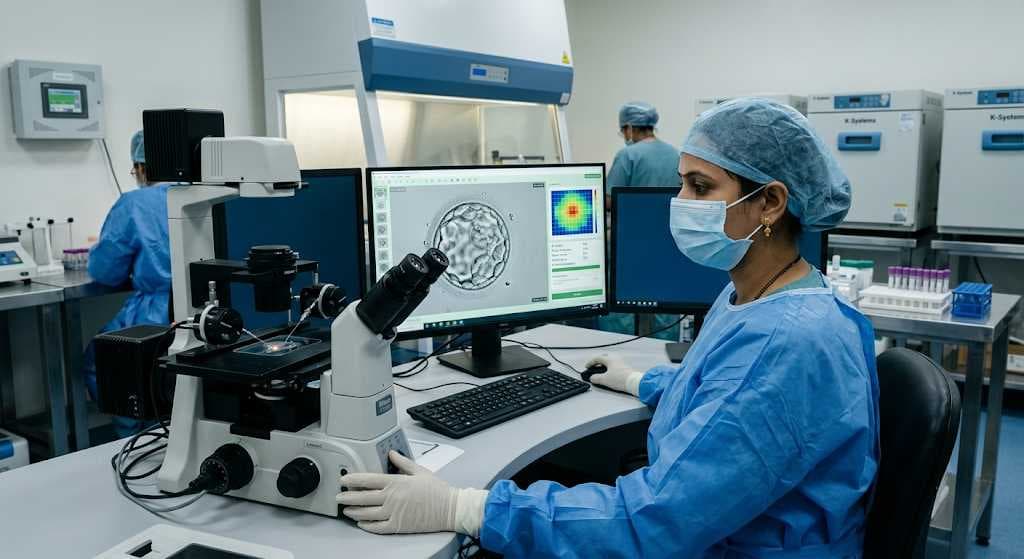
Indian pediatric oncology centers are equipped with state-of-the-art diagnostic tools and therapeutic technologies, matching global standards. This ensures accurate diagnosis and the most effective, least invasive treatments available. From advanced imaging to molecular diagnostics, the journey begins with precision. Treatment modalities include sophisticated chemotherapy protocols, highly targeted radiation therapies, complex surgical interventions, and groundbreaking cellular therapies. The emphasis is always on minimizing side effects and maximizing the chances of a cure, while considering the child's developing body.
Child-Friendly Environment and Holistic Support
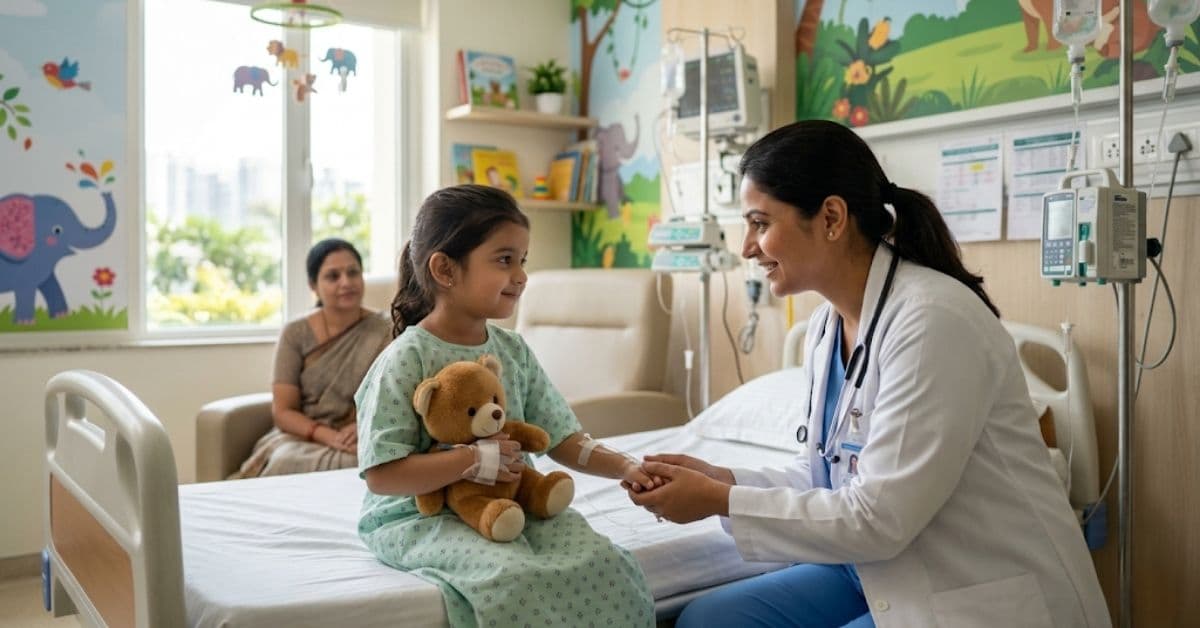
Recognizing that hospitals can be intimidating for children, Indian pediatric oncology units are designed to be as child-friendly as possible. This goes beyond colorful walls; it encompasses a holistic approach to care that supports the child's emotional and psychological well-being, alongside their physical health. This includes dedicated play areas, art and music therapy, educational support to continue schooling, and psychological counseling for both the child and their family. The goal is to create an environment where children feel safe, supported, and empowered, helping them cope better with the challenges of treatment. Family-centered care is paramount, ensuring parents and caregivers are involved in every decision and receive the support they need.
Cost of Pediatric Cancer Treatment in India
One of the most compelling reasons international patients choose India for pediatric cancer care is the significant cost advantage without compromising on quality. The cost savings can be substantial, making life-saving treatments accessible to more families.
| Procedure Type (Example) | Cost in India (USD) | Cost in India (INR) | Cost in US (USD) | Cost in UK (GBP) |
|---|---|---|---|---|
| Chemotherapy Cycle | $500 - $2,500 | ₹40,000 - ₹200,000 | $5,000 - $20,000 | £4,000 - £15,000 |
| Bone Marrow Transplant | $25,000 - $70,000 | ₹2,000,000 - ₹5,500,000 | $150,000 - $300,000 | £100,000 - £250,000 |
| Brain Tumor Surgery | $8,000 - $25,000 | ₹650,000 - ₹2,000,000 | $50,000 - $150,000 | £40,000 - £120,000 |
Disclaimer:** These are estimated ranges. Actual costs can vary significantly based on the specific hospital, the child's condition, the type and stage of cancer, duration of treatment, and additional services required (e.g., specialized drugs, extended ICU stay, rehabilitation). It is always advisable to obtain a personalized cost estimate.
Global Trust and Medical Tourism for Pediatric Oncology in India
India has firmly established itself as a global leader in medical tourism, attracting hundreds of thousands of patients annually, including a growing number seeking specialized pediatric care. Patients from the Middle East, Africa, Southeast Asia, and even Western countries choose India for its blend of affordability, advanced technology, and highly skilled medical professionals. The preference for India stems from its ability to provide high-quality care at a fraction of the cost found in many developed nations. Beyond the medical aspect, India offers comprehensive logistical and cultural support. This includes assistance with medical visas, airport pickups, comfortable accommodation options (from budget-friendly to luxury), dedicated international patient desks, and professional interpreters to bridge any language barriers. Many hospitals also offer cultural orientation to help families adjust to their new surroundings, making the entire journey smoother and less stressful.
Success Rates and Clinical Outcomes in Indian Pediatric Oncology
The success rates for pediatric cancer treatment in India are comparable to those in leading global centers, particularly for common childhood cancers. This is a testament to the expertise of Indian oncologists, the advanced infrastructure, and adherence to international treatment protocols. For instance, the overall survival rate for Acute Lymphoblastic Leukemia (ALL), the most common childhood cancer, often exceeds 80-85% in well-equipped Indian hospitals. For certain solid tumors, 5-year survival rates can range from 60-75%, depending on the type and stage. These figures reflect not only successful treatment but also robust long-term follow-up and supportive care. Continuous research and participation in international clinical trials further enhance these outcomes, offering children the best possible chance at a healthy future.
Recovery, Rehabilitation, and Long-Term Follow-up
The journey doesn't end with active treatment; recovery and rehabilitation are crucial components of pediatric cancer care. Indian hospitals emphasize a structured approach to ensure children regain their strength and well-being.
- Hospital Stay: Typically ranges from a few days to several weeks, depending on the treatment (e.g., chemotherapy cycle, surgery, bone marrow transplant). Close monitoring for side effects and complications is standard.
- Post-Treatment Care: Includes managing side effects, nutritional support, and infection prevention.
- Physiotherapy and Occupational Therapy: Often begins during or shortly after treatment to restore strength, mobility, and developmental milestones.
- Psychological Support: Continues throughout recovery to help children and families adjust to life after cancer.
- Return to Daily Life: Most children can gradually return to school and normal activities within weeks to a few months, with ongoing medical supervision.
- Long-Term Follow-up: Essential for monitoring for recurrence, managing late effects of treatment, and ensuring overall health and development. This can extend for many years, often into adulthood.
Medical Tourism Support Services
Navigating medical treatment in a foreign country can be daunting, especially with a child. Reputable medical tourism facilitators and hospital international patient departments in India offer comprehensive support services to ease this burden for families. These services typically include assistance with obtaining medical visas, arranging airport transfers, booking suitable accommodation (from serviced apartments to hotels), providing professional interpreters for all medical consultations, and coordinating local transportation. Beyond logistics, many offer emotional support, cultural guidance, and even help with local schooling for siblings. Post-treatment, services often extend to telemedicine consultations for follow-up care once the family returns home, ensuring continuity of care and peace of mind.
Quality Assurance and International Standards in Indian Hospitals
India's leading hospitals, particularly those specializing in pediatric oncology, adhere to stringent international quality and safety standards. Many are accredited by prestigious global bodies like the Joint Commission International (JCI) and national bodies like the National Accreditation Board for Hospitals & Healthcare Providers (NABH). These accreditations signify a commitment to patient safety, quality of care, ethical practices, and continuous improvement. They ensure that facilities, equipment, medical protocols, and staff qualifications meet or exceed global benchmarks. Regular audits and adherence to evidence-based medicine mean international patients can trust that their child is receiving care that is not only advanced but also safe and reliable.
Conclusion
Choosing a path for your child's cancer treatment is one of the most significant decisions a family will ever make. India offers a beacon of hope, combining cutting-edge pediatric oncology services with compassionate, child-friendly care and remarkable affordability. With a robust infrastructure, highly skilled specialists, and comprehensive support systems, India stands as a trusted destination for international families seeking the best possible outcomes for their children. The journey may be challenging, but with the right support and world-class medical expertise, a brighter future is within reach.
Explore specialized pediatric cancer care options in India. Contact us for a personalized consultation and begin your child's healing journey today.