فهم جراحة المرارة في الهند: دليل شامل للمرضى الدوليين – 2026
بالنسبة للمرضى الدوليين الذين يعانون من الانزعاج والمخاطر المرتبطة بحصوات المرارة، فإن فهم خيارات العلاج أمر بالغ الأهمية. تقدم جراحة المرارة، أو استئصال المرارة، حلاً نهائيًا، يخفف الألم ويمنع المضاعفات الخطيرة. برزت الهند كقائد عالمي في هذا التخصص، حيث تجمع بين الخبرة الطبية العالمية والتكنولوجيا المتقدمة والتكاليف المعقولة بشكل كبير. يختار المرضى من جميع أنحاء العالم الهند بشكل متزايد بسبب ارتفاع معدلات النجاح، والرعاية التي تركز على المريض، وأنظمة الدعم الشاملة، مما يضمن رحلة طبية سلسة ومطمئنة.
ما هي جراحة المرارة؟
المرارة هي عضو صغير على شكل كمثرى يقع أسفل الكبد مباشرة. وظيفتها الأساسية هي تخزين وتركيز الصفراء، وهو سائل هضمي ينتجه الكبد، ويساعد على تكسير الدهون في الأمعاء الدقيقة. عندما يتعطل هذا النظام الدقيق، غالبًا بسبب تكون رواسب صلبة تسمى حصوات المرارة، يمكن أن يؤدي ذلك إلى ألم شديد والتهاب ومضاعفات أخرى. جراحة المرارة، المعروفة طبيًا باسم استئصال المرارة، هي الإزالة الجراحية للمرارة. يوصى بهذا الإجراء عادةً عندما تسبب حصوات المرارة أعراضًا مثل آلام البطن الشديدة (المغص المراري)، أو التهاب المرارة (التهاب المرارة)، أو انسدادات في القنوات الصفراوية. تزيل إزالة المرارة بشكل فعال مصدر هذه المشاكل، مما يوفر راحة دائمة ويمنع المضاعفات المستقبلية، مما يسمح للمرضى بالعودة إلى حياة خالية من الانزعاج.
أنواع إجراءات جراحة المرارة في الهند
تقدم المستشفيات الهندية مرافق حديثة وجراحين ذوي مهارات عالية يتقنون تقنيات جراحة المرارة المختلفة، مع إعطاء الأولوية لسلامة المريض والنتائج المثلى. يعتمد اختيار الإجراء على حالة المريض وتاريخه الطبي وتوصية الجراح.
استئصال المرارة بالمنظار (جراحة ثقب المفتاح)
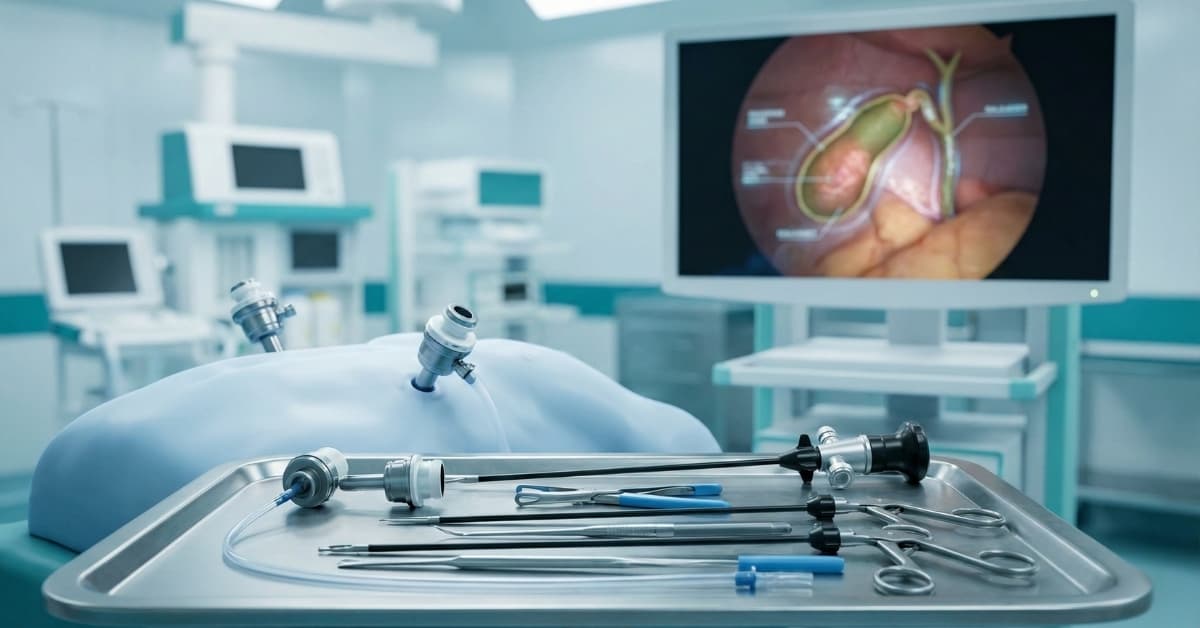
هذه هي الطريقة الأكثر شيوعًا والمفضلة لإزالة المرارة. إنه إجراء طفيف التوغل يتم إجراؤه من خلال عدة شقوق صغيرة (عادة 0.5-1 سم) في البطن. يتم إدخال كاميرا صغيرة (منظار البطن) وأدوات جراحية متخصصة من خلال هذه الشقوق، مما يسمح للجراح برؤية الأعضاء الداخلية على شاشة وإزالة المرارة. تُفضل هذه التقنية لدقتها وتأثيرها المخفض على الجسم.
- جراحة طفيفة التوغل مع ندوب أصغر
- مناسبة لمعظم حالات حصوات المرارة بدون مضاعفات خطيرة
- تعافٍ أسرع، وعادة ما يسمح بالخروج خلال 1-2 يوم، وعودة أسرع إلى الأنشطة الطبيعية.
استئصال المرارة المفتوح
في بعض الحالات المعقدة، قد يكون استئصال المرارة المفتوح ضروريًا. يتضمن ذلك شقًا واحدًا أكبر (حوالي 4-6 بوصات) في الجزء العلوي الأيمن من البطن للوصول مباشرة إلى المرارة وإزالتها. على الرغم من أنه أقل شيوعًا اليوم، إلا أنه يظل خيارًا حيويًا للمرضى الذين يعانون من التهاب شديد، أو تندب واسع النطاق من العمليات الجراحية السابقة، أو مضاعفات أخرى تجعل جراحة المنظار صعبة أو غير آمنة.
- يستخدم للحالات المعقدة أو عندما لا تكون جراحة المنظار ممكنة
- يسمح بالرؤية المباشرة والوصول للجراح
- عادة ما تكون الإقامة في المستشفى أطول (3-5 أيام)، مع فترة تعافٍ أطول.
متى يوصى بإجراء جراحة المرارة؟
يوصى بإجراء جراحة المرارة بشكل أساسي عندما تسبب حصوات المرارة أعراضًا مستمرة وموهنة أو تؤدي إلى مضاعفات خطيرة. تشمل هذه الحالات:
التحضير لجراحة المرارة في الهند
قد يبدو التحضير للجراحة في الخارج أمرًا شاقًا، لكن المستشفيات الهندية تقدم دعمًا شاملاً لضمان استعدادك الجيد. سيقوم فريقك الطبي بإرشادك خلال كل خطوة:
- التقييم قبل الجراحة: يتضمن ذلك مراجعة شاملة للتاريخ الطبي، والفحص البدني، واختبارات الدم، ودراسات التصوير (الموجات فوق الصوتية، الرنين المغناطيسي) لتقييم صحتك العامة وحالة المرارة.
- مراجعة الأدوية: سيتم إرشادك بشأن الأدوية التي يجب إيقافها أو تعديلها قبل الجراحة، خاصة مميعات الدم.
- تعليمات غذائية: عادة، سيُطلب منك الصيام لعدة ساعات قبل الإجراء.
- تعديلات نمط الحياة: قد يُنصحك بالتوقف عن التدخين وتجنب الكحول لفترة قبل الجراحة لتحسين الشفاء.
- التخطيط اللوجستي: تأكد من أن وثائق سفرك وإقامتك وترتيبات الرعاية بعد الجراحة جاهزة. تعد مكاتب المرضى الدوليين في المستشفيات موارد لا تقدر بثمن لذلك.
التكنولوجيا والتقنيات المتقدمة في المستشفيات الهندية
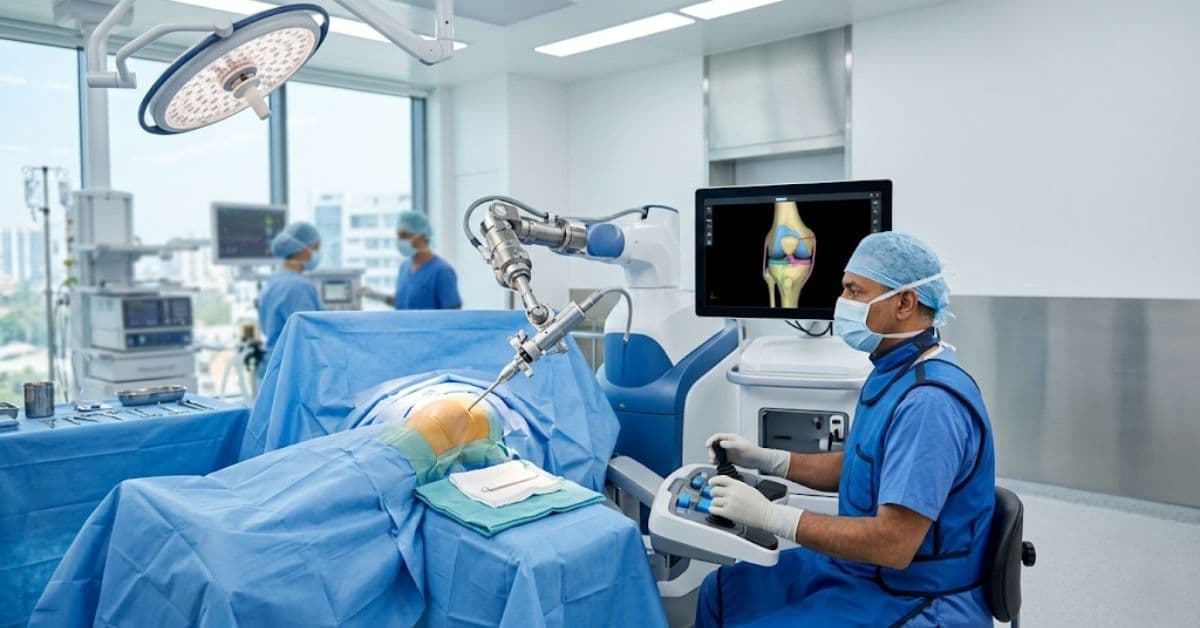
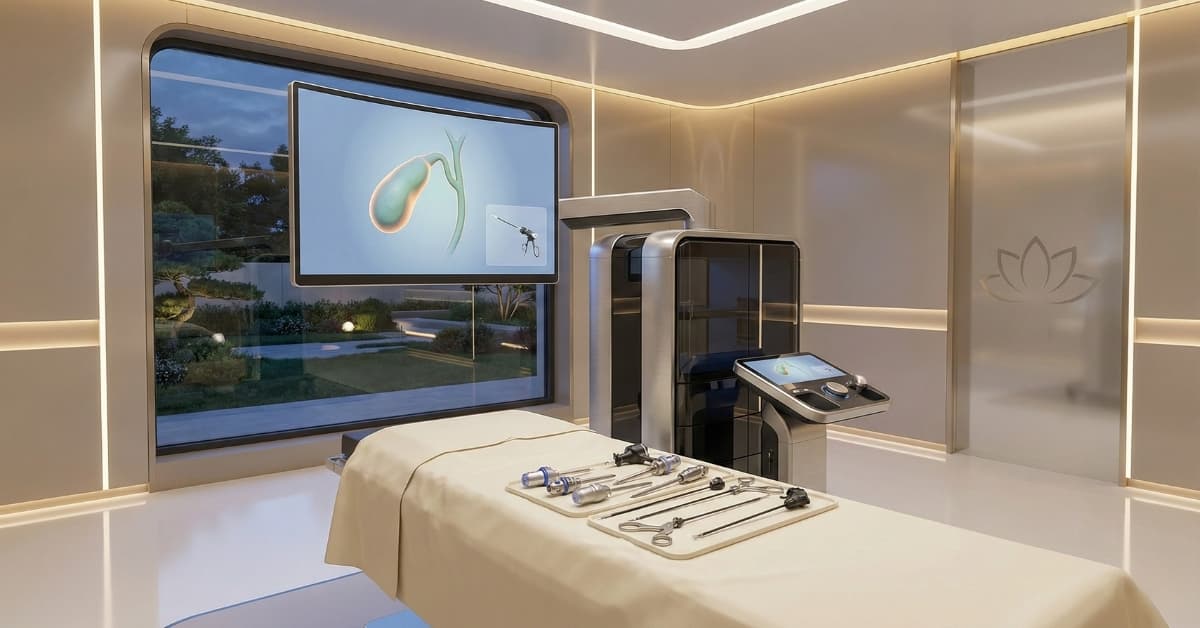
تتصدر المستشفيات الرائدة في الهند الابتكار الجراحي، مستخدمة أحدث التقنيات لتعزيز الدقة والسلامة ونتائج المرضى في جراحة المرارة. يتمتع الجراحون بمهارة عالية في تقنيات المنظار المتقدمة، وغالبًا ما يستخدمون أنظمة تصوير ثلاثية الأبعاد عالية الدقة توفر رؤية محسنة للمجال الجراحي. يسمح هذا بالتشريح الدقيق وإزالة المرارة بأقل صدمة للأنسجة المحيطة. كما أن استخدام أجهزة الطاقة المتقدمة لإغلاق الأوعية الدموية والأنسجة يقلل من وقت العملية وفقدان الدم. تضمن هذه التطورات التكنولوجية، جنبًا إلى جنب مع خبرة الفرق الجراحية المدربة تدريباً عالياً، حصول المرضى على العلاج الأكثر أمانًا وفعالية المتاح عالميًا.
تكلفة جراحة المرارة في الهند
أحد الأسباب الأكثر إقناعًا لاختيار المرضى الدوليين الهند لإجراء جراحة المرارة هو التوفير الكبير في التكاليف دون المساومة على الجودة. فيما يلي مقارنة بالتكاليف التقديرية:
| نوع الإجراء | الهند (روبية هندية) | الهند (دولار أمريكي) | الولايات المتحدة (دولار أمريكي) | المملكة المتحدة (جنيه إسترليني) |
|---|---|---|---|---|
| استئصال المرارة بالمنظار | ₹80,000 - ₹2,50,000 | $1,000 - $3,000 | $10,000 - $30,000 | £5,000 - £15,000 |
| استئصال المرارة المفتوح | ₹1,20,000 - ₹3,50,000 | $1,500 - $4,200 | $15,000 - $40,000 | £7,000 - £20,000 |
إخلاء مسؤولية: هذه نطاقات تقديرية وقد تختلف التكاليف الفعلية بشكل كبير بناءً على المستشفى، ورسوم الجراح، وتعقيد الحالة، ومدة الإقامة في المستشفى، والخدمات الإضافية المطلوبة. يُنصح دائمًا بالحصول على عرض أسعار مخصص.*
الثقة العالمية والسياحة العلاجية لرعاية المرارة
رسخت الهند مكانتها بقوة كوجهة مفضلة للسياحة العلاجية، حيث تجذب مئات الآلاف من المرضى سنويًا من دول عبر إفريقيا والشرق الأوسط وجنوب شرق آسيا، وحتى الدول الغربية. بالنسبة لجراحة المرارة، تكمن جاذبية الهند في مزيجها الفريد من الجراحين ذوي المهارات العالية، والبنية التحتية المتطورة، وفعالية التكلفة. بالإضافة إلى الجانب الطبي، تقدم الهند بيئة غنية ثقافيًا وداعمة. توفر العديد من المستشفيات خدمات مخصصة للمرضى الدوليين، بما في ذلك المساعدة في الحصول على التأشيرات، وخدمات النقل من وإلى المطار، ومترجمين لغويين، والمساعدة في الإقامة للمرضى وعائلاتهم، مما يضمن تجربة مريحة وخالية من التوتر من الوصول حتى المغادرة.
معدلات النجاح والنتائج السريرية لجراحة المرارة في الهند
تفتخر المستشفيات الهندية بمعدلات نجاح مبهرة لجراحة المرارة، خاصة لاستئصال المرارة بالمنظار. يتجاوز معدل النجاح في حل الأعراض والإزالة الكاملة لحصوات المرارة عادة 95-98%. معدلات المضاعفات منخفضة بشكل ملحوظ، ومقارنة بأفضل المعايير العالمية، وذلك بفضل الجراحين ذوي الخبرة، والتكنولوجيا المتقدمة، وبروتوكولات مكافحة العدوى الصارمة. يشعر المرضى عمومًا براحة كبيرة من الألم ومشاكل الجهاز الهضمي بعد الجراحة، مما يؤدي إلى تحسن كبير في جودة حياتهم. هذه النتائج هي شهادة على المعايير العالية للرعاية الطبية والخبرة الجراحية المتاحة في الهند.
التعافي وإعادة التأهيل بعد جراحة المرارة
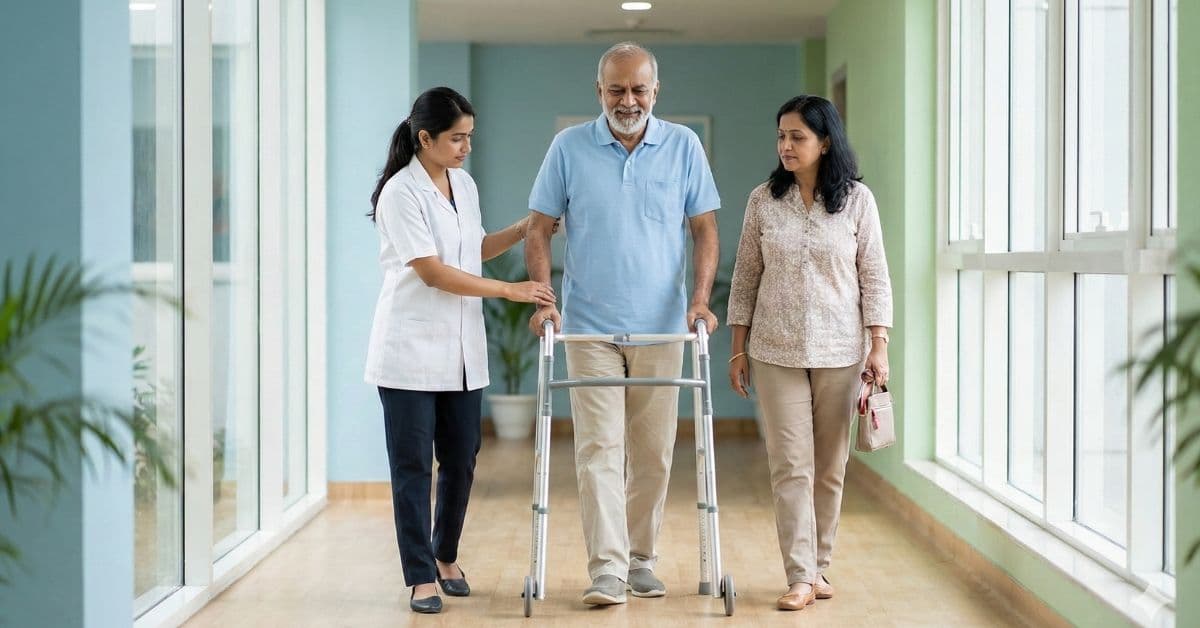
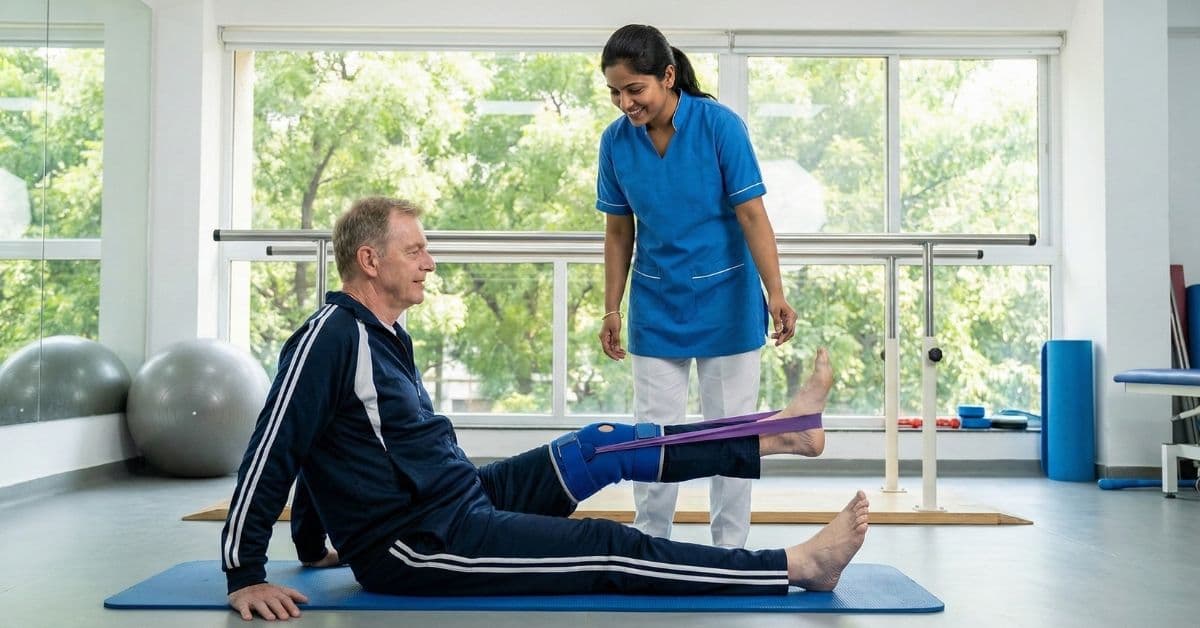
تكون عملية التعافي بعد جراحة المرارة سلسة بشكل عام، خاصة مع إجراءات المنظار. سيقدم فريقك الطبي تعليمات مفصلة لضمان تعافٍ مريح وفعال:
- الإقامة في المستشفى: بالنسبة لجراحة المنظار، يتم خروج معظم المرضى خلال 1-2 يوم. قد تتطلب الجراحة المفتوحة إقامة في المستشفى لمدة 3-5 أيام.
- إدارة الألم: الألم الخفيف إلى المتوسط في مواقع الشقوق شائع ويمكن إدارته بفعالية باستخدام مسكنات الألم الموصوفة.
- تعديلات غذائية: ستقوم بإعادة إدخال الأطعمة تدريجيًا، بدءًا بالسوائل الشفافة والتقدم إلى نظام غذائي قليل الدسم. يمكن لمعظم المرضى العودة إلى نظام غذائي طبيعي في غضون أسابيع قليلة.
- مستويات النشاط: يُشجع المشي الخفيف بعد الجراحة بفترة وجيزة. تجنب رفع الأثقال والأنشطة الشاقة لمدة 4-6 أسابيع للسماح بالشفاء الداخلي.
- العودة إلى الحياة اليومية: يمكن للعديد من المرضى استئناف الأنشطة اليومية الخفيفة في غضون 1-2 أسبوع بعد جراحة المنظار، مع التعافي الكامل والعودة إلى الأنشطة الطبيعية عادة في غضون 4-6 أسابيع.
خدمات دعم السياحة العلاجية
قد يكون التنقل في العلاج الطبي في بلد أجنبي معقدًا، ولهذا السبب تعد خدمات الدعم الشاملة حاسمة. يقدم الميسرون الطبيون والمستشفيات الرائدة في الهند تجربة سلسة للمرضى الدوليين. تشمل هذه الخدمات عادة:
- المساعدة في الحصول على التأشيرة: التوجيه والدعم للحصول على التأشيرات الطبية.
- الخدمات اللوجستية للسفر: المساعدة في حجوزات الطيران، وخدمات النقل من وإلى المطار، والنقل المحلي.
- الإقامة: المساعدة في ترتيب الإقامة المناسبة للمرضى وعائلاتهم، تتراوح من الخيارات الاقتصادية إلى الإقامات الفاخرة.
- مترجمون لغويون: مترجمون محترفون لتسهيل التواصل الواضح بين المرضى والعائلات والطاقم الطبي.
- منسقو مرضى مخصصون: نقطة اتصال واحدة لإدارة المواعيد، والقبول، وجميع الاحتياجات اللوجستية.
- متابعات ما بعد الجراحة: ترتيب استشارات المتابعة، بما في ذلك خيارات الطب عن بعد للرعاية المستمرة بمجرد عودتك إلى المنزل.
ضمان الجودة والمعايير في المستشفيات الهندية
يتجلى التزام الهند بالمعايير العالمية للرعاية الصحية في مستشفياتها العديدة المعتمدة دوليًا. العديد من المؤسسات الطبية الرائدة معتمدة من قبل منظمات مثل اللجنة المشتركة الدولية (JCI) والمجلس الوطني لاعتماد المستشفيات ومقدمي الرعاية الصحية (NABH). تشير هذه الاعتمادات إلى الالتزام بالمعايير الدولية الصارمة لسلامة المرضى وجودة الرعاية والكفاءة التشغيلية. علاوة على ذلك، غالبًا ما يحمل الجراحون والمهنيون الطبيون الهنود مؤهلات دولية وخبرة واسعة، مما يضمن حصول المرضى على رعاية ليست متقدمة فحسب، بل يتم تقديمها أيضًا بأعلى مستويات الاحتراف والممارسة الأخلاقية.
الخلاصة
إن اختيار إجراء جراحة المرارة في الهند يوفر طريقًا للراحة الدائمة وتحسين الرفاهية، مدعومًا بنظام رعاية صحية مشهور بخبرته، وقدرته على تحمل التكاليف، ورعايته الرحيمة. من تقنيات المنظار المتقدمة إلى الدعم الشامل للمرضى، توفر الهند رحلة طبية شاملة للمرضى الدوليين. اغتنم الفرصة لاستعادة صحتك بثقة، مع العلم أنك في أيدٍ أمينة.
هل أنت مستعد لاستكشاف خيارات علاجك؟ خطط لجراحة المرارة في الهند اليوم واتخذ الخطوة الأولى نحو مستقبل أكثر صحة.
الأسئلة الشائعة
ما هو معدل نجاح جراحة المرارة في الهند؟
تتمتع جراحة المرارة، وخاصة استئصال المرارة بالمنظار، بمعدل نجاح عالٍ جدًا في الهند، حيث يتجاوز عادة 95-98% لإزالة حصوات المرارة بفعالية وحل الأعراض. معدلات المضاعفات منخفضة، وتتوافق مع المعايير الدولية.
كم تستغرق فترة التعافي بعد جراحة المرارة؟
بالنسبة لجراحة المرارة بالمنظار، يتم خروج معظم المرضى خلال 1-2 يوم. يمكن استئناف الأنشطة الخفيفة في غضون 1-2 أسبوع، مع العودة الكاملة إلى الأنشطة الطبيعية والتعافي التام الذي يتحقق عادة في غضون 4-6 أسابيع.
ما هي التكاليف مقارنة بالدول الغربية؟
تكلفة جراحة المرارة في الهند أقل بكثير، وغالبًا ما تكون أقل بنسبة 60-80% مما هي عليه في الدول الغربية مثل الولايات المتحدة أو المملكة المتحدة. على سبيل المثال، يمكن أن تتراوح تكلفة استئصال المرارة بالمنظار من 1,000 إلى 3,000 دولار أمريكي في الهند، مقارنة بـ 10,000 إلى 30,000 دولار أمريكي في الولايات المتحدة.
هل تتبع المستشفيات في الهند المعايير الدولية؟
نعم، العديد من المستشفيات الرائدة في الهند معتمدة من قبل هيئات دولية مثل اللجنة المشتركة الدولية (JCI) وهيئات وطنية مثل NABH، مما يضمن الالتزام بالمعايير العالمية لسلامة المرضى وجودة الرعاية والبنية التحتية.
ما هي خدمات الدعم المتاحة للمرضى الدوليين؟
تشمل خدمات الدعم الشاملة المساعدة في الحصول على التأشيرة، وخدمات النقل من وإلى المطار، وترتيبات الإقامة، ومترجمين لغويين محترفين، ومنسقين مخصصين للمرضى، وخيارات المتابعة بعد الجراحة، بما في ذلك الطب عن بعد.