Pancreatectomy Surgery in India: A Comprehensive Guide for International Patients – 2026
Facing a diagnosis that might require pancreatectomy can be daunting, but understanding the journey ahead can bring immense peace of mind. India has emerged as a global leader in complex surgical procedures, offering world-class medical expertise combined with compassionate care. For international patients and their families, India presents an unparalleled opportunity for high-quality, cost-effective treatment, ensuring that advanced medical care is accessible without compromising on outcomes. This guide aims to demystify pancreatectomy, covering everything from the procedure itself to travel logistics and recovery, empowering you with the knowledge to make informed decisions for your health.
What is Pancreatectomy?
The pancreas is a vital organ nestled behind the stomach, playing a crucial role in digestion and blood sugar regulation by producing digestive enzymes and hormones like insulin. A pancreatectomy is a complex surgical procedure involving the partial or total removal of the pancreas. This surgery is typically performed to treat various conditions, most notably pancreatic cancer, but also severe chronic pancreatitis, cysts, and certain benign or pre-cancerous tumors. The goal of a pancreatectomy is to remove diseased tissue while preserving as much healthy pancreatic function as possible, offering a chance at recovery and improved quality of life for patients facing serious pancreatic conditions.
Types of Pancreatectomy Procedures
The specific type of pancreatectomy performed depends on the location and extent of the disease within the pancreas. Indian hospitals offer a full spectrum of these intricate procedures, tailored to individual patient needs.
Whipple Procedure (Pancreaticoduodenectomy)
This is the most common and complex type of pancreatectomy, typically performed for tumors in the head of the pancreas. It involves removing the head of the pancreas, the duodenum (first part of the small intestine), gallbladder, and part of the bile duct. The remaining organs are then reconnected to allow for normal digestion.
- Most common for pancreatic head tumors.
- Suitable for pancreatic cancer, ampullary cancer, and duodenal cancer.
- Advanced surgical teams in India perform thousands of these complex procedures annually with high success rates.
Distal Pancreatectomy
This procedure involves removing the body and tail of the pancreas. It is often performed for tumors or cysts located in these sections of the organ. The spleen may also be removed during this procedure if the disease has spread or if its blood supply is compromised.
- Targets tumors in the body or tail of the pancreas.
- Often performed laparoscopically or robotically for quicker recovery.
- Lower risk of pancreatic fistula compared to Whipple.
Total Pancreatectomy
In rare cases, when the disease is widespread throughout the pancreas, the entire organ may need to be removed. This procedure necessitates lifelong insulin therapy (as the body can no longer produce it) and enzyme replacement to aid digestion.
- Reserved for extensive disease or multifocal tumors.
- Requires lifelong management of diabetes and digestive insufficiency.
- Comprehensive post-operative care and education are crucial.
Central Pancreatectomy (Middle Pancreatectomy)
This less common procedure involves removing a segment from the middle of the pancreas, preserving the head and tail. It's typically used for benign or low-grade tumors in the neck or body of the pancreas, aiming to maintain more pancreatic function.
- Preserves more healthy pancreatic tissue.
- Minimizes the risk of diabetes and exocrine insufficiency.
- Suitable for select benign or low-grade lesions.
Who Needs Pancreatectomy Surgery?
Pancreatectomy is a serious surgery, recommended only when absolutely necessary to address life-threatening or severely debilitating conditions. The decision is made after thorough diagnostic evaluations and multidisciplinary team discussions.
Preparing for Pancreatectomy: Your Journey to Healing
The journey to pancreatectomy involves meticulous preparation, both medically and emotionally. Indian healthcare providers prioritize a holistic approach, ensuring patients are well-informed and supported every step of the way.
Advanced Surgical Techniques in India for Pancreatectomy
Indian hospitals are at the forefront of surgical innovation, employing state-of-the-art technology and techniques to enhance precision, reduce recovery times, and improve patient safety for pancreatectomy procedures.
Laparoscopic Pancreatectomy
This minimally invasive approach involves several small incisions instead of one large one. Surgeons use a laparoscope (a thin tube with a camera) and specialized instruments to perform the surgery. Benefits include less pain, reduced blood loss, smaller scars, and a faster recovery compared to open surgery.
- Smaller incisions, less post-operative pain.
- Reduced risk of infection and shorter hospital stay.
- Faster return to normal activities.
Robotic-Assisted Pancreatectomy
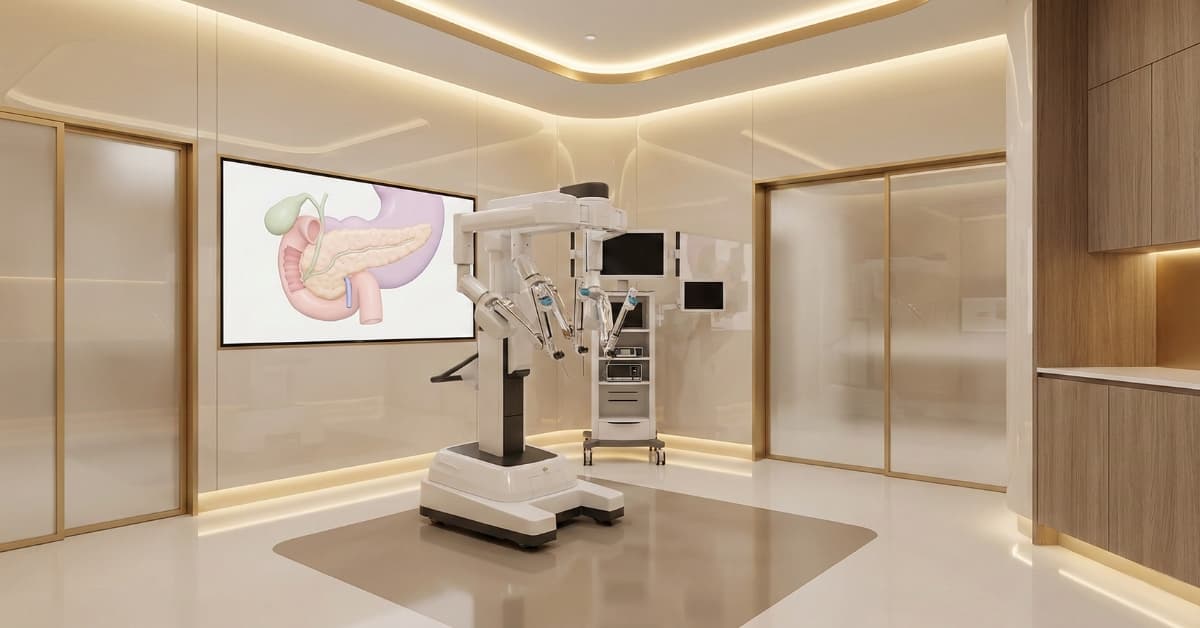
Utilizing robotic systems like the da Vinci Surgical System, surgeons operate from a console, controlling robotic arms with enhanced dexterity, 3D visualization, and tremor filtration. This technology allows for unparalleled precision in complex dissections and reconstructions, particularly beneficial for intricate procedures like pancreatectomy.
- Enhanced precision and control for the surgeon.
- Superior 3D visualization of the surgical field.
- Potentially reduced blood loss and complications.
Open Pancreatectomy
While minimally invasive techniques are preferred, open surgery, involving a single larger incision, remains the standard for certain complex cases, very large tumors, or when extensive reconstruction is required. Indian surgeons are highly skilled in both approaches, choosing the safest and most effective method for each patient.
- Traditional approach for complex or extensive cases.
- Allows for direct visualization and manual palpation.
- Ensures comprehensive tumor removal when necessary.
Cost of Pancreatectomy Surgery in India
One of the most compelling reasons international patients choose India for pancreatectomy is the significant cost advantage without compromising on quality. The costs are a fraction of what they would be in Western countries, making life-saving treatment accessible.
India's Edge in Gastroenterology and Bariatric Care
India has firmly established itself as a global hub for medical tourism, particularly in complex specialties like gastroenterology and bariatric surgery. Thousands of international patients, especially from the Middle East, Africa, and Southeast Asia, choose India annually for its advanced medical infrastructure, highly skilled specialists, and patient-centric approach. Beyond the medical excellence, India offers comprehensive support services, including visa assistance, airport pickups, dedicated patient coordinators, language interpreters, and a range of accommodation options, ensuring a smooth and comfortable experience for patients and their accompanying families. The blend of world-class treatment, cultural warmth, and significant cost savings makes India an attractive destination for life-changing medical care.
Success Rates and Clinical Outcomes of Pancreatectomy in India
Indian hospitals boast impressive success rates for pancreatectomy, comparable to leading institutions worldwide. This is attributed to highly experienced surgical teams, advanced technology, and comprehensive post-operative care. For pancreatic cancer, early detection and successful surgical resection can significantly improve long-term survival rates. For benign conditions, the success rate for complete removal and symptom resolution is very high.
Recovery and Rehabilitation After Pancreatectomy
Recovery from pancreatectomy is a gradual process that requires patience and adherence to medical advice. Indian healthcare providers offer structured recovery plans and extensive support to help patients regain their strength and adapt to any post-surgical changes.
Medical Tourism Support Services for Your Pancreatectomy Journey
Navigating medical treatment in a foreign country can be complex, but India's medical tourism ecosystem is designed to provide seamless support for international patients and their families. Dedicated services ensure a stress-free experience from arrival to departure.
Quality Assurance and International Standards in Indian Hospitals
India's leading hospitals adhere to stringent international quality and safety standards, ensuring that patients receive care on par with the best global institutions. This commitment to excellence is a cornerstone of India's reputation as a trusted medical destination.
Conclusion
Undergoing a pancreatectomy is a significant step towards reclaiming your health, and choosing the right place for this journey is paramount. India offers a unique blend of cutting-edge medical technology, world-renowned surgical expertise, compassionate care, and unparalleled affordability. For international patients and their families, India provides not just a medical procedure, but a comprehensive support system designed to ease every aspect of their healing journey. With a focus on patient well-being and successful outcomes, India stands as a beacon of hope for those seeking advanced pancreatic care.
Ready to explore your treatment options? Contact us today for a personalized consultation and begin your journey to recovery in India.