فهم جراحة تحويل مسار المعدة في الهند: دليل شامل للمرضى الدوليين – 2026
بالنسبة للكثيرين الذين يعانون من السمنة المفرطة وتحدياتها الصحية المرتبطة بها، توفر جراحة تحويل مسار المعدة فرصة عميقة لحياة أكثر صحة وإشباعًا. لقد ساعد هذا الإجراء الذي يغير الحياة عددًا لا يحصى من الأفراد على تحقيق فقدان وزن كبير ومستدام، وغالبًا ما يحل الأمراض المصاحبة مثل السكري وارتفاع ضغط الدم. برزت الهند كقائد عالمي في جراحة السمنة، حيث تجذب المرضى الدوليين بمزيجها من الخبرة الطبية العالمية، والمرافق الحديثة، وخيارات العلاج الفعالة من حيث التكلفة بشكل ملحوظ، مما يضمن مستوى عالٍ من الرعاية دون المساومة على الجودة.
ما هي جراحة تحويل مسار المعدة؟
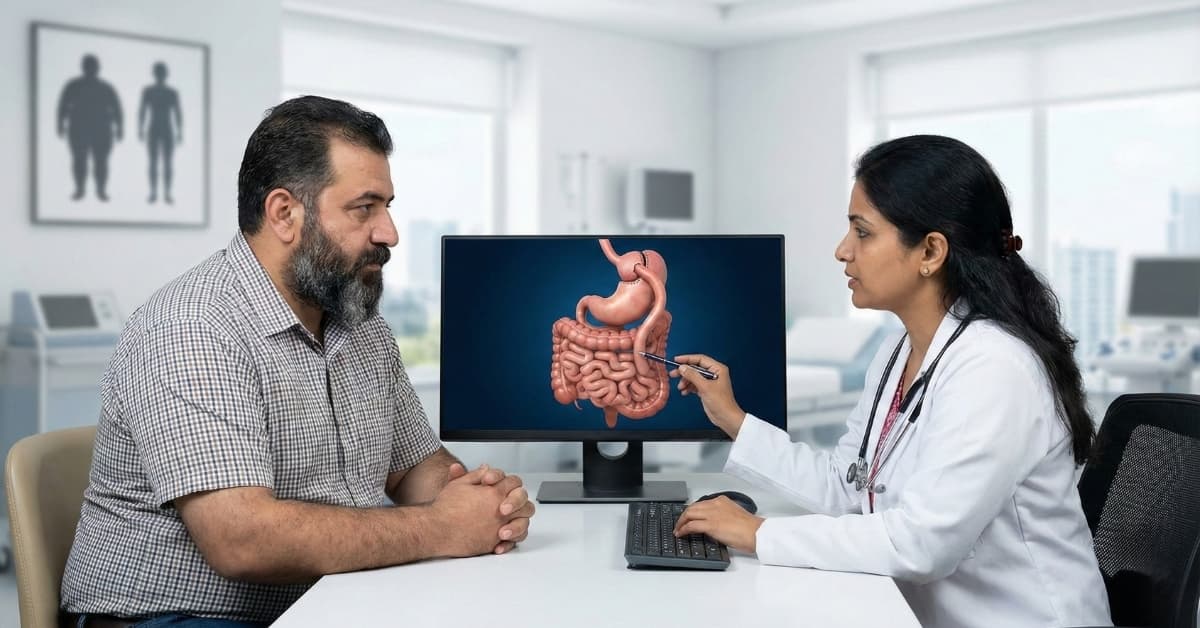
جراحة تحويل مسار المعدة، والتي تُجرى غالبًا كجراحة تحويل مسار المعدة على طريقة Roux-en-Y، هي إجراء تحويلي لعلاج السمنة مصمم لمساعدة الأفراد على تحقيق فقدان وزن كبير ودائم. تتضمن العملية إنشاء جيب معدي صغير، بحجم البيضة تقريبًا، ثم ربط هذا الجيب الجديد مباشرةً بالجزء السفلي من الأمعاء الدقيقة، متجاوزًا معظم المعدة والجزء الأول من الأمعاء الدقيقة. يغير هذا التعديل بشكل أساسي كيفية تعامل جسمك مع الطعام، مما يؤدي إلى فقدان الوزن من خلال آليتين رئيسيتين: التقييد وسوء الامتصاص. يعني المكون التقييدي أن الجيب المعدي الجديد والأصغر يمكنه استيعاب كمية أقل بكثير من الطعام، مما يجعلك تشعر بالشبع بشكل أسرع وتستهلك سعرات حرارية أقل. يحدث مكون سوء الامتصاص لأن الطعام يتجاوز جزءًا كبيرًا من الأمعاء الدقيقة، مما يقلل من كمية السعرات الحرارية والمغذيات الممتصة. هذا الإجراء المزدوج يجعل جراحة تحويل مسار المعدة فعالة للغاية للأفراد الذين يعانون من السمنة المفرطة والمشكلات الصحية المرتبطة بها مثل السكري من النوع 2، وارتفاع ضغط الدم، وانقطاع التنفس أثناء النوم، وآلام المفاصل، مما يوفر مسارًا نحو تحسين الصحة ونوعية الحياة.
أنواع إجراءات تحويل مسار المعدة
بينما توجد العديد من إجراءات جراحة السمنة، يظل تحويل مسار المعدة على طريقة Roux-en-Y هو النوع الأكثر شيوعًا وراسخًا من جراحات تحويل مسار المعدة على مستوى العالم، والمعروف بفعاليته المثبتة ونتائجه طويلة الأمد. هناك نوع آخر، وهو تحويل مسار المعدة المصغر، يقدم تعديلاً تشريحيًا أبسط ولكنه أقل شيوعًا في بعض المناطق.
تحويل مسار المعدة على طريقة Roux-en-Y (RYGB)
يُعتبر تحويل مسار المعدة على طريقة Roux-en-Y 'المعيار الذهبي' لجراحة إنقاص الوزن. يتضمن إنشاء جيب معدي صغير ثم ربط جزء من الأمعاء الدقيقة على شكل حرف Y مباشرة بهذا الجيب، متجاوزًا الجزء الأكبر من المعدة والاثني عشر. يغير هذا التحويل بشكل كبير عملية الهضم، مما يؤدي إلى تقليل تناول الطعام وانخفاض امتصاص العناصر الغذائية.
- الفائدة الرئيسية: فعال للغاية لفقدان الوزن الكبير والمستدام (عادةً 60-80% من الوزن الزائد).
- لمن هو مناسب: الأفراد الذين لديهم مؤشر كتلة الجسم (BMI) 40 أو أعلى، أو مؤشر كتلة الجسم 35-39.9 مع مشاكل صحية خطيرة مرتبطة بالسمنة.
- تعافٍ سريع/دقة: غالبًا ما يتم إجراؤها بالمنظار (جراحة طفيفة التوغل)، مما يؤدي إلى فترات إقامة أقصر في المستشفى وأوقات تعافٍ أسرع، مع معدل نجاح عالٍ في حل الأمراض المصاحبة مثل السكري من النوع 2 (ما يصل إلى 80% شفاء).
تحويل مسار المعدة المصغر (MGB) / تحويل مسار المعدة ذو الوصلة الواحدة (OAGB)
تحويل مسار المعدة المصغر، المعروف أيضًا باسم تحويل مسار المعدة ذو الوصلة الواحدة، هو إجراء أبسط وأسرع مقارنةً بـ RYGB، ويتضمن إنشاء جيب معدي أطول وأضيق وربطه بالأمعاء الدقيقة بوصلة واحدة (مفاغرة). يؤدي هذا إلى مكون سوء امتصاص أكثر أهمية. على الرغم من تزايد شعبيته، من المهم مناقشة مدى ملاءمته مع جراحك.
- الفائدة الرئيسية: تقنية جراحية أبسط، ووقت جراحة أقصر محتمل، وفقدان وزن مماثل لـ RYGB في العديد من الحالات.
- لمن هو مناسب: المرضى الذين يبحثون عن إجراء أقل تعقيدًا مع فقدان وزن فعال، وغالبًا ما يُنظر فيه لأولئك الذين لديهم مؤشر كتلة جسم مرتفع جدًا.
- دقة/تقنية: يتم إجراؤها أيضًا عادةً بالمنظار، مما يوفر فوائد الجراحة طفيفة التوغل.
من هو المرشح لجراحة تحويل مسار المعدة؟
يُعد اتخاذ قرار بشأن جراحة تحويل مسار المعدة خطوة مهمة، ويتم تحديد الأهلية من خلال تقييم طبي شامل. بشكل عام، يستوفي المرضى الدوليون الذين يفكرون في جراحة تحويل مسار المعدة في الهند معايير محددة لضمان سلامة الإجراء وفعاليته. تتوافق هذه الإرشادات مع المعايير الدولية:
- مؤشر كتلة الجسم (BMI): مؤشر كتلة الجسم 40 أو أعلى، مما يشير إلى السمنة المفرطة.
- مؤشر كتلة الجسم مع الأمراض المصاحبة: مؤشر كتلة الجسم من 35 إلى 39.9 مع وجود حالة صحية واحدة على الأقل مرتبطة بالسمنة، مثل السكري من النوع 2، أو انقطاع التنفس الشديد أثناء النوم، أو ارتفاع ضغط الدم، أو مشاكل المفاصل الشديدة.
- فشل جهود إنقاص الوزن السابقة: تاريخ من المحاولات غير الناجحة لإنقاص الوزن من خلال النظام الغذائي وممارسة الرياضة.
- الالتزام بتغييرات نمط الحياة: الاستعداد للالتزام بتغييرات غذائية طويلة الأمد، وممارسة التمارين الرياضية بانتظام، والرعاية اللاحقة.
- الاستعداد النفسي: يخضع المرضى لتقييم نفسي للتأكد من استعدادهم الذهني للتعديلات الكبيرة في نمط الحياة المطلوبة بعد الجراحة.
توفر مراكز جراحة السمنة الهندية تقييمات شاملة قبل الجراحة، بما في ذلك الاستشارات مع الجراحين، وأخصائيي التغذية، وعلماء النفس، وغيرهم من المتخصصين، لضمان أن كل مريض مرشح مناسب وآمن للإجراء.
رحلة تحويل مسار المعدة: ما يمكن توقعه
تتضمن رحلة تحويل مسار المعدة في الهند عدة مراحل منظمة جيدًا، مصممة لضمان سلامتك وراحتك وتحقيق أفضل النتائج. من استشارتك الأولية إلى عودتك إلى الوطن، يتم التخطيط لكل خطوة بدقة.
- التقييم قبل الجراحة: تتضمن هذه المرحلة فحوصات طبية مكثفة، واستشارات مع فريق متعدد التخصصات (جراح، أخصائي تغذية، طبيب نفسي، طبيب تخدير)، وغالبًا ما يتم اتباع نظام غذائي سائل قبل الجراحة لتقليص الكبد وتقليل المخاطر الجراحية.
- يوم الجراحة: في يوم الجراحة، سيتم تجهيزك للإجراء، والذي يتم عادةً تحت التخدير العام. تستغرق الجراحة نفسها عادةً من 2 إلى 4 ساعات، اعتمادًا على التعقيد وعوامل المريض الفردية.
- الرعاية الفورية بعد الجراحة: بعد الجراحة، ستقضي بضع ساعات في غرفة الإفاقة قبل نقلك إلى غرفتك في المستشفى. إدارة الألم هي أولوية، وسيتم تشجيعك على البدء في التحرك بلطف لمنع المضاعفات مثل جلطات الدم.
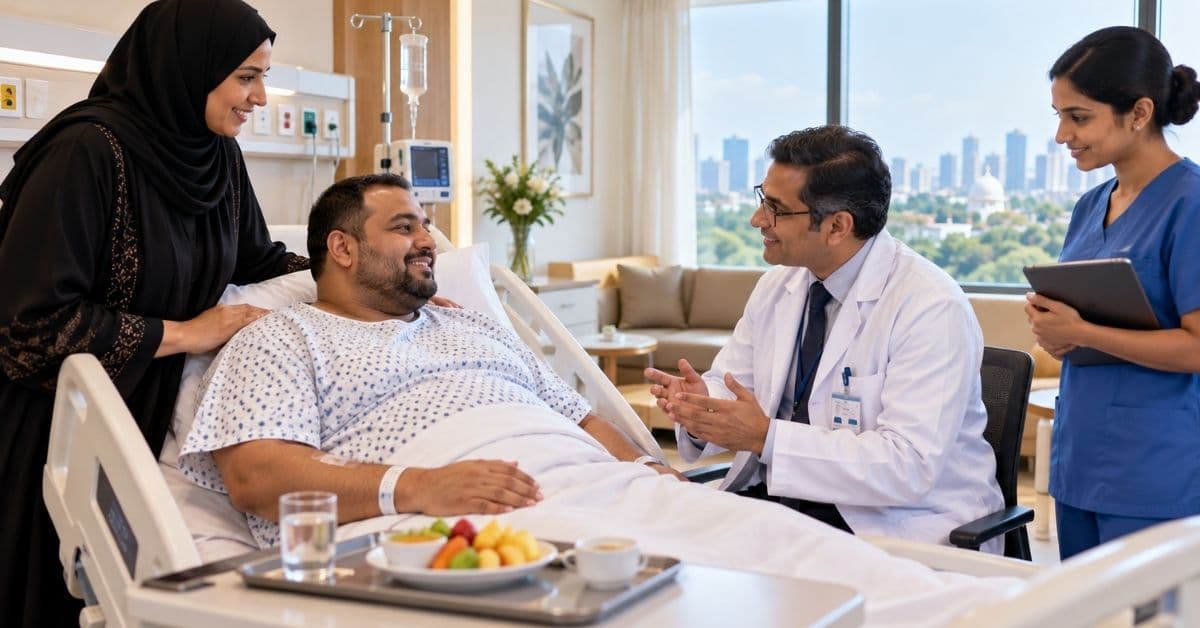
- الإقامة في المستشفى: يبقى معظم المرضى في المستشفى لمدة 3-5 أيام. خلال هذا الوقت، يراقب الفريق الطبي تعافيك، ويدير الألم، ويبدأ في تقدم نظامك الغذائي السائل. ستتلقى تعليمات مفصلة حول العناية بالجروح، والأدوية، والإرشادات الغذائية.
- الخروج والتعافي الأولي: قبل الخروج، ستجري استشارة نهائية مع جراحك وأخصائي التغذية. ستتلقى خطة شاملة لما بعد الجراحة، بما في ذلك مراحل النظام الغذائي، وقيود النشاط، ومواعيد المتابعة. يُنصح معظم المرضى الدوليين بالبقاء في الهند لمدة 10-14 يومًا بعد الجراحة للتعافي الأولي وفحوصات المتابعة قبل العودة إلى الوطن.
التقنيات والتكنولوجيا المتقدمة في الهند
تتصدر مراكز جراحة السمنة الرائدة في الهند الابتكار الجراحي، مستخدمة التكنولوجيا المتقدمة والتقنيات طفيفة التوغل لضمان نتائج ممتازة للمرضى في جراحة تحويل مسار المعدة. النهج السائد هو الجراحة بالمنظار، والتي يشار إليها غالبًا باسم 'جراحة ثقب المفتاح'. بدلاً من الشق الكبير، تتضمن جراحة تحويل مسار المعدة بالمنظار عدة شقوق صغيرة يتم من خلالها إدخال أدوات متخصصة وكاميرا صغيرة. يتيح ذلك للجراح إجراء العملية المعقدة بدقة أثناء مشاهدة صور مكبرة على الشاشة. تقلل هذه التقنية المتقدمة بشكل كبير من الألم بعد الجراحة، وتقلل من الندوب، وتخفض خطر المضاعفات، وتقصر بشكل كبير أوقات التعافي مقارنة بالجراحة المفتوحة التقليدية. تستخدم العديد من المستشفيات أيضًا أجهزة تصوير وطاقة متقدمة لتعزيز السلامة والكفاءة أثناء الإجراء، مما يضمن حصول المرضى الدوليين على رعاية تتوافق مع أفضل الممارسات العالمية.
تكلفة جراحة تحويل مسار المعدة في الهند
أحد الأسباب الأكثر إقناعًا لاختيار المرضى الدوليين الهند لإجراء جراحة تحويل مسار المعدة هو التوفير الكبير في التكاليف دون المساومة على الجودة. تكلفة جراحة تحويل مسار المعدة في الهند ميسورة التكلفة بشكل ملحوظ مقارنة بالدول الغربية، مما يجعل رعاية السمنة ذات المستوى العالمي في متناول الجميع.
| الإجراء | التكلفة في الهند (روبية هندية) | التكلفة في الهند (دولار أمريكي) | التكلفة في الولايات المتحدة (دولار أمريكي) | التكلفة في المملكة المتحدة (جنيه إسترليني) |
|---|---|---|---|---|
| جراحة تحويل مسار المعدة | ₹3,50,000 - ₹6,00,000 | $4,200 - $7,200 | $20,000 - $35,000 | £10,000 - £18,000 |
إخلاء مسؤولية: هذه نطاقات تقديرية. قد تختلف التكاليف الفعلية بشكل كبير بناءً على المستشفى، ورسوم الجراح، والحالة الطبية المحددة للمريض، ومدة الإقامة في المستشفى، والفحوصات قبل الجراحة، والرعاية بعد الجراحة، وأي خدمات إضافية مطلوبة. يُنصح دائمًا بالحصول على عرض أسعار مخصص.*
الثقة العالمية والسياحة العلاجية لجراحة السمنة في الهند
لقد رسخت الهند مكانتها كمركز موثوق به للسياحة العلاجية، لا سيما للإجراءات المعقدة مثل جراحة السمنة. يختار آلاف المرضى الدوليين، وخاصة من الشرق الأوسط وأفريقيا وجنوب شرق آسيا، وحتى الدول الغربية، الهند كل عام لتلبية احتياجاتهم الطبية. ينبع هذا التفضيل من عدة عوامل:
- خبرة عالمية المستوى: تفتخر الهند بجراحين سمنة ذوي مهارات عالية ومدربين دوليًا ولديهم خبرة واسعة في إجراءات تحويل مسار المعدة.
- مرافق معتمدة: العديد من المستشفيات الهندية معتمدة من قبل هيئات دولية مثل JCI (اللجنة المشتركة الدولية) وهيئات وطنية مثل NABH (المجلس الوطني لاعتماد المستشفيات ومقدمي الرعاية الصحية)، مما يضمن الالتزام بمعايير الجودة والسلامة العالمية.
- بنية تحتية متقدمة: المستشفيات مجهزة بأحدث التقنيات، وغرف عمليات حديثة، ووحدات عناية مركزة شاملة.
- فعالية التكلفة: كما تم تسليط الضوء عليه، فإن تكلفة العلاج هي جزء بسيط مما ستكون عليه في العديد من الدول المتقدمة.
- الدعم الثقافي واللوجستي: يقدم ميسرو السياحة العلاجية والمستشفيات الهندية دعمًا واسعًا، بما في ذلك المساعدة في الحصول على التأشيرات، وخدمات النقل من وإلى المطار، وخيارات الإقامة المريحة، ومكاتب مخصصة للمرضى الدوليين، ومترجمين لغويين، مما يضمن تجربة سلسة وخالية من التوتر للمرضى وعائلاتهم.
معدلات النجاح والنتائج السريرية لتحويل مسار المعدة
تُظهر جراحة تحويل مسار المعدة في الهند باستمرار معدلات نجاح ممتازة ونتائج سريرية، تتماشى مع المعايير الدولية. يمكن للمرضى توقع تحسينات كبيرة ومستدامة في صحتهم ونوعية حياتهم:
- فقدان الوزن: يحقق المرضى عادةً فقدان 60-80% من الوزن الزائد في غضون 12-18 شهرًا بعد الجراحة. وغالبًا ما يتم الحفاظ على هذا الوزن على المدى الطويل بالالتزام بتغييرات نمط الحياة.
- الشفاء من السكري: إحدى أبرز النتائج هي المعدل المرتفع للشفاء من السكري من النوع 2، حيث تظهر الدراسات أن ما يصل إلى 80% من المرضى يختبرون الشفاء أو تحسنًا كبيرًا في حالتهم، غالبًا في غضون أيام أو أسابيع من الجراحة.
- حل الأمراض المصاحبة: تتمتع جراحة تحويل مسار المعدة بمعدل نجاح عالٍ في حل أو تحسين كبير للحالات الأخرى المرتبطة بالسمنة، بما في ذلك:
- ارتفاع ضغط الدم: ما يصل إلى 70% شفاء.
- انقطاع التنفس أثناء النوم: ما يصل إلى 85% شفاء.
- ارتفاع الكوليسترول: ما يصل إلى 70% تحسن.
- آلام المفاصل: انخفاض كبير بسبب تقليل الضغط على المفاصل.
- تحسين نوعية الحياة: بالإضافة إلى الصحة البدنية، يبلغ المرضى عن تحسينات جوهرية في الحركة، ومستويات الطاقة، واحترام الذات، والرفاهية العقلية العامة. يتمتع جراحو السمنة الهنود بخبرة عالية، مما يساهم في هذه النتائج الرائعة من خلال تقنيات جراحية دقيقة وبروتوكولات رعاية شاملة بعد الجراحة.
التعافي وإعادة التأهيل بعد جراحة تحويل مسار المعدة
رحلة التعافي بعد جراحة تحويل مسار المعدة هي عملية تدريجية، تتطلب الصبر والالتزام بالنصائح الطبية. توفر المستشفيات الهندية خطط إعادة تأهيل منظمة لدعم المرضى الدوليين في كل خطوة على الطريق.
- الإقامة في المستشفى: عادةً من 3 إلى 5 أيام. خلال هذا الوقت، ستتم مراقبتك عن كثب، وسيتم التحكم في الألم، وستبدأ نظامًا غذائيًا سائلًا صافيًا.
- أول 1-2 أسبوع بعد الخروج: ستبقى على نظام غذائي سائل، وتتقدم تدريجيًا إلى الأطعمة المهروسة. يُشجع على المشي الخفيف. يبقى معظم المرضى الدوليين في الهند خلال هذه الفترة لإجراء فحوصات المتابعة.
- الأسابيع 3-6: الانتقال إلى الأطعمة اللينة سهلة الهضم. يمكنك زيادة مستويات النشاط تدريجيًا، ولكن تجنب رفع الأثقال. قد تتمكن من العودة إلى العمل الخفيف أو الأنشطة اليومية.
- الشهرين 2-6: إدخال الأطعمة الصلبة الصحية العادية. ركز على البروتين الخالي من الدهون والخضروات. استمر في ممارسة التمارين الرياضية بانتظام. سيكون فقدان الوزن الكبير ملحوظًا خلال هذه المرحلة.
- على المدى الطويل (6+ أشهر): التعافي الكامل والتكيف مع عادات الأكل الجديدة. الالتزام مدى الحياة بنظام غذائي صحي، وممارسة التمارين الرياضية بانتظام، وتناول مكملات الفيتامينات أمر بالغ الأهمية. مواعيد المتابعة المنتظمة، سواء شخصيًا أو عبر التطبيب عن بعد، ضرورية للنجاح والمراقبة على المدى الطويل.
خدمات دعم السياحة العلاجية
قد يكون التنقل في العلاج الطبي في بلد أجنبي أمرًا شاقًا، ولكن نظام السياحة العلاجية في الهند مصمم لتوفير دعم شامل للمرضى الدوليين. تتخصص منظمات مثل VRH Healthcare في تسهيل رحلة طبية سلسة، وتقدم مجموعة من الخدمات:
- المساعدة في الحصول على التأشيرة: إرشادات ودعم للحصول على تأشيرات طبية للمرضى وأفراد أسرهم المرافقين.
- الخدمات اللوجستية للسفر: المساعدة في حجوزات الطيران، والاستقبال والتوصيل من وإلى المطار، والنقل المحلي.
- الإقامة: ترتيب خيارات الإقامة المناسبة، من بيوت الضيافة ذات الميزانية المحدودة إلى الفنادق الفاخرة، غالبًا بالقرب من المستشفى.
- المترجمون اللغويون: يتوفر مترجمون محترفون لضمان التواصل الواضح بين المرضى والأطباء وموظفي المستشفى.
- منسقو المرضى المخصصون: نقطة اتصال واحدة للمساعدة في المواعيد، ودخول المستشفى، وأي احتياجات أخرى طوال فترة إقامتك.
- التطبيب عن بعد والمتابعة: تسهيل الاستشارات الافتراضية مع جراحك للمتابعة بعد الجراحة بمجرد عودتك إلى الوطن، مما يضمن رعاية مستمرة.
- التوجيه الثقافي: توفير المعلومات والدعم لمساعدة المرضى وعائلاتهم على التكيف مع الثقافة والبيئة المحلية.
ضمان الجودة والمعايير في المستشفيات الهندية
يمكن للمرضى الدوليين الذين يسعون لإجراء جراحة تحويل مسار المعدة في الهند أن يطمئنوا إلى أن المستشفيات الرائدة في البلاد تلتزم بمعايير صارمة لضمان الجودة والسلامة. تحمل العديد من المؤسسات الطبية العليا في الهند اعتمادات مرموقة تدل على التزامها بالرعاية الصحية للمرضى على مستوى عالمي:
- اللجنة المشتركة الدولية (JCI): عدد كبير من المستشفيات الهندية معتمدة من JCI، مما يعني أنها تلبي معايير دولية صارمة لسلامة المرضى وجودة الرعاية، مما يضاهي أفضل المستشفيات على مستوى العالم.
- المجلس الوطني لاعتماد المستشفيات ومقدمي الرعاية الصحية (NABH): يضمن هذا الاعتماد الوطني امتثال المستشفيات لمعايير عالية في رعاية المرضى، والسلامة، والكفاءة التشغيلية داخل الهند.
- مهنيون طبيون مؤهلون تأهيلاً عاليًا: غالبًا ما يكون جراحو السمنة الهنود قد تلقوا تدريبًا زمالة من مؤسسات دولية مرموقة، مما يجلب ثروة من الخبرة والكفاءة. ويدعمهم أخصائيو تخدير وممرضون ومهنيون صحيون مساعدون ذوو مهارات عالية.
- بنية تحتية حديثة: المستشفيات مجهزة بأدوات تشخيص متقدمة، وغرف عمليات حديثة، وتكنولوجيا متطورة للجراحات طفيفة التوغل، مما يضمن الدقة والنتائج المثلى.
- رعاية تتمحور حول المريض: يتم التركيز بقوة على بروتوكولات سلامة المرضى، ومكافحة العدوى، وخطط الرعاية الشخصية، مما يضمن تجربة علاج آمنة وفعالة لكل مريض دولي.
الخلاصة
تقدم جراحة تحويل مسار المعدة حلاً قويًا للأفراد الذين يبحثون عن مسار حاسم للتغلب على السمنة المفرطة واستعادة صحتهم. تقف الهند كمنارة أمل للمرضى الدوليين، حيث توفر الوصول إلى رعاية سمنة عالمية المستوى يقدمها جراحون خبراء في مرافق حديثة، وكل ذلك بجزء بسيط من التكلفة الموجودة في العديد من الدول الغربية. بالإضافة إلى التميز الطبي، تضمن خدمات الدعم الشاملة أن تكون رحلتك بأكملها – من الاستفسار الأولي إلى التعافي بعد الجراحة – سلسة ومريحة ومطمئنة. اختيار الهند لإجراء جراحة تحويل مسار المعدة هو اختيار لمستقبل من الصحة المحسنة والحيوية والرفاهية.
هل أنت مستعد لاستكشاف خياراتك لمستقبل أكثر صحة؟ اتصل بنا اليوم للحصول على استشارة شخصية وابدأ رحلتك في جراحة تحويل مسار المعدة في الهند.
الأسئلة الشائعة
ما هو معدل نجاح جراحة تحويل مسار المعدة في الهند؟
تتميز جراحة تحويل مسار المعدة في الهند بمعدلات نجاح عالية، حيث يحقق المرضى عادةً فقدان 60-80% من الوزن الزائد. علاوة على ذلك، يختبر ما يصل إلى 80% من المرضى الشفاء أو تحسنًا كبيرًا في السكري من النوع 2، ومعدلات عالية مماثلة للحالات الأخرى المرتبطة بالسمنة.
كم تستغرق فترة التعافي بعد جراحة تحويل مسار المعدة؟
عادةً ما تكون الإقامة الأولية في المستشفى من 3 إلى 5 أيام. يُنصح معظم المرضى الدوليين بالبقاء في الهند لمدة 10-14 يومًا بعد الجراحة للتعافي الأولي والمتابعة. يستغرق التعافي الكامل، بما في ذلك التقدم الغذائي والعودة إلى الأنشطة العادية، عادةً من 3 إلى 6 أشهر، مع التزام مدى الحياة بالنظام الغذائي وممارسة الرياضة.
ما هي تكاليف جراحة تحويل مسار المعدة في الهند مقارنة بالدول الغربية؟
جراحة تحويل مسار المعدة في الهند ميسورة التكلفة بشكل كبير، حيث تتراوح تكلفتها تقريبًا بين 4,200 و 7,200 دولار أمريكي. وهذا غالبًا ما يكون أرخص بنسبة 60-80% مما هو عليه في دول مثل الولايات المتحدة (20,000 - 35,000 دولار أمريكي) أو المملكة المتحدة (10,000 - 18,000 جنيه إسترليني)، مما يوفر وفورات كبيرة دون المساومة على الجودة.
هل تتبع المستشفيات في الهند المعايير الدولية لجراحة السمنة؟
نعم، العديد من المستشفيات الرائدة في الهند معتمدة من قبل هيئات دولية مثل JCI (اللجنة المشتركة الدولية) وهيئات وطنية مثل NABH. تضمن هذه الاعتمادات الالتزام بالمعايير العالمية لسلامة المرضى وجودة الرعاية والبروتوكولات الجراحية، مما يوفر مرافق عالمية المستوى وجراحين مؤهلين تأهيلاً عاليًا.
ما هي خدمات الدعم المتاحة للمرضى الدوليين الذين يخضعون لجراحة تحويل مسار المعدة؟
تتوفر خدمات دعم شاملة، بما في ذلك المساعدة في الحصول على التأشيرة، وخدمات النقل من وإلى المطار، وترتيبات الإقامة، ومترجمين لغويين محترفين، ومنسقين مخصصين للمرضى، ومتابعات التطبيب عن بعد بعد الجراحة. تهدف هذه الخدمات إلى جعل الرحلة الطبية بأكملها سلسة وخالية من التوتر للمرضى الدوليين وعائلاتهم.