
ভারতে কৃত্রিম ডিস্ক প্রতিস্থাপন: মেরুদণ্ডের গতি পুনরুদ্ধার
ভিআরএইচ হেলথকেয়ার, আপনার বিশ্বস্ত রোগী-নেভিগেশন অংশীদার, এর সাথে ডিজেনারেটিভ ডিস্ক রোগের জন্য উন্নত গতি-সংরক্ষণকারী মেরুদণ্ড সার্জারি বিকল্পগুলি অন্বেষণ করুন।
যাচাইকৃত হাসপাতাল
শুধুমাত্র JCI ও NABH স্বীকৃত কেন্দ্রসমূহ।
অপেক্ষার সময় নেই
আন্তর্জাতিক রোগীদের জন্য অগ্রাধিকার অ্যাপয়েন্টমেন্ট।
ভারতে কৃত্রিম ডিস্ক প্রতিস্থাপন বোঝা
কৃত্রিম ডিস্ক প্রতিস্থাপন (ADR) একটি অস্ত্রোপচার পদ্ধতি যা ক্ষতিগ্রস্ত বা ক্ষয়প্রাপ্ত মেরুদণ্ডের ডিস্ককে একটি কৃত্রিম ইমপ্ল্যান্ট দিয়ে প্রতিস্থাপন করার জন্য ডিজাইন করা হয়েছে। মেরুদণ্ডের ফিউশনের বিপরীতে, যা স্থায়ীভাবে কশেরুকাগুলিকে সংযুক্ত করে, ADR প্রাকৃতিক মেরুদণ্ডের গতি সংরক্ষণ, ব্যথা কমানো এবং নমনীয়তা বজায় রাখার লক্ষ্য রাখে। এটি ডিস্ক সমস্যার কারণে দীর্ঘস্থায়ী পিঠ বা ঘাড়ের ব্যথায় ভুগছেন এমন রোগীদের জন্য একটি আধুনিক পদ্ধতি, যা ফিউশন সার্জারির একটি সম্ভাব্য বিকল্প।
কৃত্রিম ডিস্ক প্রতিস্থাপনের প্রকারভেদ / বৈকল্পিক
সার্ভিকাল ডিস্ক প্রতিস্থাপন
ঘাড়ের ক্ষয়প্রাপ্ত ডিস্ক প্রতিস্থাপন করে বাহুতে ব্যথা, অসাড়তা বা দুর্বলতা উপশম করে।
কটিদেশীয় ডিস্ক প্রতিস্থাপন
পিঠের নিচের অংশের ক্ষয়প্রাপ্ত ডিস্ক প্রতিস্থাপন করে দীর্ঘস্থায়ী পিঠ ও পায়ের ব্যথা উপশম করে।
হাইব্রিড ডিস্ক প্রতিস্থাপন
বহু-স্তরের রোগের জন্য একটি স্তরে ফিউশন এবং সংলগ্ন স্তরে ডিস্ক প্রতিস্থাপনকে একত্রিত করে।
আপনার সার্জন ব্যাখ্যা করবেন কেন আপনার জন্য একটি নির্দিষ্ট পদ্ধতি সুপারিশ করা হয়েছে।
প্রযুক্তি ও কৌশল
ভারতে, কৃত্রিম ডিস্ক প্রতিস্থাপন নিম্নলিখিত পদ্ধতি ব্যবহার করে করা যেতে পারে:
সুবিধাসমূহ
- প্রাকৃতিক মেরুদণ্ডের গতি এবং নমনীয়তা সংরক্ষণ করে।
- সংলগ্ন মেরুদণ্ডের স্তরে চাপ কমাতে পারে।
- ফিউশনের তুলনায় দ্রুত পুনরুদ্ধারের সম্ভাবনা।
- দীর্ঘস্থায়ী ঘাড় বা পিঠের ব্যথায় উল্লেখযোগ্য হ্রাস।
- জীবনের মান উন্নত হয় এবং দৈনন্দিন কার্যকলাপে ফিরে আসা যায়।
সীমাবদ্ধতা
- সব রোগী বা সব ধরনের ডিস্ক ক্ষয়ের জন্য উপযুক্ত নয়।
- সময়ের সাথে সাথে ইমপ্ল্যান্টের ক্ষয়, আলগা হওয়া বা স্থানচ্যুতির ঝুঁকি।
- হেটেরোটোপিক অসিফিকেশন (ইমপ্ল্যান্টের চারপাশে হাড়ের বৃদ্ধি) এর সম্ভাবনা।
- ভবিষ্যতে রিভিশন সার্জারির প্রয়োজন হতে পারে।
- কিছু নতুন ইমপ্ল্যান্টের দীর্ঘমেয়াদী ফলাফল এখনও অধ্যয়ন করা হচ্ছে।
রোগ নির্ণয় ও আগমনের পূর্ব প্রস্তুতি
আগমনের পূর্ব প্রস্তুতি ও ভ্রমণ চেকলিস্ট
পদ্ধতিটি কীভাবে করা হয় (ধাপে ধাপে)
অস্ত্রোপচারের পূর্ব প্রস্তুতি
অ্যানেস্থেশিয়া দেওয়া হয় এবং রোগীকে অবস্থান করানো হয়। সংক্রমণ রোধ করতে অস্ত্রোপচারের স্থানটি সতর্কতার সাথে জীবাণুমুক্ত করা হয়।
ছেদ এবং প্রবেশ
একটি ছোট ছেদ তৈরি করা হয়, সাধারণত সার্ভিকালের জন্য সামনে থেকে, বা কটিদেশের জন্য সামনে/পাশ থেকে, প্রভাবিত মেরুদণ্ডের অংশে সাবধানে প্রবেশ করার জন্য।
ডিস্ক অপসারণ
ক্ষয়প্রাপ্ত ডিস্ক উপাদান সতর্কতার সাথে অপসারণ করা হয়, স্নায়ু এবং মেরুদণ্ডের উপর চাপ কমিয়ে স্থানটি প্রস্তুত করা হয়।
ইমপ্ল্যান্ট স্থাপন
কৃত্রিম ডিস্ক ইমপ্ল্যান্টটি ডিস্কের স্থানে নির্ভুলভাবে স্থাপন করা হয়, ডিস্কের উচ্চতা এবং প্রাকৃতিক গতি পুনরুদ্ধার করে।
বন্ধ করা
ছেদটি সেলাই বা স্টেপল ব্যবহার করে স্তরে স্তরে বন্ধ করা হয় এবং একটি জীবাণুমুক্ত ড্রেসিং প্রয়োগ করা হয়। এরপর রোগীকে পুনরুদ্ধারের জন্য নিয়ে যাওয়া হয়।
স্পাইন সার্জারি এর জন্য শীর্ষ বিশেষজ্ঞ
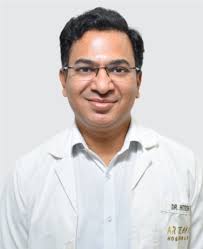
ডা. হিতেশ গর্গ
স্পাইন সার্জারি
আর্তেমিস হাসপাতাল, গুরগাঁও
২০ বছরেরও বেশি অভিজ্ঞতাসম্পন্ন গুরগাঁওয়ের শীর্ষ স্পাইন সার্জন ডা. হিতেশ গর্গ আর্তেমিস হাসপাতালে মিনিমালি ইনভেসিভ ও রোবোটিক সার্জারিতে বিশেষ দক্ষতা অর্জন করেছেন।
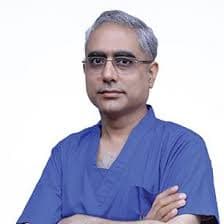
ডা. মনোজ মিগলানি
স্পাইন সার্জারি
ফর্টিস হাসপাতাল, বসন্ত কুঞ্জ, নয়াদিল্লি
২৬ বছরেরও বেশি অভিজ্ঞতাসম্পন্ন শীর্ষ স্পাইন সার্জন ডা. মনোজ মিগলানি ফর্টিস হাসপাতাল, বসন্ত কুঞ্জে মিনিমালি ইনভেসিভ সার্জারিতে বিশেষ দক্ষতা অর্জন করেছেন।
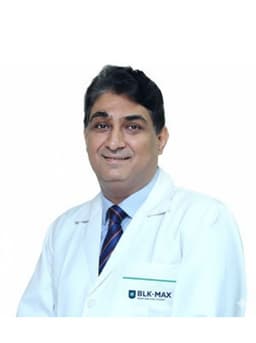
ডা. পুনীত গিরধর
স্পাইন সার্জারি
BLK-ম্যাক্স সুপার স্পেশালিটি হাসপাতাল, নয়াদিল্লি
ডা. পুনীত গিরধর দিল্লির একজন শীর্ষস্থানীয় রোবোটিক স্পাইন সার্জন, যাঁর ২৭ বছরেরও বেশি অভিজ্ঞতা রয়েছে এবং তিনি ১৫,০০০টিরও বেশি স্পাইন সার্জারি সম্পন্ন করেছেন। তিনি BLK-ম্যাক্স হাসপাতালে মিনিমালি ইনভেসিভ ও জটিল স্পাইন সার্জারিতে বিশেষজ্ঞ।
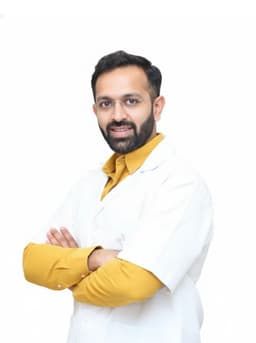
ডা. আশীষ দাগর
স্পাইন সার্জারি
মণিপাল হাসপাতাল, গুরগাঁও
ডা. আশীষ দাগর মণিপাল হাসপাতাল, গুরগাঁওয়ের একজন ফেলোশিপ-প্রশিক্ষিত অর্থোপেডিক স্পাইন সার্জন, যাঁর ১৫ বছরেরও বেশি অভিজ্ঞতা রয়েছে। তিনি মিনিমালি ইনভেসিভ ও এন্ডোস্কোপিক স্পাইন সার্জারি, স্কোলিওসিস সংশোধন এবং সার্ভিক্যাল ও লাম্বার ফিউশনে বিশেষজ্ঞ।
প্রত্যাশিত ফলাফল এবং সাফল্যের অর্থ কী
পুনরুদ্ধার ও ফলো-আপ সময়রেখা
উড়ানের জন্য ফিটনেস এবং কার্যকলাপের সীমা কেন্দ্র-নির্দিষ্ট।
আমি কত দ্রুত শুরু করতে পারি?
দ্বিতীয় মতামত
১২–৪৮ ঘন্টা
সাধারণত মেডিকেল রিপোর্ট শেয়ার করার পর পাওয়া যায়।
সময়সূচী নির্ধারণ
পরিবর্তনশীল
হাসপাতালের প্রাপ্যতা এবং ক্লিনিকাল অগ্রাধিকারের উপর নির্ভর করে।
খরচ এবং আপনার আনুমানিক খরচকে কী প্রভাবিত করে
এই পৃষ্ঠাটি সাধারণ খরচ এবং প্রভাবিতকারী কারণগুলির একটি সংক্ষিপ্ত বিবরণ প্রদান করে। আপনার রিপোর্টগুলির একটি মেডিকেল পর্যালোচনার পর একটি ব্যক্তিগতকৃত আনুমানিক খরচ শেয়ার করা হয়—আপনার ব্যক্তিগত আনুমানিক খরচ জানতে আমাদের সাথে যোগাযোগ করুন।
ভিআরএইচ হেলথকেয়ার কীভাবে সাহায্য করে
ভিআরএইচ হেলথকেয়ার কোনো হাসপাতাল নয়। আমরা আপনার চিকিৎসা সহায়তা এবং রোগী-নেভিগেশন অংশীদার হিসাবে কাজ করি, আপনাকে ভারতে যত্নের মাধ্যমে সুচারুভাবে এগিয়ে যেতে এবং অবহিত সিদ্ধান্ত নিতে সহায়তা করি।
আন্তর্জাতিক রোগী পরিষেবা
ভিআরএইচ-এর সাথে আপনার যত্নের যাত্রা
আপনার চিকিৎসার অভিজ্ঞতার একটি সরলীকৃত ধাপে ধাপে নির্দেশিকা।
মেডিকেল রিপোর্ট শেয়ার করুন
একজন বিশেষজ্ঞের দ্বিতীয় মতামত এবং নির্দেশক আনুমানিক খরচ পান
ভ্রমণ, ভিসা এবং অ্যাপয়েন্টমেন্টের পরিকল্পনা করুন
অন-গ্রাউন্ড সমন্বয়ের সাথে চিকিৎসা
হাসপাতাল থেকে ছাড়ার পরের এবং চলমান টেলি-ফলো-আপ
মেডিকেল রিপোর্ট শেয়ার করুন
একজন বিশেষজ্ঞের দ্বিতীয় মতামত এবং নির্দেশক আনুমানিক খরচ পান
ভ্রমণ, ভিসা এবং অ্যাপয়েন্টমেন্টের পরিকল্পনা করুন
অন-গ্রাউন্ড সমন্বয়ের সাথে চিকিৎসা
হাসপাতাল থেকে ছাড়ার পরের এবং চলমান টেলি-ফলো-আপ
যেখানে আমরা পরিষেবা দিই: আমরা যে দেশগুলিকে সমর্থন করি
মধ্যপ্রাচ্য
মেরুদণ্ড সার্জারির জন্য ভাষা সহায়তা, ভিসা সহায়তা এবং সমন্বিত যত্ন পরিকল্পনা।
আফ্রিকা
মেরুদণ্ডের অবস্থার জন্য রোগ নির্ণয় পর্যালোচনা, ভ্রমণ পরিকল্পনা এবং চিকিৎসা পরবর্তী ফলো-আপের জন্য সহায়তা।
মধ্য এশিয়া ও সিআইএস
উন্নত মেরুদণ্ড যত্নের জন্য দোভাষী পরিষেবা এবং হাসপাতাল সমন্বয়।
দক্ষিণ এশিয়া
মেরুদণ্ডের পদ্ধতির জন্য মতামত, সময়সূচী এবং যত্নের ধারাবাহিকতায় দ্রুত প্রবেশাধিকার।
ইউ.কে. ও ইউএসএ
মেরুদণ্ডের স্বাস্থ্যের জন্য দ্বিতীয় মতামত, খরচ-সংবেদনশীল পরিকল্পনা এবং ফিরে আসার পরের টেলি-ফলো-আপ।
অন্যান্য দেশ
মেরুদণ্ডের চিকিৎসার জন্য ব্যক্তিগত ভ্রমণ এবং যত্নের প্রয়োজনের উপর ভিত্তি করে কাস্টমাইজড সহায়তা।