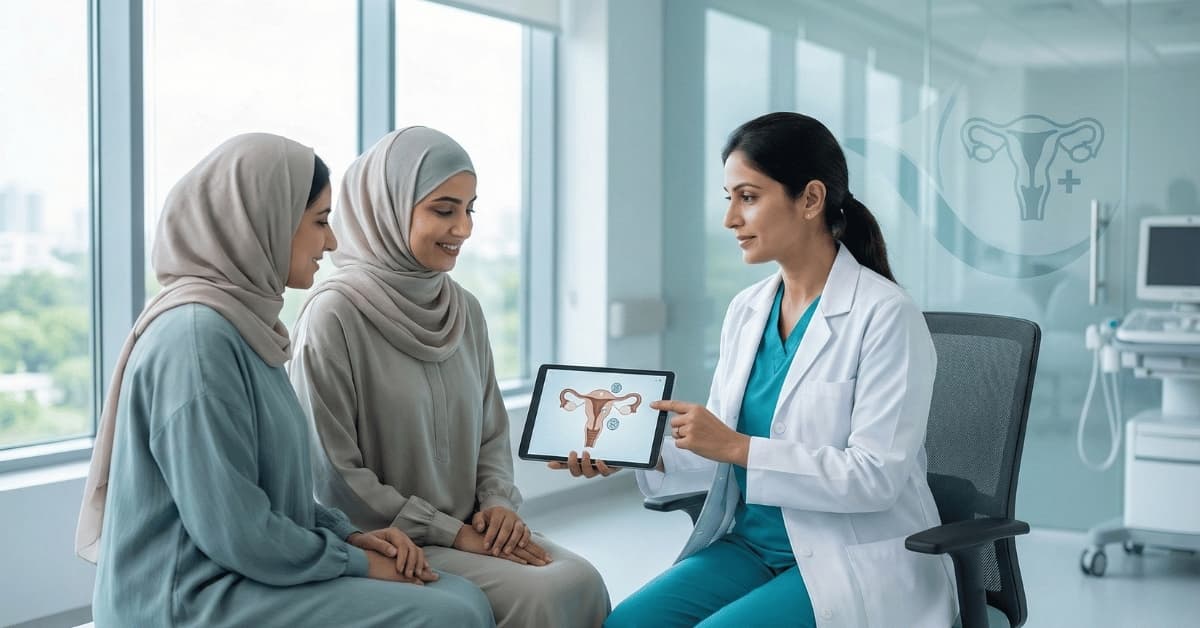
Understanding Laparoscopic Hysterectomy in India: A Comprehensive Guide for International Patients – 2026
For many women facing challenging gynaecological conditions, a hysterectomy can be a life-changing procedure. When considering such a significant surgery, the prospect of seeking care abroad can bring both hope and apprehension. India has emerged as a global leader in advanced gynaecological surgeries, offering world-class medical expertise, state-of-the-art facilities, and significantly more affordable treatment options. This guide aims to demystify the process of undergoing a laparoscopic hysterectomy in India, providing international patients and their families with the knowledge and reassurance needed to make informed decisions and embark on a healing journey with confidence.
What is Laparoscopic Hysterectomy?
A hysterectomy is a surgical procedure to remove the uterus. Traditionally, this was performed through a large abdominal incision, requiring a longer recovery period. However, advancements in medical technology have introduced laparoscopic hysterectomy, a minimally invasive approach that has revolutionized gynaecological surgery. This technique involves making several small incisions, typically 0.5 to 1 cm in length, through which a laparoscope (a thin, lighted tube with a camera) and specialized surgical instruments are inserted. The surgeon views the internal organs on a monitor and performs the procedure with precision, leading to less pain, smaller scars, and a quicker return to daily activities compared to traditional open surgery. This procedure is often recommended for various benign and malignant conditions affecting the uterus, offering a definitive solution and significantly improving a woman's quality of life. Understanding the 'what' behind this procedure is the first step towards a confident medical journey.
Indications for Laparoscopic Hysterectomy
Laparoscopic hysterectomy is a common and effective treatment for a range of gynaecological conditions that have not responded to conservative management. The decision to undergo a hysterectomy is always a significant one, made in consultation with a gynaecologist after careful consideration of a patient's symptoms, medical history, and future reproductive desires. Here are some of the primary reasons this procedure might be recommended:
Types of Hysterectomy Procedures
While the core goal of removing the uterus remains, there are different types of hysterectomy procedures, each tailored to the specific medical needs of the patient. The choice of procedure depends on the underlying condition, the extent of the disease, and the patient's overall health. All these can be performed laparoscopically.
Total Hysterectomy
This is the most common type, involving the removal of the entire uterus, including the cervix. It's often performed for conditions like fibroids, endometriosis, or uterine cancer.
- Removes uterus and cervix
- Suitable for most benign and malignant conditions
- Eliminates risk of cervical cancer (if cervix removed)
Subtotal (Supracervical) Hysterectomy
In this procedure, only the upper part of the uterus is removed, leaving the cervix intact. Some women prefer this to potentially preserve vaginal support and sexual function, though it carries a small risk of future cervical issues.
- Removes uterus, leaves cervix
- Potentially faster recovery and reduced risk of vaginal prolapse
- Requires continued cervical cancer screening
Hysterectomy with Salpingo-Oophorectomy
This involves removing the uterus (total or subtotal) along with one or both fallopian tubes (salpingectomy) and ovaries (oophorectomy). This is often considered for ovarian cysts, endometriosis, or to reduce the risk of ovarian cancer, especially in post-menopausal women or those with a high genetic risk.
- Removes uterus, fallopian tubes, and/or ovaries
- Often recommended for ovarian disease or cancer risk reduction
- Induces surgical menopause if both ovaries are removed
The Laparoscopic Hysterectomy Procedure: What to Expect
Embarking on a surgical journey can feel daunting, but knowing what to expect can bring immense peace of mind. A laparoscopic hysterectomy in India follows a well-defined protocol, ensuring patient safety and optimal outcomes. From your initial consultation to your recovery, every step is meticulously managed. Before the Surgery: You will undergo a thorough medical evaluation, including blood tests, imaging (ultrasound, MRI), and a physical examination. Your surgeon will discuss the procedure in detail, explain potential risks and benefits, and answer all your questions. You'll receive instructions on fasting and medication adjustments. During the Surgery: The procedure is performed under general anaesthesia. The surgeon makes small incisions, typically in the navel and lower abdomen. Carbon dioxide gas is used to inflate the abdomen, creating space for the surgeon to work. The laparoscope provides a magnified view on a screen, guiding the surgeon as they carefully detach and remove the uterus (and other organs if indicated) through one of the small incisions or through the vagina. The incisions are then closed with sutures or surgical glue. Immediately After Surgery: You will be monitored in a recovery room as the anaesthesia wears off. Pain management will be a priority, and you'll be encouraged to move gently to aid circulation and recovery. Most patients experience some discomfort, which is well-managed with medication.
Advanced Technology and Techniques in India
India's leading hospitals are at the forefront of medical innovation, integrating cutting-edge technology to enhance surgical precision and patient outcomes. For laparoscopic hysterectomy, this means access to advanced minimally invasive techniques that set global benchmarks. Surgeons utilize high-definition 3D laparoscopes, providing superior visualization and depth perception, which is crucial for intricate pelvic surgeries. Many facilities also offer robotic-assisted laparoscopic hysterectomy, where a surgeon controls robotic arms with enhanced dexterity and tremor filtration, allowing for even greater precision in complex cases. These technologies translate into smaller incisions, reduced blood loss, lower infection rates, and significantly faster recovery times for international patients seeking a laparoscopic hysterectomy in India. The commitment to adopting and mastering these advanced tools ensures that patients receive care that is not just effective, but also as comfortable and efficient as possible.
Benefits of Laparoscopic Hysterectomy
Choosing a laparoscopic approach for hysterectomy offers numerous advantages over traditional open surgery, making it a preferred option for many women. These benefits significantly contribute to a smoother recovery and a better overall patient experience:
Cost of Laparoscopic Hysterectomy in India
One of the most compelling reasons international patients choose India for medical procedures like laparoscopic hysterectomy is the significant cost savings without compromising on quality. The cost can vary based on the hospital, surgeon's experience, type of hysterectomy, and length of stay, but it consistently offers exceptional value.
| Procedure Type | Cost in India (INR) | Cost in India (USD) | Cost in US (USD) | Cost in UK (GBP) |
|---|---|---|---|---|
| Laparoscopic Hysterectomy | ₹1,80,000 - ₹4,50,000 | $2,200 - $5,500 | $15,000 - $30,000 | £8,000 - £15,000 |
Disclaimer: These are estimated ranges and actual costs may vary based on individual patient condition, choice of hospital, surgeon's fees, pre-operative tests, post-operative care, and any potential complications. It is always advisable to get a personalized quote.*
Global Trust and Medical Tourism in India
India has firmly established itself as a global hub for medical tourism, attracting hundreds of thousands of patients annually from over 120 countries. Patients from the Middle East, Africa, Southeast Asia, and even Western nations increasingly choose India for complex surgeries like laparoscopic hysterectomy. This trust is built on a foundation of highly skilled surgeons, world-class infrastructure, and a patient-centric approach. Beyond the medical expertise, India offers comprehensive support for international patients. This includes assistance with medical visas, airport transfers, comfortable accommodation options for patients and their families, and dedicated language interpreters to ensure seamless communication. The blend of advanced medical care with robust logistical and cultural support makes India an appealing and accessible destination for international patients seeking high-quality, affordable healthcare.
Success Rates and Clinical Outcomes in India
The success rates for laparoscopic hysterectomy in India are comparable to, and often exceed, those in leading Western countries. Indian hospitals boast highly experienced gynaecological surgeons who perform a high volume of these procedures annually, contributing to their expertise and refined techniques. Patients undergoing laparoscopic hysterectomy in India typically experience:
- High Success Rate: Over 95% of laparoscopic hysterectomies are completed without conversion to open surgery, indicating the skill of the surgical teams.
- Low Complication Rate: Major complication rates (such as significant blood loss, infection, or injury to surrounding organs) are typically less than 2-3%, aligning with international benchmarks.
- Excellent Patient Satisfaction: A vast majority of patients report significant improvement in their symptoms and overall quality of life post-surgery.
- Effective Symptom Resolution: For conditions like fibroids, endometriosis, and abnormal bleeding, laparoscopic hysterectomy offers a definitive solution with long-term relief for over 98% of patients.
These impressive outcomes are a testament to the rigorous training of Indian medical professionals, the advanced technology available, and the stringent quality control measures in place.
Recovery and Rehabilitation After Laparoscopic Hysterectomy
The journey to recovery after a laparoscopic hysterectomy is generally smoother and faster than with open surgery, but it still requires patience and adherence to medical advice. Understanding the typical timeline can help you plan your return to daily life:
- Hospital Stay: Most patients stay in the hospital for 1-3 days after a laparoscopic hysterectomy. During this time, pain management, early mobilization, and monitoring for any immediate complications are key.
- First Week Post-Surgery: You will likely experience some discomfort, fatigue, and mild vaginal bleeding or discharge. Rest is crucial, but light walking is encouraged to prevent blood clots. Avoid heavy lifting and strenuous activities.
- 2-4 Weeks Post-Surgery: Most patients can gradually resume light daily activities, such as short walks and household chores. Driving may be possible if you are no longer taking strong pain medication and can comfortably operate the vehicle. Avoid baths, swimming, and sexual intercourse to allow internal healing.
- 4-6 Weeks Post-Surgery: Many women feel significantly better and can return to work, especially if it's not physically demanding. Strenuous exercise and heavy lifting should still be avoided until cleared by your surgeon.
- Full Recovery: Complete internal healing can take up to 6-8 weeks. Your surgeon will provide specific guidelines for resuming all normal activities, including sexual activity and vigorous exercise, based on your individual recovery progress. Follow-up appointments are essential to monitor your healing.
Medical Tourism Support Services
Navigating medical treatment in a foreign country can be complex, but dedicated medical tourism facilitators in India simplify the entire process for international patients. Organizations like VRH Healthcare offer comprehensive support services designed to ensure a seamless and stress-free experience from arrival to departure. These services typically include:
- Visa Assistance: Guidance and support in obtaining medical visas for patients and their accompanying family members.
- Travel Logistics: Arranging airport transfers, local transportation, and booking suitable accommodation (hotels, serviced apartments) near the hospital.
- Interpreter Services: Providing professional medical interpreters to facilitate clear communication between patients, doctors, and hospital staff.
- Appointment Scheduling: Coordinating all medical appointments, including initial consultations, pre-operative tests, surgery, and post-operative follow-ups.
- Telemedicine Consultations: Offering pre-travel virtual consultations with Indian specialists to discuss your case and treatment plan.
- Post-Treatment Follow-up: Assisting with post-discharge care, medication procurement, and arranging remote follow-up consultations once you return home.
- Cultural Orientation: Providing information and support to help patients and families adapt to the local culture and environment.
Quality Assurance and Standards in Indian Hospitals
India's commitment to delivering high-quality healthcare is evident in its robust accreditation systems and world-class medical infrastructure. Many leading hospitals in India are accredited by international bodies such as the Joint Commission International (JCI) and national bodies like the National Accreditation Board for Hospitals & Healthcare Providers (NABH). These accreditations signify adherence to stringent international standards for patient safety, quality of care, and ethical practices. Furthermore, Indian hospitals invest heavily in modern medical equipment, advanced surgical theatres, and state-of-the-art diagnostic facilities. Surgeons and medical staff are highly qualified, often with international training and extensive experience in their respective fields. Continuous medical education and adherence to evidence-based practices ensure that patients receive care that is both innovative and safe. This dedication to quality assurance provides international patients with the confidence that they are receiving care that meets global benchmarks.
Conclusion
Choosing to undergo a laparoscopic hysterectomy is a significant decision, and opting for treatment abroad requires careful consideration. India offers an unparalleled combination of advanced medical expertise, state-of-the-art technology, compassionate care, and remarkable affordability. For international patients seeking a definitive solution to gynaecological challenges, India provides a pathway to healing and improved well-being, supported by a comprehensive ecosystem designed to make your medical journey as smooth and reassuring as possible. Embrace the opportunity for world-class care and a renewed sense of health.
Ready to explore your treatment options? Contact us for a personalized consultation and begin your journey to wellness in India today.