Laparoscopic Myomectomy in India: A Modern Guide for International Patients – 2026
Uterine fibroids, non-cancerous growths in the uterus, can significantly impact a woman's health, causing symptoms like heavy bleeding, pain, and fertility issues. For many, surgical removal offers the most effective path to relief and improved well-being. India has emerged as a global leader in advanced gynaecological care, offering state-of-the-art laparoscopic myomectomy procedures. International patients are increasingly choosing India for its world-class medical expertise, cutting-edge technology, and significantly more affordable treatment options, all while ensuring high success rates and compassionate, patient-centric care.
What is Laparoscopic Myomectomy?
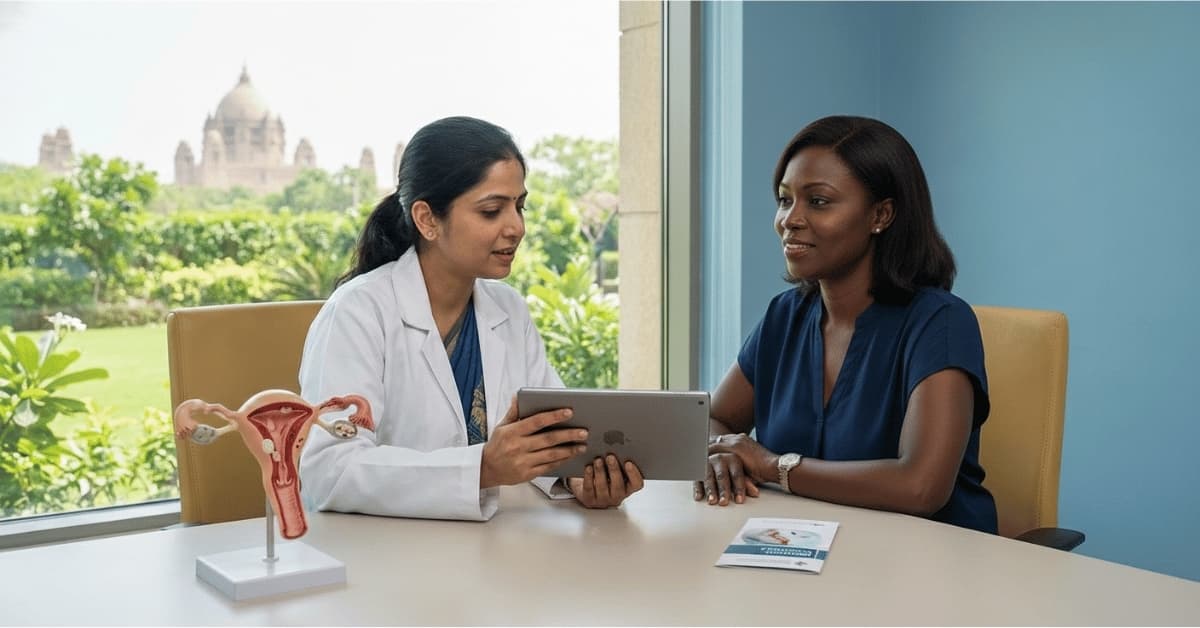
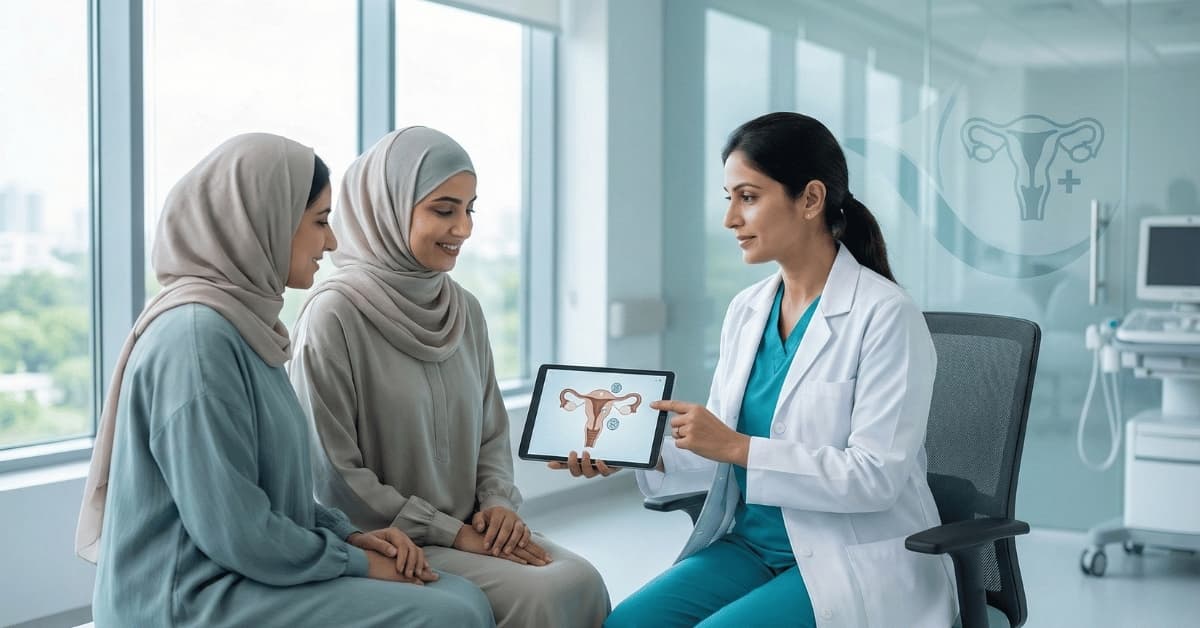
Laparoscopic myomectomy is a minimally invasive surgical procedure designed to remove uterine fibroids while preserving the uterus. Uterine fibroids, also known as leiomyomas, are common benign (non-cancerous) growths that develop in the muscular wall of the uterus. While often asymptomatic, they can cause a range of debilitating symptoms, including heavy menstrual bleeding, pelvic pain, pressure on the bladder or bowel, and even infertility or pregnancy complications. Unlike traditional open myomectomy, which requires a large abdominal incision, laparoscopic myomectomy involves several small incisions, typically less than half an inch each. Through these tiny openings, a surgeon inserts a laparoscope (a thin, lighted tube with a camera) and specialized surgical instruments. This allows for precise visualization and removal of the fibroids, followed by careful reconstruction of the uterine wall. The primary goal is to alleviate symptoms, improve quality of life, and for many women, preserve or restore fertility.
Why Choose Laparoscopic Myomectomy?
Choosing laparoscopic myomectomy offers significant advantages over traditional open surgery, making it a preferred option for many women seeking fibroid removal. This modern approach prioritizes patient comfort and a quicker return to daily life.
Preparing for Your Laparoscopic Myomectomy in India
Embarking on a medical journey abroad requires careful preparation. Indian hospitals and medical tourism facilitators are well-equipped to guide international patients through every step, ensuring a smooth and stress-free experience.
The Laparoscopic Myomectomy Procedure: What to Expect
Understanding the surgical process can help alleviate anxiety. Laparoscopic myomectomy is performed under general anesthesia, meaning you will be asleep throughout the procedure. The surgical team will monitor your vital signs closely. Once anesthesia is administered, the surgeon will make 3-4 small incisions, typically around 0.5 to 1 cm, in your abdomen. One incision, usually near the belly button, is used to insert a laparoscope, which transmits high-definition images of your pelvic organs to a monitor. Carbon dioxide gas is gently introduced into the abdomen to create space and improve visibility. Through the other small incisions, specialized surgical instruments are inserted to carefully locate, cut, and remove the fibroids. The surgeon meticulously repairs the uterine wall after fibroid removal to ensure its integrity. Once all fibroids are removed and the uterus is repaired, the instruments are withdrawn, the gas is released, and the incisions are closed with sutures or surgical tape. The procedure typically takes 1 to 3 hours, depending on the number, size, and location of the fibroids.
Advanced Technology and Techniques in India
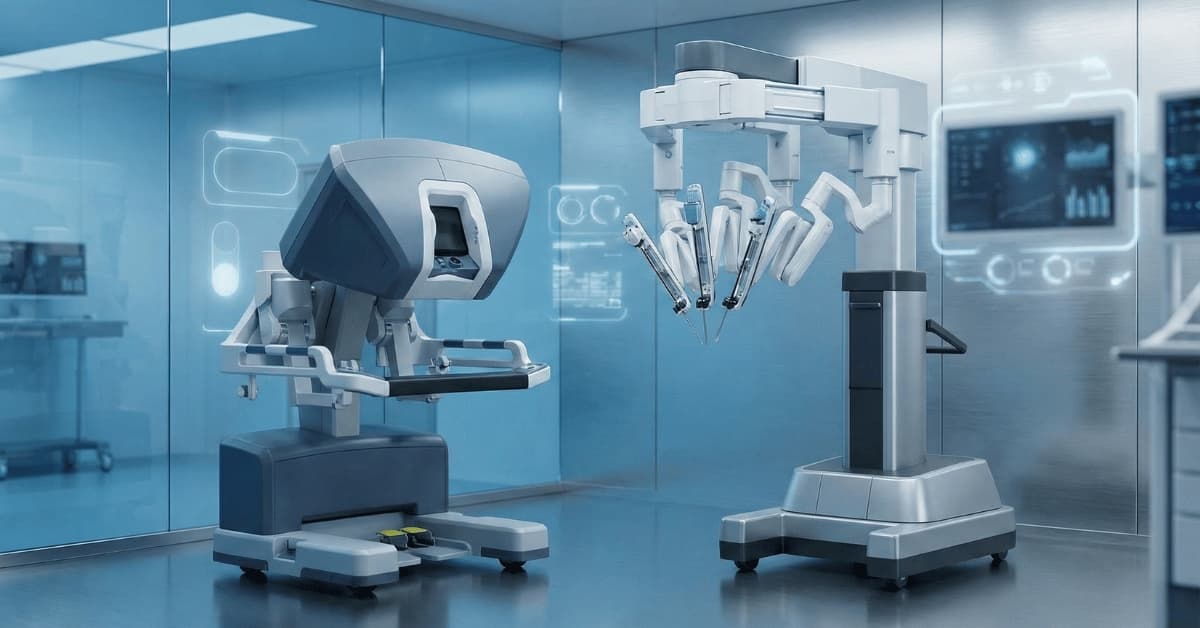
India's leading hospitals are at the forefront of gynaecological surgery, integrating advanced technology to enhance precision, safety, and patient outcomes in laparoscopic myomectomy. These innovations contribute significantly to India's reputation as a preferred medical destination. Many facilities utilize high-definition 3D laparoscopic systems, which provide surgeons with a magnified, stereoscopic view of the surgical field. This enhanced depth perception allows for greater accuracy in identifying and excising fibroids, especially those in challenging locations. For complex cases, robotic-assisted myomectomy is also available. Robotic systems offer surgeons superior dexterity, tremor filtration, and a stable, magnified 3D view, enabling even more intricate suturing and reconstruction of the uterine wall. Furthermore, advanced energy devices are employed to minimize blood loss and ensure precise tissue dissection. These technological advancements, combined with the expertise of highly skilled gynaecological surgeons, ensure that patients receive the most sophisticated and effective care possible.
Cost of Laparoscopic Myomectomy in India
One of the most compelling reasons international patients choose India for medical treatment is the significant cost savings without compromising on quality. Laparoscopic myomectomy in India is remarkably affordable compared to Western countries.
| Country/Region | Estimated Cost (USD) | Estimated Cost (INR) |
|---|---|---|
| **India** | $3,000 - $7,000 | ₹250,000 - ₹580,000 |
| **United States** | $15,000 - $30,000 | (Not applicable) |
| **United Kingdom** | $10,000 - $20,000 | (Not applicable) |
Disclaimer: These are estimated ranges. Actual costs can vary significantly based on the hospital's reputation, the surgeon's fees, the complexity of the case, the length of hospital stay, and additional services required. It's crucial to obtain a detailed cost estimate from your chosen hospital or medical facilitator.*
Global Trust and Medical Tourism for Gynaecological Procedures in India
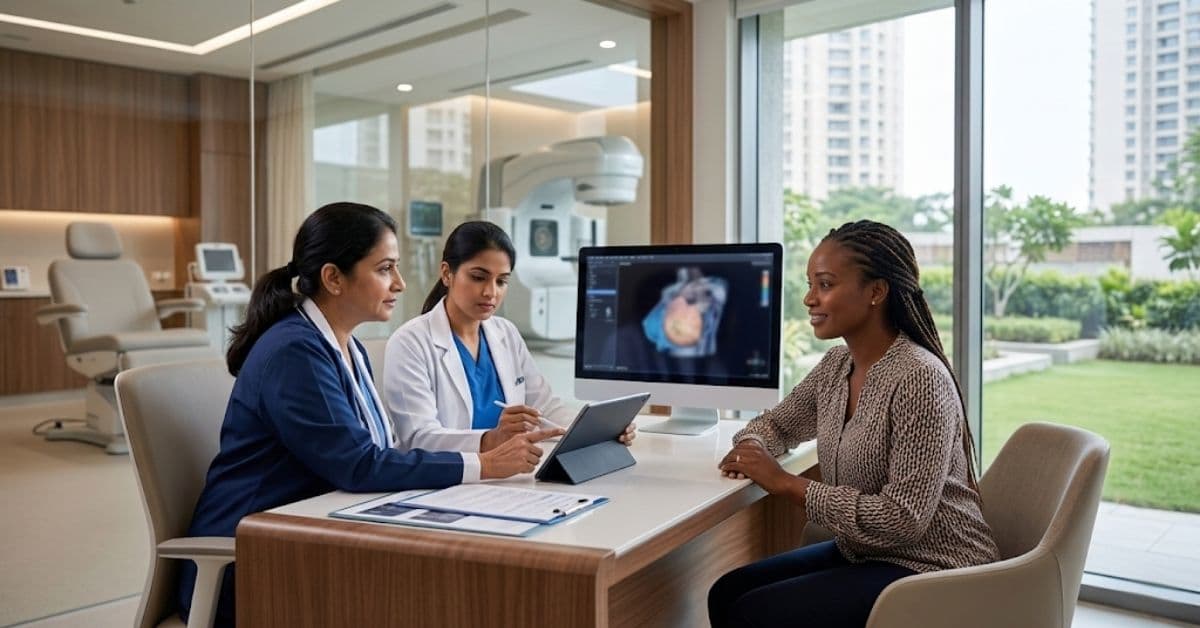
India has firmly established itself as a global hub for medical tourism, attracting hundreds of thousands of international patients annually. For gynaecological procedures like laparoscopic myomectomy, patients from diverse regions, including Africa, the Middle East, Southeast Asia, and even Western countries, increasingly choose India. This trust stems from several factors: the availability of highly qualified and experienced gynaecological surgeons, state-of-the-art medical infrastructure, and significantly lower treatment costs. Beyond medical excellence, India offers comprehensive logistical and cultural support. This includes streamlined visa assistance, airport pickup and drop-off services, comfortable accommodation options, and dedicated patient coordinators who assist with appointments, language interpretation, and cultural orientation. The blend of advanced medical care with empathetic support makes India a preferred destination for women seeking specialized gynaecological treatment.
Success Rates and Clinical Outcomes of Laparoscopic Myomectomy
Laparoscopic myomectomy in India boasts impressive success rates and clinical outcomes, providing significant relief from symptoms and often improving fertility prospects for women. Data from leading Indian hospitals indicates a high efficacy rate for fibroid removal and symptom resolution.
- Fibroid Removal Success: The procedure has a 90-95% success rate in effectively removing fibroids and alleviating associated symptoms such as heavy bleeding, pelvic pain, and pressure.
- Symptom Improvement: Most patients experience a dramatic reduction or complete resolution of their fibroid-related symptoms post-surgery, leading to a significant improvement in their quality of life.
- Fertility Outcomes: For women struggling with infertility due to fibroids, laparoscopic myomectomy can significantly improve their chances of conception. Studies show that many women are able to conceive naturally or with assisted reproductive technologies after successful myomectomy, with pregnancy rates often reaching 40-60% in previously infertile patients.
- Low Recurrence Rates: While fibroids can recur, especially if new ones develop, the recurrence rate after a well-performed myomectomy is relatively low, particularly when all visible fibroids are removed and the uterus is meticulously repaired. Long-term follow-up care helps manage any potential new growths.
Recovery and Post-Operative Care
The recovery process after laparoscopic myomectomy is generally faster and less painful than open surgery, but it still requires careful attention to ensure optimal healing and long-term well-being. Your medical team in India will provide detailed post-operative instructions.
- Hospital Stay: Typically 1 to 3 days. During this time, you'll be monitored for pain, bleeding, and any signs of complications. You'll be encouraged to walk short distances to aid recovery.
- Pain Management: Mild to moderate pain and discomfort at the incision sites and possibly shoulder pain (due to residual CO2 gas) are common. Pain medication will be prescribed to manage this.
- Activity Restrictions (First 2-4 Weeks): Avoid heavy lifting, strenuous exercise, douching, and sexual intercourse. Rest is crucial, but light walking is encouraged to prevent blood clots.
- Return to Work/Daily Activities: Most patients can return to light work or daily routines within 2 to 3 weeks, depending on the nature of their job and individual recovery.
- Full Recovery: Complete internal healing can take 4 to 6 weeks. It's important to follow your surgeon's advice regarding resuming full activities.
- Follow-up Appointments: You will have follow-up appointments before you return home to ensure proper healing and address any concerns. Telemedicine options are often available for post-return follow-ups.
Medical Tourism Support Services
Navigating medical treatment in a foreign country can be daunting, but India's robust medical tourism ecosystem provides comprehensive support services to ensure a seamless experience for international patients and their families. Organizations like VRH Healthcare and other facilitators offer end-to-end assistance.
These services typically include:
- Visa Facilitation: Assistance with obtaining medical visas for patients and their accompanying caregivers.
- Travel Logistics: Airport pick-up and drop-off, and help with local transportation.
- Accommodation Assistance: Guidance on choosing suitable hotels, guest houses, or serviced apartments near the hospital.
- Dedicated Patient Coordinators: A single point of contact who assists with appointments, hospital admissions, billing, and all non-medical needs.
- Language Interpreters: Professional interpreters are available to bridge communication gaps between patients and medical staff.
- Telemedicine and Follow-up: Pre-arrival consultations and post-discharge follow-ups can often be conducted via telemedicine, ensuring continuous care even after returning home.
- Cultural Sensitivity: Support teams are trained to understand and respect diverse cultural backgrounds, making patients feel more comfortable and understood.
Quality Assurance and Standards in Indian Hospitals
India's commitment to delivering world-class healthcare is reflected in the stringent quality assurance measures adopted by its leading hospitals. International patients can be confident in receiving care that meets global benchmarks. Many top hospitals in India are accredited by prestigious international bodies such as the Joint Commission International (JCI), a global leader in healthcare quality and patient safety. Additionally, national accreditation bodies like the National Accreditation Board for Hospitals & Healthcare Providers (NABH) ensure adherence to high standards of patient care, infrastructure, and clinical outcomes. These accreditations signify that hospitals follow rigorous protocols for patient safety, infection control, ethical practices, and continuous quality improvement. Indian medical professionals, including gynaecological surgeons, are highly qualified, often trained internationally, and bring extensive experience to their practice. The combination of accredited facilities, skilled professionals, and advanced technology ensures a safe and effective treatment environment.
Conclusion
Laparoscopic myomectomy offers a modern, effective solution for women suffering from uterine fibroids, providing significant relief with minimal invasiveness and faster recovery. India stands as a beacon of medical excellence, combining advanced surgical techniques, state-of-the-art technology, and highly skilled gynaecological surgeons with compassionate care and unparalleled affordability. For international patients and their families, choosing India for this vital procedure means accessing world-class treatment, comprehensive support services, and a pathway to improved health and well-being. Embrace the opportunity to receive exceptional care in a globally trusted medical destination.
Ready to explore your treatment options? Contact us today for a personalized consultation and begin your journey to recovery in India.