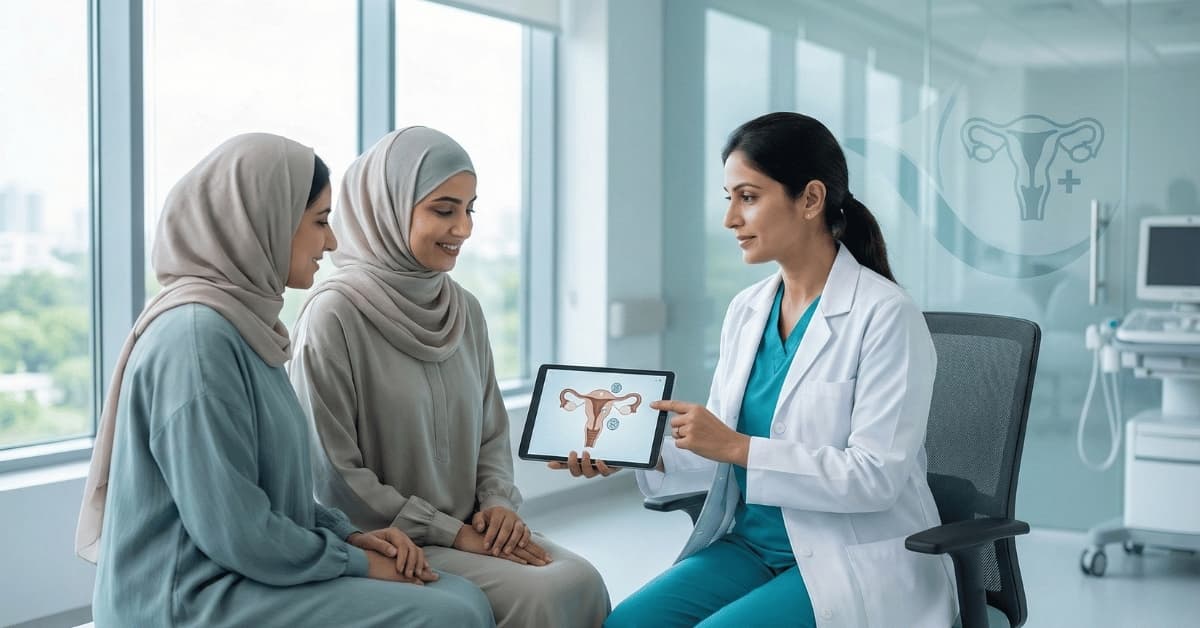
Pelvic Reconstructive Surgery in India: A Comprehensive Guide for International Patients – 2026
For many international patients facing pelvic floor disorders, the journey to recovery can feel overwhelming. Pelvic reconstructive surgery offers a path to renewed comfort and quality of life, addressing conditions that impact daily well-being. India has emerged as a global leader in this specialized field, combining world-class medical expertise with advanced technology and compassionate care. Patients from across the globe are increasingly choosing India for its cost-effective treatment options, high success rates, and a holistic approach that supports not just the medical procedure but the entire patient experience.
What is Pelvic Reconstructive Surgery?
Pelvic reconstructive surgery is a specialized set of procedures designed to repair and restore the normal anatomy and function of the pelvic floor. The pelvic floor is a complex network of muscles, ligaments, and connective tissues that support the bladder, uterus (in women), rectum, and other pelvic organs. When these structures weaken or are damaged, often due to childbirth, aging, obesity, or previous surgeries, it can lead to conditions like pelvic organ prolapse (where organs descend from their normal position) or urinary/fecal incontinence. The goal of this surgery is to alleviate symptoms such as pressure, discomfort, pain, and loss of bladder or bowel control, significantly improving a patient's quality of life. It's a delicate process that requires specialized surgical skills to reconstruct the supportive structures, ensuring long-term relief and functional restoration.
Indications for Pelvic Reconstructive Surgery
Understanding when pelvic reconstructive surgery is necessary is crucial. It's typically recommended after conservative treatments (like physiotherapy or pessaries) have not provided sufficient relief. The primary indications include:
Types of Pelvic Reconstructive Surgery Procedures
Pelvic reconstructive surgery encompasses various techniques, tailored to the specific type and severity of the pelvic floor disorder. The choice of procedure depends on the organs involved, the extent of prolapse, and the patient's overall health and preferences.
Native Tissue Repair (Colporrhaphy)
This traditional approach uses the patient's own tissues and sutures to reinforce weakened areas. It's often performed vaginally and is suitable for mild to moderate prolapse. It avoids the use of synthetic materials.
- Minimally invasive, often performed vaginally.
- Lower risk of mesh-related complications.
- Suitable for many types of cystocele and rectocele.
Sacrocolpopexy (with or without Mesh)
Considered the gold standard for vaginal vault prolapse, this procedure involves attaching the top of the vagina to the sacrum (tailbone) using sutures or a synthetic mesh. It can be performed abdominally (open, laparoscopic, or robotic-assisted).
- Highly effective for long-term support.
- Often performed robotically for precision and faster recovery.
- Offers excellent anatomical correction.
Sling Procedures for Urinary Incontinence
These procedures involve placing a 'sling' (made of synthetic mesh or the patient's own tissue) under the urethra to provide support and prevent urine leakage during physical activity. Mid-urethral slings are very common and highly successful.
- High success rates for stress urinary incontinence (up to 90%).
- Minimally invasive, often outpatient procedures.
- Quick return to daily activities.
Patient Suitability and Pre-operative Assessment
Determining patient suitability for pelvic reconstructive surgery involves a thorough and empathetic evaluation. Indian specialists prioritize a comprehensive assessment to ensure the best possible outcomes. This typically includes:
- Detailed Medical History: Reviewing past pregnancies, childbirths, surgeries, and chronic conditions.
- Physical Examination: A thorough pelvic exam to assess the type and degree of prolapse or incontinence.
- Urodynamic Studies: Tests to evaluate bladder function, urine flow, and pressure, especially for incontinence.
- Imaging: MRI or ultrasound may be used to visualize pelvic organs and identify any underlying issues.
- Lifestyle and Goals Discussion: Understanding the patient's daily activities, expectations, and desired quality of life post-surgery.
Surgeons in India work closely with patients and their families to discuss all available options, potential risks, and expected recovery, ensuring an informed decision. Factors like age, overall health, and desire for future pregnancies are carefully considered.
Advanced Techniques and Technology in India
India's leading hospitals are at the forefront of adopting advanced technologies for pelvic reconstructive surgery, ensuring precision, safety, and faster recovery. These innovations include:
- Robotic-Assisted Surgery: Utilizing systems like the da Vinci robot, surgeons perform complex procedures with enhanced visualization (3D HD), greater dexterity, and precision through small incisions. This translates to less pain, minimal blood loss, shorter hospital stays, and quicker return to normal activities for patients undergoing procedures like sacrocolpopexy.
- Minimally Invasive Laparoscopic Techniques: Many procedures are now performed laparoscopically, using small incisions and specialized instruments, reducing trauma compared to traditional open surgery. This approach is widely used for various prolapse repairs and incontinence treatments.
- Advanced Imaging: State-of-the-art diagnostic imaging, including high-resolution MRI and 3D ultrasound, provides detailed anatomical information crucial for precise surgical planning.
- Biocompatible Materials: When mesh is indicated, Indian hospitals use only FDA-approved, high-quality synthetic materials designed for long-term safety and efficacy, minimizing complications.
Cost of Pelvic Reconstructive Surgery in India
One of the most compelling reasons international patients choose India for pelvic reconstructive surgery is the significant cost savings without compromising on quality. Here's a comparison:
| Procedure Type | Cost in India (USD) | Cost in India (INR) | Cost in US/UK (USD) |
|---|---|---|---|
| Native Tissue Repair | $2,500 - $5,000 | ₹200,000 - ₹400,000 | $10,000 - $20,000 |
| Sacrocolpopexy (Laparoscopic/Robotic) | $4,000 - $8,000 | ₹320,000 - ₹640,000 | $15,000 - $35,000 |
| Sling Procedure (SUI) | $2,000 - $4,000 | ₹160,000 - ₹320,000 | $8,000 - $18,000 |
Disclaimer: These are estimated ranges. Actual costs may vary significantly based on the specific hospital, surgeon's fees, type of procedure, duration of hospital stay, complexity of the patient's condition, and additional services required. It's always advisable to get a personalized quote.*
India's Expertise in Pelvic Reconstructive Surgery
India has firmly established itself as a premier destination for complex gynecological surgeries, including pelvic reconstruction. The country boasts a cadre of highly skilled gynecological surgeons and urogynecologists, many of whom have international training and extensive experience in high-volume centers. Hospitals in major cities like Delhi, Mumbai, Chennai, and Bangalore are equipped with state-of-the-art infrastructure, including dedicated pelvic floor clinics and advanced operating theaters. International patients are drawn by the combination of clinical excellence, compassionate nursing care, and the ability to access cutting-edge treatments at a fraction of the cost found in Western countries. The focus on patient-centric care, coupled with a strong track record of successful outcomes, reinforces India's reputation as a trusted medical hub for pelvic reconstructive surgery.
Success Rates and Long-term Outcomes
The success rates for pelvic reconstructive surgery in India are highly encouraging, aligning with global benchmarks. For most procedures, patients experience significant improvement in symptoms and quality of life.
- Pelvic Organ Prolapse Repair: Success rates for anatomical correction and symptom relief typically range from 85% to 95% over five years, depending on the type of prolapse and surgical technique. Many patients report complete resolution of their symptoms.
- Stress Urinary Incontinence (SUI) Sling Procedures: These procedures boast success rates of 80% to 90% in achieving continence or significant improvement in urinary leakage.
- Long-term Durability: With appropriate post-operative care and lifestyle modifications, the results of pelvic reconstructive surgery can be long-lasting, providing sustained relief for many years. Regular follow-ups are crucial to monitor recovery and address any potential recurrence, which is generally low.
These statistics reflect the expertise of Indian surgeons and the comprehensive care provided, giving international patients confidence in their treatment journey.
Recovery and Post-operative Care
A smooth recovery is vital for the long-term success of pelvic reconstructive surgery. Indian hospitals provide detailed post-operative care plans, ensuring patients are well-supported through each stage:
- Hospital Stay: Typically 1-3 days, depending on the complexity of the surgery. Patients are monitored for pain, bleeding, and bladder function.
- Pain Management: Effective pain relief strategies are implemented to ensure comfort during the initial recovery period.
- Activity Restrictions (First 4-6 Weeks):
- Avoid heavy lifting (anything over 5-10 lbs).
- Refrain from strenuous exercise and sexual intercourse.
- Avoid prolonged standing or sitting.
- Focus on light walking to promote circulation.
- Diet and Bowel Care: A high-fiber diet and stool softeners are often recommended to prevent constipation and straining, which can put pressure on the healing tissues.
- Physiotherapy/Pelvic Floor Exercises: Often initiated a few weeks post-surgery, guided by a specialist, to strengthen pelvic floor muscles and improve function.
- Return to Daily Life: Most patients can resume light daily activities within 2-4 weeks. Full recovery and return to all normal activities, including exercise, typically take 6-12 weeks, depending on the individual and procedure.
- Follow-up Appointments: Essential for monitoring healing, removing sutures (if non-dissolvable), and assessing long-term outcomes. Telemedicine options are often available for international patients after their return home.
Medical Tourism Support Services for Your Journey
Navigating medical treatment abroad can be complex, but India's medical tourism ecosystem is designed to provide seamless support. Dedicated medical tourism facilitators, such as VRH Healthcare, offer comprehensive services to international patients and their families:
- Visa Assistance: Guidance and support for obtaining medical visas.
- Travel Logistics: Airport pickup and drop-off, local transportation arrangements.
- Accommodation: Assistance with booking hotels, guesthouses, or serviced apartments near the hospital.
- Language Support: Professional interpreters to ensure clear communication with medical staff.
- Treatment Planning: Facilitating consultations, second opinions, and personalized treatment plans.
- Financial Coordination: Transparent cost estimates and assistance with payment processes.
- Post-Treatment Care: Arranging follow-up appointments, telemedicine consultations, and prescription refills.
- Cultural Orientation: Providing information and support to help patients and caregivers adapt to the local environment, including dietary needs and cultural sensitivities.
These services ensure a stress-free experience, allowing patients to focus solely on their recovery.
Quality Assurance and International Standards
India's commitment to patient safety and quality care is reflected in its adherence to international standards. Many leading hospitals specializing in pelvic reconstructive surgery are accredited by prestigious bodies such as:
- Joint Commission International (JCI): This US-based accreditation signifies that a hospital meets rigorous international standards for patient safety and quality of care.
- National Accreditation Board for Hospitals & Healthcare Providers (NABH): India's own stringent accreditation body, ensuring high standards in patient care, infrastructure, and clinical outcomes.
These accreditations, combined with highly qualified medical professionals, advanced technology, and strict infection control protocols, assure international patients that they will receive world-class treatment in a safe and regulated environment. Continuous quality improvement initiatives are a cornerstone of Indian healthcare, ensuring that patient care remains at the highest level.
Conclusion
Pelvic reconstructive surgery offers a profound opportunity for international patients to regain comfort, confidence, and control over their lives. India stands as a beacon of hope, providing not just advanced surgical solutions but also a supportive and empathetic environment for healing. With its blend of expert surgeons, cutting-edge technology, affordable costs, and comprehensive patient support, India is truly a trusted destination for those seeking to restore their pelvic health. Embrace the possibility of a better tomorrow.
Ready to explore your treatment options? Contact us for a personalized consultation and plan your pelvic reconstructive surgery in India today.